Sauce Filling Machine Price: Cost Factors, Line Options, and RFQ Checklist
Two fillers can carry the same nozzle count and still belong in very different quotations. A semi-automatic sauce filling machine, an automatic multi-head filler, and a complete filling, capping, and labeling line are different projects, even when the spec sheets look similar on paper.
A quotation you can actually trust does not start with a machine model. It starts with how the sauce behaves on the line, what container it goes into, how fast you need to run, and exactly what equipment sits inside the quote. Once those points are locked down, you can finally compare like with like instead of stacking two totals built on different assumptions.
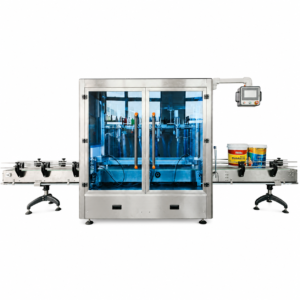
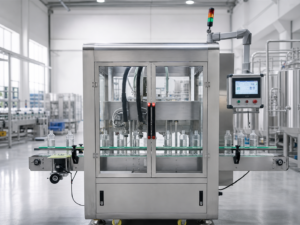
This guide walks through what really changes a sauce filling machine price, where costs quietly get left off a quote, and what to send suppliers with an RFQ. For available machine and line options, see LEKA Pack Line’s sauce filling equipment. For broader budgeting context, use the bottle filling machine price guide.
A useful quotation begins with the sauce, the container, the closure, the output target, and the exact scope you want the supplier responsible for.
A Fair Price Comparison Starts With the Same Scope
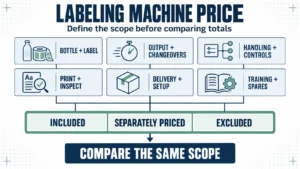
Before comparing totals, divide each proposal into four cost layers. If one supplier has priced only the filler while another has included capping, conveyors, testing, and startup support, the quotations are not competing on the same job.
| Cost Layer | What Changes | What You Should Confirm |
|---|---|---|
| Product Handling | Viscosity, particles, filling temperature, separation, and product feed | Real sauce condition, sample availability, and required product path |
| Filling Platform | Filling method, measuring range, nozzle count, controls, and container handling | Fill volumes, bottle formats, and required output |
| Packaging Line | Capping, labeling, coding, conveying, inspection, and packing | Where the supplier’s responsibility starts and ends |
| Project Supply | Product testing, FAT, spares, documentation, freight, installation, and training | Acceptance method, delivery term, destination, and buyer responsibilities |
Tabletop fillers, standalone industrial machines, pouch equipment, and connected bottle lines do not describe the same purchase, so their totals cannot be turned into a dependable market average.
What Changes the Quoted Cost?
1. Sauce Behavior at the Real Filling Temperature
Start with the sauce as it behaves during production, not with the machine shown in a catalogue. A product that pours easily when warm may become much harder to move after a pause. That difference can change the filling method, product-feed arrangement, measuring range, nozzle design, and expected cycle time.
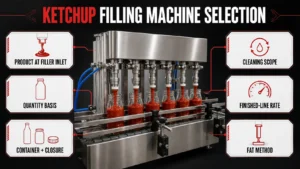
Do not describe the product only as “thick.” Tell the supplier whether it pours, stretches, drips, holds its shape, separates, or changes after heating. If viscosity data is available, include the test temperature and method. The sauce filling machine selection guide explains the basic relationship between product behavior and common filling methods without turning one method into a universal answer.
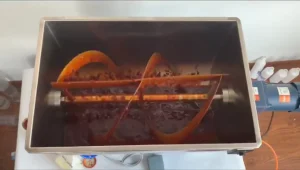
This same step also determines two commonly overlooked options that can move the price on their own: an agitated mixing tank, and a heated or temperature-controlled tank. If the sauce settles, separates, or needs re-mixing after standing, a hopper with agitation replaces a basic hopper — and the motor, drive, and control logic add cost. If the sauce must stay above a specific process temperature to keep its target flow (cheese sauces, chocolate sauces, or hot-filled tomato products, for example), the tank also needs a heating jacket or insulated design, and these temperature-controlled tanks are consistently quoted higher than standard ones. Ask suppliers to list these two options separately on the quote rather than folding them into a generic “hopper” line item — otherwise it becomes difficult to tell whether two proposals are even describing the same tank.
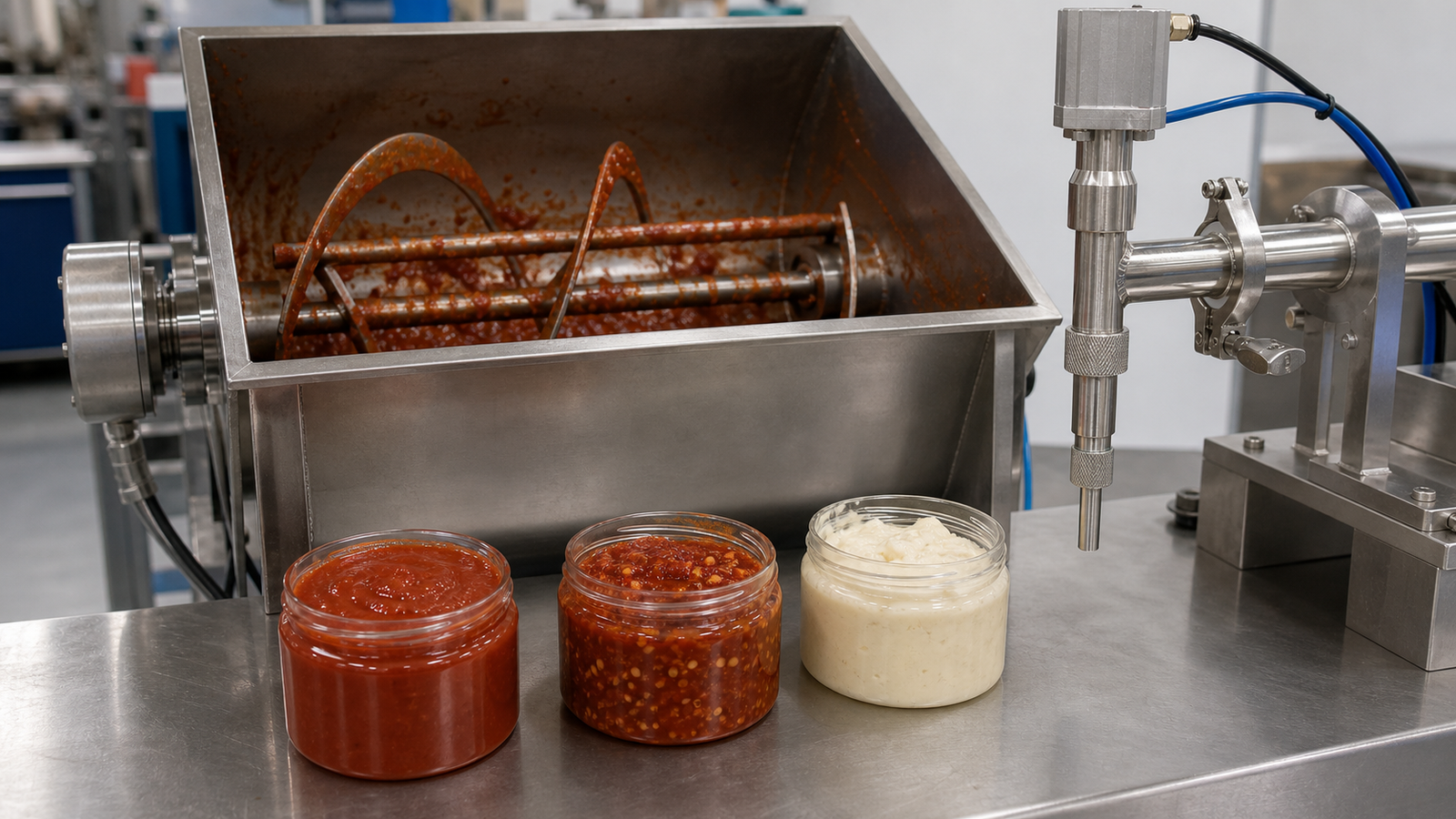
2. Seeds, Pulp, Herbs, and Other Particles
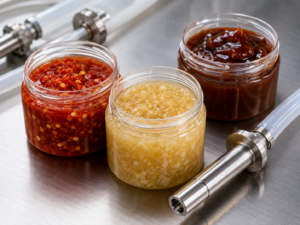
The narrowest point is not always the nozzle. Pieces must pass through the inlet, valve, measuring chamber, hose, and outlet without repeated blockage or unacceptable damage. Give the largest particle, its shape, whether it is soft or fibrous, the approximate particle share, and whether pieces must remain intact.
Particle content does more than dictate valve and path design — it also determines which pump type the machine needs, and pump selection is one of the biggest swing factors in the final quote. For smooth, low-particle, moderate-viscosity sauces, a gear pump is usually the most cost-effective choice, offering strong metering accuracy at a lower price point. But once particles, fibers, or crystallizing ingredients enter the mix, gear pumps tend to jam or wear quickly in the tight tolerances between gears. That’s when suppliers typically shift to a magnetic drive pump or an air-operated diaphragm pump, both of which handle particulates far better — magnetic pumps in particular offer strong sealing and lower maintenance, but they carry a noticeably higher purchase price than gear pumps. High-viscosity, particle-free products like honey or syrup may instead call for a screw pump. Pump selection isn’t arbitrary; once a supplier has chosen a pump type based on your sauce, the quote naturally lands in a different price tier — so always confirm exactly which pump is specified before comparing two numbers.
A specific example is LEKA’s semi-automatic chunky sauce filling machine and its chunky sauce filling demonstration. Your product still needs to be checked against its own filling condition. This published LEKA trial shows one particulate-sauce setup; it is not a universal particle specification.
3. Fill Range, Nozzle Count, and the Output Target
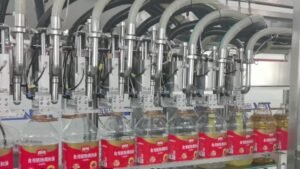
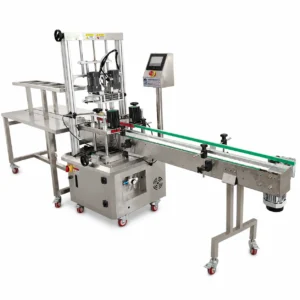
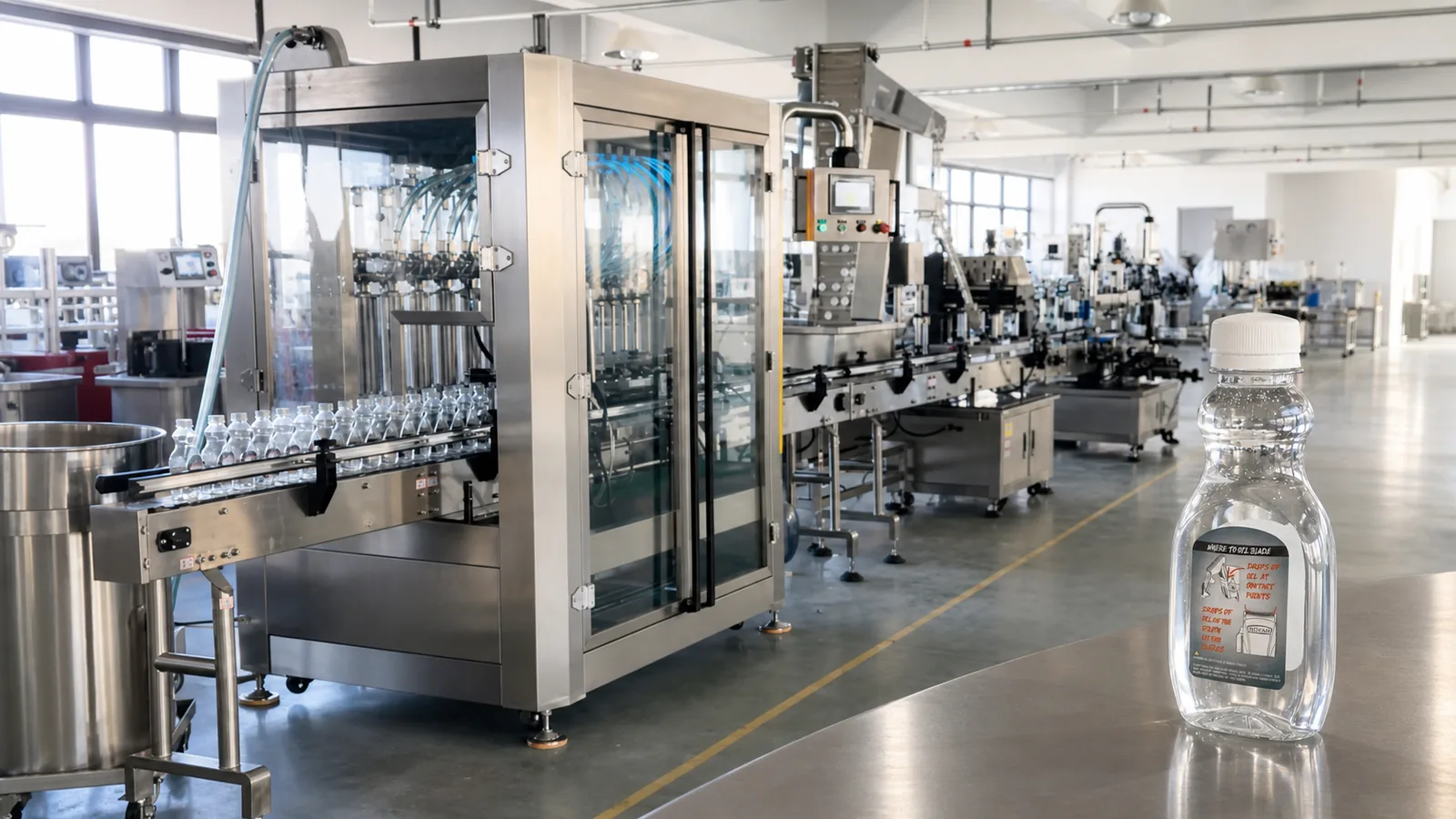
A machine filling one bottle size at a moderate rate is a different project from a multi-head filler handling several volumes. More heads add valves, nozzles, controls, manifolds, guarding, and product supply demand. They can also require a larger conveyor and better bottle spacing.
Adding filling heads does more to the price than simply multiplying the nozzle count. More heads mean higher total product throughput running through the machine at once, which often outpaces the capacity of the pump originally specified for a lower head count — the flow rate and pressure demand both increase, and this frequently means upgrading to a larger, more powerful pump rather than reusing the original one. The machine’s overall footprint also grows, which can push changes to the frame, drive system, control cabinet, and even the width and load rating of the conveyor. Add these together, and the price gap between a 4-head and a 6-head machine is often larger than a simple per-nozzle calculation would suggest — this is exactly why a small difference in head count can push a quote into a completely different price bracket.
State the required bottles per hour for each main sauce, fill volume, and container. More filling heads will not improve finished-line output if cap feeding, labeling, bottle loading, or packing becomes the next bottleneck. Use the filling machine output guide to separate filler cycle rate from realistic line output.
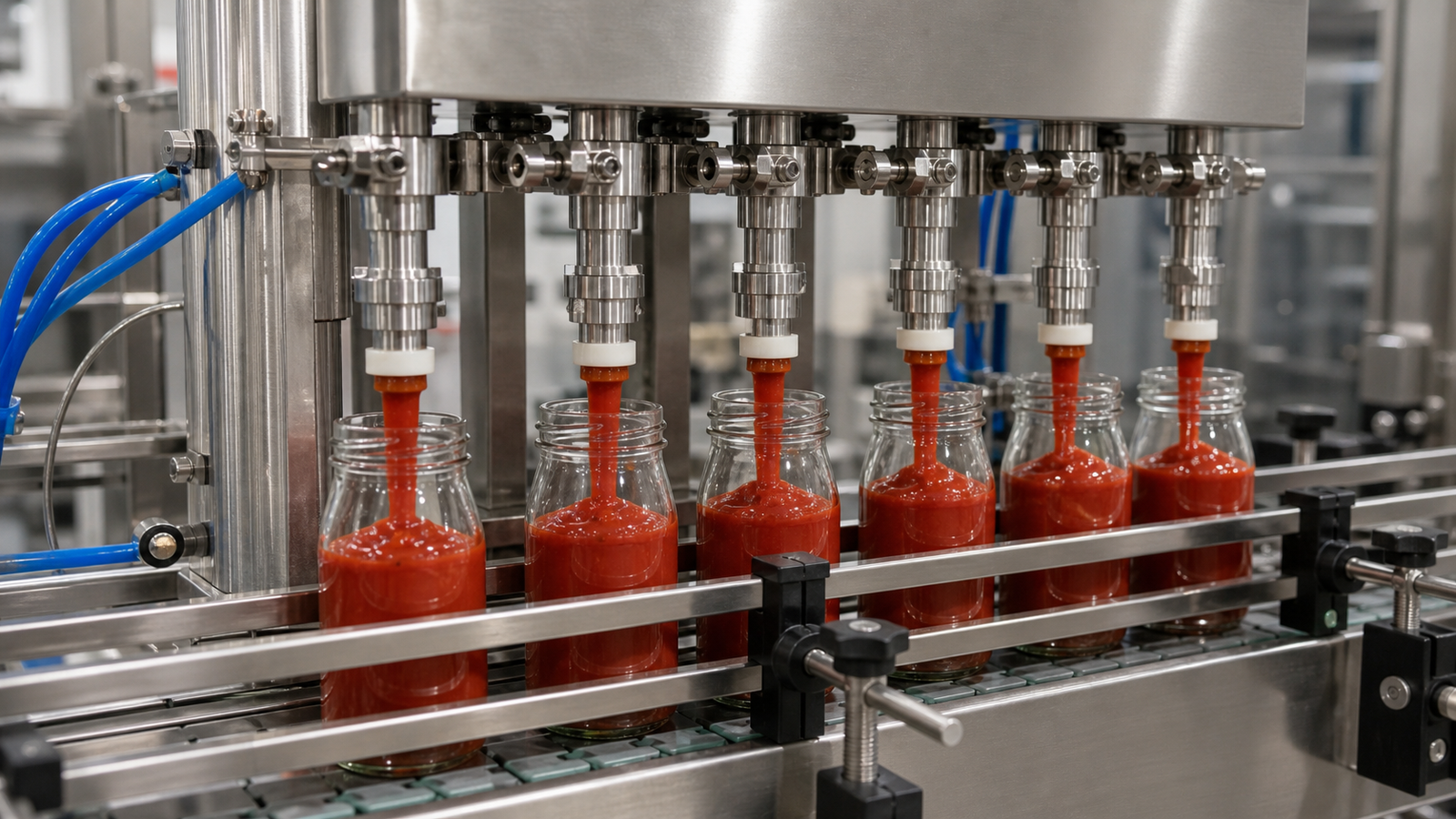
4. Hopper Capacity, Agitation, Heating, and Product Feed
A basic hopper, a heated hopper, and an agitated product tank are not interchangeable. Heating may be needed when the sauce must remain within the documented operating range supplied for the product. Agitation may be useful when particles settle or an oily mixture separates while waiting. A transfer pump or level control may be required when the filler is supplied from a separate production tank.
These features should follow the product, not be added as decorative options. Explain what happens during a normal batch, after a production stop, and during the longest expected run.
5. Bottles, Jars, Neck Openings, and Change Parts
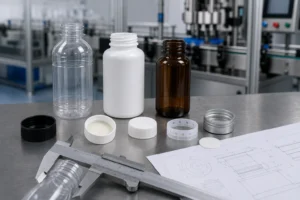
The bottle-neck opening can restrict nozzle selection even when the nominal volume is known. Container material, height, width, stability, shape, and neck position can also change guides, positioning devices, sensors, and conveyor details.
Send drawings and samples for every approved bottle or jar. Ask which formats run with adjustment only and which require dedicated parts. Use the bottle and cap compatibility checklist to confirm the dimensions and samples needed before machine testing. Future containers that are already planned should be reviewed before the machine design is fixed.
For hot-filled or temperature-sensitive sauce, confirm the approved product process and the container supplier’s limits before the filling configuration is finalized. A machine supplier can design around stated conditions; the machine does not establish food safety, shelf life, or container suitability.
6. Capping, Labeling, Coding, and Conveyor Scope
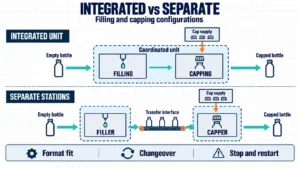
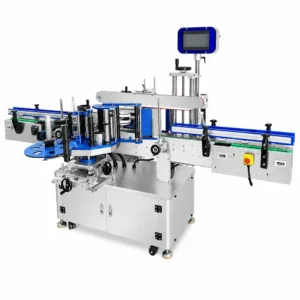
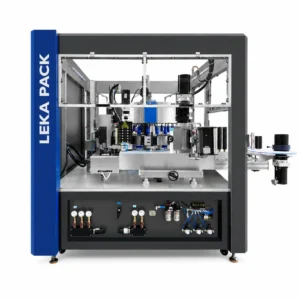
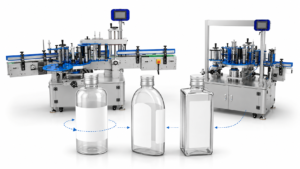
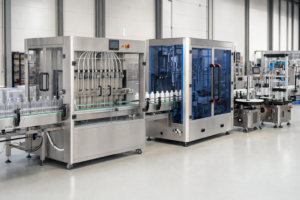
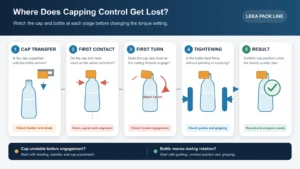
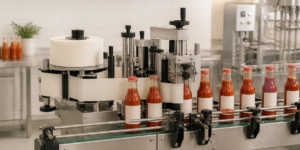
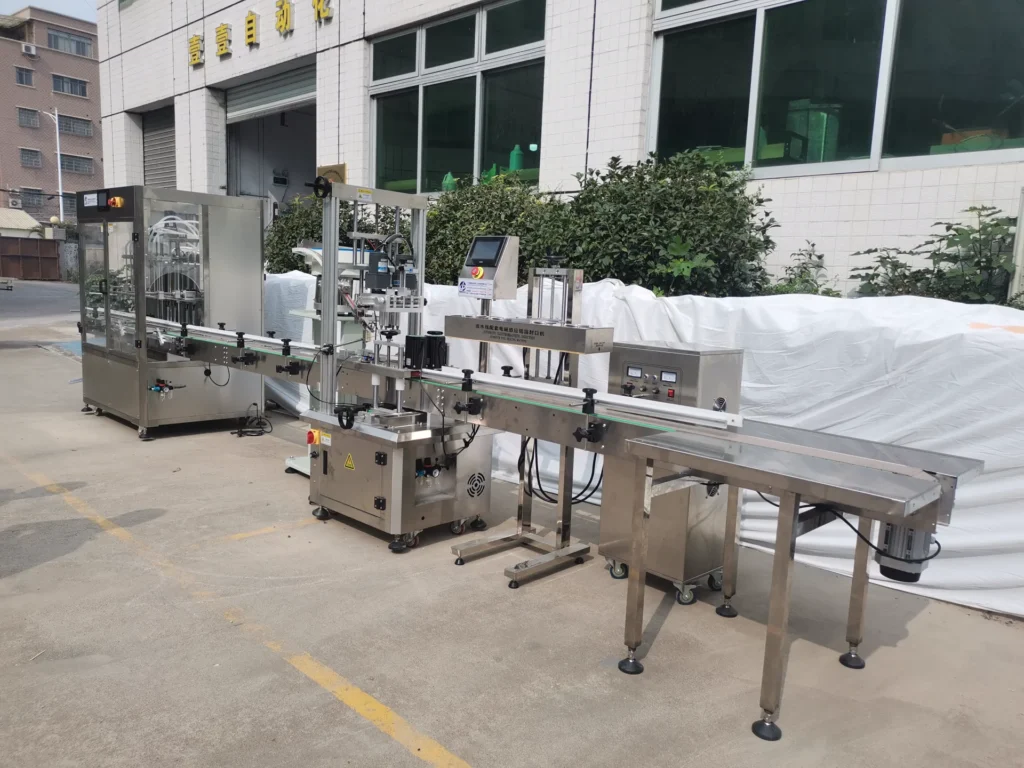
A filler produces a filled container. It does not automatically orient caps, apply closures, label bottles, print batch information, or pack cases. Review the available capping machines and labeling machines when defining which connected operations belong in the quotation. Each connected operation adds its own product samples, change parts, controls, safety requirements, and acceptance tests.
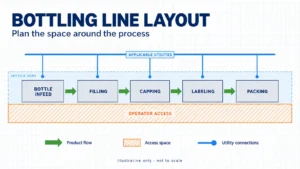
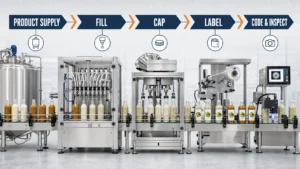
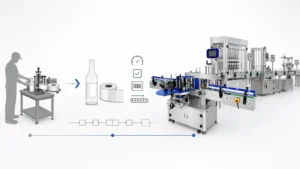
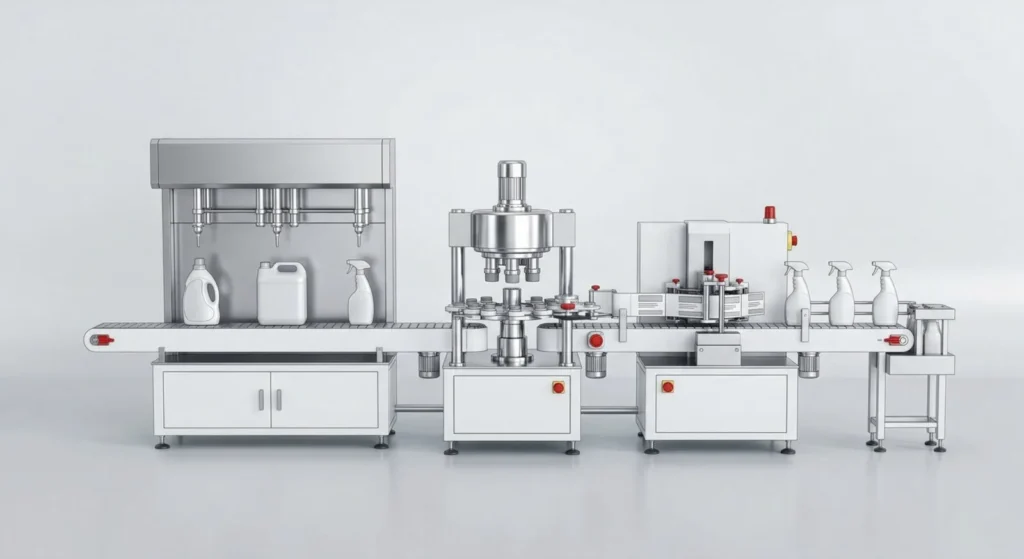
Decide where the project should end: after filling, after capping, after labeling, or at a packed case. The sauce packaging machine guide shows the wider bottle-line flow without making every project a complete line.
7. Cleaning and Multi-Recipe Changeover
Cleaning design belongs in the quotation, especially when one line will handle several recipes or allergens. Manual cleaning, clean-out-of-place, and clean-in-place are different operating methods. Equipment described as CIP-ready may still have parts that must be removed and cleaned separately, so ask exactly which surfaces and components are covered.
Confirm disassembly steps, tools, drainability, access for inspection, seal changes, recipe storage, and the expected restart procedure. For several sauces, include capping and label changes in the calculation. The sauce line changeover guide covers this work in more detail.
8. Testing, FAT, Spares, and Project Support
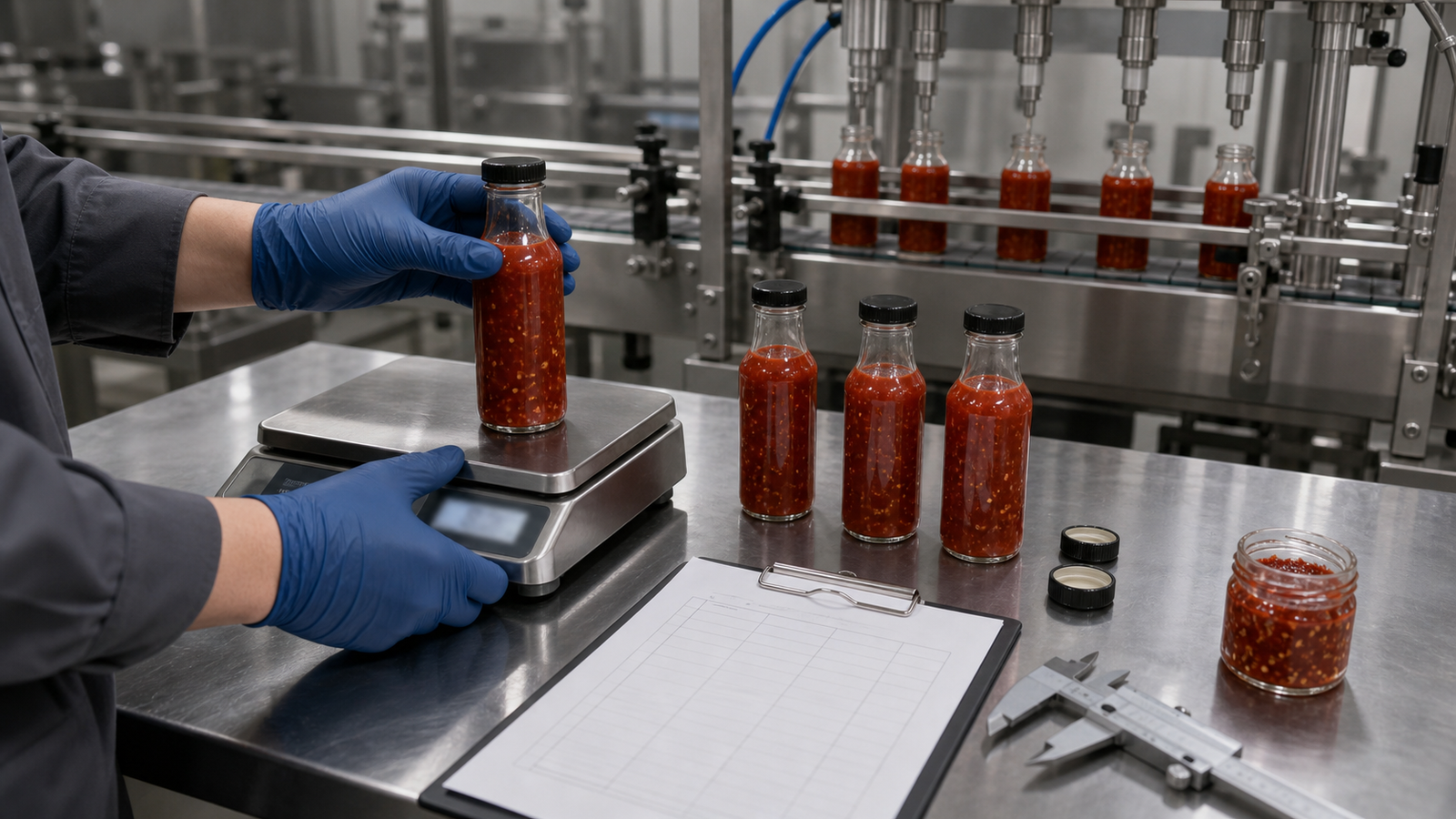
A product test with the real sauce at its normal filling condition tells you more than a demonstration with water. Agree on the test product, containers, closures, run condition, fill-check method, and required records before the factory acceptance test. The bottle filling machine RFQ and FAT checklist provides a broader set of points for preparing supplier tests. If the parties agree to use a substitute, document how it differs from the production sauce.
The proposal should also state whether startup parts, recommended spares, manuals, remote assistance, commissioning, and operator training are included. Destination, export packing, freight, local handling, installation travel, and utilities can materially change the delivered project scope.
Which Buying Scenario Fits Your Production Stage?
The three examples below are planning scenarios, not customer cases. Match the scope to the bottleneck your factory needs to remove.
| Project Stage | Typical Machine Configuration | When It Fits | Main Scope to Confirm |
|---|---|---|---|
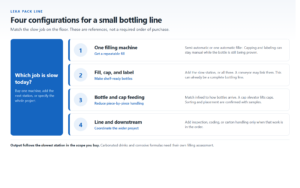
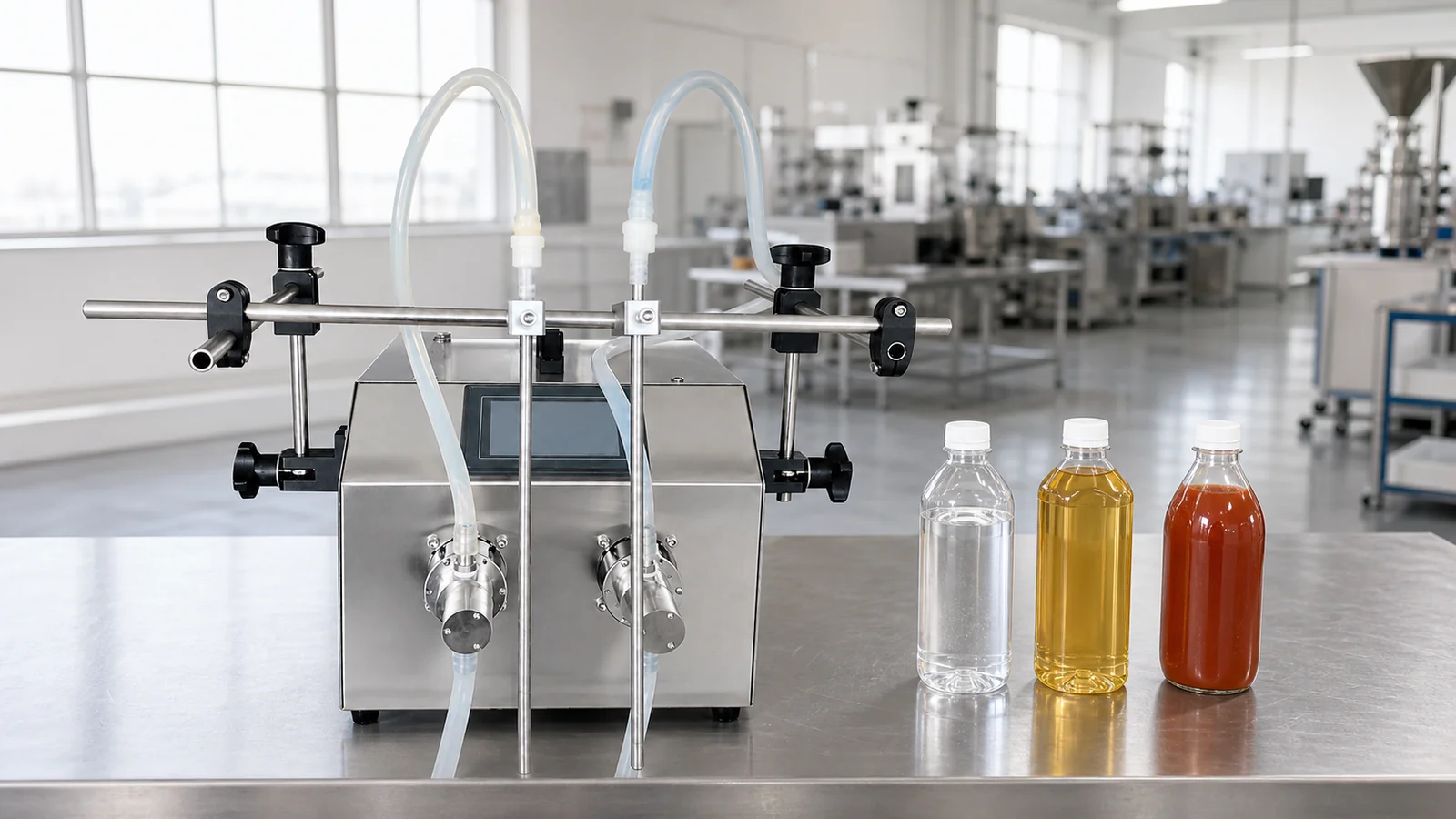
| Flexible small-batch production | Suitable semi-automatic filler with operator handling | Product trials, changing weekly demand, frequent recipe changes, or limited floor space | Operator work, hopper supply, particles, cleaning, air supply, and planned production growth |
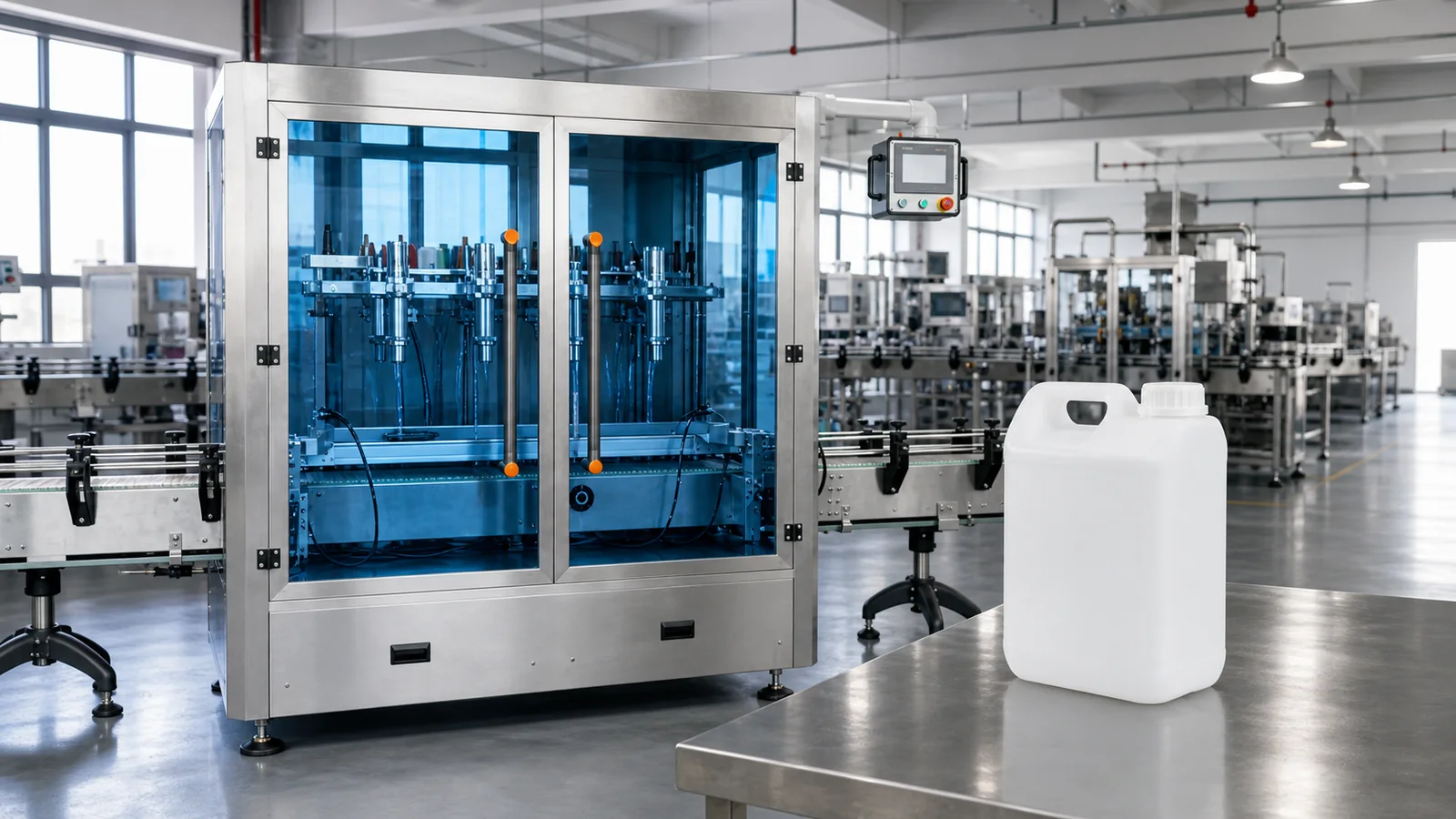
| Growing automatic production | Automatic filler with conveyor and matched capping | More stable orders, repeat containers, and a clear filling or closing bottleneck | Nozzle count, controls, cap handling, line balance, recipes, and change parts |
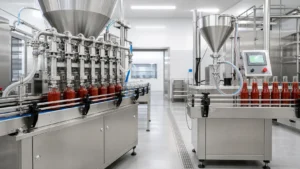
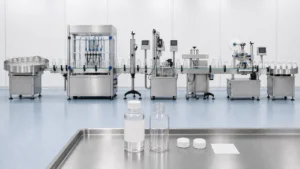
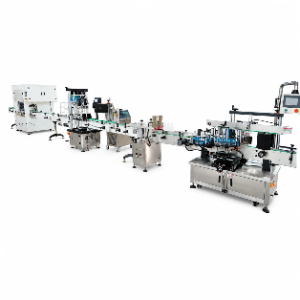
| Integrated packaging project | Filling, capping, labeling, coding, conveying, and selected downstream equipment | New layouts or projects requiring one coordinated production flow | Full line boundary, layout, utilities, accumulation, FAT, integration, and support |
Define the exact start and end point of the supplier’s responsibility before comparing a filler with a connected line.
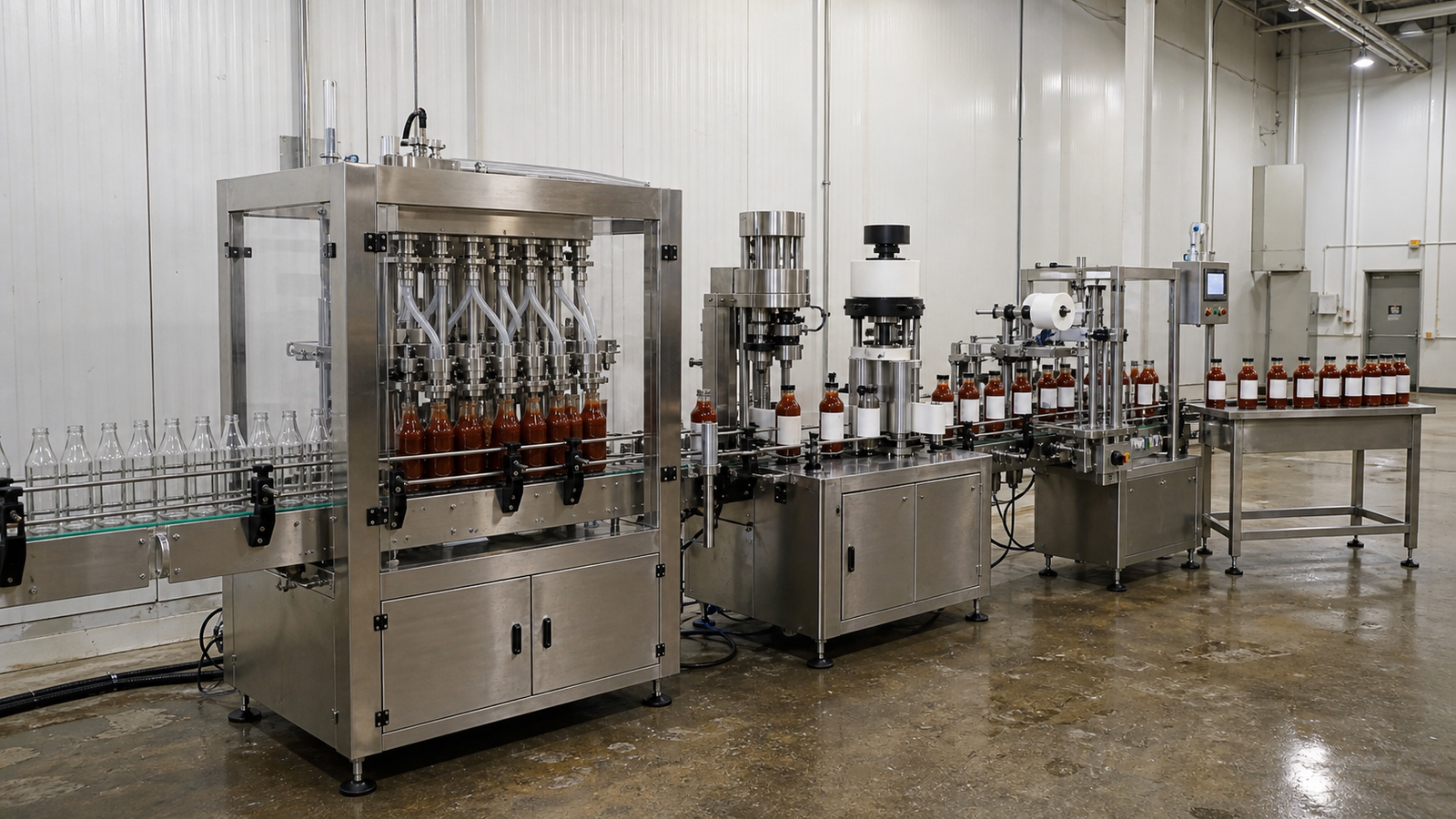
A semi-automatic filler can be the sensible choice when an operator is already handling bottles and demand changes from week to week. It is not automatically the lowest operating-cost option. Count product loading, bottle handling, capping, labeling, cleaning, and packing. The small-producer sauce filler guide helps frame that upgrade decision.
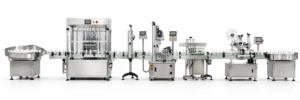
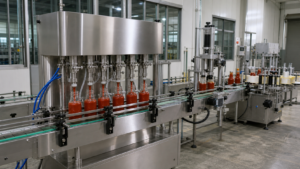
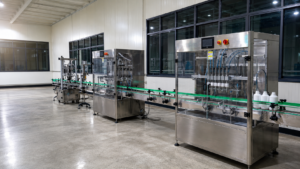
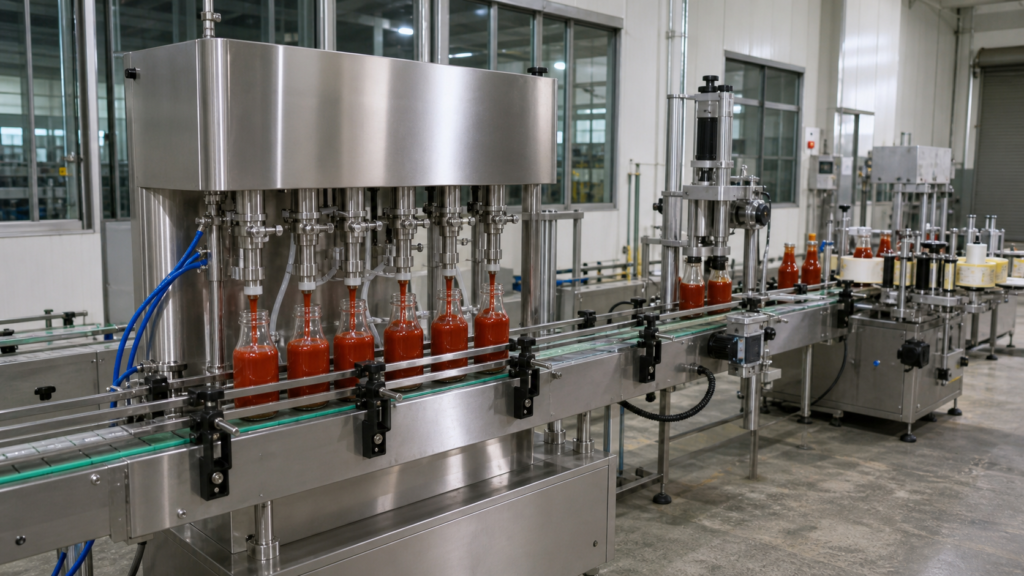
An integrated project makes sense when connected operations must be balanced and the factory wants one supplier boundary for the connected equipment. LEKA’s sauce filling line application and automatic tomato sauce filling and capping video show how individual operations can be planned as part of a line.
LEKA Slany’s team gives first-time buyers one clear piece of advice: start with a fully automatic filler rather than a semi-automatic one, even for the very first machine. The reasoning goes beyond automation for its own sake — a fully automatic filling machine removes hand contact with the sauce throughout the entire process. Every point of manual contact adds contamination risk and batch-to-batch inconsistency, and a fully automatic design eliminates that variable outright, which matters directly for food safety standards and batch uniformity. Manual operation also has a natural ceiling: output depends on operator condition, skill, and fatigue, while automatic equipment delivers more consistent, more predictable throughput — and over time, that consistency translates into meaningfully lower labor cost per unit produced.
If budget is the main concern, LEKA Slany recommends a phased upgrade path instead of starting semi-automatic and staying there:
- Step one: Start with a single fully automatic filling machine to solve the filling-stage capacity and hygiene problem on its own.
- Step two: Add capping and labeling modules around the filler to form an initial connected filling–capping–labeling sequence.
- Step three: As order volume grows, add conveying, coding, inspection, and packing to complete a full automated line.
The key advantage of this path is that the fully automatic filler purchased at step one is never scrapped or replaced during later upgrades — it stays in place as the core of the line while new modules are added around it. Compared to buying a cheaper semi-automatic machine first and replacing the whole setup once volume grows, building toward full automation in phases is actually the lower-cost strategy over the long run, since you avoid tearing out and re-purchasing core equipment a few years down the line.
How the Sauce Itself Changes the Quote
| Suitable Products | Common Sauce Examples | What to Confirm | Possible Machine Configuration |
|---|---|---|---|
| Thin hot sauce or smooth dressing | Chili oil, clear broth bases, thin teriyaki sauce, cooking wine-based seasoning sauces | Flow at filling temperature, foaming, dripping, bottle neck, and required fill method | Gravity, pump, or volumetric solution selected after application review |
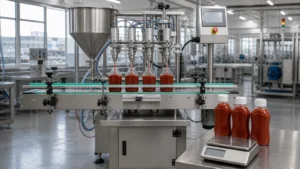
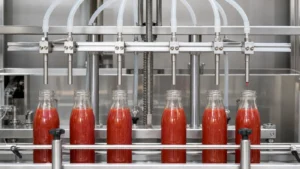
| Smooth ketchup or tomato sauce | Ketchup, pasta sauce, mild tomato-based sauces | Viscosity, stringing, temperature change, fill volume, and nozzle shutoff | Controlled volumetric filling with a product path suited to the sauce |
| Mayonnaise or creamy dressing | Mayonnaise, thousand island dressing, caesar dressing, creamy mushroom sauce | Emulsion sensitivity, product feed, documented food-process parameters, cleaning, and allergen controls | Filling method, product feed, seals, and cleaning features selected after sample and process review |
| Chili sauce with visible pieces | Chopped chili sauce, doubanjiang (fermented bean paste), chunky chili sauce, salsa | Largest particle, particle share, settling, product integrity, and bottle opening | Particle-capable valve and product path; agitation where justified |
| Sticky BBQ sauce | Honey BBQ sauce, thick teriyaki glaze, gochujang (Korean chili paste) | Flow, stringing, nozzle drip, product recovery, and changeover frequency | Volumetric filling and shutoff arrangement matched to the sample |
| Hot-filled or temperature-sensitive sauce | Cheese sauce, chocolate sauce, thick soup bases requiring heat retention | Documented process range, hold condition, container limits, seals, and operator protection | Temperature control, heating, or insulation matched to the documented process and tested application |
For a closer look at thick and sticky applications, the BBQ sauce bottling equipment guide explains how product flow, heating, container choice, and line scope affect equipment selection.
One machine may handle several sauces, but do not assume they will share one setting or one set of product-contact parts. List every recipe and state how often the line changes between them.
Why a Lower Quote May Not Cover the Same Job
Ask what the quoted output was based on. A speed shown with water, a small dose, or a stable round bottle may not describe a thick sauce in a larger container. Ask whether the hopper, heating, agitation, compressor, bottle parts, cap system, conveyor, guarding, controls, FAT, spares, documentation, installation, and freight are included.
Commercial terms matter as well. A factory price and a delivered project total do not cover the same transport, insurance, destination, tax, unloading, or site work. Compare the same delivery term and destination before treating one supplier as cheaper.
Normalize Supplier Quotations Before You Choose
Give each supplier the same RFQ, then mark every line as Included, Optional, or Not Included. Blank cells are questions, not savings.
| Check Item | Supplier A | Supplier B | What Must Match |
|---|---|---|---|
| Approved sauce and test condition | Same viscosity, temperature, particles, and sample basis | ||
| Filling method and product path | Same product-handling requirement and fill range | ||
| Containers, caps, and change parts | Same bottles, jars, closures, and included format parts | ||
| Output basis | Same product, fill volume, container, and line boundary | ||
| Hopper, product feed, mixing, and heating | Same capacities and included options | ||
| Capping, labeling, coding, and conveyors | Same connected equipment and control responsibility | ||
| Cleaning and changeover | Same cleaning boundary, tools, parts, and recipes | ||
| Product test and FAT | Same materials, test duration, acceptance method, and records | ||
| Spares, manuals, installation, and training | Same startup and after-sales supply boundary | ||
| Packing, freight, and commercial terms | Same Incoterm, destination, and excluded local costs |
Look Beyond the Purchase Amount
Equipment-purchasing guidance from PMMI and the OpX Leadership Network recommends considering acquisition and operating costs from application through maintenance, not only the initial amount. For a sauce project, review operator requirements, product giveaway, cleaning time, change parts, utilities, normal wear parts, support response, and the cost of an unplanned stop.
Automation has value when it removes a real constraint. It should also match the factory’s product supply, bottle supply, staffing, maintenance capability, floor space, and downstream packing. A more automatic filler will not correct an unstable cap supply or a manual packing station that is already at capacity.
Turn the Quotation into Testable Acceptance Criteria
A firm proposal should restate the application, not merely attach a machine model. Check that it names the sauce or agreed test substitute, filling condition, particle requirement, containers, closures, fill range, output basis, cleaning approach, utilities, and included line equipment. If the supplier has made an assumption, it should be visible before the order.
The same rule applies to the factory acceptance test. Agree on what materials will be available, who supplies them, how the machine will be set up, and which observations will be recorded. The acceptance method may include fill checks, container movement, cap application, alarms, operator controls, cleaning access, and changeover points, depending on the purchased scope. Keep the test proportionate to the purchased scope, but make it representative of the job.
When real sauce cannot be sent, define the substitute and its limitations. Water cannot represent a thick, stringing, emulsified, or particulate product. A substitute may still be useful for controls and container handling, but the remaining product risk should be documented and resolved through a later sample test or an agreed commissioning step.
Also separate equipment acceptance from food-process approval. A successful filling trial demonstrates only that the tested machine and product combination met the agreed equipment criteria. It does not establish a safe hot-fill temperature, shelf life, recipe, or regulatory process. Those parameters remain with the buyer’s process authority, packaging supplier, and applicable requirements in the destination market.
Sauce Filling Machine RFQ Checklist
A detailed RFQ allows a supplier to configure the project instead of guessing. Send the following information with your first request.
Product
- Sauce name and number of recipes
- Flow behavior or viscosity at the normal filling temperature
- Normal filling-temperature range and whether heat must be maintained
- Largest particle, particle type, approximate share, and settling behavior
- Whether pieces must remain intact
- Foaming, stringing, oil separation, emulsion sensitivity, or allergens
- Available product sample, technical data, or a clear flow video
Container and Closure
- Bottle or jar material, shape, height, width, and minimum neck opening
- Photos, drawings, and physical samples where possible
- Every required fill volume
- Cap type, dimensions, liner, closing method, and cap samples
- Label type, size, position, and coding requirement
Production
- Required bottles per hour for each main product and format
- Batch size, shifts, and bottles per batch
- Current bottleneck and available operators
- Number and frequency of product, bottle, cap, and label changes
- Required fill-check and acceptance method
- Upstream product feed and downstream packing process
Factory and Line Scope
- Filling only, filling and capping, or a connected packaging line
- Available layout, line direction, access doors, and footprint limits
- Voltage, phase, frequency, compressed air, water, drainage, and other utilities
- Required cleaning method and product-change expectation
- Required product-contact materials, guarding, and document language
- Existing machines that must connect to the new equipment
Commercial and Acceptance Scope
- Destination country, city, or port and preferred delivery term
- Required timing and target budget, if available
- Product-test and FAT materials, method, and records
- Spare parts, manuals, installation, commissioning, and training
- Warranty and remote-support expectations
Frequently Asked Questions
Why can two sauce filling machine quotations be very different?
They may cover different sauce conditions, measuring systems, numbers of filling heads, containers, automation levels, connected machines, tests, and delivery services. Compare the product basis and included scope before comparing totals.
Does the filler price normally include capping and labeling?
Not automatically. A filler may be quoted alone, while a connected project may include cap feeding, capping, labeling, coding, and conveyors. Require each supplier to state the final operation included in the proposal.
Is a semi-automatic sauce filler always cheaper to operate?
No. It usually has a smaller equipment scope, but operators still handle containers and surrounding work. Compare staffing, cleaning, changeovers, output, and future demand rather than treating automation level as a complete cost answer.
Can one machine handle several sauce recipes?
It may, if the filling method, product path, seals, feed system, and cleaning process suit each recipe. Confirm separate settings and change parts for every sauce. A smooth-product test does not prove that the same path can run visible particles.
Should I request a product test before ordering?
Yes, where practical. Use the real sauce, bottle, closure, and fill volume under an agreed test method. If substitutes are necessary, record their differences and how the final application will be confirmed.
Which details help a supplier prepare a useful quote?
Send the sauce condition, filling temperature, largest particles, containers, neck opening, fill volumes, caps, labels, required output, utilities, layout, destination, and the exact line operations you want included.
Request a Configuration-Based Quotation
The final quotation should state what the line will handle, what LEKA will supply, what the factory must provide, and which parts or settings change with a new bottle or recipe.
Send your sauce details, normal filling condition, largest particles, container drawings, fill volumes, caps, required bottles per hour, voltage, layout, destination, and required line scope. LEKA can then review whether the project needs a flexible standalone filler, an automatic filling-and-capping setup, or a connected packaging line.
Send your sauce filling project details to LEKA Pack Line.
Sources
- U.S. Food and Drug Administration: Current Good Manufacturing Practice requirements for food equipment and utensils
- 3-A Sanitary Standards: CIP, COP, and manual equipment cleaning
- PMMI and OpX Leadership Network: machinery total cost of ownership
- PMMI and OpX Leadership Network: capital-equipment RFP guidance
- OpX Leadership Network: factory acceptance test protocol
- Filamatic: product, container, output, and automation questions
- Accutek Packaging: piston filling for viscous and particulate products
- Unifiller: sauce, dip, and dressing applications and product-testing caution