
Servo Gear Pump Filling Accuracy: How It Works
Who this guide is for: factory owners, purchasing managers, production managers, engineers and packaging-line integrators evaluating a servo gear pump for a new filling machine or line upgrade.
Quick answer: A servo gear pump can deliver a consistent dose because pump displacement is tied to controlled gear rotation. For the GP-075S1 configuration shown here, the factory specification is up to ±0.3% under matched and calibrated operating conditions. The final result still depends on the product, fill volume, temperature, speed, supply stability, nozzle behavior and test method.
Key Takeaways
- The servo controls commanded rotation; the pump converts that motion into product displacement.
- At a 1,000 mL target, ±0.3% equals ±3 mL. At 500 mL, it equals ±1.5 mL. These are calculated limits, not results from the current video.
- Accuracy and repeatability are related but different. A test should report both deviation from target and the spread of consecutive fills.
- The GP-075S1 product-contact gear-pump section is specified in 316 stainless steel. Complete-machine materials and required certifications must still be confirmed separately.
- A useful approval test fixes the product, temperature, fill volume, speed, bottle, calibration method and sample plan before recording results.
Table of Contents
- What does up to ±0.3% mean?
- How does a servo gear pump control a dose?
- What is verified about the GP-075S1?
- Which conditions affect the filling result?
- How should you validate servo gear pump filling accuracy?
- Which products should be evaluated?
- How does it compare with other filling methods?
- What information does LEKA need?
- Frequently asked questions
What Does Up to ±0.3% Mean in a Filling Project?
In commercial filling projects, a percentage specification needs a written calculation and test condition. A practical signed-deviation calculation is:
Deviation (%) = (Actual fill − Target fill) ÷ Target fill × 100
The plus or minus sign shows whether a result is above or below the target. Buyers should also agree whether acceptance is based on volume, mass or a documented conversion between them.
| Calculated example | Lower limit at −0.3% | Target | Upper limit at +0.3% |
|---|---|---|---|
| 1,000 mL target | 997 mL | 1,000 mL | 1,003 mL |
| 500 mL target | 498.5 mL | 500 mL | 501.5 mL |
Deviation, repeatability and reproducibility are not interchangeable
- Deviation from target tells you how far one result is above or below the agreed target.
- Repeatability describes how closely successive results agree under the same measurement conditions.
- Reproducibility considers agreement when defined conditions change, such as time, operator, setup or location.
The NIST terminology guidance treats accuracy as a qualitative concept and defines repeatability under the same measurement conditions. For machine acceptance, avoid relying on a percentage label alone. Write down the target, calculation, conditions and permitted result.
Evidence boundary: “Up to ±0.3%” is a configuration specification, not a promise for every liquid and bottle. It should be confirmed through a project test using the intended product or an agreed representative sample. No controlled accuracy dataset is presented in this article.
How Does a Servo Gear Pump Control a Dose?
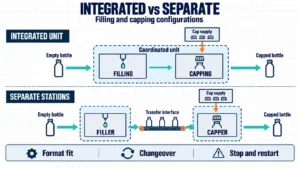
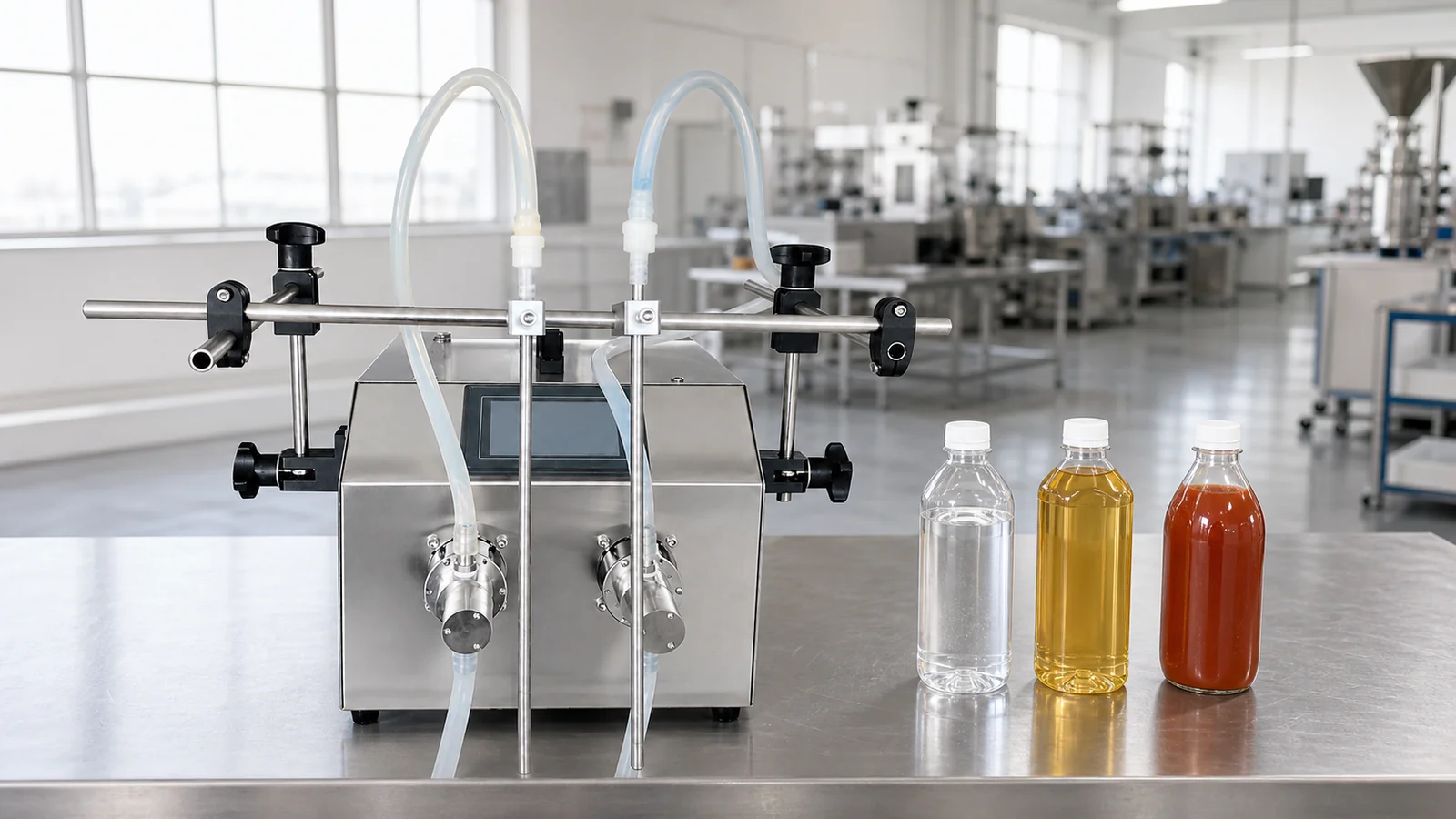
A servo gear pump filling system uses a positive-displacement pump to move product and a servo drive to control the commanded motion for each filling cycle. The pump creates the product displacement; the servo makes that motion programmable. Stable product supply, clean cut-off and a suitable calibration method are still required.
The basic external-gear-pump mechanism is described by Viking Pump’s technical explanation: product enters as the gears come out of mesh, travels in the spaces between gear teeth and the casing, and is discharged as the gears mesh again.
Why the servo matters
A servo system compares commanded motion with feedback from its control system. Yaskawa’s servo documentation, for example, defines position error as the difference between a reference position and the actual position. That feedback principle supports controlled, repeatable motion, although the final liquid dose also includes the behavior of the pump and product path. See Yaskawa’s official explanation of reference position, actual position and position error.
The useful relationship is:
HMI recipe → servo motion → gear rotation → pump displacement → nozzle delivery
This is why a good design does more than store one volume number. It also manages acceleration, deceleration, filling speed and stopping behavior. If product pressure changes, air enters the inlet, the nozzle drips, or the liquid condition changes, precise motor motion alone cannot guarantee the final bottle result.
What Is Verified About the GP-075S1 Component?
| Item | Verified description | Project condition |
|---|---|---|
| Model | GP-075S1 | Confirm that the quoted pump matches the required fill range and product. |
| Filling specification | Up to ±0.3% | Applies only under matched and calibrated operating conditions; confirm by project test. |
| Product-contact gear-pump section | 316 stainless steel | Review the complete wetted path, seals, cleaning chemicals and required documentation separately. |
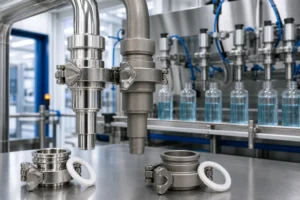
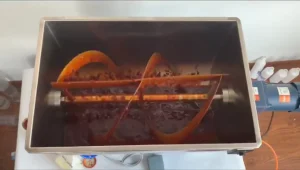
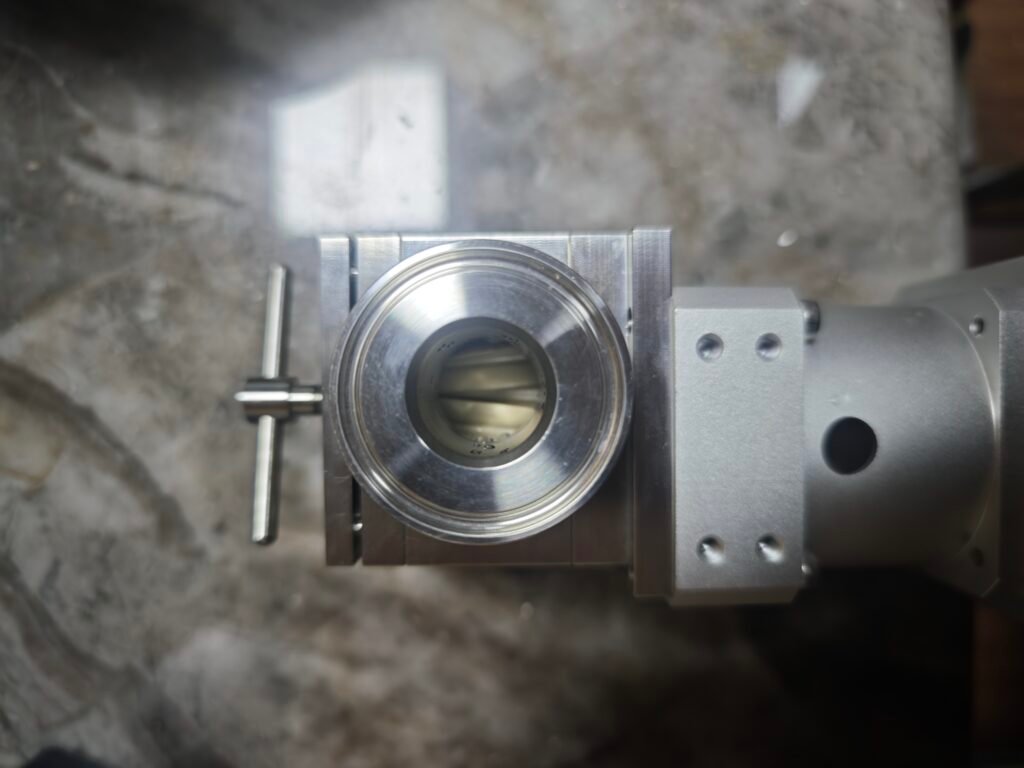
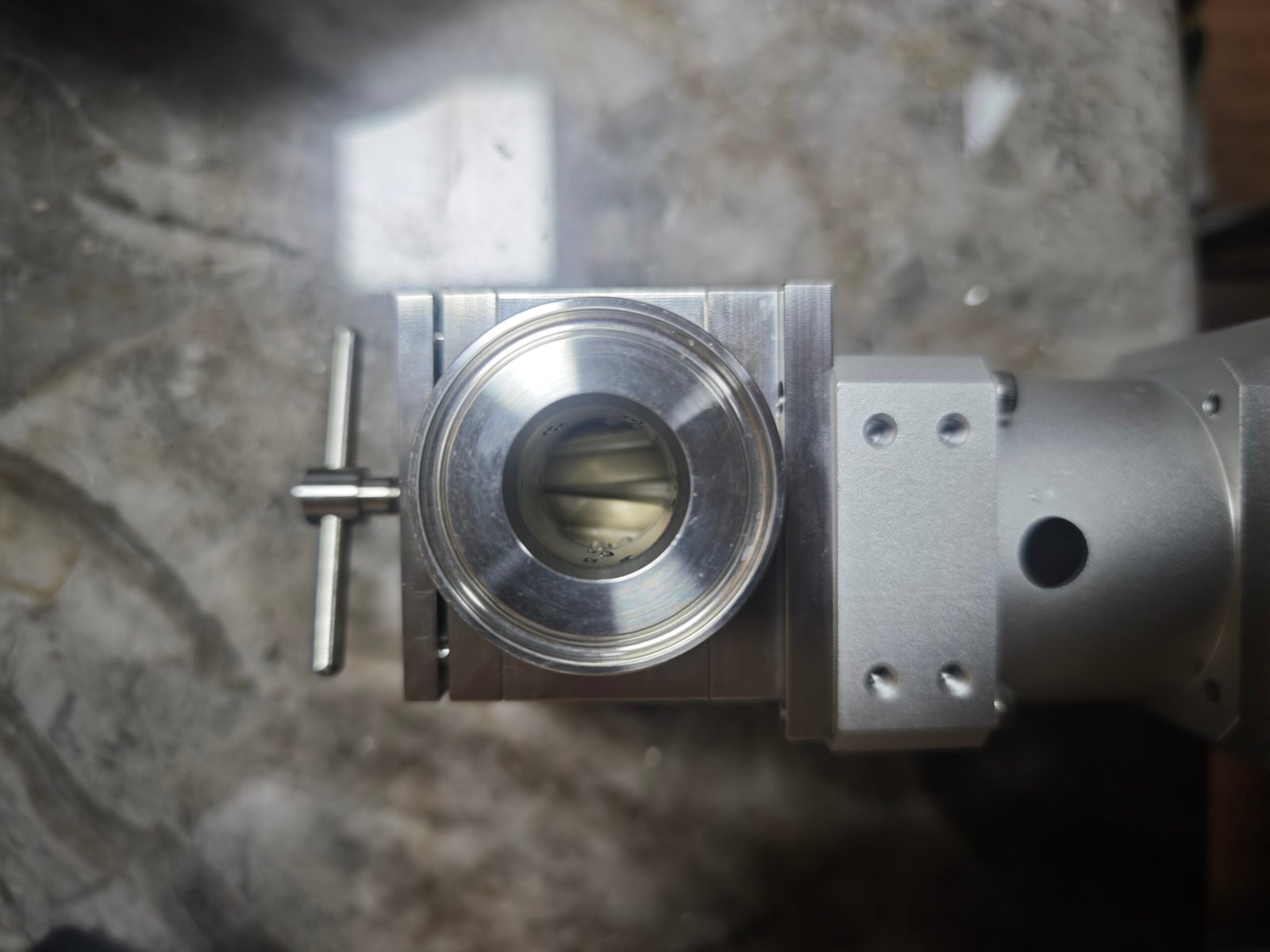
| Available evidence | Factory photos and component structure/assembly video | These show the physical component, not measured filling results. |
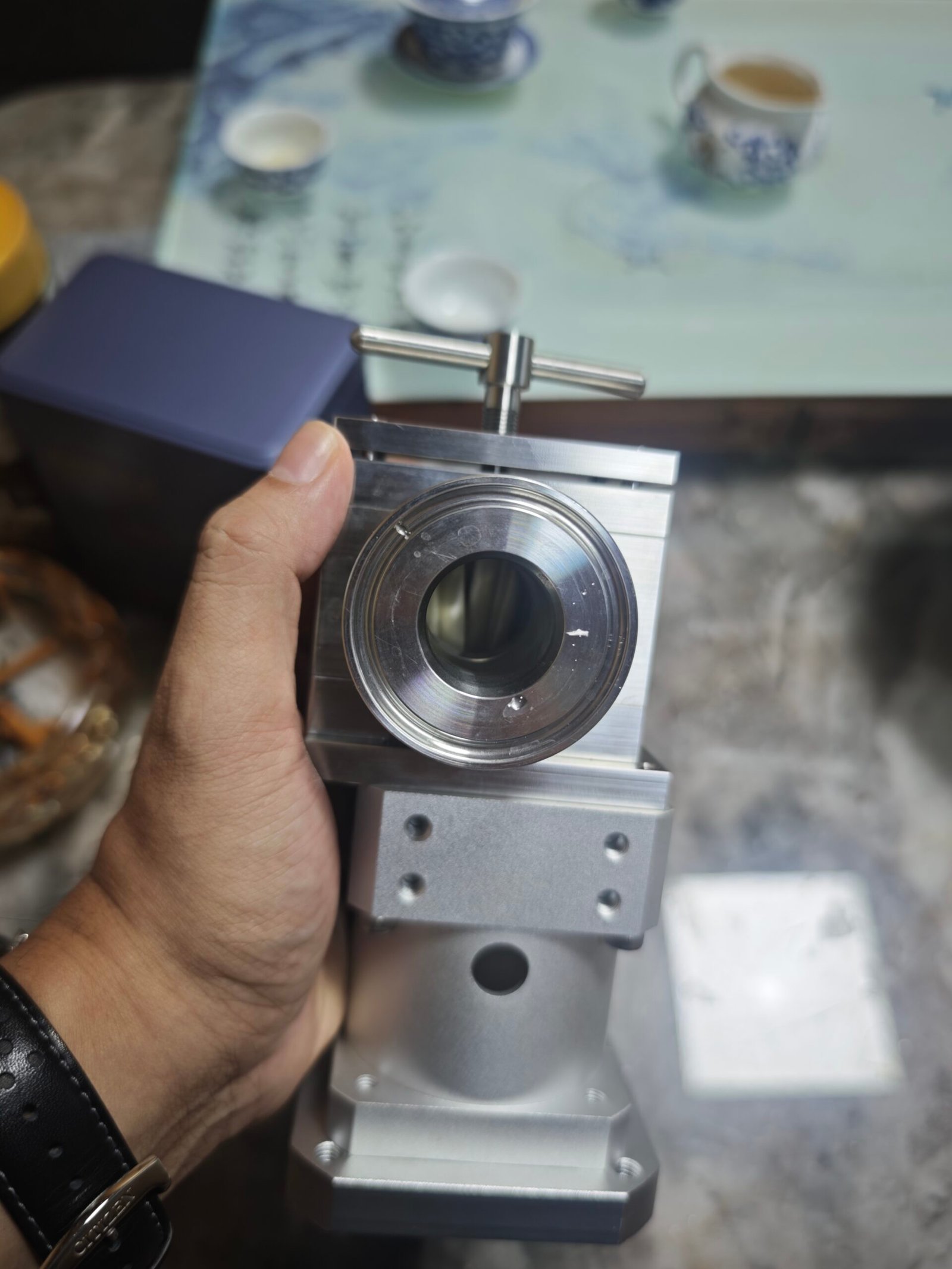
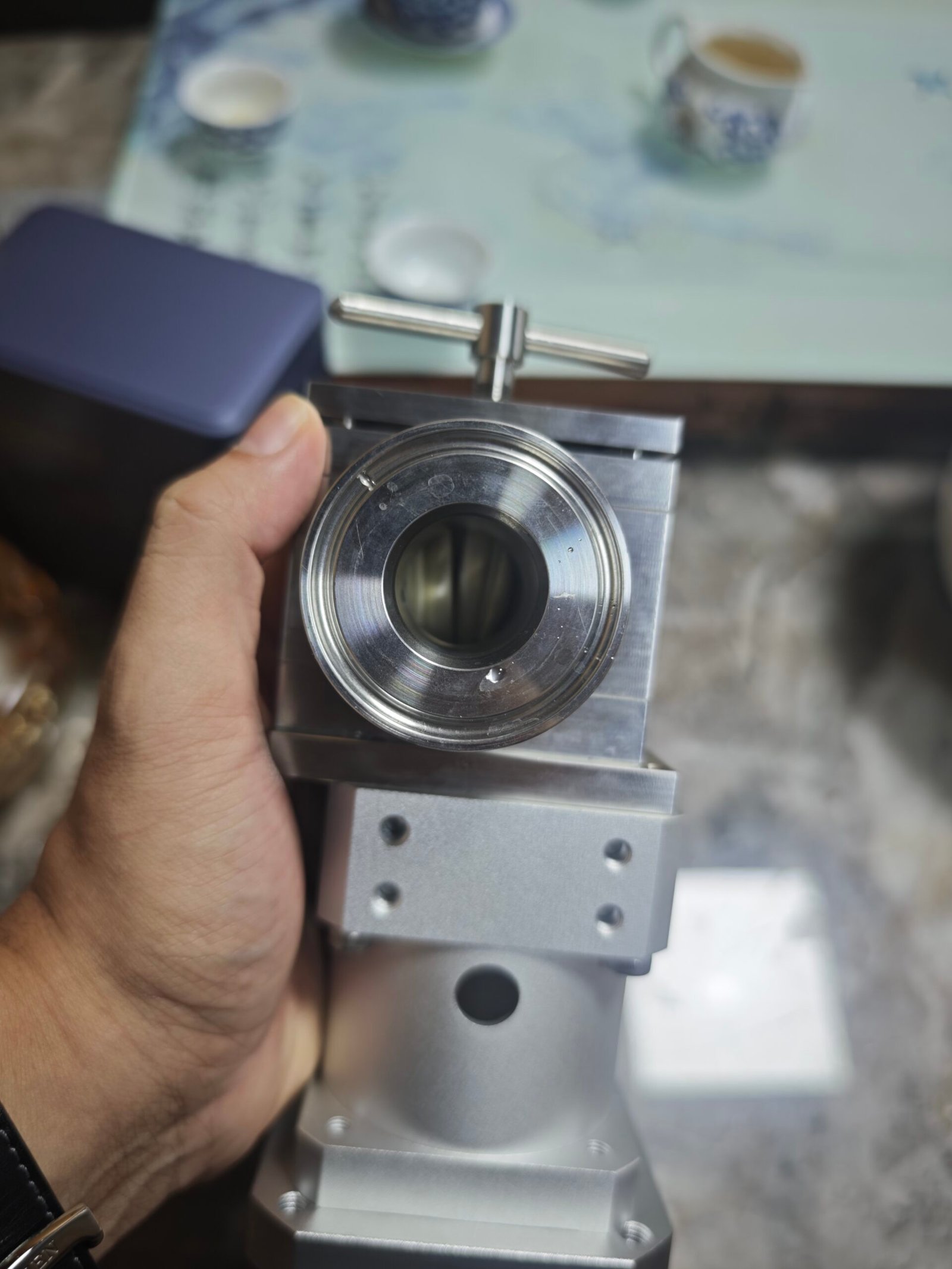
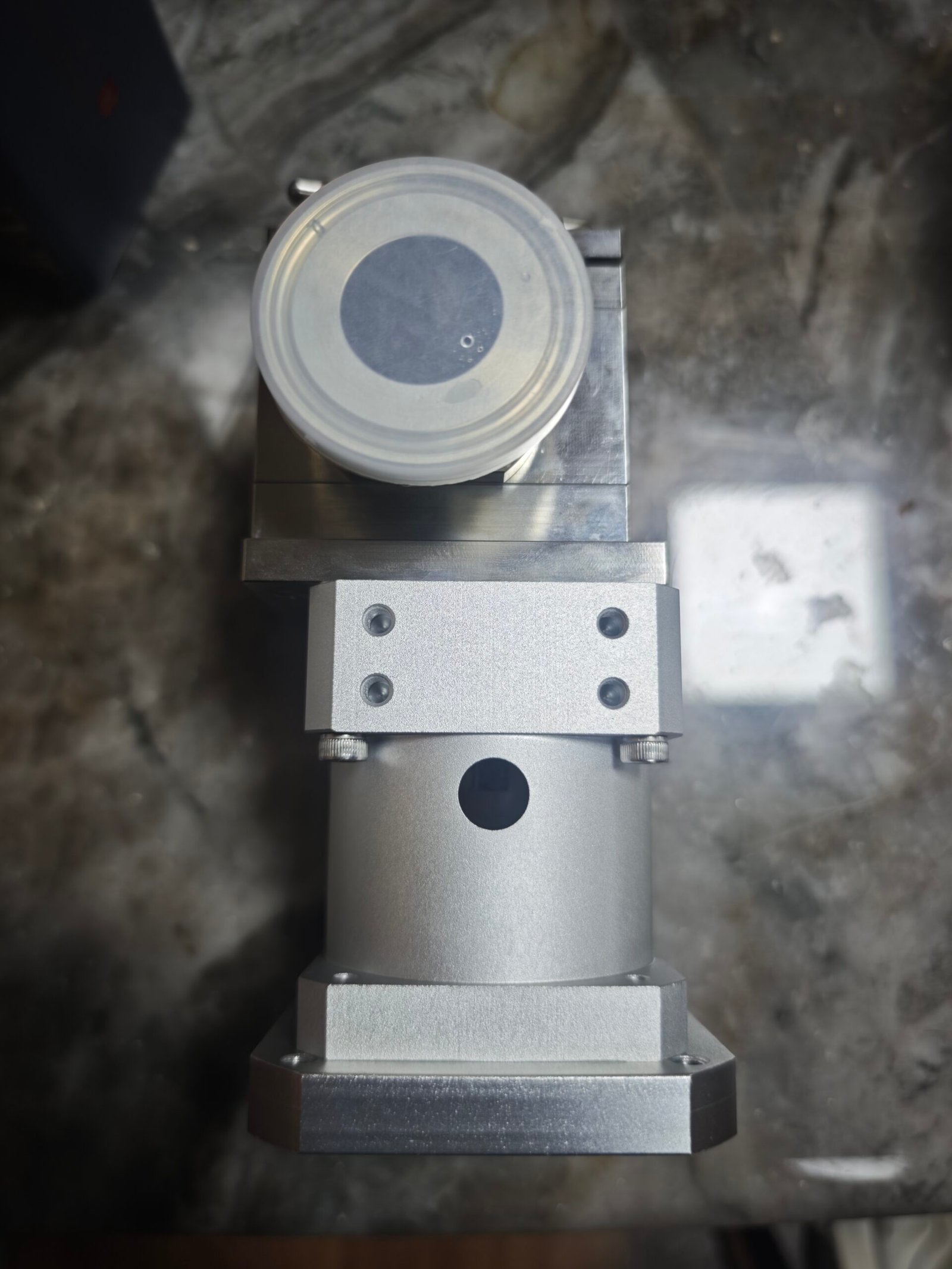
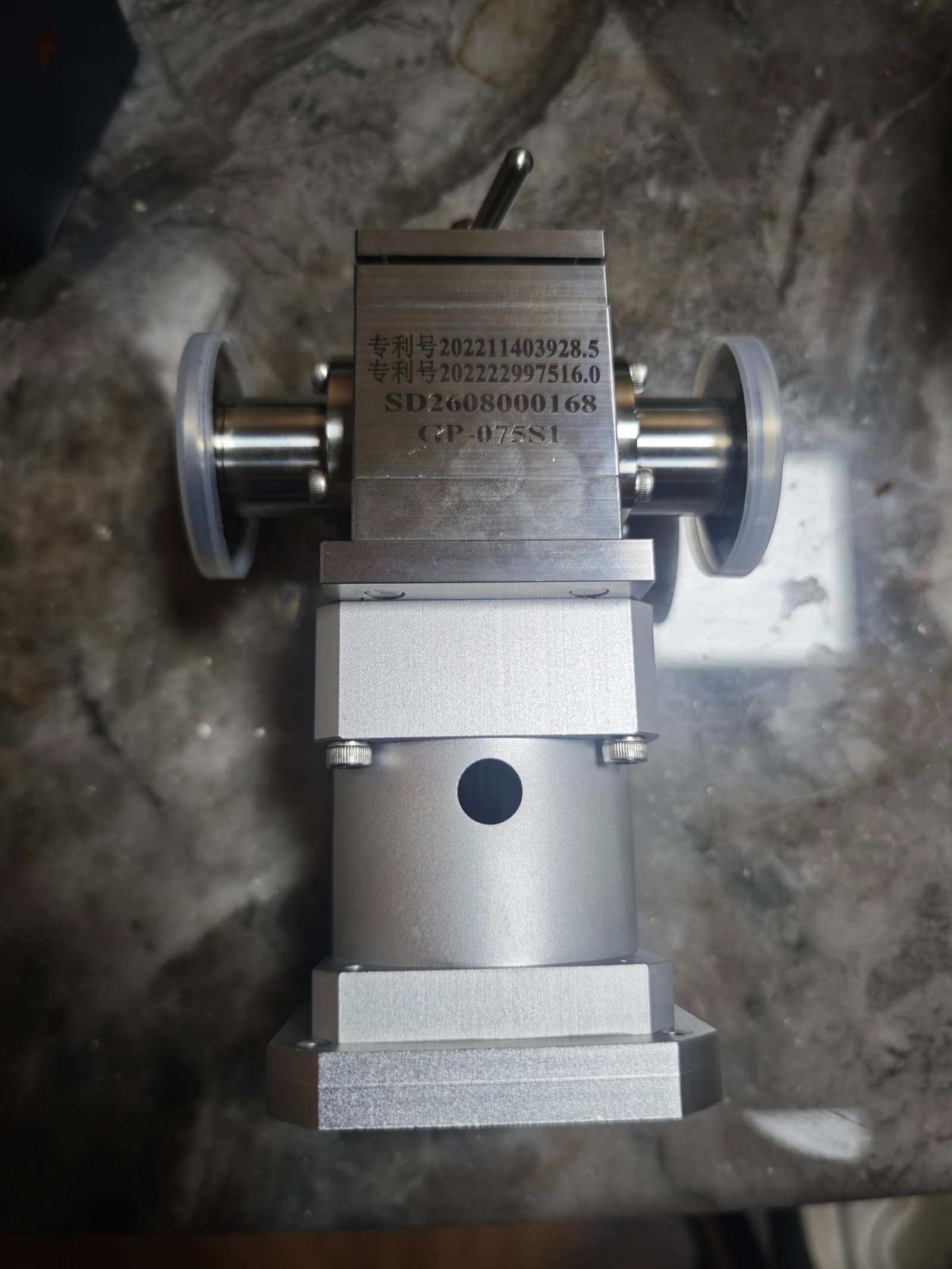
The 316 stainless-steel statement applies to the product-contact gear-pump section shown for this configuration. It does not by itself certify the complete filling machine for food, pharmaceutical or chemical use. A project review should identify every wetted component, including hoses, seals, gaskets, valves and nozzles, together with the required documentation.
Which Conditions Affect the Final Filling Result?
It is useful to think of the dose as a control chain. Variation can enter before the pump, inside the pump, after the pump or during measurement.
1. Product viscosity and temperature
A product should be evaluated in the condition expected at the filler. If temperature or batch variation changes how it flows, the test plan should include the intended range instead of using one convenient room-temperature sample.
2. Pump size and target volume
The selected displacement range should suit the priority fill volumes. A pump chosen for a large dose may not be the best match for a much smaller dose, especially when output and control resolution are considered together.
3. Servo motion profile and filling speed
Acceleration, running speed, deceleration and stop timing affect cycle behavior. The fastest motion is not automatically the most stable motion for a particular liquid, hose path and nozzle.
4. Product supply, priming and pressure
Tank level, inlet restriction, air ingress, incomplete priming and outlet back pressure can change the product reaching the pump. The test should start only after the product path is full and stable under the agreed supply condition.
5. Nozzle shut-off and bottle position
A metered dose can still leave a tail, string or delayed drop at the nozzle. Bottle-neck diameter, nozzle alignment, suck-back if fitted, and valve timing should be assessed with the actual container.
6. Reference measurement and calibration
The reference instrument and calculation must match the acceptance unit. If the contract target is in mass, weigh directly with an agreed instrument. If the target is in volume but results are inferred from mass, agree the density value and test temperature used for conversion.
7. Cleaning, wear and changeover
Residue, incorrect assembly, worn clearances, damaged seals or an incomplete recipe change can alter performance. Include inspection points and a post-changeover confirmation in the operating procedure.
How Should You Validate Servo Gear Pump Filling Accuracy?
A good test is repeatable, visible and agreed before the first sample is filled. NIST’s measurement-process guidance covers calibration, repeatability, reproducibility and stability as separate parts of measurement characterization. That is a useful model for a factory acceptance plan: define the measurement process, not only the machine setting. See the NIST measurement-process overview.
Recommended test sequence
- Freeze the conditions. Record the product and batch, product temperature, target, container, pump, nozzle, filling speed and recipe.
- Define the reference method. Identify the scale or volumetric method, its resolution, calibration status and the exact deviation calculation.
- Prime and stabilize the product path. Do not mix air-clearing or setup fills with the acceptance samples.
- Agree a consecutive sample plan. For example, specify 10 or 20 consecutive fills and record every sample rather than selecting only the best bottles.
- Measure in sequence. Identify the filling head when a multi-head machine is tested.
- Include pause and restart. Check the first bottles after the agreed stop because product at the nozzle may behave differently after waiting.
- Report the result completely. Record maximum positive deviation, maximum negative deviation, average result and the agreed measure of repeatability.
| Test number | Target | Actual | Deviation | Deviation % | Observation |
|---|---|---|---|---|---|
| 1 | Record before test | Record result | Calculate | Calculate | Head, drip, foam or other observation |
| 2 | Record before test | Record result | Calculate | Calculate | Record all observations |
| Continue agreed sequence | Same agreed target | Record every result | Calculate | Calculate | Do not omit failed samples |
A continuous test video is more useful than a short highlight. It should show the recipe, reference instrument, consecutive containers and measurements without edits that hide rejected samples. The results table and video should identify the same product, target and conditions.
Which Products Should Be Evaluated for Servo Gear Pump Filling?
A gear pump should not be selected from the product name alone. Start with product condition and the required result.
| Product condition | Gear-pump evaluation | What to confirm |
|---|---|---|
| Compatible, particle-free edible oil | Suitable for project evaluation | Viscosity and temperature, cleaning method, fill range and required product-contact documentation |
| Compatible, particle-free lubricant oil | Suitable for project evaluation | Additives, material/seal compatibility, viscosity range, operating temperature and nozzle cut-off |
| Detergent, shampoo, lotion or similar liquid | Evaluate with an actual sample | Foaming, air entrainment, viscosity, stringing and cleanability |
| Liquid with suspended solids or abrasive particles | Separate filling-method review required | Particle size, concentration, settling, wear risk and whether another pump or piston route is more suitable |
| Grease-like or extremely viscous product | Compare alternative dosing structures | Feed method, heating if required, cylinder or rotary-pump options, cut-off and cleaning |
| Corrosive, solvent-based or hot product | Application-specific engineering review required | All wetted materials, seals, temperature, ventilation, electrical protection and local safety requirements |
For package-specific decisions, see LEKA’s edible oil PET bottle filling guide and lubricant oil filling machine guide. Those pages cover the bottle and line context; this article focuses on dosing control and validation.
Servo Gear Pump vs Piston, Flow Meter and Net-Weight Filling
| Filling method | Control principle | Best evaluated for | Confirm before selection |
|---|---|---|---|
| Servo gear pump | Controlled rotation with positive displacement | Compatible, particle-free liquids needing recipe-based dosing | Pump size, product compatibility, supply stability, speed, nozzle behavior and cleaning |
| Servo piston | Controlled piston/cylinder displacement | Many medium- to high-viscosity products and cylinder-based dosing projects | Valve path, cylinder range, product feed, particles if present, cleaning and changeover |
| Flow meter | Measures product flow during the fill | Compatible liquids and projects where direct flow measurement fits the process | Meter type, conductivity or other product requirements, flow profile, calibration and cleanability |
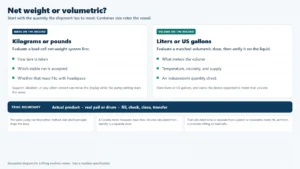
| Net weight | Uses measured container weight as the control reference | Projects where filled mass is the main acceptance value | Scale arrangement, vibration, container handling, speed and tare control |
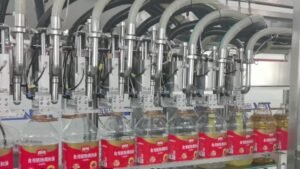
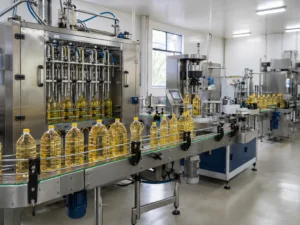
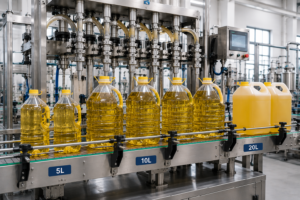
For compatible, particle-free edible oil, a servo gear-pump filler can be evaluated in place of a traditional net-weight system when direct mass control is not the contract requirement. The decision still needs to account for bottle size, target output, oil temperature, supply stability, calibration, and the acceptance test. Use the flow meter vs net-weight filling comparison to review these trade-offs for 1–25L edible oil bottles and jerry cans.
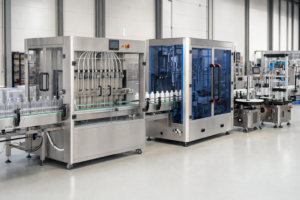
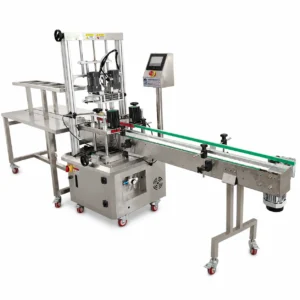
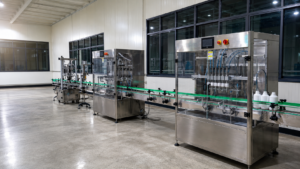
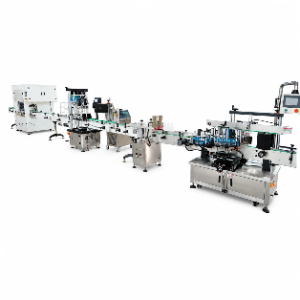
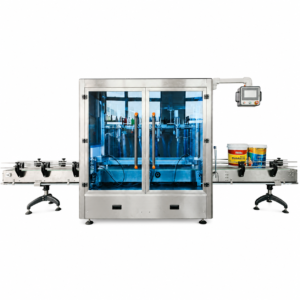
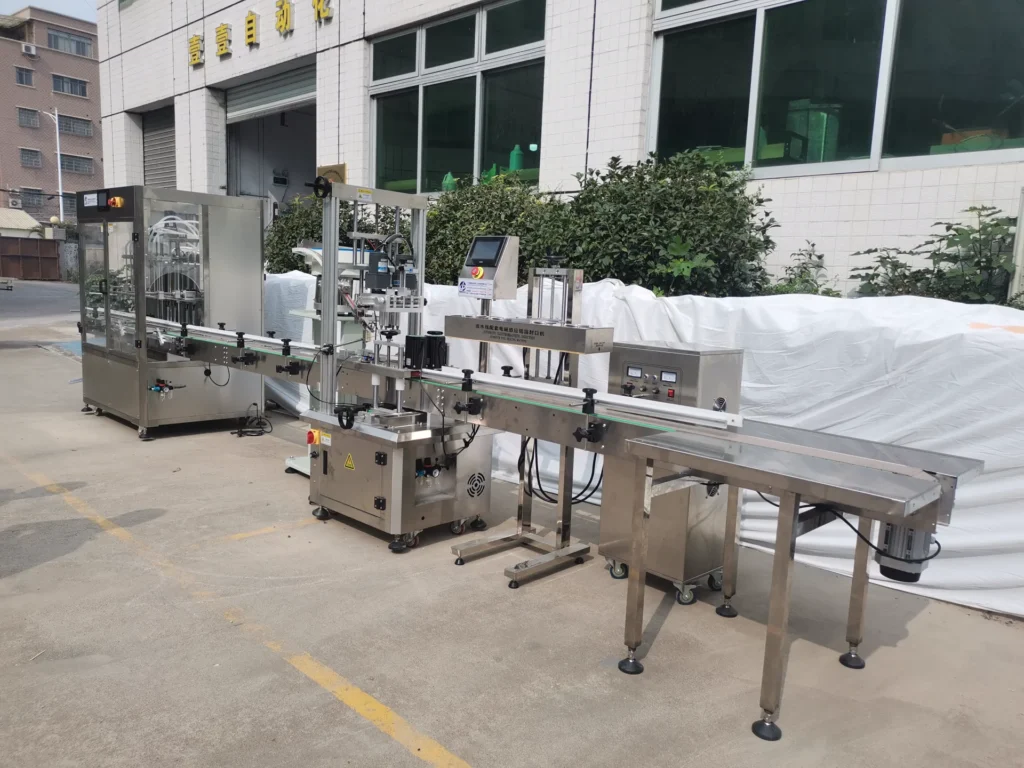
No method is universally best. The right choice is the one that meets the agreed result with the actual product, package, output and cleaning plan. LEKA’s GZDT servo pump filling machine configuration shows the commercial machine platform that can be reviewed around these inputs.
What Information Does LEKA Need to Select and Test the Pump?
- Product name, formulation family and safety information where relevant.
- Viscosity at the actual filling temperature, including expected batch or temperature range.
- Presence of particles, abrasives, foam or entrained air.
- Minimum, maximum and priority fill volumes, plus the accepted deviation.
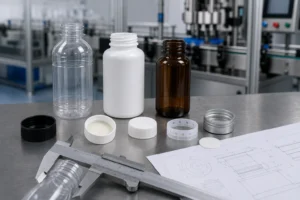
- Bottle drawings or samples, especially the neck opening and container stability.
- Required bottles per minute or hour for each priority format.
- Expected cleaning method, daily changeovers and product sequence.
- Required wetted materials, documentation and destination-market requirements.
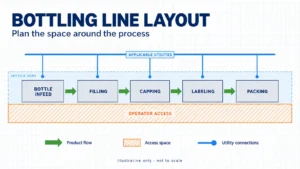
- Factory layout, line direction, voltage/frequency, compressed air and upstream/downstream equipment.
These details let the pump, nozzle, product supply and line speed be reviewed together. They also make the filling trial useful: both sides know which condition is being approved.
Frequently Asked Questions
Is ±0.3% guaranteed for every product and bottle?
No. The GP-075S1 figure is a factory specification of up to ±0.3% under matched and calibrated operating conditions. Product properties, target volume, pump size, speed, supply, nozzle, bottle and measurement method must be agreed. The quotation and filling test should define those conditions before acceptance.
Is filling accuracy the same as repeatability?
No. Deviation from target tells you how close a result is to the agreed target. Repeatability tells you how closely consecutive results agree under the same conditions. A machine can produce tightly grouped fills that are all offset from target, so both measures should be recorded, as explained in the NIST measurement terminology.
Can one gear pump cover several fill sizes?
Often it can cover a planned range, but the smallest and largest priority doses, required output, motion profile and calibration must be reviewed together. Very different volumes may justify another pump size or configuration. Confirm the complete range with product samples before approving the final machine setup.
Does 316 stainless steel certify the whole machine for food use?
No. The verified statement applies only to the product-contact gear-pump section. The complete wetted path—including hoses, seals, gaskets, valves and nozzles—must be reviewed separately. Required material records, hygiene documentation and destination-market certifications also need to be written into the project specification.
Can this gear pump fill products with particles?
Do not assume so. Suspended solids and abrasive particles can affect pump clearances, wear and dosing stability. Send the particle size, concentration, shape and settling behavior for a separate filling-method review. A piston filler or another pump structure may be more suitable for the actual product.
Does the current video prove ±0.3% filling accuracy?
No. It shows the GP-075S1 component structure and assembly. A filling-accuracy claim requires a separate continuous test using the agreed product, target, bottle, settings and reference method. The final evidence should include every consecutive result and a matching calculation table, without omitting failed samples.
Request a Product-and-Bottle Filling Evaluation
For a real project, servo gear pump filling accuracy should be confirmed as a complete system result—not assumed from the pump specification alone. Send your product condition, filling temperature, target volumes, bottle and neck details, required output, cleaning method and accepted deviation. LEKA can review the pump size, servo filling profile, nozzle arrangement and connected-line requirements before a machine configuration is approved.