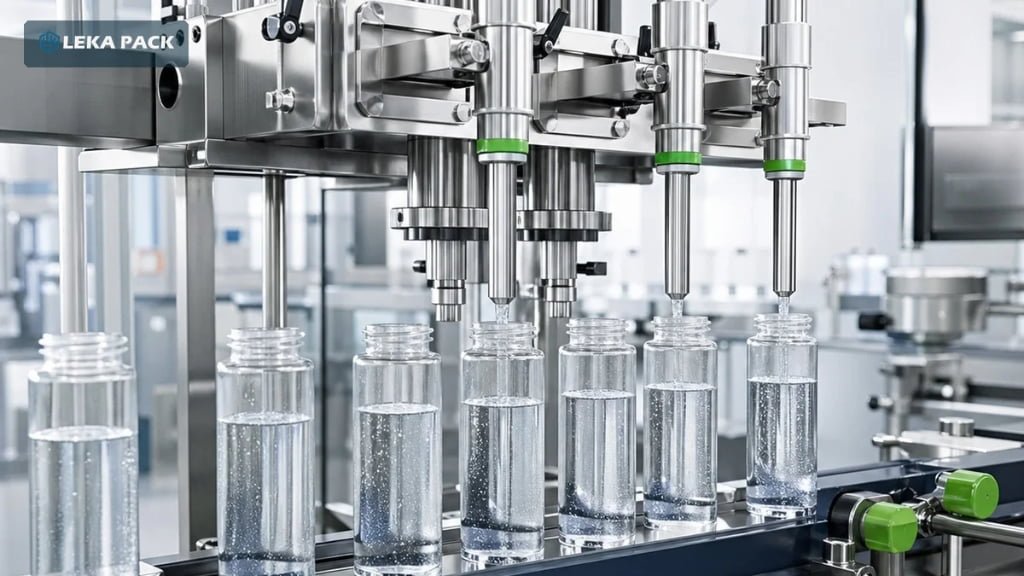
Bottle Filling Machine Price: Single Machine and Complete Line Costs
Current LEKA Bottle Filling Machine Price Reference
Quick answer: A basic LEKA single bottle filling machine is usually $3,500-$5,000 EXW. A higher-configuration single machine is usually $5,000-$6,500 EXW. A complete filling, capping and labeling line is quoted by project because the final scope depends on the product, bottle, output and required automation.
| Filling Solution | Price Reference | Suitable Production Use | Important Notes |
|---|---|---|---|
| Basic single bottle filling machine | $3,500-$5,000 EXW | Factories starting with one filling process | Machine-only reference; final configuration must match the product and bottle |
| Higher-configuration single filling machine | $5,000-$6,500 EXW | Projects needing additional control, filling parts or options | Machine-only reference; final quotation confirms options and trade terms |
| Complete bottle filling line | Quoted by project | Connected filling, capping, labeling, coding, conveying or packing | Every added machine, control requirement and layout condition affects the budget |
These are machine-only EXW references for early budget planning. Shipping, tax, customs clearance, installation and local destination charges are not included. The final quotation must confirm filling method, filling heads, product-contact material, voltage, optional modules and trade terms.
Request an accurate quotation: Send your product name, bottle photo, filling volume and target bottles per hour. LEKA can then recommend a suitable machine configuration and separate the single-machine price from optional capping, labeling, conveying and installation items. Send your project details or contact WhatsApp: +86 18126903504.
Why Bottle Filling Machine Prices Vary
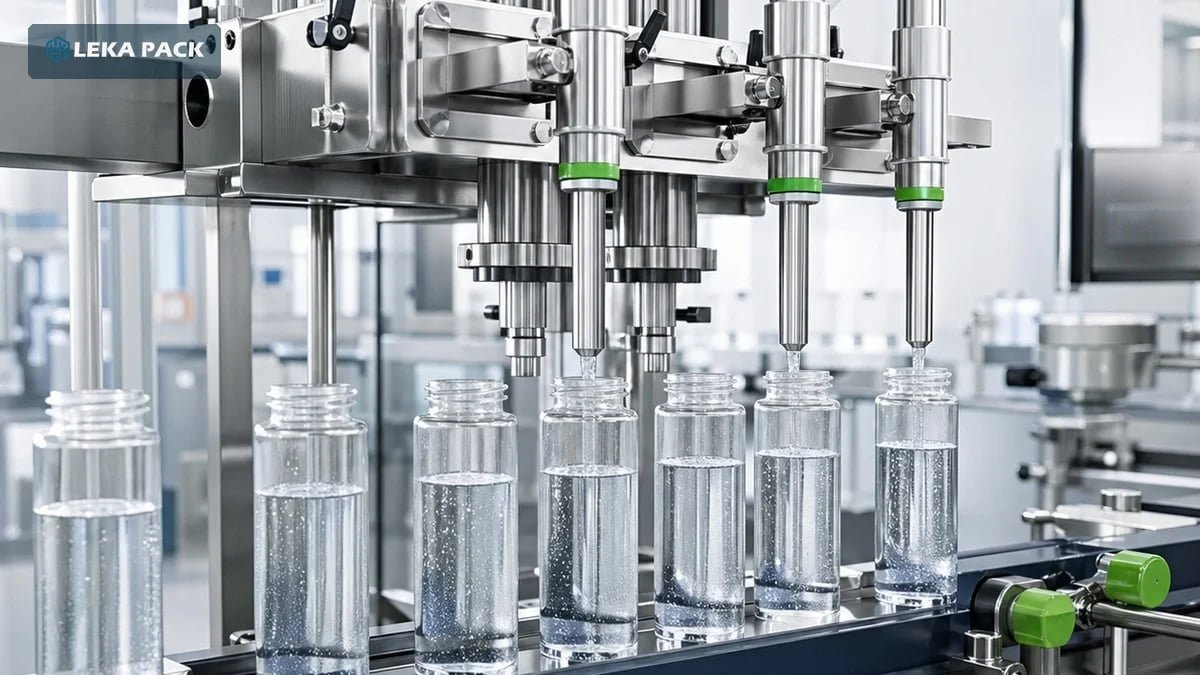
Two machines can share the same product name but be designed for very different production conditions. A basic filler with manual bottle handling is not the same as a servo multi-head machine with automatic conveying, anti-drip nozzles, product-contact parts and touchscreen controls.
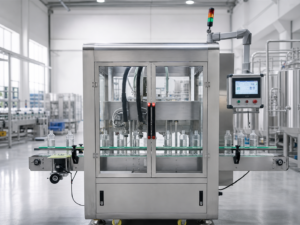
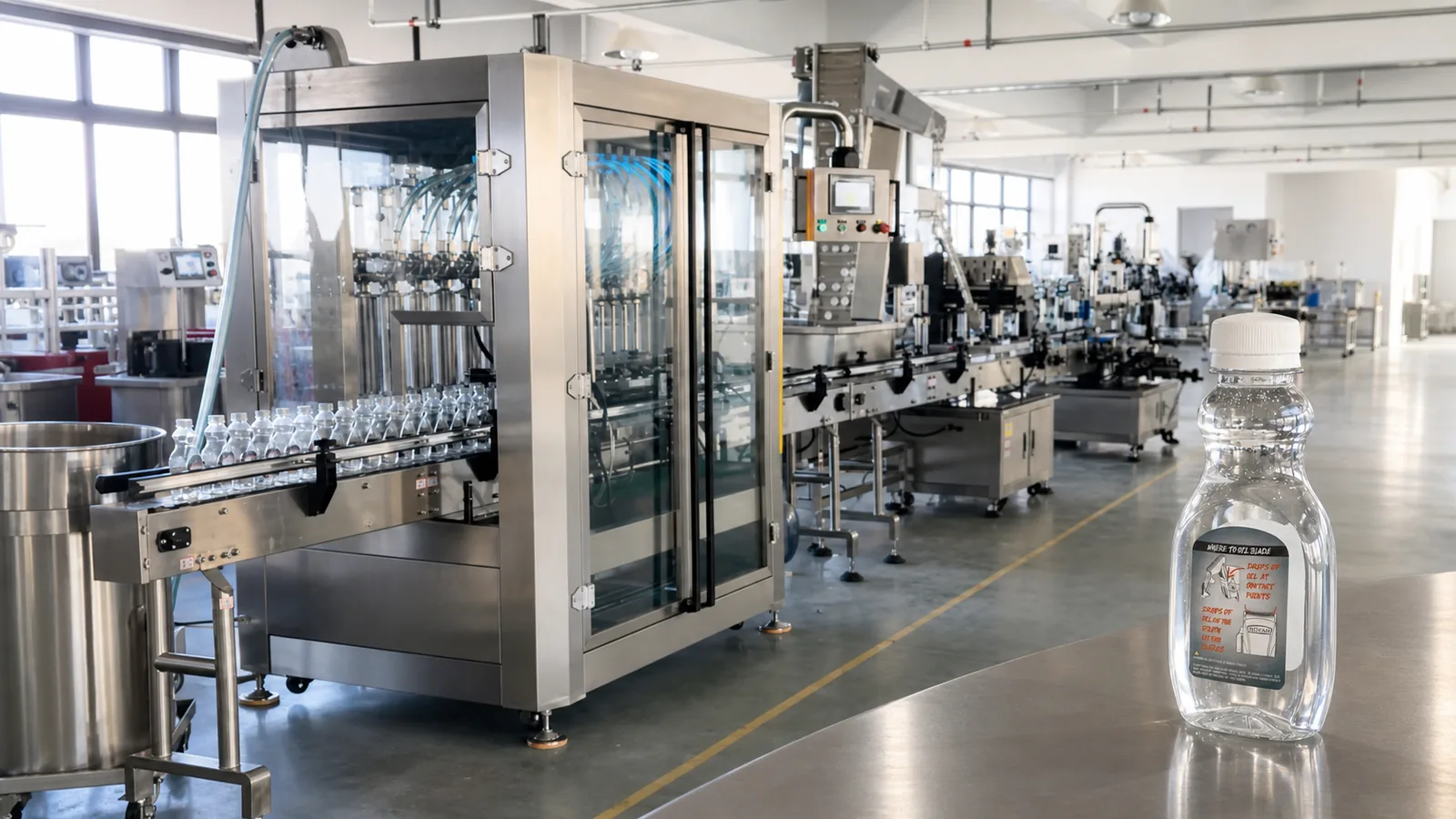
A useful comparison starts with the product, bottle, filling volume and target output. These details determine the filling method, nozzle count, contact material and whether capping or labeling should be connected. Review LEKA's automatic bottle filling machine options before comparing quotations that may include different equipment scopes.
What the EXW Reference Does Not Include
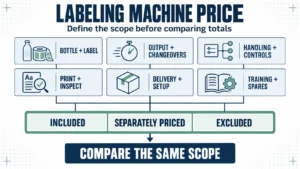
EXW is the machine price at the factory. It does not include freight, insurance, import tax, customs clearance, local handling or installation. It also does not include a capping machine, labeling machine, coding machine, conveyor or packing machine unless those items are listed in the quotation.
Automatic Bottle Filling Machine Price by Automation Level
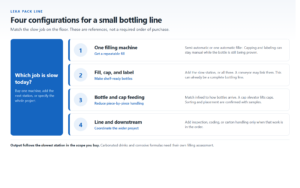
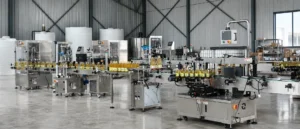
The automatic bottle filling machine price changes a lot based on how automatic the machine is. A small factory may only need one semi-automatic or automatic filler. A larger factory may need a connected line with filling, capping, labeling and conveyors.
| Automation Level | Typical Use | Labor Needed | Suitable Factory Stage | Cost Impact |
|---|---|---|---|---|
| Semi-automatic filling machine | Worker places bottles and starts filling | More labor | Small batches, new products, product testing | Lower machine cost, slower output |
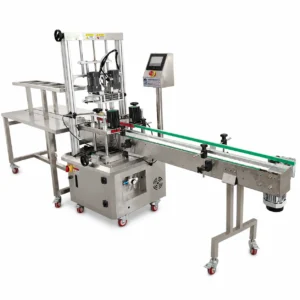
| Automatic single bottle filling machine | Automatic filling with conveyor or bottle positioning | Less labor | Small and medium factories with steady orders | Balanced cost and better repeat filling |
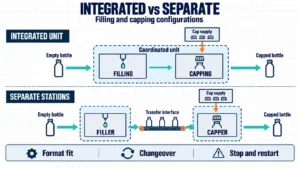
| Automatic filling machine connected with capping machine | Filling and cap tightening in one connected process | Less labor | Factories that want fewer hand steps | Higher cost because capping and controls are added |
| Complete bottle filling line | Filling, capping, labeling, coding, conveying and packing | Lowest labor among these options | Factories with steady production and line planning needs | Project-based cost; every line machine affects the budget |
If your orders are not stable yet, starting with one automatic filling machine is often safer. You can keep space for future capping, labeling and conveyor connection.
Semi-Automatic Bottle Filling Machines
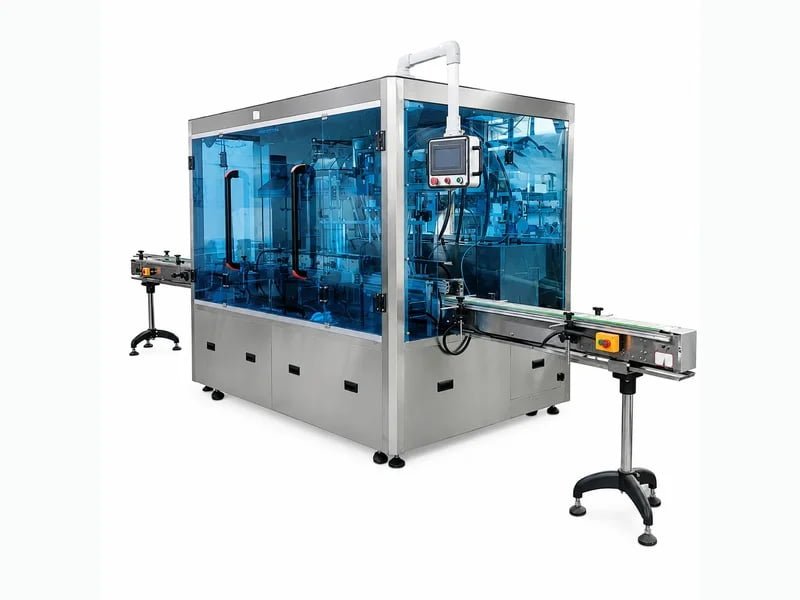
A semi-automatic machine is often used when output is still low. Workers may place bottles, move filled bottles or put caps on by hand. This lowers the first machine cost, but it also limits speed. It can also make filling less steady if workers are tired or the product is hard to handle.
Automatic Bottle Filling Machines
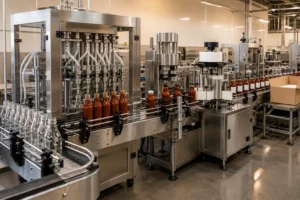
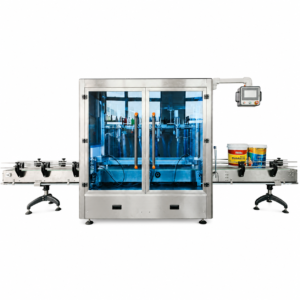
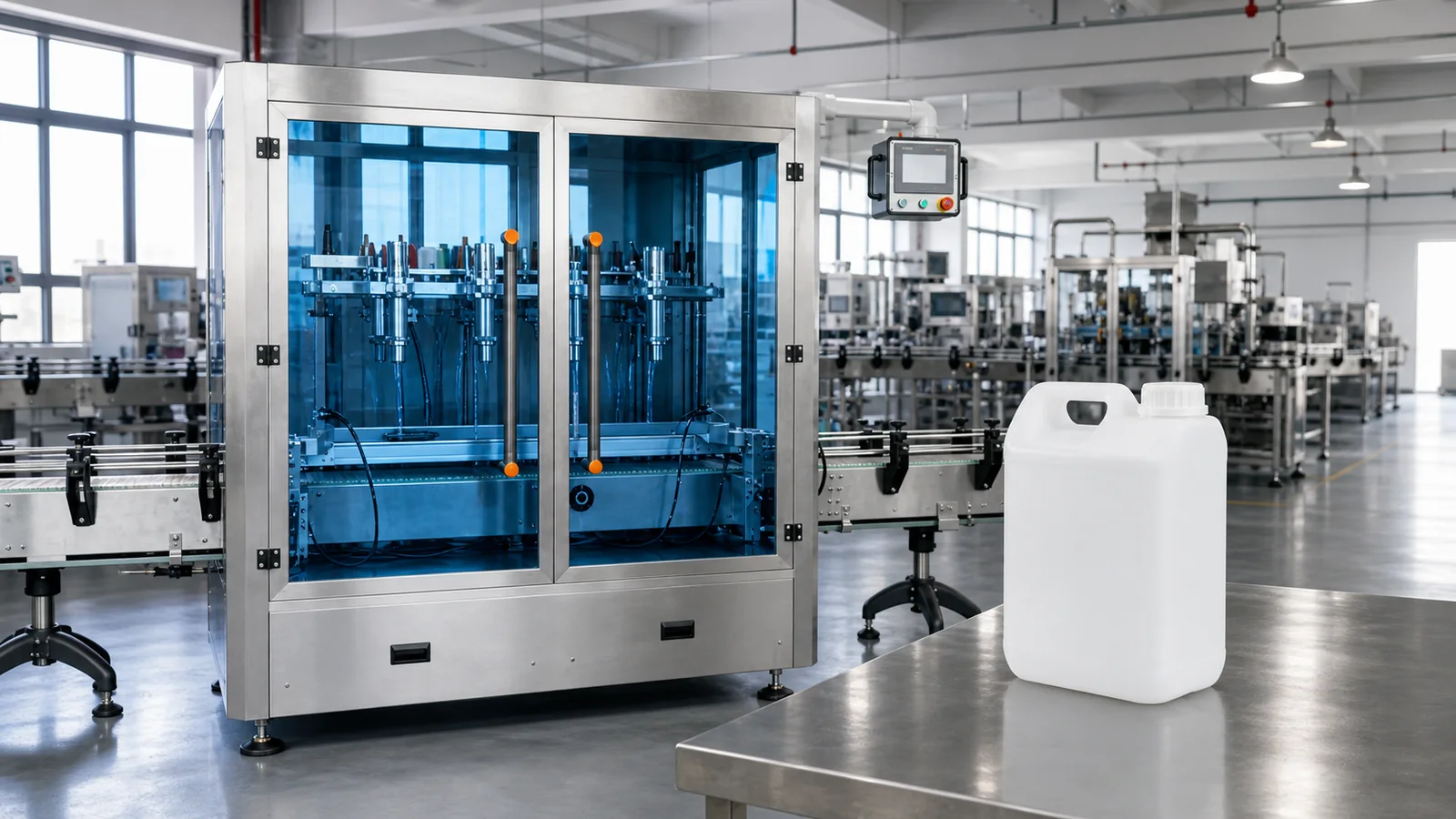
An automatic bottle filling machine is a common choice for small and medium factories that need better speed and more stable filling. It can work with a conveyor, filling nozzles, pump or piston system, touchscreen control and optional capping or labeling machines.
Complete Bottle Filling Lines
A complete line is useful when you want a smoother process from empty bottle feeding to finished product handling. But a full line should match your real output. If your current output is still low, LEKA may suggest one strong filling machine first, with room to add capping, labeling and conveyors later.
Not sure whether to start with one machine or a full line? Tell us your current daily orders, available operators and target output. We can suggest a starting configuration that controls first investment while leaving space for capping, labeling and conveyors later.
What Affects the Final Filling Machine Cost?
The final filling machine cost is not only about the number of filling heads. Product thickness, foam, bottle shape, cap type and cleaning needs can all change the price. This is why a machine name alone is not enough for a serious quote.
Product Thickness (Viscosity): Water, Oil, Sauce, Detergent or Cream
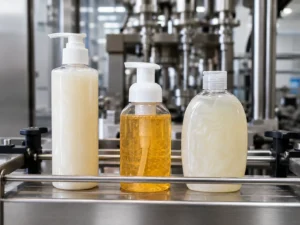
Viscosity means how thick the liquid is. Water, mouthwash and many alcohol-based liquids usually flow easily. Many edible oil, sauce, honey, detergent, shampoo and cream products may be thicker. Even so, the real filling method should be confirmed by the formula, flow behavior, bottle opening and accuracy need. These products may need piston filling, pump filling, servo control, larger nozzles or anti-drip parts.
Some liquids need special care. A foaming detergent may need slower filling and a nozzle that moves down into the bottle. A sauce with small pieces may need a filling path that does not block easily. A chemical liquid may need contact parts that can handle corrosion.
Bottle Size, Bottle Shape and Filling Volume
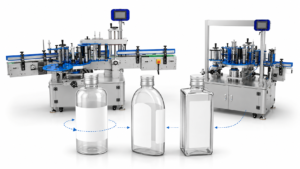
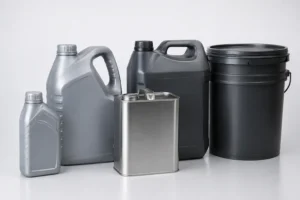
The bottle also changes the machine setup. Round bottles, square bottles, flat bottles and tall bottles may need different guide rails. A small 100 ml bottle and a large 5 L container do not fill at the same speed.
Some machines can be built for ranges such as 20-1000 ml, 500-5000 ml or 5 L-30 L. But this does not mean one machine is right for every product and every bottle. The correct range should match the product thickness, bottle opening, filling accuracy and target output.
Target Output and Number of Filling Heads
Target output means how many bottles you want to fill each hour. A factory filling 500 bottles per hour does not need the same setup as a factory planning 3000 bottles per hour. More filling heads can raise output, but only if bottle feeding, capping, labeling and packing can keep up.
For output planning, you can also read LEKA's Bottle Filling Machine Output Guide. It explains why bottle size, filling volume and line rhythm affect real hourly output.
Filling Method: Gravity, Piston, Pump or Servo Filling
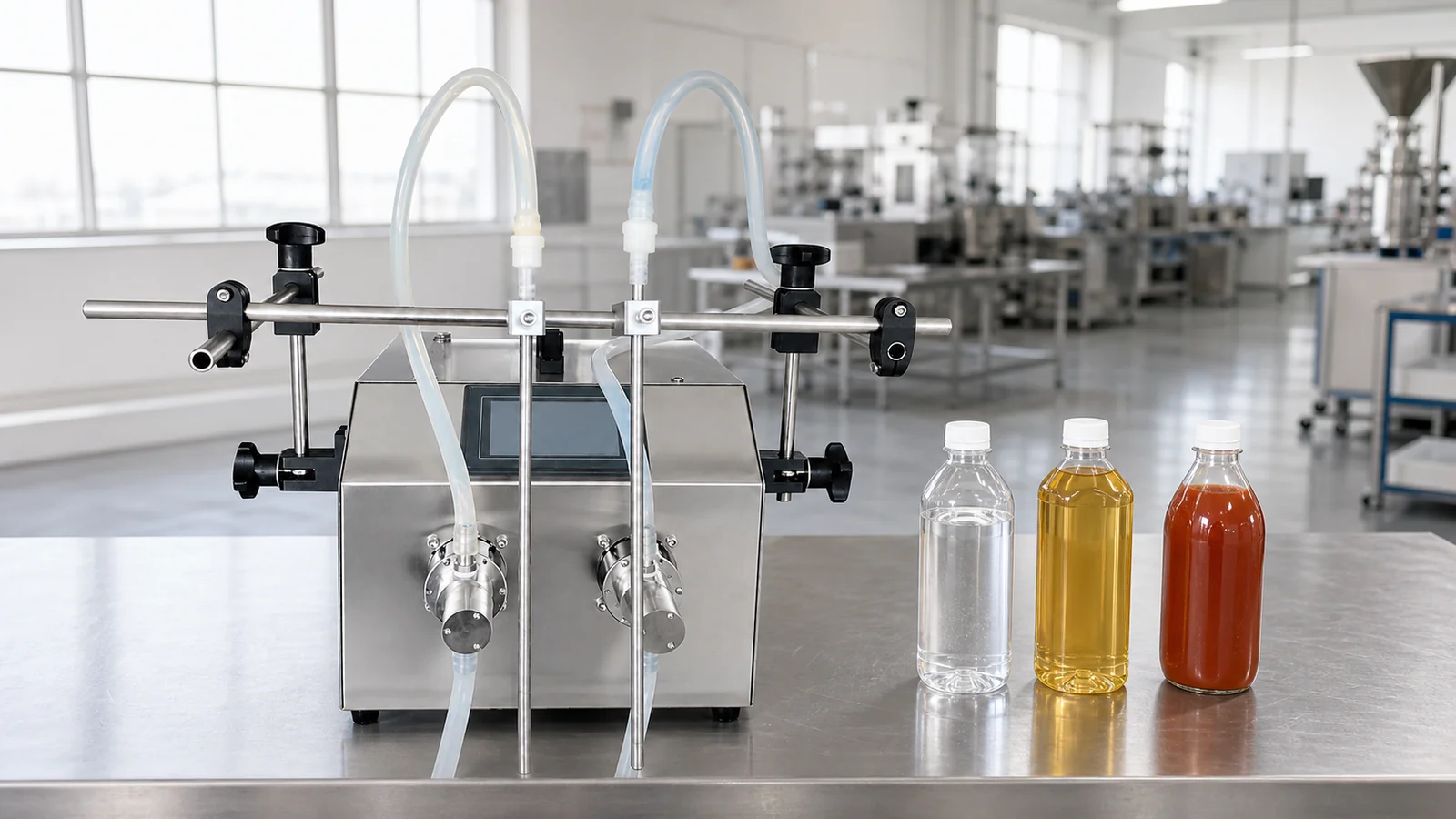
Gravity filling is often used for thin, free-flowing liquids. Piston filling is common for thicker products and measured volume filling. Pump filling can work for many liquids, depending on the pump. Servo filling helps control movement more smoothly and makes adjustment easier. The right method should match the liquid first.
Food-Grade Contact Parts and Control System
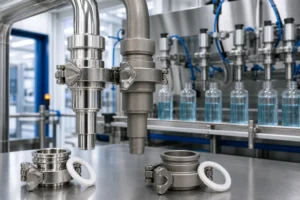
Food, drink and cosmetic products may need SS304 or SS316 stainless steel parts. These are parts that touch the product and are easier to clean. Chemical products need material checks too, especially if the liquid foams or can damage normal parts. A simple control panel may be enough for basic use. A touchscreen, recipe storage and better electrical parts can raise the price.
Extra Modules: Capping, Labeling, Coding and Conveyors
Some buyers ask for a filling machine price, but they actually need a filling line. Each added machine changes the budget. This includes cap sorting, capping, labeling, date coding, foil sealing, bottle feeding, inspection and carton sealing.
If you need more than filling, send cap photos, label position, coding needs and a simple factory layout. LEKA can separate the quote into filling machine, optional modules and complete line items. This helps you decide what to buy now and what to add later.
Quote Q&A: Slany Cheung from LEKA Pack Line Answers Common Price Questions
Below are practical price questions that LEKA Pack Line checks during quotation. Slany Cheung reviews product details, bottle photos, filling volume and target output before recommending a machine configuration.
Q1: Why can two bottle filling machines have very different prices?
Slany Cheung: When I check a filling machine request, I do not only look at the machine name. I check the filling method, pump or piston system, number of filling heads, nozzle design, contact material, bottle handling and cleaning needs. Two machines may both fill bottles, but their real production performance can be very different.
Q2: What is the most common mistake buyers make when comparing prices?
Slany Cheung: The most common mistake is comparing only the front price. I always suggest checking what is included: filling heads, contact parts, anti-drip design, conveyor, spare parts, control system and trade terms. A lower EXW price may not be lower in real use if the machine leaks, fills unevenly, blocks often or takes too long to clean.
Q3: What should a buyer send before asking for price?
Slany Cheung: Before quoting, please send the real product, bottle photo or drawing, filling volume, bottle mouth size, cap type, target output, voltage and destination port. For foaming, corrosive or particle products, a short product flow video is also helpful. It helps us choose the filling path and contact parts more safely.
Q4: When should a factory buy one filling machine instead of a full line?
Slany Cheung: If the factory is testing a new product, one filling machine can be a practical first step. This is also true when daily output is moderate or workers still handle capping and labeling by hand. The important point is to leave room for later capping, labeling and conveyor connection if orders become stable.
Q5: Is EXW price the final price I pay?
Slany Cheung: No. EXW is only the machine price at the factory side. Freight, insurance, import tax, customs clearance, local handling, installation and destination charges are separate. For a real budget, buyers should compare the total cost after shipping, import tax and local fees. They should also confirm the same trade terms with every supplier.
Want us to check your project? Send your product, bottle photo, filling volume and target output by email at sales@lekapackline.com or on WhatsApp: +86 18126903504.
Liquid Filling Machine Price Examples by Product Type
The liquid filling machine price changes because different products behave in different ways. Water flows fast. Oil can drip. Sauce can block. Detergent can foam. The machine has to fit the product, not just the bottle.
| Product Type | Recommended Filling Solution | Main Cost Factor | Suitable LEKA Solution |
|---|---|---|---|
| Water and thin liquids | Gravity or pump filling, depending on accuracy and speed | Output, bottle handling and line connection | Automatic Bottle Filling Machine |
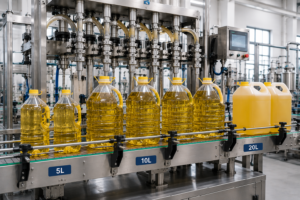
| Edible oil and similar products | Pump or servo filling for stable oil filling | Oil thickness, filling volume, nozzle number and bottle shape | Edible Oil Filling Machine |
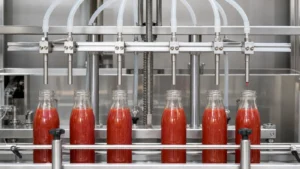
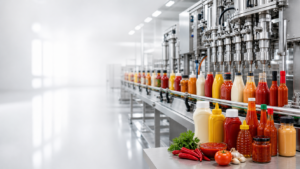
| Sauce, paste and thick products | Piston or suitable pump filling for thicker materials | Thickness, particles, cleaning and anti-drip filling | Sauce Filling Machine |
| Detergent and chemical liquid | Pump, piston, anti-foam or anti-corrosion configuration as needed | Foam, corrosion, bottle stability and contact parts | Custom filling machine or filling line configuration |
If your product fits one of these groups, send LEKA your product thickness, bottle photo, filling volume and target output. We can tell you whether one machine, a filling-capping configuration or a full line makes more sense.
Liquid Filling Machine Price for Water and Thin Liquids
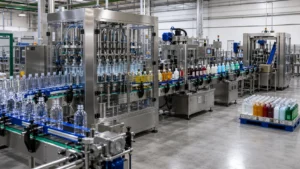
Water, mouthwash, alcohol and disinfectant usually need steady bottle handling and smooth filling. For these projects, LEKA's automatic bottle filling machine page can help you compare common machine options. The machine may be simpler than a sauce or cream filler. But the final cost still depends on output, bottle size, filling accuracy and whether capping or labeling is connected.
Foaming thin liquids may need slower filling, diving nozzles or anti-foam design. Alcohol-based or flammable products may also need safety checks, stronger protection and local rule checks before the machine configuration is confirmed.
Oil Filling Machine Price for Edible Oil and Similar Products
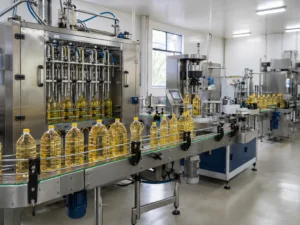
Oil filling machine price usually depends on clean filling, stable accuracy and anti-drip design. If you fill edible oil, cooking oil or similar products, review LEKA's edible oil filling machine solutions before comparing only the price.
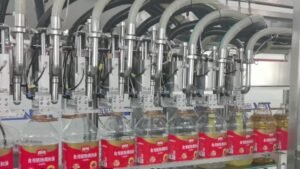
For reference only, some LEKA oil servo filling machine configurations may reach about 2600-3600 bottles per hour under confirmed project conditions. These conditions include suitable filling volume, oil thickness, nozzle number, bottle stability, conveyor layout and matched downstream equipment. This is not a guaranteed speed for every oil product or bottle. The real output must be checked with your product and bottle.
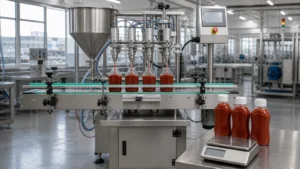
Sauce Filling Machine Cost for Thick or Particle Products
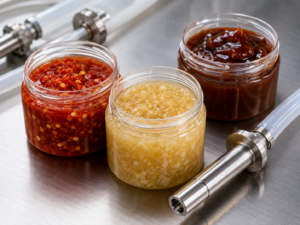
Sauce, paste, honey and similar products are harder to fill than water-like liquids. If the product is thick or has small pieces, the filling system must reduce blockage, dripping and cleaning trouble. You can compare suitable sauce filling machine options if your product needs piston filling, pump filling or anti-drip design.
This can raise the machine cost. But it can also reduce product waste, cleaning time and stoppages in daily production. Before comparing supplier quotations, review our sauce filling machine price and RFQ guide to understand the main cost drivers, line scope and project details needed for a useful quotation.
Chemical and Detergent Bottle Filling Machine Cost
Detergent, cleaning liquid and chemical products may foam or damage normal contact parts. These products may need anti-foam filling, anti-corrosion parts, special pumps or safer machine covers. The correct configuration depends on the formula and bottle design.
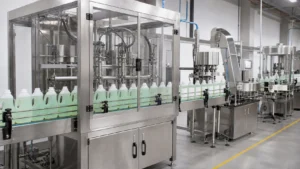
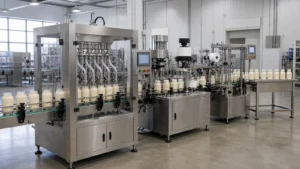
Bottle Filling Line Cost: Single Machine vs Complete Line
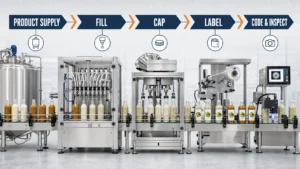
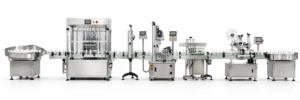
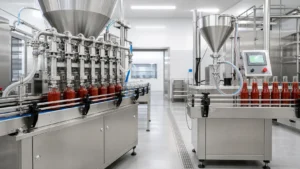
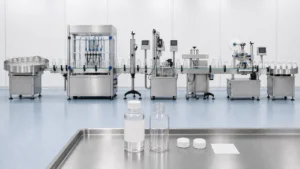
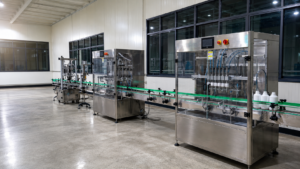
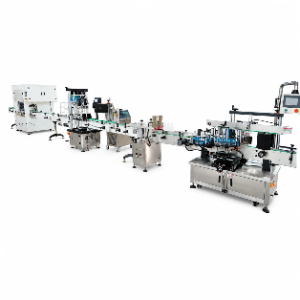
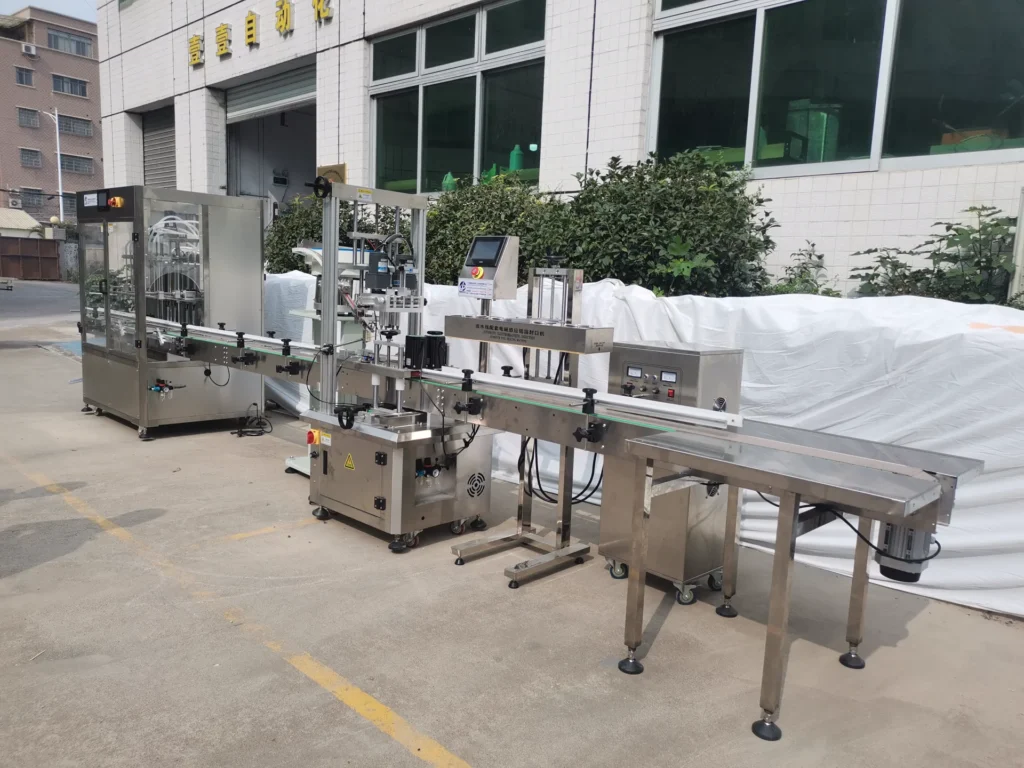
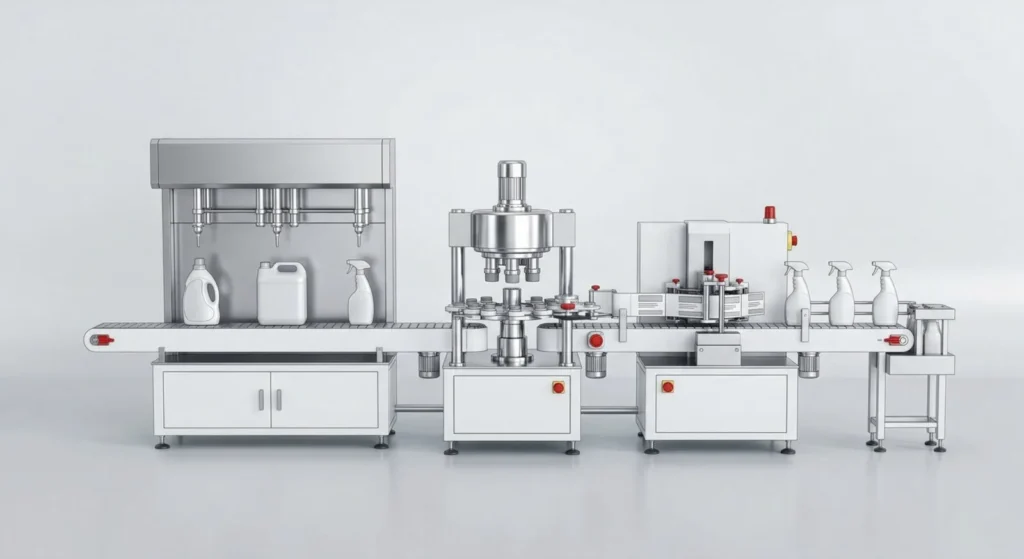
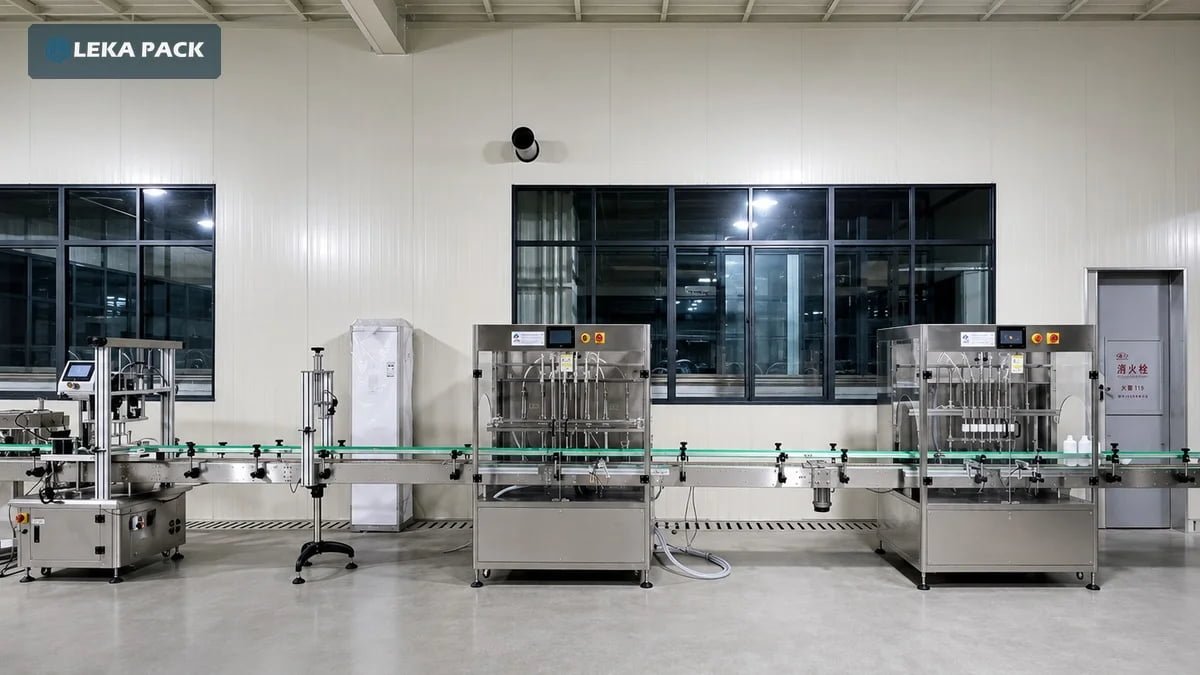
A single filling machine solves the filling step. A complete bottle filling line solves the full flow from empty bottles to finished bottles. The bottle filling line cost is higher because many machines must work together at the same speed.
What Is Included in a Bottle Filling Line?
| Line Module | Function | When You Need It | Price Impact |
|---|---|---|---|
| Bottle feeding or unscrambling | Feeds empty bottles into the line; unscrambling means sorting bottles into the right direction | When hand bottle loading is too slow | Adds machine and layout cost |
| Bottle rinsing or washing | Cleans or blows bottles before filling | When bottle cleaning is needed before filling | Adds machine, air and layout cost |
| Filling machine | Fills product into bottles | Needed for every filling project | Depends on liquid, filling heads and output |
| Capping machine | Tightens or presses caps | When caps need stable automatic closing | Depends on cap type and speed |
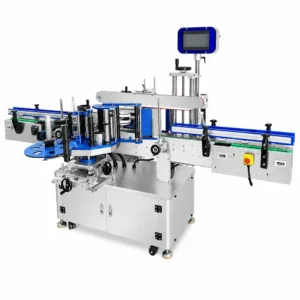
| Labeling machine | Applies labels to bottles | When labels need to be applied by machine | Depends on bottle shape and label position |
| Coding and inspection | Prints date codes or checks product status | When batch codes or checks are needed | Adds control and quality-check cost |
| Sealing machine | Adds foil sealing or other sealing work | When leak protection or a seal showing if someone opened the bottle is needed | Adds sealing and line connection cost |
| Conveyors and packing equipment | Connects machines and moves finished bottles | When the line needs smooth movement | Depends on factory layout and packing method |
When a Single Filling Machine Is Enough
One filling machine may be enough when daily output is moderate, workers can still handle capping and labeling, or the factory is still testing the market. It is also useful when you want a lower first budget but need better filling accuracy than hand filling.
When a Complete Filling Line Is Better
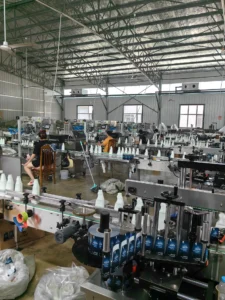
A complete line is better when labor cost is high, orders are stable or hand work is slowing production. It is also better when the product needs more steady packaging quality. But each machine must match the speed of the others. If the filler is fast but the capper is slow, the whole line will still run slowly.
Hidden Costs Buyers Should Budget For
Buyers should budget for shipping, tax, customs clearance, spare parts, installation, power connection, compressed air, worker training and local handling. If the machine is large or the factory is far from the port, logistics can become a real part of the total project cost.
How to Choose the Right Bottle Filling Machine Without Overpaying
Start With Your Product, Not the Machine
Do not start with "How many filling heads?" Start with "What are we filling?" Product flow, foam, small pieces, corrosion and cleaning needs should decide the filling system first. After that, the machine size can be chosen.
Confirm Output Based on Real Bottle Size
Output should be based on your real bottle and filling volume. A 100 ml bottle fills faster than a 5 L bottle. A stable round bottle moves more easily than a tall unstable bottle. This is why target bottles per hour should always be shared before a quote.
Ask for a Product Test When Needed
If your product is thick, foaming, corrosive or has small pieces, a product test can lower risk. A short product video can also help. It shows how the liquid flows, so the supplier can choose a better pump, piston or filling method.
Compare EXW, FOB, CIF and Delivered Cost
Do not compare only machine price if suppliers use different trade terms. EXW means the machine price at the seller's factory side and does not include freight, insurance, import tax, customs clearance, local handling, installation or destination charges. FOB normally means the seller delivers the goods on board the vessel at the agreed loading port. CIF normally includes cost, insurance and freight to the agreed destination port. Delivered cost may include more local charges depending on the agreement. Always compare the same cost basis.
Check Cleaning, Changeover and Spare Parts
A machine that is easy to clean and adjust can save time every day. If you fill several bottle sizes or several products, ask how long changeover takes, which parts need adjustment and which spare parts should be prepared.
How LEKA Pack Line Helps You Estimate the Right Cost
LEKA Pack Line estimates cost by checking the actual production job first. We review the product, bottle, filling volume, cap style, label method, factory layout, local voltage, destination and target output before suggesting a machine configuration.
After checking your details, LEKA can give you a practical quotation package: recommended filling method, machine configuration, optional capping and labeling modules, expected output range, EXW price reference and notes for freight or installation planning.
Machine Selection Based on Product and Bottle
A thin liquid needs a different plan from oil, sauce, detergent or chemical liquid. An unstable bottle may need better guiding. A wide-mouth bottle may need a different nozzle position. These small details can decide whether the machine runs smoothly.
Flexible Options From Single Machine to Filling Line
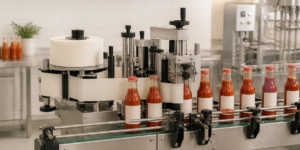
Some customers need only one filling machine. Others need filling, capping, labeling and packing in one connected line. LEKA can suggest either a single machine or a full filling-capping-labeling line based on your real production needs.
Support for Cap, Label, Conveyor and Factory Layout Matching
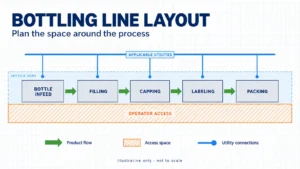
A bottle filling project does not stop at the filling nozzle. Cap type, label position, conveyor direction, line length, worker access and factory layout all affect the final configuration. LEKA helps match these parts so the equipment works as a real production system.
Line speed should be estimated as a complete system, not only by the filling machine. Bottle feeding, filling volume, liquid type, capping speed, label application, sealing and packing can all become the limiting step. LEKA checks these points before giving an output range for the full line.
What Information Should You Send to Get an Accurate Quote?
The fastest way to get a useful bottle filling machine price is to send clear details. If we understand the product and bottle, the quote will be much closer to the machine you really need.
- Product name and how thick it is
- Liquid details: foam level, particles, corrosion risk and filling temperature
- Product sample or short product flow video, if available
- Filling volume for each bottle
- Bottle photo, bottle size and bottle material
- Bottle dimensions: height, diameter or width, mouth inner diameter and bottle stability
- Cap details: screw cap, press cap, pump, spray head or special closure, with cap size if available
- Target output per hour
- Need filling only or a filling-capping-labeling line
- Required filling accuracy, if your product has strict weight or volume control needs
- Label type and label position, if labeling should be included
- Local voltage and frequency
- Preferred trade term: EXW, FOB, CIF or other delivery requirement
- Compressed air availability and available floor space, if known
- Factory layout, if available
- Destination country or port
Get a filling machine quote based on your real product: Send your product, bottle photo, filling volume and target output to LEKA Pack Line. Our team will suggest a suitable bottle filling machine or filling line configuration with a clear price reference. Email sales@lekapackline.com or message us on WhatsApp: +86 18126903504.
FAQ About Bottle Filling Machine Price
How much does a bottle filling machine cost?
As a public reference only, a bottle filling machine can cost from a few thousand dollars to more than $100,000. LEKA single machine reference prices are $3,500-$5,000 EXW for a basic configuration and $5,000-$6,500 EXW for a higher configuration. This is a machine-only EXW reference price. It does not include freight, tax, installation, customs clearance or local destination charges.
What is the price of an automatic bottle filling machine?
The automatic bottle filling machine price is usually higher than a semi-automatic machine. It may include conveyors, sensors, bottle positioning, touchscreen control and more stable filling parts. At LEKA, the single machine reference price depends on your product, bottle, filling volume and target output.
Why are bottle filling machine prices so different?
Prices are different because machines use different filling systems, control parts, materials, filling heads, pumps, nozzles and automation levels. A machine for water may not need the same setup as a machine for sauce, edible oil, detergent or chemical liquid.
How much does a liquid filling machine cost?
Public market references show liquid filling machines can range from about $1,000 to over $100,000, while some fully automatic systems are listed around $60,000-$250,000. These are public references, not fixed LEKA quotes. Trade terms, included machines, freight, tax, installation and local charges vary by seller.
How much does an oil filling machine cost?
An oil filling machine price depends on oil thickness, filling volume, nozzle number, pump or servo system, bottle shape and target output. Edible oil projects often need stable accuracy and anti-drip filling, so the setup should be checked before quoting.
How much does a complete bottle filling line cost?
A complete bottle filling line can cost much more than one filling machine. It may include capping, labeling, coding, conveyors, inspection and packing machines. Public water filling line references include listed line ranges around $50,000-$120,000, while complete plant equipment can be higher. These are public references, not fixed LEKA quotes, and the final line cost must be quoted by project.
Is EXW price the final price I pay?
No. EXW is the machine price at the factory side. It does not include freight, tax, insurance, customs clearance, local handling, installation or destination charges. Buyers should compare the total cost after shipping, import tax and local fees before making a final decision.
What information do I need to get an accurate quote?
To get an accurate quote, send your product name, thickness, fill volume, bottle photo, bottle size, cap type, bottles per hour, local voltage and whether you need one machine or a full line. A product sample or short video is also helpful for special liquids.
Conclusion: Get a Bottle Filling Machine Price Based on Your Real Product
The right bottle filling machine budget depends on your product, bottle, filling volume, cap type, target output and automation level. A lower upfront price is not always better if the machine cannot fill accurately, wastes product, takes too long to clean or cannot connect with future capping and labeling equipment.
Ready to check the real cost? Send the quote details above to LEKA Pack Line. We will review whether a single filler or a full filling-capping-labeling line fits your product, then provide a clearer machine plan and price reference. Email sales@lekapackline.com or message us on WhatsApp: +86 18126903504.
Website: https://lekapackline.com/
Email: sales@lekapackline.com
WhatsApp: +86 18126903504