Packaging Line Project
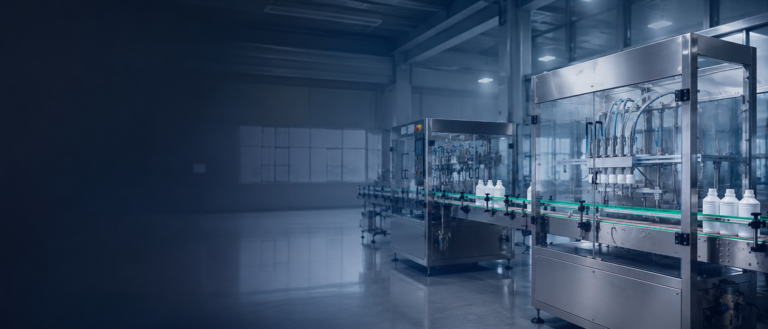
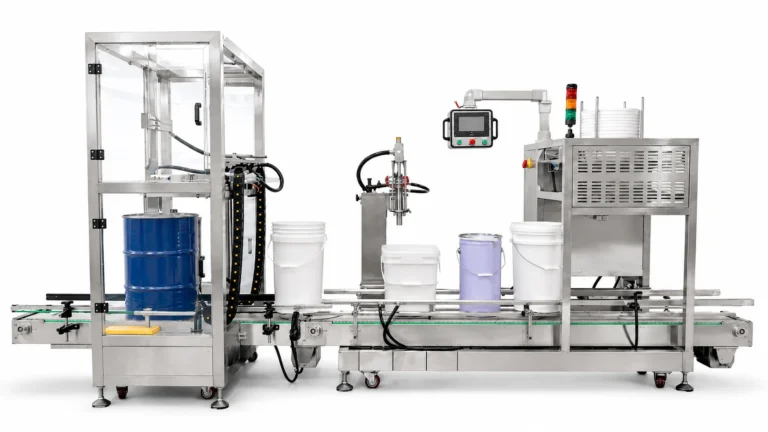
5–12 L Jerrycan Filling and Capping Line
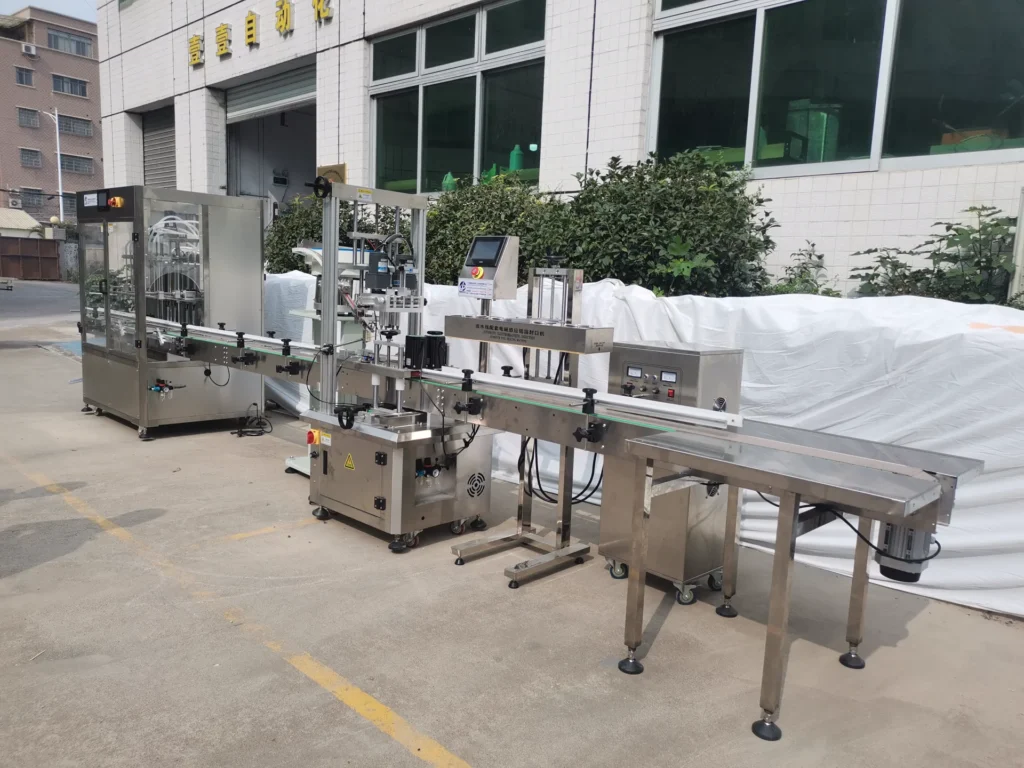
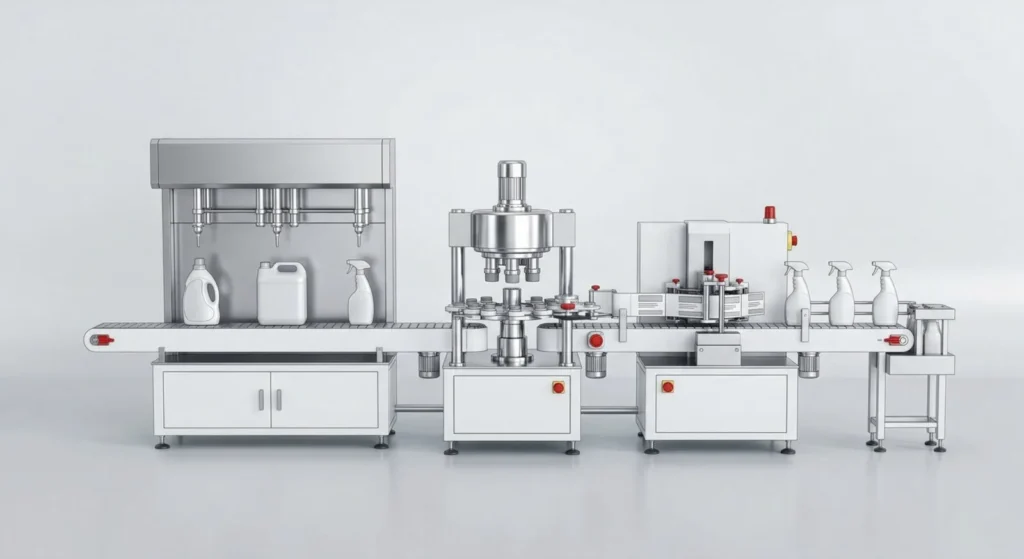
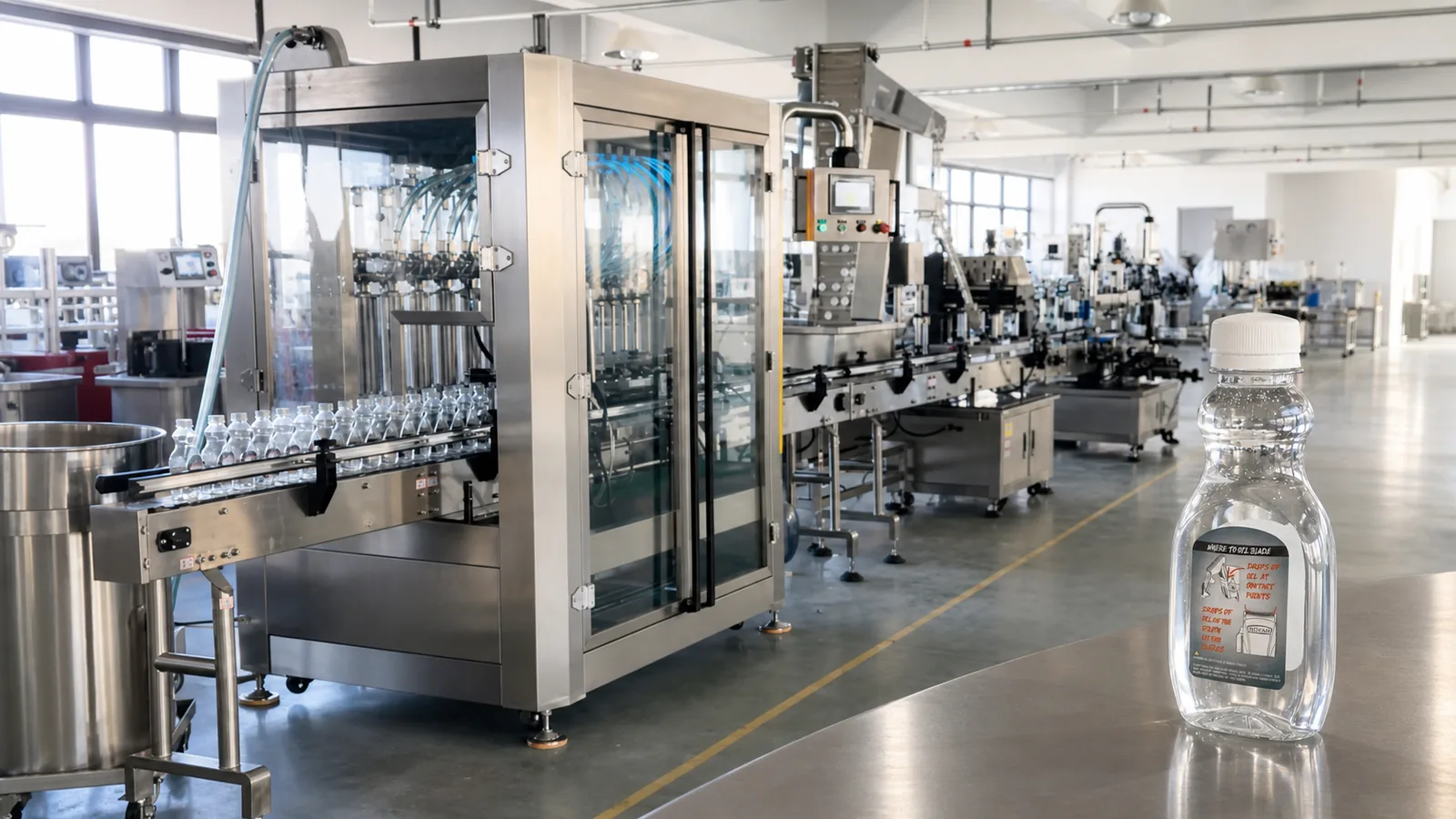
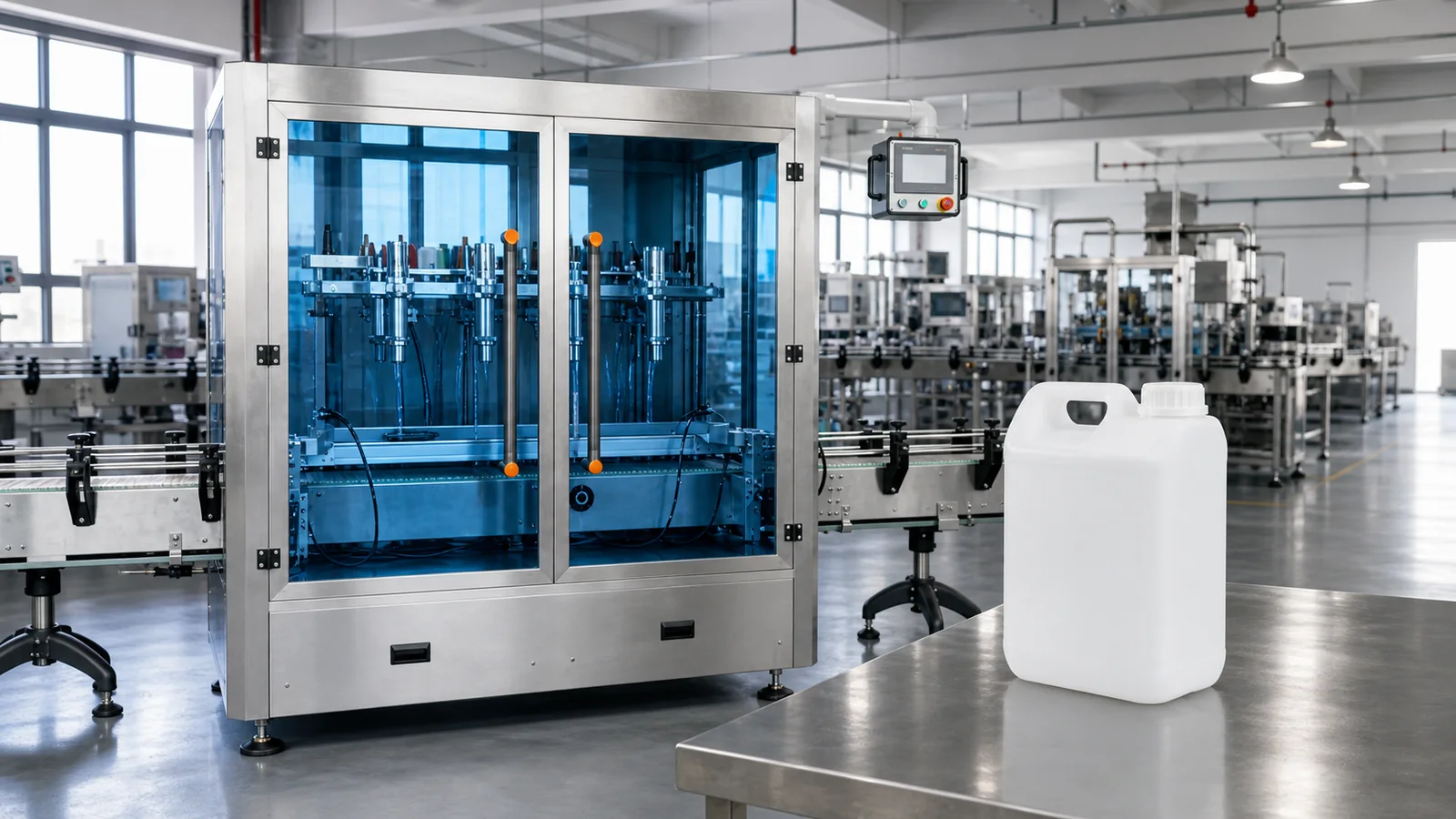
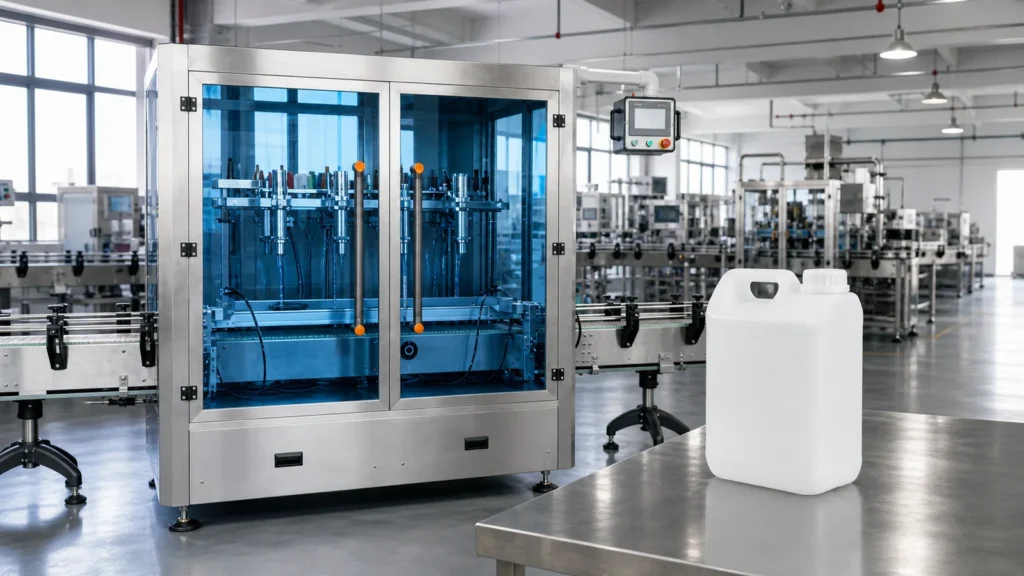
LEKA delivered a 5–12 L jerrycan filling and capping line for a chemical and lubricant manufacturer that needed a stable, repeatable solution for medium-volume HDPE containers. The new line replaced a semi-manual process and was configured around the customer’s product, container samples, cap type, and output target.
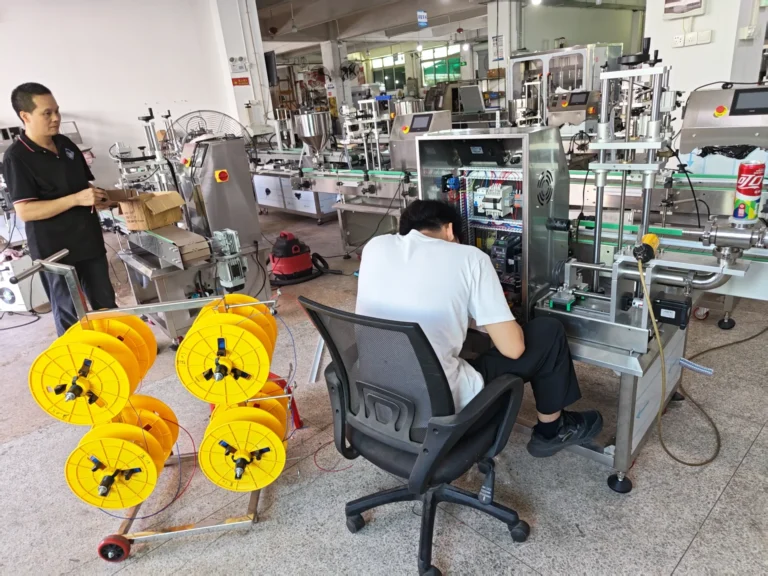
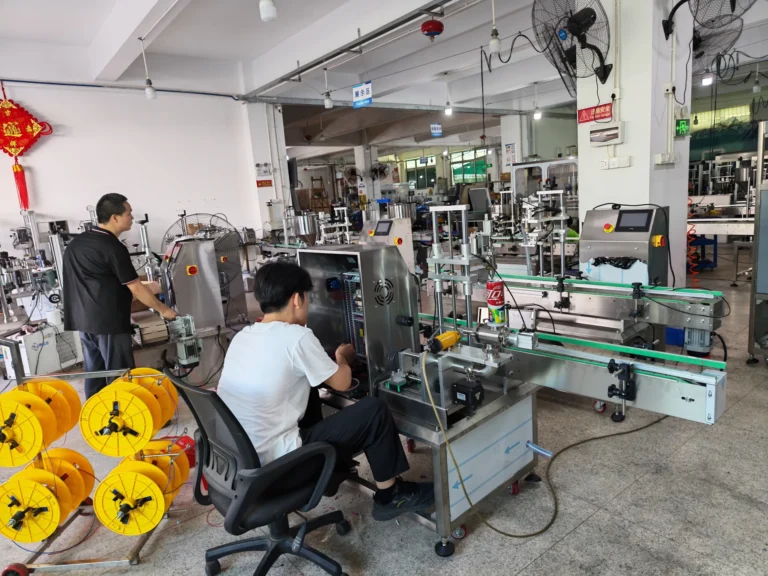
The final line was validated through product samples, container trials, fill-volume tests, and full-package handling checks before delivery.
- Product
- Low- to Medium-Viscosity Liquids Packed in 5–12 L Jerrycans
- Customer Target Output
- Confirmed through actual product, fill-volume, and full-container trials.
- Designed Line Capacity
- Connected-line output confirmed through actual product and package trials
Project Overview
Key project data for equipment selection and line planning.
- Application / Industry
- Chemical, Lubricant and Water-Based Liquid Manufacturers
- Product
- Low- to Medium-Viscosity Liquids Packed in 5–12 L Jerrycans
- Customer Target Output
- Confirmed through actual product, fill-volume, and full-container trials.
- Designed Line Capacity
- Connected-line output confirmed through actual product and package trials
- Container
- Flat or rectangular HDPE jerrycan
- Closure
- Screw cap
- Labeling
- One or two self-adhesive labels on suitable flat panels
- Line Capacity
- Confirmed after product, fill-volume, and full-container trials
- Filling Range
- 5–30 L platform, configured for the customer’s 5–12 L formats
The final connected-line output was confirmed through actual product and package trials, not theoretical machine speed alone. Product flow, fill volume, settling time, capping cycle, and full-container stability were evaluated together.
Customer Requirements
What the customer needed the line to handle and achieve.
The customer needed a line that could handle 5 L, 10 L, and 12 L jerrycans with consistent fill quality, secure capping, and stable downstream transfer.
They also wanted to reduce manual lifting, improve operator safety, and make changeover practical across multiple container sizes.
The buyer provided product SDS data, viscosity, density, foaming behavior, fill quantity, container footprint, full-container weight, handle position, neck finish, cap and liner details, label panels, target output, and conveyor height so the line could be engineered correctly.
Customer Challenge and Project Goal
The production constraints that shaped the proposed solution.
Production Challenge
The project needed to control fill accuracy, product foaming, container deformation, full-container transfer, cap torque, leakage risk, label alignment, and safe handling of heavier filled jerrycans.
The goal was to stabilize each package through filling and capping and verify the finished package independently before shipment.
Required Improvement
Before the upgrade, the main issues were long fill time, product foaming, container bulging, unstable handling during transfer, cap torque variation, leakage risk, and label alignment problems.
Once filled, these jerrycans became heavy and difficult to move safely without a bottom-supported layout.
Why This Configuration Was Selected
How the product, package and output target influenced equipment selection.
LEKA selected a 5–30 L filling platform because it covered the customer’s 5–12 L range with enough flexibility for format changes. A servo capping system was selected for adjustable height, cap torque control, and compatibility with the container’s neck and handle clearance.
A heavy-duty conveyor and bottom-supported transfer design kept full jerrycans stable through filling and capping. A double-side labeling option was included for containers with suitable flat panels, and finished-package verification was configured to confirm quantity and package integrity after capping.
Complete Line Configuration
The machines and functions included in the proposed packaging process.
| Machine Configuration | Model | Production Use | Project-Specific Requirement |
|---|---|---|---|
| Heavy-Duty Jerrycan Infeed and Conveyor | Project-specific | Supports empty and full jerrycans through the line. | Bottom-supported transfer matched to the container base, handle orientation, full-container weight, and required accumulation. |
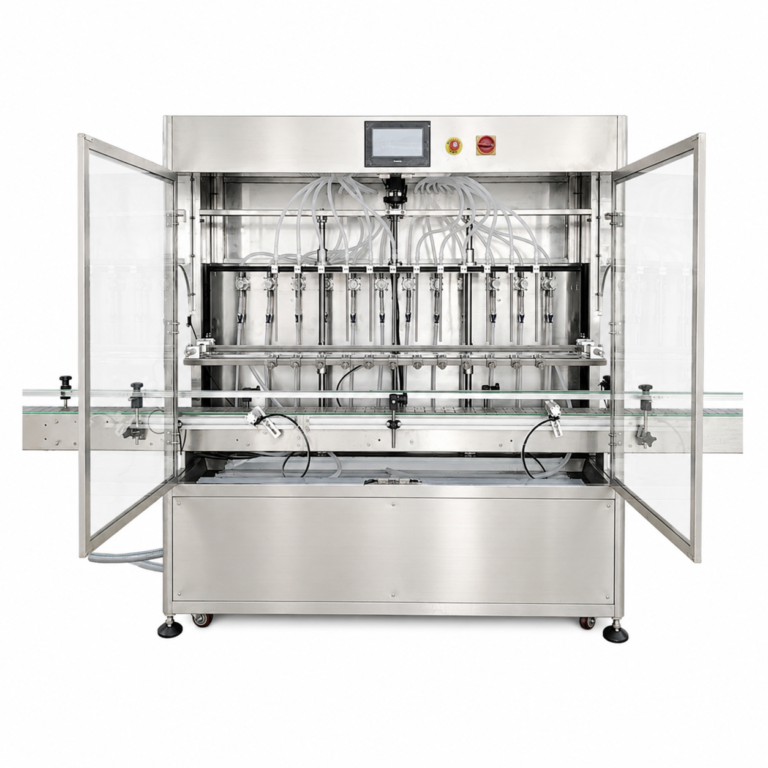
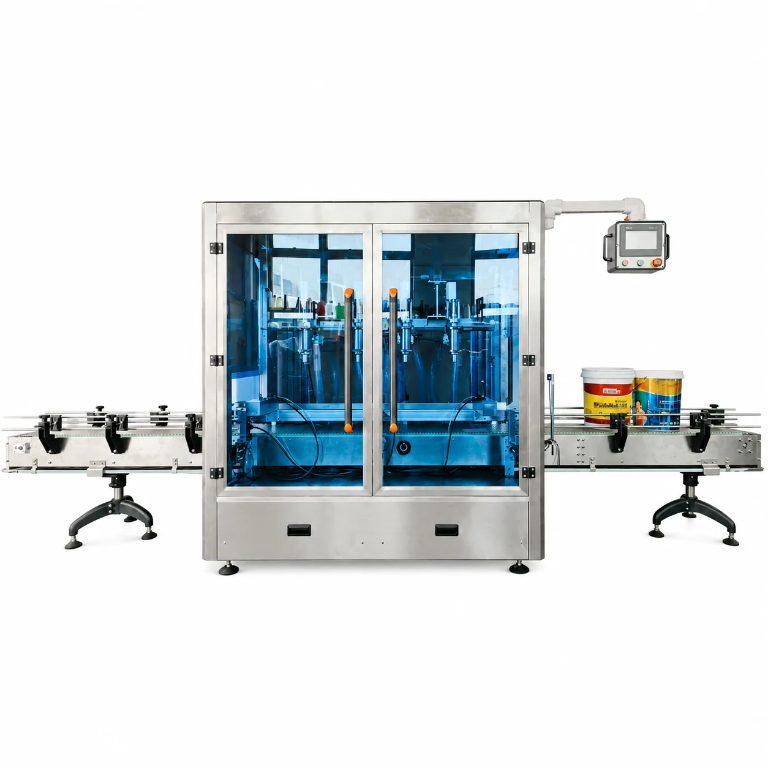
| Large-Volume Four-Head Servo Filling | LEKA-FLSF-04-A | Provides the 5–30 L filling platform for the customer’s 5–12 L formats. | Configured from the tested product flow, foaming behavior, dose settings, nozzle cut-off, jerrycan opening, and full-container handling. |
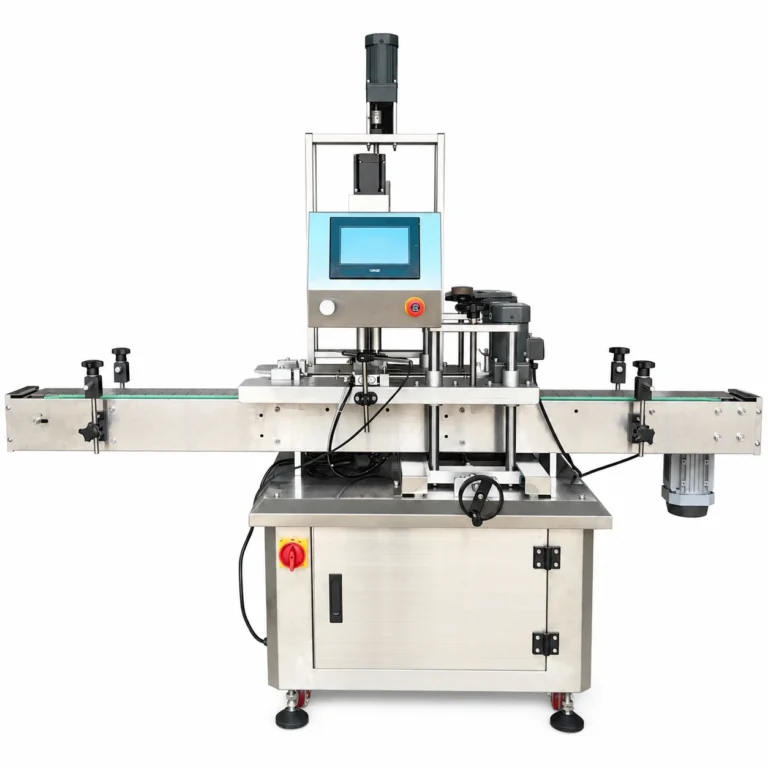
| Adjustable-Height Servo Screw Capping | LEKA-CP-A-servo | Applies screw caps with validated height, torque, and neck support. | Set from the supplied cap, neck finish, handle clearance, and full-container stabilization trials. |
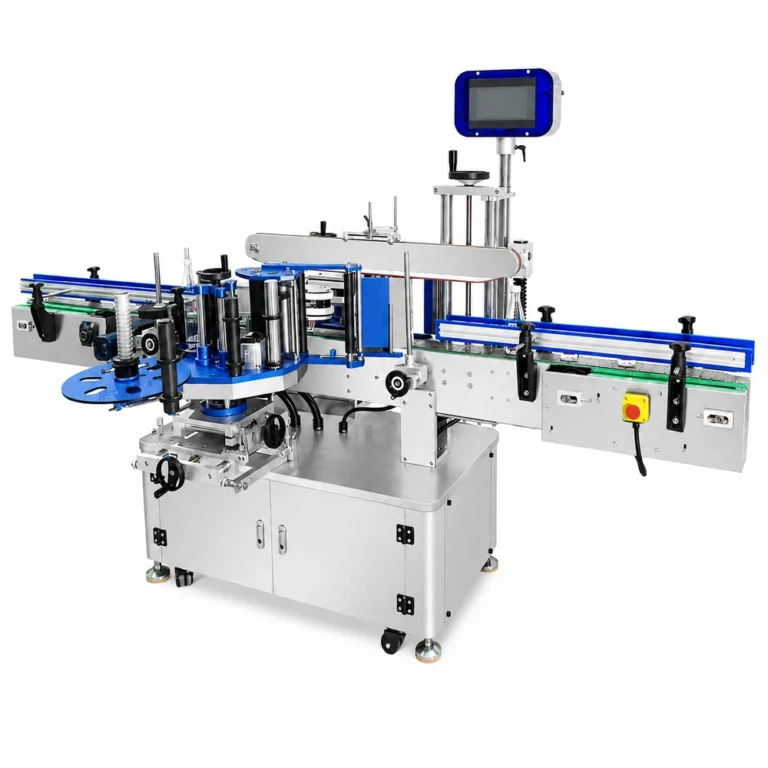
| Optional Front-and-Back Labeling | LEKA-LB020 | Applies one or two labels to suitable flat jerrycan panels. | Matched to panel dimensions, handle clearance, wall flex, label stock, and full-container stability. |
| Finished-Package Quantity Check | LEKA-CW / Higher-Capacity Alternative | Verifies finished-package weight after filling and capping. | Sized according to finished-package gross weight and actual connected-line load. |
Quality Control and Project Results
Verified factory-test and acceptance information for this packaging line.
Quality Inspection
Factory tests focused on filled weight, container deformation, handle and neck condition, cap engagement, leakage, label position, and full-package conveyor stability.
Because density and temperature affect mass-to-volume conversion, the final acceptance procedure used the customer’s product data and calibrated inspection method. After commissioning, the line provided stable filling, secure capping, and independent quantity verification for the customer’s 5–12 L jerrycan products.
Acceptance Result
The project was handed over after the customer confirmed stable filling, reliable capping, and acceptable finished-package quality on the tested jerrycan formats.
Project Result Summary
After commissioning, the line provided stable filling, secure capping, and independent quantity verification for the customer’s 5–12 L jerrycan products.
The final connected-line output was confirmed through actual product and package trials, not theoretical machine speed alone.
How the Packaging Line Works
The connected production sequence from container infeed to finished product.
Product and Package Review
Confirm product properties, empty and full jerrycan geometry, cap, label, and declared quantity.
Bottom-Supported Infeed
Feed empty jerrycans on a conveyor designed for the container base and handle orientation.
Jerrycan Positioning
Stabilize the base, sidewalls, and neck before filling.
Large-Volume Filling
Fill the validated 5–12 L quantity within the tested flow and nozzle cut-off limits.
Settle and Drip Check
Allow the product to settle and confirm clean nozzle cut-off.
Screw Capping
Stabilize the full container and tighten the approved cap.
Optional Labeling
Apply one or two labels to suitable panels.
Full-Package Verification
Check quantity, leakage, cap quality, container condition, and label position.
Key Engineering Features
Project-specific functions that improve stability, accuracy, safety and ease of operation.
5–30 L Filling Platform
Covers the customer’s validated 5–12 L formats and provides flexibility for additional large-container recipes.
Bottom-Supported Conveying
Supports heavier filled jerrycans from the base during transfer through the connected line.
Full-Container Stabilization
Controls the base, sidewalls, and neck through filling and capping.
Sample-Based Capping Setup
Matches capping height, torque, neck support, and handle clearance to the supplied samples.
Validated Quantity Check
Checks the finished package after filling and capping using equipment sized for the actual package load.
Flat-Panel Labeling Option
Supports one or two self-adhesive labels when the jerrycan provides suitable flat panels.
Packaging Specifications
Container, closure and labeling details considered during line configuration.
Container Type
- Custom Container
Container Shape
- Flat Bottle
- Irregular Bottle
- Sample Required
Cap Type
- Screw Cap
- Custom Cap
Labeling Method
- Double Side Labeling
Delivered Equipment and Line Scope
The supplied equipment and integration boundary for this project.
The delivered solution combined project-specific heavy-duty infeed, LEKA-FLSF-04-A filling, sample-configured LEKA-CP-A-servo capping, and optional LEKA-LB020 labeling.
Quantity checking was configured according to finished-package weight and actual line load, with downstream pallet handling selected to match the customer’s factory layout.
Operation, Changeover and Site Requirements
Information used to plan cleaning, package changeover, utilities and installation.
Materials, Cleaning and Safety
Product compatibility, hose and seal selection, cleaning method, and safety requirements were finalized from the product sample and SDS. The bottom-supported layout was designed to reduce unnecessary handling of heavy filled jerrycans, while the final operating procedure followed the customer’s product and site safety requirements.
Changeover and Optional Equipment
Changeover between 5 L, 10 L, and 12 L formats required fill recipe adjustment, guide settings, capping height setup, and label position tuning. Optional inspection and downstream pallet handling can be integrated according to the finished-package load and factory layout.
- Electrical Supply
- Voltage, frequency, phase, and connected load confirmed during engineering.
- Compressed Air
- Supply requirement confirmed from the selected filling, capping, positioning, and inspection modules.
- Product Feed
- Feed method and buffer capacity matched to product properties and the validated fill volume.
- Floor and Conveyor Load
- Confirmed from full-container weight, accumulation, conveyor support, and floor conditions.
- Installation Space
- Line layout confirmed with operating, maintenance, and downstream pallet-handling clearance.
Delivery and Technical Support
Support available for installation, commissioning, training and continued operation.
LEKA supported product review, container trials, line layout, operating documents, electrical drawings, remote commissioning guidance, and operator training. The project was handed over after the customer confirmed stable filling, reliable capping, and acceptable finished-package quality on the tested jerrycan formats.
Need a Packaging Line Configured for Your Product?
Send your product, container, cap, label, filling volume and target output. LEKA Pack Line will review the details before recommending a practical machine configuration.
Request a Line ProposalRelated Machines and Packaging Projects
Explore equipment and line solutions that can be configured for similar products and packages.