Bottling Machines: Design, Workflow, Types, and Selection Guide
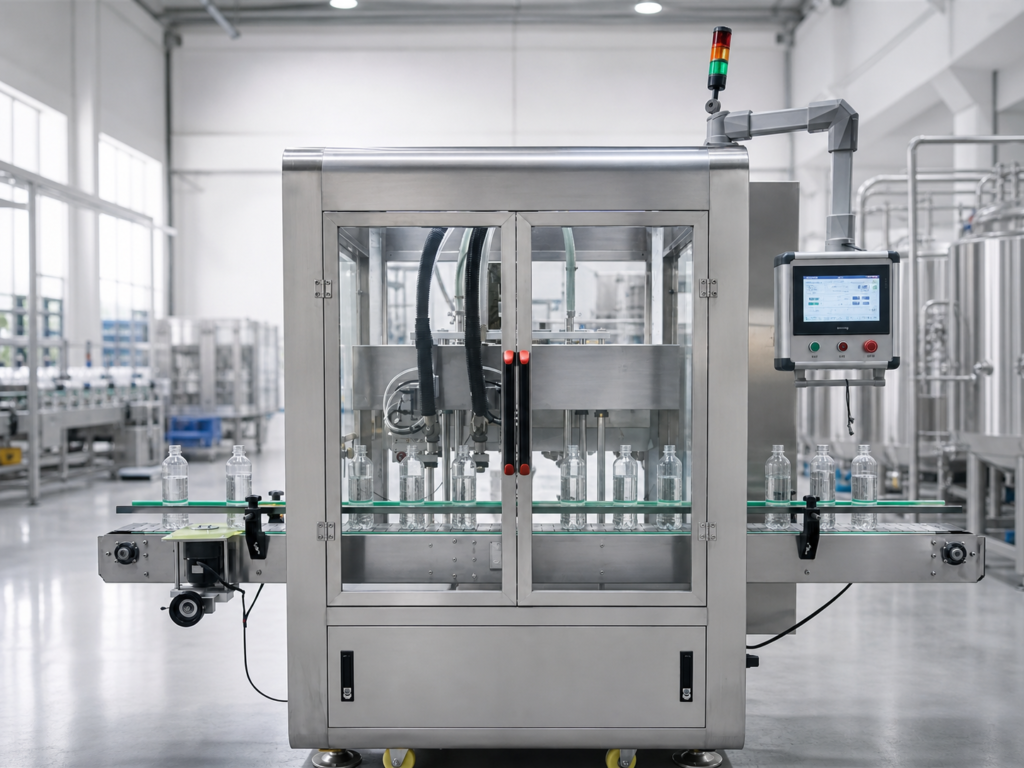
Bottling machines play an important role in modern manufacturing lines. They help automate the process of filling bottles, sealing containers, and preparing products for distribution. These machines are widely used in beverage, food, pharmaceutical, cosmetic, chemical, and personal care production.
For companies that handle liquid products, choosing the right bottle filling machine can improve production efficiency, filling accuracy, hygiene control, and overall packaging consistency.
What Is a Bottling Machine?
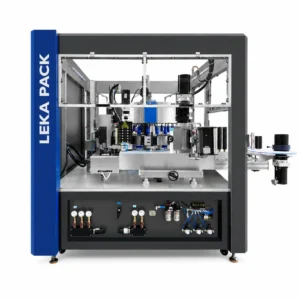
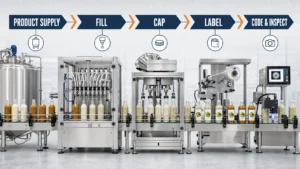
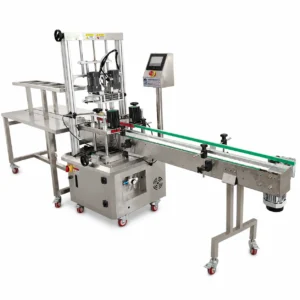
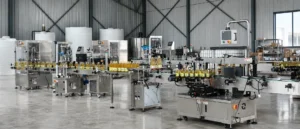
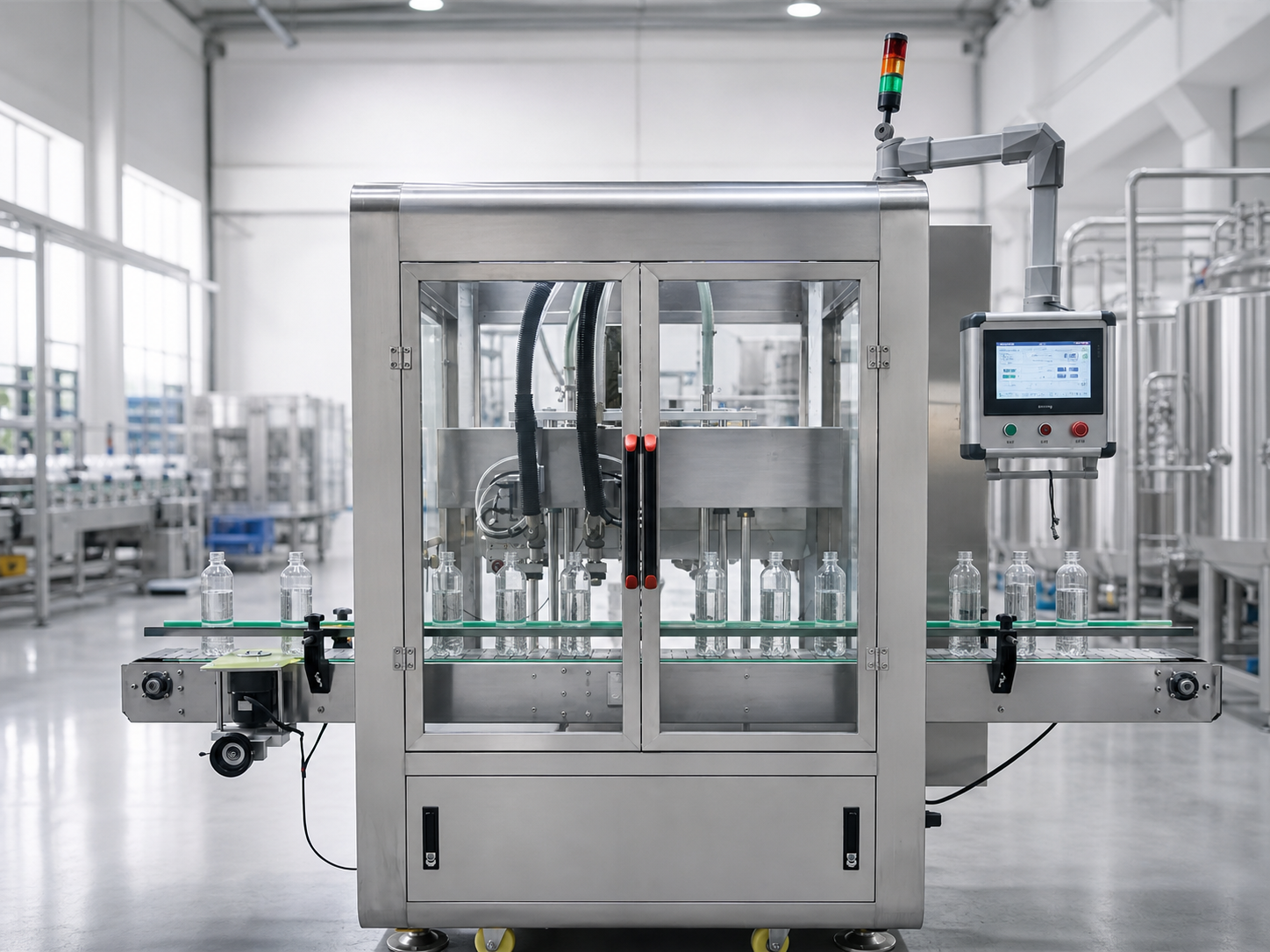
A bottling machine is specialized equipment designed to automate different stages of the bottle packaging process. Depending on the production line configuration, it may handle bottle feeding, rinsing, filling, capping, sealing, labeling, and packing.
In many production environments, bottling machines are used to reduce manual labor, improve filling consistency, minimize product waste, and support stable output. They are especially important when manufacturers need repeatable results across large batches of bottled products.
Core Functions of Bottling Machines
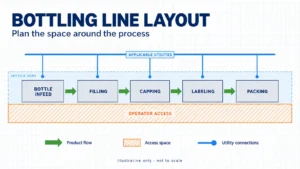
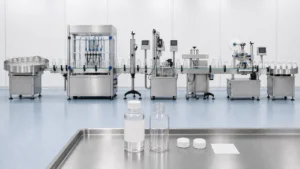
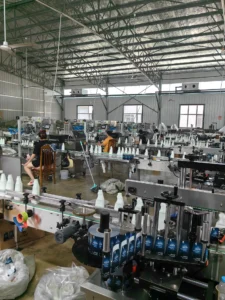
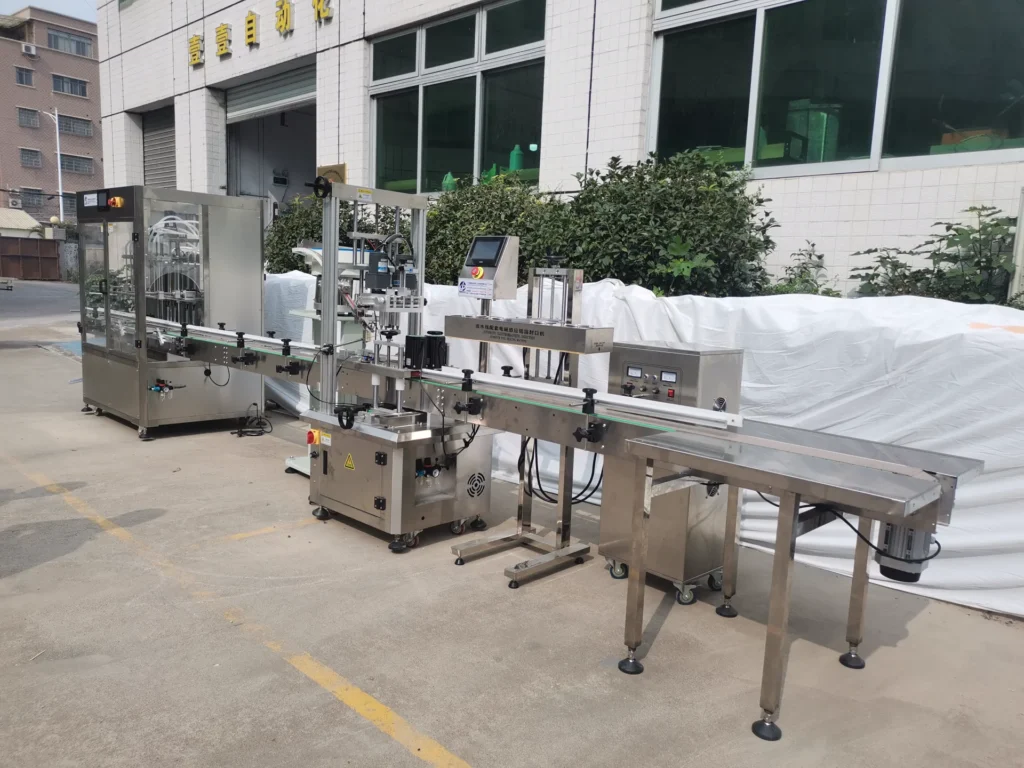
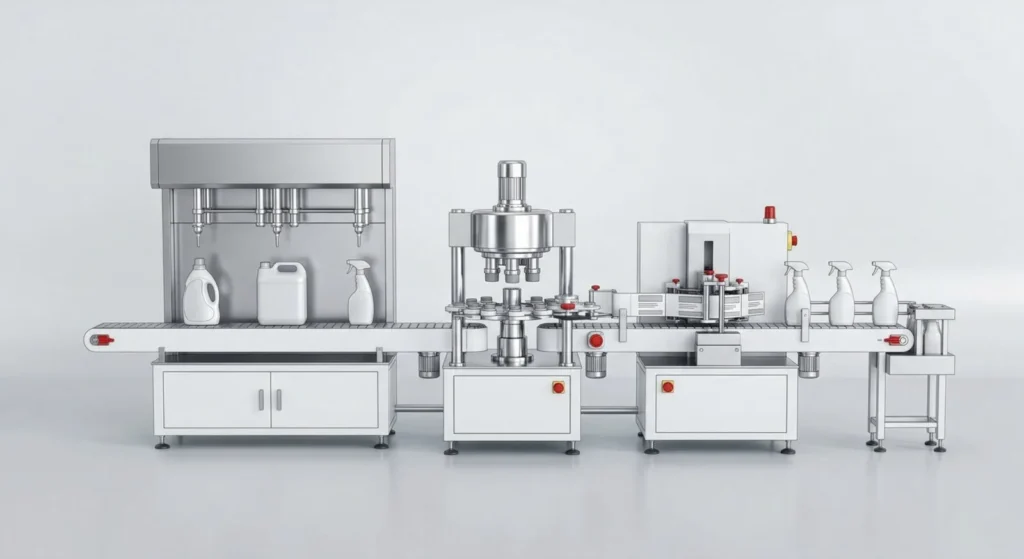
A complete bottling system may include several functional sections. Each section contributes to the overall efficiency and reliability of the packaging process.
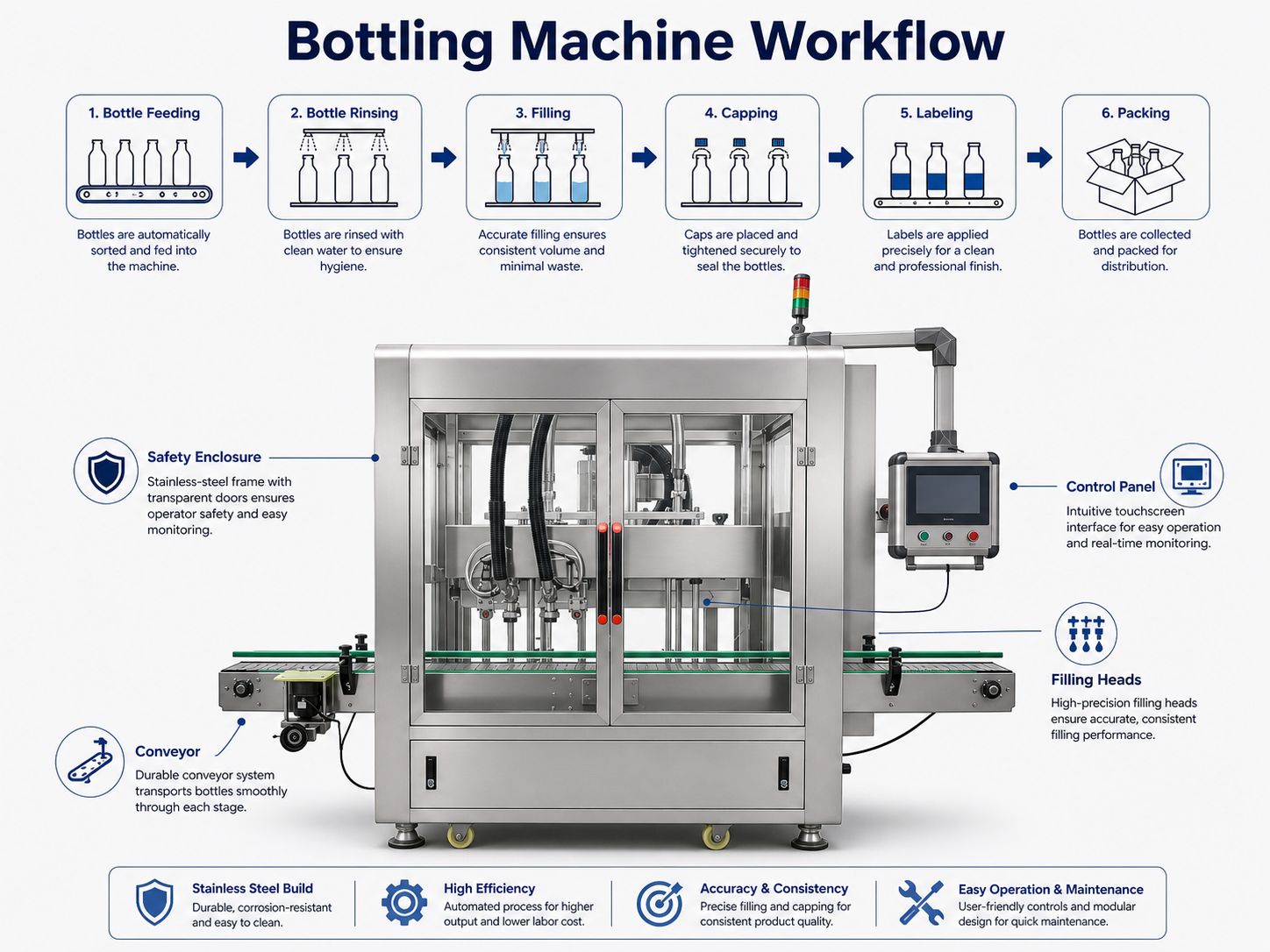
- Bottle feeding: Bottles are delivered to the machine through a conveyor or feeding system.
- Bottle rinsing or cleaning: Bottles may be rinsed or sterilized before filling, depending on product requirements.
- Filling: Liquid is dispensed into bottles using a controlled filling system.
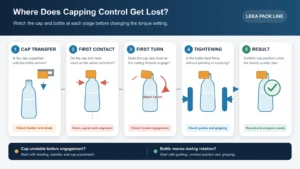
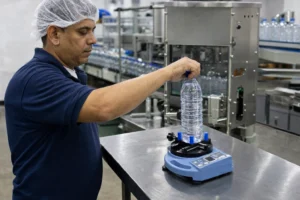
- Capping or sealing: Caps or closures are applied to protect the product and prevent leakage.
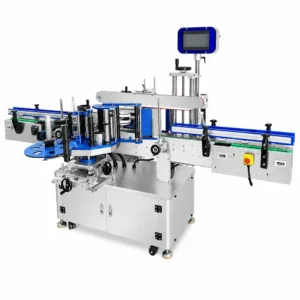
- Labeling: Labels are applied for branding, product identification, and regulatory information.
- Packing: Finished bottles are collected and prepared for distribution.
How a Bottling Machine Works
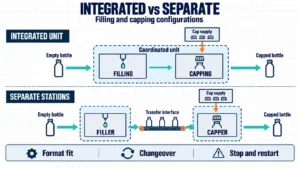
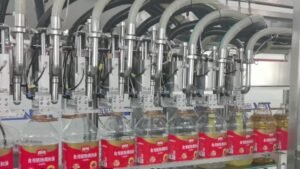
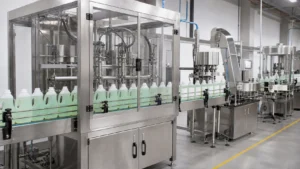
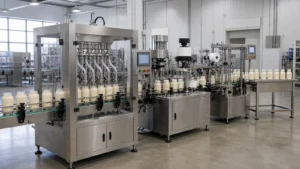
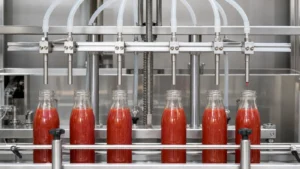
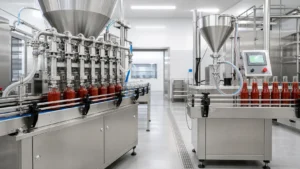
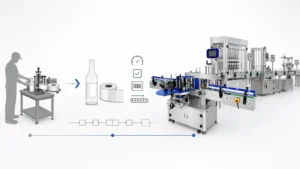
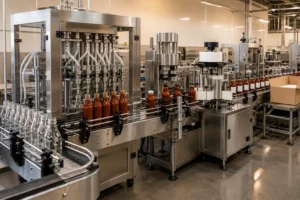
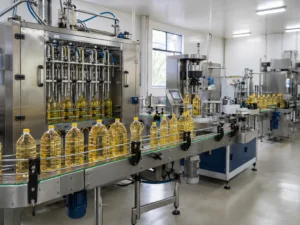
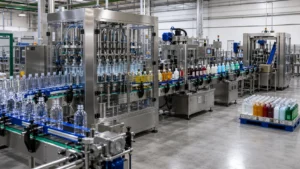
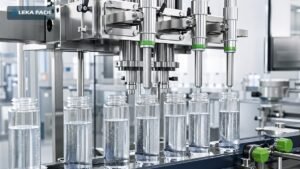
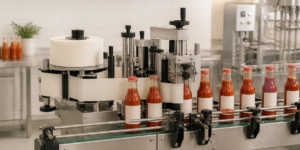
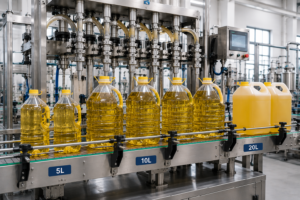
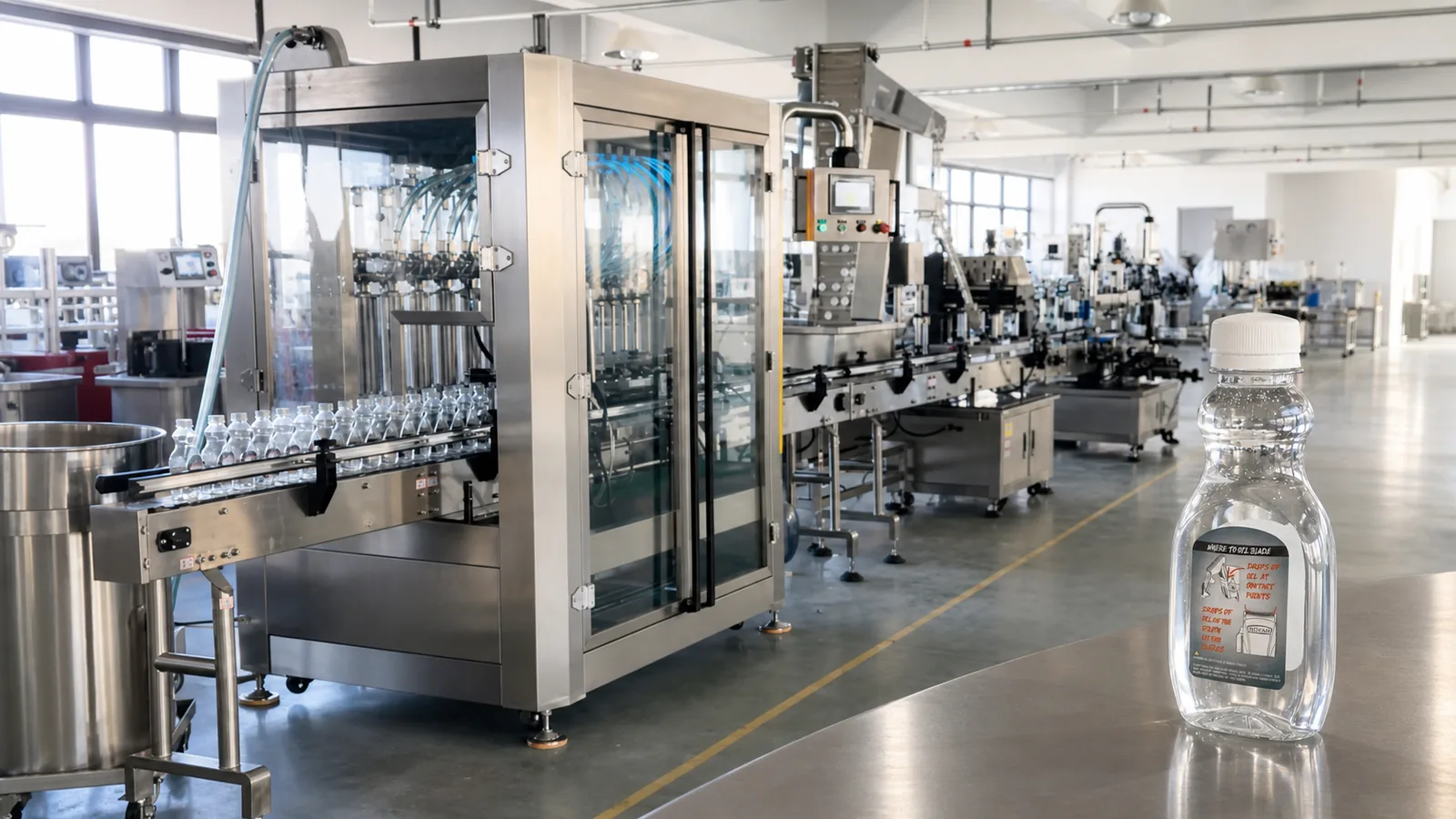
The working process usually begins when empty bottles enter the conveyor system. The bottles are guided into position before reaching the filling area. Once properly aligned, the filling heads dispense the required volume of liquid into each bottle. After filling, the bottles move to the capping or sealing stage, followed by labeling and packing.
Modern systems may use sensors, programmable controls, and touchscreen interfaces to monitor the process. These controls help maintain stable production speed, filling accuracy, and safe operation.
Main Components of a Bottling Machine
Although machine designs vary by application, most bottling machines share several important components.
Bottle Conveyor System
The conveyor transports bottles through each stage of the machine. A stable conveyor system helps reduce bottle jams, improve positioning accuracy, and maintain smooth production flow.
Filling Heads
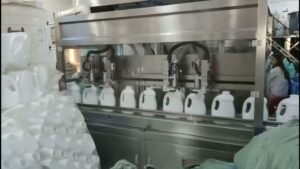
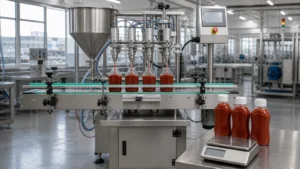
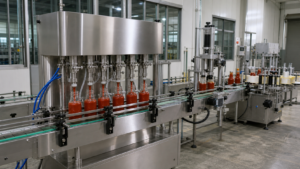
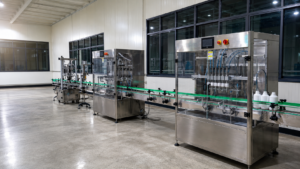
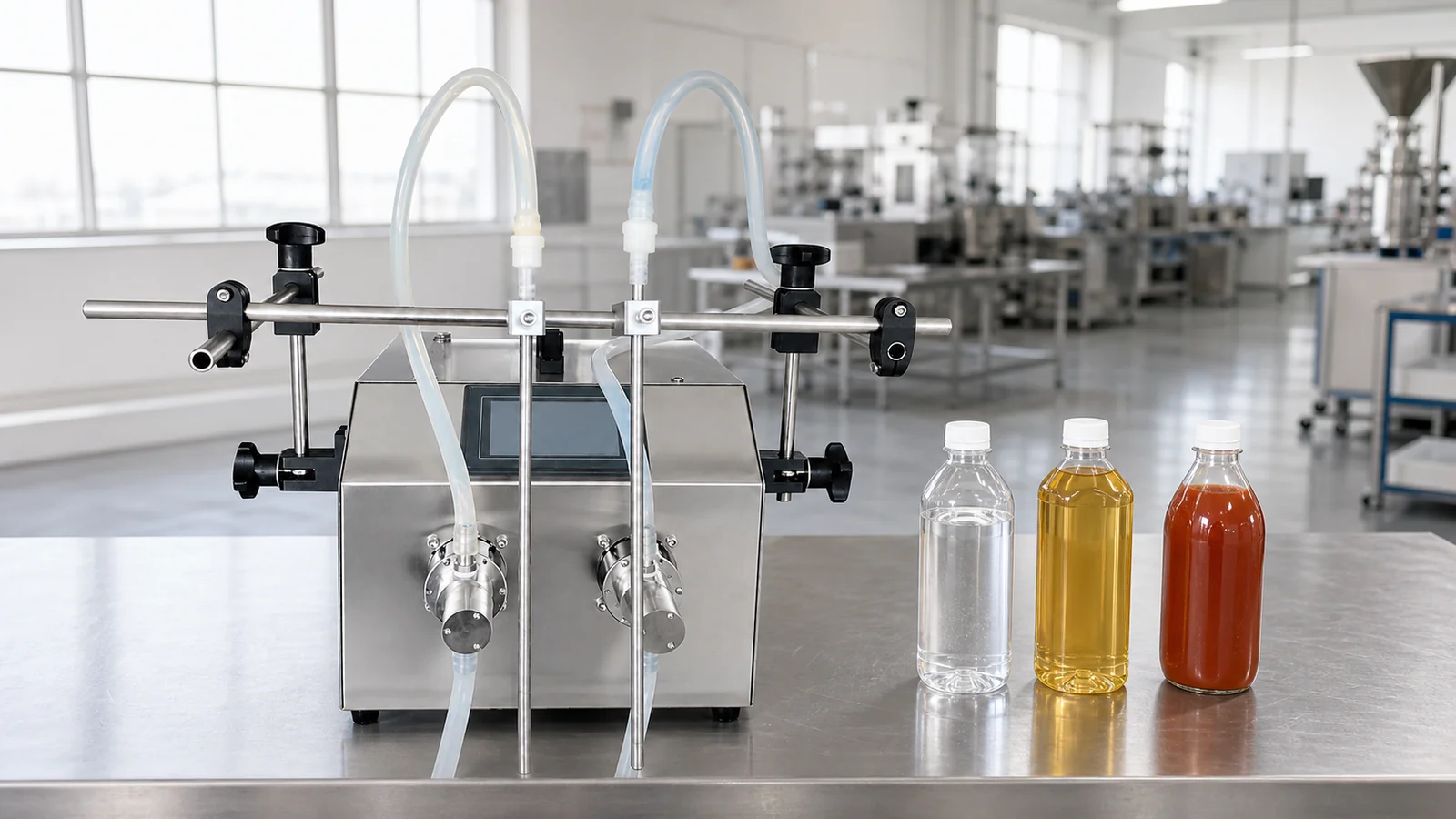
Filling heads dispense liquid into bottles. The number of filling heads depends on the required output and the bottle size. A small production line may use fewer filling heads, while higher-output systems usually require more filling stations.
Control Panel
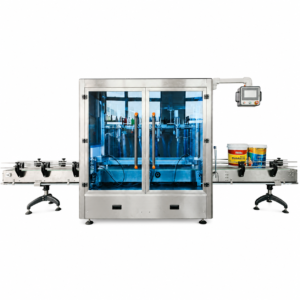
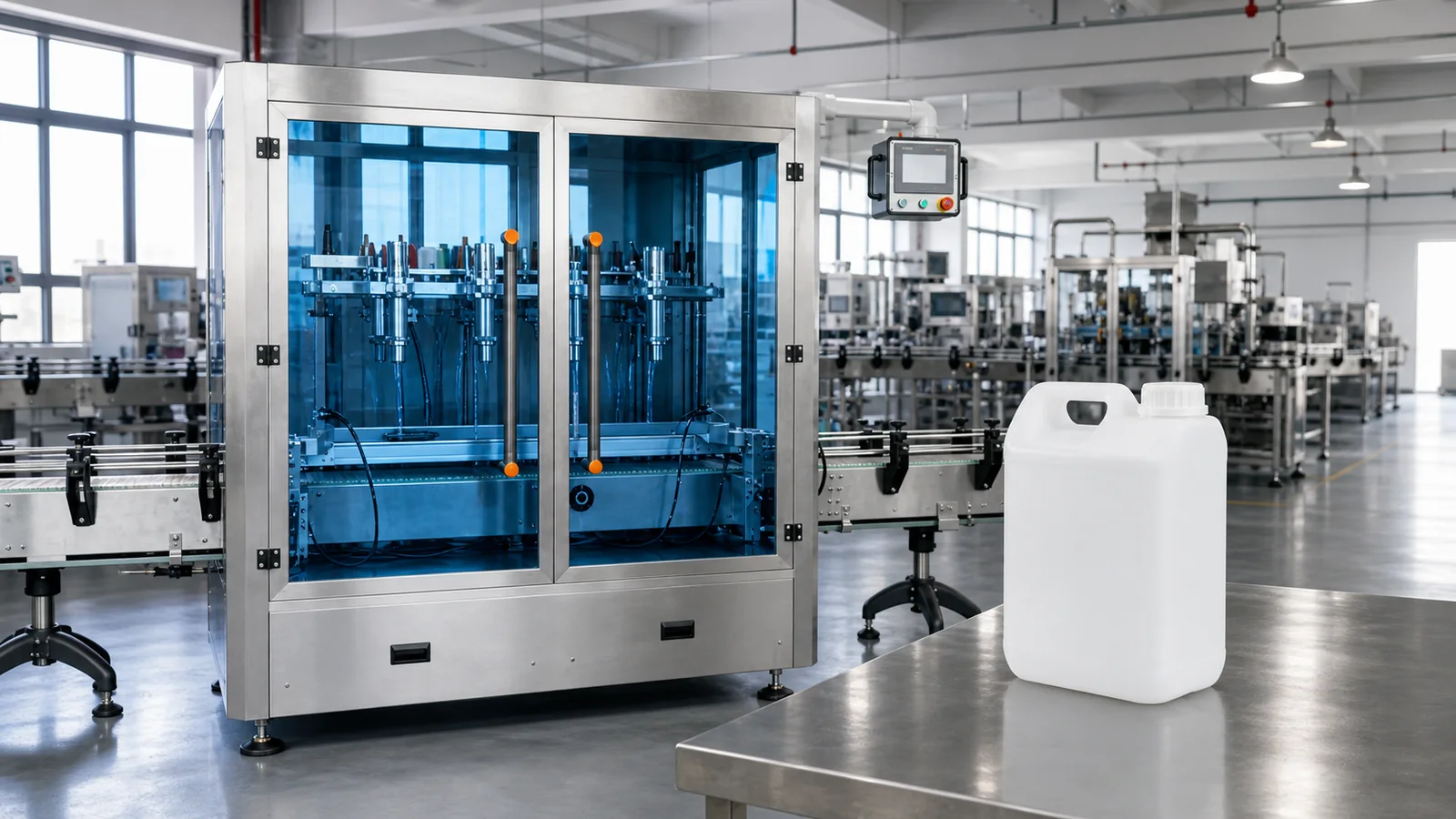
The control panel allows operators to adjust parameters such as filling volume, conveyor speed, and machine timing. Touchscreen control systems are common in automatic bottling equipment.
Safety Enclosure
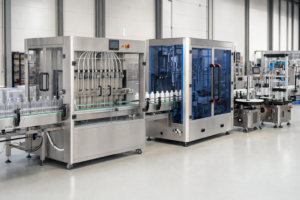
A safety enclosure helps protect operators while allowing visual inspection of the filling process. Stainless steel frames and transparent doors are often used for hygiene, durability, and easy monitoring.
Common Types of Bottling Machines
Inline Bottling Machines
Inline bottling machines move bottles in a straight line through the production process. They are suitable for small to medium production capacities and are often chosen when flexibility is important.
Rotary Bottling Machines
Rotary bottling machines use a rotating carousel to move bottles through different stations. They are commonly used in high-speed production lines where large output is required.
Automatic Bottling Machines
Automatic systems handle most production steps with minimal manual intervention. An automatic bottle filling machine is often used when manufacturers need stable output, consistent filling accuracy, and reduced labor involvement.
Semiautomatic Bottling Machines
Semiautomatic machines require more operator involvement. They are often used for smaller batches, product testing, or applications where production flexibility is more important than high speed.
Choosing the Right Bottling Machine
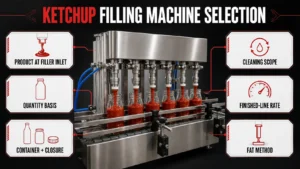
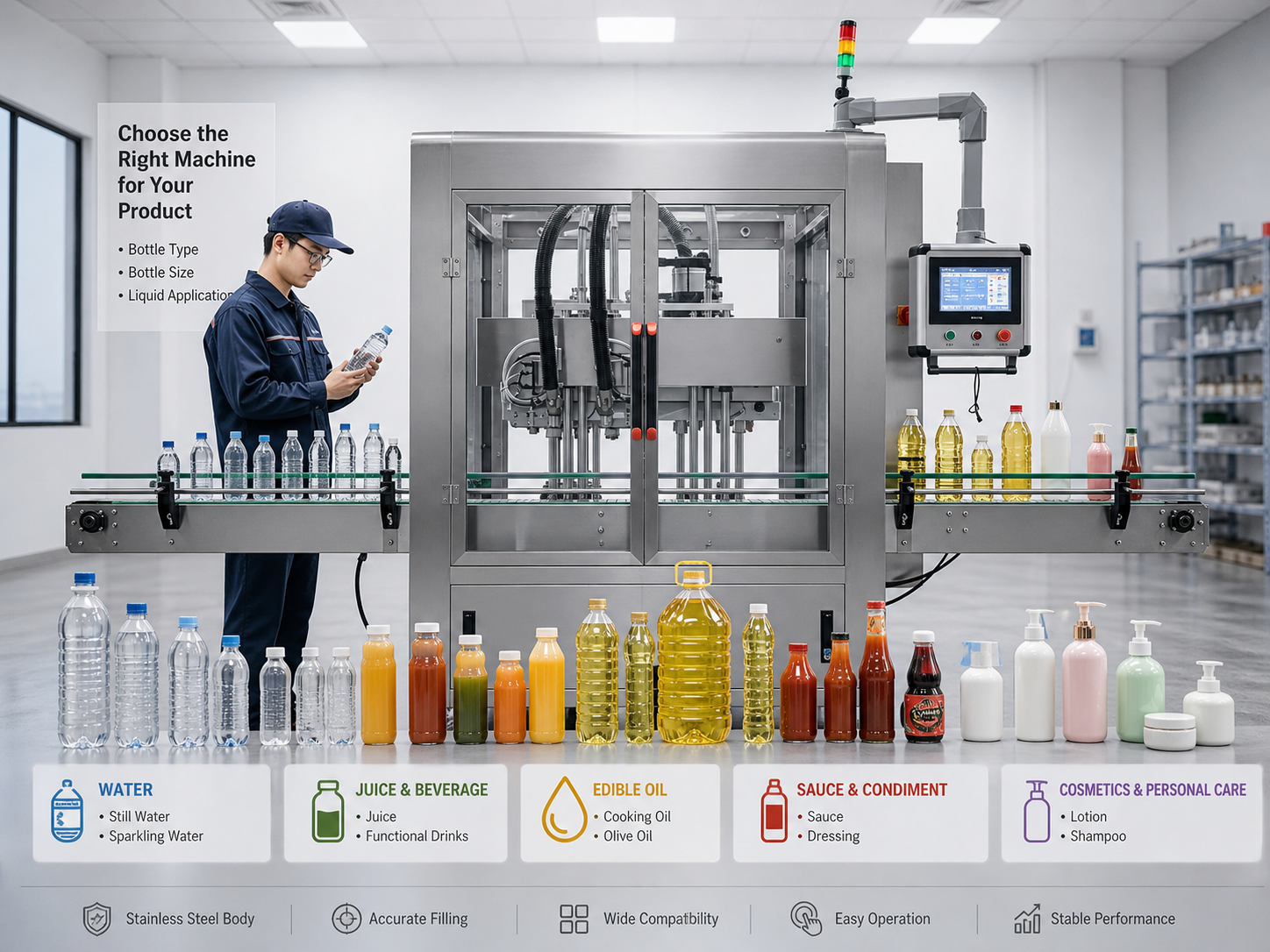
Selecting a bottling machine depends on the product, container, production target, and later capacity growth plan. Before choosing a machine, manufacturers should define their bottle type, bottle size, liquid characteristics, target output, and required level of automation.
Product Type
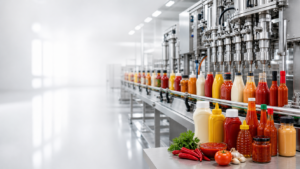
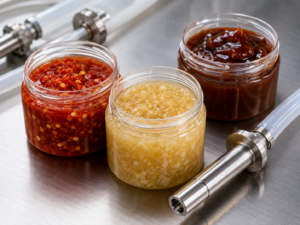
The liquid product affects the filling method. Water, juice, edible oil, sauce, lotion, and chemical liquids may require different filling systems. Viscosity, foam, corrosiveness, and hygiene requirements should all be considered.
Bottle Size and Shape
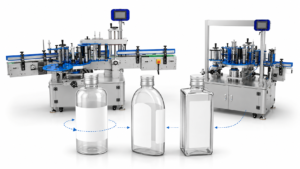
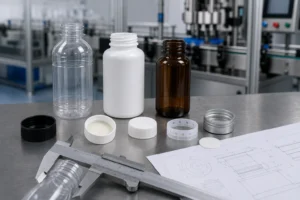
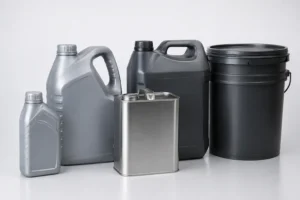
Bottling machines must be compatible with the bottle dimensions and shape. Round bottles, square bottles, small bottles, large bottles, and irregular containers may require different guide rails, positioning systems, and filling adjustments.
Production Capacity
Production capacity should match both current demand and future growth. A machine that is too small may limit expansion, while a system that is too large may increase unnecessary cost.
Automation Level
Manufacturers should decide whether they need a semiautomatic machine, a fully automatic system, or a complete bottling line. The right choice depends on labor availability, production volume, budget, and operating requirements.
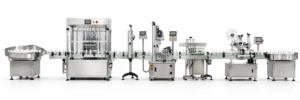
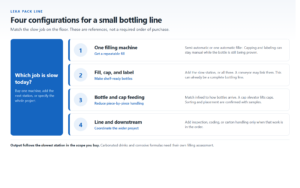
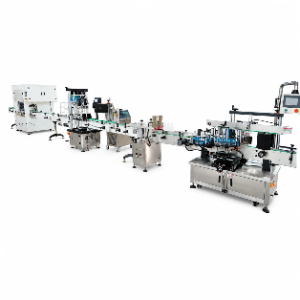
After defining these inputs, compare LEKA’s bottle filling machine configurations. For a connected project from bottle feeding to final packing, review the bottle packaging line solutions.
Operational Considerations
A reliable bottling machine should be easy to operate, clean, maintain, and adjust. Downtime can affect production schedules, so maintenance access and spare parts availability are important factors.
- Check whether the machine is suitable for the target liquid.
- Confirm the supported bottle size range.
- Evaluate filling accuracy and repeatability.
- Review cleaning and maintenance requirements.
- Consider after-sales support and technical service.
- Confirm whether the machine can support future production expansion.
Industry Trends in Bottling Equipment
Bottling equipment continues to develop toward smarter, cleaner, and more flexible systems. Many manufacturers are adopting automation, sensor-based monitoring, modular machine design, and energy-efficient components.
Flexible bottling systems are also becoming more important. As brands handle more product varieties and package formats, machines that can switch between bottle sizes and liquid types are increasingly valuable.
Maintenance and Troubleshooting
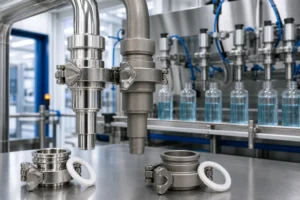
Regular maintenance helps keep bottling machines stable and reduces unexpected downtime. Common maintenance tasks include cleaning contact parts, checking filling nozzles, inspecting conveyor alignment, tightening mechanical parts, and verifying sensor performance.
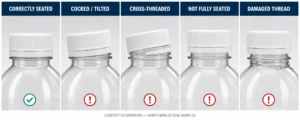
Common issues may include bottle jams, unstable filling volume, dripping nozzles, loose caps, or conveyor misalignment. These problems should be addressed quickly to avoid product waste and production delays.
Final Considerations
Bottling machines are essential equipment for companies that need consistent bottle filling and packaging. A suitable machine should match the product characteristics, bottle format, required output, and long-term production plan.
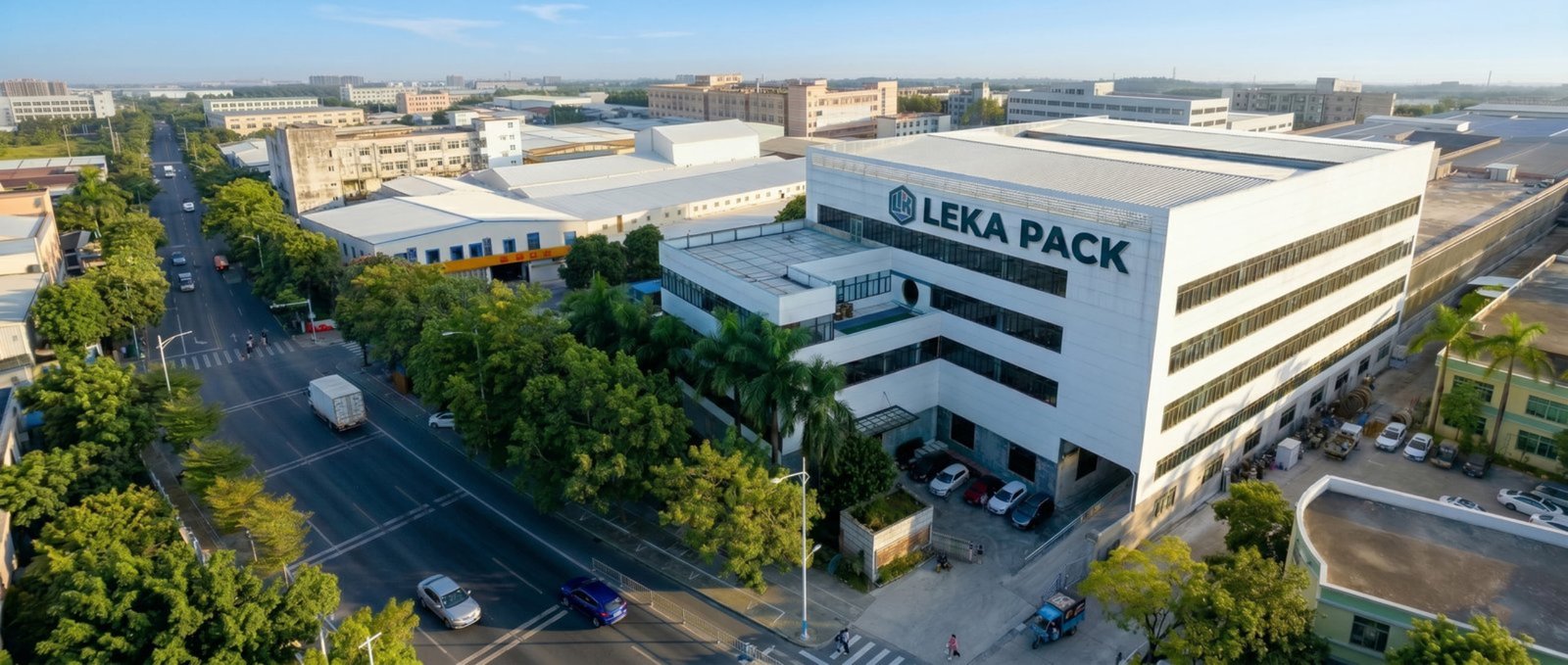
If your production involves water, juice, edible oil, sauce, cosmetic liquid, or other liquid products, you can review LEKA Pack Line’s bottle filling machine configurations to compare suitable options for different bottle sizes and production requirements.
Frequently Asked Questions
What is the basic mechanism of a bottle filling machine?
A bottle filling machine uses a controlled dispensing system to transfer liquid into bottles. The process usually involves positioning bottles on a conveyor, opening the filling valves, dispensing the required volume, and then stopping the flow once the target fill level is reached.
How do bottle filling machines ensure accurate filling levels?
Bottle filling machines use sensors, filling valves, flow control systems, and programmable settings to regulate the amount of liquid dispensed. These controls help maintain consistent filling volume across multiple bottles.
What are the common types of bottle filling machines?
Common filling machine types include gravity filling machines, pressure filling machines, piston filling machines, and flow meter filling machines. The right type depends on the liquid viscosity, bottle format, filling accuracy requirement, and production capacity.