
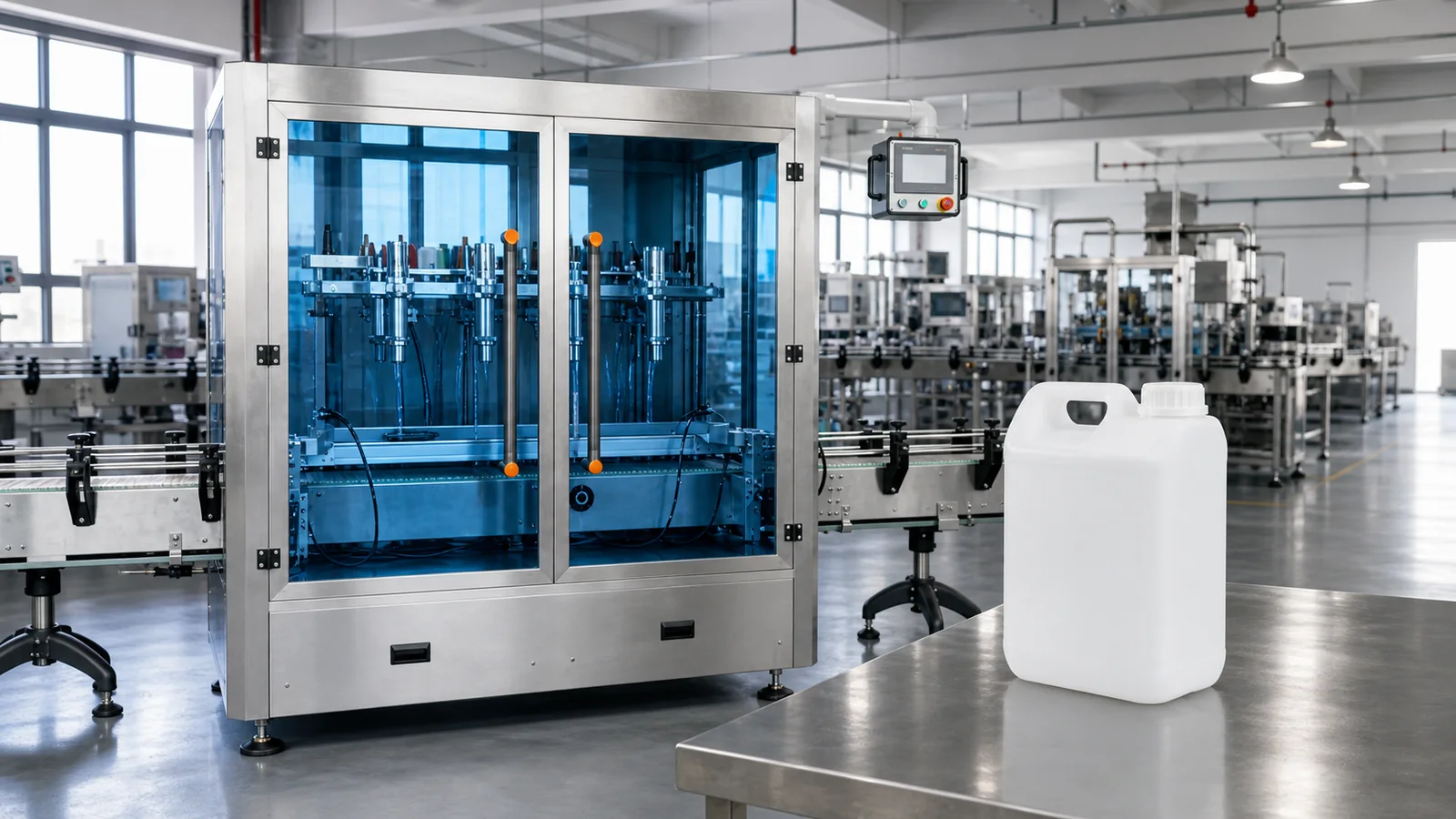
Liquid Filling Equipment
Liquid Filling Machines for Bottles and Production Lines
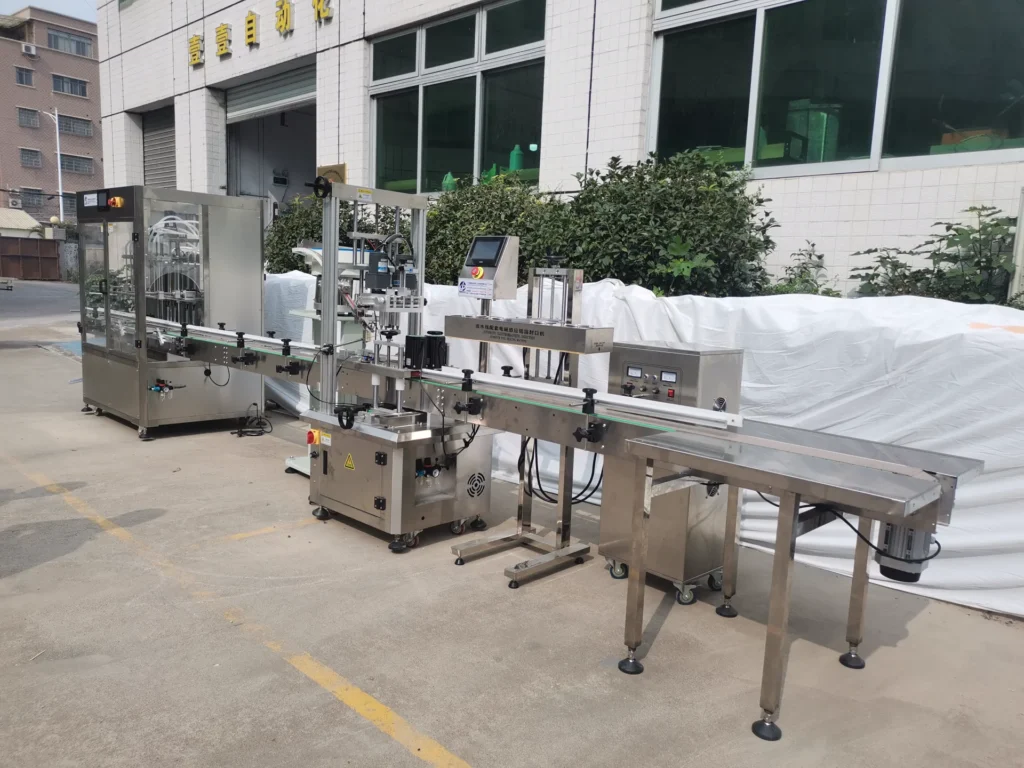
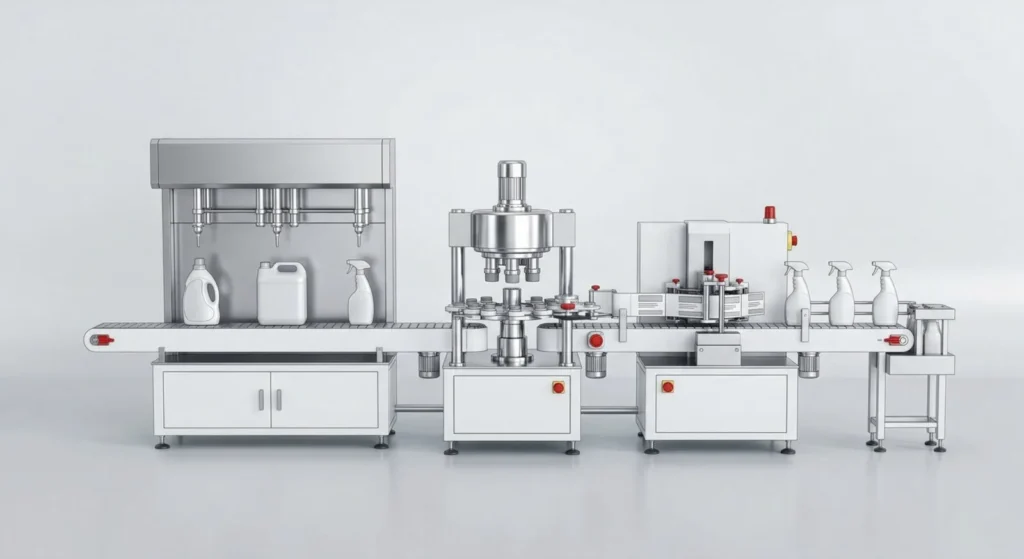
Choose filling equipment around your product, container, fill range, target output and automation needs. LEKA can review a standalone filler or help connect filling with capping, labeling and conveying for a complete bottle packaging project.
Choose by Product
Match the Filling Machine to What You Produce
Product behavior affects the dosing method, nozzle design, contact materials, cleaning access and filling cycle. Begin with the application group closest to your product, then confirm the exact configuration with samples or detailed product information.
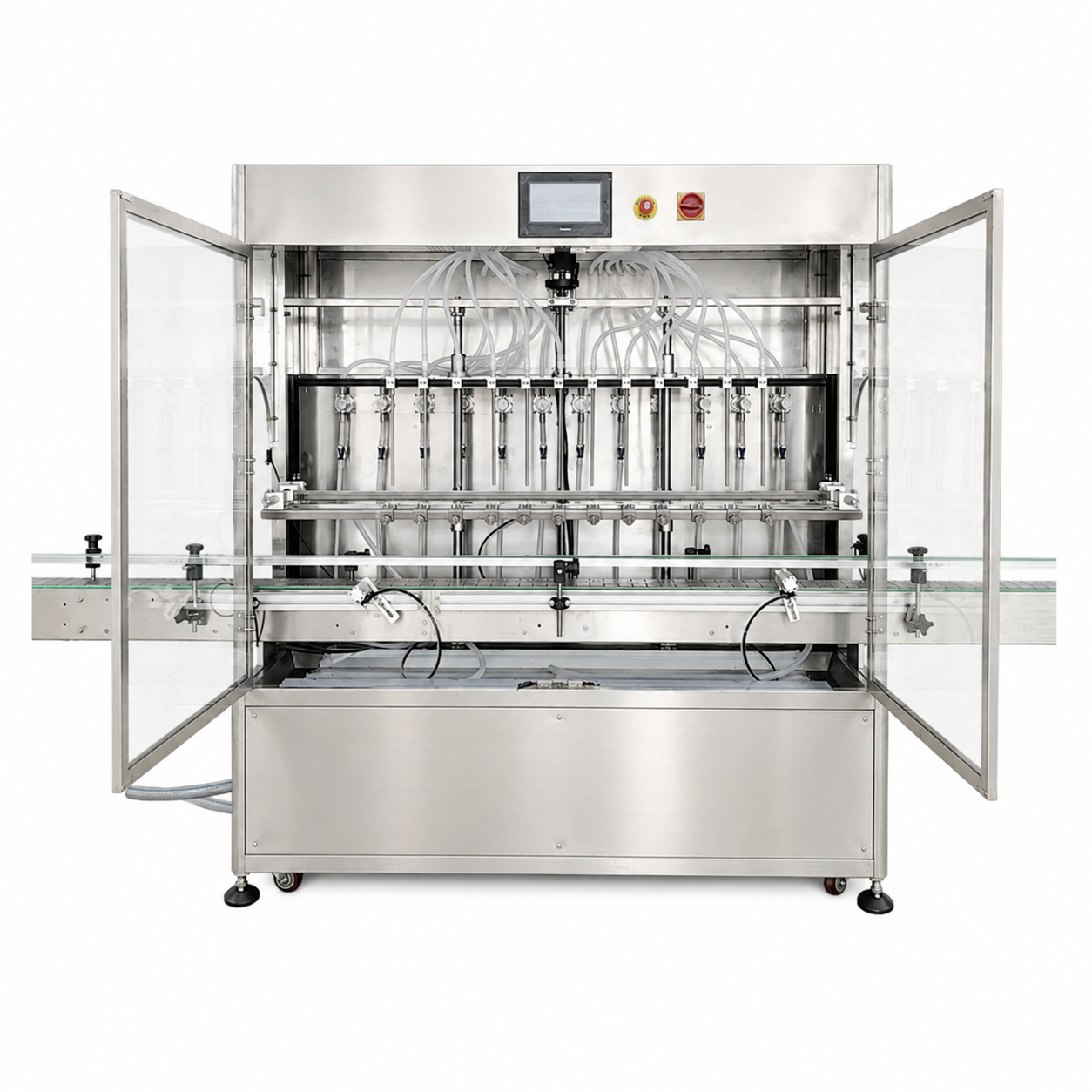 Water & Free-Flowing Liquids
Water-Based Liquid Filling
Review equipment for water-like beverages and other free-flowing products, with the bottle, fill range and required line speed used to determine the practical setup.
View water-based filling options →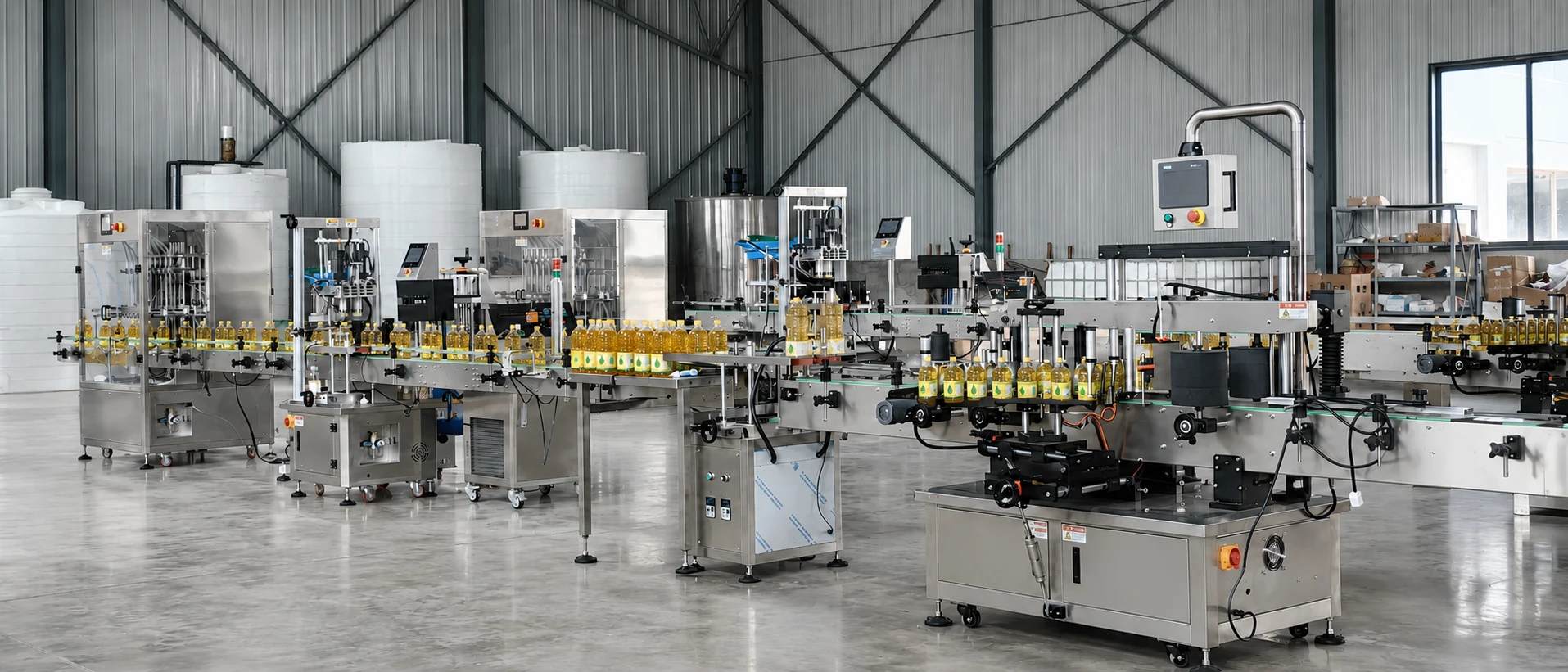 Cooking & Vegetable Oils
Edible Oil Filling
Compare oil filling configurations using the real oil temperature, bottle neck, fill volume, anti-drip requirements and planned output.
View edible oil filling machines →Sauce Filling Equipment
Plan filling for ketchup, chili sauce, dressings and other viscous foods around texture, temperature, particles, container opening and cleaning needs.
View sauce filling equipment →Cosmetic and Care-Product Filling
Review filling arrangements for lotions, creams, shampoos and other personal-care products with attention to viscosity, bottle shape and changeover.
View cosmetic filling options →Chemical Filling Systems
Confirm product compatibility, contact materials, enclosure needs and handling requirements before choosing equipment for cleaners or chemical liquids.
Review chemical filling systems →Bottle Filling Equipment
Use the bottle filling range when you need a wider view of automatic fillers, container handling and equipment that can connect with the rest of a bottling line.
Compare bottle filling equipment →Filling Method
Compare Dosing Methods Under the Same Project Conditions
No filling method should be chosen from the product name alone. Compare options using the same product, temperature, container, fill volume, output target and cleaning requirement.
| Filling Solution | Typical Project Fit | Details to Confirm |
|---|---|---|
| Gravity or Time-Controlled Filling | Free-flowing liquids where a simple liquid path may suit the agreed container and production requirement. | Product flow, foaming, fill range, nozzle control and operating consistency. |
| Servo Piston Filling | Liquid, oil, sauce or cream projects that may suit a controlled piston stroke and defined cylinder range. | Viscosity, particles, cylinder size, nozzle arrangement, cleaning and changeover. |
| Pump Filling | Projects where a pump-based dosing arrangement matches the product and required filling control. | Pump type, contact materials, product supply, control settings and cleaning access. |
| Flow-Meter Filling | Pumpable liquid projects where measurement by product flow is being considered. | Product properties, meter compatibility, calibration, fill range and temperature. |
| Anti-Corrosion Configuration | Products that require a carefully reviewed liquid path, frame protection or component selection. | Safety data, compatibility, ventilation, enclosure, seals and cleaning procedure. |
Need a longer method comparison? Use the automatic liquid filling machine guide, then send your real product and package details for a project review.
Machine Configuration
Choose the Operating Format for Your Factory
The right format depends on output, operator involvement, container stability, available space and how the filler must connect with upstream and downstream equipment.
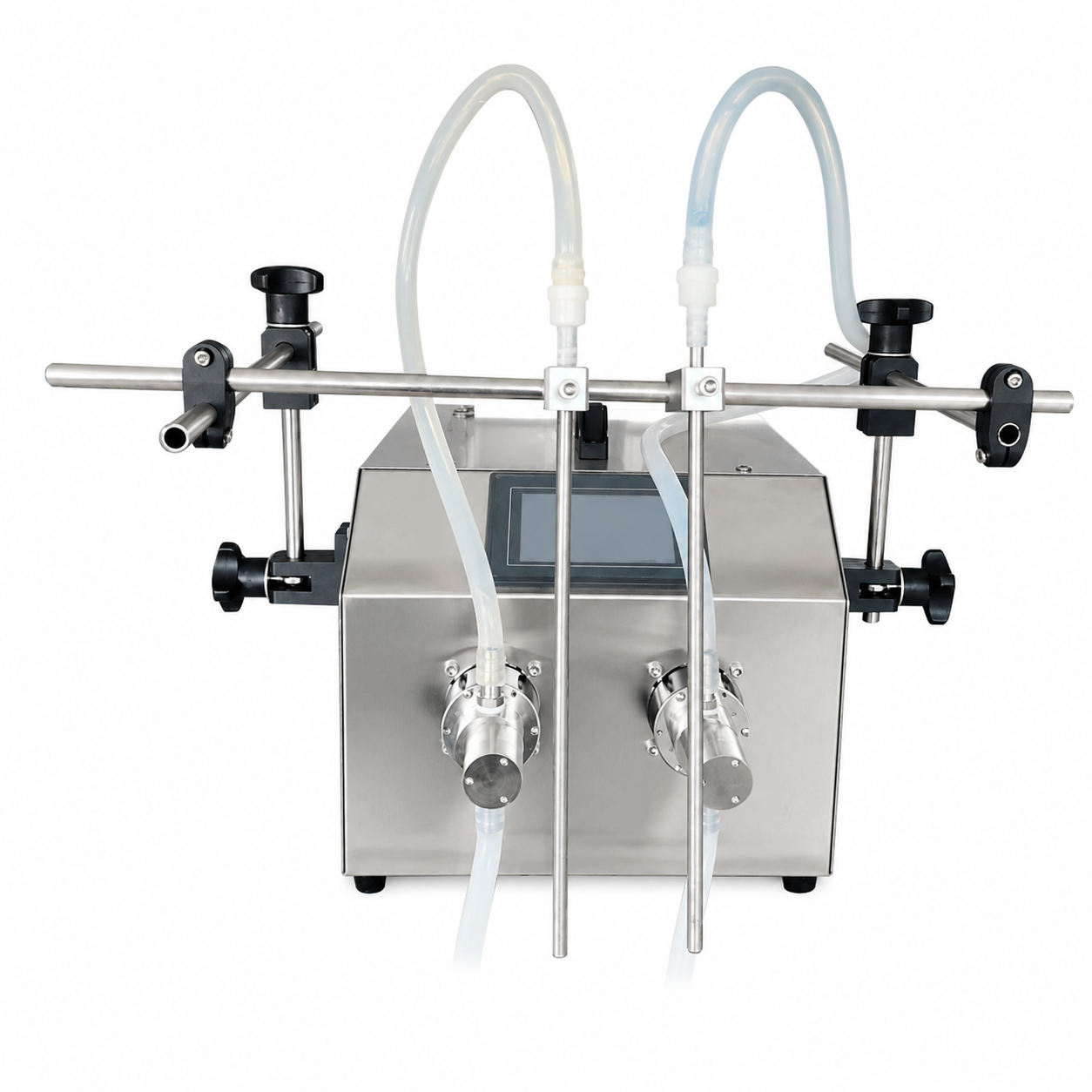
Semi-Automatic Fillers
Suitable for projects that accept manual container handling and want a compact starting point for controlled filling.
View semi-automatic machines →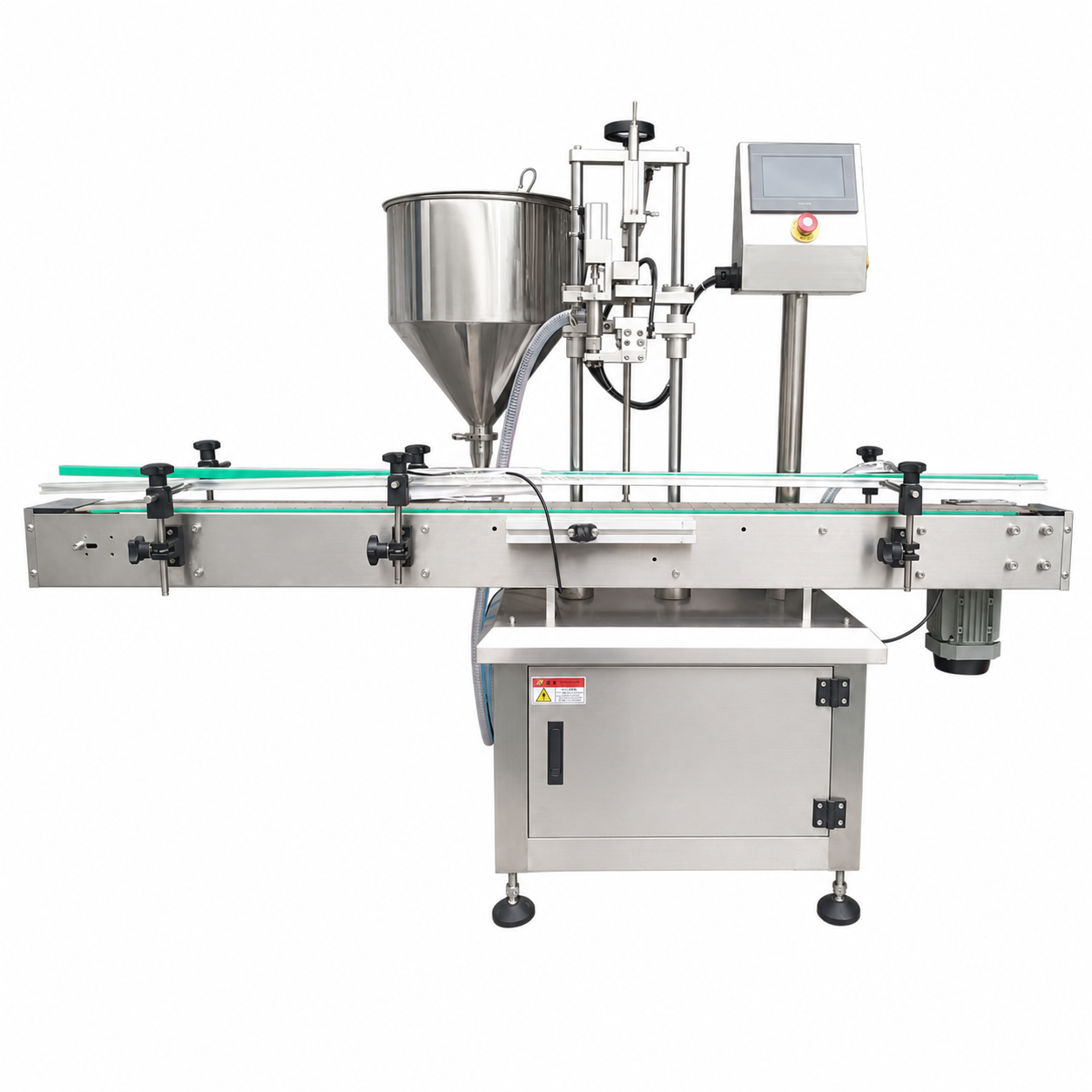
Single-Head Servo Pump Fillers
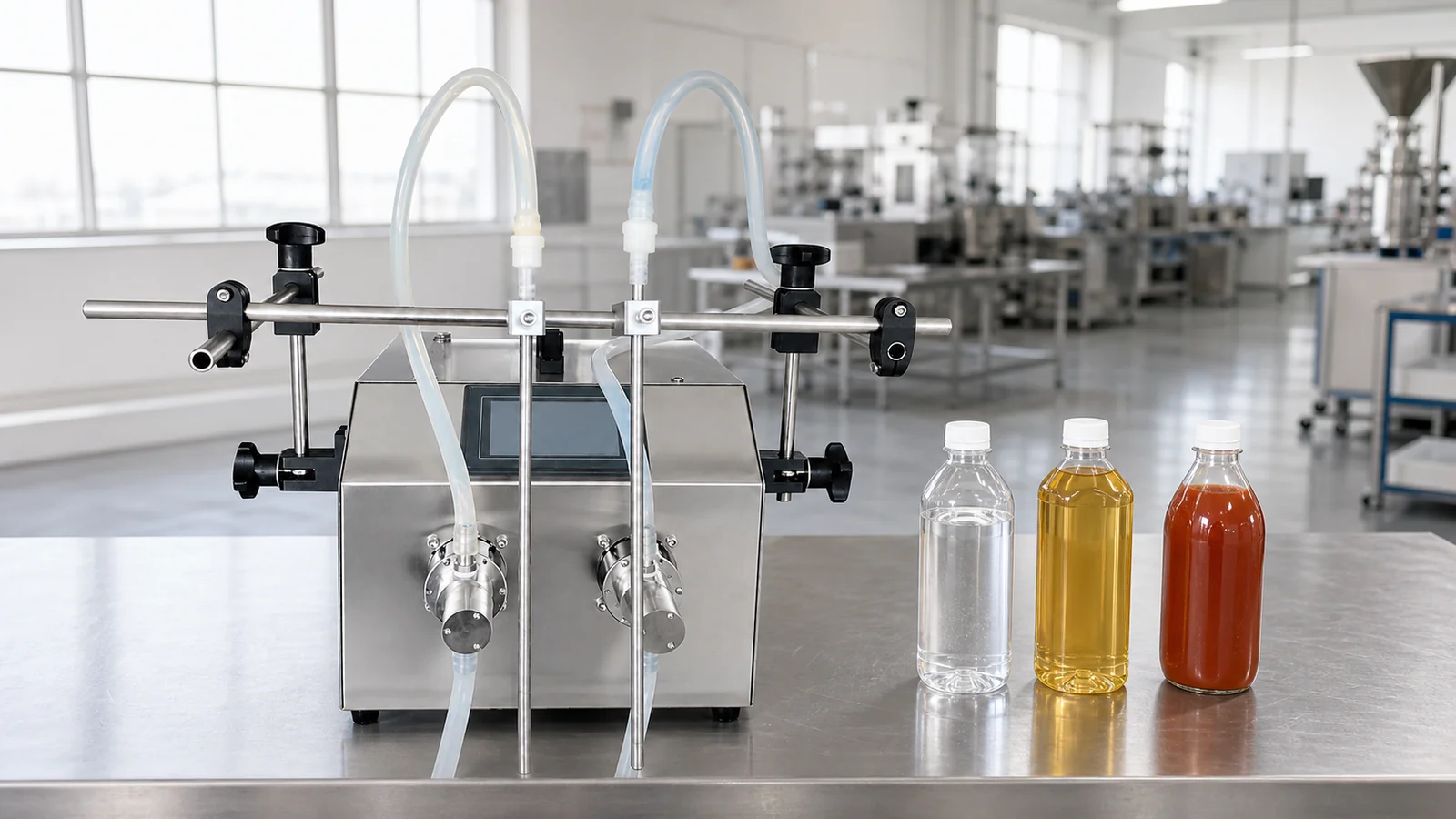
Review a single-head format when the product, fill range and operating plan suit pump dosing with operator-supported handling.
View the servo pump filler →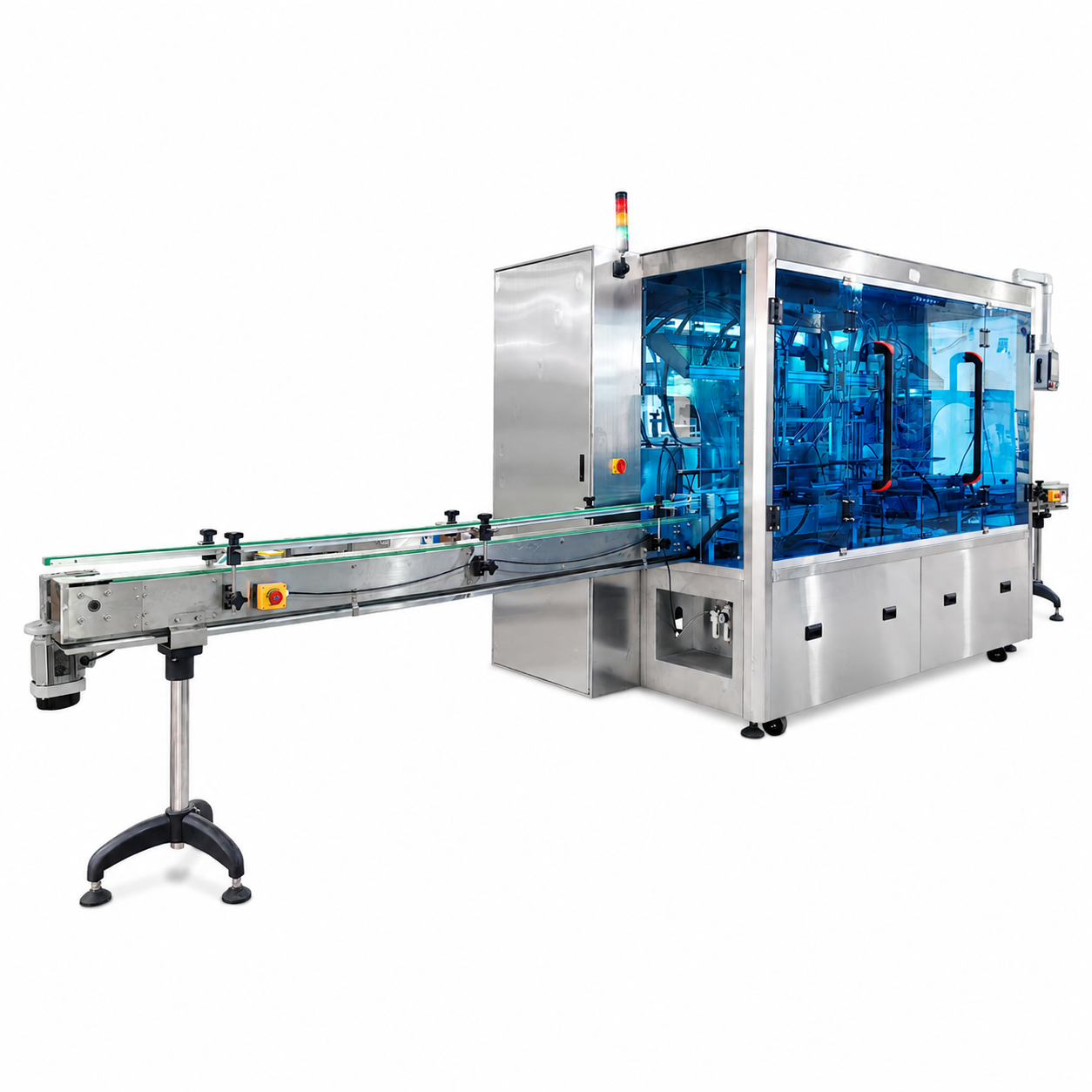
Multi-Head Automatic Fillers
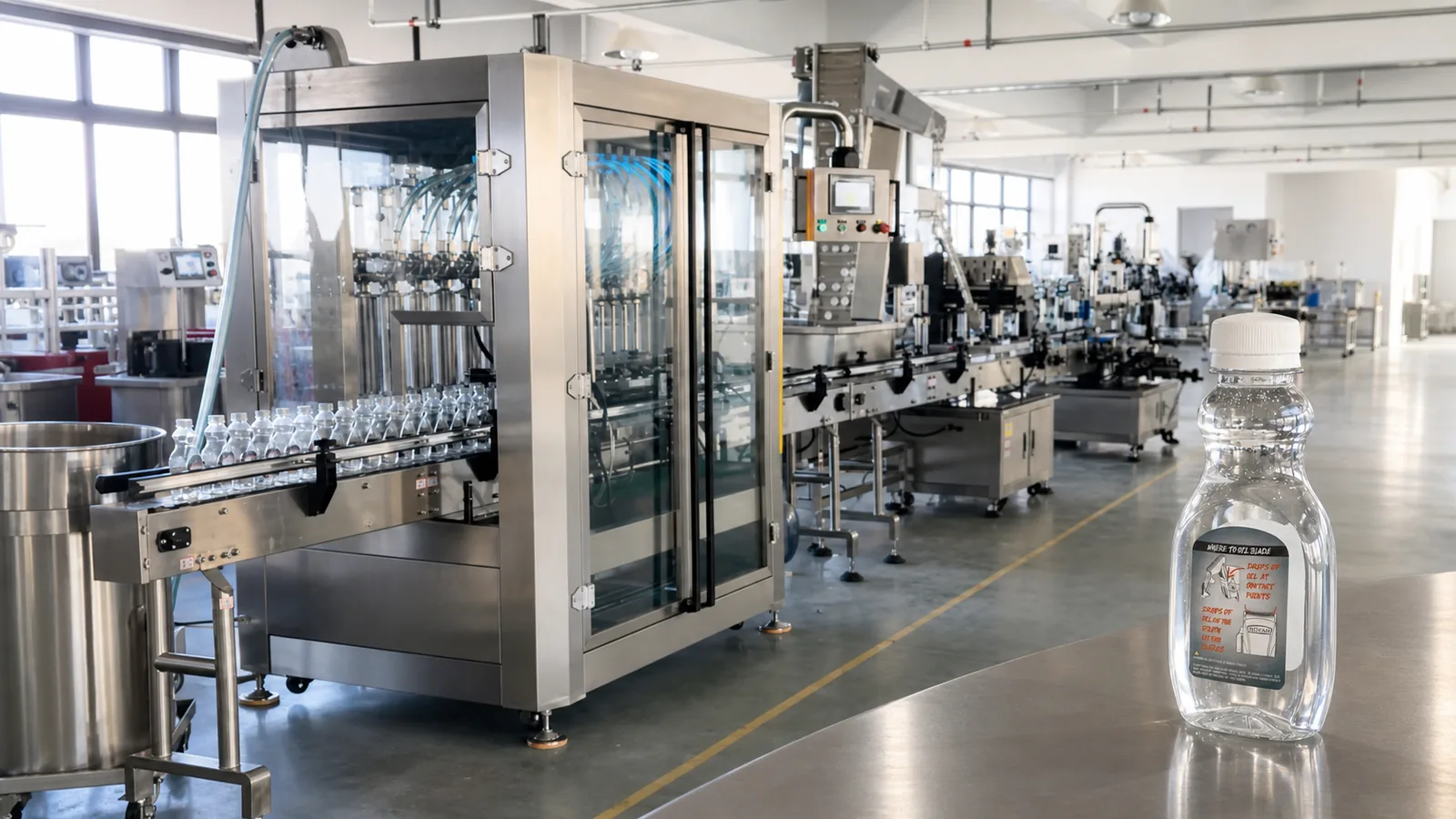
Use a multi-head platform when the required production rate and bottle flow support a connected automatic configuration.
View multi-head filling machines →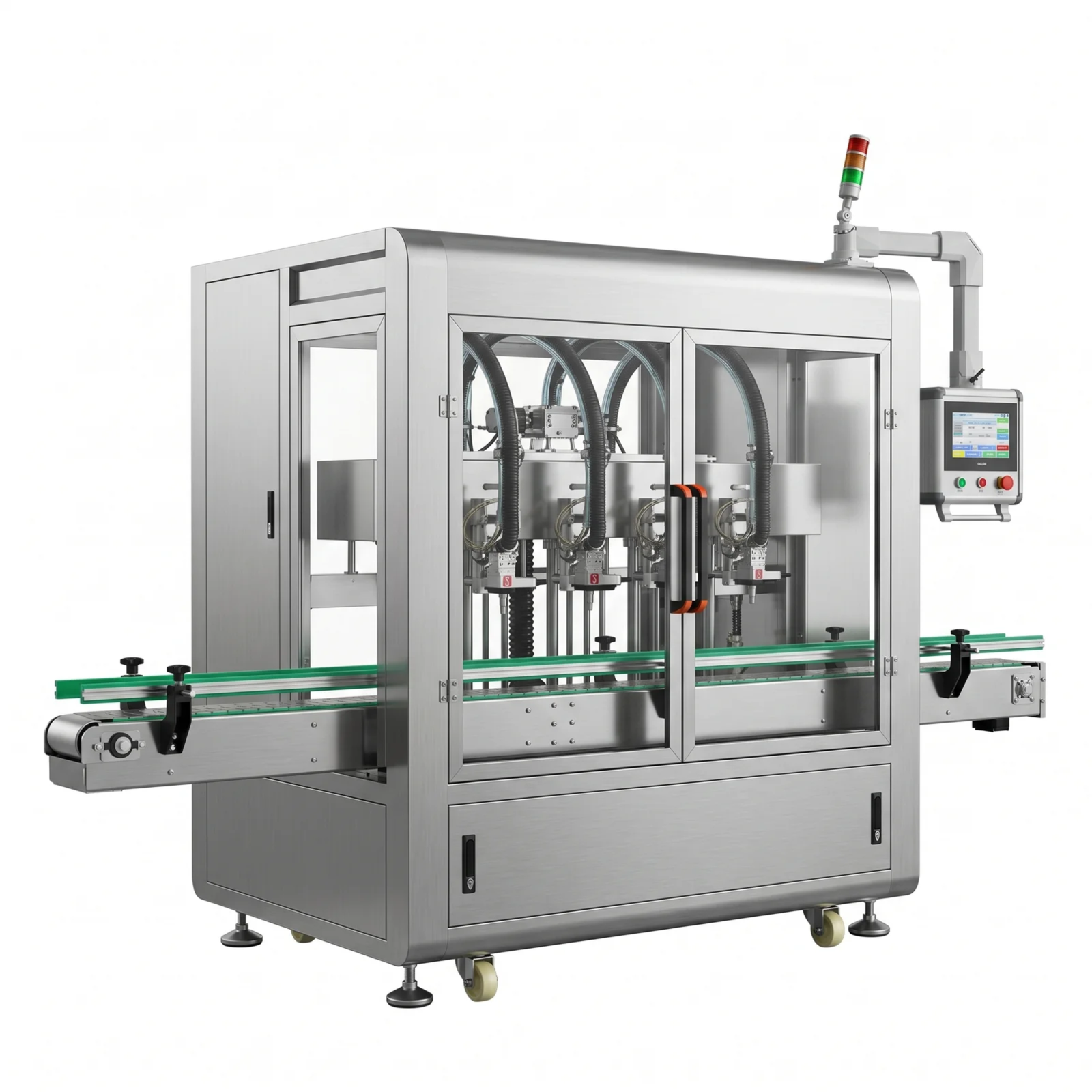
Tracking Fillers
Consider a moving-bottle filling format when continuous container flow is part of the planned line arrangement.
View tracking filling equipment →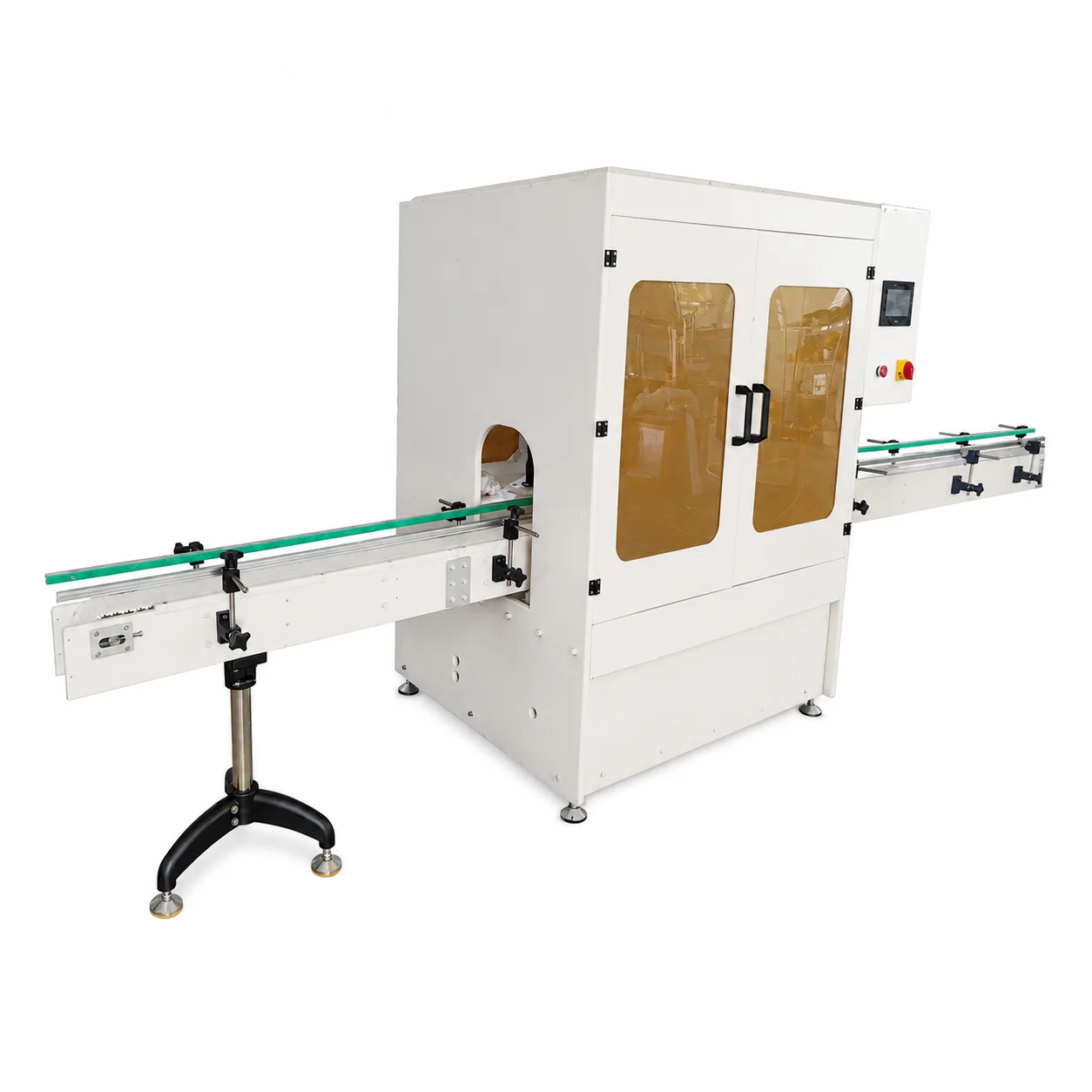
Anti-Corrosion Fillers
Use a dedicated compatibility review when the product may affect standard contact parts, seals, frames or surrounding equipment.
View anti-corrosion options →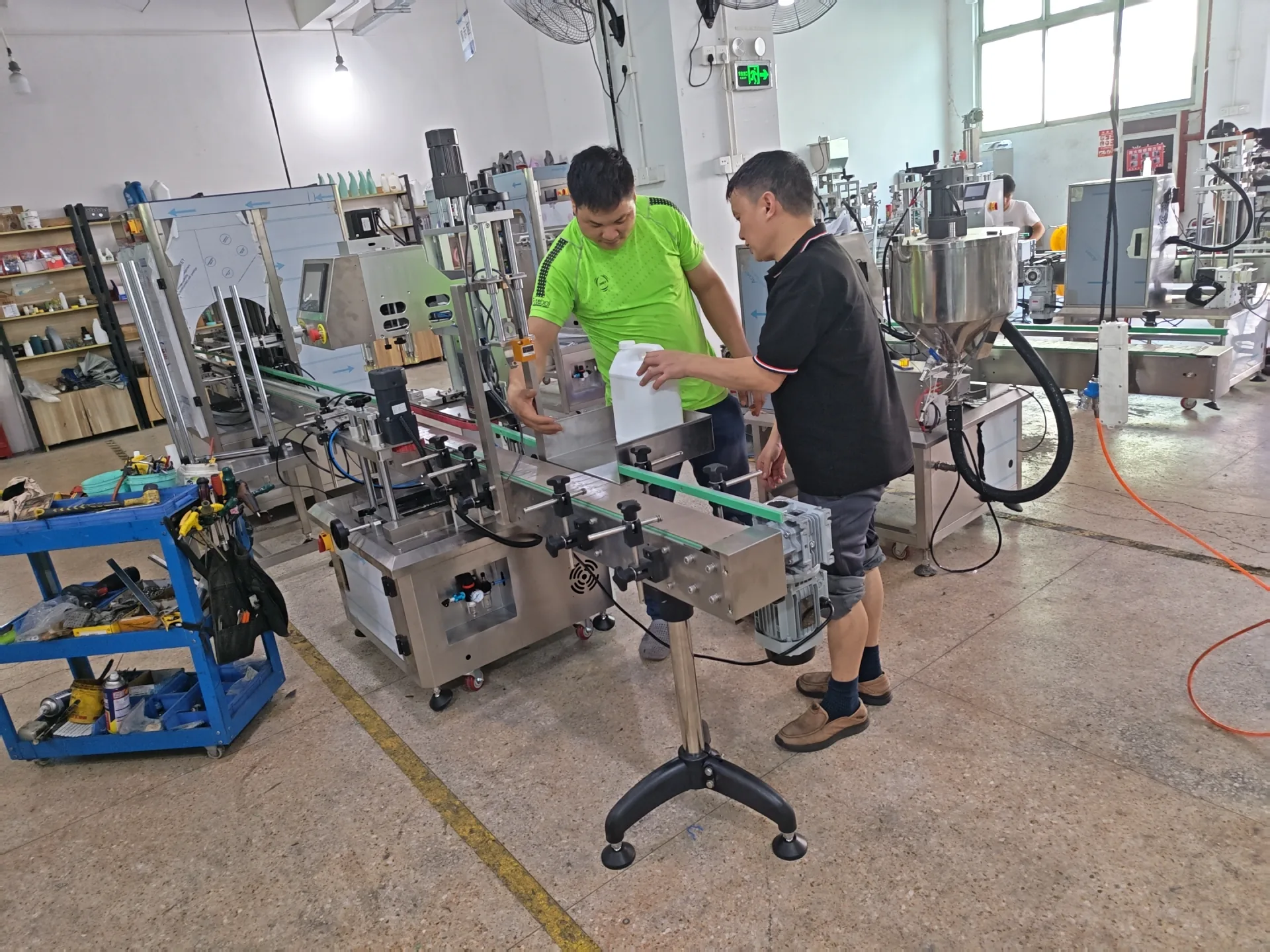
Customizable Project Supply
When a standard arrangement does not fit, LEKA can review nozzles, product feed, container handling, controls and connections around the agreed project scope.
Discuss a custom filling project →Equipment in Operation
Review a Typical Automatic Filling Setup
Use the video to review container movement, filling-head arrangement and machine access. Your final configuration should still be confirmed with your own product, bottle and output requirements.
Container and Fill Range
Confirm Every Bottle Before Selecting the Machine
Send the smallest and largest container, even when several formats use the same product. Bottle height, body width, neck opening, shape and material can affect guide rails, nozzle entry, spacing, stability and change parts.
List every fill volume and explain how often production changes between formats. A wide range may change the dosing arrangement, filling cycle and adjustment procedure. If available, send bottle drawings plus physical samples for testing.
Output and Automation
Plan Output by Bottle and Fill Volume
State the required bottles per minute or hour for each container and fill volume. One general speed target is not enough when bottle sizes or products vary. The practical configuration also depends on product supply, filling time, nozzle quantity, bottle transfer and the speed of connected equipment.
Operator-Supported Production
Manual bottle placement or transfer may suit smaller batches, frequent product changes or factories that do not need a continuously connected line.
Automatic Bottle Filling
Automatic conveying and filling can reduce repeated handling when the package formats, product supply and output target support a stable production flow.
Connected Packaging Line
Filling can be planned with bottle feeding, capping, labeling, coding and conveying when the project requires a coordinated line.
Line Integration
Connect the Filler with the Rest of the Packaging Process
A filler must receive containers correctly and release them in a stable condition for the next operation. When you need more than one machine, define the cap, label, coding position, conveyor direction, factory space and operator access before confirming the line scope.
For a broader bottle-handling project, review the bottle packaging line solutions.
Project Review
How LEKA Prepares a Filling Equipment Recommendation
The goal is to match the proposal to the real production conditions before the equipment scope is fixed.
Review the Product
Confirm flow behavior, foam, particles, temperature, compatibility and cleaning needs.
Check the Package
Review containers, fill volumes, caps, labels and changeover requirements.
Define Production
Confirm output, operator tasks, automation level, utilities and available space.
Build the Scope
Prepare a standalone machine or connected line arrangement for further quotation and testing discussion.
Common Buyer Questions
Questions to Resolve Before Requesting a Quotation
Can one machine fill several products?
It may be possible when the products, contact materials, cleaning process and dosing method are compatible. Send every product planned for the same machine so changeover can be reviewed before quotation.
Can one filler handle several bottle sizes?
Many projects use more than one format, but the complete range must be checked. Bottle dimensions, neck opening, fill volume and stability determine the adjustments or change parts required.
Should we buy a standalone filler or a complete line?
Choose a standalone machine when existing operations can handle the other steps. Plan a connected line when filling must be coordinated with container feeding, capping, labeling, coding and conveying.
What is needed before a useful proposal?
Provide the product, container, fill range, closure, label, output, automation, voltage and factory layout. Photos, drawings and samples make the discussion more specific.
Request a Project Review
Send Your Product and Packaging Details
LEKA can review a filling machine, a bottle-handling section or a connected packaging line. Start with your real production information so the proposed equipment can be discussed around your application.
Include These Project Inputs
- Product type
- Flow behavior or viscosity
- Container photos and dimensions
- Fill-volume range
- Cap type
- Labeling method
- Target output
- Automation level
- Voltage and utilities
- Factory layout