
Labeling Machines Matched to Your Container, Label and Line Speed
Compare automatic labeling machines for round, flat, oval and irregular containers. LEKA helps you match the label position, roll direction, product handling and conveyor layout before quotation.
Start with the Container and Label Position
A reliable choice begins with how the product moves, where the label must sit and whether the container can remain stable on the conveyor.
Round Bottles and Jars
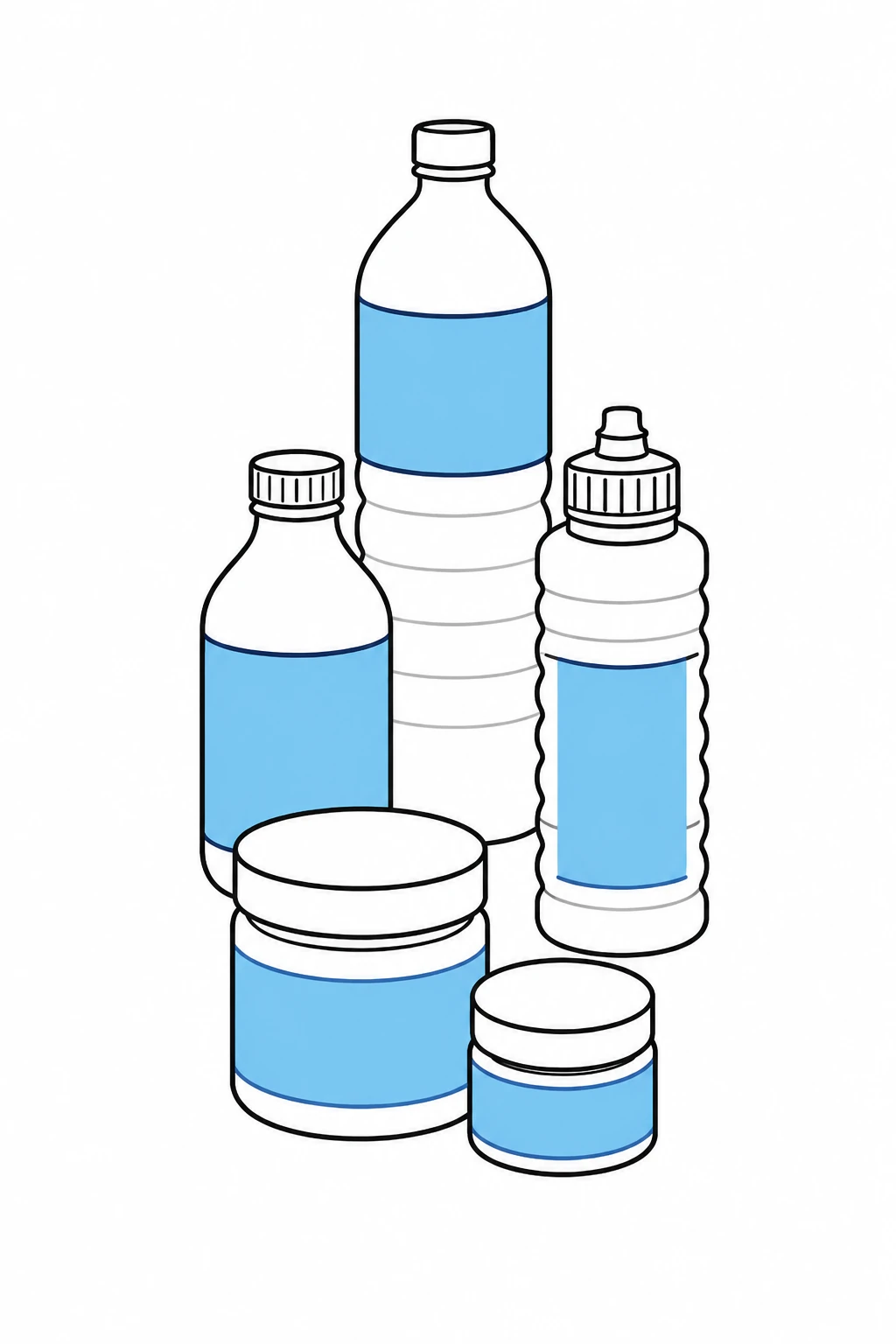
Use wrap-around or fixed-position labeling for cylindrical bottles, jars and cans. Bottle diameter, label length and rotation stability determine the machine structure.
Compare round bottle labelers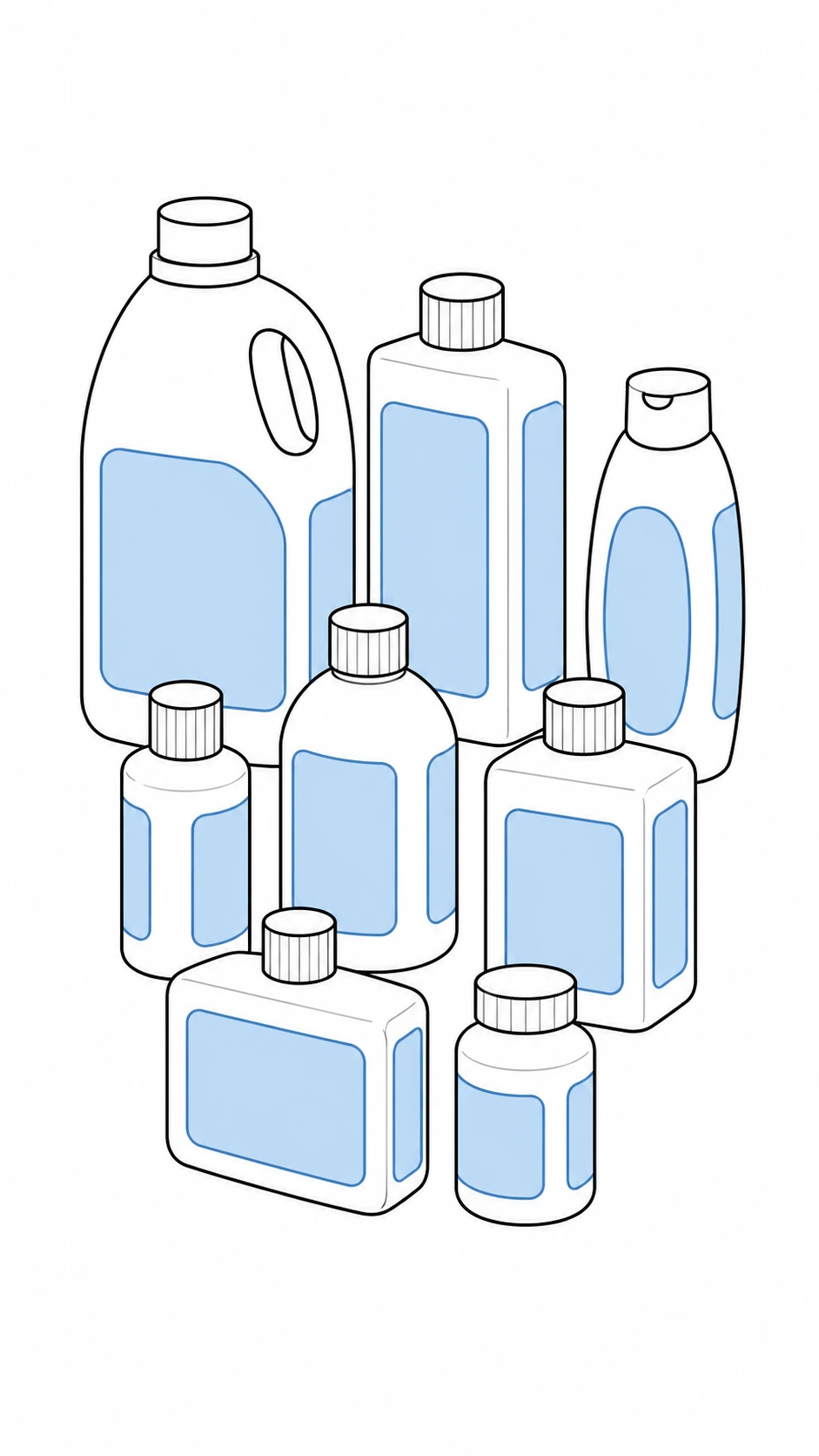
Flat, Oval and Square Bottles
Apply front and back labels in one pass. Side belts, product orientation and the spacing between both labels must be confirmed from samples.
Compare multifunction labelers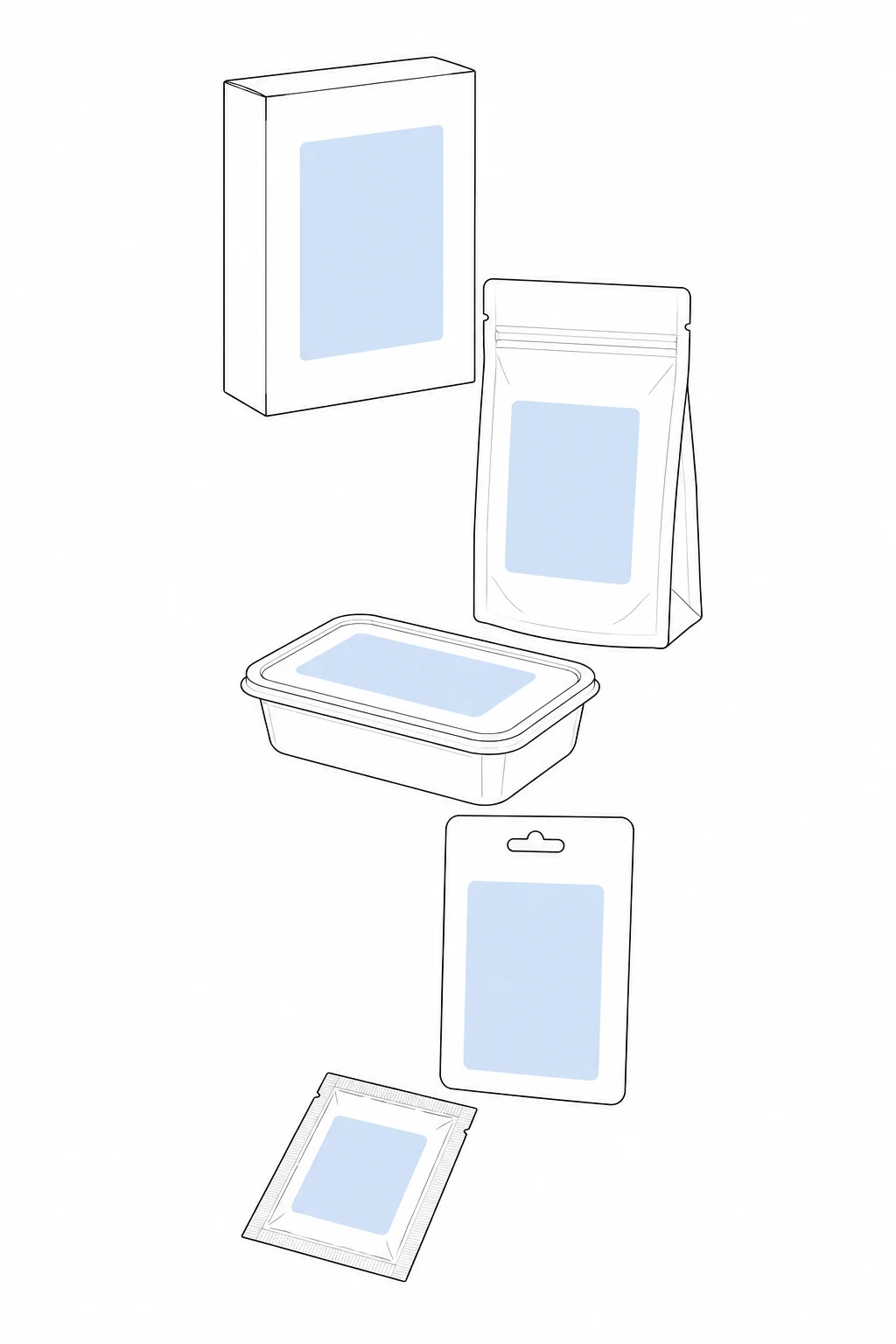
Boxes, Cards, Bags and Trays
Use top or flat-surface application for products that can be fed steadily under the labeling head. Paging is available for flat products that need separation.
Compare flat labeling machines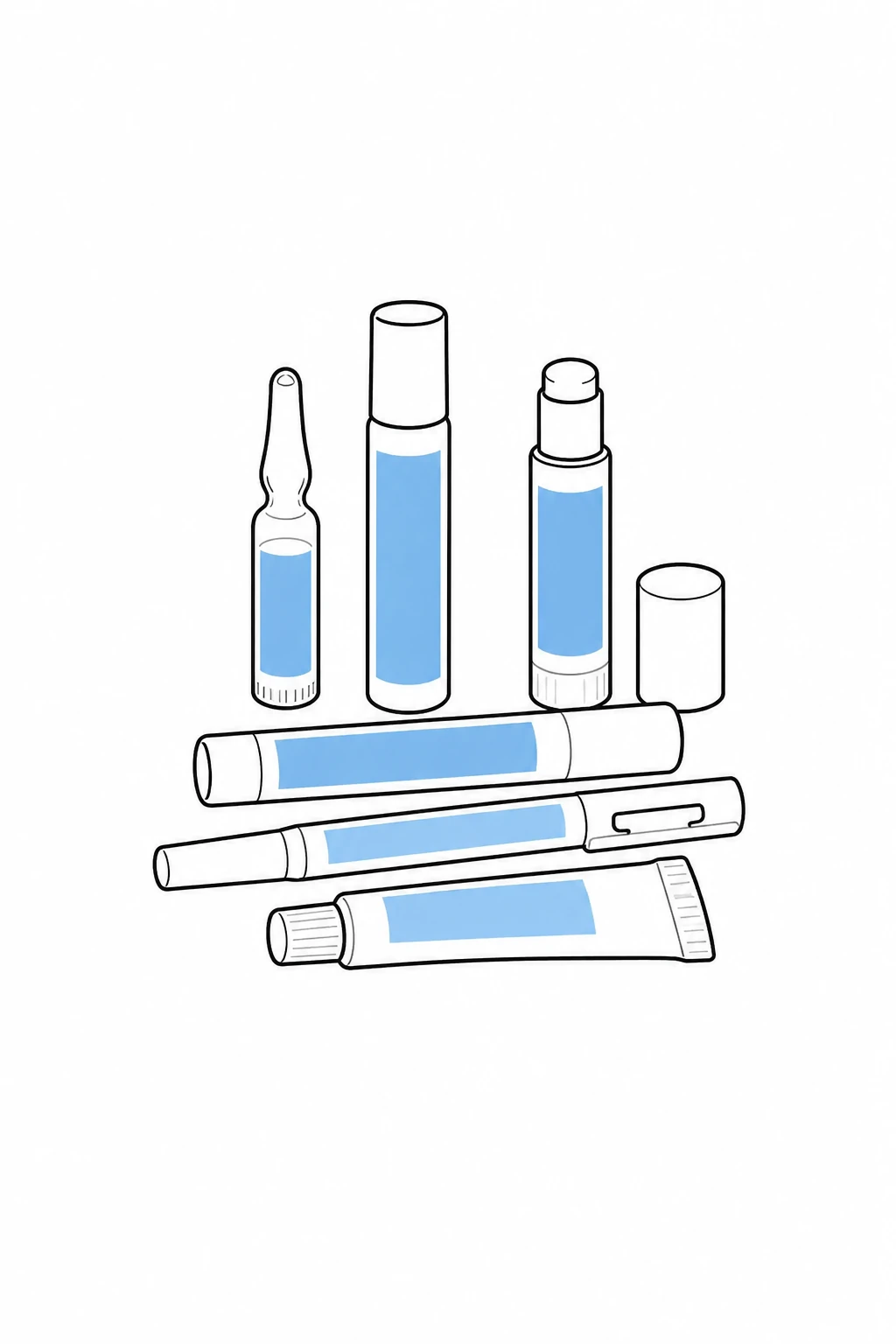
Small or Unstable Cylindrical Products
Horizontal feeding supports tubes, ampoules and slim containers that cannot stand reliably on a normal conveyor. Product dimensions and feeding orientation are essential.
Discuss a horizontal-feeding project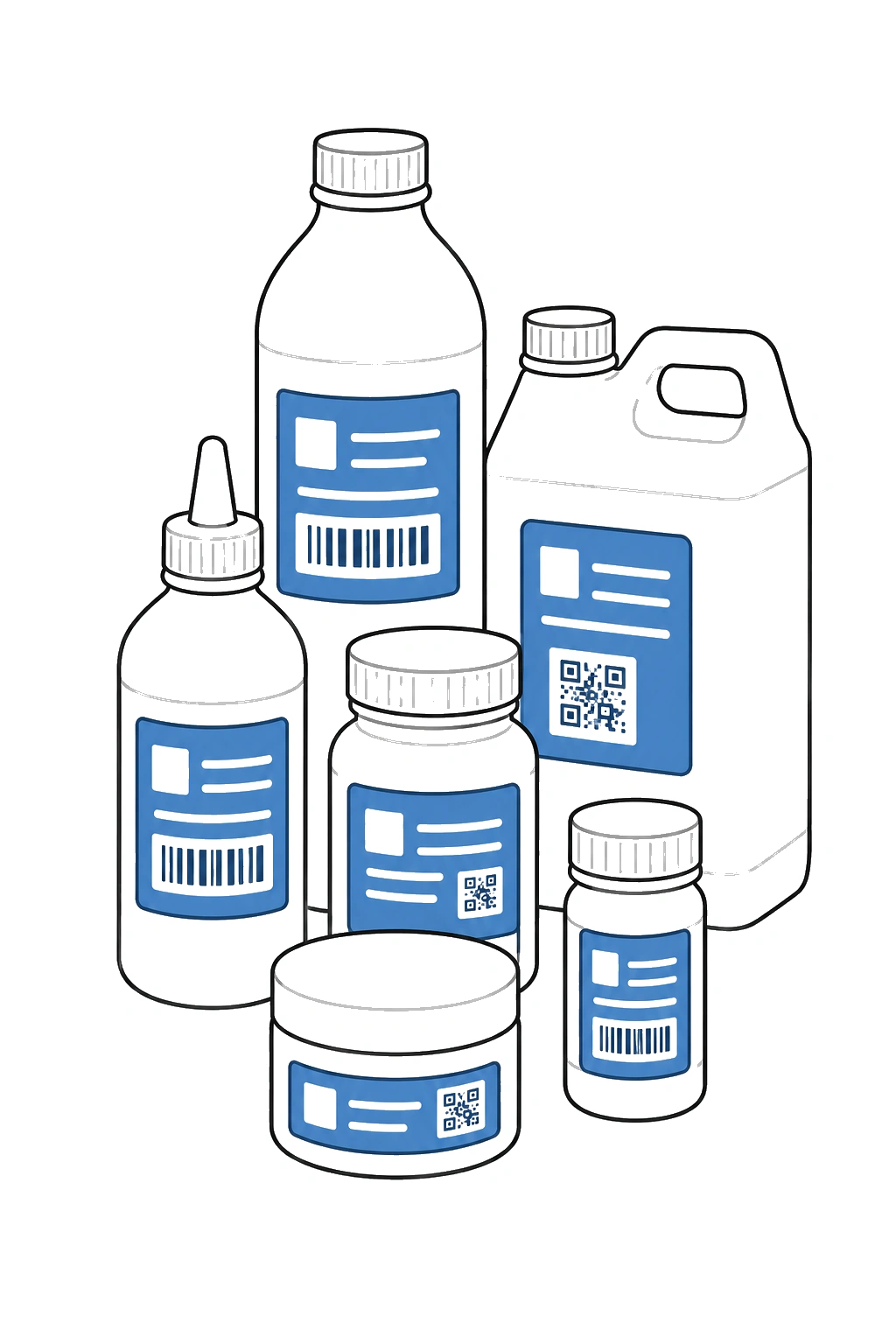
Barcode and Variable-Data Labels
Combine printing and label application for batch, barcode, QR-code or logistics information. Confirm the printer, data source, label size and verification requirement.
Review print-and-apply options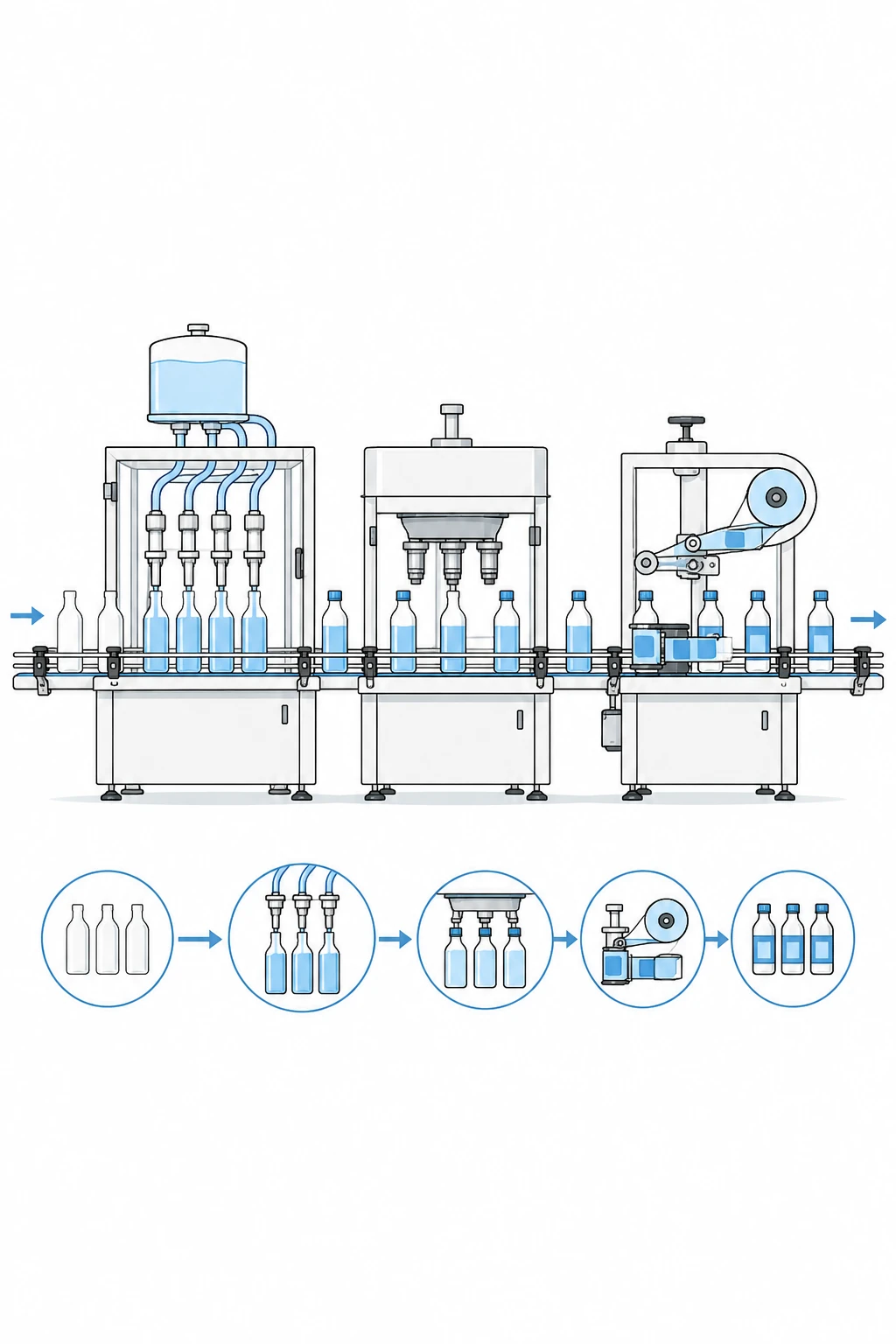
Inline Labeling after Filling and Capping
Match conveyor height, bottle spacing and operating speed with upstream equipment. Sensors, coding and collection can be planned as part of the same line.
Plan a bottle packaging lineWhat Determines the Right Labeling Machine?
Send the following details before final machine selection so the product-handling and label-applying structure can be checked together.
Compare Verified Labeling Machine Families
Choose a family by container and label method, then use the detailed series page to compare models and project configurations.
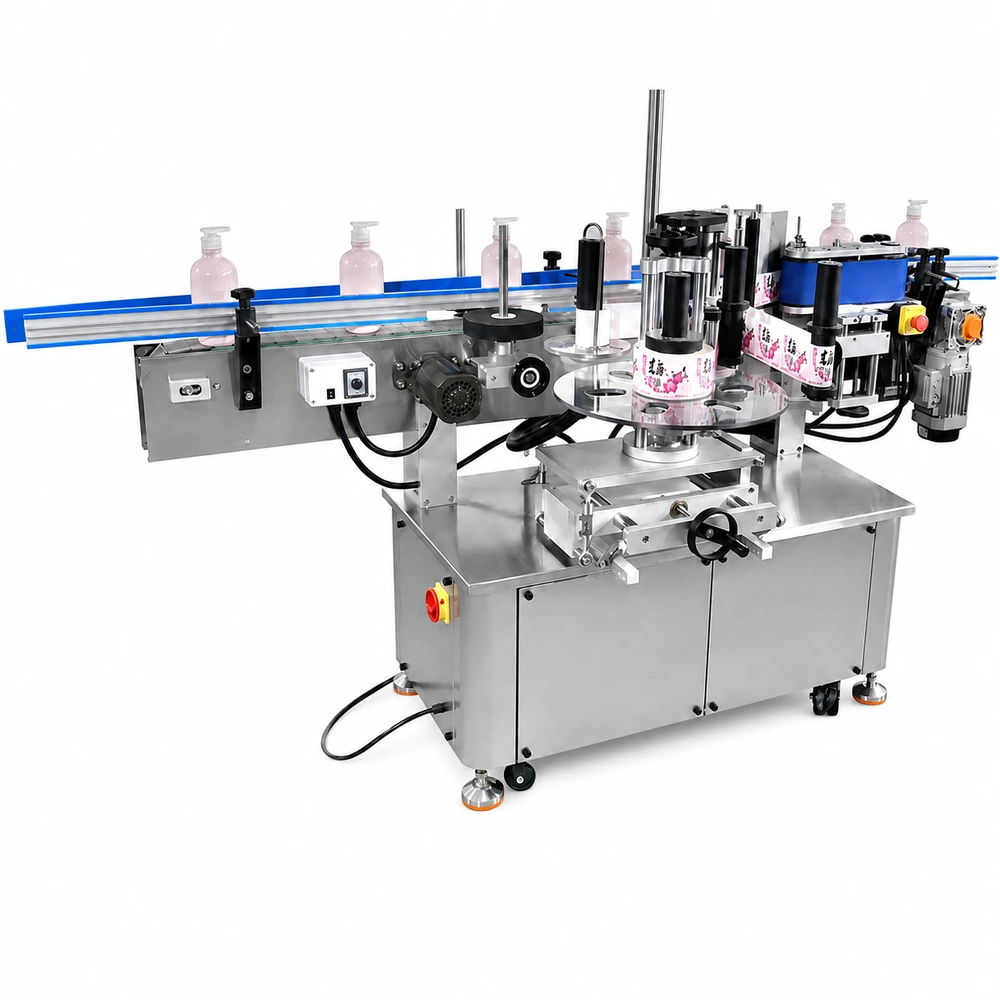
Wrap-Around and Positioning Labelers
For cylindrical bottles, jars and cans with partial-wrap, full-wrap or fixed-position labels.
View round bottle series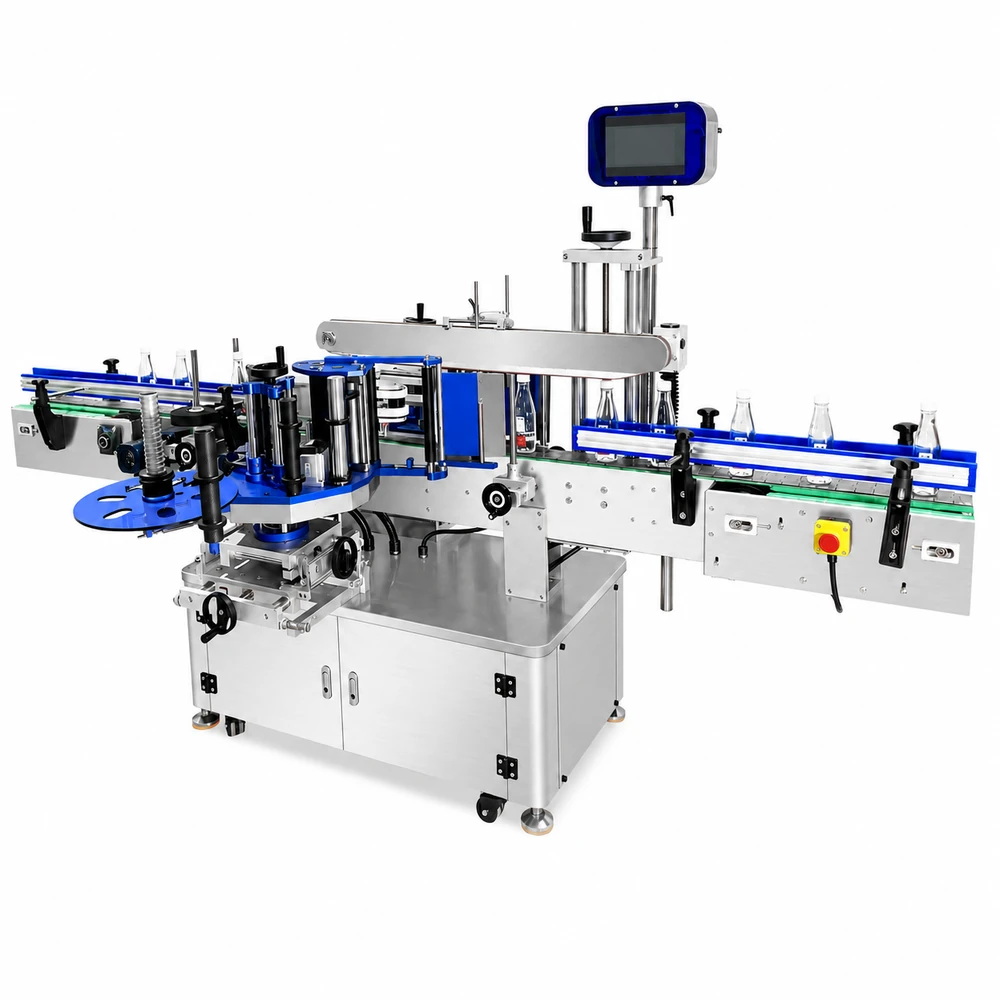
Front, Back and Multi-Station Labeling
For flat, oval and square bottles that need labels on two or more defined positions.
View multifunction series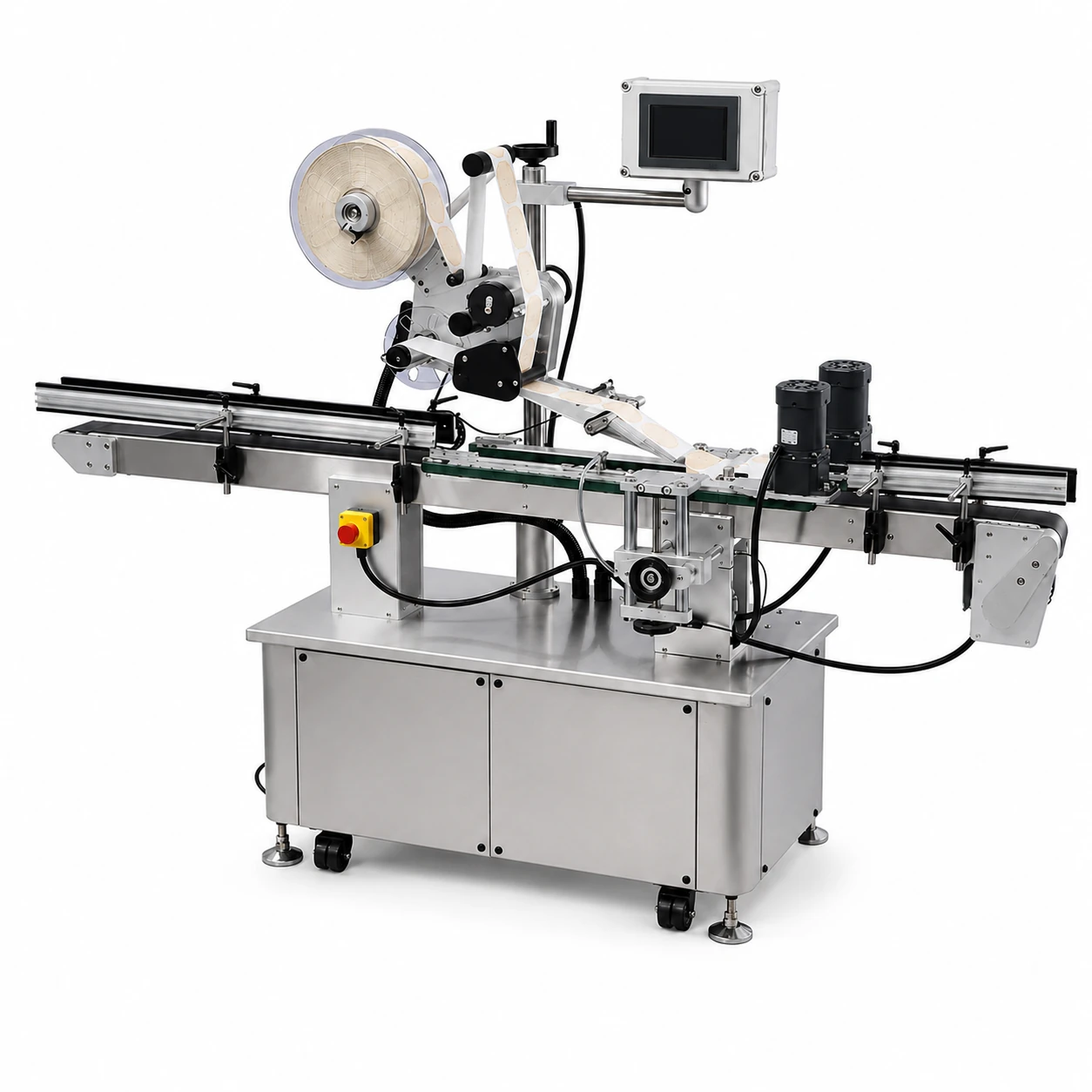
Top, Flat-Surface, Paging and Print-and-Apply
For boxes, cards, pouches, lids and other products requiring flat-surface or variable-data labeling.
View flat labeling series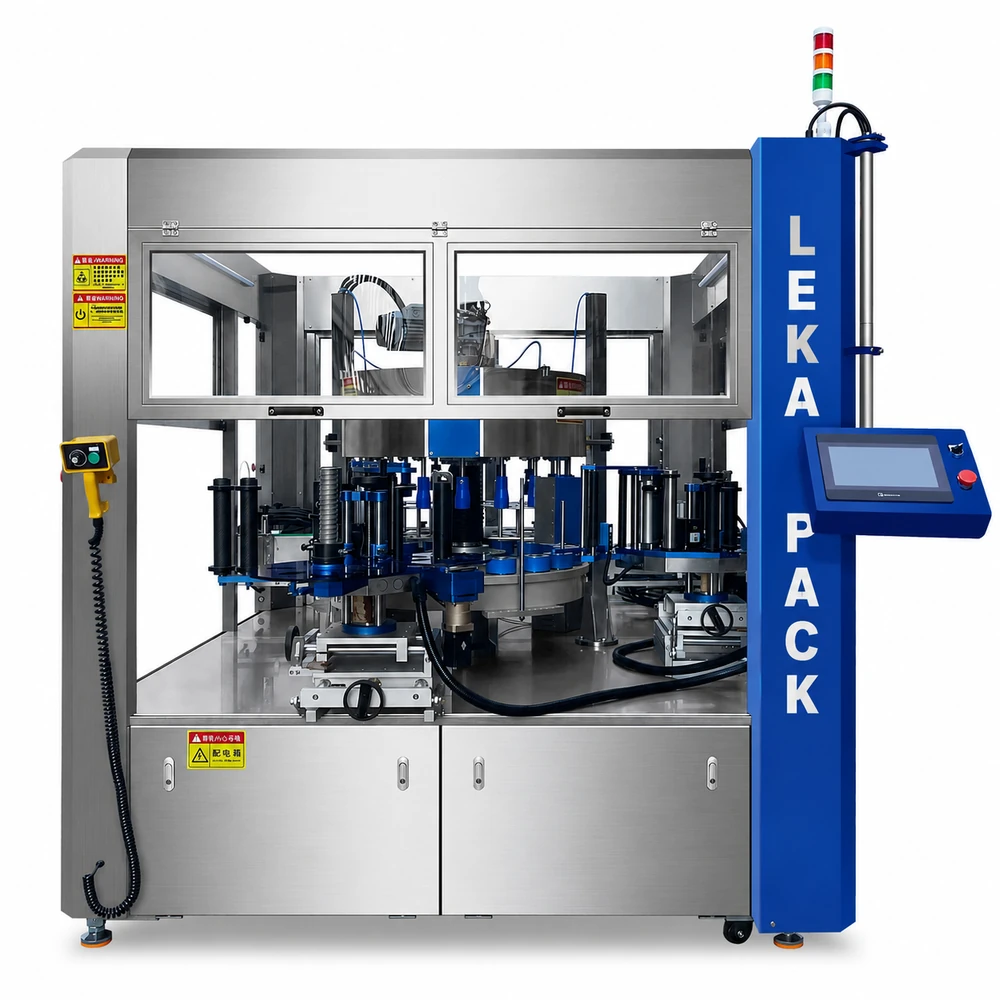
Rotary Positioning Labeling
For projects requiring rotary product handling, positioning or additional labeling stations at higher line output.
View rotary labeling series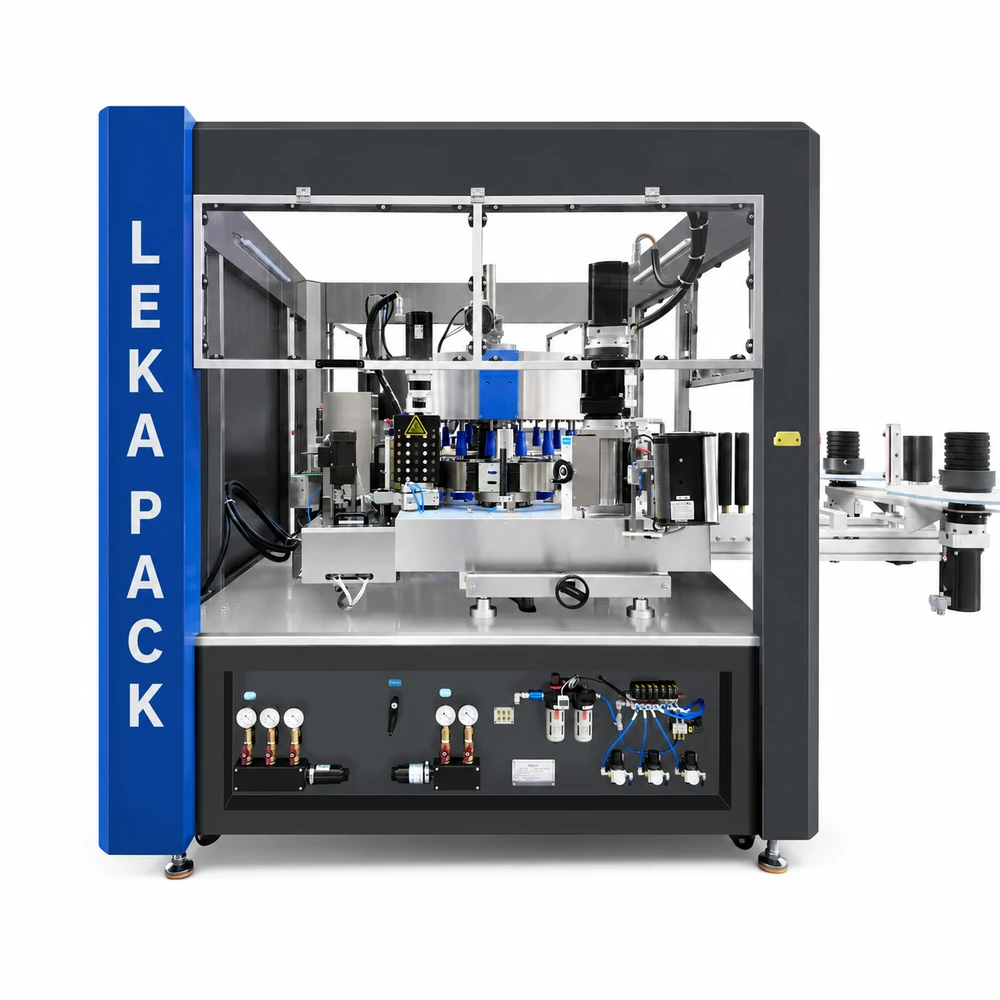
OPP Roll-Fed Labeling Systems
For PET bottles and large containers using roll-fed OPP labels with hot-melt adhesive.
View hot-melt labeling series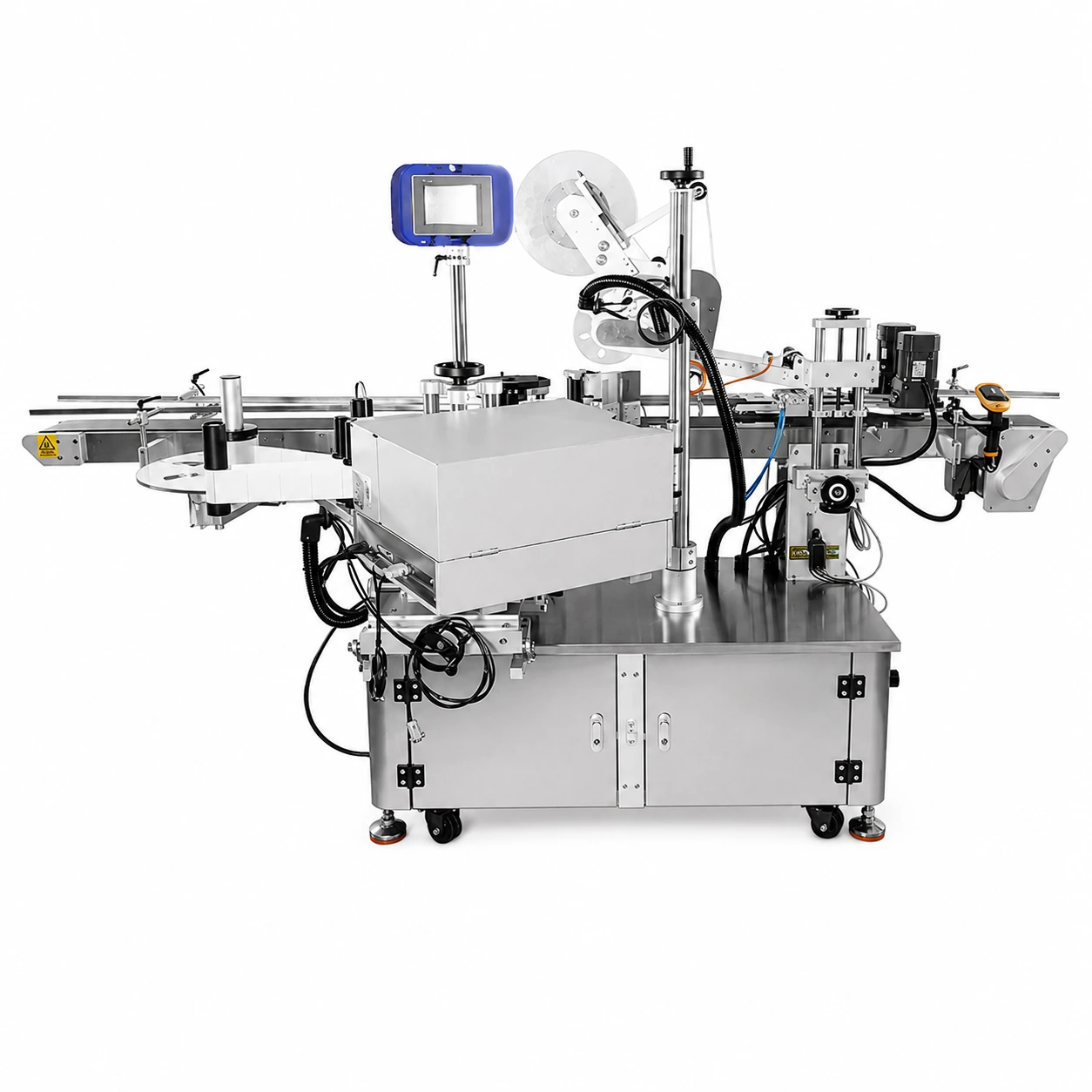
Horizontal Feeding and Traceability Labeling
Available according to product stability, feeding direction, printer, data source and inspection requirement. Send samples and the intended workflow for engineering review.
Discuss a project configurationMatch the Machine Family to the Labeling Job
This comparison is a starting point. Final configuration depends on physical samples, expected output and the connected line.
| Machine Family | Suitable Products | Label Application | What to Confirm | Model Group |
|---|---|---|---|---|
| Round bottle labeler | Bottles, jars and cans | Partial wrap, full wrap or fixed position | Diameter, height, label length and rotation stability | LEKA-LB050 / 050C / 060 / 060P |
| Multifunction labeler | Flat, oval and square bottles | Front, back or multiple positions | Orientation, side support and label spacing | LEKA-LB020 / LB030 |
| Flat-surface labeler | Boxes, cards, pouches, lids and trays | Top or flat-surface label | Feeding, paging, surface flatness and placement | LEKA-LB070 / 070P / 070S / 070X |
| Rotary labeler | Stable bottles in higher-output lines | Positioned or multi-station labels | Line speed, bottle handling and detection requirement | LEKA-LBGDP12 / 18E / 24 / 36 |
| Hot-melt glue labeler | PET bottles and large containers | Roll-fed OPP labels | Container, label roll, adhesive system and output | LEKA-LBZR02 / 03 / 15; LBXR24 |
| Project-configured labeler | Small, unstable or traceability-labelled products | Horizontal feed or variable-data label | Feed orientation, printer, data and inspection process | Configured after sample review |
Confirm Where the Label Must Sit
Container shape alone does not determine the machine. Label position and product orientation also affect the conveyor, holding and rotation method.
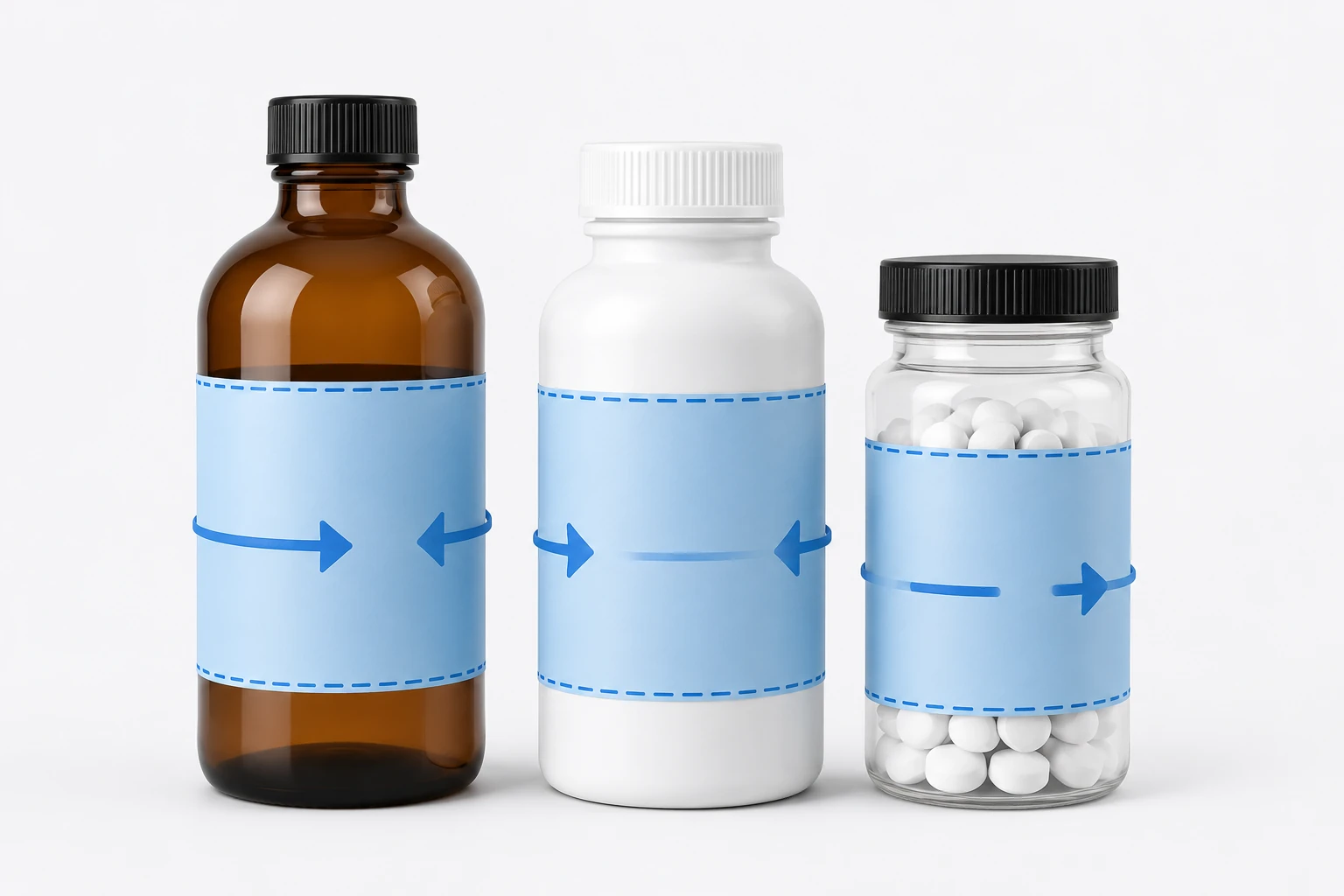
Wrap-Around
For round containers with a partial or full body label. Fixed-position labeling may require a detectable bottle feature.
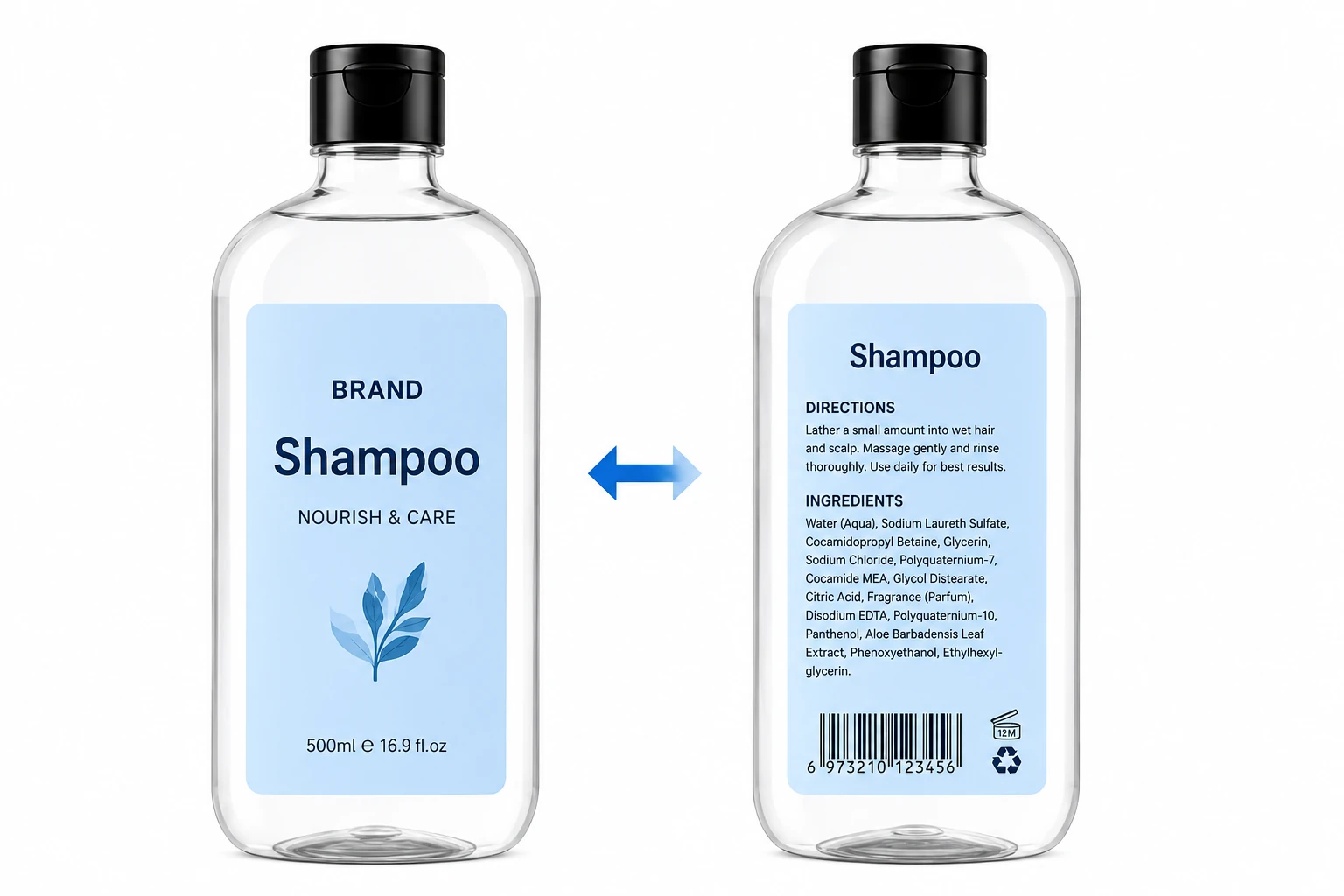
Front and Back
For bottles requiring separate labels on opposite faces. Product orientation and spacing between labels should be tested.
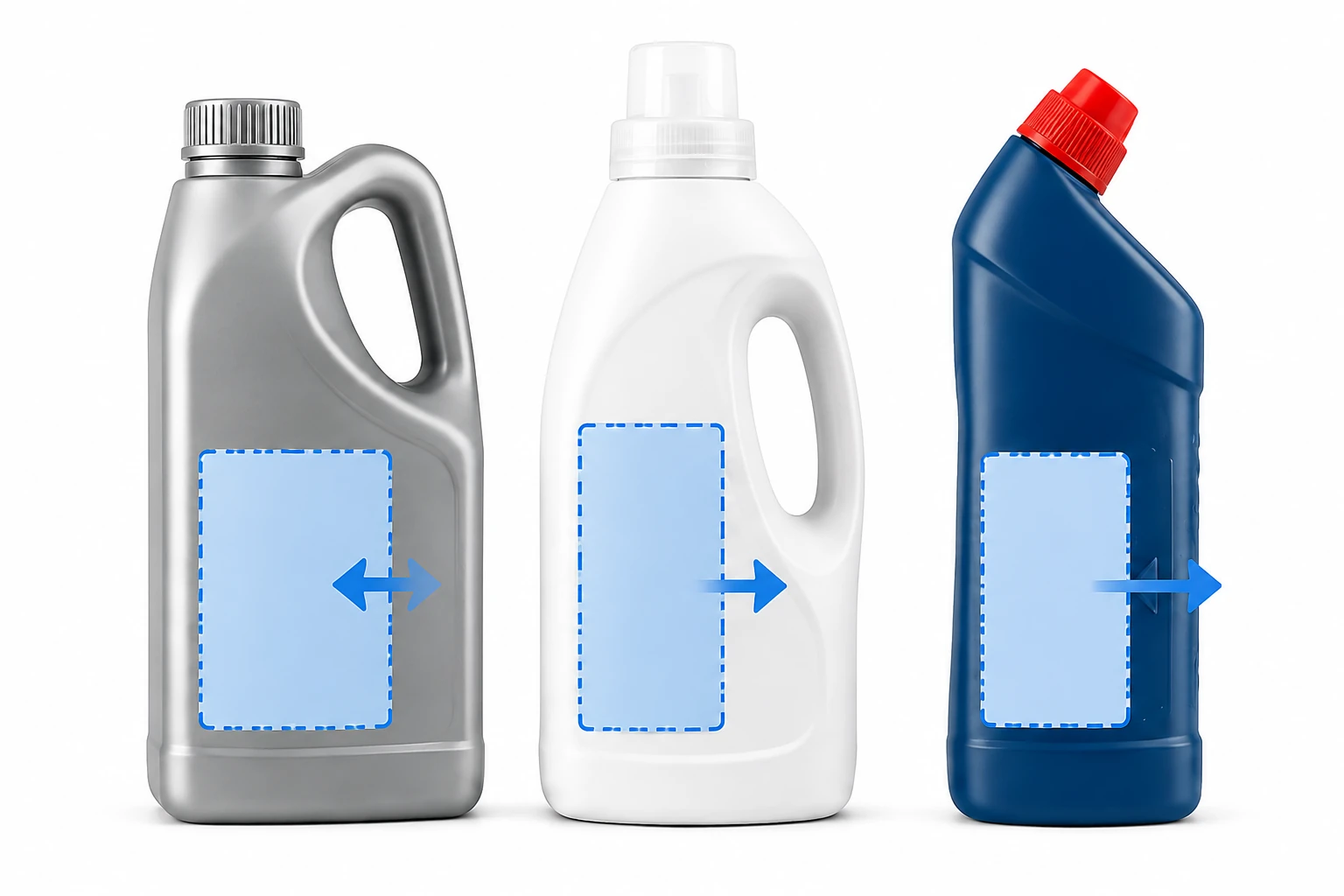
Top, Side or Custom Position
For irregular containers and flat products. Sample review helps determine whether guides, paging or custom holding are needed.
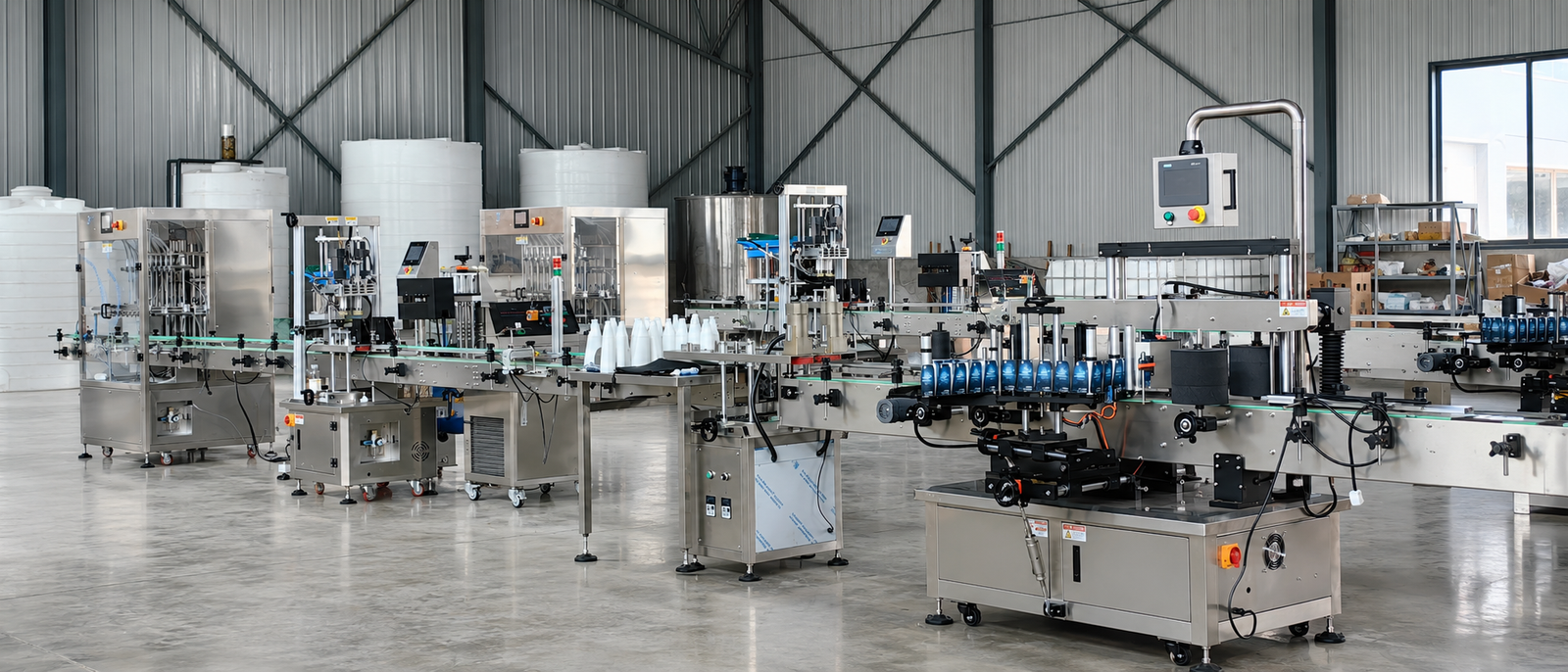
Integrate Labeling with Filling, Capping and Coding
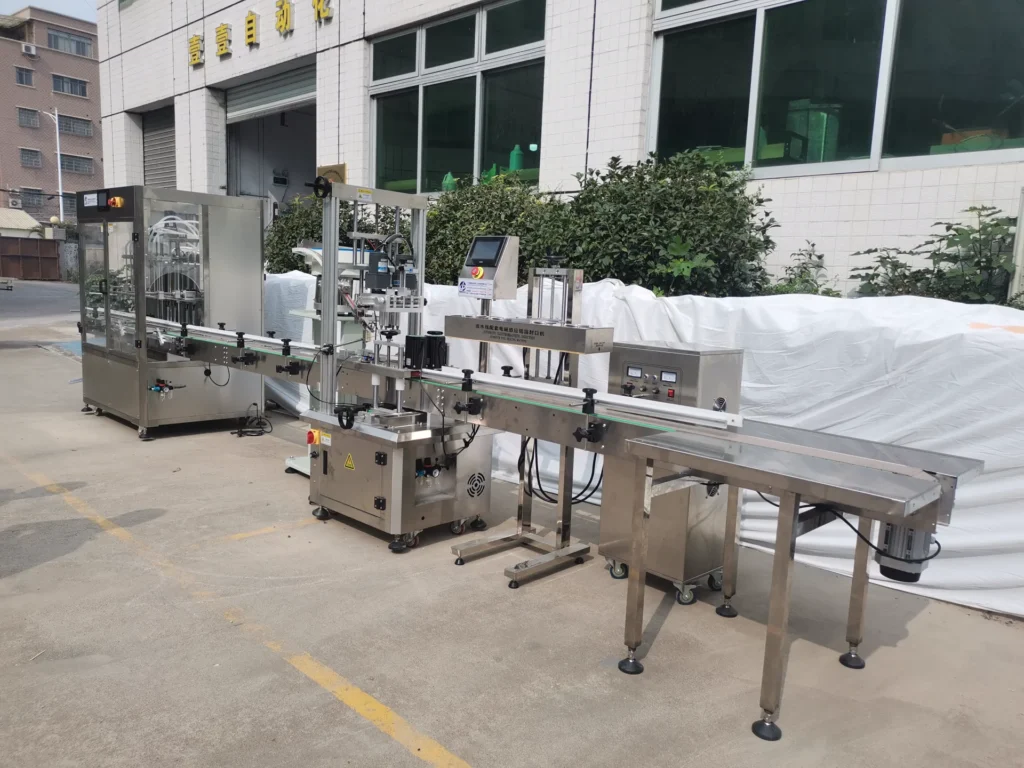
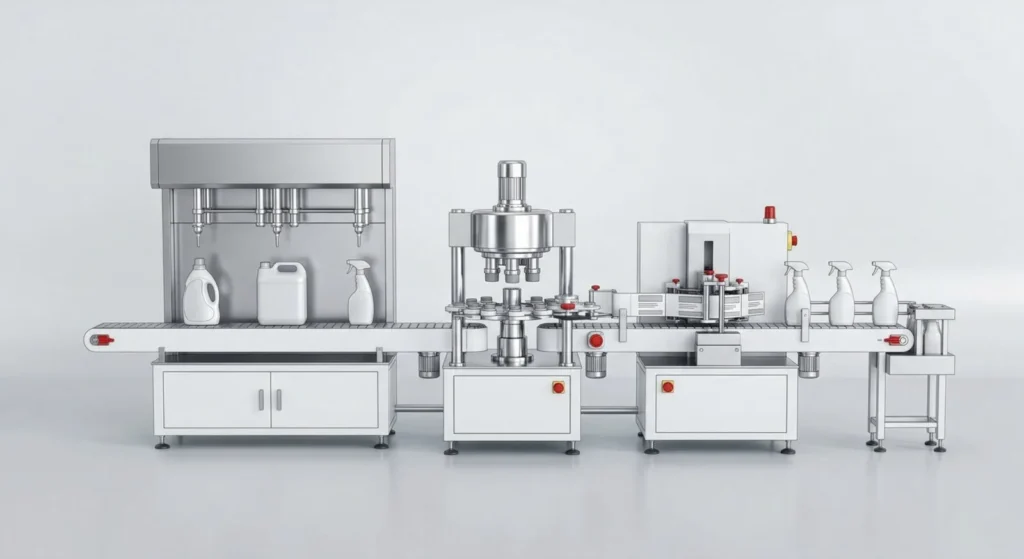
The labeling machine should receive containers at a stable pitch and discharge them without creating a bottleneck. LEKA can review conveyor height, sensor position, accumulated products and speed matching with the rest of the line.
Prepare the Machine Around Your Actual Product
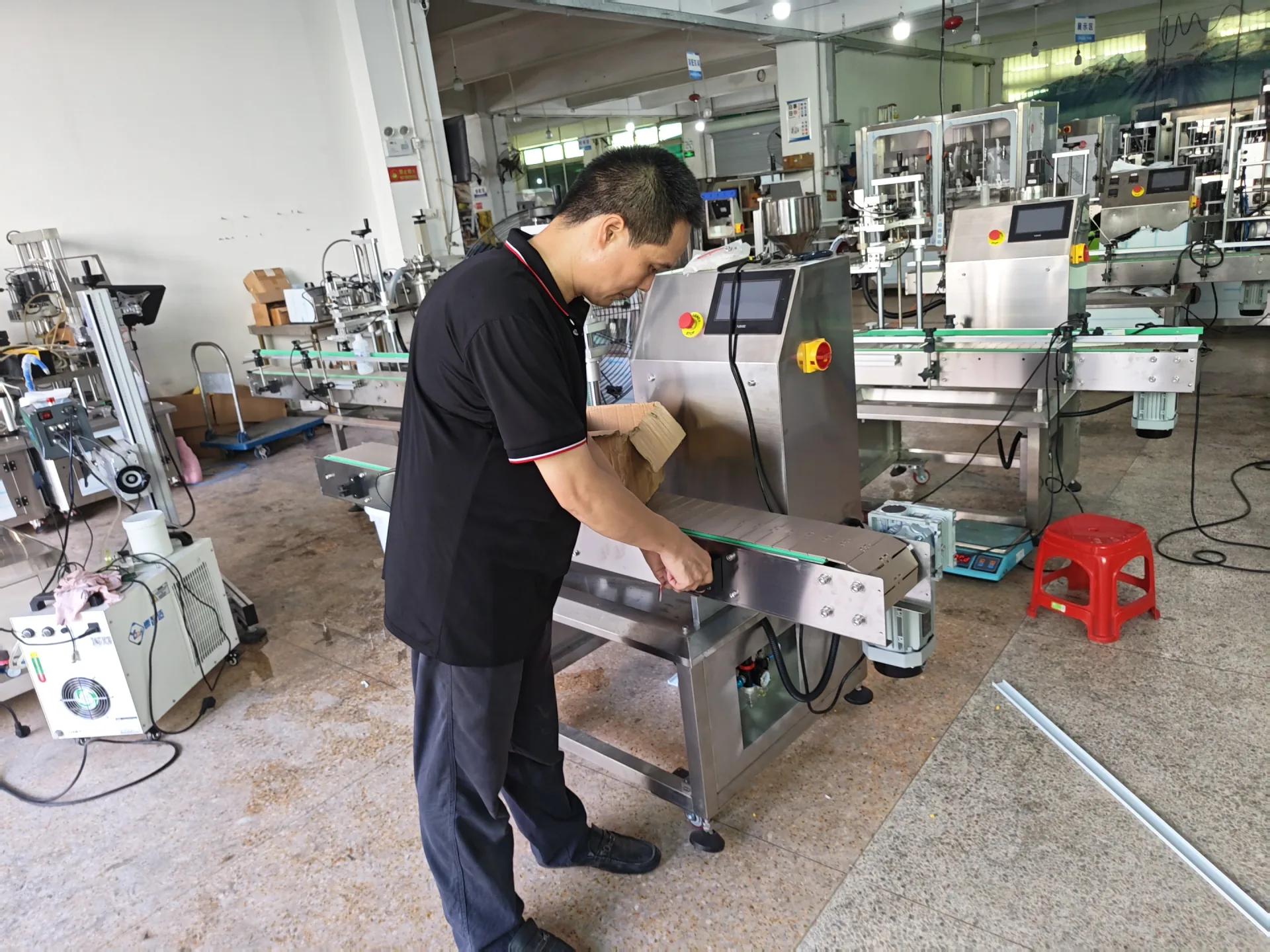
Before quotation and testing, LEKA reviews the container, label sample, roll direction, required position, output and connected equipment.
Sample and Line Review
Provide container and label samples where possible. For connected projects, also share the upstream machine, conveyor direction, available space, voltage and intended operating sequence.
Review Equipment and Line Options
Use the LEKA catalogue to review labeling, filling, capping, conveying and connected packaging equipment before sending your application details.
- Compare equipment families
- Identify connected line components
- Prepare bottle, label and output details
- Request a project-specific quotation
Review Label and Bottle Decisions in More Detail
These focused guides support the equipment comparison without replacing the model and project information on this page.
Send Your Container and Label Details
Share enough information for LEKA to check product handling, label placement and line compatibility.
- Container photos, dimensions, shape and material
- Label size, material, roll direction and placement
- Required output and automation level
- Empty or filled container during labeling
- Coding, inspection and connected equipment
- Voltage and factory layout
Request a Labeling Machine Recommendation
Attach product and label photos where available. The team will review the application before recommending a configuration.
Automatic Labeling Machine Questions
Which labeling machine is suitable for round bottles?
Round containers commonly use a wrap-around labeler. The final choice depends on bottle diameter and height, label length, required position, bottle stability and output.
Can one machine apply front and back labels?
Yes. A multifunction labeling machine can apply separate labels to the front and back of flat, oval or square bottles. Bottle orientation and side support should be checked from samples.
What is the difference between pressure-sensitive and hot-melt labeling?
Pressure-sensitive equipment applies self-adhesive labels from a release liner. Hot-melt equipment is used with roll-fed labels and adhesive. The correct system depends on the label material, container and production plan.
Can the labeler connect with filling and capping machines?
Yes. Conveyor height, bottle spacing, sensor positions and line speed should be matched so the labeler can receive and discharge containers reliably.
Can LEKA configure labeling for boxes, cards or pouches?
Flat-surface, top-labeling and paging configurations are available for suitable products. Send product dimensions, photos and feeding requirements for review.
What should I provide before quotation?
Provide container and label photos, dimensions, label material and roll direction, required placement, target output, voltage, layout and any coding or connected-equipment requirement.