
Sauce Filling Machines Matched to Your Product, Container and Output
Compare filling configurations for hot sauce, chili sauce, ketchup, BBQ sauce, dressing, mayonnaise and other pumpable food products. LEKA reviews sauce behavior, particles, filling temperature, bottle or jar, fill volume, output and automation before proposing equipment.
Four Details That Change the Filling Machine
A useful quotation starts with the sauce and package, not only a target speed. These four inputs determine the filling path, hopper, nozzle, container handling and automation that should be reviewed.
Viscosity, flow, separation and foaming affect the preferred filling method.
Seed, herb or food-piece size must be checked against the product path and nozzle.
Bottle or jar shape, mouth size and fill range affect positioning and clean filling.
Output, changeovers, operators and line layout determine the required automation.
Match the Sauce Filling Machine to the Product
Different sauces can require different transfer, mixing, heating and cut-off arrangements. Final suitability must be confirmed with the actual product and package samples.
Hot Sauce
Confirm filling temperature, acidity, bottle material, mouth size and the required cap before configuration.
Chili Sauce With Pieces
Provide the largest visible particle size and samples so the product path and agitation needs can be reviewed.
Ketchup and Tomato Sauce
Thicker sauces normally need controlled product movement and a clean nozzle cut-off around the bottle mouth.
BBQ Sauce
Recipe consistency, bottle format, cap and labeling plan should be reviewed as one retail-package project.
Dressing and Mustard
Separation, suspended ingredients and frequent recipe changes can affect mixing and cleaning decisions.
Mayonnaise and Thick Condiments
Confirm flow behavior, suction, hopper feeding and the acceptable product remaining in the filling path.
Compare Sauce Filling Equipment Configurations
The machines below are configuration starting points. Fill range, product-contact parts, nozzle size, hopper, filling heads and control options must be matched to the actual sauce and production plan.
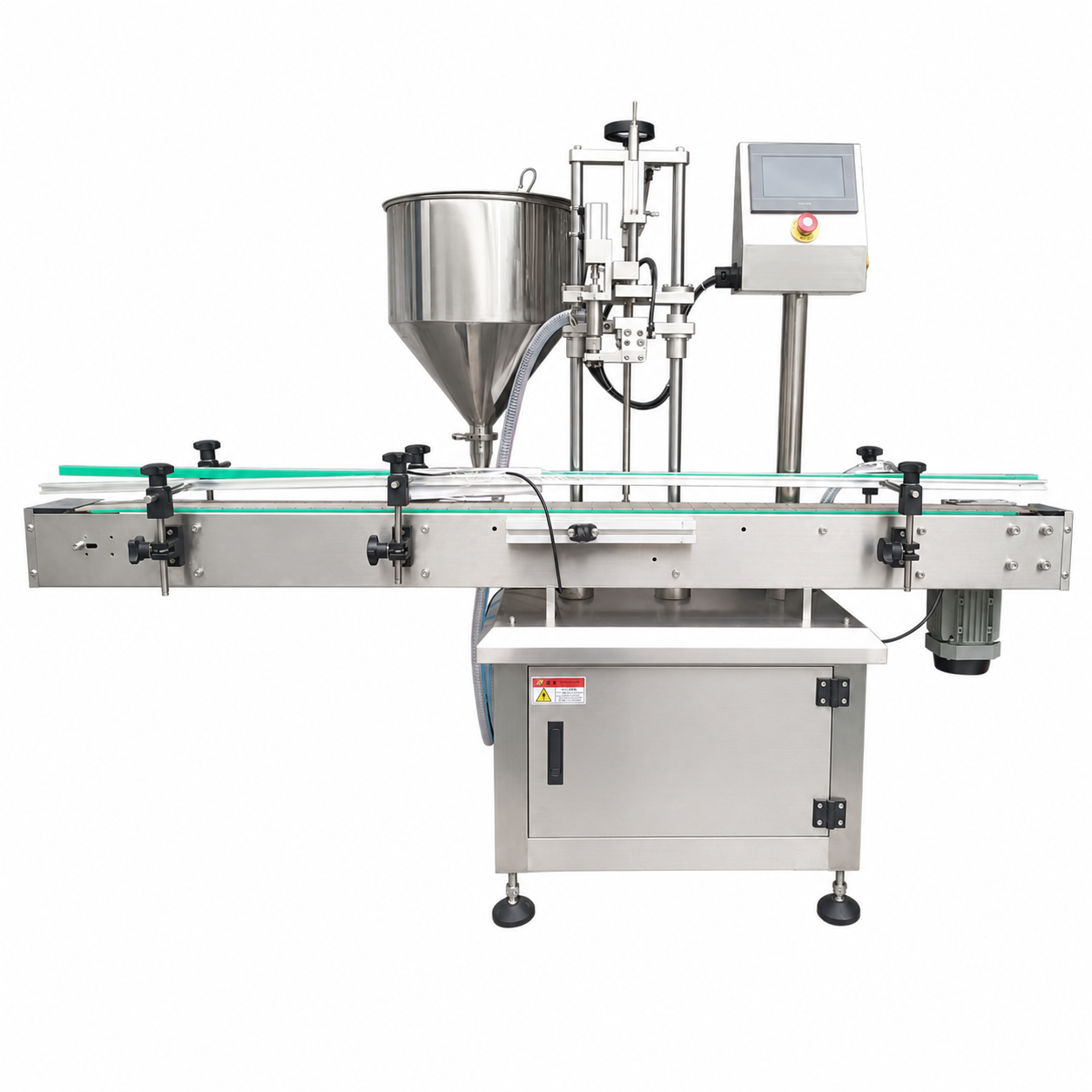
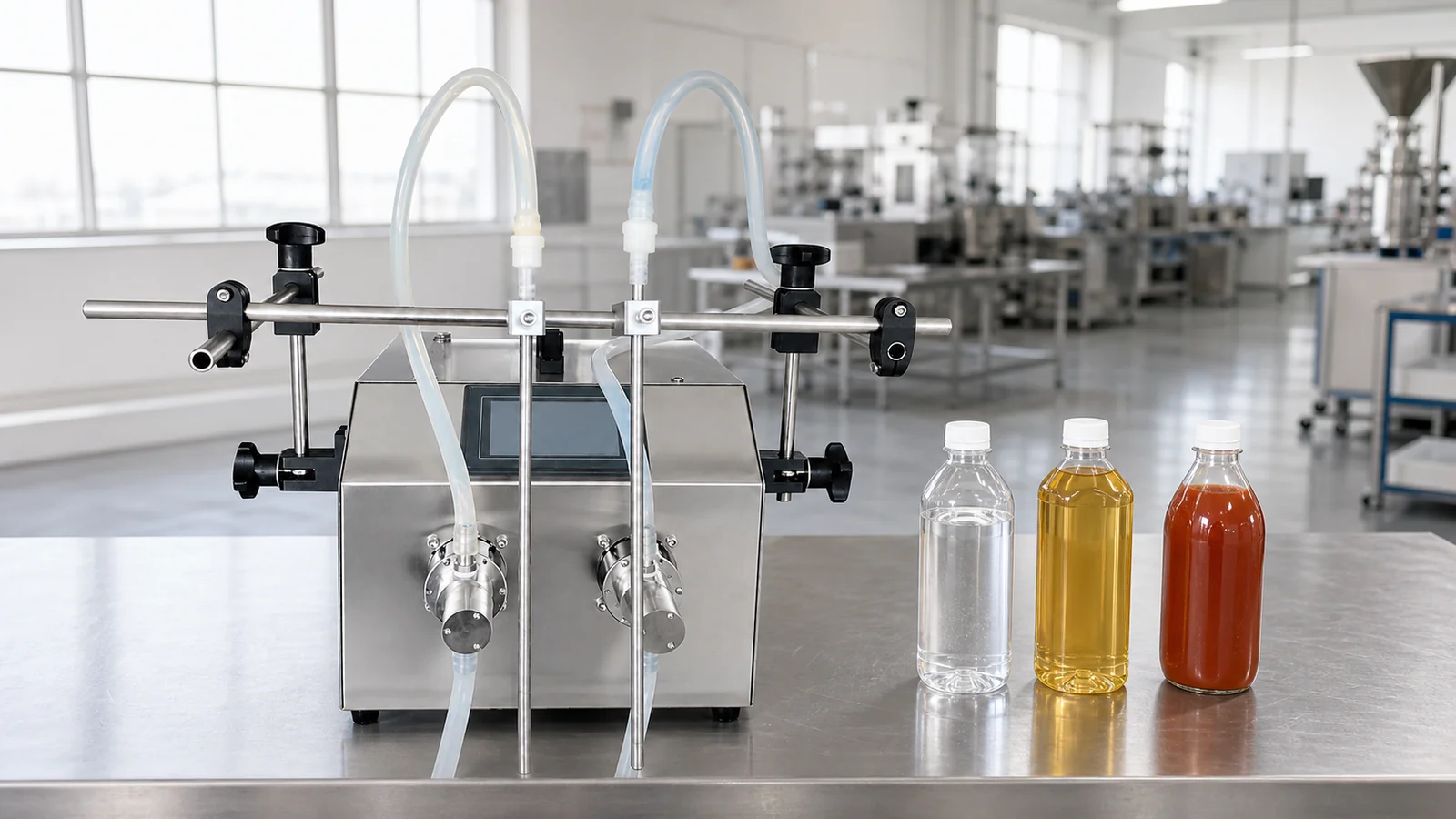
Rotary Pump Filling System
A pump-based starting point for sauce projects where the product can move through the proposed pump and nozzle path. Sample review is required for viscosity, particles and clean cut-off.
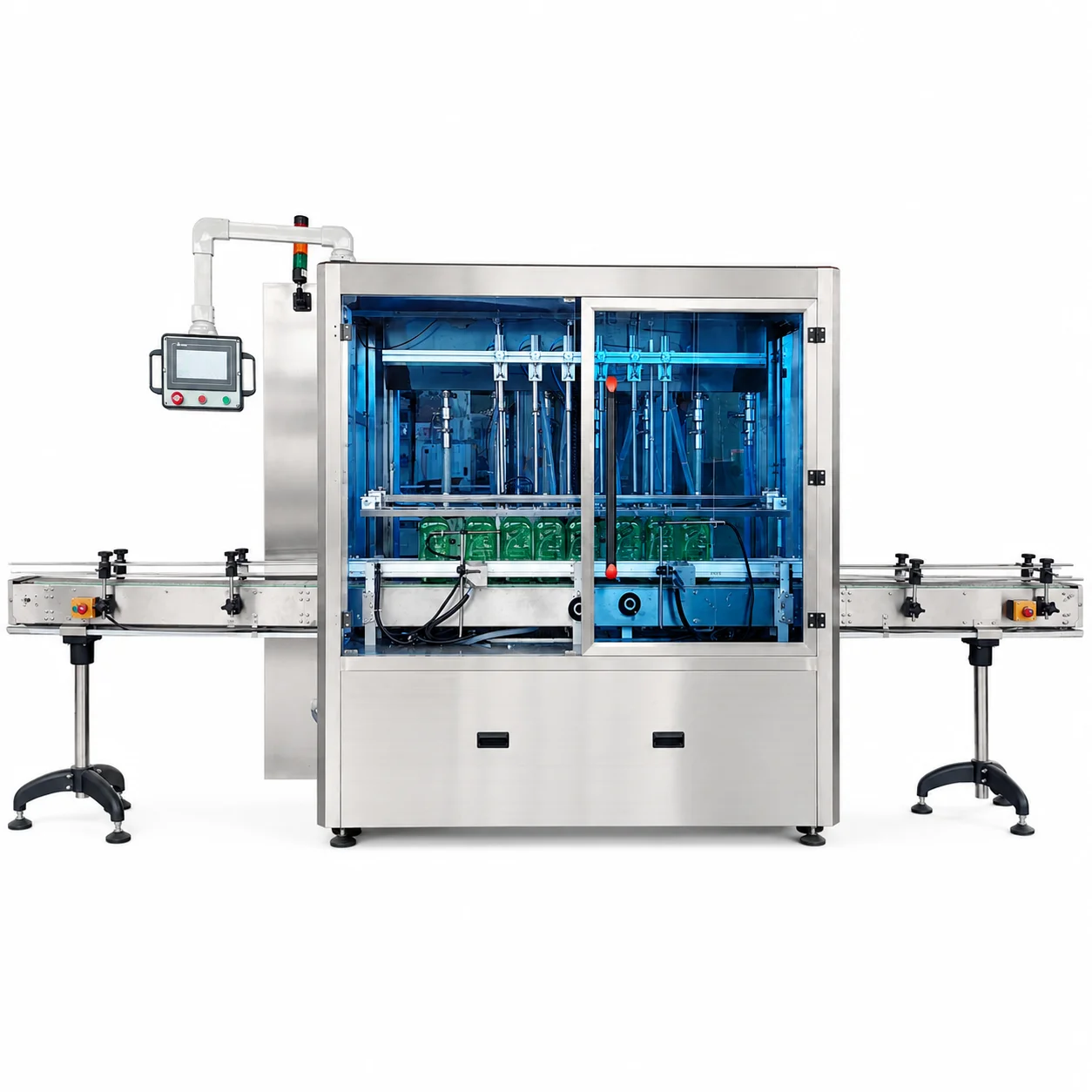
Servo Filling Machine
A configurable option for viscous products and repeat fill-volume settings. The required piston, hopper, head count and nozzle arrangement depend on product tests and the requested output.
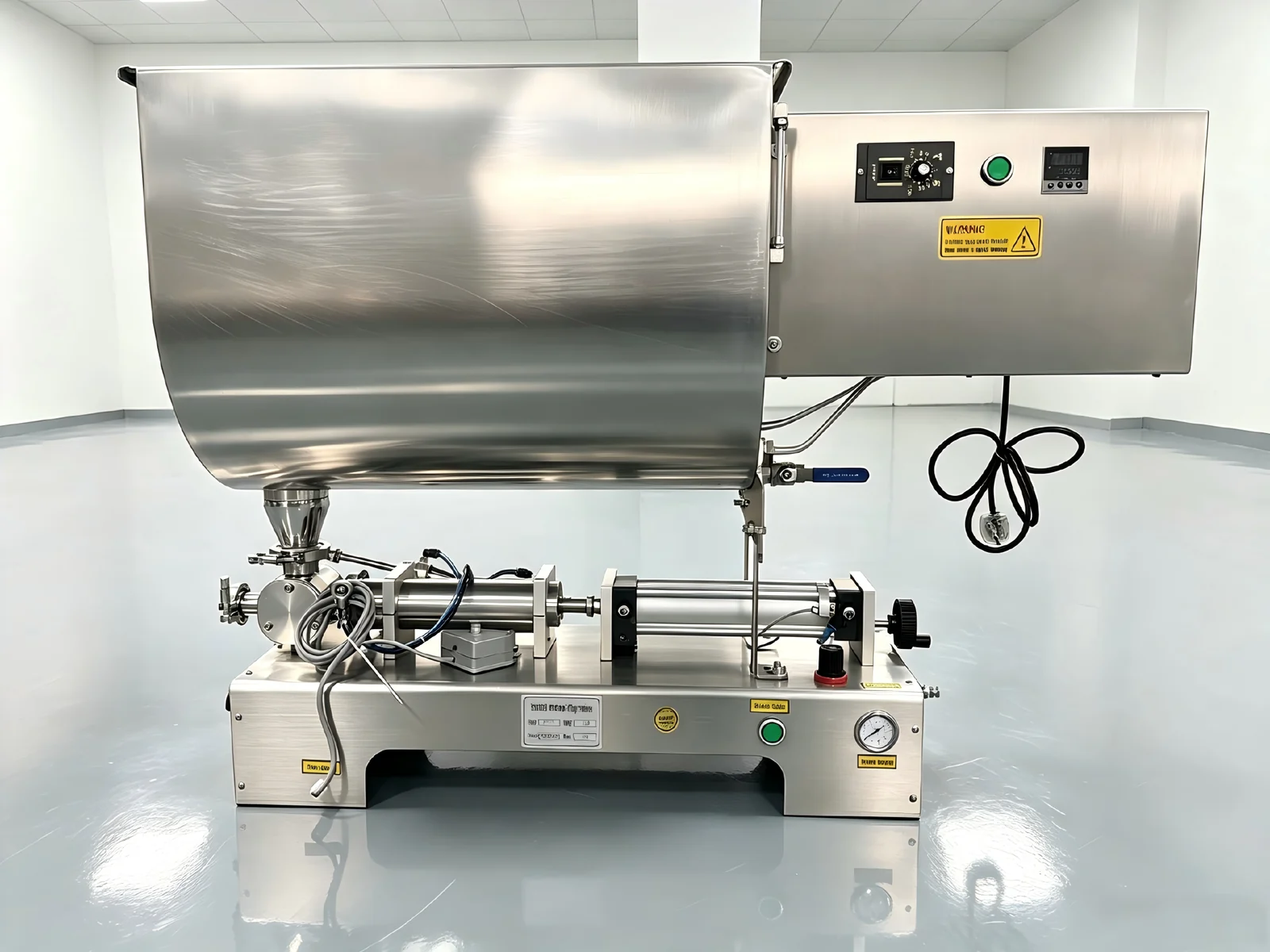
Semi-Automatic Sauce Filler
A practical starting point for lower-output projects, product trials or manual container handling. Mixing and water-jacket heating can be reviewed for compatible machines.
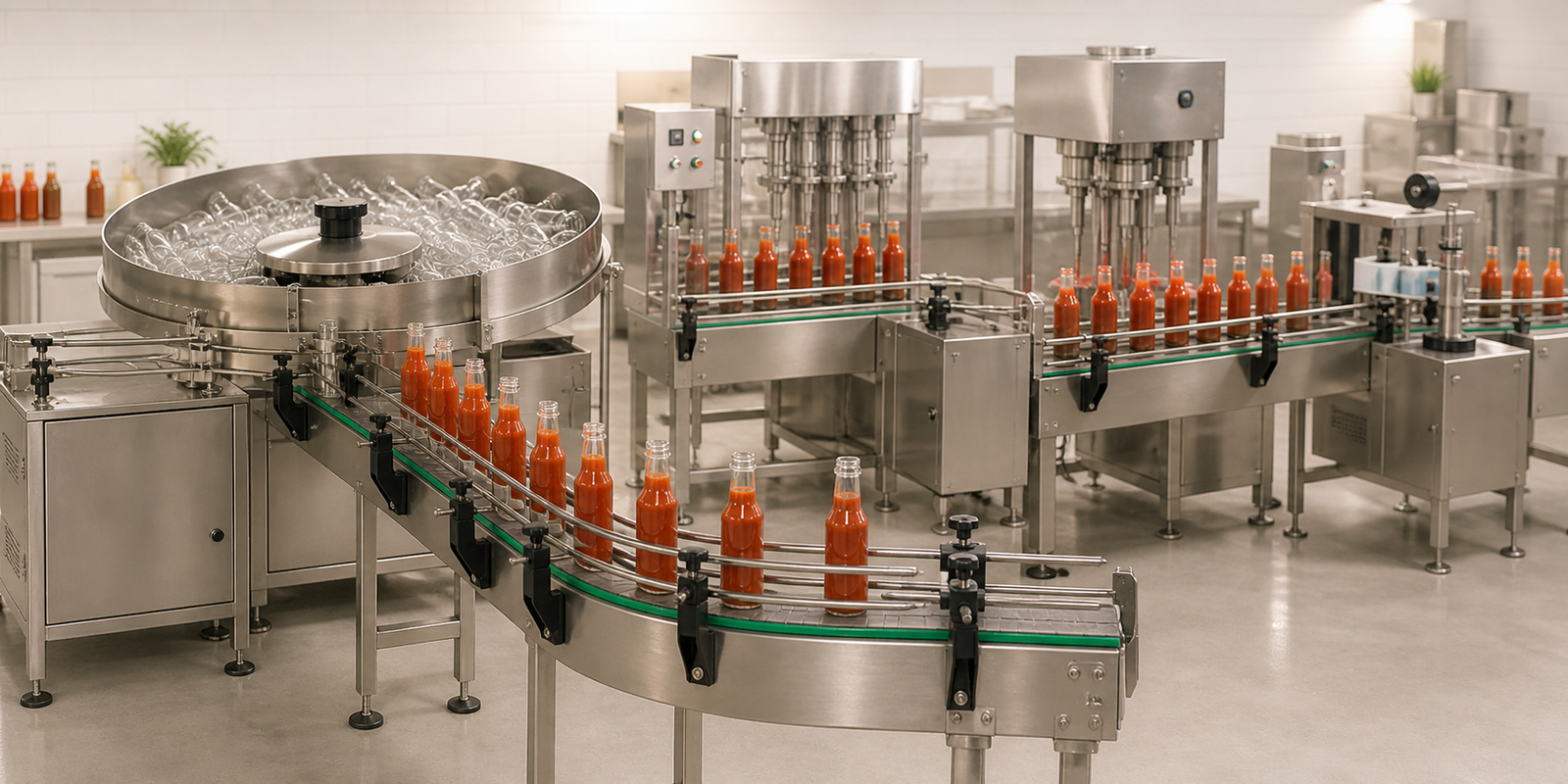
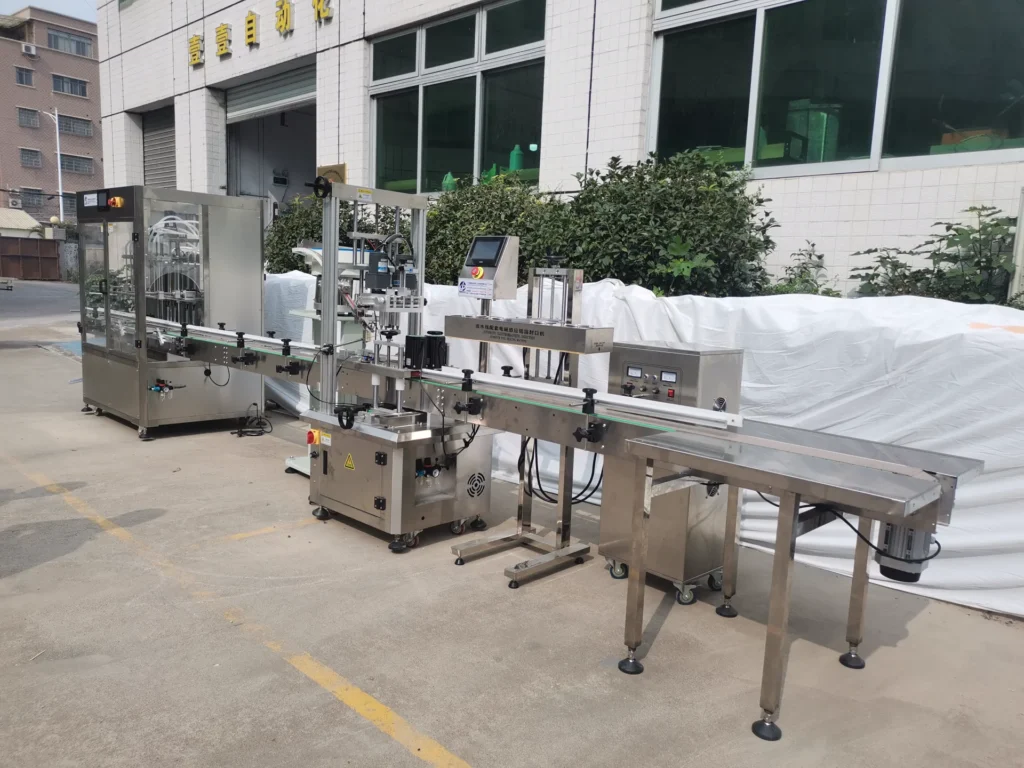
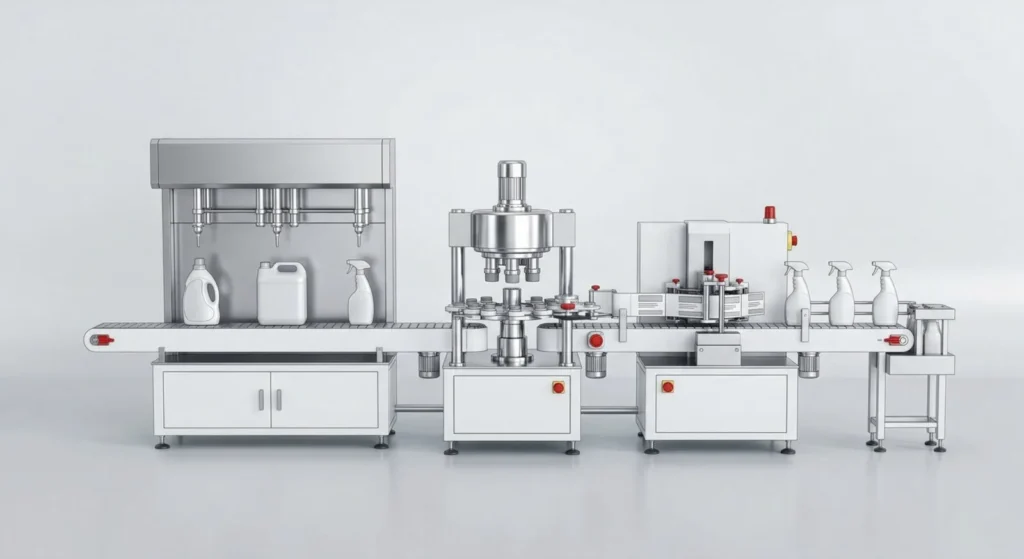
Connected Sauce Bottling Line
Filling can be planned with bottle feeding, capping, labeling, coding, conveying and project-supplied packing equipment. The full line is defined from the layout and package flow.
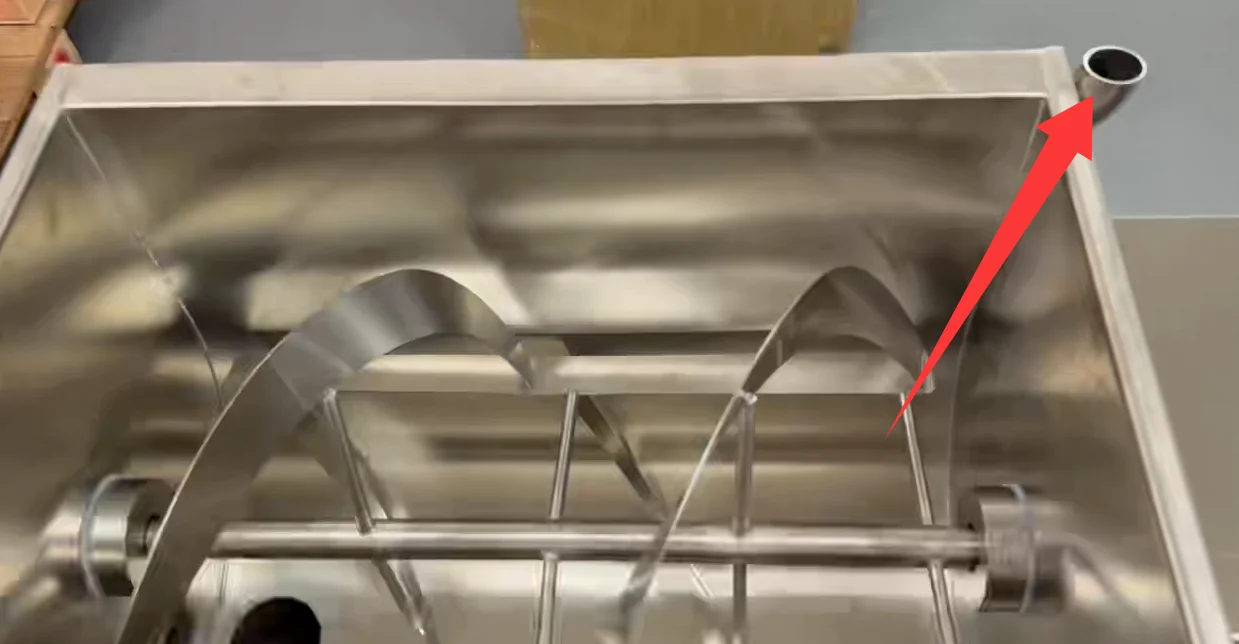
Mixing Hopper Structure
Review the agitator arrangement before deciding whether the sauce needs continuous mixing.
Product Trial Reference
This trial shows one sauce-with-pieces setup. Your product still requires a separate sample test.
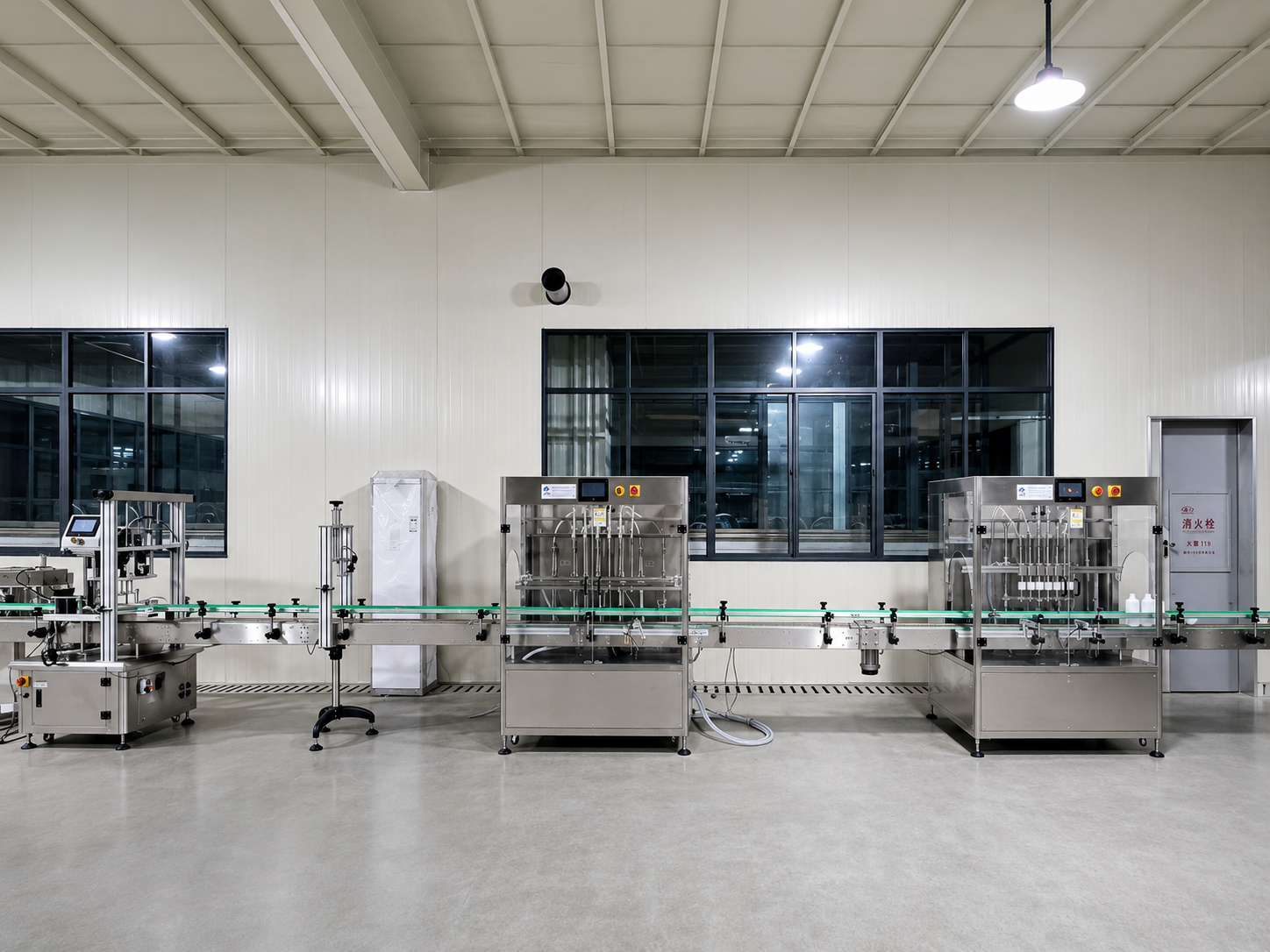
Connected Line Reference
Use the layout, conveyor direction and upstream/downstream handoff to define the final line scope.
Choose a Starting Point for Technical Review
This table helps organize the discussion. It does not replace testing with the buyer's sauce, container and closure.
| Filling Solution | Suitable Product Condition | Container and Production Use | What Must Be Confirmed |
|---|---|---|---|
| Rotary pump filling | Pumpable sauces that match the proposed pump and nozzle path | Bottles or jars in standalone or connected production | Viscosity, particles, fill range, clean cut-off and cleaning method |
| Servo filling | Viscous sauce projects needing a configurable filling structure | Repeat bottle or jar production with planned changeovers | Piston and hopper sizing, head count, fill range and target output |
| Semi-automatic filling | Lower-output production, trials or manual container handling | Small batches, several recipes or staged automation | Operator workflow, hopper feeding, bottle positioning and daily volume |
| Mixing/heated hopper option | Sauces that separate, settle or thicken as temperature changes | Compatible automatic or semi-automatic fillers | Agitation, jacket-water setting, product temperature and cleaning |
| Connected sauce line | Projects requiring filling plus downstream package handling | Filling, capping, labeling, coding and conveying | Layout, conveyor height/direction, controls, utilities and acceptance scope |
Need a deeper selection method? Use the sauce filling machine selection guide, then return with product and package details for a quotation.
Mixing and Water-Jacket Heating Options
Mixing, heating or a combined hopper can be reviewed when the sauce separates, settles or becomes harder to pump as temperature falls. These are configuration options, not universal requirements.
Reference Hopper Options
The current project material lists a 40 L standard mixing hopper for compatible automatic servo machines and an 80 L standard mixing hopper for compatible semi-automatic machines. Capacity is customizable and must be confirmed in the quotation.
- Adjustable mixing speed
- SUS316 product-contact stainless steel reference
- Built-in electric water-jacket heating
- Mixing and heating available separately or together
Temperature Reference
The current configuration reference states a jacket-water controller setpoint up to 100°C and an approximate 10–20 minute jacket-water warm-up time. The controller measures jacket water, not the sauce center temperature.
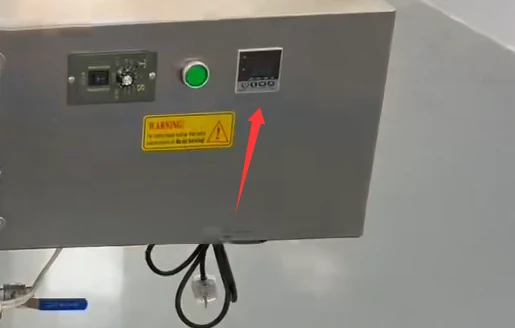
Actual warm-up time and product temperature depend on water volume, starting temperature, ambient conditions, electrical configuration and the sauce itself. Confirm the final heating and testing method before purchase.
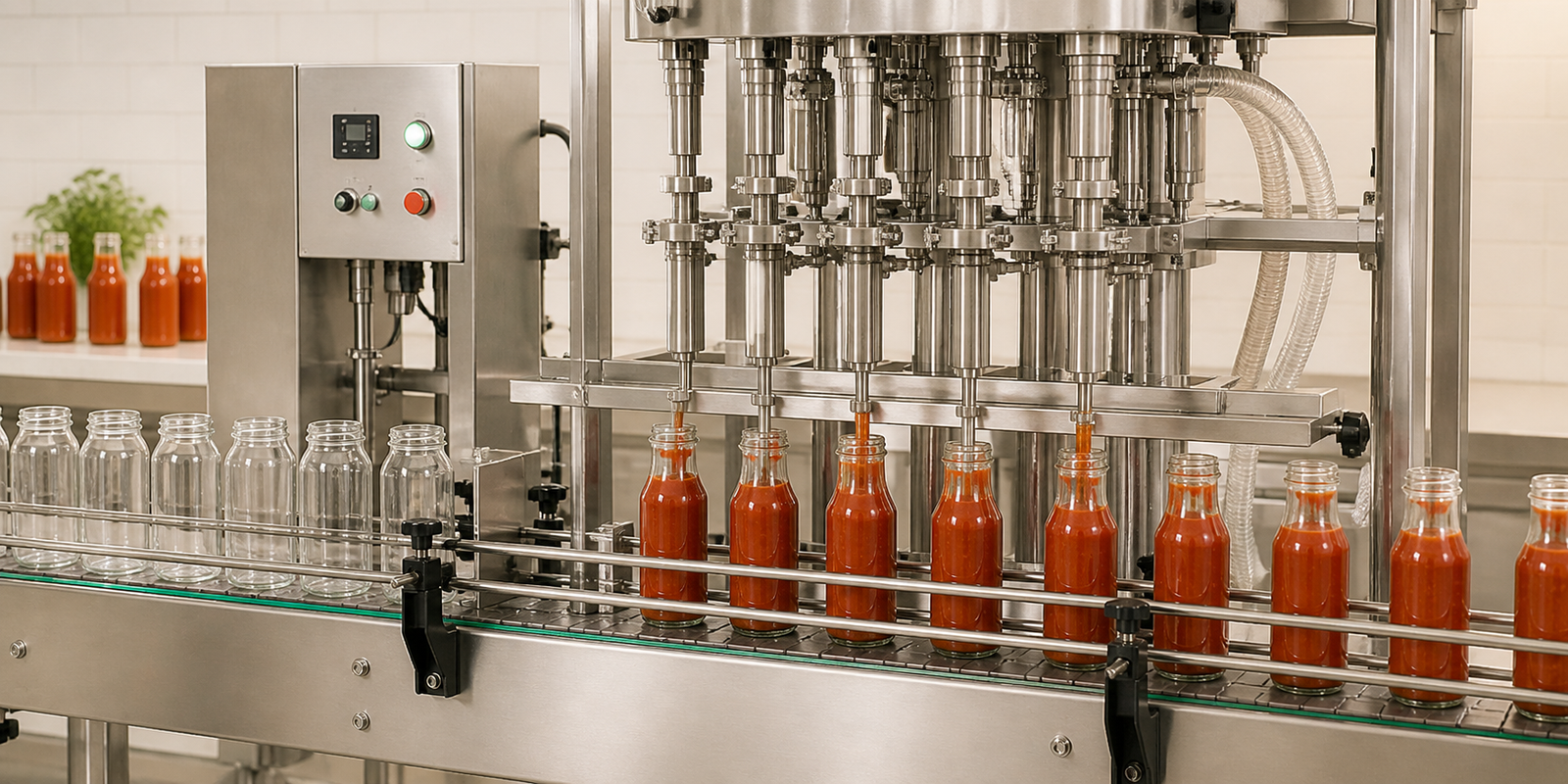
Check the Bottle or Jar Before the Machine Layout
Container stability, mouth diameter, fill volume and changeover range influence the nozzle position, guides, conveyor and downstream equipment. Send drawings, photos and physical samples where possible.
- Minimum and maximum container dimensions
- Glass, PET or other container material
- Bottle neck or jar opening size
- Cap type and placement method
- Label position and coding location
- Number of formats expected on one line
Connect Filling With Capping, Labeling and Conveying
This page helps select the sauce filling equipment. For a complete production line, the filler output and bottle transfer must be matched to each downstream module and the available factory layout.
Filling
Match sauce behavior, fill volume and output.
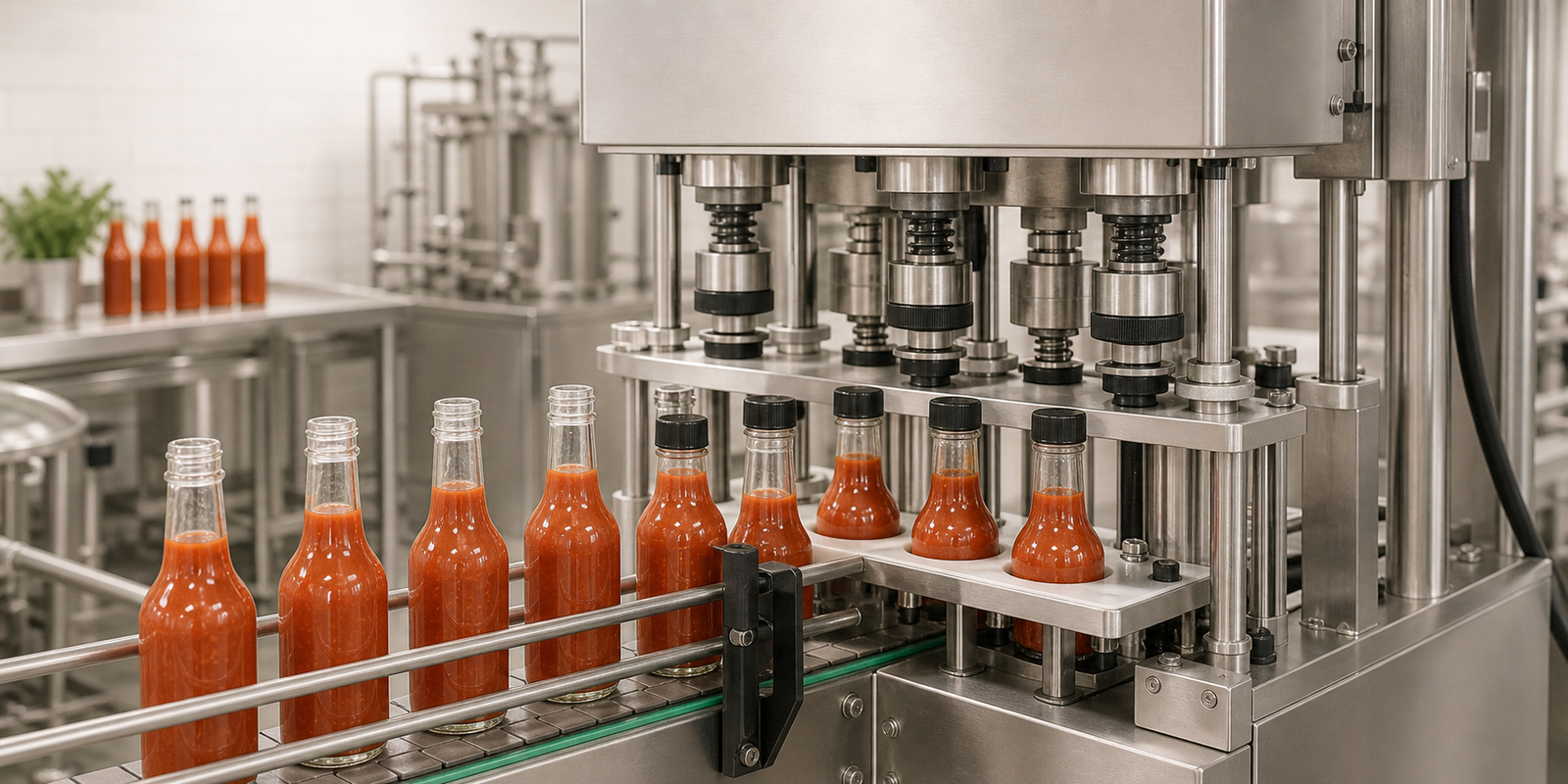
Capping
Check cap format, placement and tightening method.
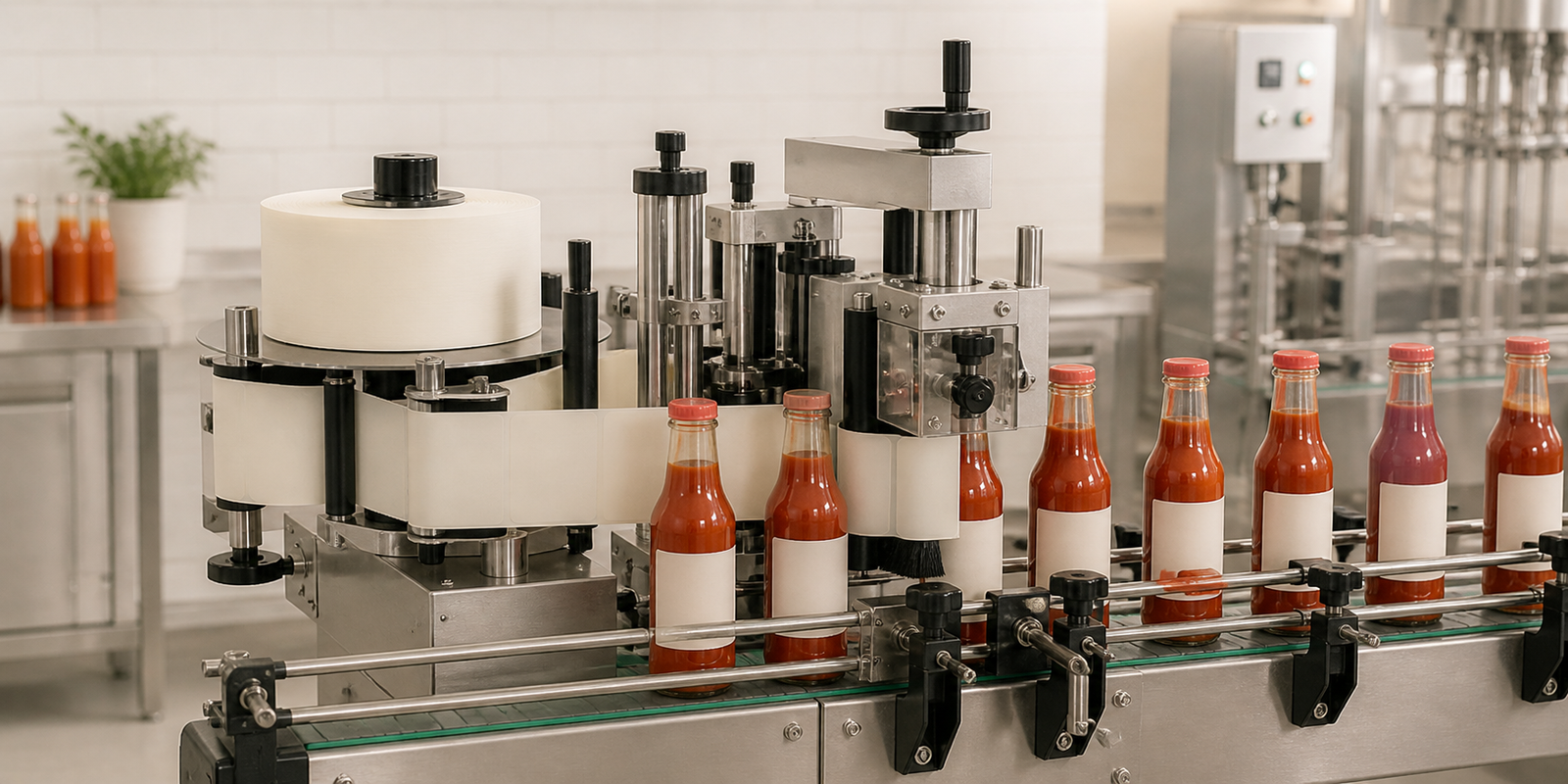
Labeling
Confirm container shape, label position and roll direction.
Line Integration
Coordinate conveyors, controls, utilities and floor space.
Define the Sauce Test and Acceptance Method
Before final configuration, agree which sauce, container sizes and operating conditions will be used for testing. The acceptance plan should cover filling behavior, visible dripping, container handling, changeover and the equipment included in the quoted scope.
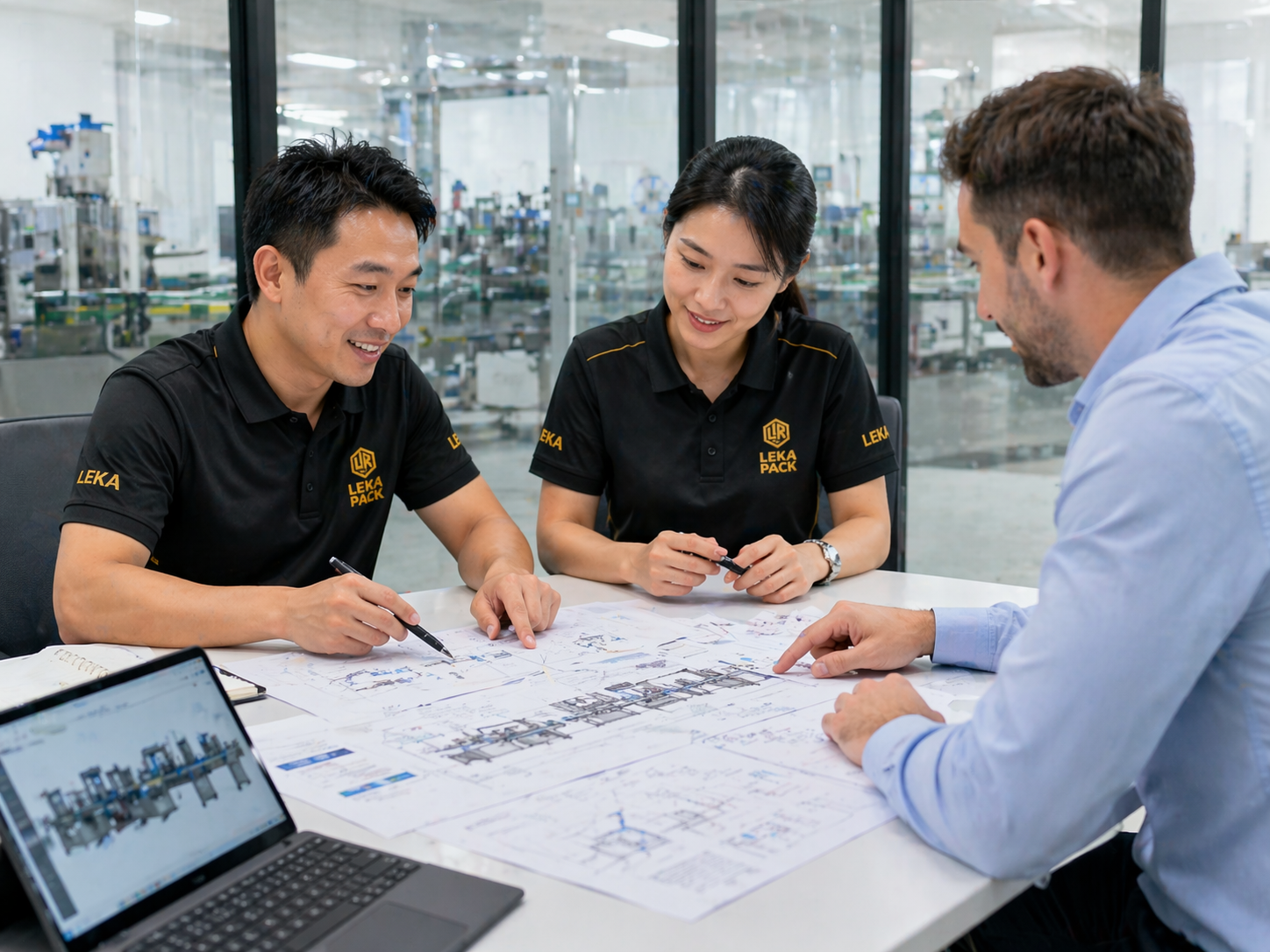
Confirm the Engineering Inputs
Review the sauce, package, output, voltage, air supply and layout before freezing the equipment proposal.
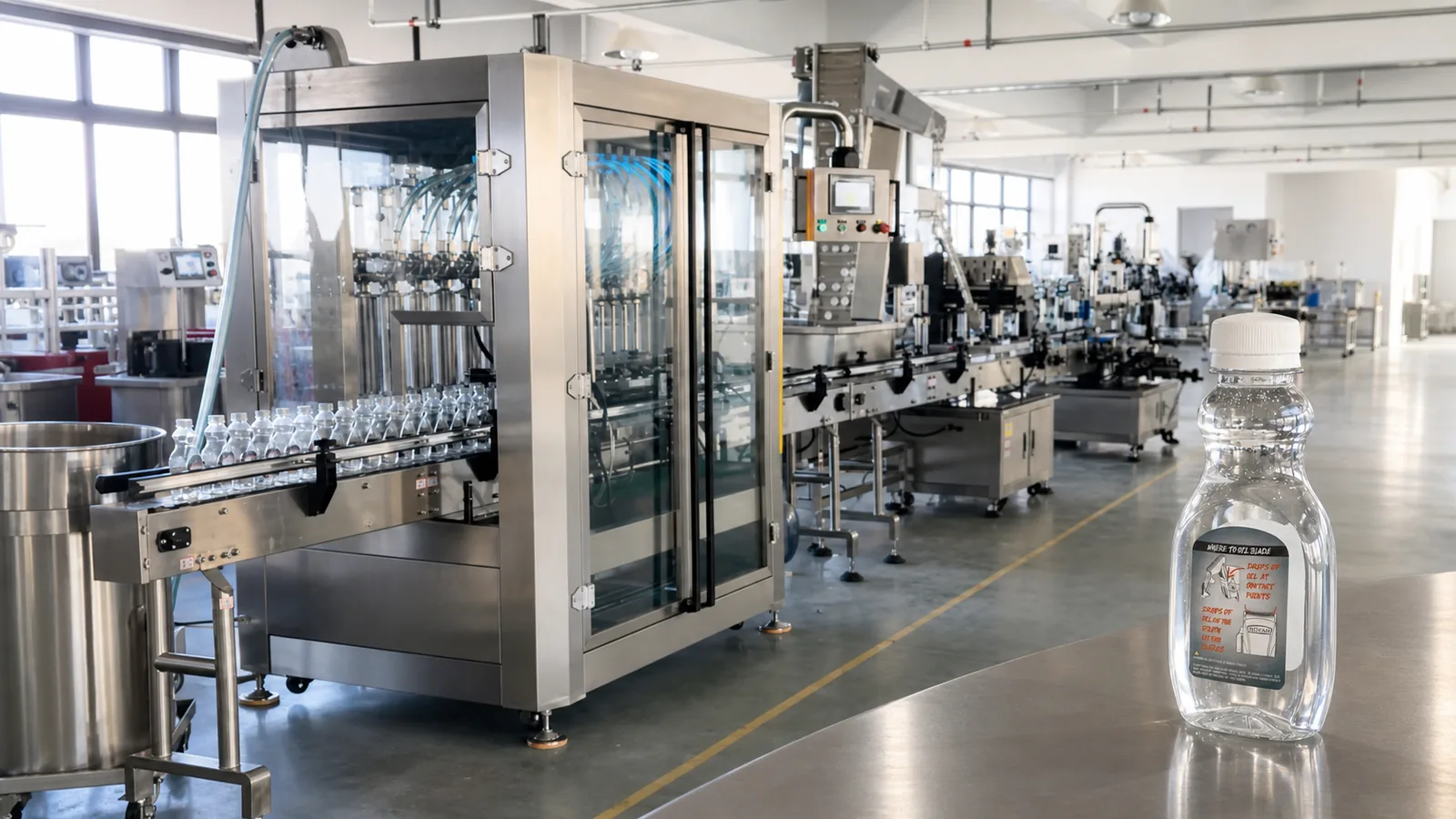
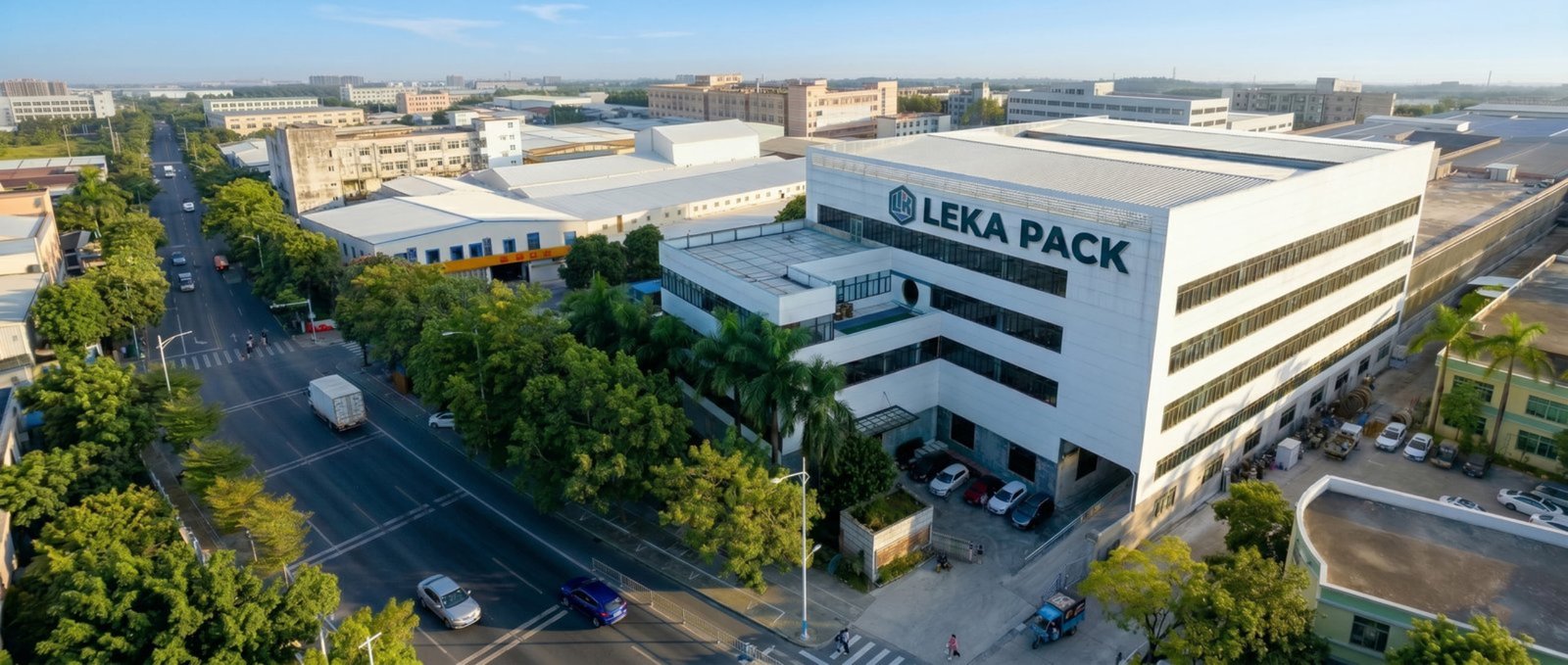
Review the Production Environment
Use the factory reference together with machine-specific photos, drawings and the agreed test plan during supplier review.
For quotation planning: the sauce filling machine price and RFQ guide explains which project details change equipment scope and cost.
Confirm Which Documents Apply to the Quoted Equipment
The images below are file references for supplier review. They do not mean every document applies to every machine, destination or project.
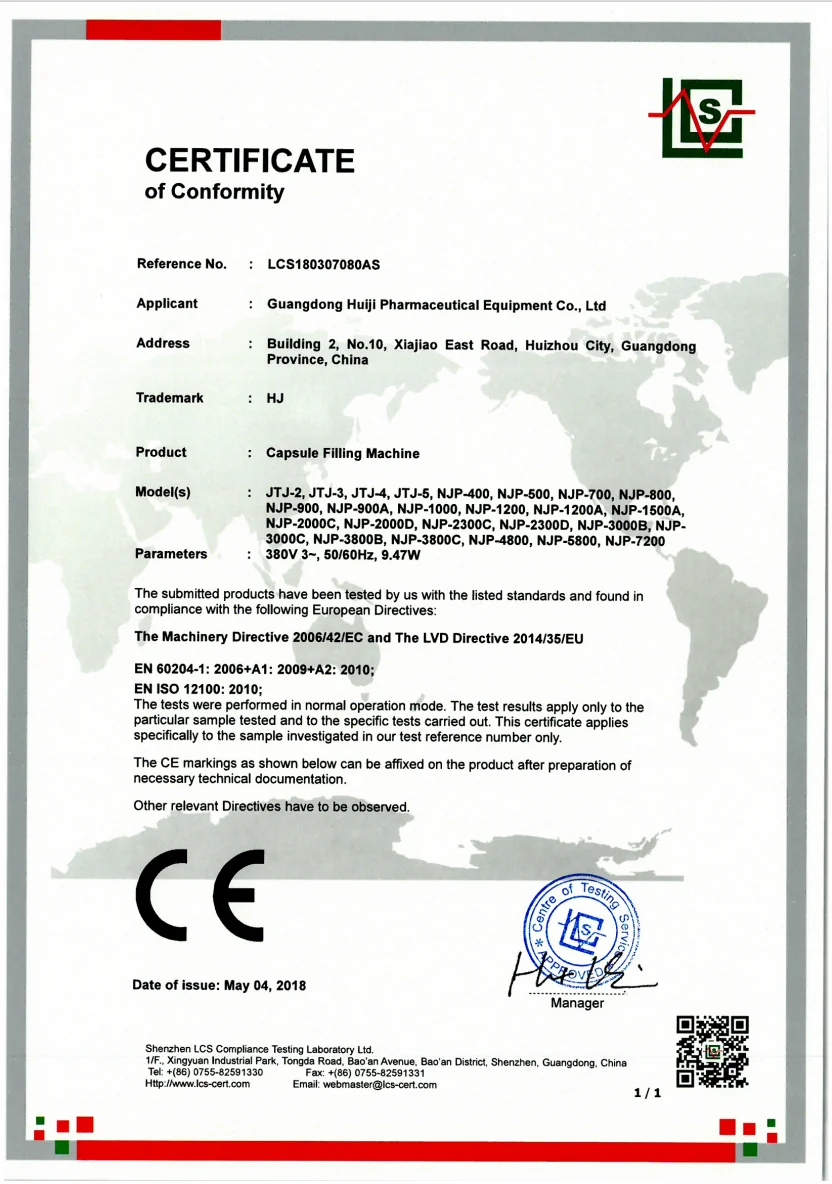
CE Document Reference
Ask which declaration and machine documents apply to the exact model and destination in your quotation.
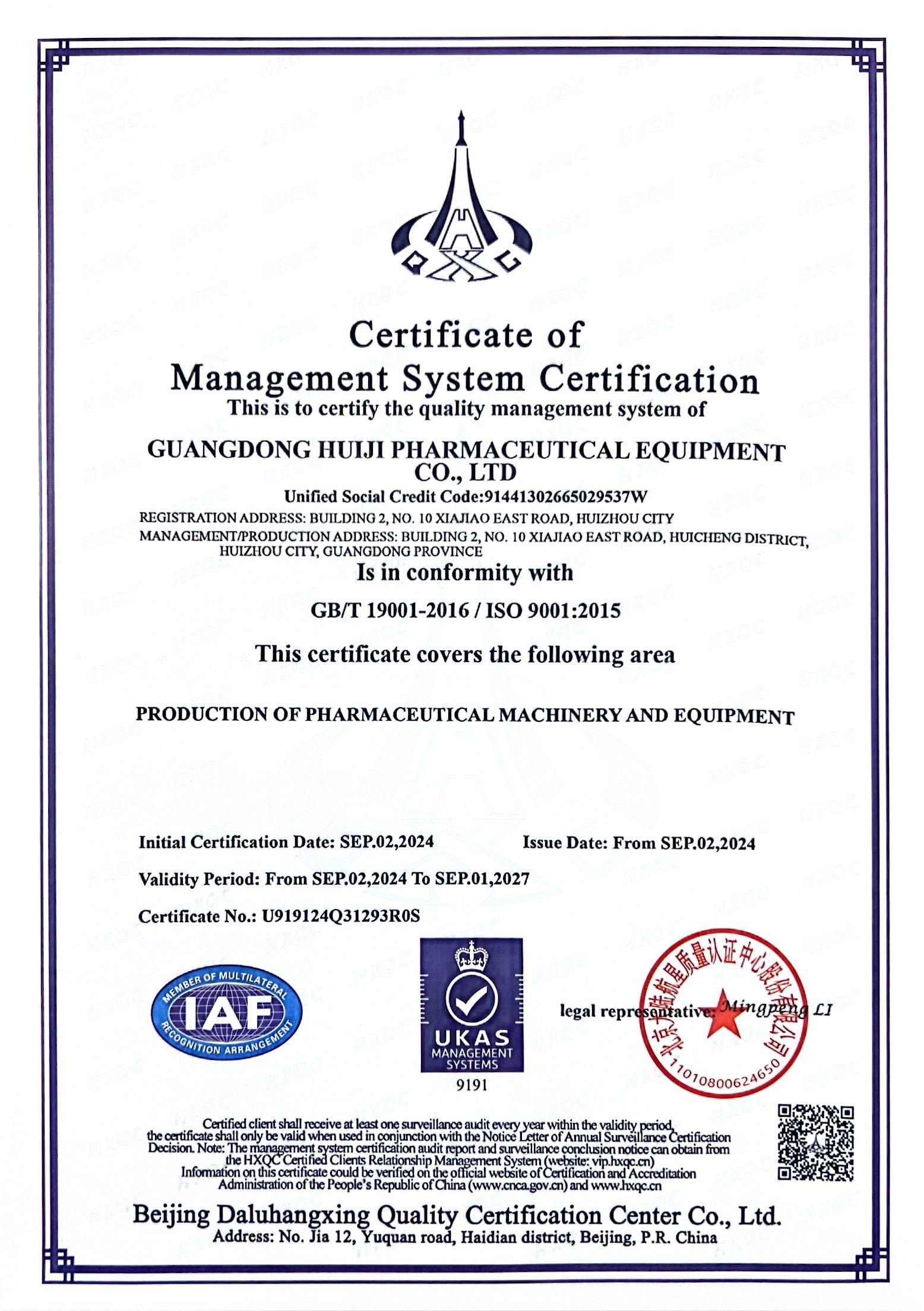
Management System Reference
Request the current file needed for your supplier qualification or purchasing review.
Review the LEKA Packaging Machinery Catalogue
Use the catalogue for an equipment overview, then send the actual sauce and package details for configuration.
Sauce Filling Machine FAQ
What type of sauce can this filling machine handle?
This sauce filling machine can be configured for hot sauce, chili sauce, tomato sauce, ketchup, BBQ sauce, dressing, mayonnaise, paste-like sauce and other viscous food products. Final configuration depends on viscosity, particles, filling temperature, bottle type and output target.
Which filling system is better for thick sauce?
Servo piston filling is usually recommended for thick sauce because it provides stronger product pushing force, stable filling volume and better anti-drip control. Pump filling, heated hopper or mixing tank options can also be reviewed according to the sauce sample.
Can the machine fill hot sauce bottles?
Yes. LEKA Pack Line can configure a hot sauce filling machine for glass bottles, PET bottles and small retail bottles. Sauce temperature, acidity, bottle mouth size, cap type and required filling accuracy should be confirmed before quotation.
Can it fill both bottles and jars?
Yes. The sauce filling equipment can be reviewed for bottles, wide-mouth jars, squeeze bottles and other containers. Bottle height, jar mouth diameter, filling volume, cap type and label position should be checked with real samples.
Is this sauce bottle filler suitable for small sauce bottles?
Yes. LEKA Pack Line can review a sauce bottle filler for small hot sauce bottles, condiment bottles and small jars. The final setup depends on filling volume, bottle mouth size, sauce viscosity, cap type, label position and whether you need manual, semi-automatic or automatic production.
Can LEKA Pack Line supply a complete sauce bottling line?
Yes. LEKA Pack Line can supply sauce filling, capping, labeling, date coding, conveyors, packing and case sealing equipment as a complete sauce bottling line, or provide single machines for project integration.
How do I choose the right sauce filling machine?
Send your sauce type, viscosity, particle size, bottle or jar photo, filling volume, cap type, label method, target output and factory layout. LEKA Pack Line will review the filling method, automation level and complete line configuration.
Send Your Sauce and Package Details to LEKA
LEKA will use the supplied product, container, output and factory information to identify a suitable filling-machine starting point and the tests required before final quotation.
Include These Details
- Sauce type, viscosity and filling temperature
- Largest particle or ingredient size
- Bottle or jar material, dimensions and mouth size
- Fill-volume range and number of package formats
- Cap type and label method
- Target containers per hour
- Manual, semi-automatic or automatic operation
- Voltage, compressed air and factory layout