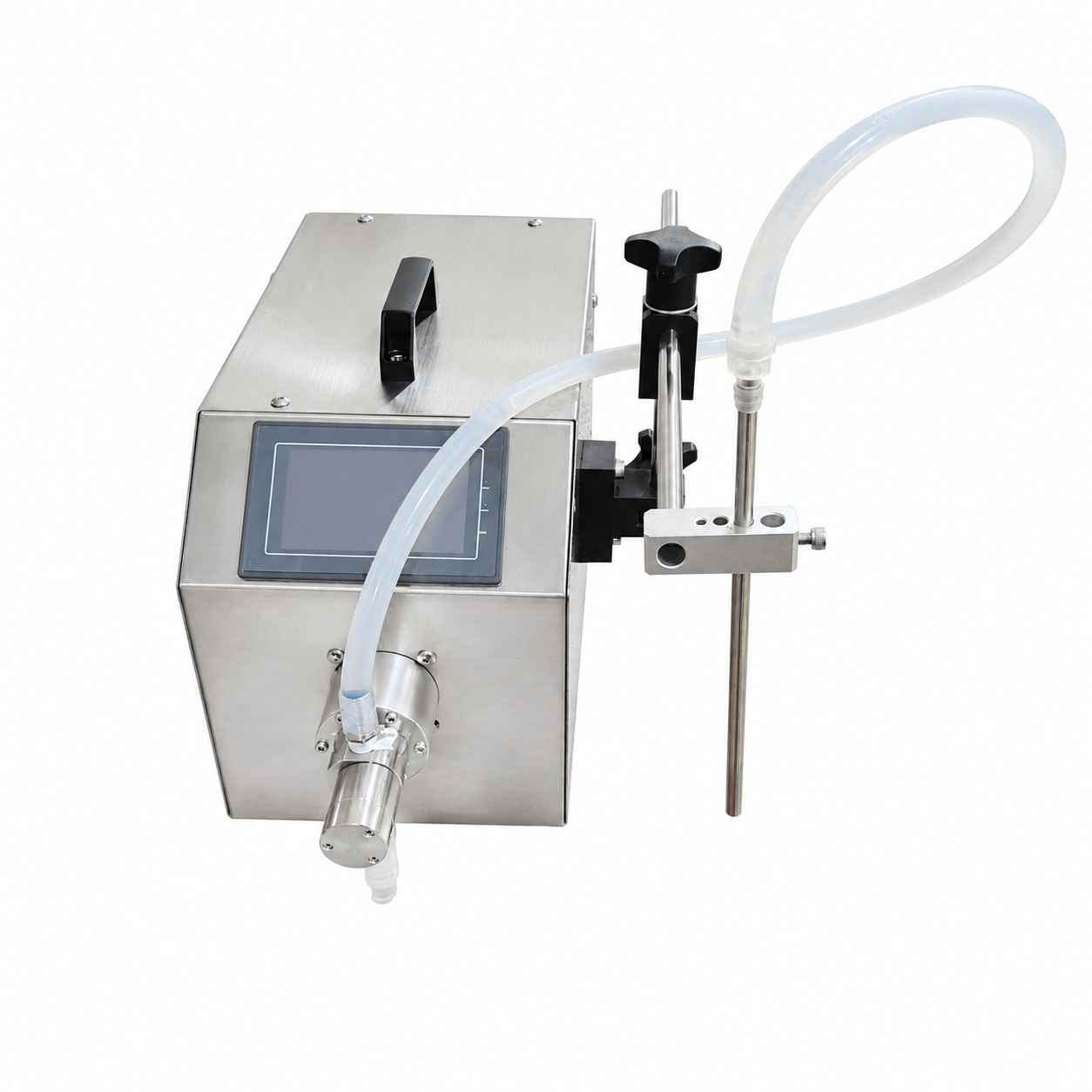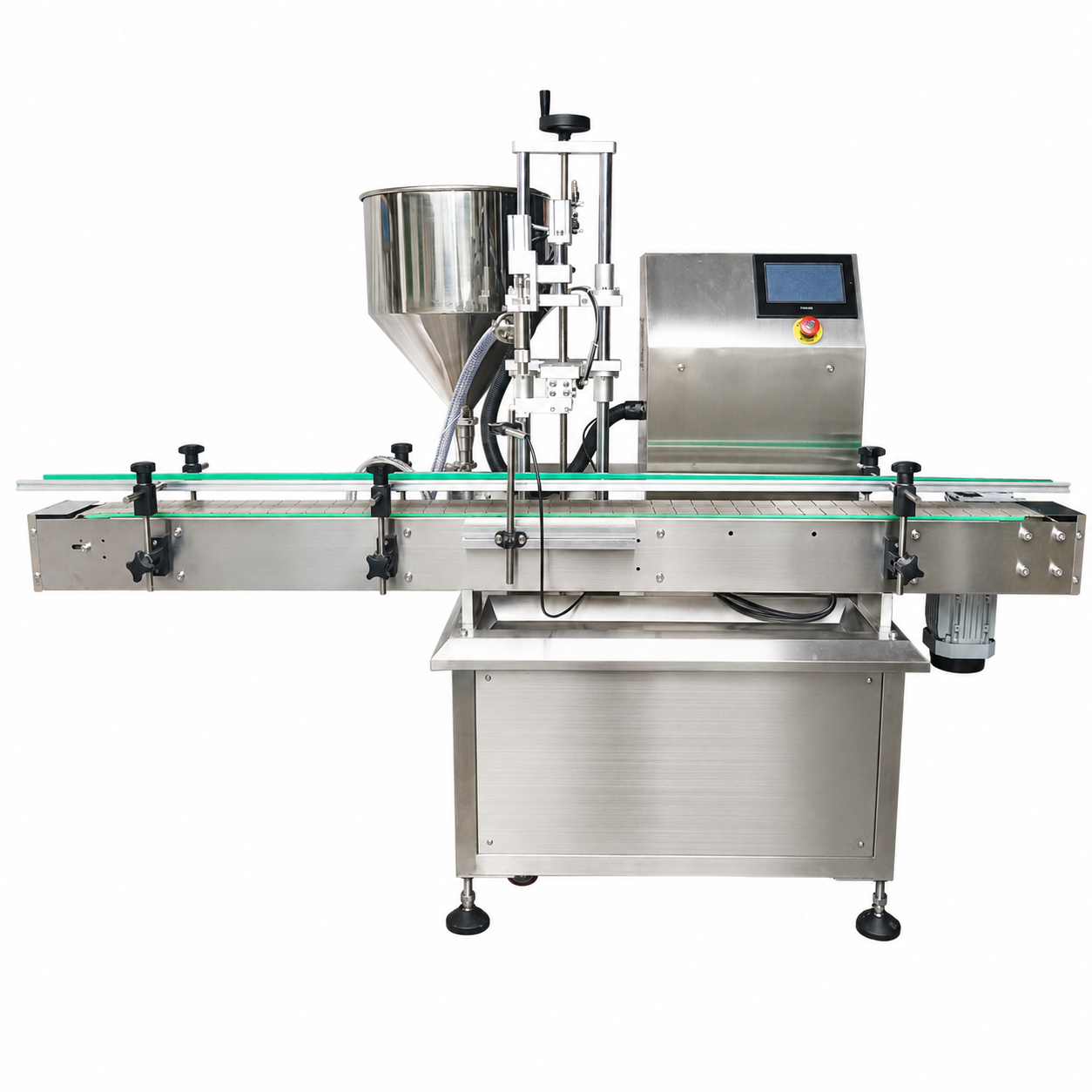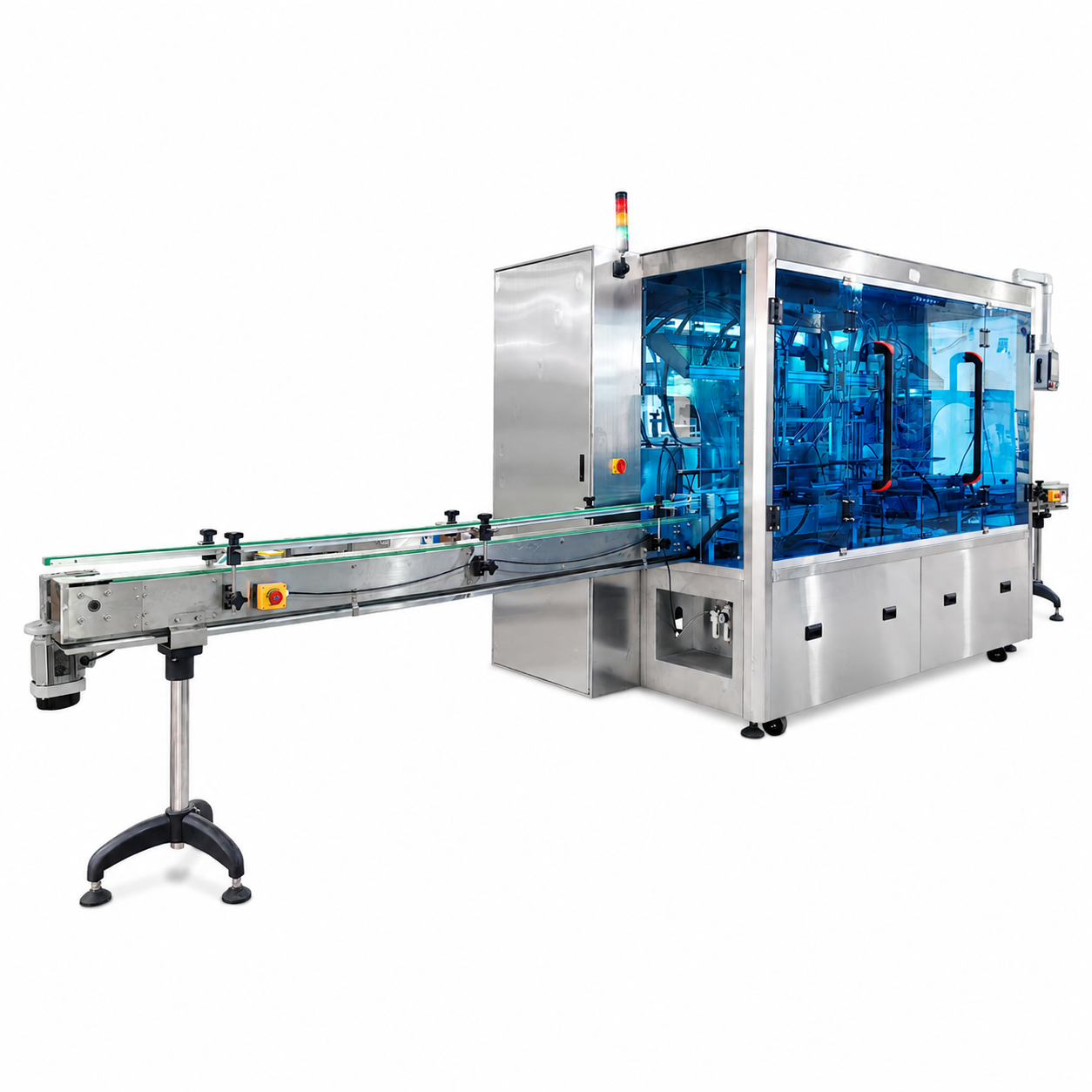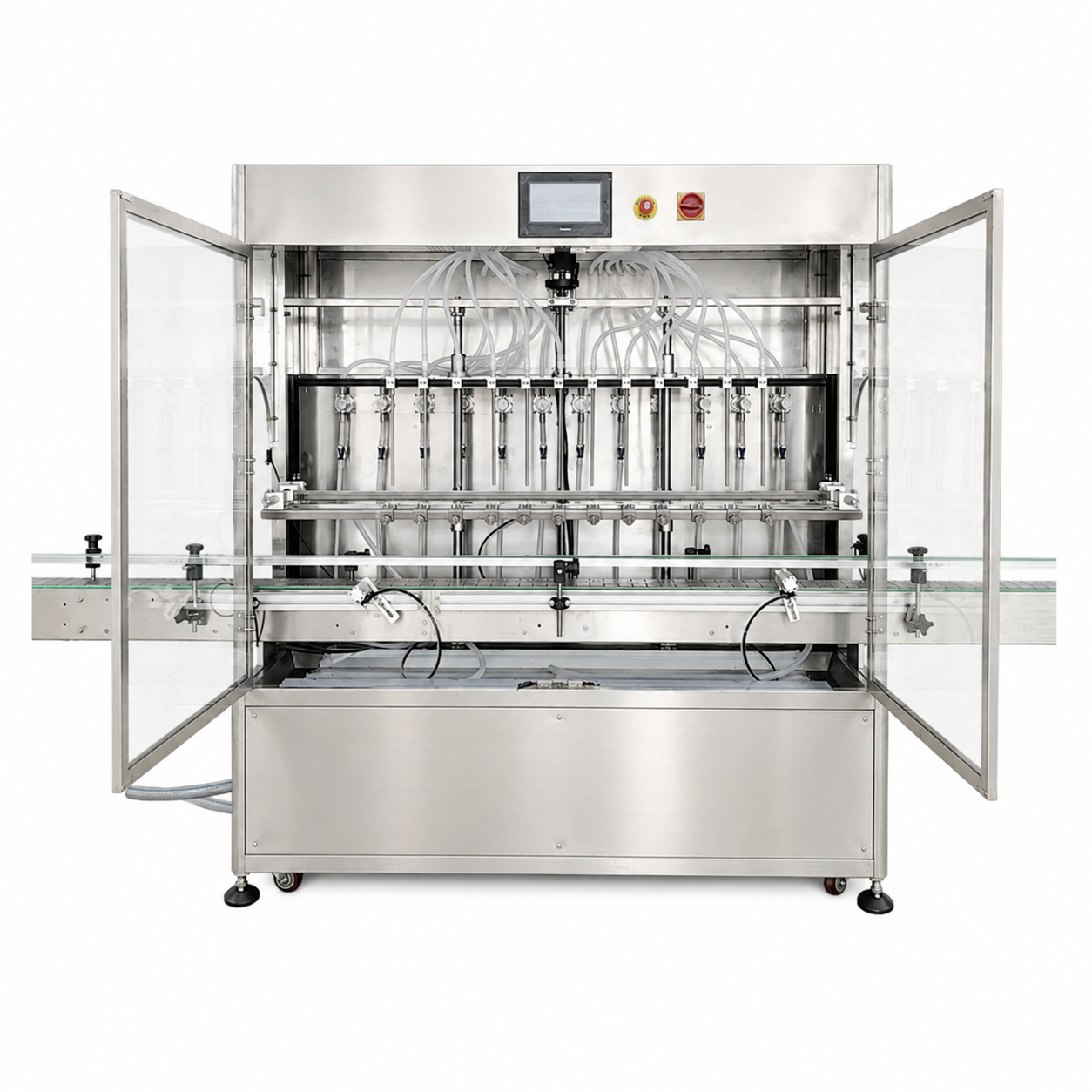
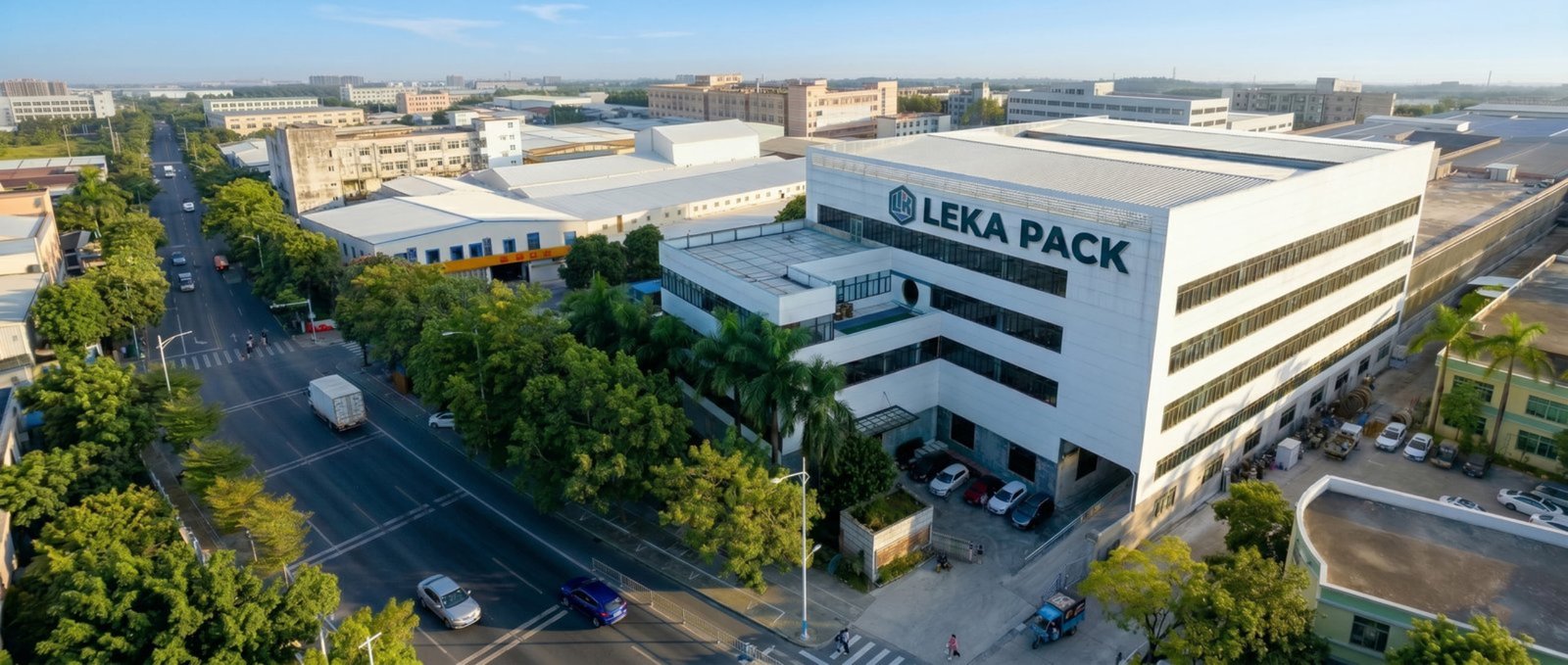
Bottle Filling Solutions

Bottle Filling Machine & Bottle Filling Equipment for Liquid Products

LEKA provides commercial bottle filling machine and bottle filling equipment solutions for liquid products, from compact automatic filling projects to complete bottling line equipment with rinsing, filling, capping, labeling, coding, and packing.

Instead of quoting by machine name only, we review your liquid type, bottle volume, bottle shape, required output, cap type, factory layout, and automation level before recommending a practical bottle filler configuration.

Automatic bottle filling machine selection
Small-scale and factory production planning
Single filler or complete bottling line equipment
Technical support from inquiry to after-sales
commercial bottling machine-sales
Complete Line View

From Bottle Feeding to Final Packing, the Filling Machine Is Only One Part of the Line

Many buyers search for a bottle filler, but the real project often involves more than the filling station. Bottle rinsing, filling, capping, labeling, coding, packing, and conveyor layout all affect production stability.

  • Use this page to decide whether you need a single automatic bottle filling machine or a complete bottling line equipment solution.
  • For water bottling equipment, oil filling, daily chemical liquids, and other flowing products, the machine configuration should follow the bottle, liquid, output, and cap type.
  • If your current process is manual, this section helps you understand what changes when moving into automatic filling.
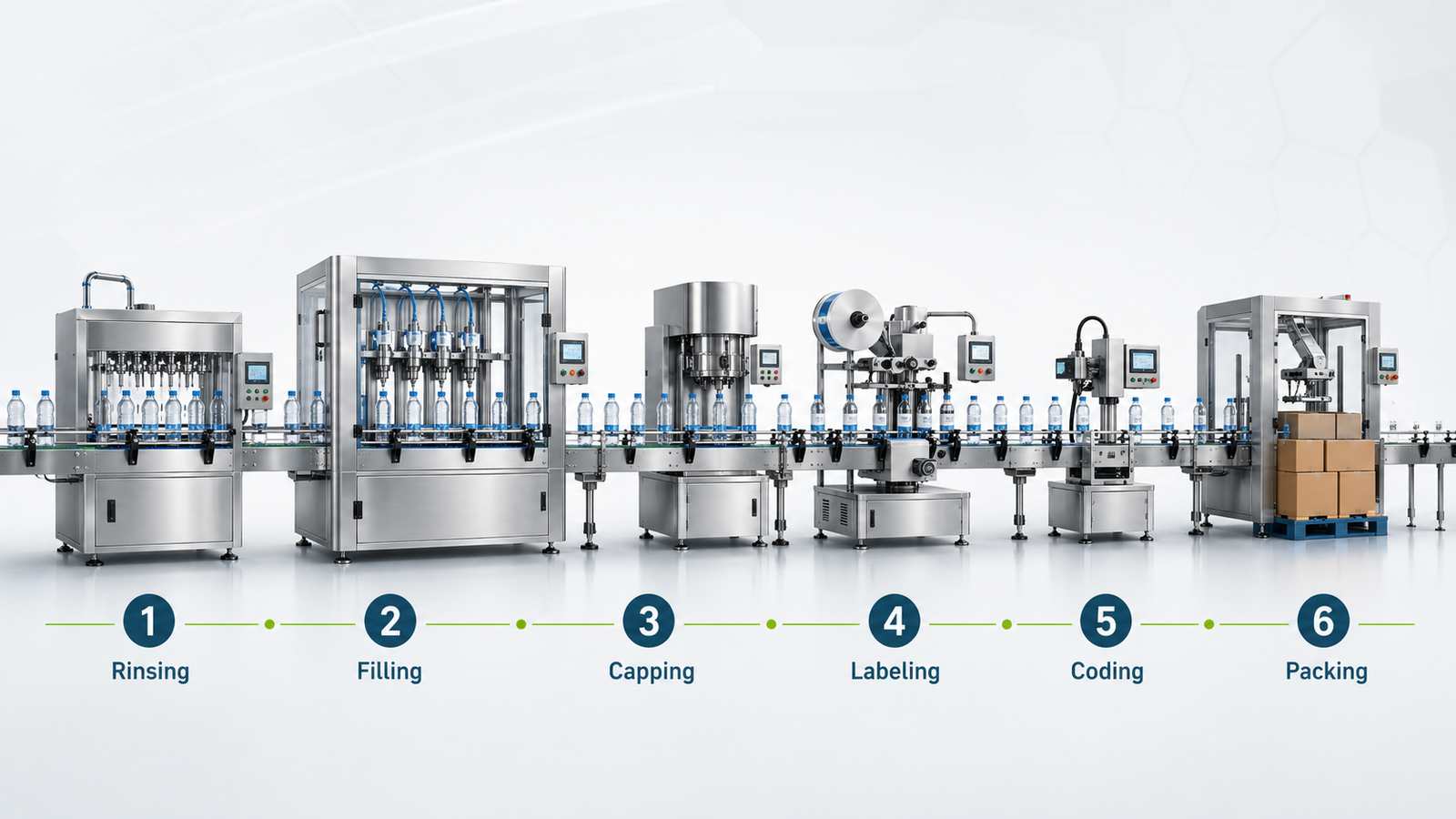
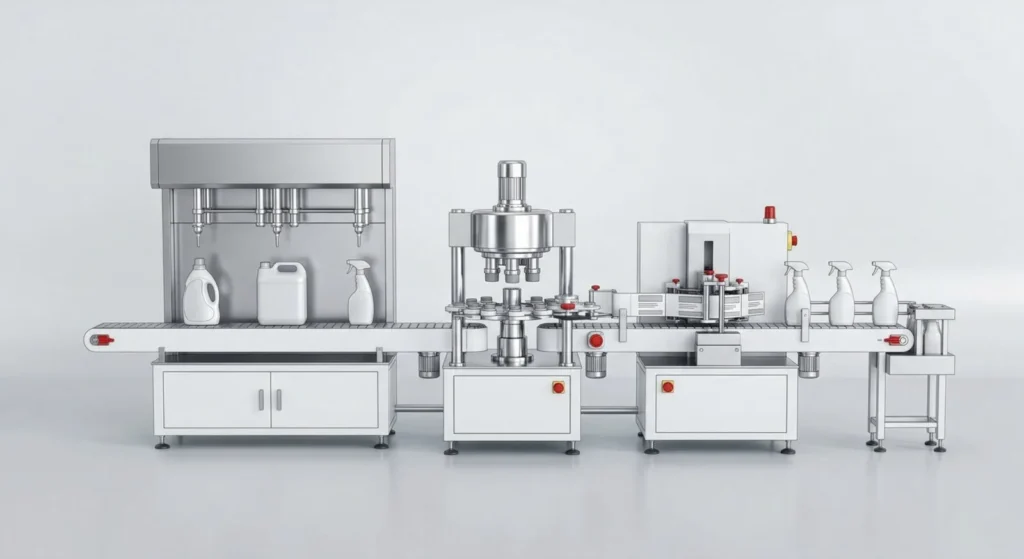
Complete bottle filling line process including rinsing, filling, capping, labeling, coding and packing
This visual is used as a process reference. Your actual line may be shorter or longer depending on bottle type, production speed, filling material, cap structure, labeling method, and packing requirement.
What This Page Solves

Not Just a Product Page. A Practical Selection Page for Bottle Filling Projects.

This page is built around real buying questions: automatic or semi-automatic, small scale or factory line, single filler or full line, and what details are needed before quotation.

01

Machine Type

Understand whether your project needs an automatic bottle filling machine, a compact bottle filler, or a larger filling line.

02

Product Fit

Check whether the machine direction fits water, beverage, oil, chemical liquid, daily-use liquid, or other flowing products.

03

Line Structure

See how bottling line equipment can include rinsing, filling, capping, labeling, coding, conveyors, and packing equipment.

04

Quotation Details

Prepare the bottle volume, liquid type, cap style, speed target, voltage, layout, and automation level before requesting a quote.

Applications

Bottle Filling Equipment for Common Liquid Products

A bottle filling machine should not be selected only by keyword. The right filling method depends on liquid characteristics, bottle size, foam level, accuracy requirement, and cleaning needs.

Water & Beverage Filling

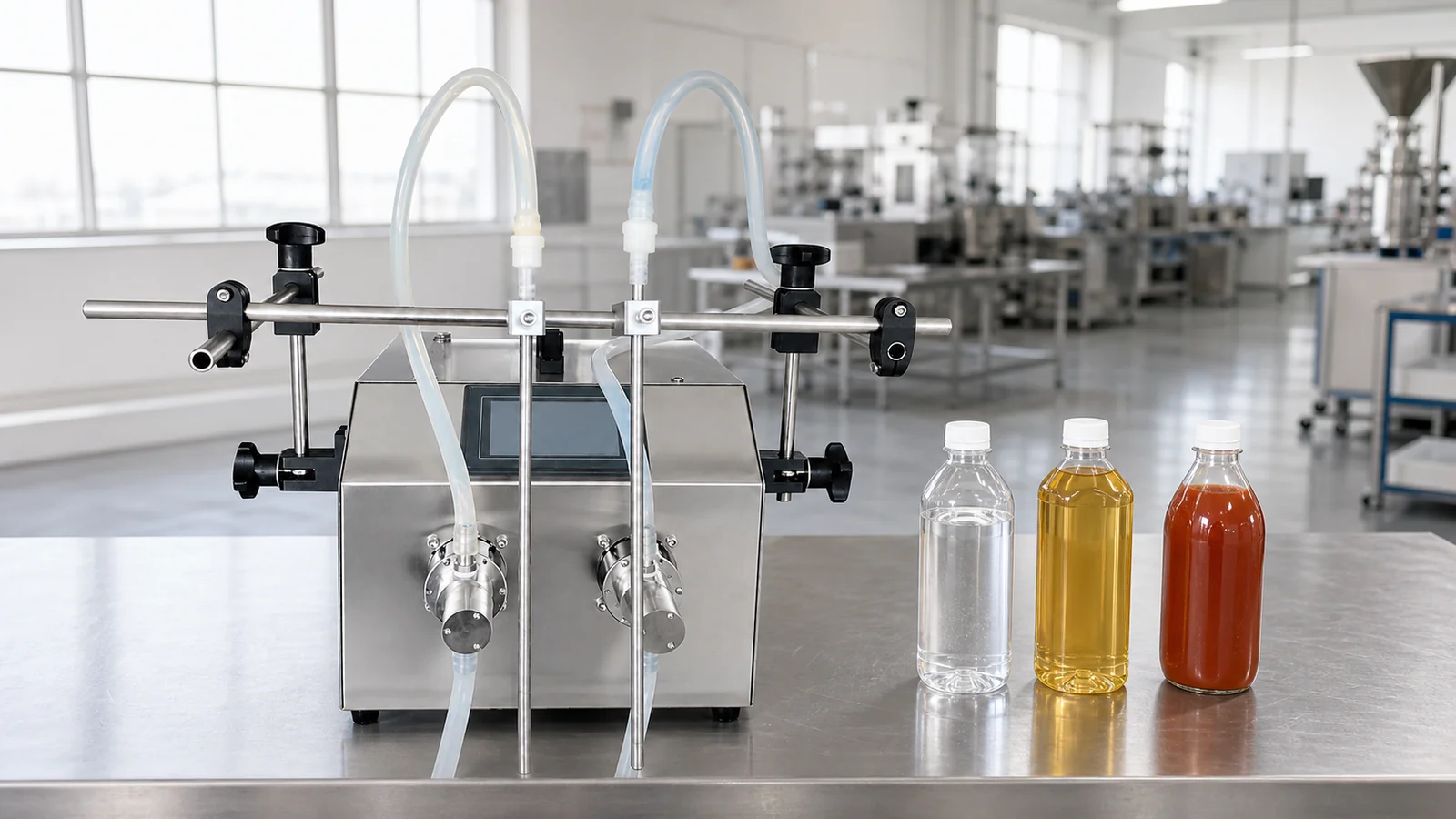
For drinking water, beverage, and similar low-viscosity liquids, the equipment usually focuses on stable filling speed, clean transfer, bottle positioning, and smooth capping connection.

  • Water bottling equipment
  • Bottle rinsing machine connection
  • Filling, capping, labeling line planning

Oil & Daily-Use Liquids

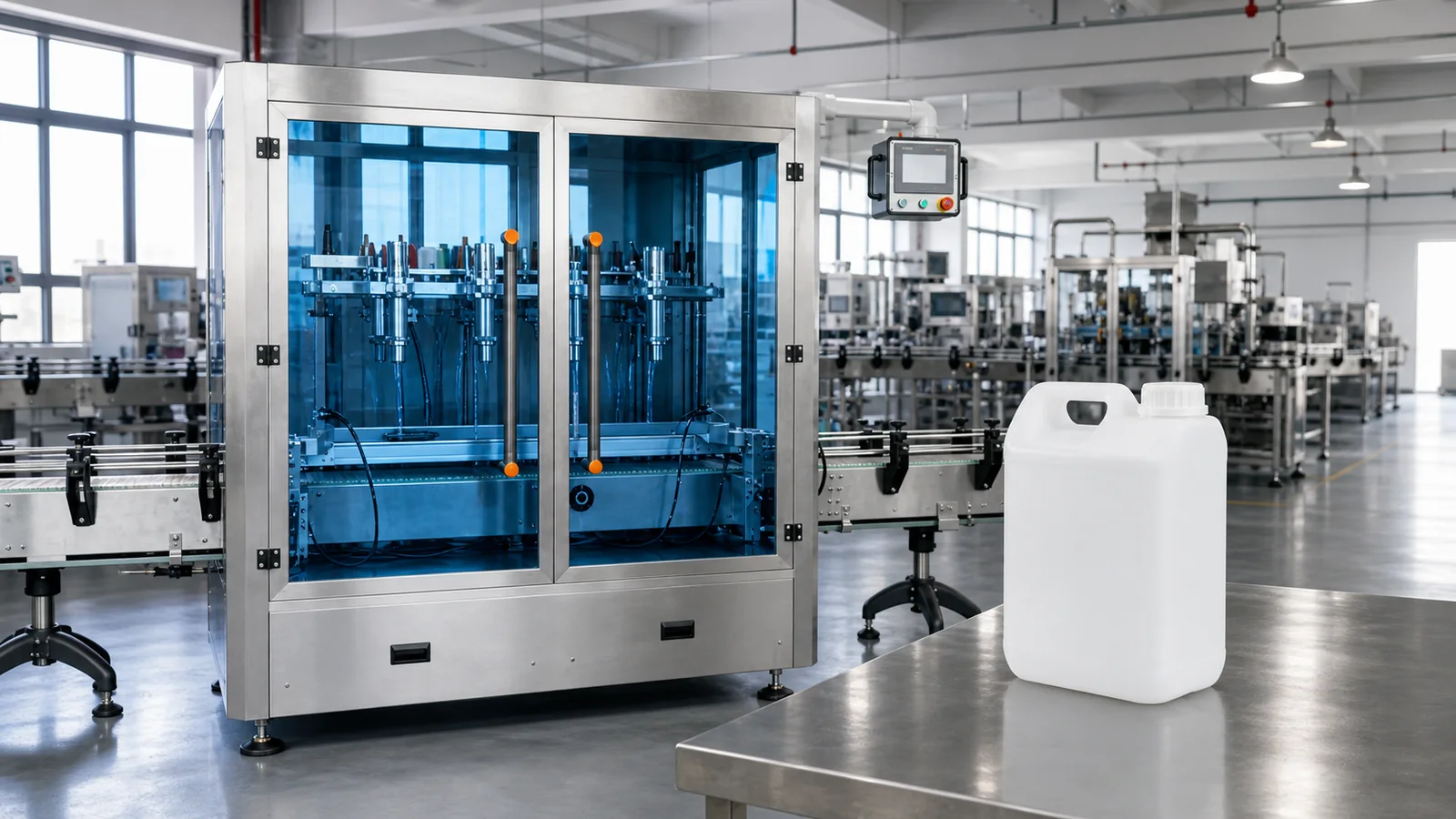
For edible oil, lubricant, detergent, shampoo, and daily chemical liquids, the filling system needs to consider viscosity, dripping control, bottle neck size, and filling accuracy.

  • Piston or flowmeter filling options
  • Anti-drip nozzle configuration
  • Custom bottle and cap matching

Small-Scale Production

For small scale bottle filling machine projects, the goal is usually to reduce manual handling while keeping the machine compact, affordable, and easier to operate.

  • Lower filling head count
  • Compact line layout
  • Room to upgrade later
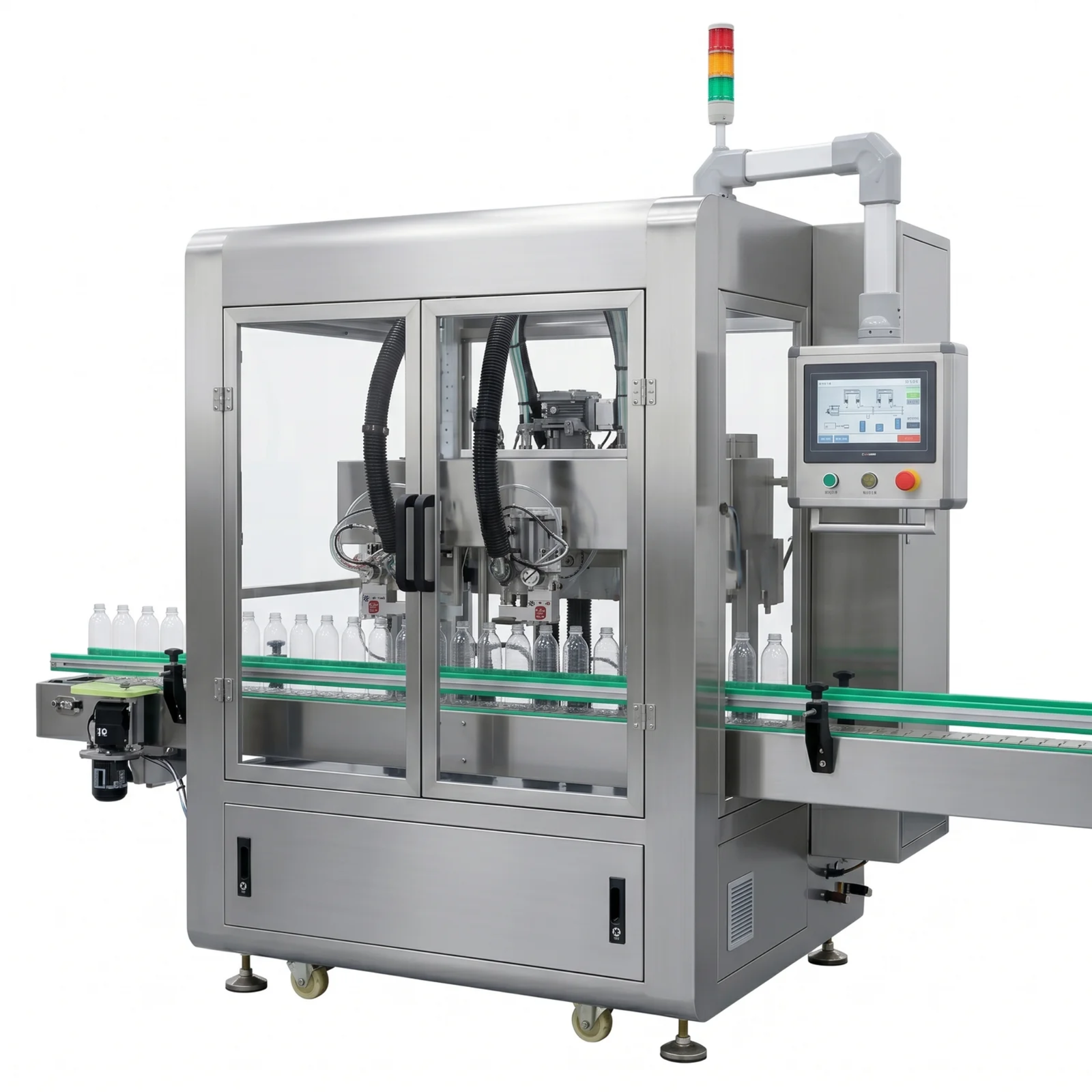
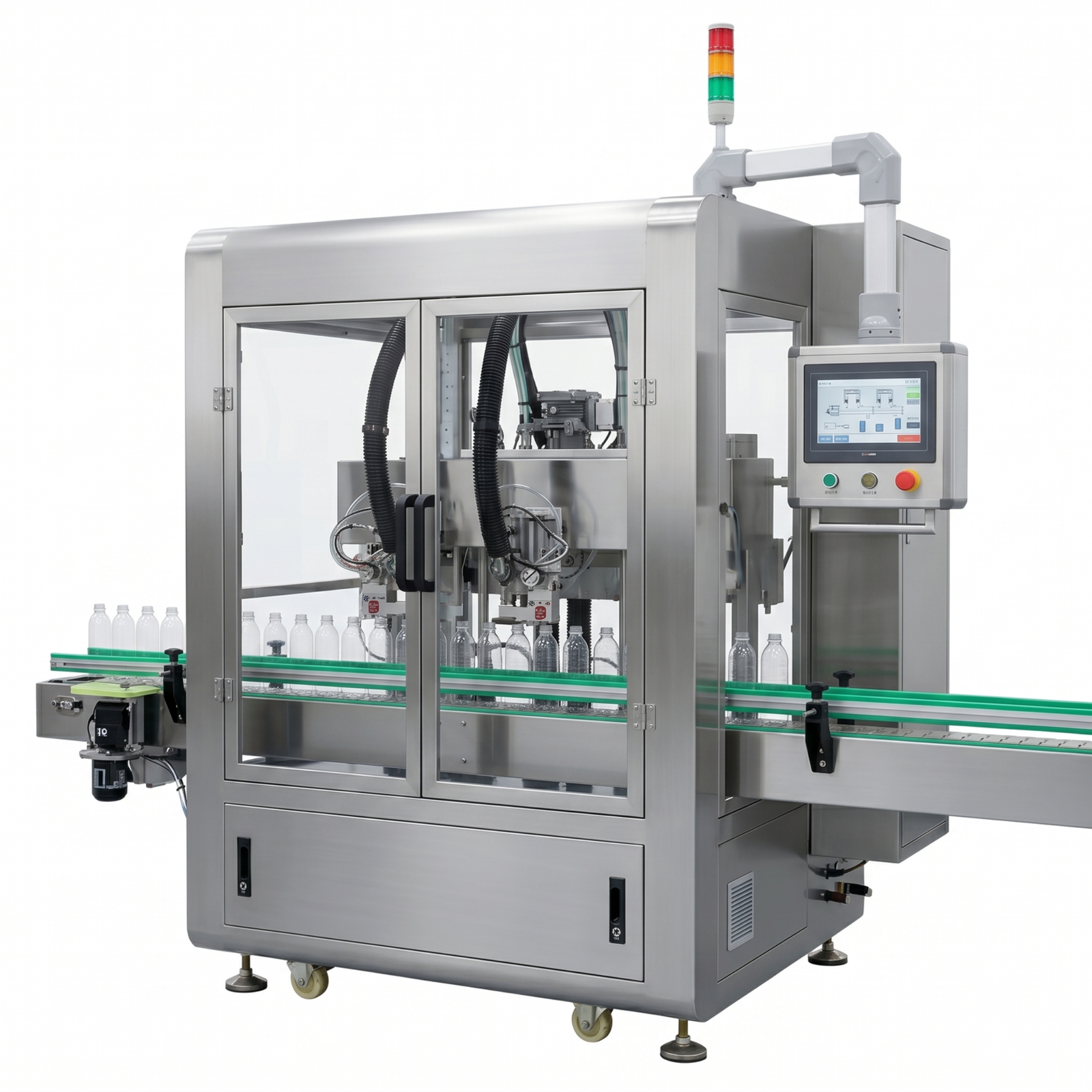
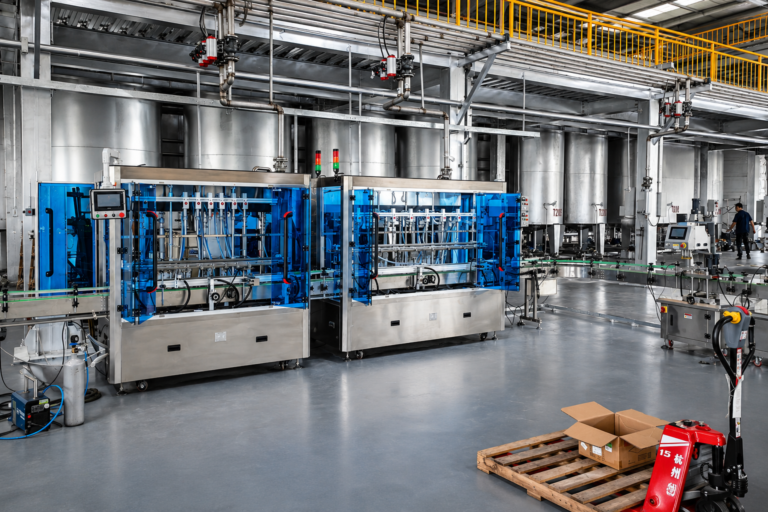
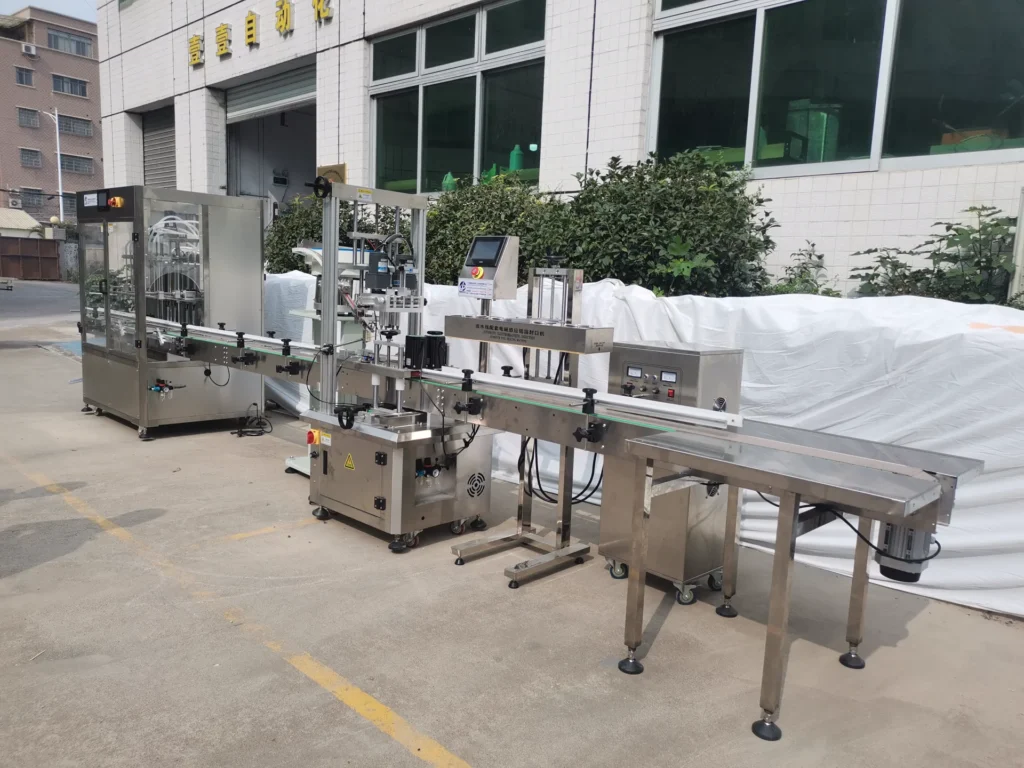
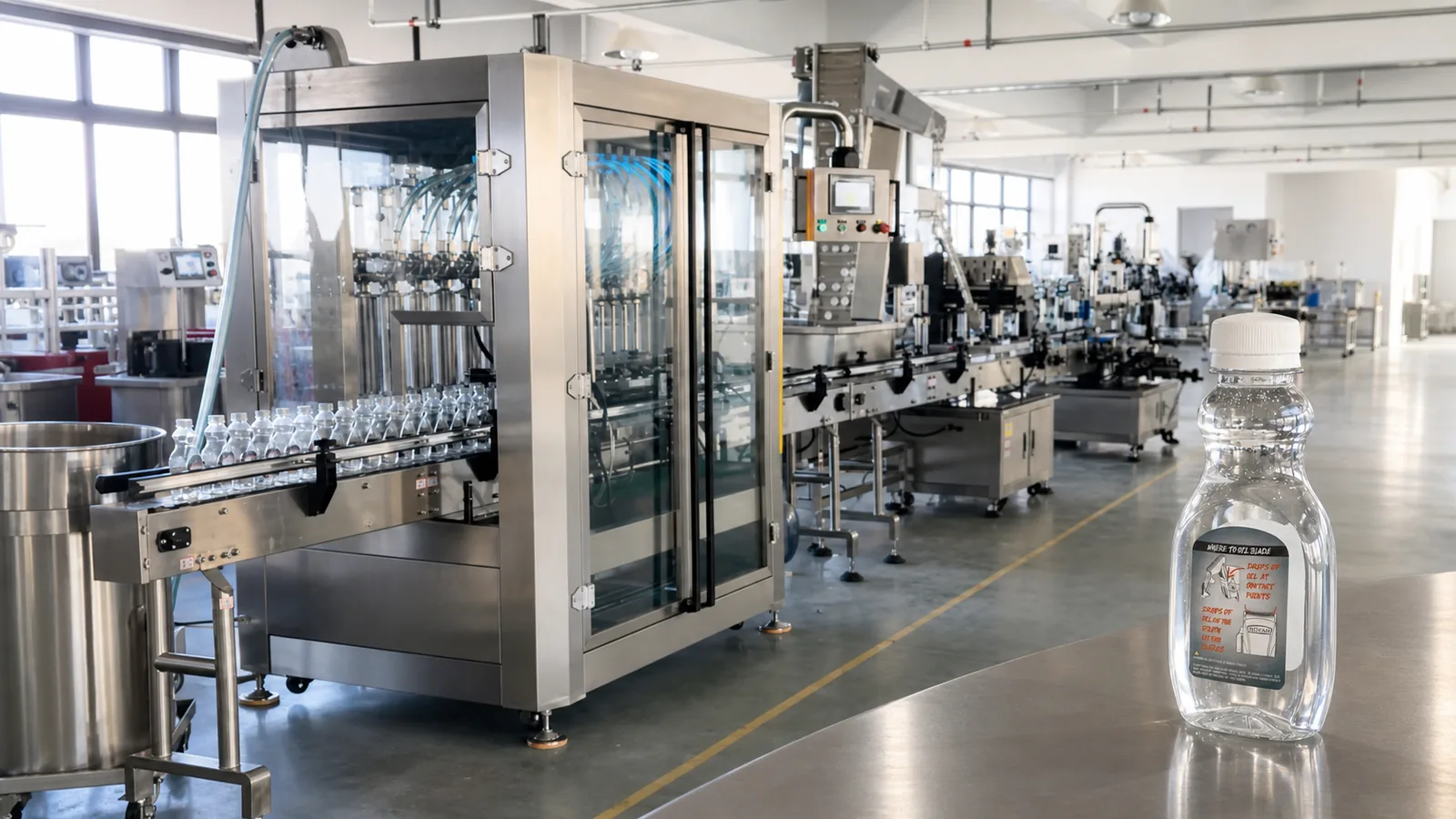
LEKA automatic bottle filling machine for liquid bottle production
Automatic bottle filling machine reference

Machine appearance and final configuration may vary according to filling head count, bottle size, liquid type, and line layout.

Selection Logic

How We Match a Bottle Filler to Your Production Requirement

The same keyword can mean different machines. A commercial bottle filler for a small workshop is not the same as a complete automatic bottle filling machine for factory production.

We usually confirm these points first:

  • Liquid type: water-like, oil-like, foaming, corrosive, sticky, or with particles.
  • Bottle details: bottle material, volume, neck size, shape, and stability on conveyor.
  • Cap type: screw cap, press cap, pump cap, trigger cap, or special closure.
  • Output target: bottles per hour, shift length, and future expansion plan.
  • Automation level: single filling machine, filler with capper, or complete bottling line equipment.
  • Factory details: available space, voltage, compressed air, operator number, and installation condition.
Machine Operation Video

Watch the LEKA-FL2H Bottle Filling Machine in Operation

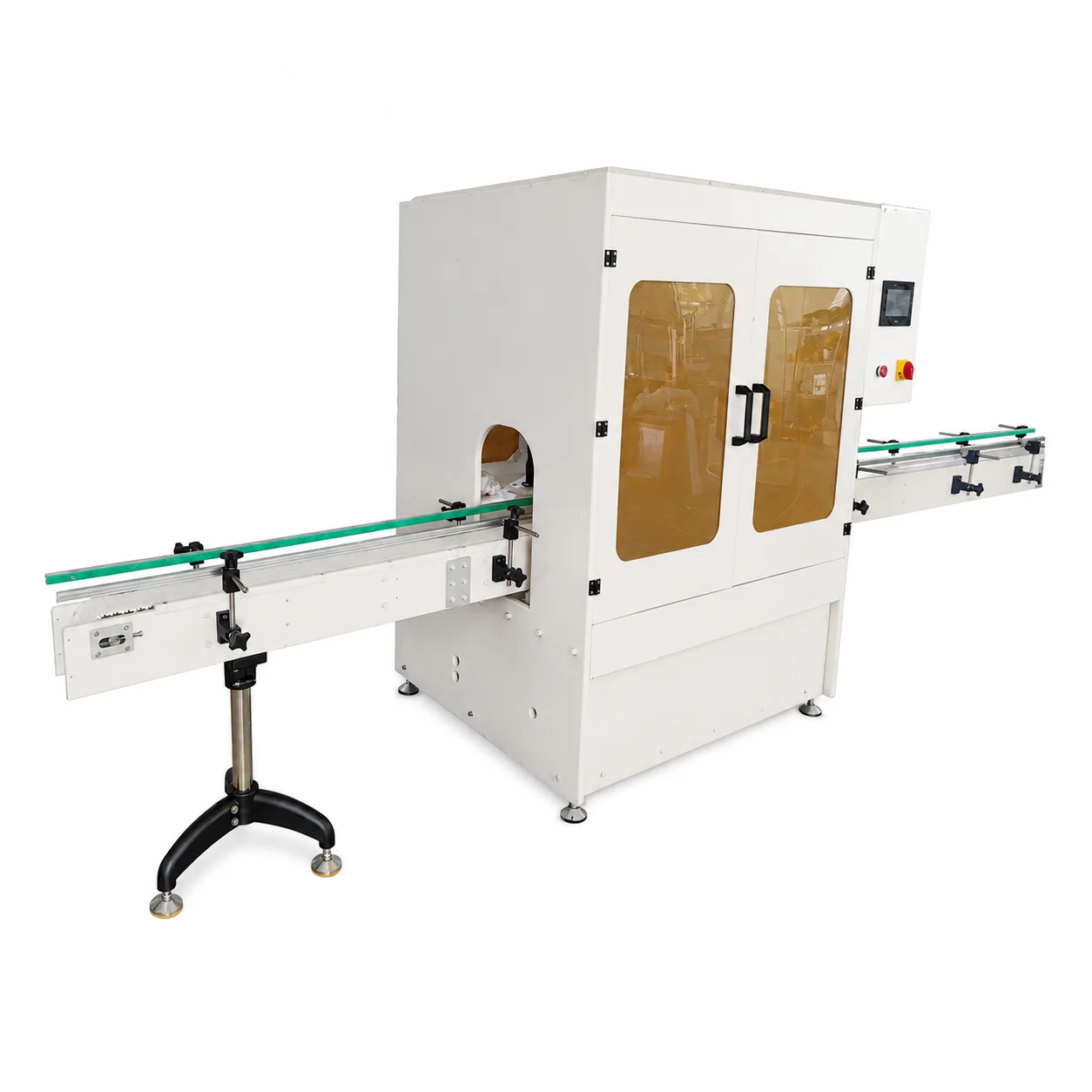
This video gives buyers a more direct view of the LEKA-FL2H automatic bottle filling machine during liquid bottle production. It helps you understand machine movement, bottle transfer, filling workflow, and compact line operation before discussing configuration.

  • See how bottles move through the filling section during operation.
  • Review the machine structure, filling area, conveyor direction, and compact production layout.
  • Use the video as a reference when comparing different filling head options and automation levels.
LEKA-FL2H operation reference
Automatic bottle filling workflow
Compact conveyor and filling layout
Useful before quotation discussion
Video is used as an operation reference. Final machine configuration may change according to liquid type, filling volume, bottle size, cap style, filling head count, and production output requirement.
Model Selection

Automatic Bottle Filling Machine Model Options

The models below are used as selection references. Final speed and configuration depend on filling volume, liquid property, bottle shape, filling accuracy, cap type, and line structure.

Model Filling Heads Suitable Project Type Reference Output Direction Typical Use Selection Note
LKFL-1HF 1 Head Entry automatic filling / small production Lower output, flexible testing and small-batch use Small scale bottle filling machine projects Good for buyers moving away from manual filling but not ready for a larger line.
LKFL-2HF Common Choice 2 Heads Compact automatic bottle filling machine Balanced output and space control Water-like liquid, oil-like liquid, daily-use liquid projects Suitable when the buyer wants automation but still needs a compact footprint.
LKFL-4HF 4 Heads Growing production line Medium output direction Commercial bottle filler and small factory production Often considered when production becomes too slow with 1-head or 2-head filling.
LKFL-6HF 6 Heads Factory production Higher output direction Automatic bottle filling machine with line integration Usually needs stronger planning around conveyor, capping, labeling, and operator workflow.
LKFL-8HF 8 Heads Higher capacity bottling line Higher output and stronger line coordination Bottling line equipment projects Better for customers with clearer output targets, factory layout, and continuous production needs.
Note: LEKA does not recommend choosing only by the number of filling heads. A correct solution should also check liquid viscosity, foam level, filling volume, bottle stability, cap type, cleaning needs, and whether your line needs rinsing, capping, labeling, coding, or packing.
Upgrade Path

Manual Bottle Filler vs Automatic Bottle Filling Machine

Some buyers start by searching for a manual bottle filler because the budget is lower. That is normal. But when daily production grows, manual filling often creates problems in speed, labor cost, filling consistency, and packaging workflow.

When automatic filling becomes more practical

  • Your operators spend too much time filling, moving, capping, and checking bottles.
  • Filling volume is inconsistent between bottles.
  • You need a cleaner and more repeatable production process.
  • You want to connect filling with capping, labeling, coding, or packing later.
  • You are preparing for commercial production instead of sample-level filling.

Important Note

LEKA does not position this page as a manual bottle filler sales page. We use this comparison only to help buyers understand when manual filling is no longer suitable and when an automatic bottle filling machine should be considered.

Manual Lower initial setup, but limited speed and consistency.
Automatic Better for repeatable output, line connection, and long-term production.
Line Equipment

Complete Bottling Line Equipment Around the Filling Machine

If your project goes beyond one filler, we can help match supporting equipment around the line. This keeps the process more complete and helps reduce mismatch between machines.

Bottle Rinsing Machine

Used before filling when bottles need basic cleaning, air rinsing, or water rinsing according to product and hygiene requirements.

Filling Machine

The core bottle filling equipment, configured by filling head count, liquid type, filling volume, accuracy requirement, and output target.

Capping Machine

Matched according to screw cap, pump cap, trigger cap, press cap, or special closure requirements.

Labeling Machine

Can be selected for round bottles, flat bottles, front-back labels, wrap-around labels, or other label formats.

Coding & Marking

Used for production date, batch number, QR code, or other product traceability information.

Packing Support

Can include shrink wrapping, carton sealing, conveyors, turntables, and other line-side equipment based on final packing needs.

Factory & Project Support

Built Around Real Production, Not Only Catalogue Photos

A filling project needs practical communication between sales, technical, production, packing, and after-sales teams. We help customers clarify the equipment direction before the quotation becomes too complicated.

LEKA Pack Line team and factory support
Factory communication

Project discussion, technical confirmation, and production follow-up are handled step by step.

LEKA packaging line workflow process
Workflow planning

We confirm product, bottle, output, voltage, layout, and line connection before final configuration.

LEKA Pack Line delivery and after-sales support
Delivery and support

Machine packing, shipment coordination, and after-sales follow-up remain part of the project.

After-Sales Support

Support That Still Matters After the Machine Arrives

Customers do not only care about the machine itself. They also care about installation, operator training, spare parts, troubleshooting, and what happens when production meets a problem.

365-Day Basic Warranty Support

From the date the machine is signed and received, if a non-human fault happens within 365 days, we provide replacement parts for covered components according to the actual situation.

24-Hour Online Communication

We provide online communication, video diagnosis, operation guidance, and troubleshooting support to help reduce production interruption.

On-Site Service When Needed

When the situation requires direct handling, dedicated after-sales staff can travel for repair, commissioning, and technical support based on project arrangement.

Spare Parts Dispatch

We keep spare parts inventory for regular service needs and can arrange dispatch according to the failure situation, destination, and logistics condition.

Installation Videos

Every machine is supplied with installation and commissioning videos to help customers understand installation, operation, and basic maintenance more clearly.

Clear Communication

English support and translation tools are used when needed, so project discussion and after-sales communication can stay efficient across different markets.

Certificates & Documentation

Certificate References for Formal Quotation and Export Discussion

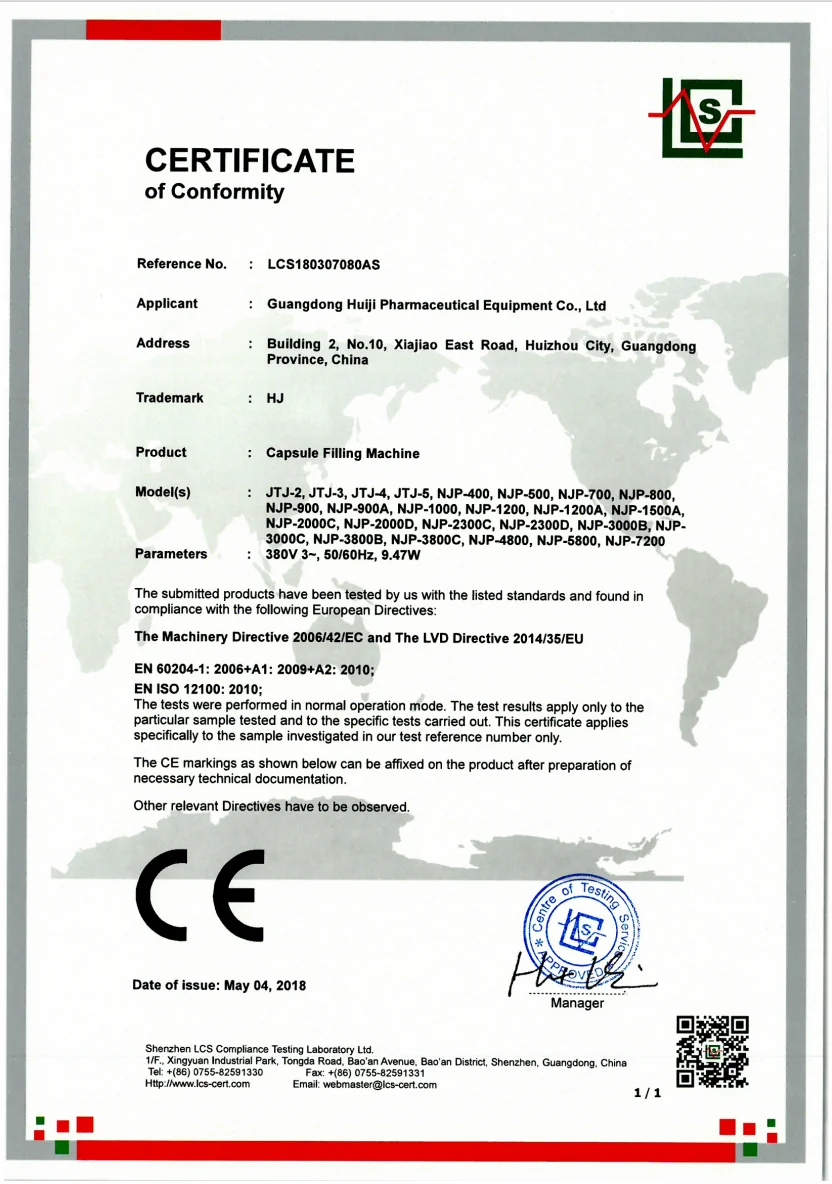
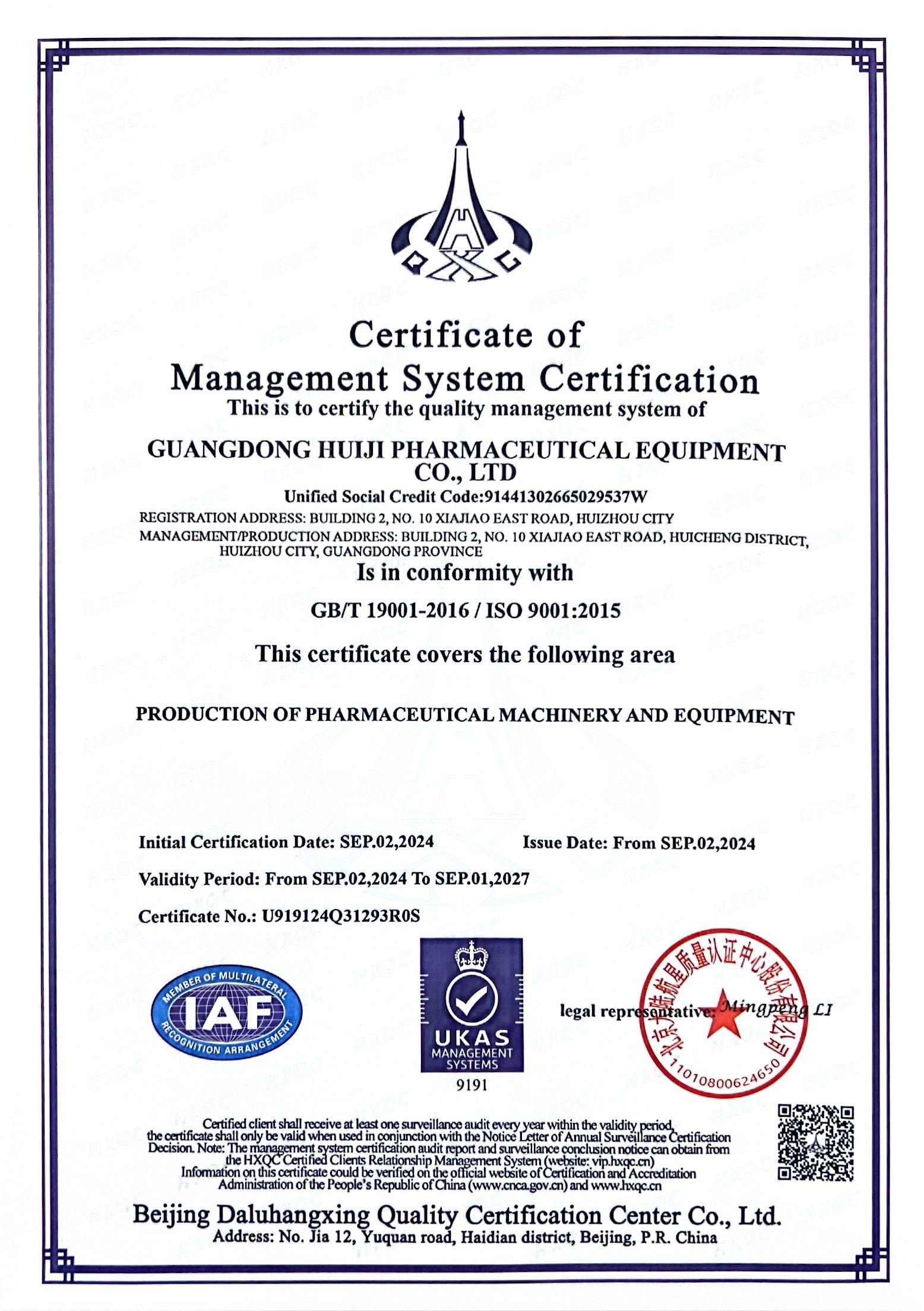
Certificate previews are displayed as trust references only. Full documents can be checked during formal quotation, compliance discussion, and shipment preparation when the machine model and destination market are confirmed.

  • CE certificate preview for machine compliance reference.
  • Management system certification preview for company documentation reference.
  • Export documents can be discussed according to project and destination requirements.
CE certificate preview for LEKA Pack Line equipment
Management system certification preview for LEKA Pack Line
Before Quotation

Send These Details to Get a More Accurate Bottle Filling Machine Recommendation

A better quotation starts with better project information. You do not need to prepare a full technical file, but these details help us avoid wrong machine direction.

Product

  • Liquid name
  • Viscosity or flow condition
  • Foam, particles, corrosiveness

Bottle

  • Bottle volume
  • Bottle shape and material
  • Neck size and cap type

Output

  • Bottles per hour
  • Daily production target
  • Current manual process

Factory

  • Country and voltage
  • Available layout space
  • Need single machine or full line
FAQ

Common Questions Before Buying Bottle Filling Equipment

These questions help buyers understand bottle filling machine types, automatic bottle filling machine options, small scale bottle filling machine setups, pricing factors, and complete bottling line equipment.

What is a bottle filling machine?

A bottle filling machine is equipment used to fill liquid, paste, or flowable products into bottles with controlled volume, speed, and accuracy. It can work as a single filling unit or be connected with capping, labeling, coding, and packing equipment in a complete bottling line.

How does an automatic bottle filling machine work?

An automatic bottle filling machine usually moves bottles by conveyor, detects bottle position with sensors, fills the preset volume through filling nozzles, and then sends the bottles to the next step such as capping, labeling, or packing. The exact process depends on liquid type, bottle size, filling method, and production speed.

What is the difference between a bottle filler and a bottle filling machine?

“Bottle filler” is a broader term and may refer to simple filling equipment, a compact filler, or a semi-automatic machine. “Bottle filling machine” is usually used for a more formal industrial machine, especially when automation, filling accuracy, conveyor connection, and production output are considered.

What types of bottle filling machines are available?

Common bottle filling machine types include piston filling machines, gravity filling machines, pump filling machines, overflow filling machines, vacuum filling machines, and flowmeter filling machines. The right type depends on liquid viscosity, foam level, filling accuracy, bottle volume, and required production capacity.

Can one machine fill different bottle sizes?

In many cases, yes. The machine can often be adjusted for different bottle volumes and heights, but the final range depends on bottle shape, filling volume, nozzle design, conveyor structure, and whether change parts are required.

How do I choose the right bottle filling machine?

To choose the right bottle filling machine, you should check the liquid type, bottle volume, bottle shape, cap type, filling accuracy, output target, factory layout, and whether you need only filling or a complete line with capping and labeling.

What is the difference between semi-automatic and fully automatic bottle filling machines?

A semi-automatic bottle filling machine usually needs an operator to place bottles, start filling, or move bottles between steps. A fully automatic bottle filling machine uses conveyors, sensors, filling nozzles, and line control to reduce manual handling and connect with capping, labeling, or packing equipment.

Do I need a single automatic bottle filling machine or a complete bottling line?

If you already have capping, labeling, and packing handled separately, a single automatic bottle filling machine may be enough. If you want smoother factory production, you may need bottling line equipment with rinsing, filling, capping, labeling, coding, and packing.

Is a small scale bottle filling machine suitable for commercial production?

A small scale bottle filling machine can be suitable for early-stage commercial production when output requirements are not high. However, if your production target grows, you may need more filling heads, better conveyor connection, and stronger line automation.

How many bottles per hour can a bottle filling machine produce?

The output depends on filling head count, filling volume, liquid flow speed, bottle handling, and whether capping and labeling are connected. A small machine may suit low-output production, while multi-head automatic systems are used for higher bottles-per-hour requirements.

How much does an automatic bottle filling machine cost?

The cost of an automatic bottle filling machine depends on filling head count, filling method, bottle size, liquid property, cap type, automation level, and whether supporting equipment such as conveyors, capping machines, labeling machines, or packing equipment is included.

What details are needed before getting a quotation?

To recommend a practical bottle filling machine quotation, we usually need your product type, liquid viscosity, bottle volume, bottle shape, cap type, target output, voltage, factory layout, and whether you need a single machine or a complete bottling line.

Project Discussion

Need Help Choosing the Right Bottle Filling Machine?

Tell us your liquid product, bottle size, cap type, output target, and whether you need a single machine or complete bottling line equipment. We will help you review the machine direction before you make a purchase decision.

Faster reply tip: include product name, bottle volume, bottle photo or drawing, cap photo, target output, country, and voltage.