
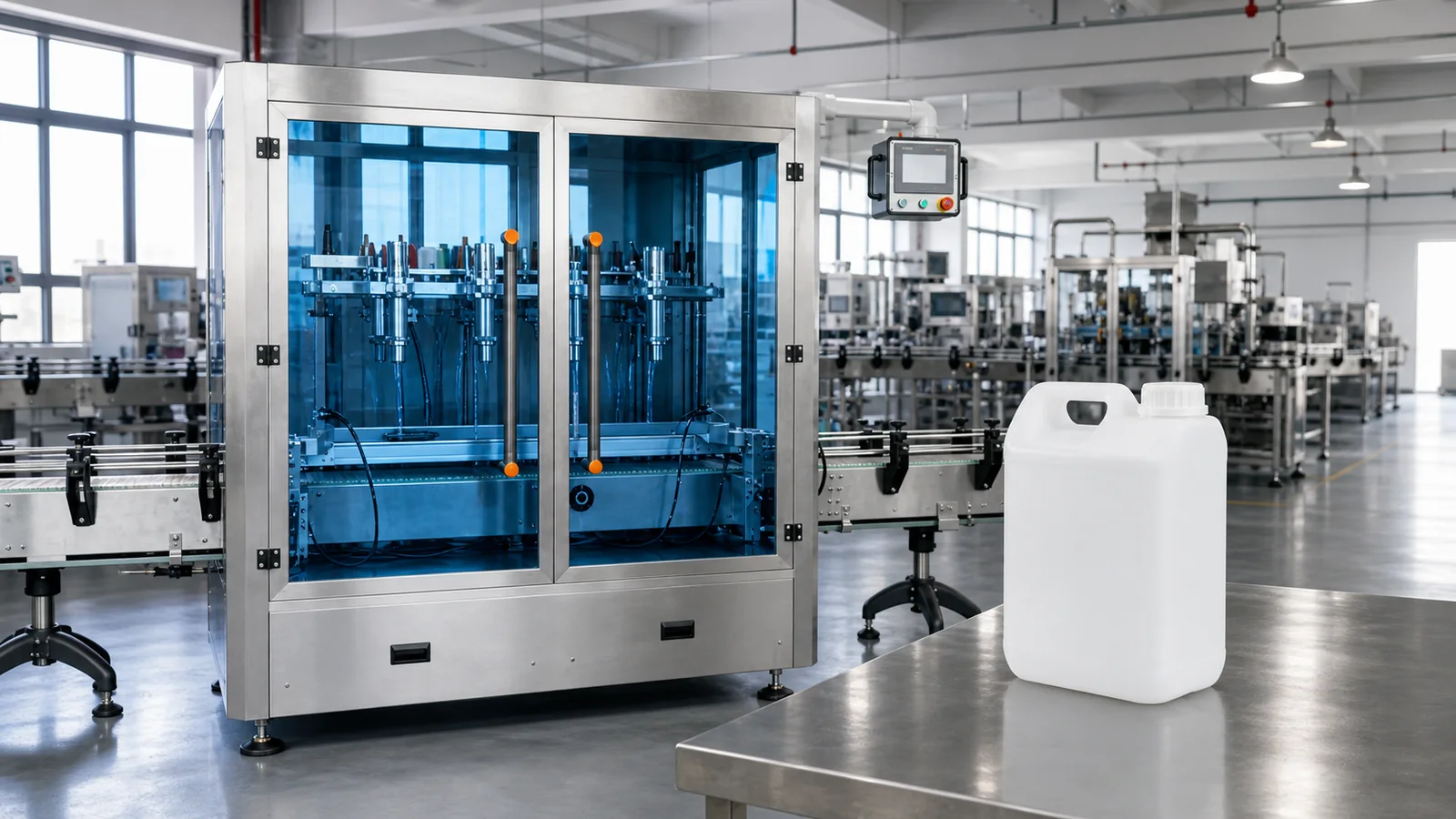
Cosmetic Filling Machine Solutions for Shampoo, Lotion, Cream, Serum and Gel
Configure a cosmetic filling machine — or a complete filling, capping and labeling line — around how your product behaves, the bottle and closure you run, your target output and your factory layout.
- Product behavior & viscosity
- Container & closure match
- Output & line scope

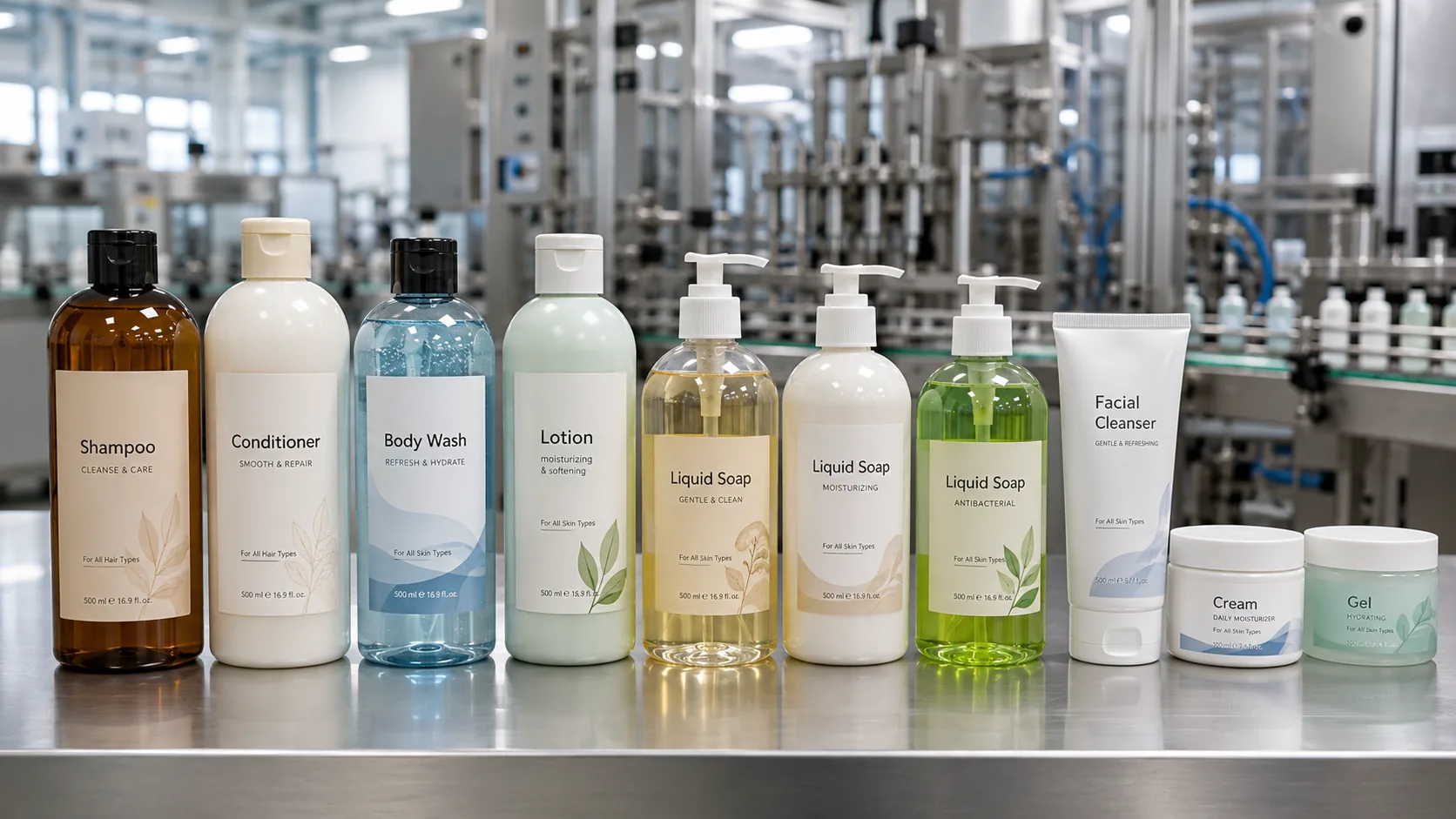
Filling Solutions by Cosmetic Product Type
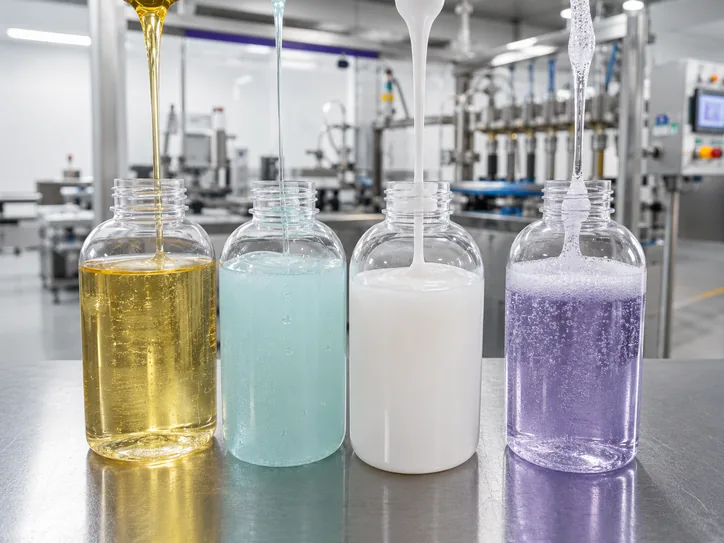
Cosmetic products fill differently. We match viscosity, foam, flow stability, fill volume and container format to a filling direction before recommending a machine.
Cream, Lotion and Gel Filling
Creams, lotions, conditioners and gels need stable product feeding, controlled dosing pressure and a clean nozzle cut-off.
- Servo piston or matched pump filling
- Anti-drip and anti-stringing nozzles
- Bottles, pump containers and jars
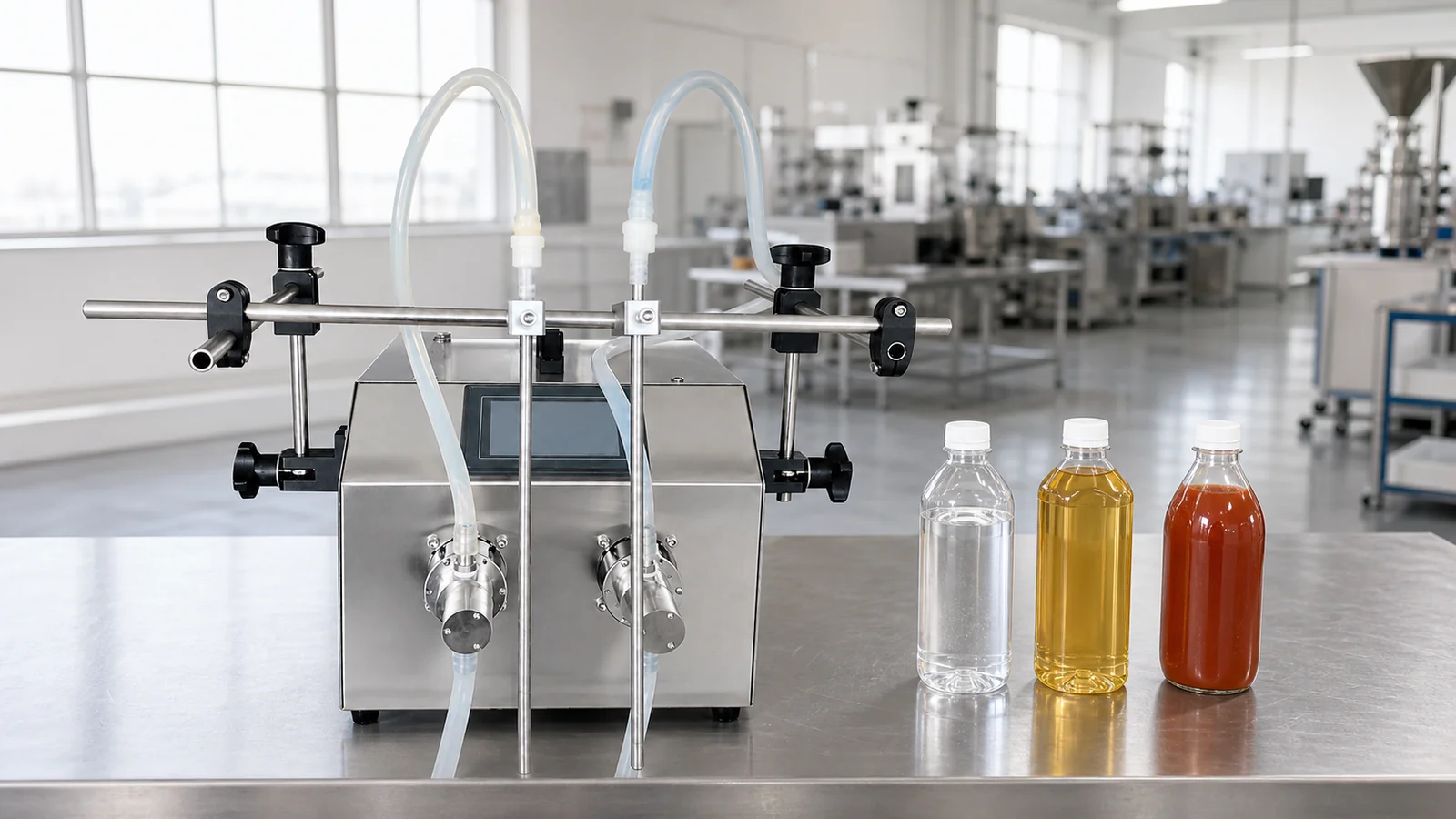
Serum, Toner and Thin Liquid Filling
Low-viscosity products need accurate dosing, clean product-contact paths and gentle handling for small, lightweight bottles.
- Pump or peristaltic dosing by formula
- Small-volume filling Available on Request
- Dropper, screw-cap and spray-cap handling
Shampoo and Foaming Product Filling
Shampoo, body wash, liquid soap and facial cleanser foam and overflow when filling speed and nozzle motion are not matched.
- Controlled or segmented filling speed
- Diving nozzle motion to limit foam
- Tested with your real or similar product
| Cosmetic Product | Typical Behavior | Suggested Filling Method | Common Containers | Line Setup |
|---|---|---|---|---|
| Shampoo, body wash & liquid soap | Medium viscosity, foaming, some stringing. | Servo piston or pump filling with controlled speed and anti-drip nozzles. | Round, flat and pump bottles. | Filling, cap placement, capping, labeling and coding. |
| Lotion, cream & conditioner | Higher viscosity, slow flow, nozzle residue. | Servo piston or matched pump filling with stable feeding and clean cut-off. | Pump bottles, squeeze bottles and jars. | Product feeding, filling, capping, label positioning and collection. |
| Gel & facial cleanser | Variable viscosity, bubbles, possible stringing. | Filling method set after checking flow, temperature and cleaning needs. | Soft, rigid and wide-mouth containers. | Customizable filling and capping Line Integration. |
| Serum, toner & essence | Thin liquid, small fill volume, light bottles. | Pump or peristaltic filling by formula compatibility and accuracy target. | Dropper, sample and small glass or plastic bottles. | Bottle positioning, filling, closure placement and labeling. |
How to Choose the Right Filling Method
The right filling system is decided by product behavior and production conditions — not by the product name alone.
Viscosity and Flow Behavior
Servo piston filling handles lotion, cream and gel that need controlled dosing force. Pump filling suits free-flowing liquids, with the pump type set by formula and cleaning needs.
Foam Control and Anti-Drip Filling
Foaming shampoo and body wash fill cleanly with controlled speed, a lowered or diving nozzle and segmented filling. Viscous products use shut-off or anti-drip nozzles to stop stringing and residue.
Container Size, Shape and Opening
Round, flat, soft, light and wide-mouth containers each need their own guiding and positioning. Bottle height, width, neck opening and stability set the conveyor and nozzle layout.
Product Contact Material Compatibility
Alcohol-based liquids, essential oils and cleaning-sensitive formulas run on compatible hoses, seals, tanks and contact parts, confirmed from the formula data you supply.
Machine Configuration Options
Pick a configuration by order stability, labor, required output, bottle consistency and your plans for production growth.
Semi-Automatic Setup
A compact option for trials, small batches and factories that still handle bottles by hand.
- Lower initial automation level
- Manual loading and unloading
- Good for early or changing products
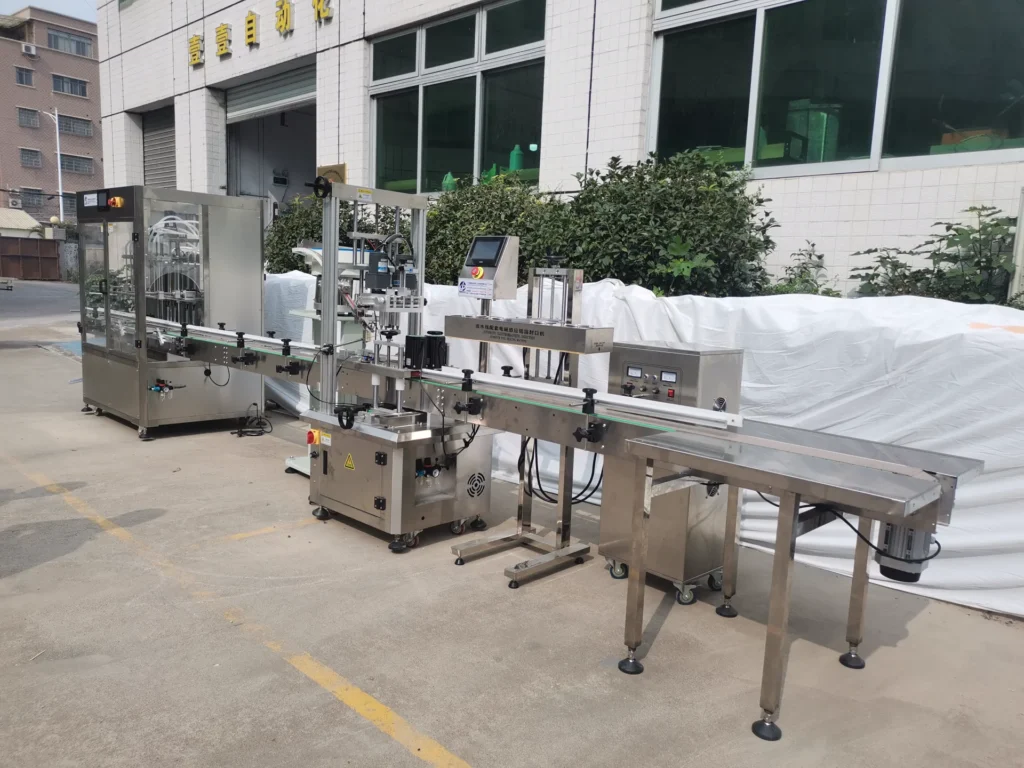
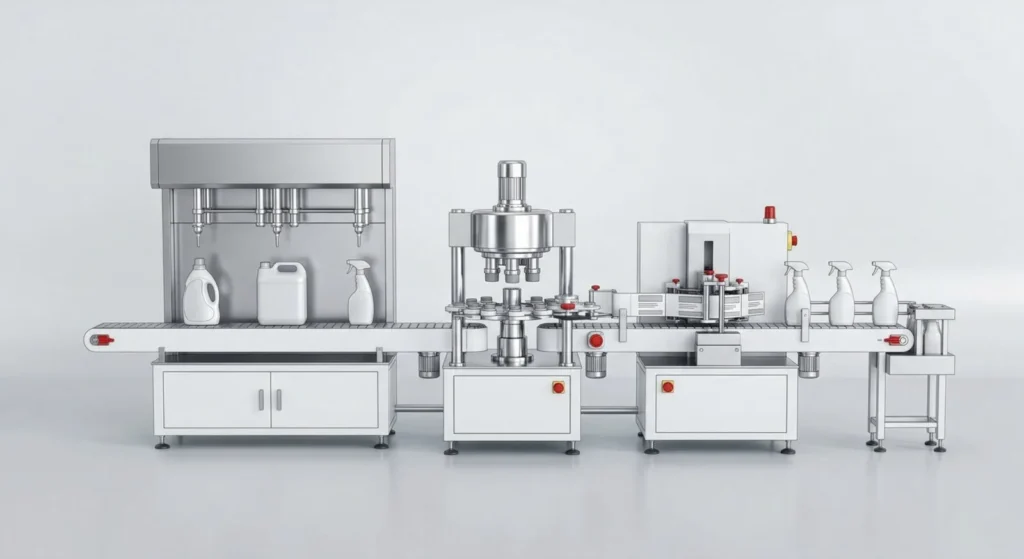
Automatic Filling, Capping and Labeling Line
A connected line for stable orders, consistent bottles and higher output with less manual transfer.
- Multi-head automatic filling
- Cap placement and tightening
- Labeling, coding and conveying
Servo Piston, Pump and Peristaltic Options
Different dosing structures supplied by viscosity, hygiene, fill volume, container opening and formula.
- Servo piston for viscous products
- Pump filling for free-flowing liquids
- Peristaltic filling Available on Request
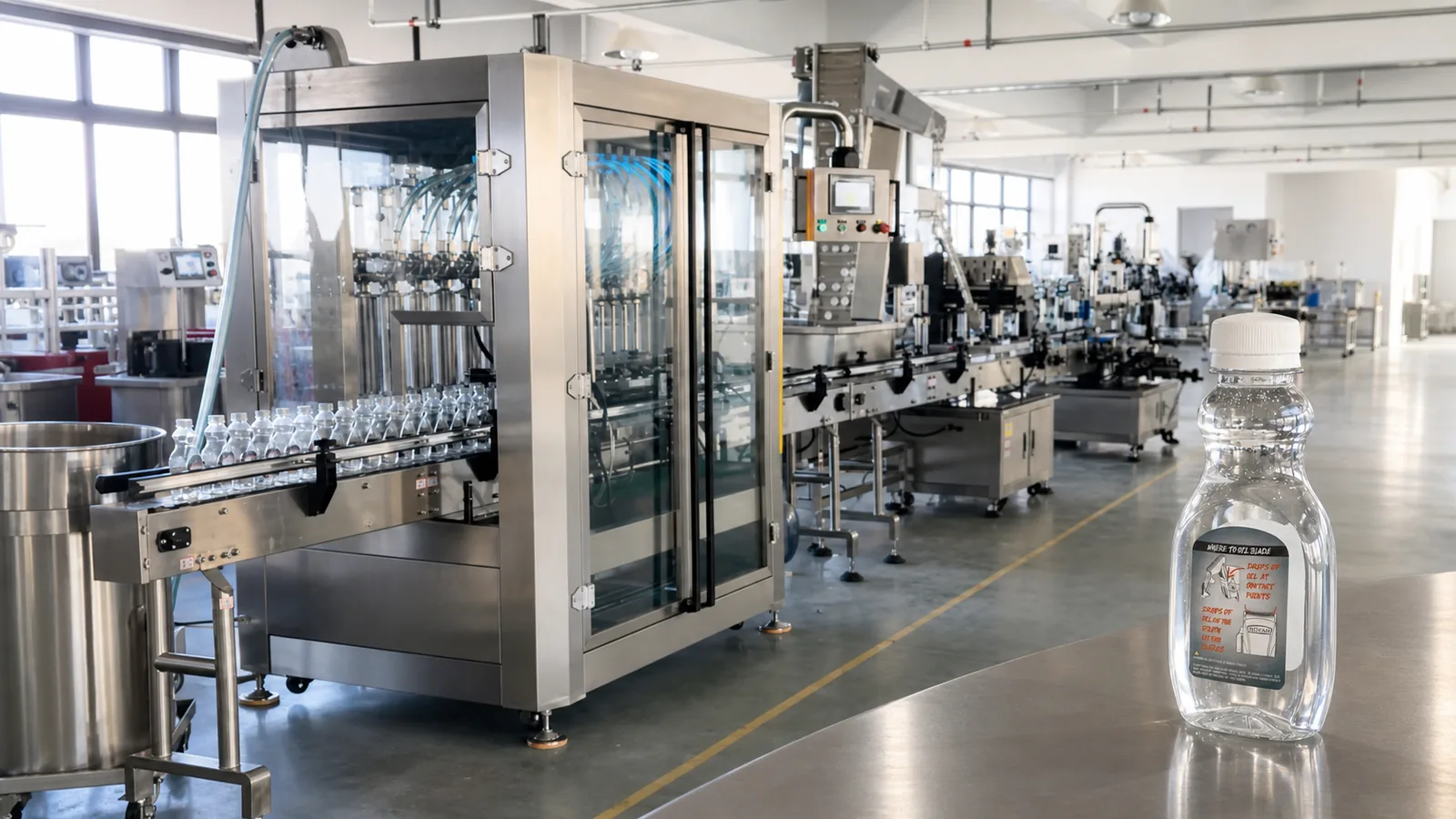
Multi-Head Servo Filling for Growing Cosmetic Production
For many shampoo, lotion, body wash, liquid soap and gel projects, a multi-head servo filling machine is a solid base for automatic production and downstream Line Integration.
Machine Catalogue
Download LEKA Packaging Machinery Catalogue
Compare filling, capping, sealing, labeling, conveying and complete bottling line options for food, beverage, sauce, edible oil, cosmetics, home care and chemical products.
- Filling machine selection by product type and viscosity
- Capping, sealing, coding and labeling equipment options
- Complete line configuration guidance for bottle projects
Technical Points Buyers Should Confirm
These three points change which machine and line actually fit — here is why each one matters during selection.
Filling Volume and Accuracy Requirements
Your fill range decides the dosing structure: piston, pump or peristaltic. A wide range or tight tolerance points toward servo dosing and changeover parts, which directly shapes machine cost and design.
Target Output and Filling Heads
Required bottles per hour set the number of filling heads and conveyor speed. Filling, capping and labeling must be balanced as one line, so output is what keeps the slowest station from capping the whole line.
Cap, Label and Factory Layout
Cap type drives the capping structure; label position drives the labeling station; voltage and floor space decide what can be installed. These define the change parts and the line shape, straight or U-form.
Cosmetic Filling Line Integration
A cosmetic packaging line should coordinate filling, bottle transfer, cap handling, label position and collection — not treat each machine as a separate purchase.
Bottle Feeding and Conveying
Manual loading, a rotary feeding table or an upstream bottle-handling system, set by container stability and automation level.
Capping and Sealing
Screw caps, pump heads, flip-tops or droppers matched to the right feeding, placement and tightening structure.
Labeling, Coding and Final Packing
Round-bottle or front-and-back labeling, date coding, collection and downstream packing by packaging format.
Building toward a single application? See the Shampoo Filling Line and Cream and Lotion Filling Line. For a full cosmetic plant, see the Cosmetic Filling Line and Cosmetic Packaging Line Solutions. Individual stations are detailed on our Capping Machines and Labeling Machines pages.
Project Proof and Support
Confirm how your machine is checked before it ships and how it is supported after install — not only the model name.
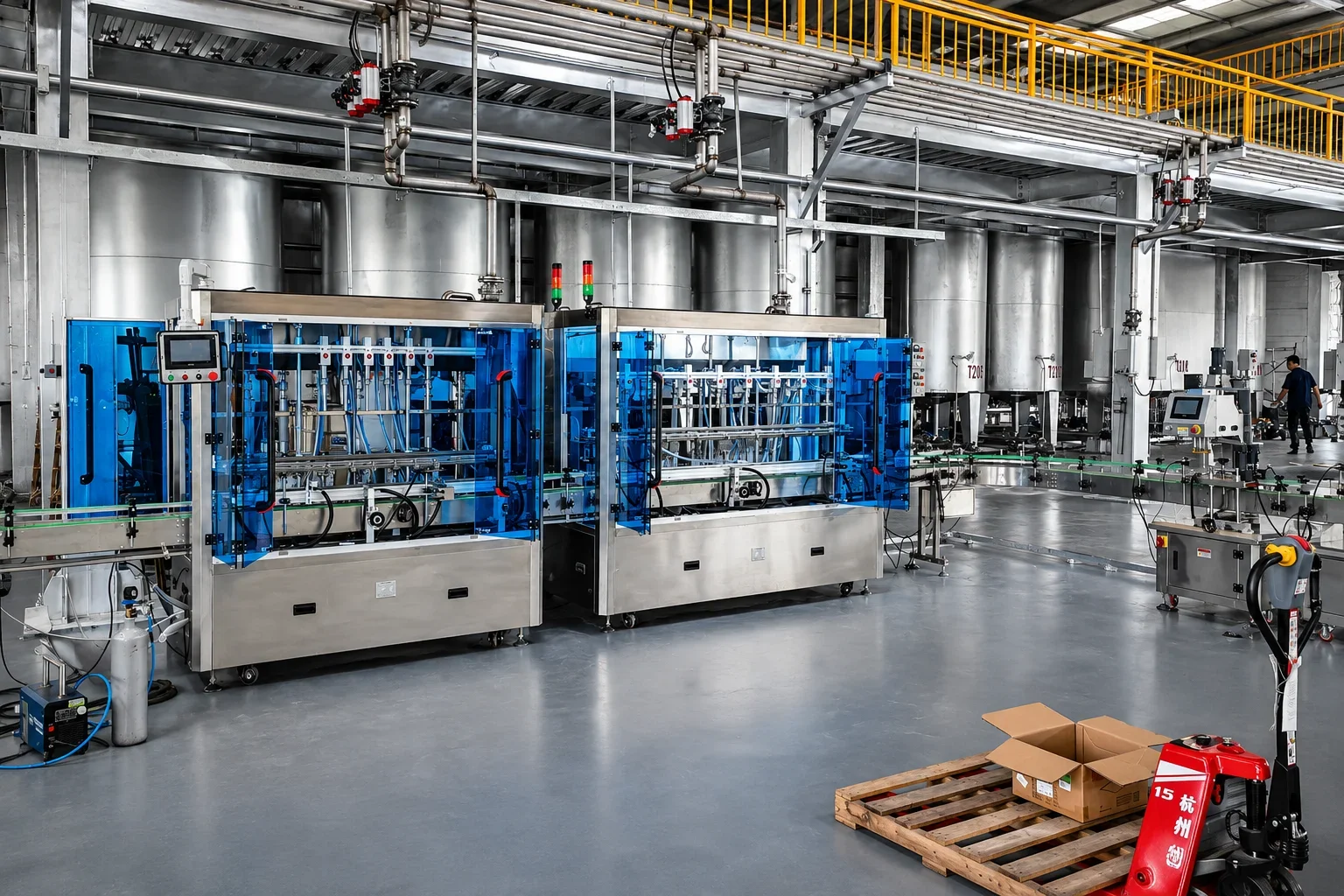
Machine Testing Before Shipment
Equipment is run and checked in the factory before it is packed for export.
Filling and Bottle-Transfer Checks
Filling stability and bottle movement are verified across the assembled sections.
Capping and Label-Position Checks
Cap placement and label position are checked against your bottle and closure.
Operation Guidance
Operation and changeover guidance is provided for your team during start-up.
Spare-Parts Coordination
Wear and change parts are coordinated for the configuration you order.
Remote Technical Support
Remote technical support is available to help with setup and adjustment.
Cosmetic Filling Machine FAQ
Short, practical answers for factories comparing cosmetic filling equipment and complete lines.
Which filling machine is suitable for cream and lotion?
Servo piston or matched pump filling suits cream and lotion, because these products need controlled dosing pressure and a clean nozzle cut-off. Viscosity, fill volume, container opening and cleaning needs set the final choice.
Can one machine fill different cosmetic products?
One machine can handle several products when their viscosity range, fill volume, product-contact materials and cleaning needs are compatible. Changeover parts, nozzle design and product feeding are confirmed before ordering.
How do I choose between semi-automatic and automatic cosmetic filling?
Semi-automatic filling suits trials, smaller batches and manual handling. Automatic equipment suits stable orders, consistent bottles, higher output and factories that connect filling with capping and labeling.
Can LEKA connect filling, capping and labeling in one line?
Yes. LEKA configures bottle feeding, filling, cap placement, capping, labeling, coding, conveying and collection around your bottle, closure, label format, target output and factory layout.
What information is needed for a quotation?
Send your product and viscosity, fill volume, bottle and cap, target output, local voltage, and whether you need a standalone machine or a complete line. Photos of the bottle and cap help most.
How can foam and dripping be controlled?
Foam is reduced with controlled filling speed, a lowered or diving nozzle and segmented filling. Dripping and stringing are reduced with shut-off or anti-drip nozzles, confirmed using your real or a similar product.
Can the line handle different bottles and caps?
A configurable line supports several bottle and cap formats within an agreed range. Bottle dimensions, stability, neck opening, cap structure and label position decide the guides, change parts and adjustment method.
Request a Cosmetic Filling Machine Configuration
Send your product and packaging requirements. We'll help decide whether your project needs a standalone filler, a filling-and-capping setup or a complete cosmetic packaging line.
Send Your Project Details
Add the points below and we'll recommend a suitable configuration.
- Product and viscosity
- Filling volume
- Bottle and cap
- Target output
- Local voltage
- Standalone machine or complete line
Personal Care Resources
Foaming Product Filling Guide
Foaming hand and body wash products need the right filling approach, bottle handling and line configuration to support stable production.
Liquid soap projects
Review foam-aware equipment choices in the liquid soap filling machine for foamy hand and body wash.