
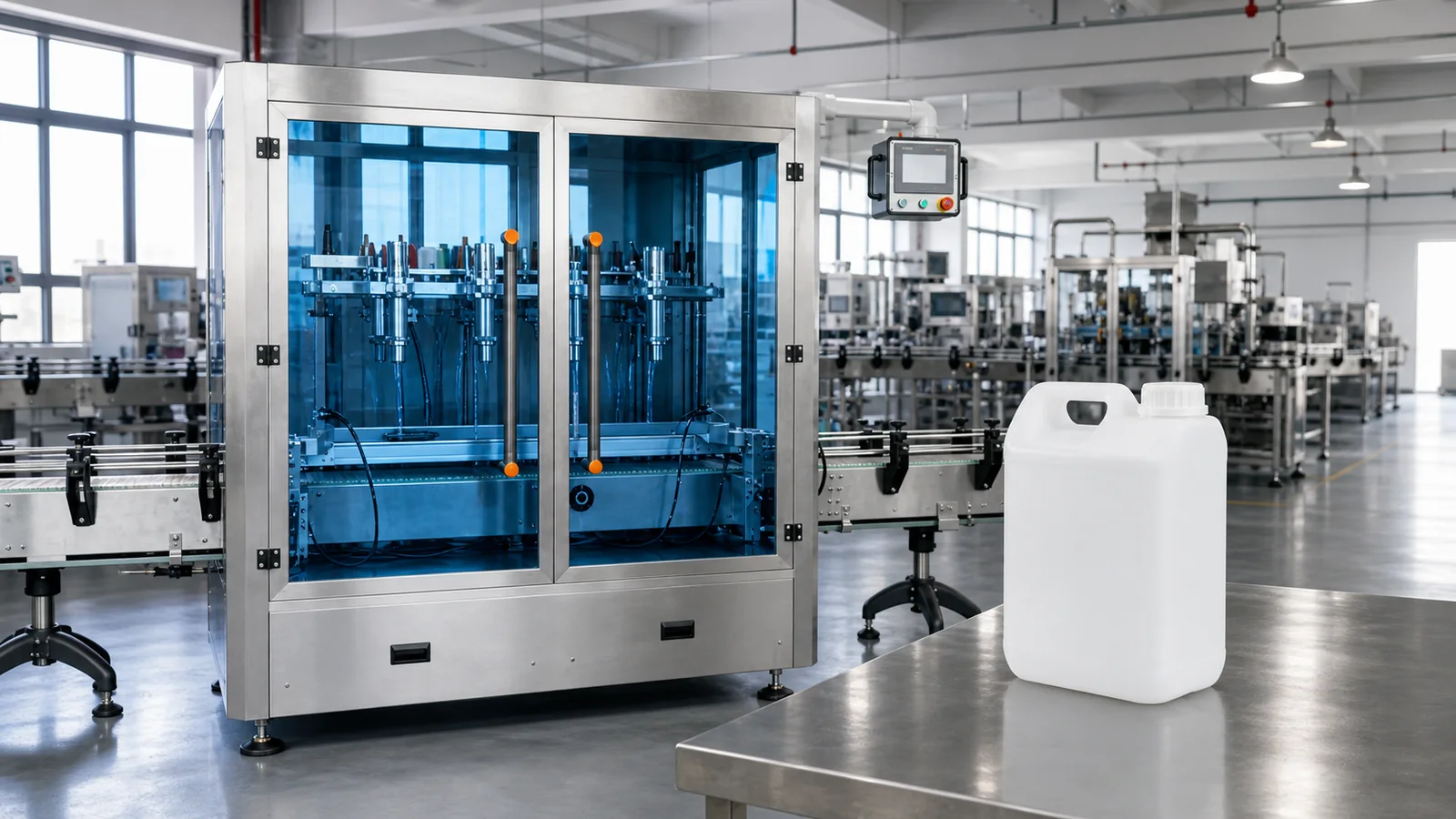
Edible Oil Filling Equipment
Edible Oil Filling Machines Matched to Your Oil, Bottle and Output
Compare filling configurations for cooking oil, vegetable oil, sunflower oil, olive oil and blended edible oils. LEKA Pack Line (lekapackline.com) reviews your product, container, fill range and production target before confirming a standalone filler or a machine ready for line integration.
- PET, HDPE and glass bottles
- Small packs to larger containers
- Manual to automatic production
- Configured from real samples
Configuration Starting Point
Start with the Oil, Bottle and Fill Range
A rotary pump or servo-controlled pump configuration can be reviewed for edible-oil bottle projects where controlled product delivery, recipe settings and integration with bottle handling equipment are important.
The final filling method is not selected from the oil name alone. LEKA checks the working temperature, viscosity, bottle dimensions, neck opening, required fill range, output target and cleaning plan before confirming the structure.
- Oil sample or product specification
- Bottle, neck and cap samples or drawings
- Minimum and maximum fill volumes
- Target output and automation level
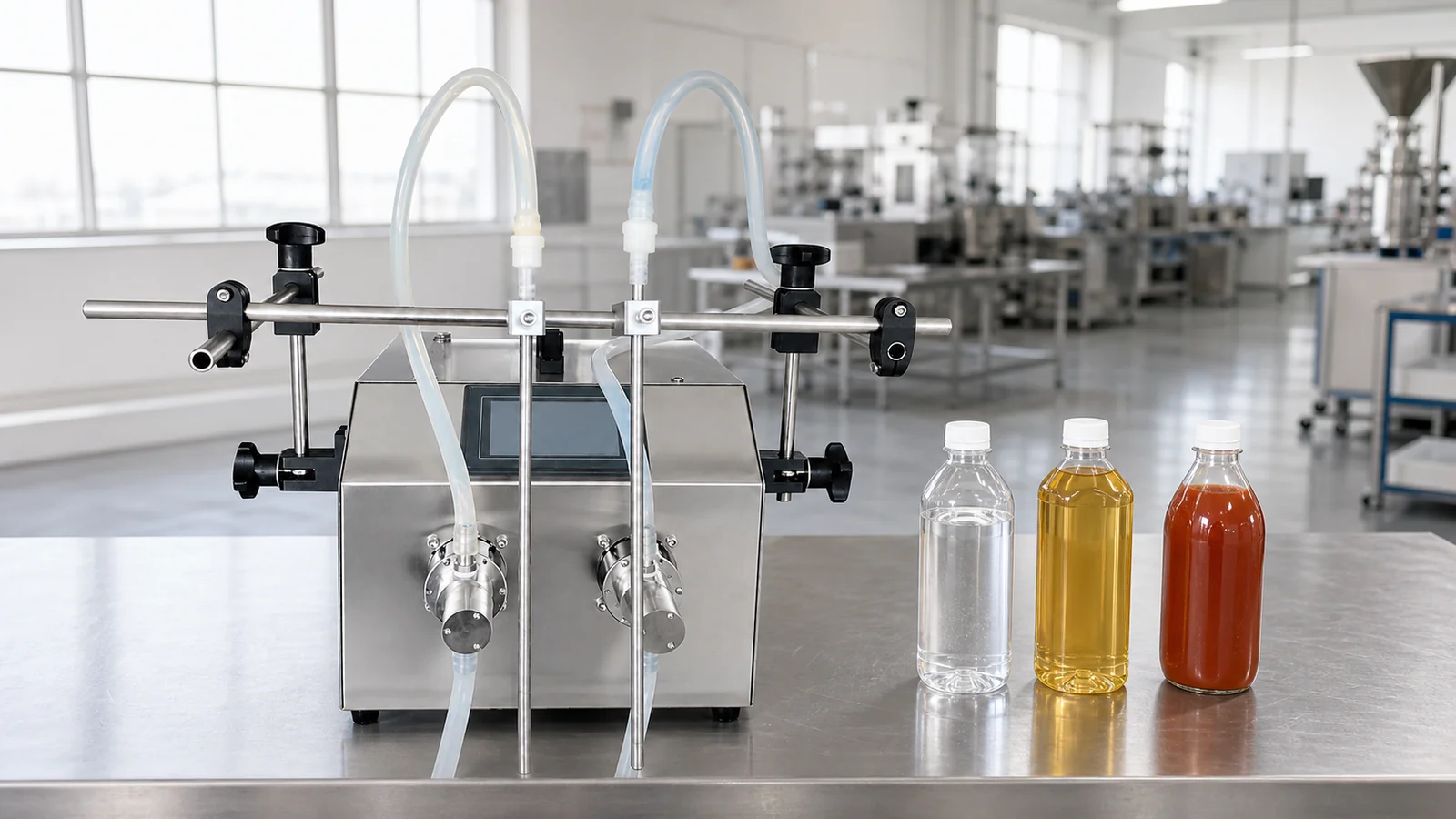
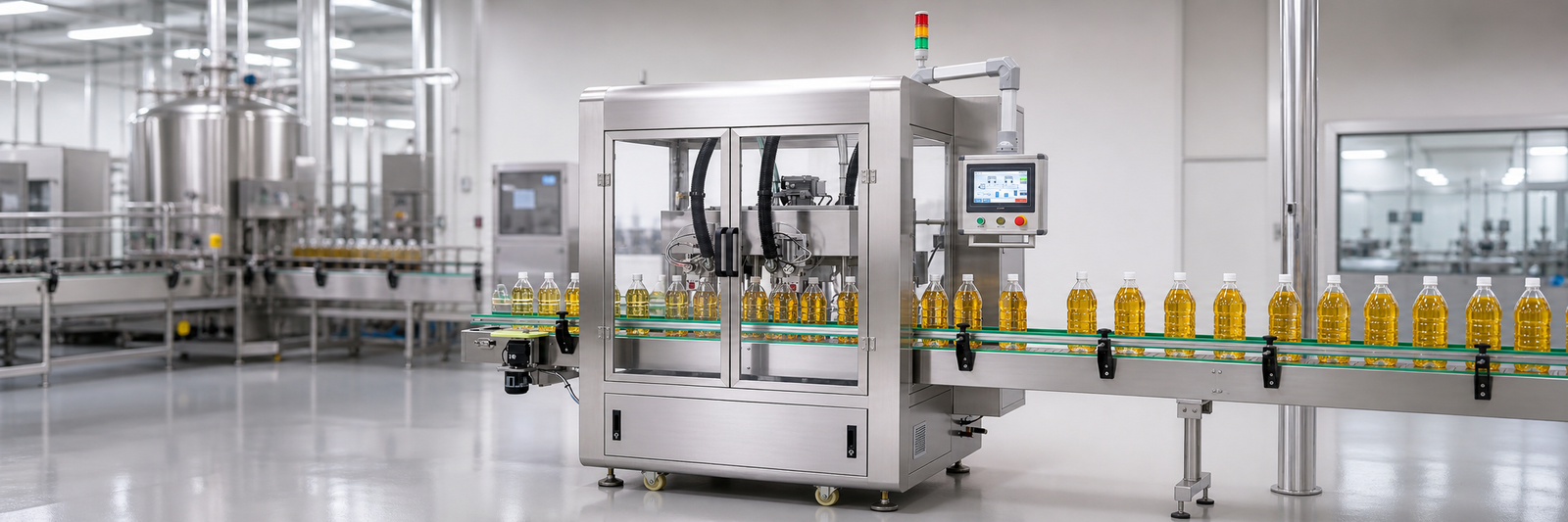
Compact Filling Setup
Review bottle feeding and filling behaviour when planning a smaller production setup.
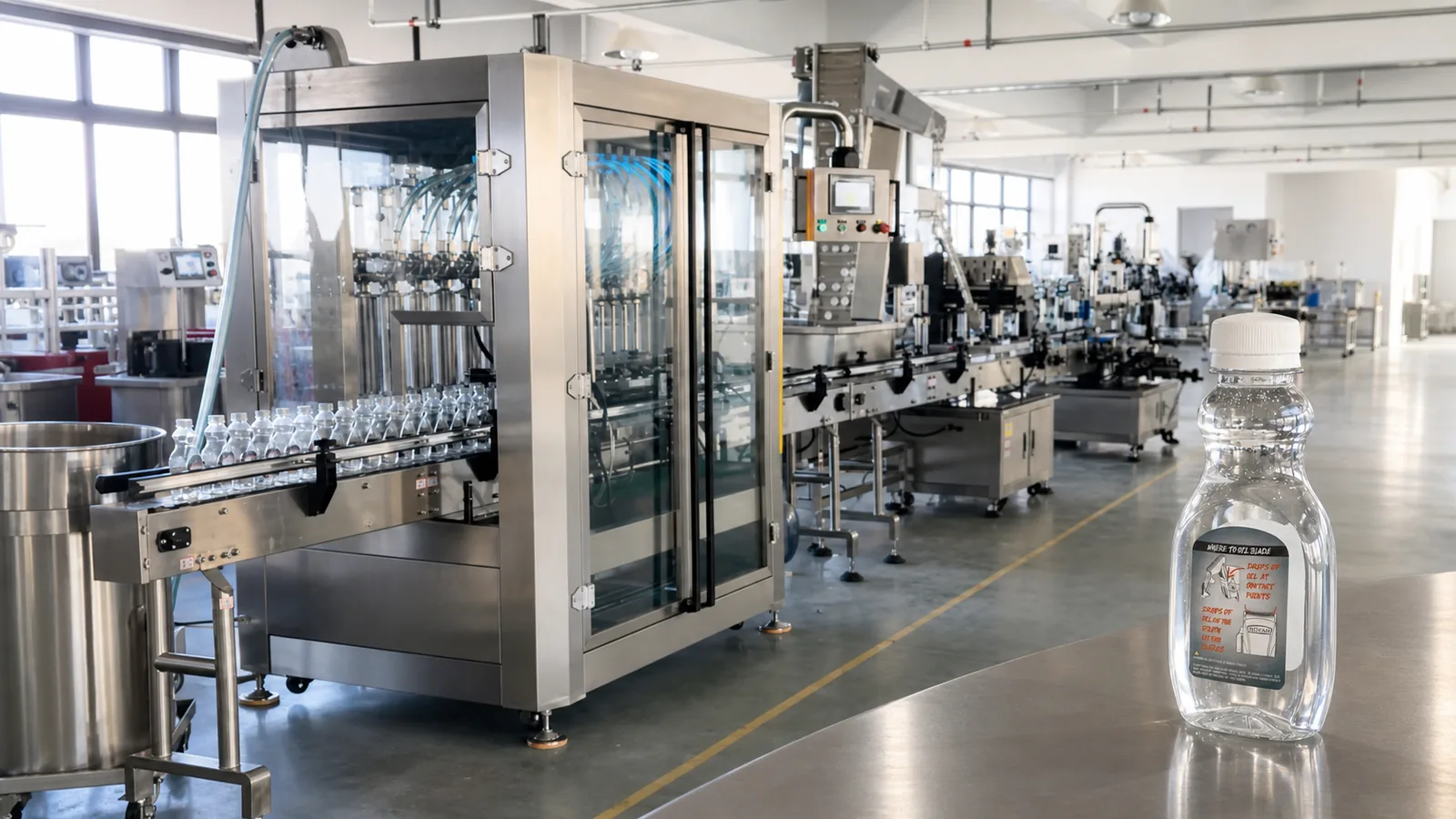
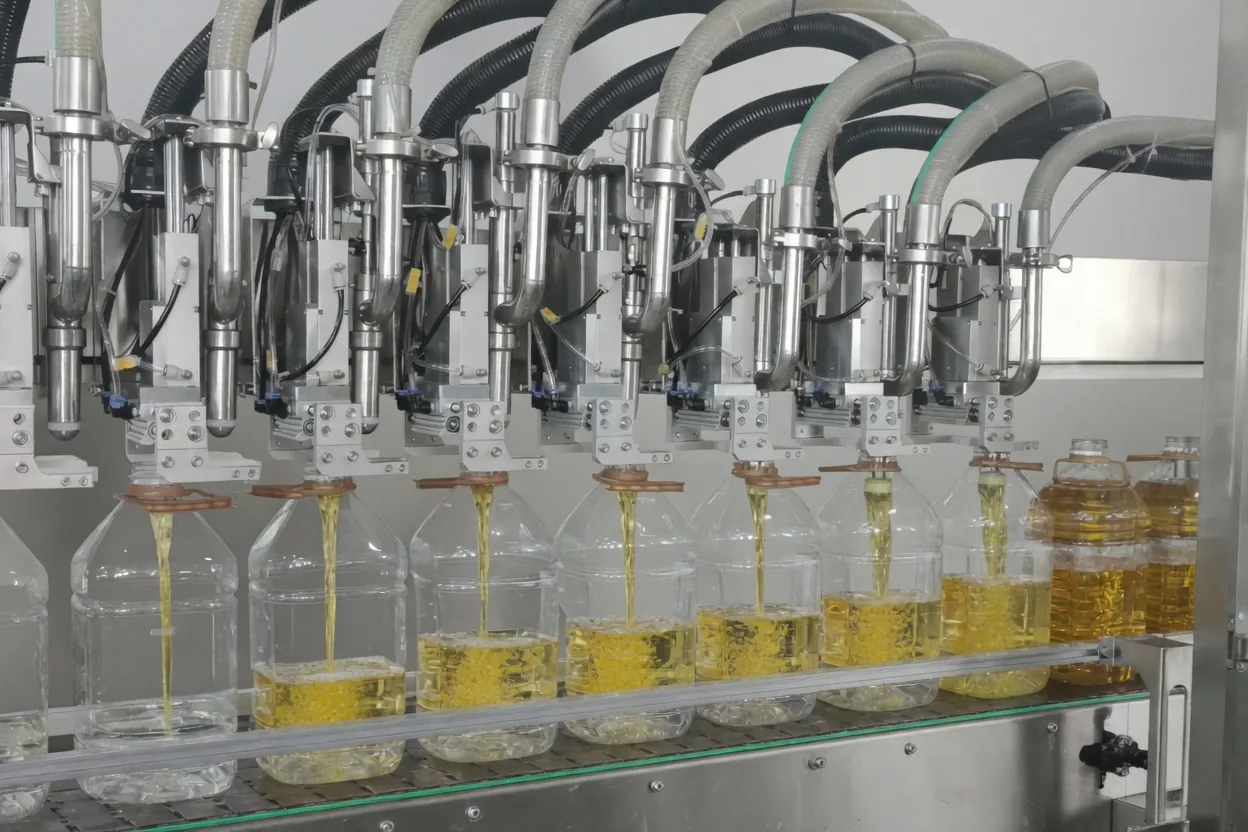
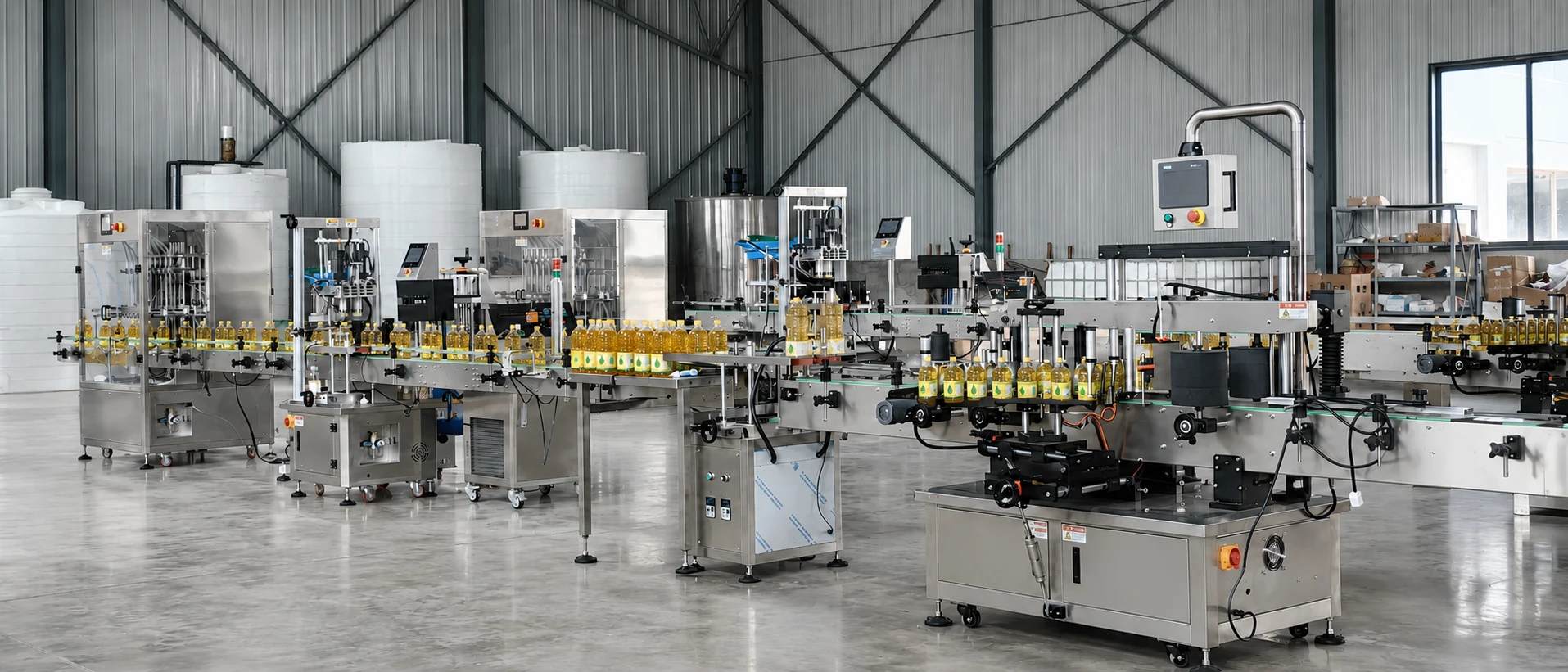
Automatic Multi-Nozzle Filling
See a continuous bottle-handling arrangement before confirming the required nozzle count and connected equipment.
Published Project Results
Oil, Bottle, Heads and Output from Two Edible Oil Projects
These figures are the published results of the two projects linked below. They describe those projects. A new machine is still confirmed from your oil, bottle, cap and line conditions.
| Project | Oil | Container | Heads and dosing | Published result |
|---|---|---|---|---|
| Thailand 1 L and 2 L line | Edible oil | 1 L and 2 L clear plastic bottles, screw caps | 3-in-1 rotary filling and capping | For this project only, the 1 L result is 4,000 bottles per hour. The 2 L output was confirmed separately for that bottle and recipe. The shift target for this project is 20,000 bottles in eight hours. |
| Xiyan 25 L project | Blended edible vegetable oil | 25 L containers | LEKA-FLSFZ-08, eight tracking servo filling heads | For this project only, each head took about 8 to 10 seconds per bottle. The calculated theoretical output is about 2,880 to 3,600 bottles per hour before line-efficiency allowances. |
Bottle Motion
Stop-Fill or Tracking: How the Bottle Moves
This choice describes how the bottle moves during filling. It does not measure the oil. The filled amount still depends on the pump, flow meter or weighing method, and LEKA Pack Line confirms the setup from the oil sample and the bottle sample.
| Motion | What happens | When it is reviewed |
|---|---|---|
| Stop-fill | The bottle stops, then the nozzle fills it. | Reviewed when stopping the bottle at a fixed station fits the bottle shape and output. |
| Tracking | The filling head moves with the bottle while filling. | Reviewed when the line should keep bottles moving between filling, capping and labeling. |
Continue with the multi-head servo filling direction, confirmed from the oil sample or the tracking-motion direction, confirmed from the oil sample. Speeds and fill ranges on those pages are common reference configurations.
Compare Equipment Directions
Choose a Filling Configuration for the Approved Product and Pack
These are project directions, not interchangeable specifications. Samples and production requirements determine the pump, dosing method, nozzle arrangement, bottle handling and controls used in the final proposal.
Rotary Pump Filling
Consider for edible oils where controlled pumping, recipe adjustment and a clean product path are important to the project.
- Cooking and vegetable oils
- PET or glass bottles
- Standalone or connected use
Servo-Pump Filling
Review when the approved fill range and production plan benefit from servo-controlled dosing and stored operating recipes.
- Multiple approved pack sizes
- Controlled dosing cycles
- Automatic bottle handling
Piston Filling
Available for products and fill ranges that suit a piston chamber after the product-contact and cleaning requirements are confirmed.
- Project-specific cylinder range
- Nozzle and valve review
- Changeover confirmation
Semi-Automatic Filling
Consider for startup, test production or smaller batches when manual bottle handling fits the available labor and output target.
- Lower-volume operation
- Flexible batch work
- Future line planning available
| Project Factor | What LEKA Reviews | Why It Changes the Machine | Information to Send |
|---|---|---|---|
| Oil product | Type, working temperature, viscosity and cleaning requirements | Influences the product path, dosing direction and material review | Product name, specification and sample when available |
| Container | Material, shape, neck opening, stability and handle position | Changes guides, nozzles, filling position and transport arrangement | Photos, drawings and physical samples |
| Fill range | Minimum and maximum approved volumes | Determines the suitable dosing range and recipe plan | Every required volume and its bottle format |
| Production target | Required bottles per hour under stated conditions | Influences nozzle count, machine motion and line balance | Target output for each bottle and fill volume |
| Automation | Manual loading, automatic feeding or connected operation | Changes controls, accumulation and interfaces with other machines | Existing equipment, labor plan and preferred line scope |
Details to Confirm
Review Product Contact, Bottle Handling and Daily Operation
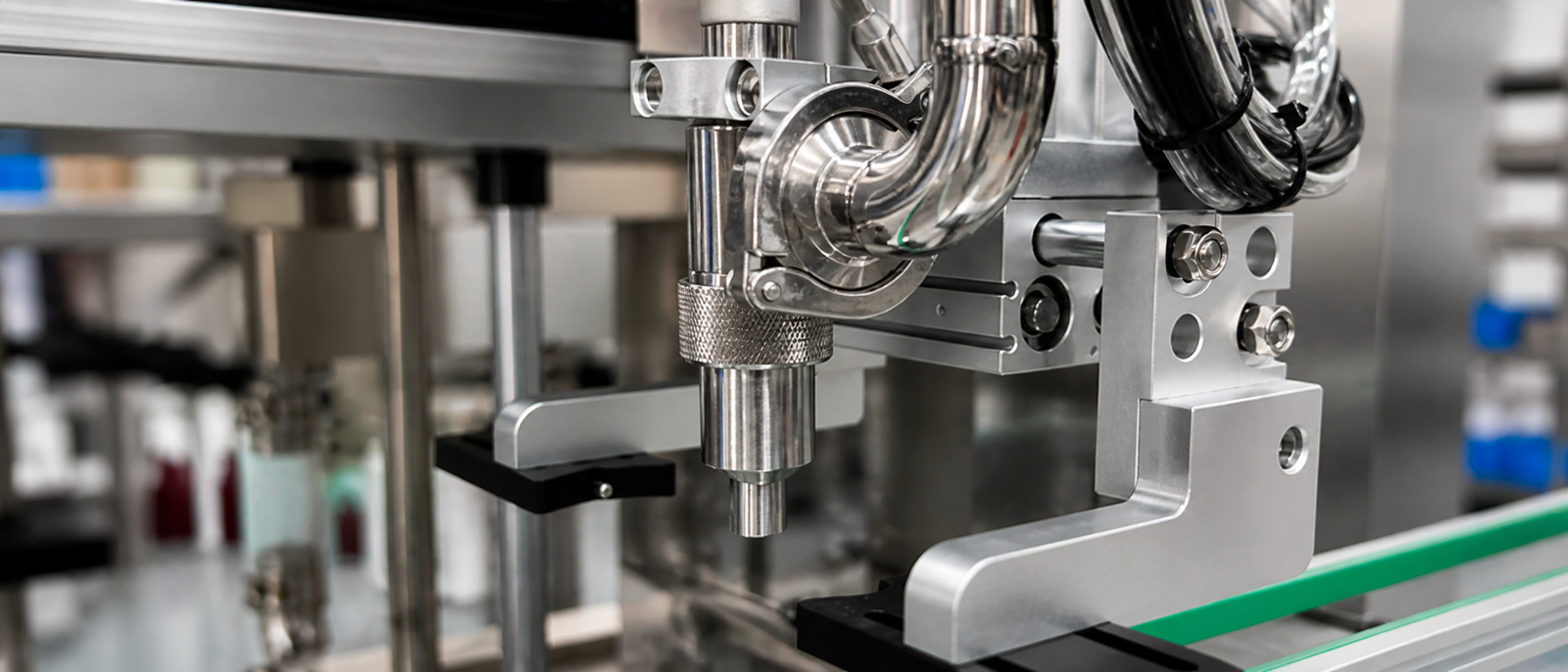
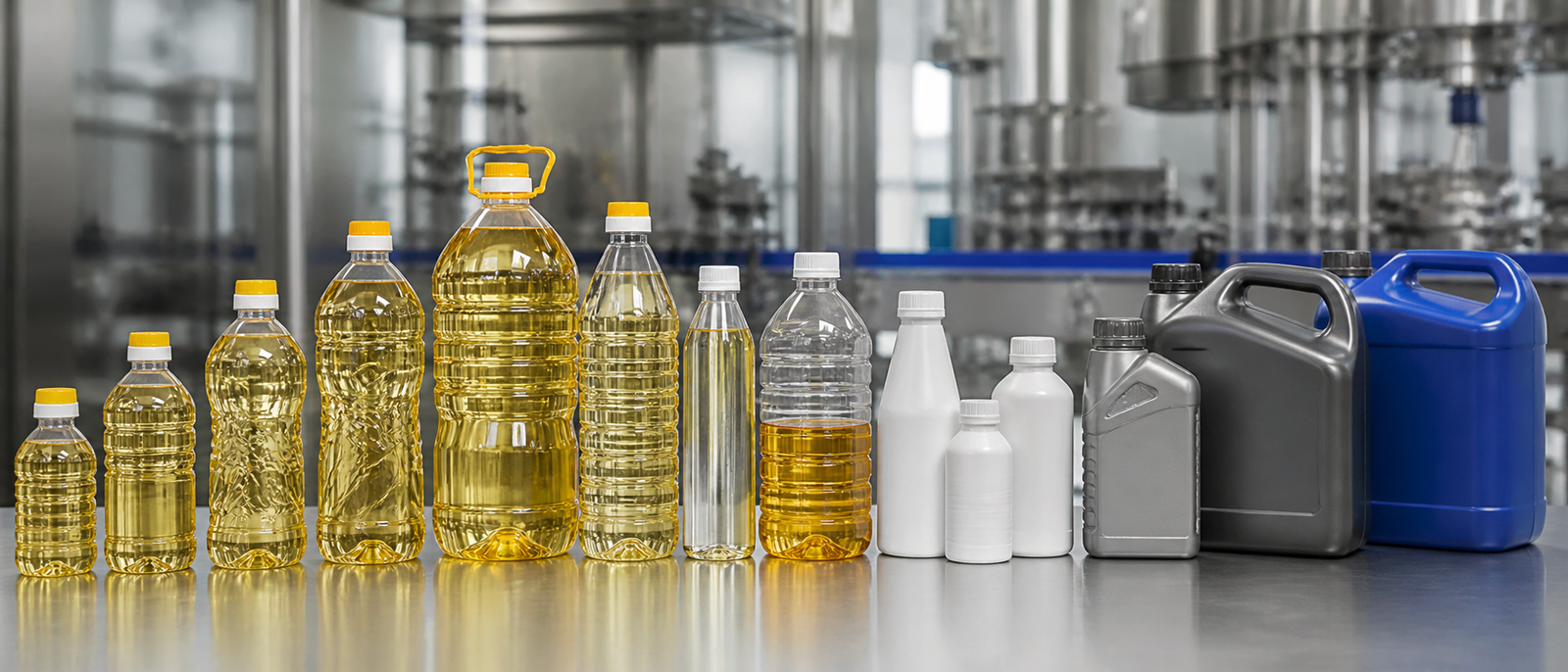
Filling Nozzle
Review the nozzle, shut-off action, bottle-mouth position and product recovery arrangement against the approved oil and container.
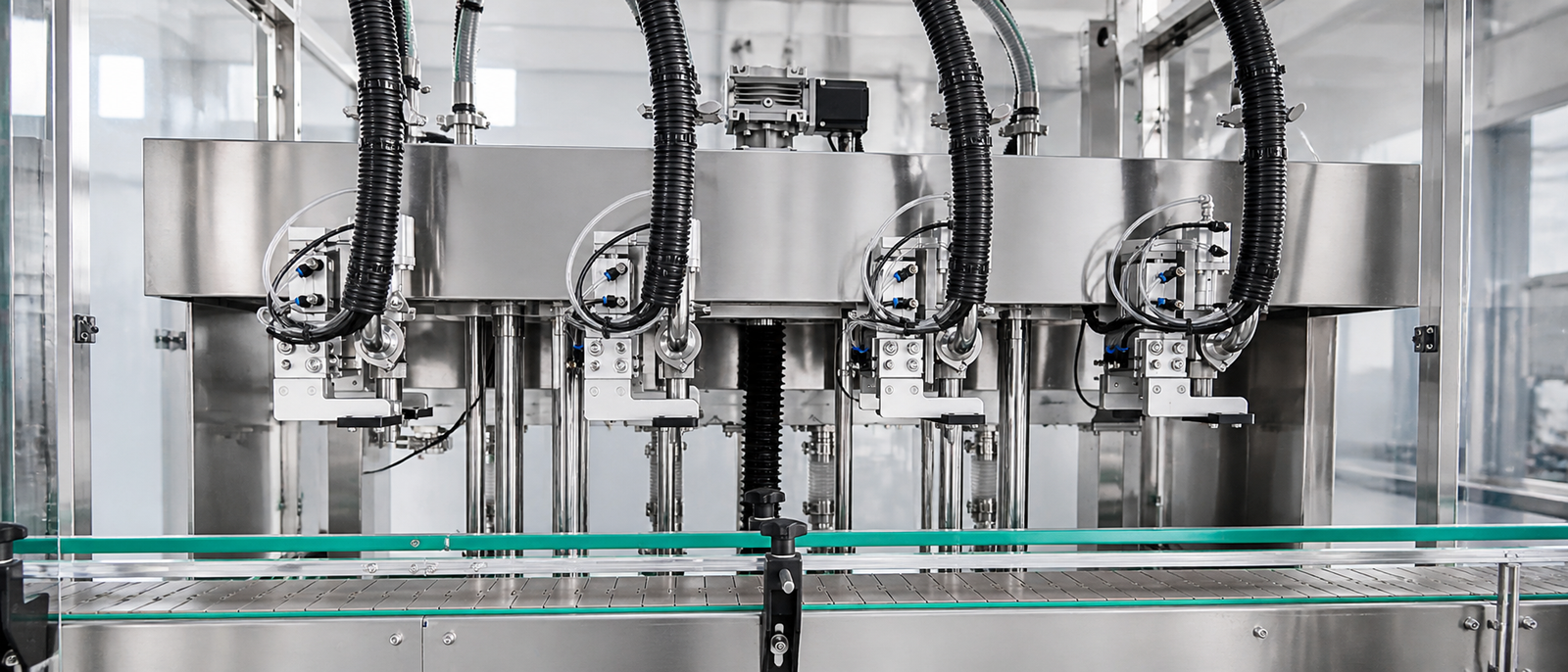
Bottle Handling
Container width, height, neck and stability affect guides, sensors, filling position and change parts.
Machine Motion
Stop-and-fill and tracking arrangements are reviewed separately from the dosing method and must fit the required output.
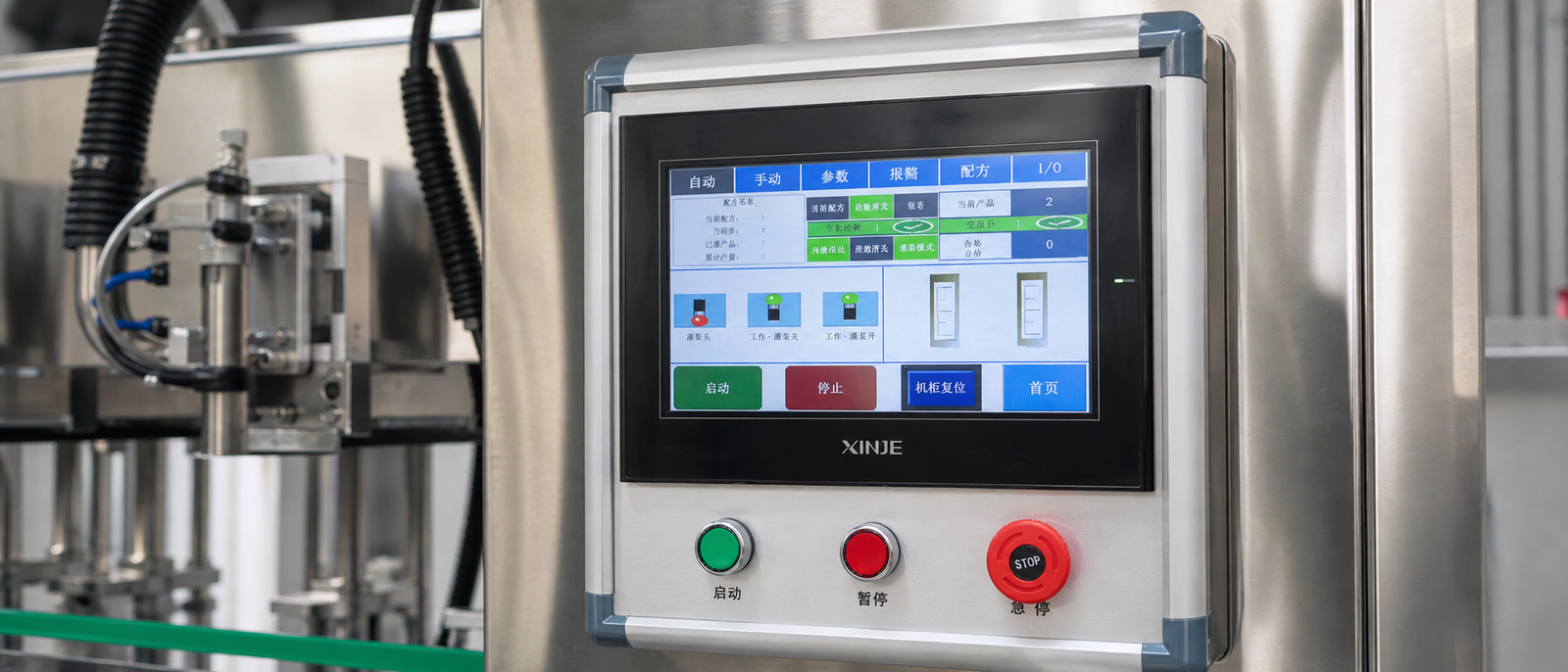
Controls and Recipes
Confirm the approved formats, operating controls and adjustment procedure required by production staff.
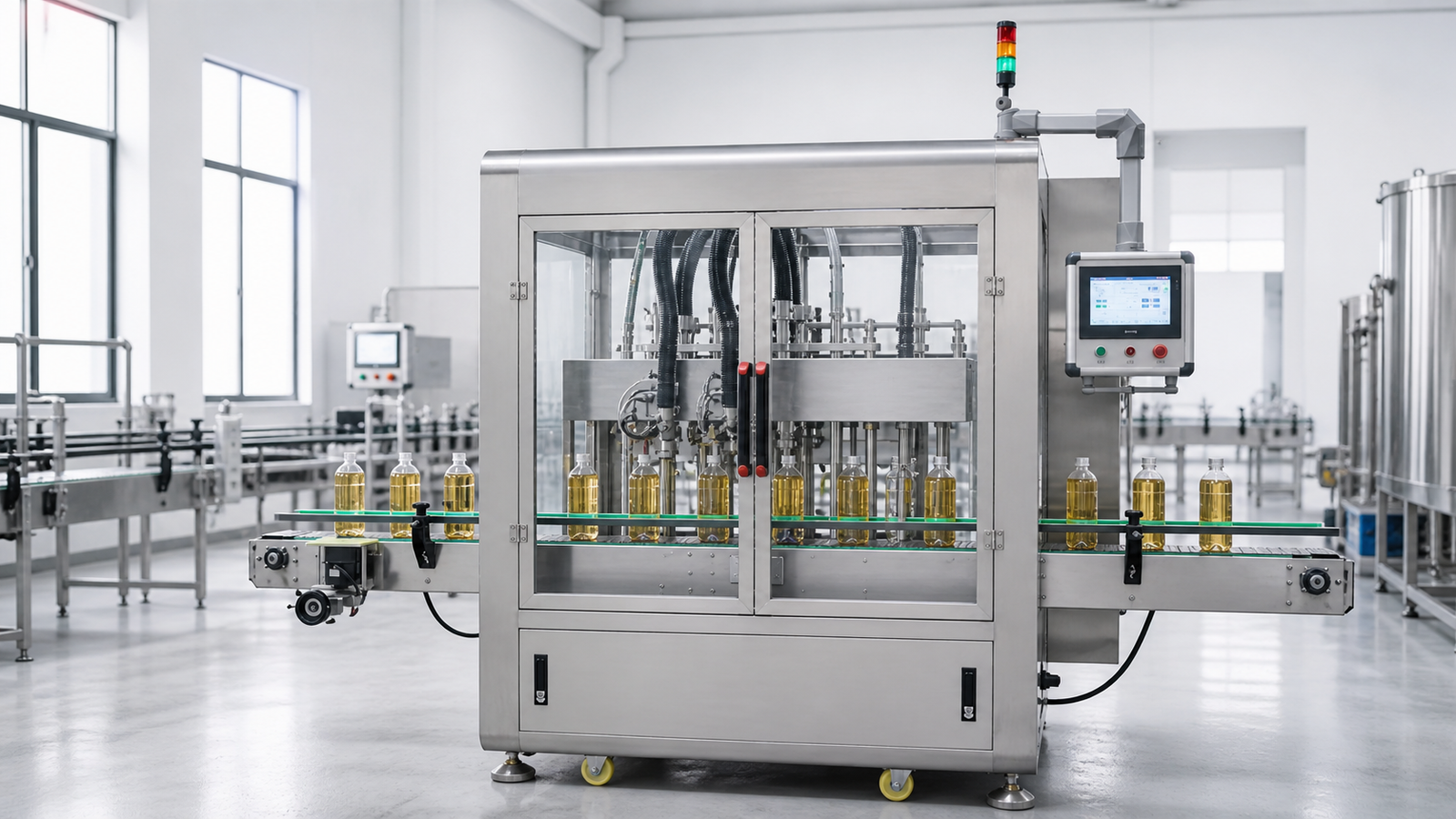
Product Application
Sunflower, vegetable, cooking, olive and blended oils can be reviewed; final suitability is confirmed from the real product and pack.
Project Interface
Confirm whether the filler will operate alone or exchange bottles and signals with capping, labeling and conveying equipment.
Continue Your Project Review
Use the Right Planning Resource for Your Next Decision
Prepare the Quotation Information
Use the checklist to organize oil, bottle, cap, label, output, voltage and layout information before requesting a proposal.
Prepare Your Edible Oil Filling Machine RFQPlan the Connected Production Line
Review filling, capping, labeling, coding, conveying and layout coordination when the project needs more than one machine.
Plan a Complete Edible Oil Filling LineUnderstand the Wider Packaging Process
Follow the process from bottle preparation and filling through closure, labeling and downstream packing.
Review the Cooking Oil Packaging ProcessWorking Mainly with PET Oil Bottles?
Review container handling, bottle stability and format information for PET edible-oil projects before confirming the filler.
Review PET Bottle Edible Oil Filling EquipmentProject Reference
See an Edible Oil Project Planned Around Real Bottles and Output
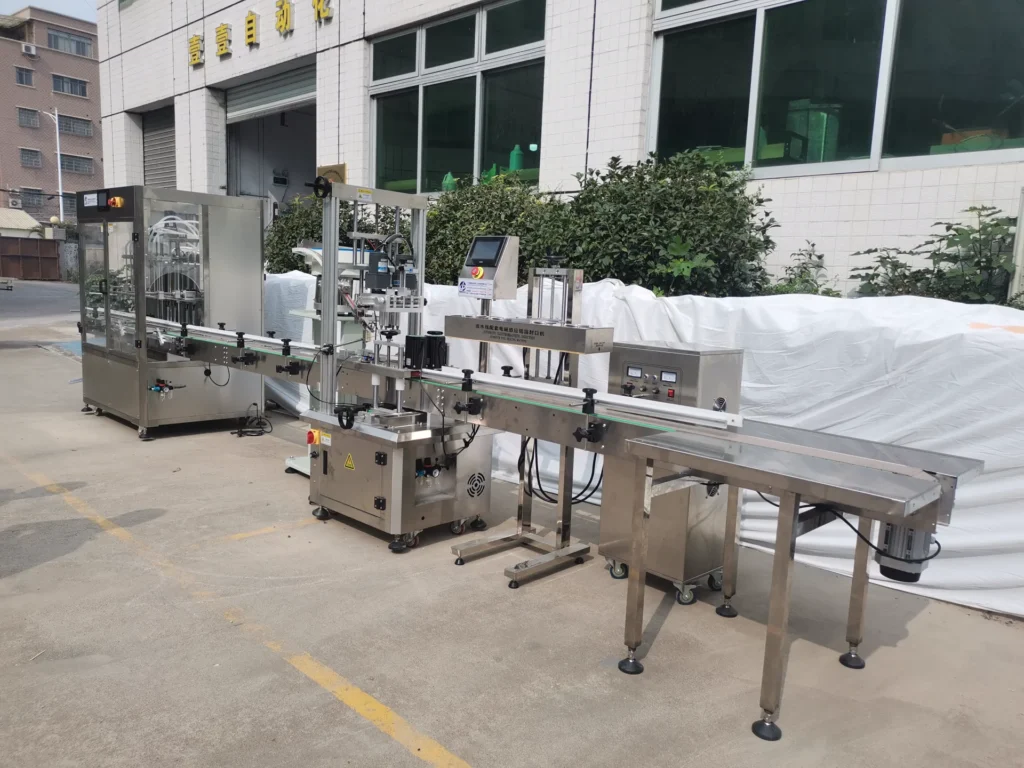
The Thailand project reference shows a connected configuration for 1 L and 2 L edible-oil bottles. It is useful for understanding how bottle formats, target output and factory layout are reviewed together.
Project references do not replace technical confirmation for a new product. Your proposal will be prepared from your own oil, bottle, cap, label and production conditions.
Machine Running Videos
Review Three Views of the FL6H Filling Machine
Use these running videos to observe bottle movement, nozzle operation and machine controls. The final machine is confirmed against your product and container samples.
Bottle Handling View
Observe container entry, positioning and movement through the filling area.
Control and Operation View
Review the operator interface and machine cycle before discussing format settings.
Nozzle and Filling View
Observe the filling area and discuss any product-specific nozzle requirements with LEKA.
Factory and File References
Review Production Visibility Before Final Confirmation
Factory and certificate files can support supplier review. Any certificate must be checked against the specific machine model and destination requirements during formal confirmation.
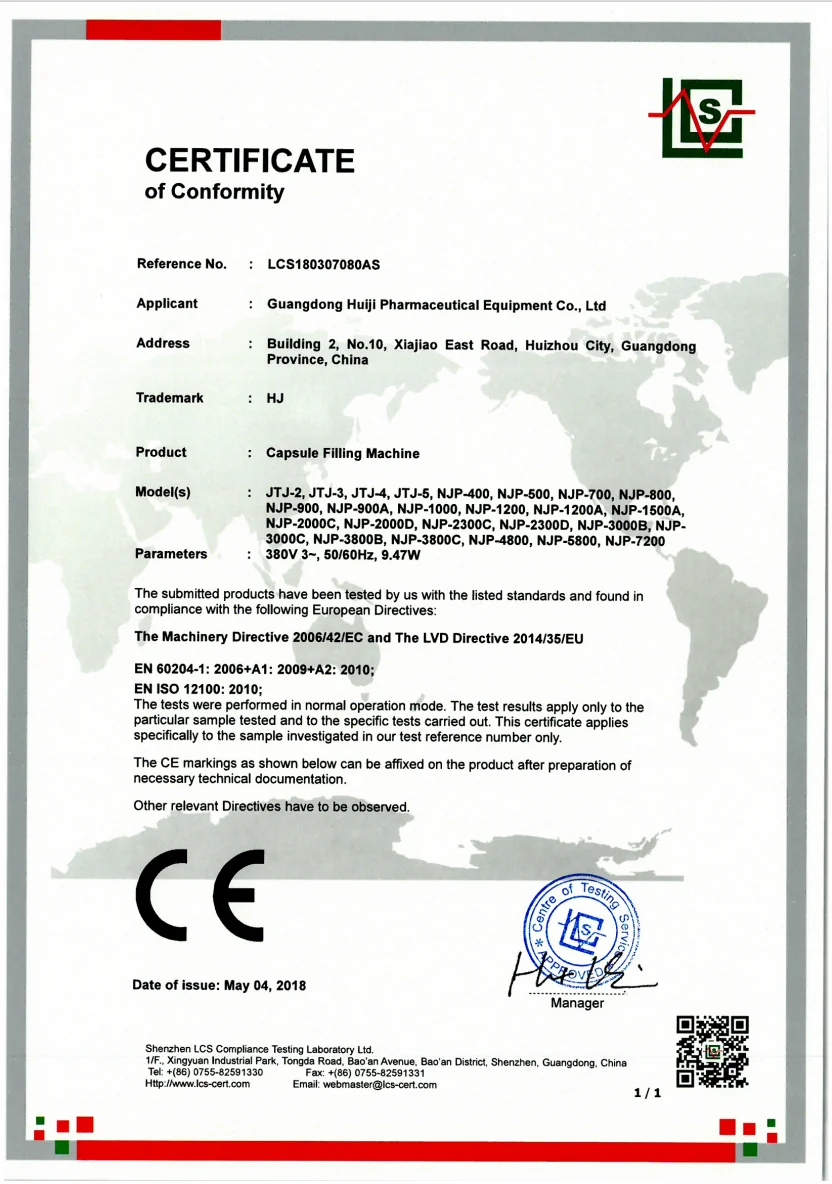
CE File Reference
Ask LEKA to confirm which file and machine model apply to your project.
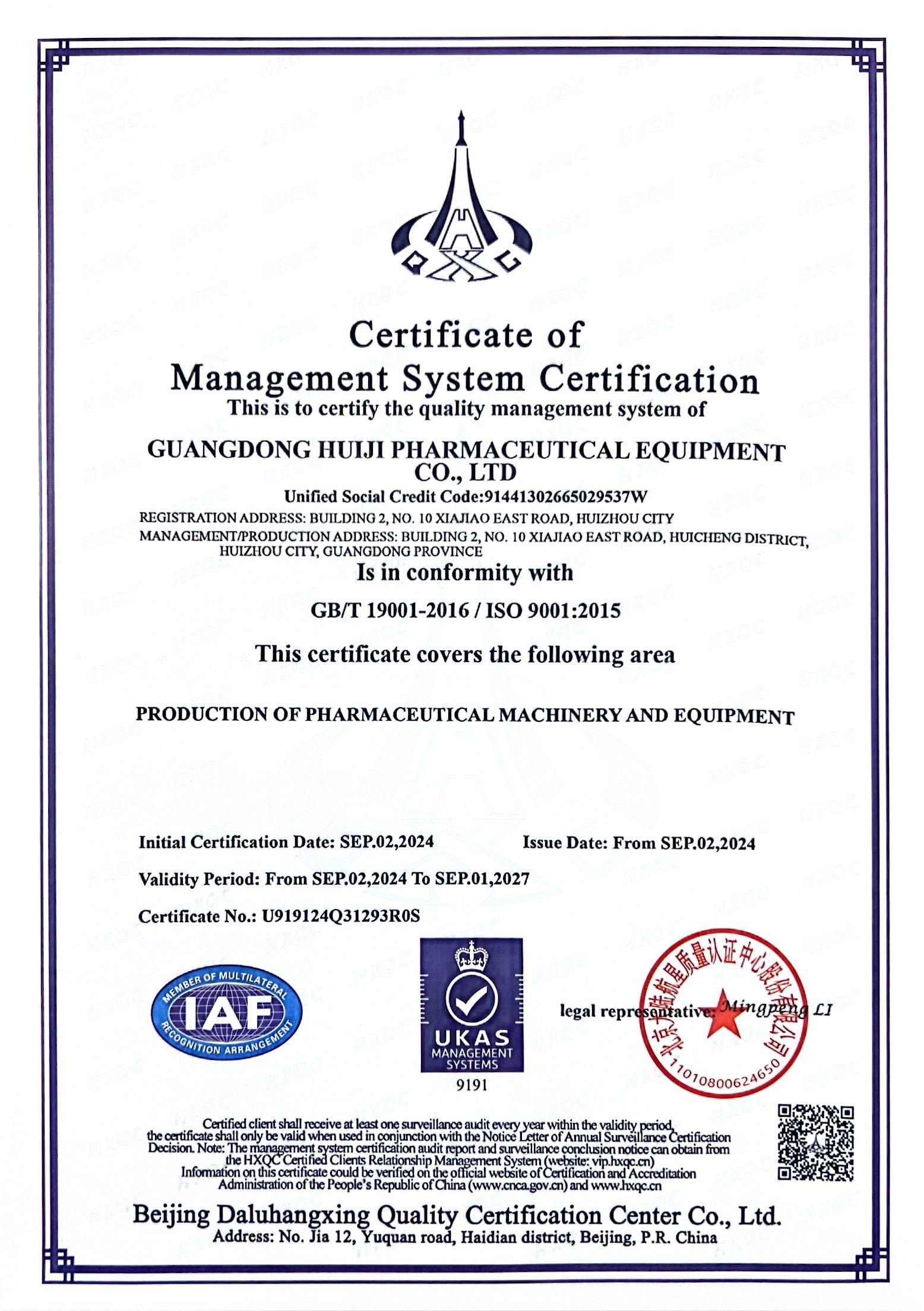
Management File Reference
Review the current company documentation as part of your supplier checks.
Production Environment
Use the factory video as one part of your equipment and supplier review.
Before a Factory Test
- Confirm the approved oil and bottle samples
- Agree on the fill range and operating conditions
- Review bottle movement and nozzle performance
- Record the accepted configuration and remaining actions
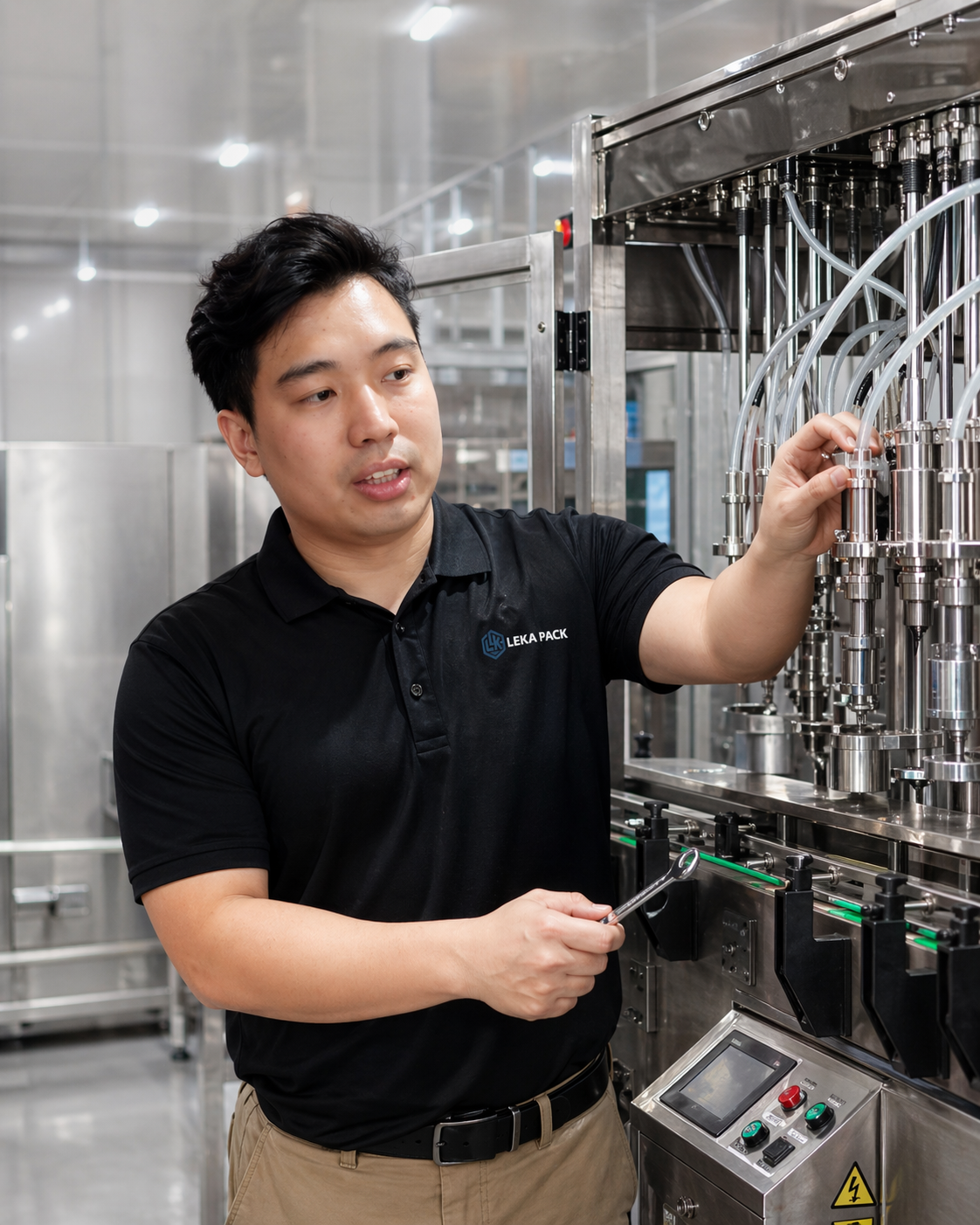
Technical Sales Director
Review Your Oil Filling Project with Slany Cheung
Slany Cheung leads LEKA Pack Line鈥檚 international sales work. He is responsible for overseas customer communication, project discussion, equipment matching, quotation follow-up and after-sales coordination.
Slany began his machinery career in 2014. During his first six years, he worked directly with machine assembly and design, which helps him review packaging equipment from a practical production perspective.
Client Feedback
What Buyers Reviewed After Installation
鈥淭he tracking filling structure helped us improve line continuity. The main value was not only the filler itself, but also the matching of filling, capping, labeling and coding in one project discussion.鈥?/blockquote>Oil Packaging BuyerEdible oil packaging project

鈥淲e needed cleaner bottle-mouth performance and easier recipe changeover. The anti-drip nozzle design and PLC recipe storage made daily operation easier for different bottle volumes.鈥?/blockquote>Production ManagerCooking oil bottling project
Connected Equipment
Prepare the Filler for the Rest of Your Packaging Process
Cap Closing
Confirm the cap style, feeding method and closing requirement with the bottle sample.
Review Capping MachinesBottle Labeling
Share the label position, roll direction and bottle shape before selecting a labeler.
Review Labeling MachinesConnected Line Planning
Coordinate filling, capping, labeling, coding and conveying around the required output and factory layout.
Review Edible Oil Line PlanningProject Review
Send the oil, bottle, cap, label, voltage and available layout so the machine interfaces can be checked together.
Send Your Project DetailsMachine Catalogue
Compare Filling and Packaging Equipment
Use the catalogue as a starting reference, then send the real product and container details for project confirmation.
Expert Guides
Latest Filling and Packaging Guides
Read practical articles about filling equipment, bottle packaging lines, capping, labeling and factory planning.
Request a Configuration
Send Your Oil and Bottle Details for Equipment Review
LEKA will review the product, container, fill range, output and automation requirements before preparing a machine proposal.
Please Include
- Oil type and working temperature
- Bottle type, photo, dimensions and capacity
- Cap type and label method
- Required fill range and target output
- Automation level and existing equipment
- Industrial voltage and destination country
- Factory layout and available installation space
FAQ
Edible Oil Filling Machine Questions
Which products and containers can an edible oil filling machine handle?
LEKA reviews cooking oil, vegetable oil, sunflower oil, olive oil and blended edible oils for PET, HDPE or glass bottles, jars, handle containers and metal cans. Final suitability depends on the oil, fill range, bottle and closure details.
Which dosing option should I consider for edible oil?
Flowmeter, weighing, piston and servo-pump dosing can be reviewed. The choice depends on oil behaviour and temperature, fill volume, required control, cleaning needs and the confirmed machine model.
What is the difference between tracking motion and a dosing method?
Tracking describes how filling nozzles move with bottles during the filling cycle. It does not measure the oil by itself. A compatible dosing option still controls the amount filled.
Should I choose a semi-automatic or automatic oil filling machine?
A semi-automatic machine can be reviewed for startup or smaller-batch production. An automatic line is considered when the project needs continuous bottle handling and connection to capping, labeling, coding or packing equipment.
Can one machine handle different oils and bottle sizes?
A confirmed machine may handle multiple approved products and bottle formats. LEKA checks the fill range, product properties, bottle stability, neck and cap dimensions, required change parts and recipe settings before confirming the usable range.
How is the output of an edible oil filling line confirmed?
Output is confirmed after reviewing the oil, operating temperature, fill volume, bottle handling, dosing option, nozzle count and the speed of capping, labeling, conveying and downstream equipment. The project proposal should state the conditions used.
What equipment can be included in a complete oil bottling line?
A project can include bottle feeding, oil filling, cap feeding and closing, sealing, labeling, date or QR coding, conveyors, inspection and end-of-line packing. The scope is matched to the container, output target and factory layout.
What information is needed for an edible oil filling machine quotation?
Send the oil type and working temperature, bottle photo or drawing, bottle and neck dimensions, fill volume or range, cap and label details, target output, required line scope, factory layout, industrial voltage, destination country and project timeline.
Machine Catalogue
Download LEKA Packaging Machinery Catalogue
Compare filling, capping, sealing, labeling, conveying and complete bottling line options for food, beverage, sauce, edible oil, cosmetics, home care and chemical products.
- Filling machine selection by product type and viscosity
- Capping, sealing, coding and labeling equipment options
- Complete line configuration guidance for bottle projects