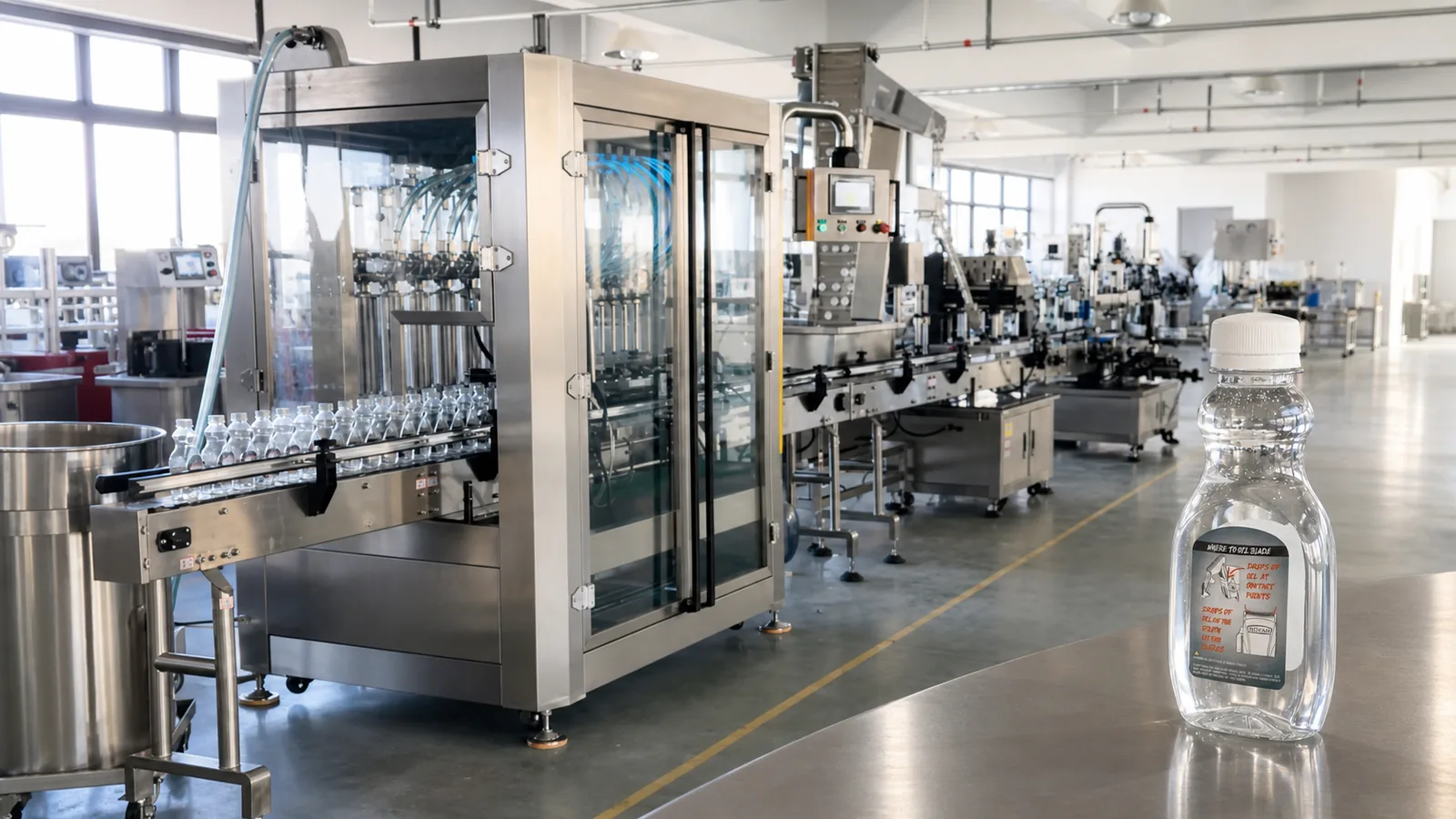
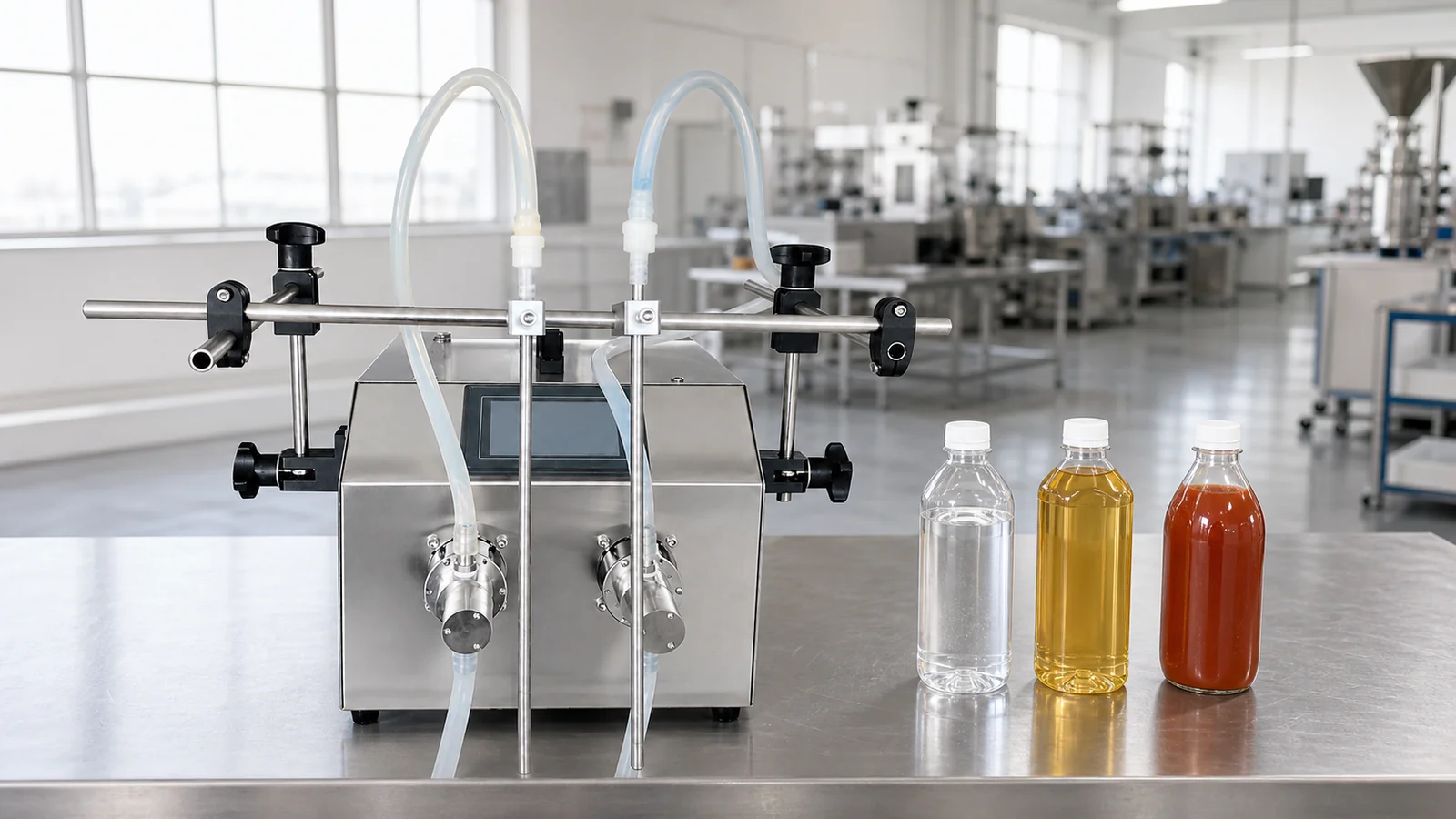
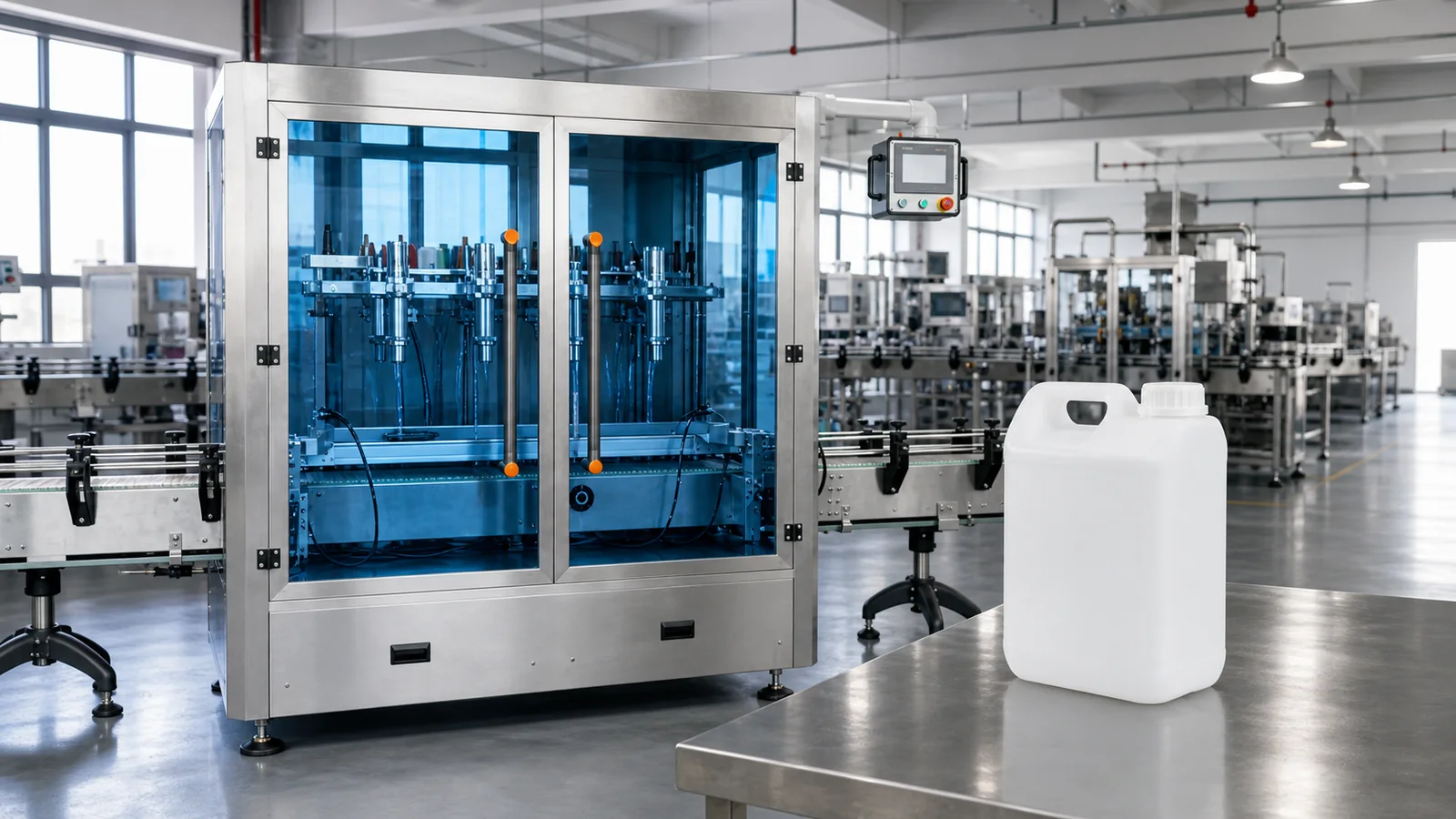
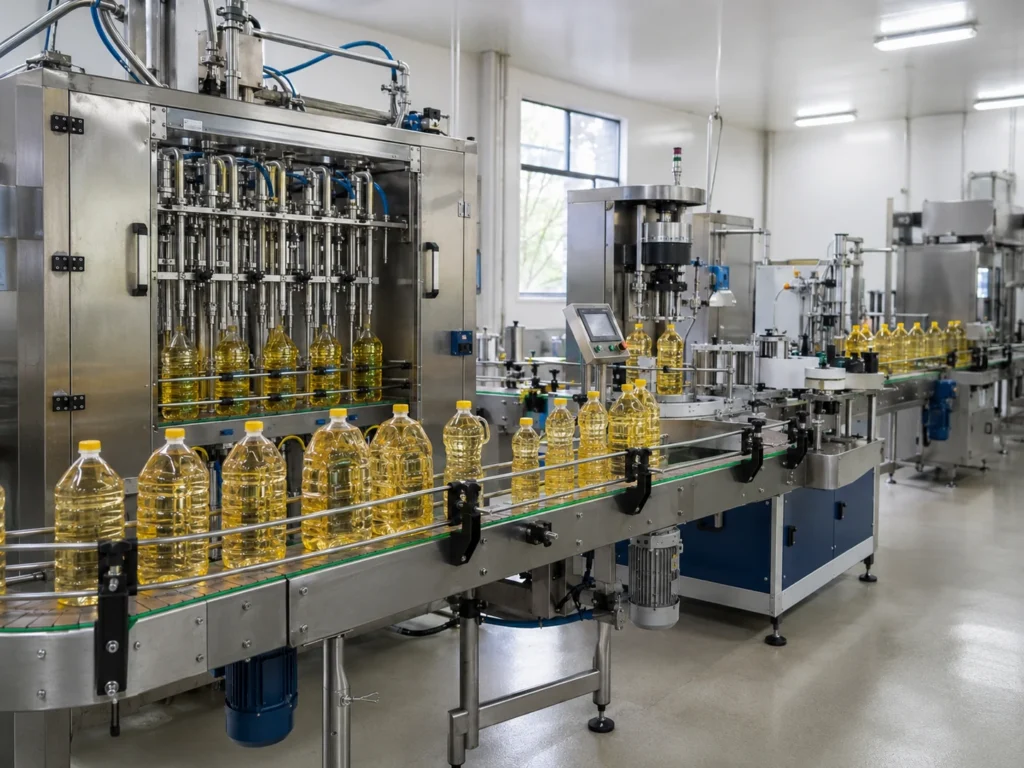
Edible Oil Bottle Filling Machine for PET Bottles: Filling, Capping and Labeling Line Guide
Author: Slany Cheung, LEKA Pack Line
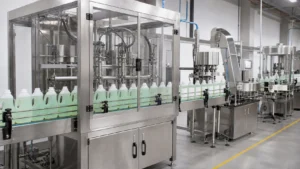
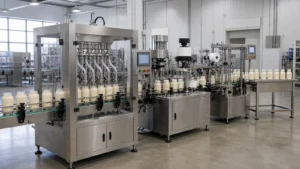
This guide helps small and medium oil producers plan a PET bottle oil filling line with filling, capping, labeling, cleaning and later line upgrades in mind. This article focuses specifically on PET bottle handling and line configuration. For a broader comparison of filling methods and container options, read the edible oil filling machine selection guide. To compare available equipment, visit LEKA’s oil filling machine solutions.
Who this guide is for
This guide is written for small and medium edible oil producers, factory owners, purchasing managers, production managers and packaging line integrators who are planning or upgrading an edible oil bottle filling machine line for PET bottles.
The goal is practical: help you choose a suitable filling solution, avoid common problems such as dripping and difficult cleaning, and configure a reliable filling, capping and labeling line that fits your bottle sizes, hygiene requirements and budget.
Why PET bottle edible oil lines need special attention
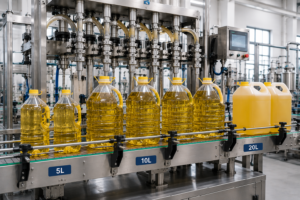
Filling edible oil into PET bottles looks simple at first glance, but real production is more complex. Bottle neck design, label panel shape, caps, temperature changes and oil residue around the nozzles can all affect filling stability and final appearance.
Because edible oil is a food product, any residue that stays inside the machine or on contact parts can become stale over time and create odor. A poorly designed line can be hard to clean, which increases hygiene risk and leads to more downtime for maintenance.
LEKA’s experience with edible oil PET bottle lines
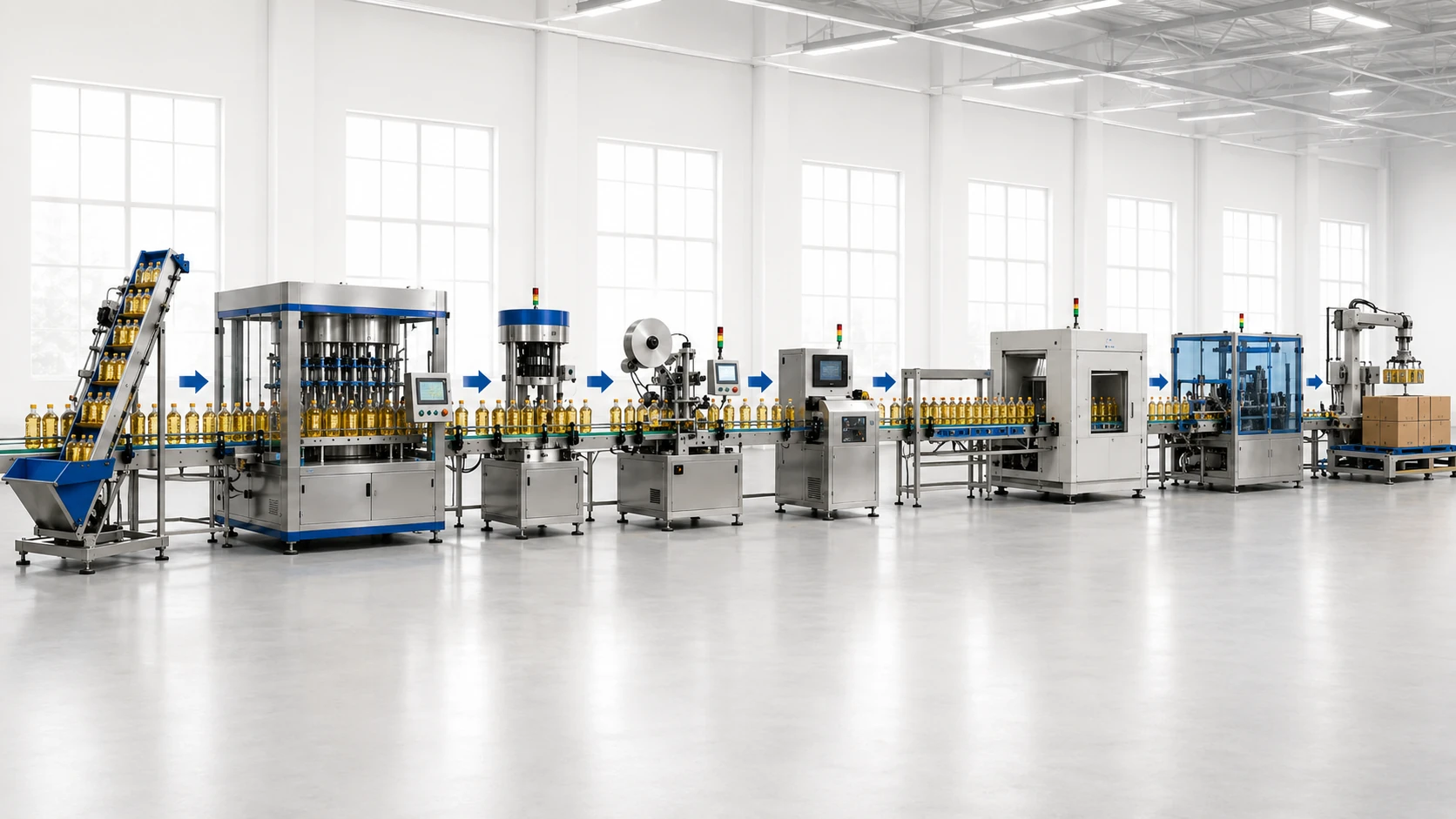
LEKA Pack Line has exported edible oil, cooking oil and vegetable oil filling and packaging solutions to Southeast Asia, mainland China, Australia and Europe. Many of these projects are for small and growing producers using PET bottles from about 200 ml to 1.5 L.
Instead of selling a single machine, LEKA works with customers to plan a practical line according to product viscosity, bottle design, cap type, label method, target capacity, factory layout, automation level, voltage and budget. The focus is on stable production, easier cleaning and easier maintenance over the long term.
Why LEKA usually recommends servo gear pump filling
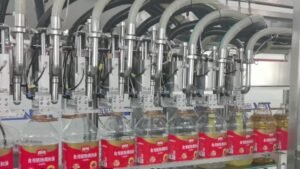
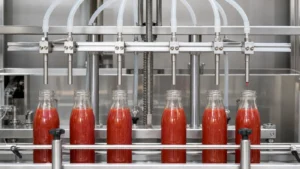
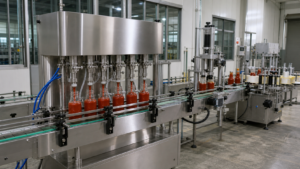
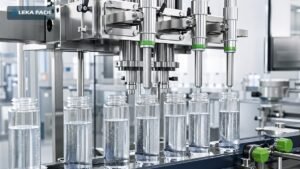
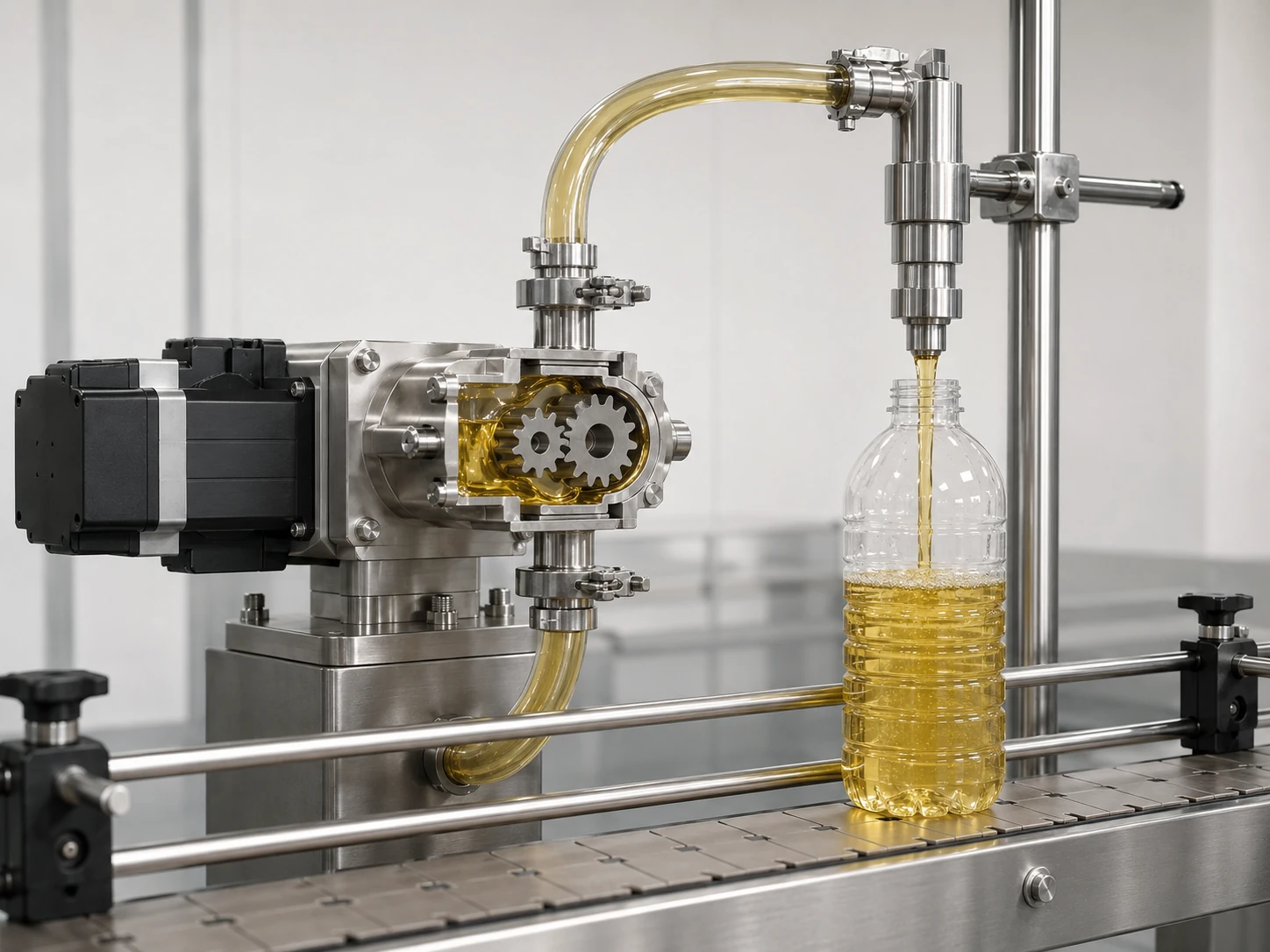
For edible oil in PET bottles, LEKA usually recommends servo gear pump filling as the main solution. A gear pump filler is a volumetric system that uses a rotating gear to move a defined volume of oil into each bottle.
The servo motor controls filling volume by precisely calculating the gear rotation for each cycle. By adjusting the rotation angle or number of turns, the machine can set different volumes for different bottle sizes without changing mechanical parts.
Benefits of servo gear pump filling for edible oil
- Flexible bottle sizes: One servo gear pump filling machine can normally cover multiple PET bottle sizes in the small and medium range, such as 200 ml to 1.5 L, when they are in a planned bottle family.
- Stable filling volume: Because the servo motor controls the pump rotation precisely, the filling volume for each cycle is repeatable. This improves consistency between bottles.
- Fast changeover: Operators can adjust the target volume through the control panel instead of changing pumps or cylinders. This shortens changeover time between different bottle sizes.
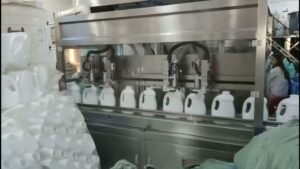
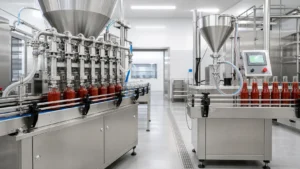
- Compact layout: Servo gear pump fillers can provide multiple filling heads in a relatively compact inline layout, which helps when factory space is limited.
Real component detail
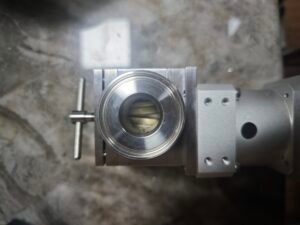
GP-075S1 Servo Gear-Pump Option for Edible Oil
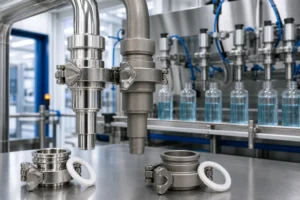
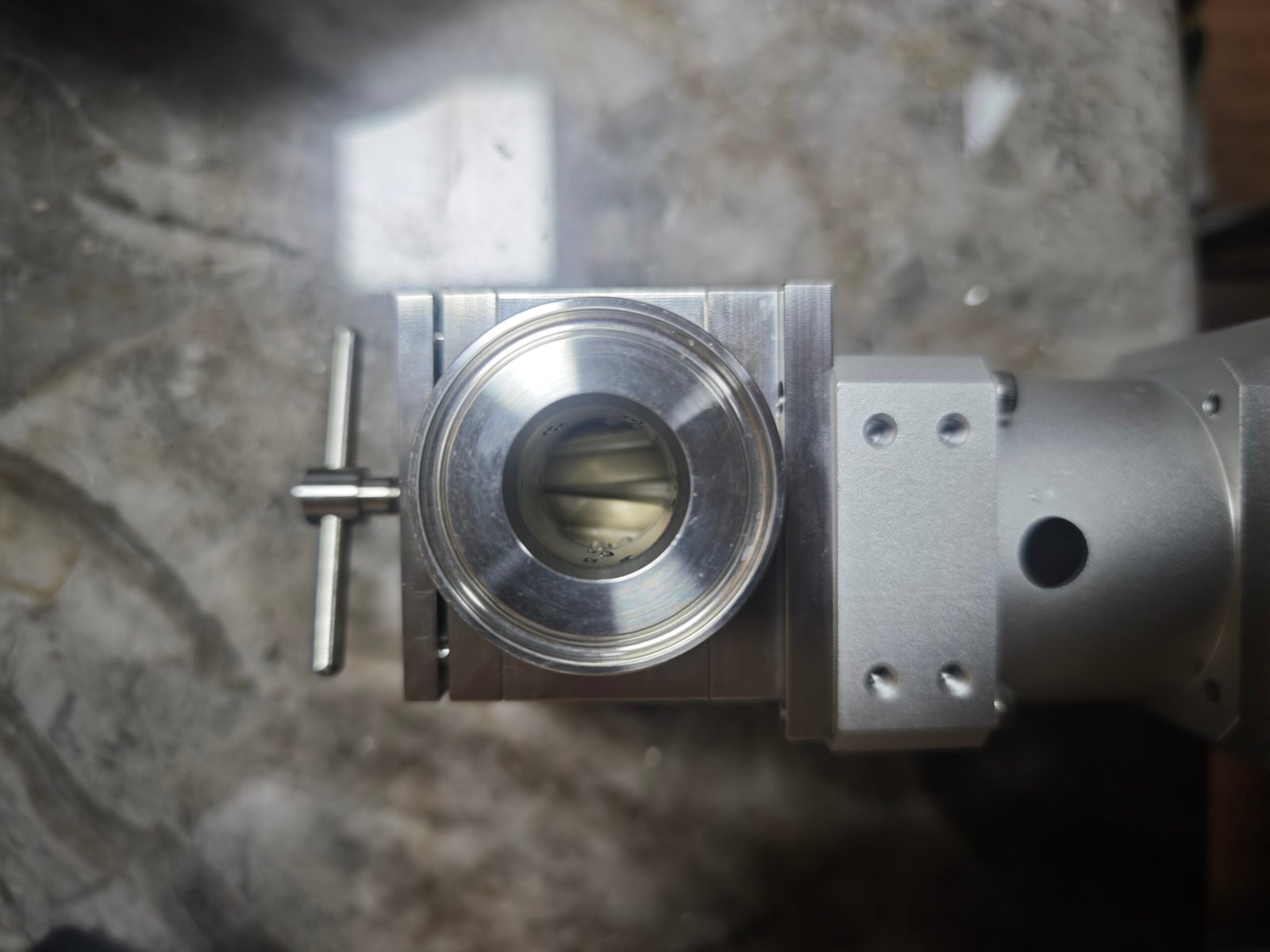
For compatible PET-bottle edible-oil projects, the GP-075S1 can be evaluated as the dosing component in a servo-controlled filling system. The servo drive controls pump rotation so the target volume can be set through the machine controls and adjusted for the planned bottle family.
Specified filling accuracy under matched and calibrated operating conditions
Material used for the product-contact gear-pump section
Final performance depends on oil viscosity and temperature, target volume, filling speed, calibration, nozzle control and the complete line configuration. Confirm the result with the actual product and container before final machine approval. The material statement describes this pump section and does not by itself establish a food-contact certification.
When to add automatic weighing for direct net-weight control
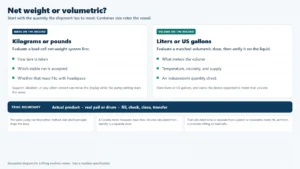
For customers who require direct net-weight control, LEKA may recommend adding automatic weighing to the filling process. In a weighing (gravimetric) system, each bottle is placed on a load cell and the machine fills until the target weight is reached.
This approach is useful when you need tighter control of net content, are working with higher-value edible oils, or face strong regulatory requirements on filled weight. The weighing system can help compensate for density changes caused by temperature, which can affect volumetric filling.
| Filling Solution | Suitable Products | Bottle Type | Production Use | Recommended Setup |
|---|---|---|---|---|
| Servo gear pump volumetric filling | Standard edible, cooking and vegetable oils | 200 ml-1.5 L PET bottles in a defined family | Most small and medium producers with regular retail packs | Main solution for flexible PET bottle lines where stable filling volume and quick size changeover are important |
| Automatic weighing (gravimetric) filling | Higher-value oils or products with strict net content control | PET bottles and possibly other container types | Producers who need direct weight-based control and clearer filled-weight records | Used when direct net-weight control and density-change handling are priorities |
Managing dripping, residue and cleaning in edible oil filling
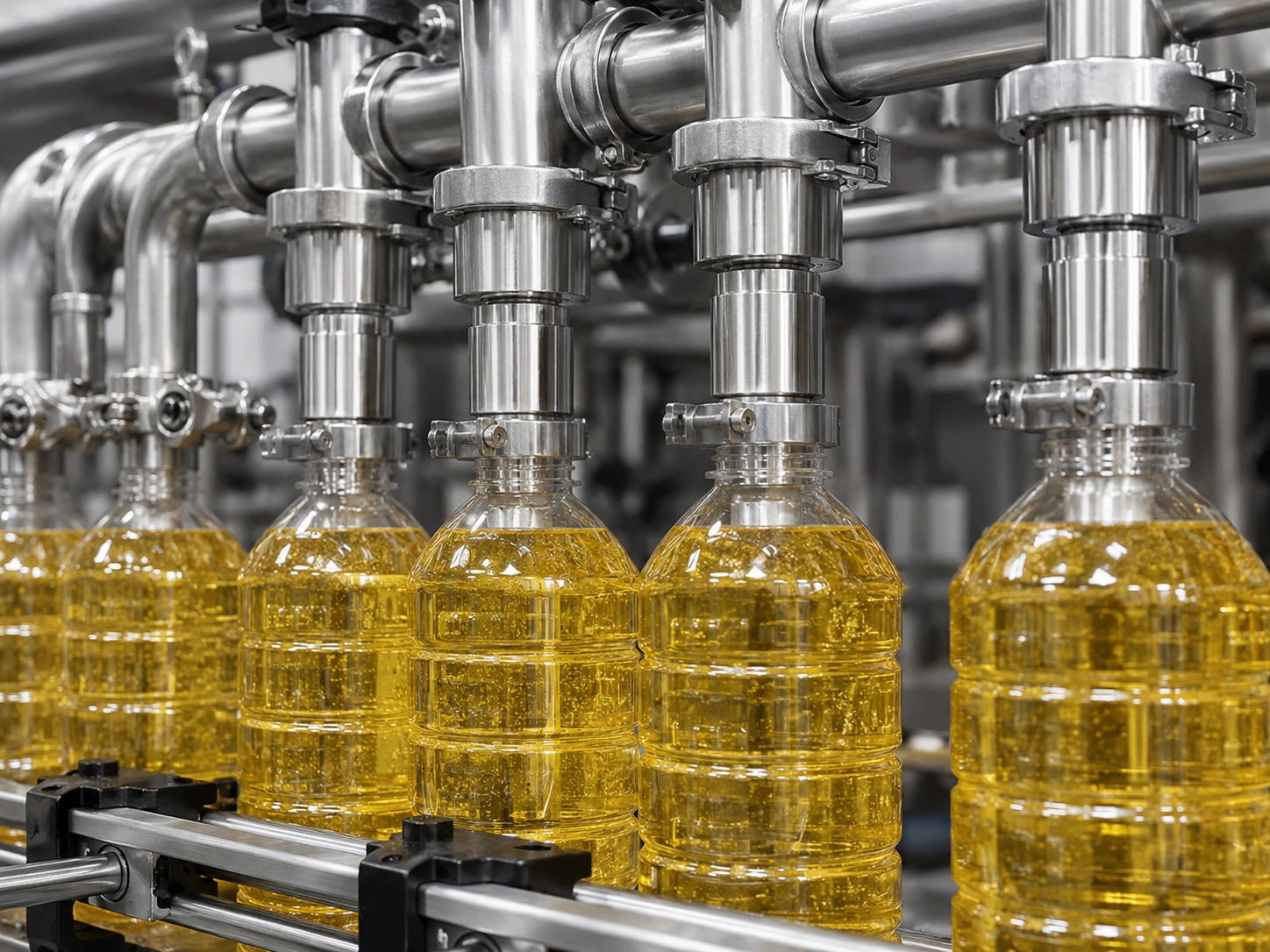
In edible oil filling, customers often face similar problems: dripping from the filling nozzles, oil residue around the nozzle area, and cleaning difficulty. If oil remains in the machine or on the frame, it can become stale, oxidize and create odor, while also attracting dust.
These issues do not just affect machine appearance. Dripping and residue can cause sticky bottles, poor label adhesion, dirty conveyors and more cleaning work around the line.
Why easy cleaning matters for food-related oil filling
- Food safety: Oil is a food product and must be handled on clean, well-maintained surfaces. Cleaning and sanitizing remove residues and reduce microorganisms on food contact surfaces.
- Odor and product perception: Stale oil residue can generate off-odors that make the production environment feel unclean and may damage customer confidence if containers feel oily.
- Less downtime: A machine designed for easier cleaning allows faster washdowns and less time waiting for cleaning and reassembly. This supports more consistent production.
How LEKA designs edible oil filling equipment for easier cleaning
- Anti-drip filling: Nozzles and filling sequences are designed to reduce dripping at the end of each cycle, which helps keep bottle necks and caps cleaner and reduces residue on the conveyor.
- Less residual oil: Stable bottle handling, suitable nozzle insertion depth and controlled acceleration and deceleration help minimize splashing and overflow, which lowers the amount of residual oil on bottles and machines.
- Easier cleaning and maintenance: The machine structure, piping and contact parts are arranged to be accessible for cleaning and inspection, with smooth surfaces that are compatible with normal food-industry cleaning and sanitizing procedures. This also supports easier routine maintenance.
Basic, standard and expanded edible oil PET bottle lines
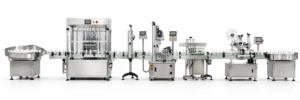
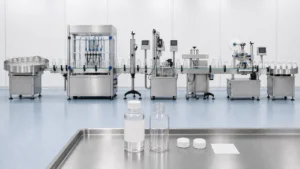
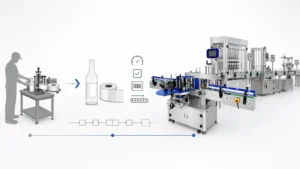
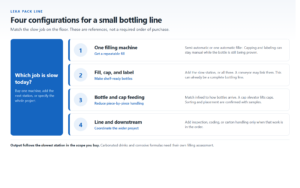
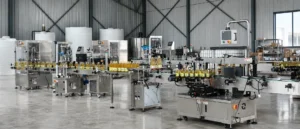
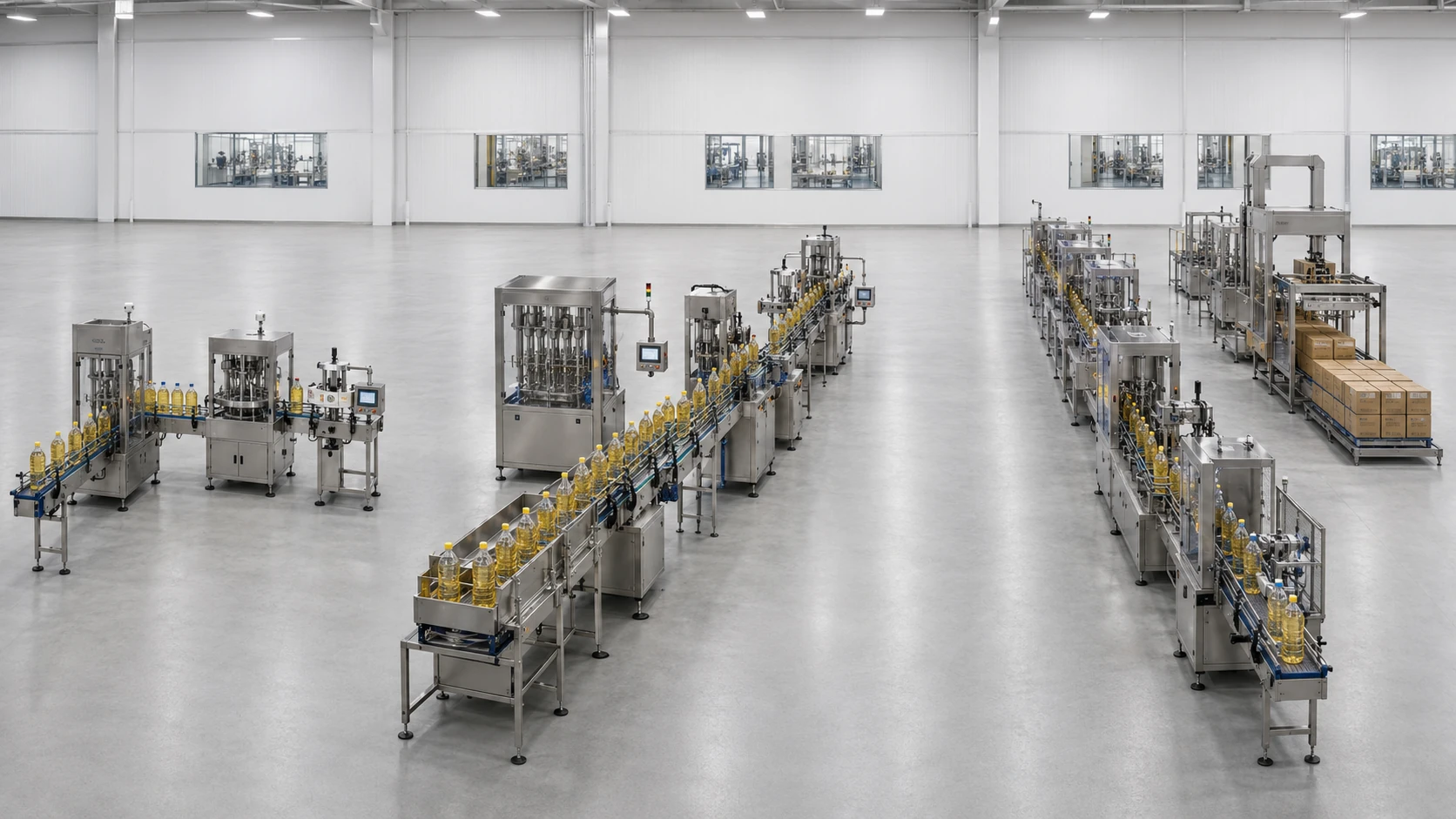
Most edible oil producers do not want to buy a single filler without thinking about the rest of the line. A practical approach is to consider three main configuration levels: basic, standard and expanded. These can be planned from the start so that the line can grow with your business.
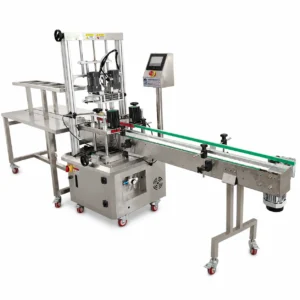
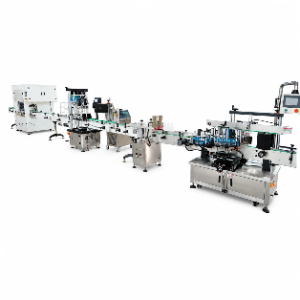
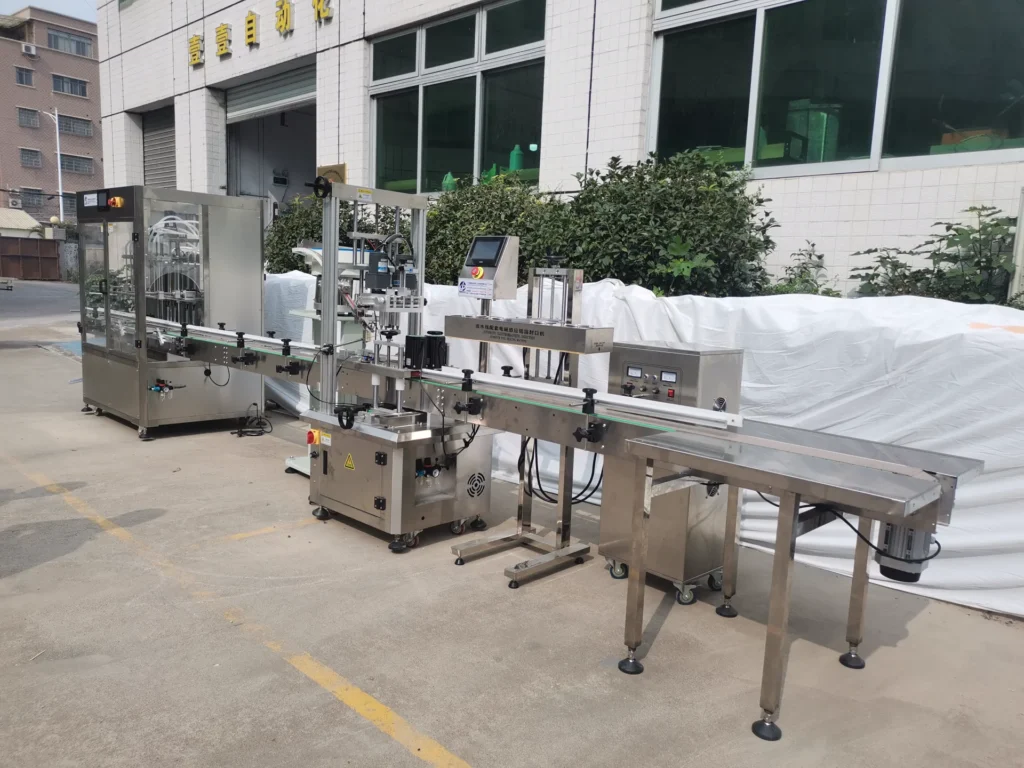
Basic line: filling + capping + labeling
The basic line is suitable for factories that are moving up from manual or semi manual filling and want a compact but more hygienic system.
- Edible oil filling machine, typically servo gear pump
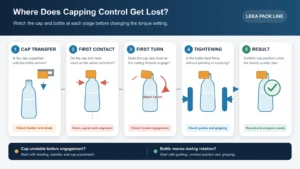
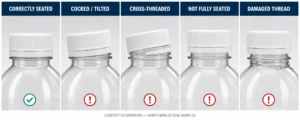
- Capping machine matched to the cap type and torque requirement
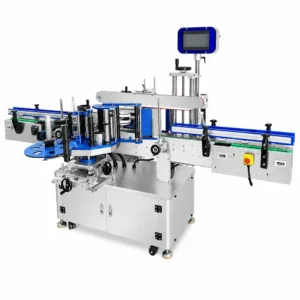
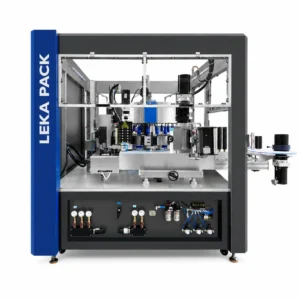
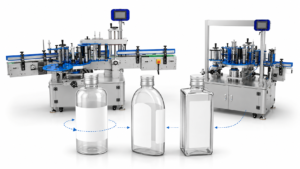
- Labeling machine for PET bottles
This setup already reduces manual handling of open bottles and caps, and gives a more consistent product appearance on the shelf.
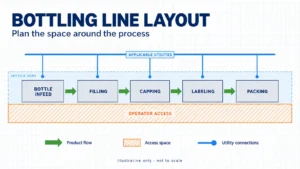
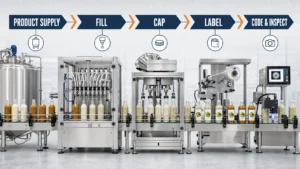
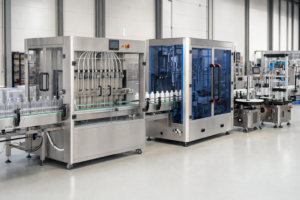
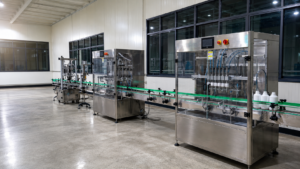
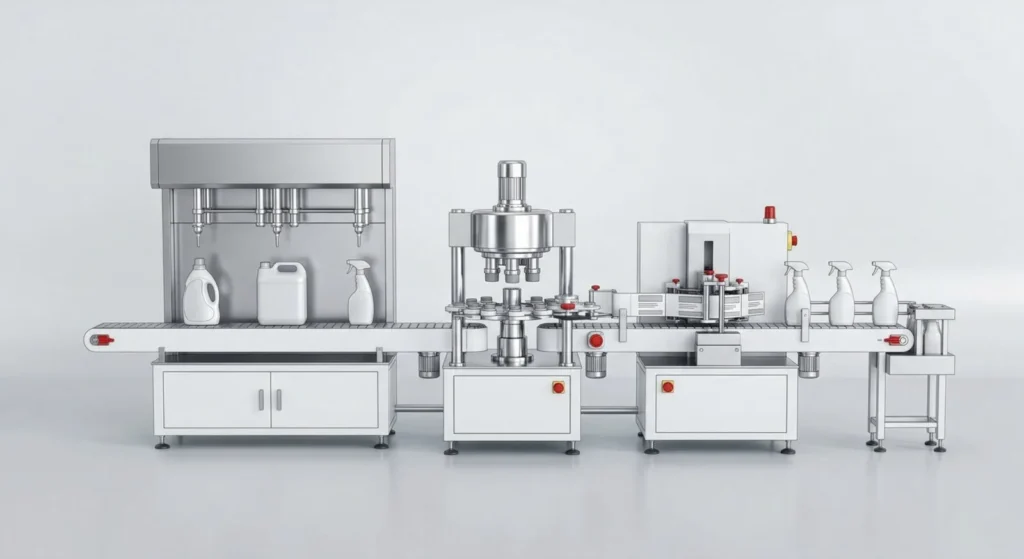
Standard line: bottle feeding + filling + capping + labeling + coding + conveyor
The standard line is the most common choice for growing edible oil producers with regular orders and several SKUs.
- Bottle feeding system, such as bottle unscrambler or feeding table
- Edible oil filling machine, servo gear pump with optional weighing
- Automatic capping machine
- Automatic labeling machine
- Coding system for date and batch information
- Conveyor system connecting each station
This configuration provides a stable flow from empty bottle to finished product, with less manual intervention and more consistent coding and labeling.
Expanded line: filling + capping + labeling + coding + conveyor + sealing + cartoning + case packing
The expanded line extends beyond primary filling and labeling into secondary and tertiary packaging for shipping.
- Filling machine, capping machine, labeling machine and coding system
- Conveyor system
- Sealing equipment, such as induction sealing or shrink sealing where required
- Cartoning machine for grouping bottles into cartons when needed
- Case packing equipment for forming, loading and sealing shipping cases
This level is suitable for producers serving larger distribution networks and export markets where consistent secondary packaging is important. For factories comparing complete line layouts, LEKA’s bottle packaging line solutions page can help you review broader filling, capping, labeling and packing integration.
| Machine Configuration | Typical User | Production Use | Recommended Setup |
|---|---|---|---|
| Basic line: filling + capping + labeling | Small factories and start-up edible oil brands | Regular but moderate production with a focused bottle and cap range | Good first step away from manual filling while improving hygiene and appearance |
| Standard line: bottle feeding + filling + capping + labeling + coding + conveyor | Growing producers with multiple SKUs and steady demand | Daily production that needs stable throughput and less manual handling | Balanced solution for most small and medium edible oil plants |
| Expanded line: filling + capping + labeling + coding + conveyor + sealing + cartoning + case packing | Producers supplying modern trade and wider regional or export markets | Higher-volume operations requiring automated secondary packaging | Used when you want a more complete line with automated packing at the end |
Semi automatic vs automatic edible oil filling machines
Semi automatic edible oil filling machines are useful in many early-stage situations. Typically, operators load and unload bottles by hand, and the machine controls the filling volume through the servo gear pump or other filling system.
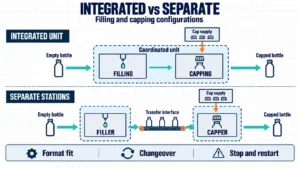
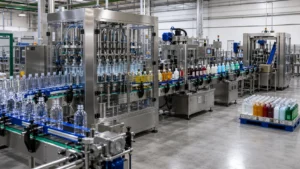
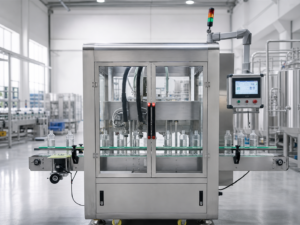
Automatic edible oil filling machines are integrated into a conveyor line. Bottles are fed automatically, filled and passed directly to capping and labeling. This reduces manual handling and supports more stable daily output.
Where semi automatic edible oil filling machines fit
Semi automatic edible oil bottle filling machines are suitable for:
- Small factories
- Start-up brands
- Small-batch production
- Multiple bottle sizes
- Limited budgets
- Manual bottle loading with lower daily volume
Factories that are still comparing entry-level equipment can review LEKA’s semi automatic filling machine options before deciding when to upgrade to a connected line.
Why regular food production should move beyond very manual setups
For regular food production, LEKA usually recommends at least a basic filling + capping + labeling line instead of staying with very manual handling. When operators fill bottles, put on caps and apply labels by hand, it is harder to control hygiene and consistency across each batch.
A basic automatic line reduces direct contact with open containers, stabilizes filling volume and cap application, and improves the overall appearance and repeatability of your finished edible oil bottles.
| Filling Solution | Machine Configuration | Suitable Products | Bottle Type | Production Use | Recommended Setup |
|---|---|---|---|---|---|
| Semi automatic edible oil filler | Stand-alone filler with manual bottle loading and unloading | Small-batch edible oil products and test runs | Multiple PET bottle sizes with low daily volume | Use for flexible small-scale production, with a plan to upgrade to at least a basic line when volume grows | |
| Automatic edible oil filling machine | Integrated into basic, standard or expanded line | Main edible, cooking and vegetable oil SKUs | Family of PET bottles from about 200 ml to 1.5 L | Use as the core of regular production where hygiene and consistency matter |
Integrating LEKA equipment and solutions
LEKA Pack Line does not only offer single edible oil bottle filling machines. The company helps you integrate these machines into a complete line, including capping, labeling, coding, sealing, cartoning and case packing as needed.
If you want to see more about the filling equipment itself, you can review LEKA’s dedicated oil filling machine page. For deeper selection details, you can also read the Edible Oil Filling Machine Selection Guide and combine it with the broader Bottle Packaging Line Solutions overview when planning your full line.
Typical project steps for small and medium edible oil producers
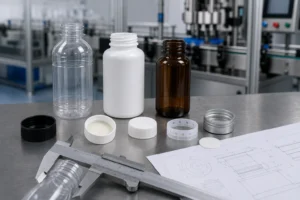
- Define bottle and cap family: Confirm PET bottle volumes, neck finishes, cap types and label areas for your main products.
- Clarify production plan: Estimate daily operating hours, batch sizes and expected growth over the next few years.
- Choose filling principle: Decide whether servo gear pump volumetric filling is sufficient, or if automatic weighing is needed for direct net-weight control.
- Select automation level: Choose between semi automatic setups and basic, standard or expanded lines based on budget, labor availability and hygiene expectations.
- Plan cleaning and maintenance: Agree on cleaning procedures, access points and contact part materials so that you can maintain food-grade conditions.
- Allow for planned upgrades: Reserve space and interfaces so that bottle feeding, coding, sealing, cartoning or case packing can be added later without major rework.
Frequently Asked Questions
What bottle sizes can one edible oil bottle filling machine handle?
In many projects, one edible oil bottle filling machine can handle a range of PET bottles from about 200 ml to 1.5 L. To keep changeovers efficient, it is important to plan a bottle family with compatible neck finishes and shapes so that the same machine adjustments can work across several sizes.
Is volumetric filling enough, or do we need weight-based filling?
For most standard edible oil products, servo gear pump volumetric filling provides a stable filling volume that is sufficient for normal retail packs. If you must control net content very tightly or work with higher-value oils, automatic weighing provides direct weight-based control and can support net-content records.
How do we reduce dripping and oil residue around the nozzles?
To reduce dripping, you need nozzle designs that close cleanly, stable bottle handling and proper settings for filling speed and nozzle movement. A well-designed line also reduces splashing and avoids sudden starts and stops that cause oil to spread onto bottle necks, caps and conveyors.
How often should an edible oil filling line be cleaned?
Cleaning frequency depends on your production schedule and local regulations, but food-industry practice is to clean food contact surfaces often enough to remove residues and reduce microorganisms to acceptable levels. Many plants clean at defined time intervals or during product changes and choose equipment that is designed to support fast and effective cleaning.
When should a factory move from semi automatic to automatic?
A factory should consider moving to an automatic line when daily volume increases, manual labor becomes a bottleneck, or hygiene and consistency requirements rise. At that stage, a basic filling + capping + labeling line usually provides better control, higher repeatability and a more professional finished product.
Plan your edible oil bottle filling machine line with LEKA
If you are planning an edible oil bottle filling machine for PET bottles or upgrading an existing line, LEKA Pack Line can help you translate your requirements into a practical, reliable layout. This includes servo gear pump filling, optional automatic weighing, anti-drip design, and line configurations from basic to expanded levels.
You can start by sharing your bottle drawings or samples, cap types, label method, target capacity and factory layout. Based on this information, LEKA will recommend a suitable filling, capping and labeling configuration, and if needed, a complete bottle packaging line solution.
Ready to discuss your edible oil PET bottle project?
Share your bottle sizes, cap specifications, target output and production plan. Request a PET bottle oil filling line recommendation from LEKA Pack Line.