LEKA Pack -- Technical Resources

Industry Insights
& Knowledge Hub

Expert guidance on filling line selection, packaging machinery, process optimization, and production line planning -- written for engineers, procurement managers, and factory decision-makers.

Featured Article
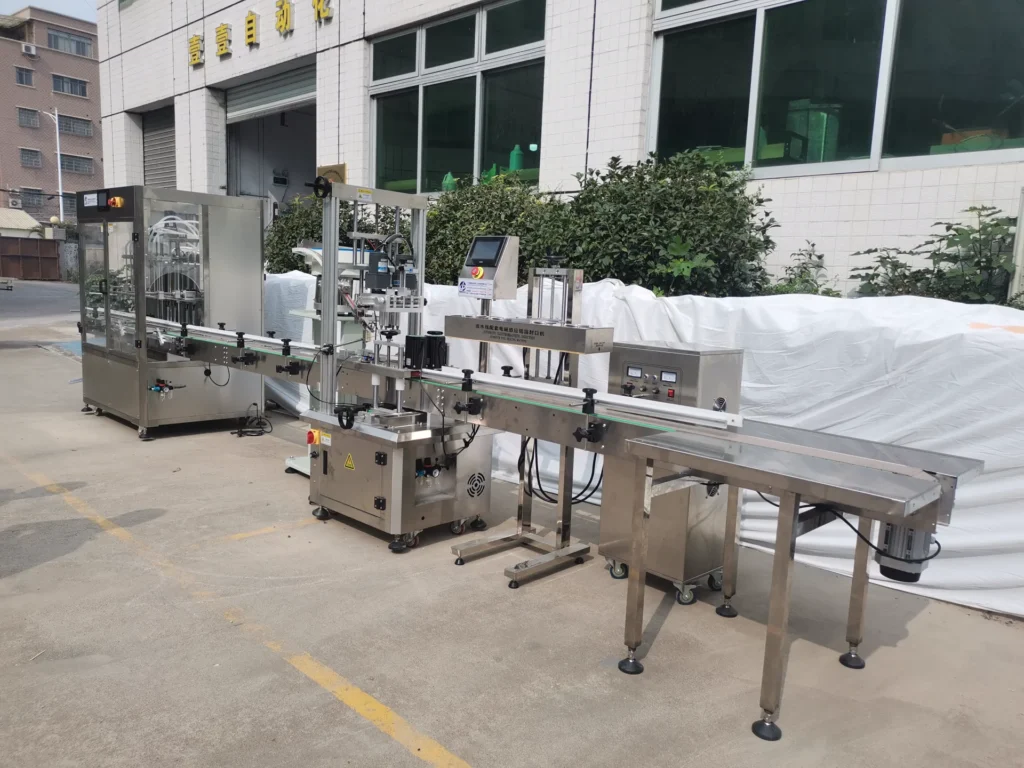
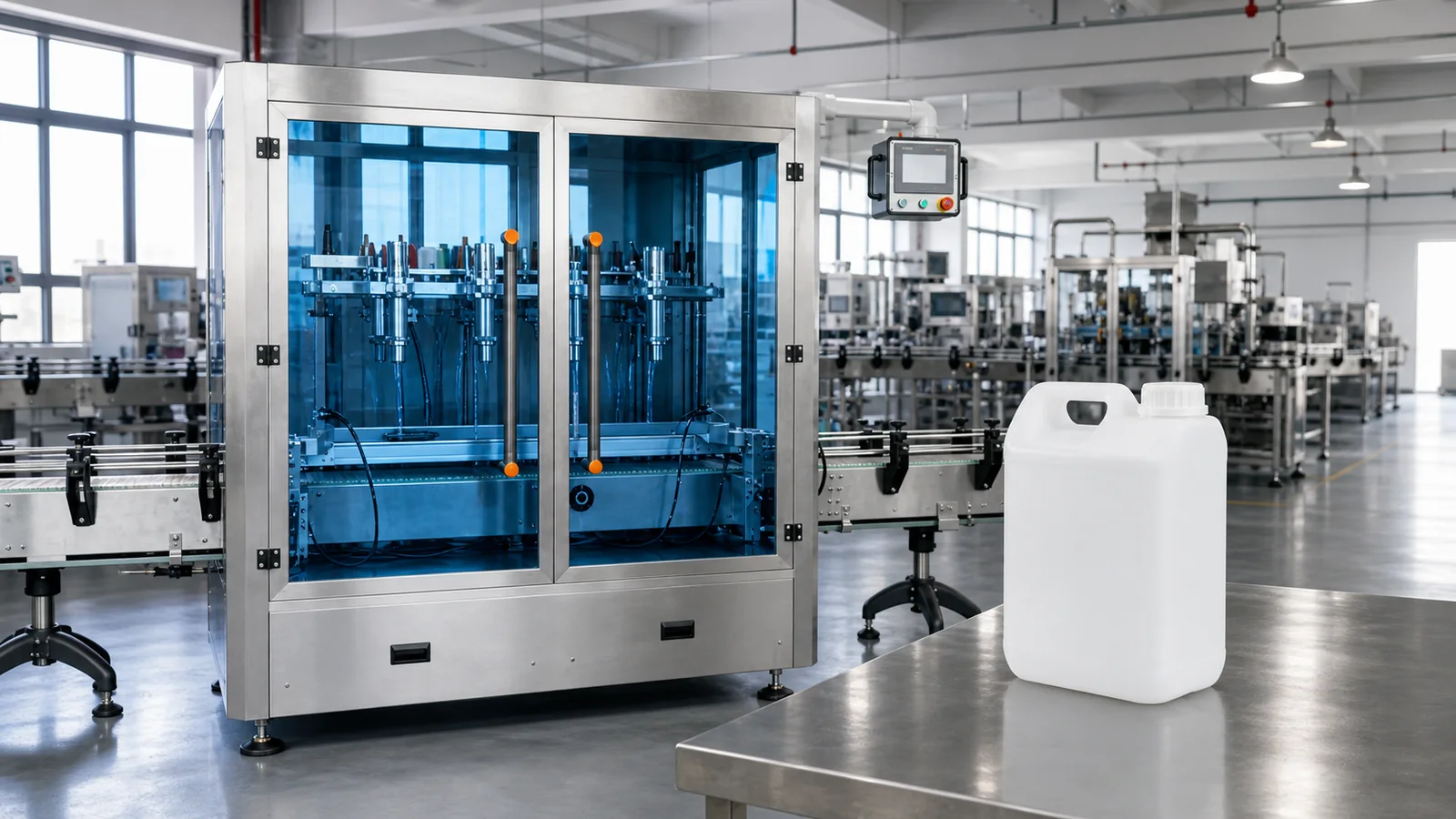
Automatic chemical filling line with stainless steel filling machine and conveyor
Filling Machine
Jul 10, 2026 Slany Cheuang

Chemical Filling Machine for Small Business: Semi-Auto vs Automatic

Many owners of small chemical and cleaning product factories face the same daily pressure: limited staff, tight delivery deadlines, and production that depends too much on manual work. When orders suddenly increase, semi-manual filling can feel like a bottleneck - operators get tired, filling speed becomes unstable, and the risk of rework or inconsistent bottles...

Read Full Article

Latest Articles

Jul 10, 2026 Slany Cheuang

Chemical Filling Machine for Small Business: Semi-Auto vs Automatic

Many owners of small chemical and cleaning product factories face the same daily pressure: limited staff, tight delivery deadlines, and production that depends too much on manual work. When orders suddenly increase, semi-manual filling can feel like a bottleneck - operators get tired, filling speed becomes unstable, and the risk of rework or inconsistent bottles grows. In this situation, choosing between automatic and semi-automatic filling is not only a technical choice, but also a decision about labor cost, product stability, and how your factory will grow in the next 1 to 3 years. If your team spends long hours moving bottles by hand and correcting filling issues, it may be a sign that the current setup is already limiting your business, even if the machine itself was cheap at the beginning. For very early startup testing, or when the starting

Jul 06, 2026 Slany Cheuang

Top 10 Liquid Bottle Filling Machine Manufacturers in 2026

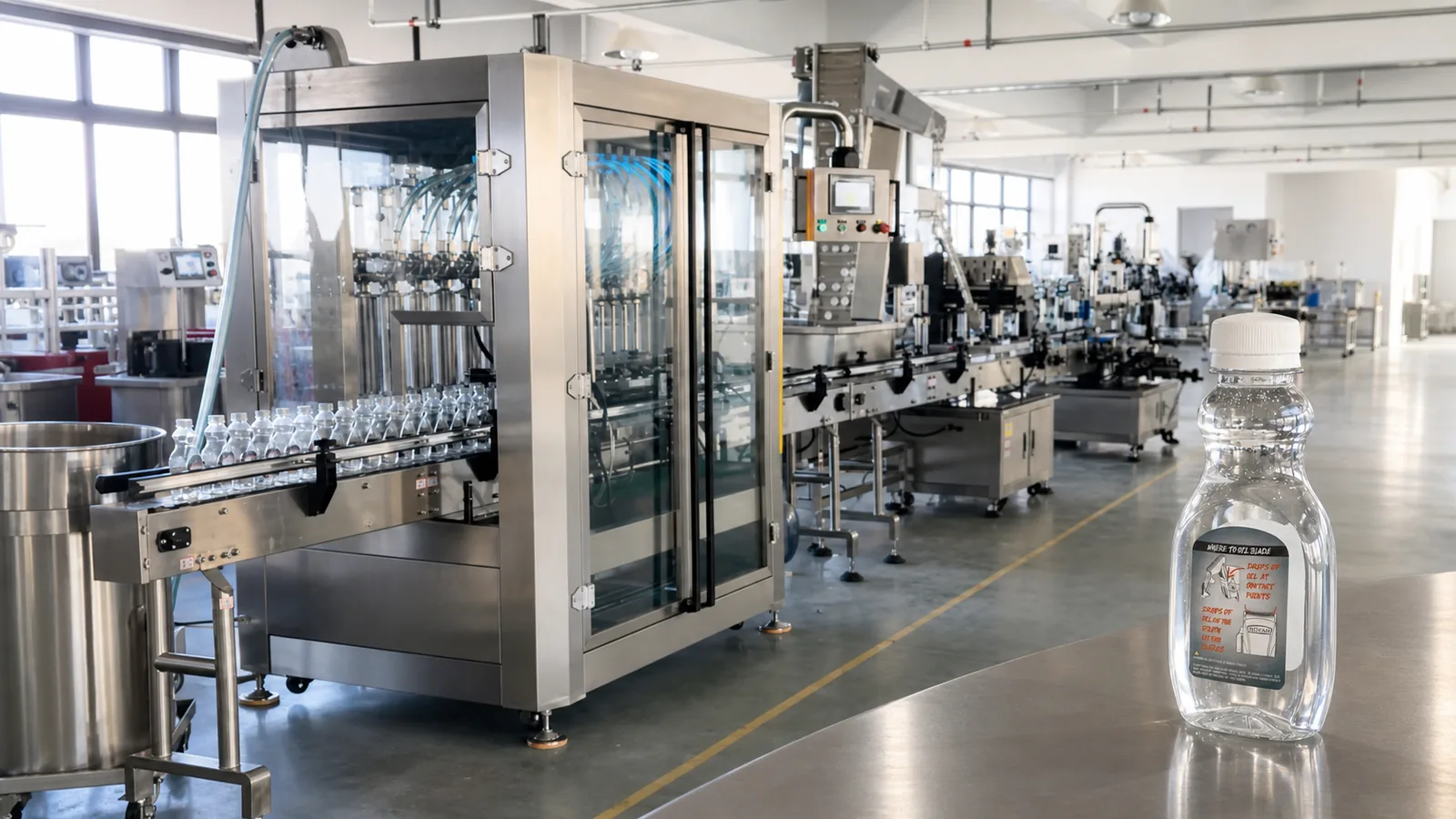
Top 10 Liquid Bottle Filling Machine Manufacturers in 2026 If you are searching for liquid bottle filling machine manufacturers or automatic liquid bottling line suppliers, you probably do not just want a list of company names. In most cases, you want to know which supplier is a better fit for your liquid product, bottle type, cap type, label style, target output, factory layout, and automation budget. This guide focuses on liquid bottling projects for rigid containers, including water-like liquids, edible oil, sauce, honey, shampoo, liquid soap, detergent, cleaning chemicals, cosmetic liquids, industrial liquids, and larger 5L-30L bottles, jerrycans, and pails. It does not cover pouch packing, sachets, premade bags, or general-purpose packaging equipment. Quick navigation Quick comparison table Top 10 manufacturer list Match by liquid product How to choose a manufacturer Complete bottling line configuration Common comparison mistakes Quotation checklist

Jul 01, 2026 Slany Cheuang

Filling Line for Household Chemicals: Complete Setup Guide

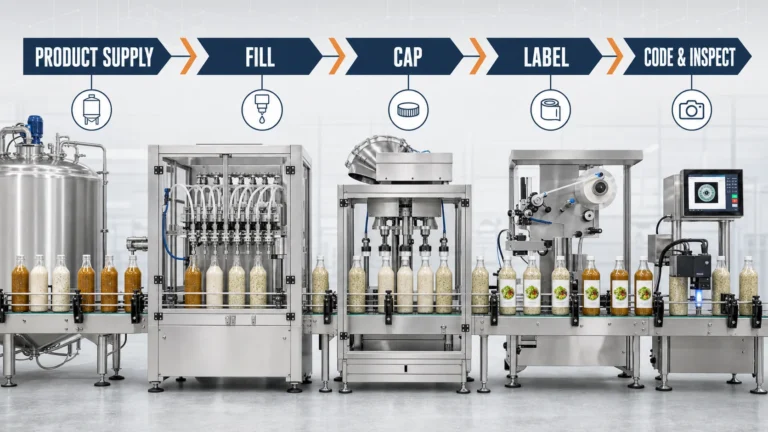
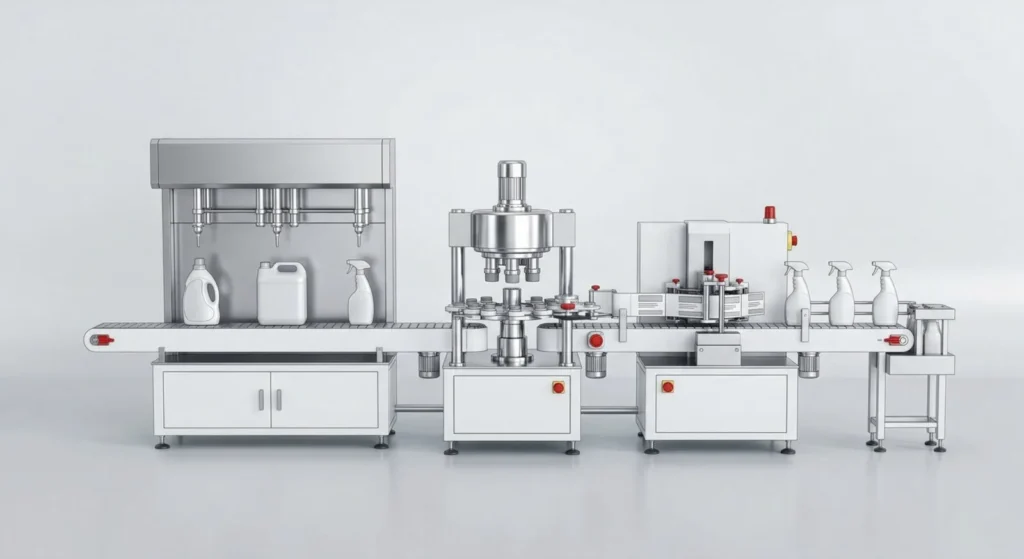
Filling Line for Household Chemicals: Complete Setup Guide Many household chemical producers start by asking for a “chemical filling machine.” But in real production, the machine model is only one part of the decision. A detergent, liquid soap, disinfectant, gel cleaner, and trigger-spray cleaner may all need different filling, capping, labeling, coding, and conveyor considerations. The difficult part is not only buying a machine. The difficult part is choosing a line that works with the product, bottle, cap, label, output target, and factory layout. This guide explains how to configure a filling line for household chemicals before requesting a quotation. It will help you understand which details affect the machine choice, when a semi-automatic setup may be enough, and when a complete bottling line for household chemicals may be easier to manage. For buyers comparing equipment options, the Chemical Filling

Jun 27, 2026 Slany Cheuang

How Small and Medium Factories Choose the Right Filling Machine and Filling Line

How Small and Medium Factories Choose the Right Filling Machine and Filling Line Written and reviewed by the LEKA Pack Line Engineering Team. Last reviewed: June 2026. Key takeaways Start from product behavior, not the machine model — viscosity, foaming, particles, and corrosion decide most of the choice. Thin liquids suit gravity or overflow filling; thick or particle-filled products suit piston or pump filling. Foaming liquids need nozzle control — a diving (bottom-up) nozzle, not only a slower line. Corrosive liquids need contact materials selected by chemical compatibility, such as PP, PVC, PVDF, PTFE, HDPE, or 316L stainless steel. A complete filling line is needed when capping, labeling, coding, or conveying becomes the bottleneck. Many small factories start semi-automatic and upgrade to an automatic machine or a full line as output grows. Send product, bottle, cap, label, output, voltage, and

Jun 24, 2026 Slany Cheuang

Liquid Soap Filling Machine for Foamy Hand & Body Wash

Liquid Soap Filling Machine for Foamy Hand & Body Wash Most buyers who contact us about a liquid soap filling machine have already been burned once — either by foam overflowing the bottle neck and ruining the fill level, or by a machine that fills accurately for thin hand soap but underfills the moment they switch to a thicker body wash. These two problems trace back to the same root cause: the machine was chosen by model number, not by the actual product going into the bottle. At LEKA Pack Line, we do not quote a model before we understand your soap. We look at viscosity, foam behavior, bottle shape, cap style, and target output first — because those are the factors that decide whether your line runs clean or fights you every shift. This guide walks through that selection

Jun 22, 2026 Slany Cheuang

Bleach Filling Machine Guide: How to Configure a Corrosion-Resistant Filling, Capping and Labeling Line

Bleach is one of the most widely filled household chemicals, yet it is also one of the most damaging to packaging equipment. Sodium hypochlorite corrodes stainless steel, foams easily under turbulence, and clings to nozzles long after the fill cycle ends. If you run it through a general-purpose automatic liquid filling machine without modification, you risk premature pump failure, inaccurate fills, contaminated labels and unsafe operator exposure. This guide explains how to configure a bleach filling machine line that actually lasts — covering corrosion-resistant wetted parts, anti-drip filling nozzles, HDPE bottle handling, capping, induction sealing, leak inspection and labeling. Whether you are setting up a new bleach bottling line or upgrading from manual filling, the goal is the same: match every contact surface, every seal and every nozzle to the chemistry of your product so the line runs reliably and

Jun 19, 2026 Slany Cheuang

Sauce Bottle Filler Guide for Small Producers: Manual, Semi-Automatic, or Automatic Setup?

If you are still filling sauce bottles by hand — using a funnel, a squeeze pump, or a ladle — you already know the problems. Messy bottle necks, uneven fill volumes, dripping nozzles, and a crew that spends half its shift wiping down bottles. The question most small producers ask is not "should I buy a machine?" but "which machine actually fits my situation, and when is the right time to buy it?" This guide is written specifically for small and growing sauce producers — hot sauce brands, condiment makers, craft sauce businesses — who are evaluating their first sauce bottle filler or planning an upgrade from their current setup. We will not tell you to buy the most expensive machine on the market. Instead, we will help you match your sauce, your bottle, your output target, and your budget

Jun 16, 2026 Slany Cheuang

Cooking Oil Packaging Machine Guide for Bottled Oil Production

Cooking Oil Packaging Machine Guide for Bottled Oil Production Bottling cooking oil looks simple until the first real production run. The oil strings off the nozzle and leaves a film on every bottle neck. The caps go on at uneven torque and a few leak in transit. Labels lift at the edges because they went on while the bottle surface was still oily. None of these are exotic failures. They are the normal result of treating oil bottling as "pour and cap" instead of as an integrated line built around a specific product, bottle, cap, and output target. This guide is written for factory owners, purchasing managers, production managers, and packaging line integrators who are deciding what to actually buy. A cooking oil packaging machine can mean a single semi-automatic filler on a bench, or a full line that feeds

Jun 12, 2026 Slany Cheuang

How to Reduce Sauce Bottling Line Changeover Time for Multi-SKU Production

How to Reduce Sauce Bottling Line Changeover Time for Multi-SKU Production If your plant bottles more than one sauce, your real enemy is not filling speed. It is changeover. Every time you switch from a thin chili sauce to a thick BBQ glaze, or from a round bottle to a square jar, the line stops, gets cleaned, re-set, and test-run before good product flows again. For a multi-SKU producer, those stops can quietly cost more output than any single machine's rated speed. This guide is for factory owners, purchasing managers, and production engineers who run, or plan to run, a sauce bottling line with several recipes and pack formats. It focuses on one specific, often-ignored problem: how to reduce sauce line changeover time. We break down where the minutes disappear, give you a repeatable framework, and show how the right

Jun 08, 2026 Slany Cheuang

BBQ Sauce Bottling Equipment Guide for Small and Medium Producers

Choosing the right BBQ sauce bottling equipment is mostly about matching the machine to your sauce, your bottle, and your real output. BBQ sauce is thick, sticky, and often sugar-rich, so equipment built for water or thin juice usually struggles with it. This guide helps small and medium producers decide what they actually need before they spend money. If you only run small batches, a single semi-automatic sauce bottle filler with manual capping and labeling is often enough. As orders grow, you can add a capper, a labeler, conveyors, and coding to build a complete barbecue sauce packaging line. The goal is to buy what fits your current stage while leaving room to grow. BBQ sauce bottling equipment can be planned as a single filler or a complete filling, capping and labeling line. What Equipment Do You Need to Bottle

Showing 1-10 of 19 articles

Loading Articles...
Get in Touch

Need Help Selecting
the Right Equipment?

Our engineers are available to discuss your production requirements, recommend the right filling line configuration, and provide a detailed technical proposal -- at no cost.