
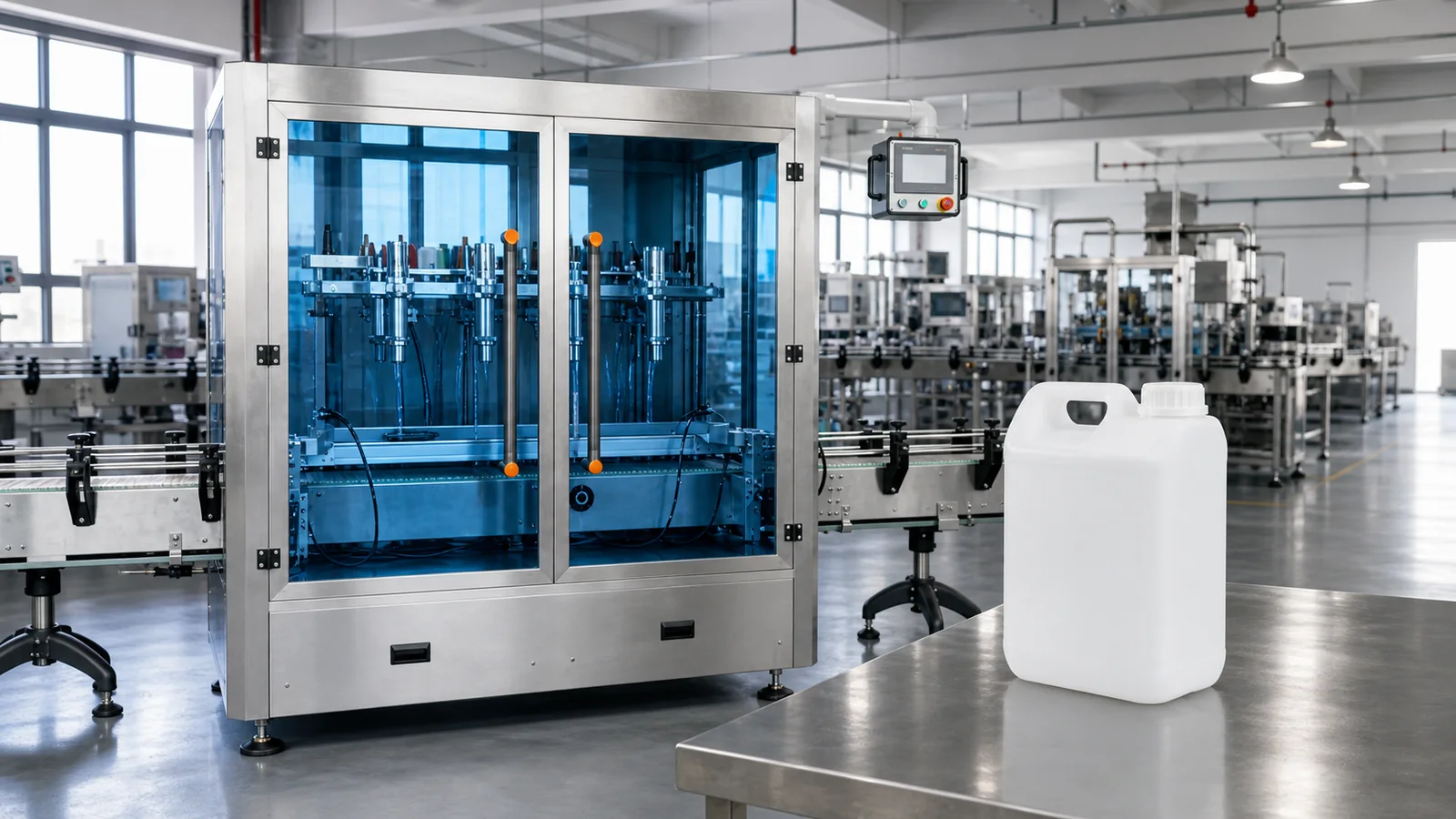
Bottle Capping Machines Matched to Your Cap, Container and Output
Compare LEKA standard and servo capping equipment for screw caps, pump caps, flip-top closures and trigger sprayers. We review your bottle, cap, placement method, tightening requirement and line speed before recommending a configuration.
Six Inputs Decide the Capping Machine Configuration
A capper should be selected around the complete bottle-and-cap combination, not the cap diameter alone. Send these details before the machine structure, controls and line layout are finalized.
Cap Structure
Share the closure type, diameter, height, thread, liner and any directional feature.
Bottle Stability
Confirm bottle material, shape, height, neck design and whether the container can deform or spin during tightening.
Cap Placement
State whether caps will be placed manually, fed automatically or need orientation before tightening.
Tightening Requirement
Provide the required closure result and any torque acceptance range used by your quality team.
Target Output
Match the capper with the upstream filler and downstream sealing or labeling process to avoid accumulation.
Factory Conditions
Confirm available line space, conveyor height, local voltage, automation level and the equipment before and after capping.
Review the Cap Before Choosing the Capping Method
These common closure families can require different placement, gripping and tightening arrangements. Final suitability should be confirmed with clear photos, drawings or physical samples.
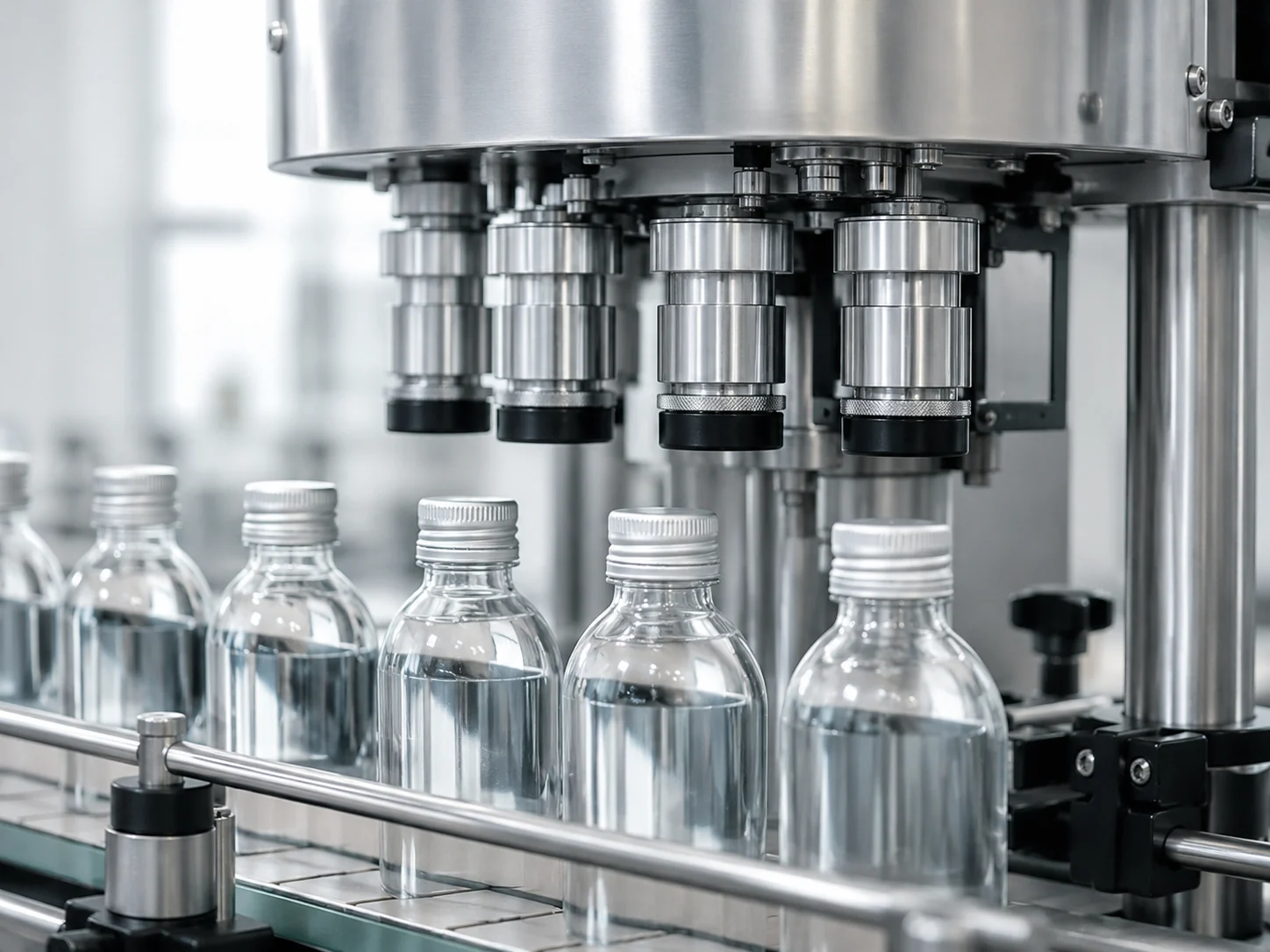
Screw Caps
Confirm the thread, cap material, bottle-neck strength and required tightening result.
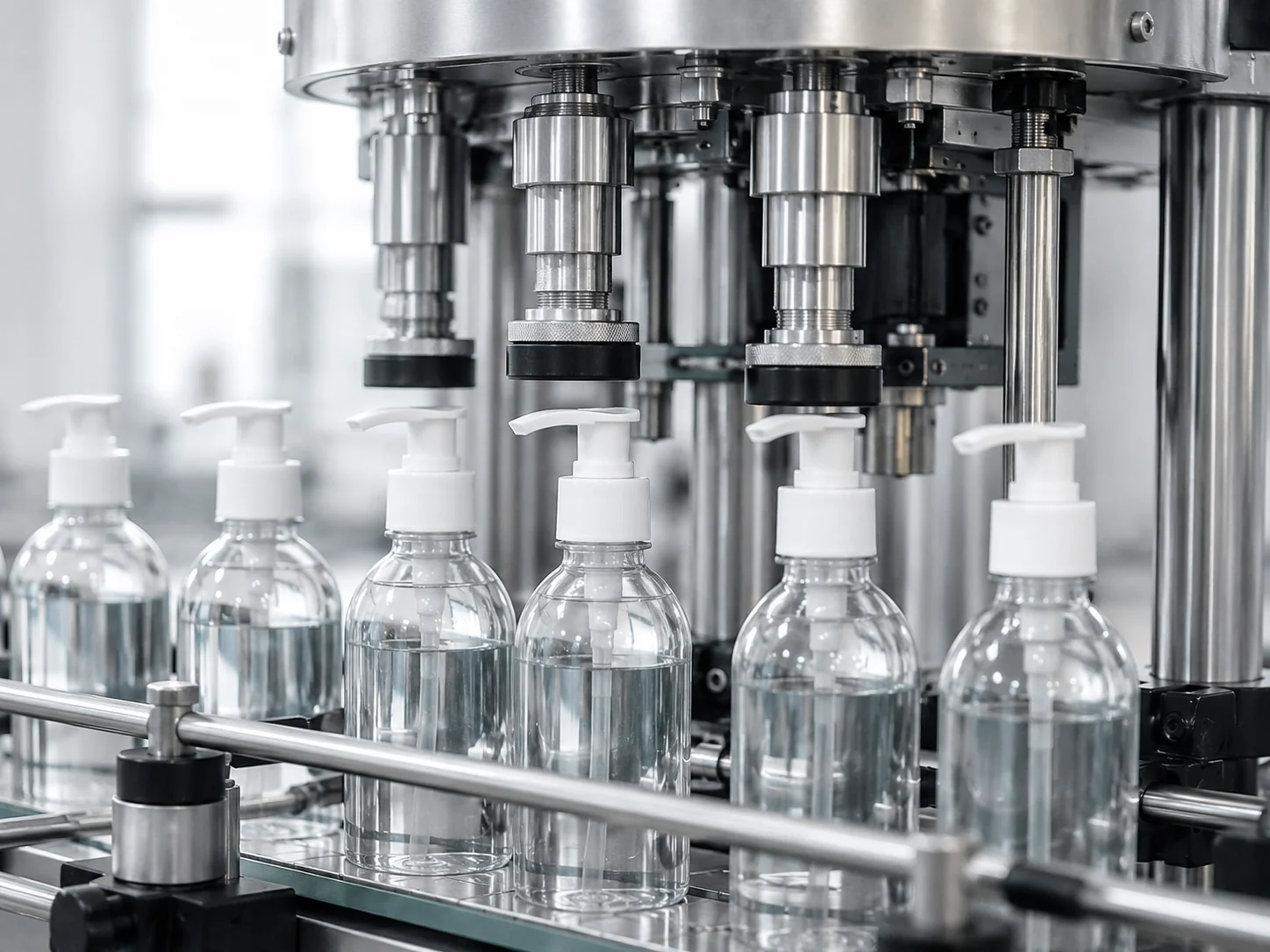
Pump Caps
Tube length, pump-head direction and bottle support can affect placement and tightening.
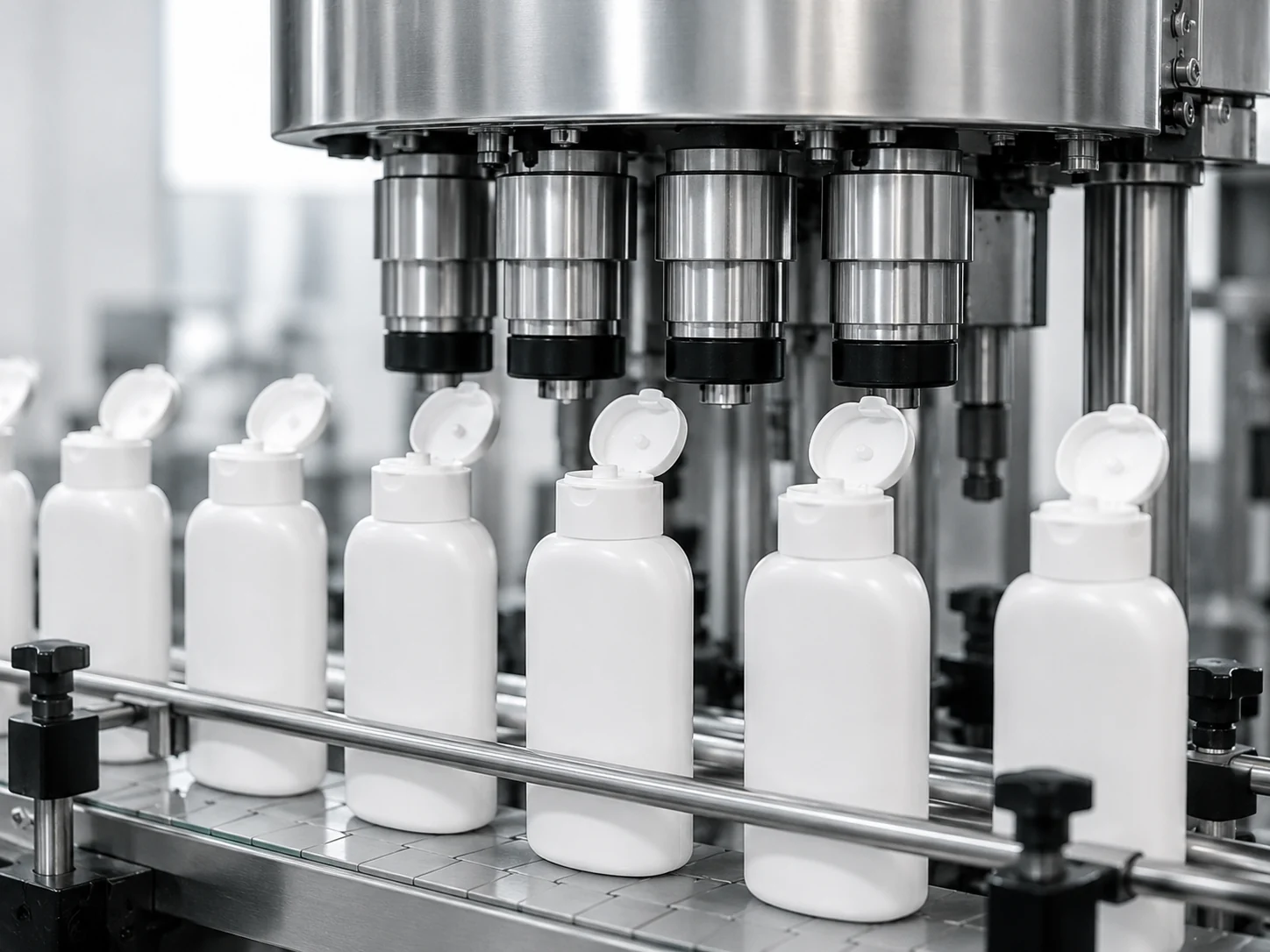
Flip-Top Caps
Cap alignment and stable container handling should be checked with the actual bottle.
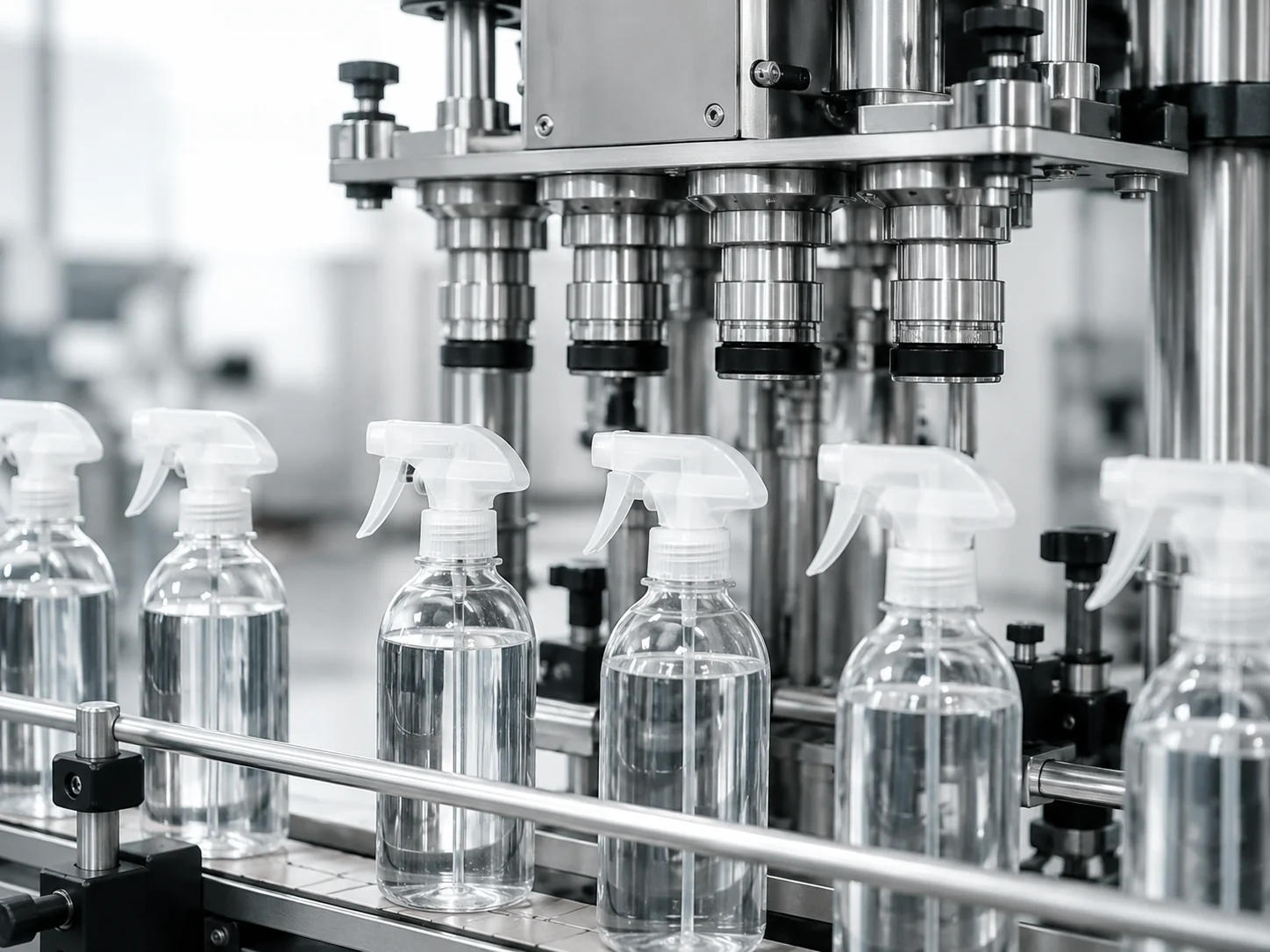
Trigger Sprayers
Directional heads and long tubes normally require sample review before quotation.
Need to confirm bottle-and-cap fit first? Use the bottle and cap compatibility checklist before arranging a machine test.
Compare Standard and Servo Capping Machine Families
The six verified equipment options below cover common screw-cap work, angle adjustment, longer conveyors, servo height adjustment, claw-type locking and enclosed protection. Final configuration depends on sample and layout review.
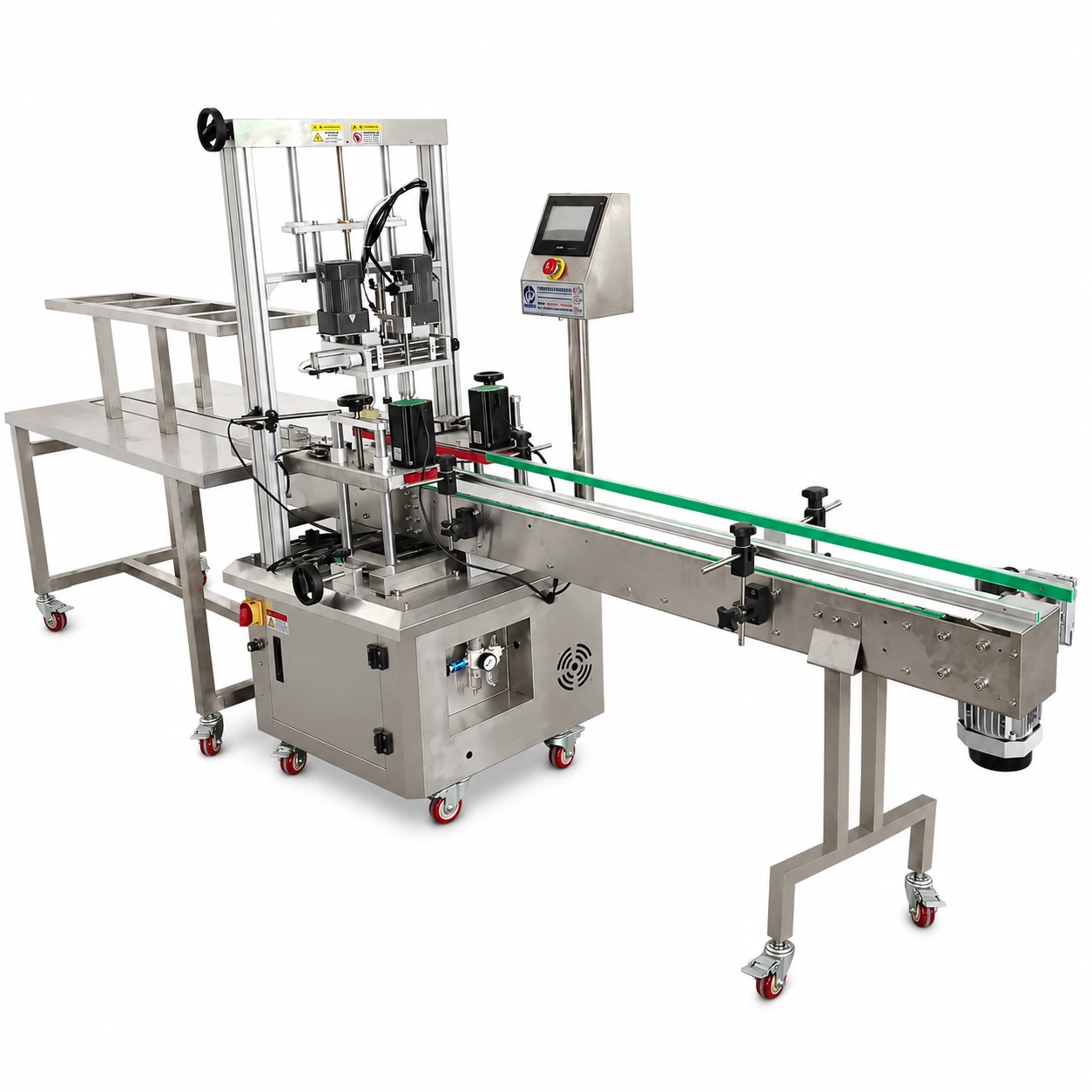
LEKA-CP-A Standard Four-Wheel Capping Machine
A compact four-wheel capper for common screw-cap bottles, with a reference 2-meter platform, PLC control, touchscreen operation and belt gripping.
View LEKA-CP-A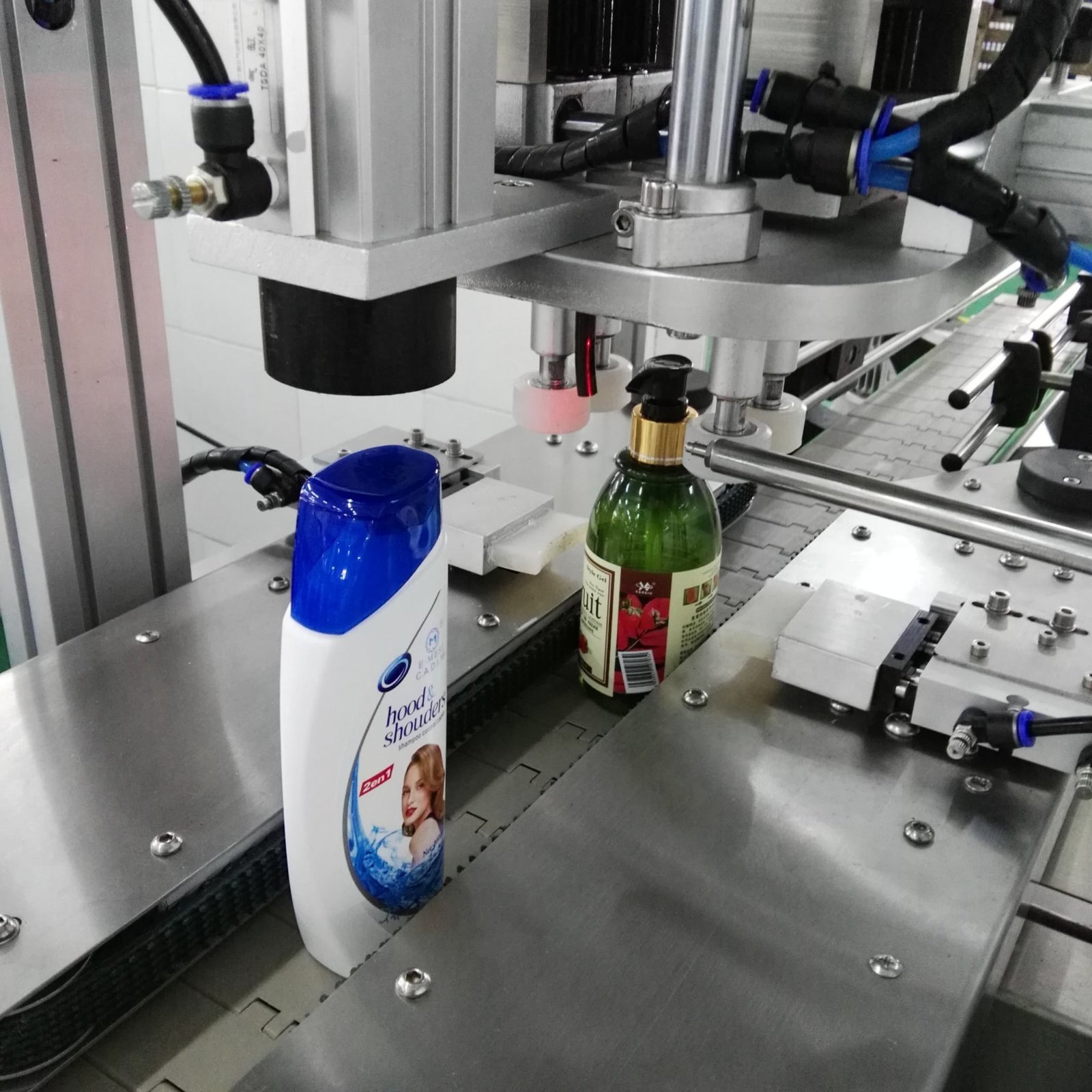
LEKA-CP-B Angle-Adjustable Capping Machine
Designed for screw-cap projects where straight-mouth or slanted-mouth bottles need more flexible capping-angle adjustment.
View LEKA-CP-B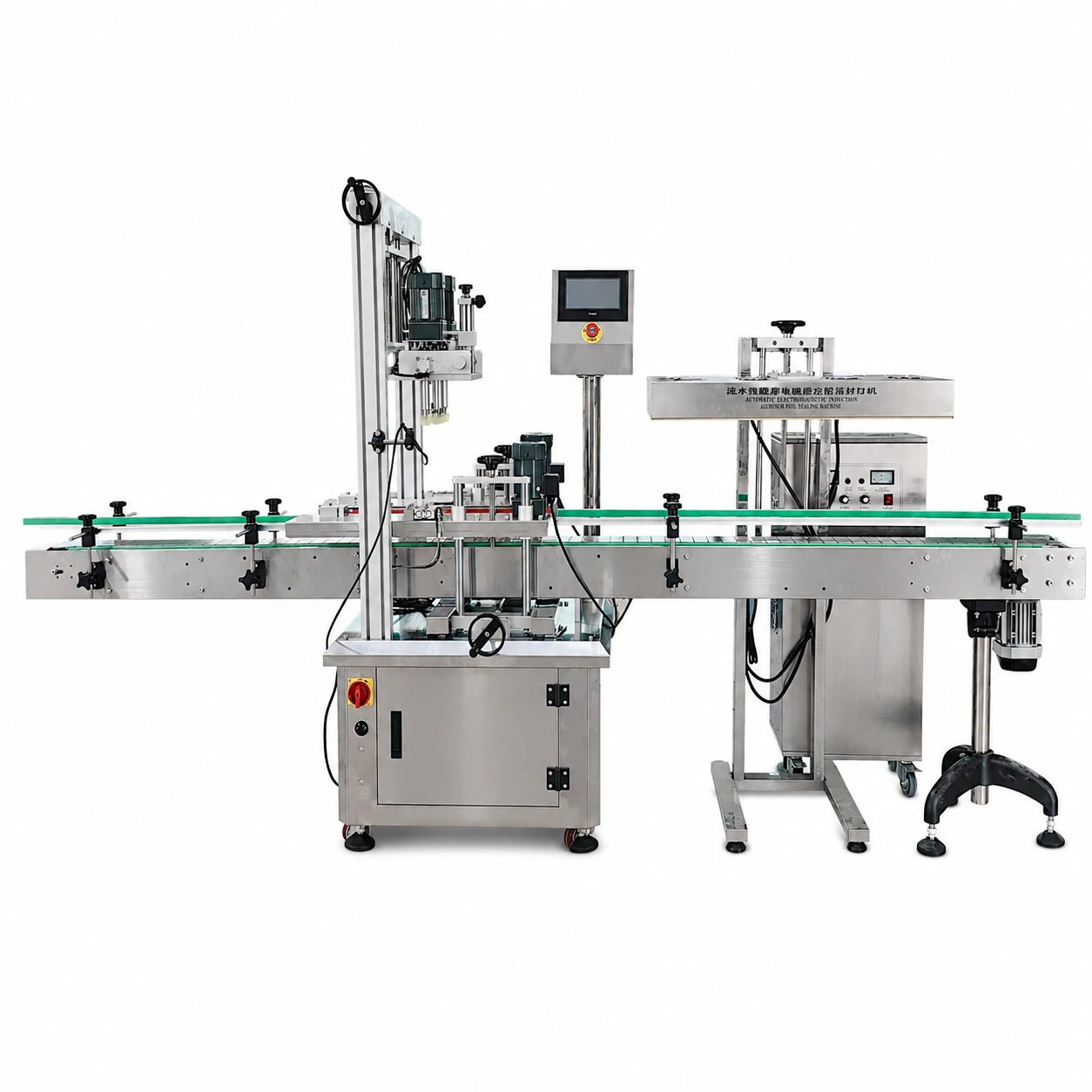
LEKA-CP-C 4-Meter Conveyor Capping Machine
A longer-conveyor configuration for standalone capping or connection with filling, foil sealing, labeling and coding equipment.
View LEKA-CP-C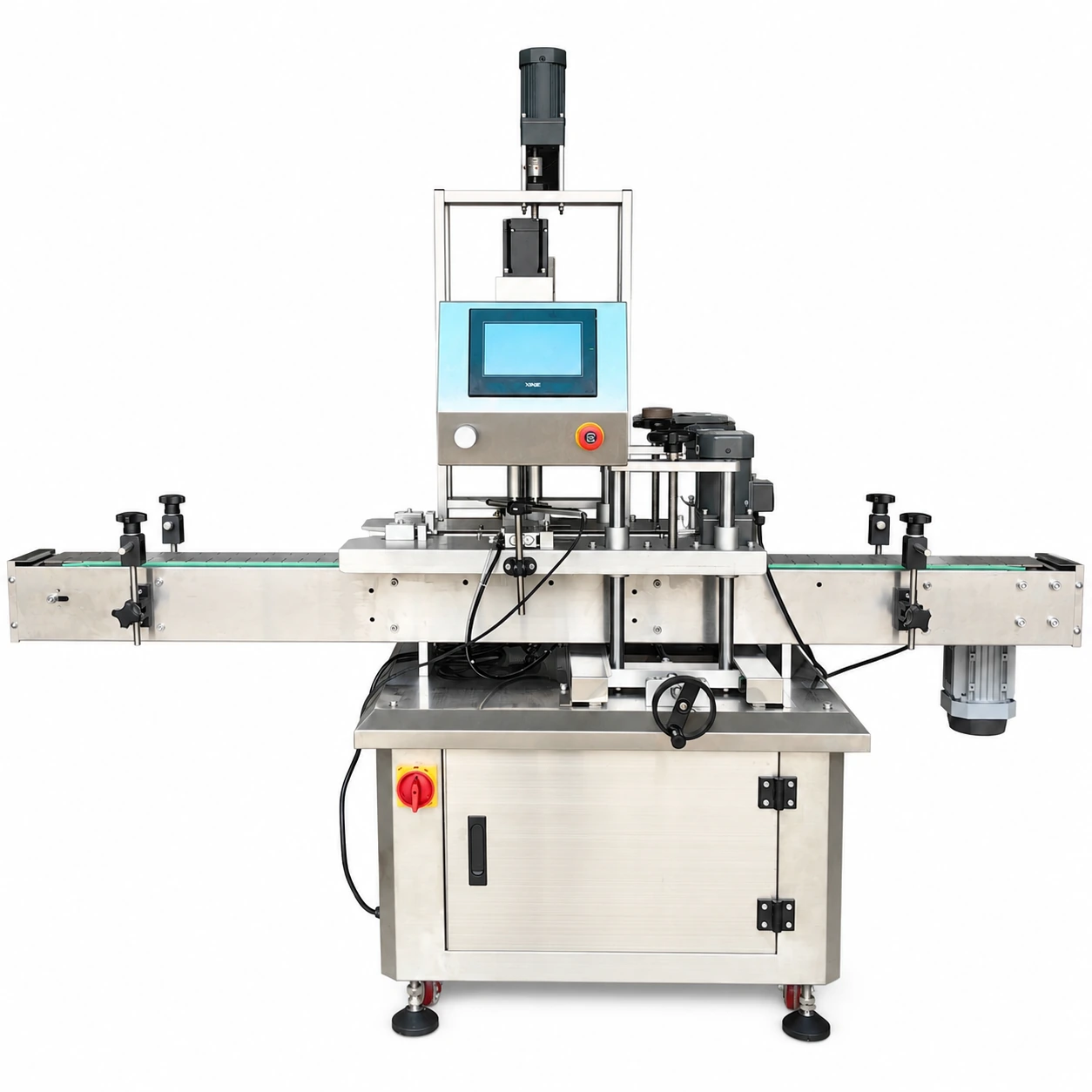
LEKA-CP-A-servo Servo Four-Wheel Capping Machine
Servo-controlled lifting supports projects with different bottle heights and repeat changeovers while retaining four-wheel capping.
View LEKA-CP-A-servo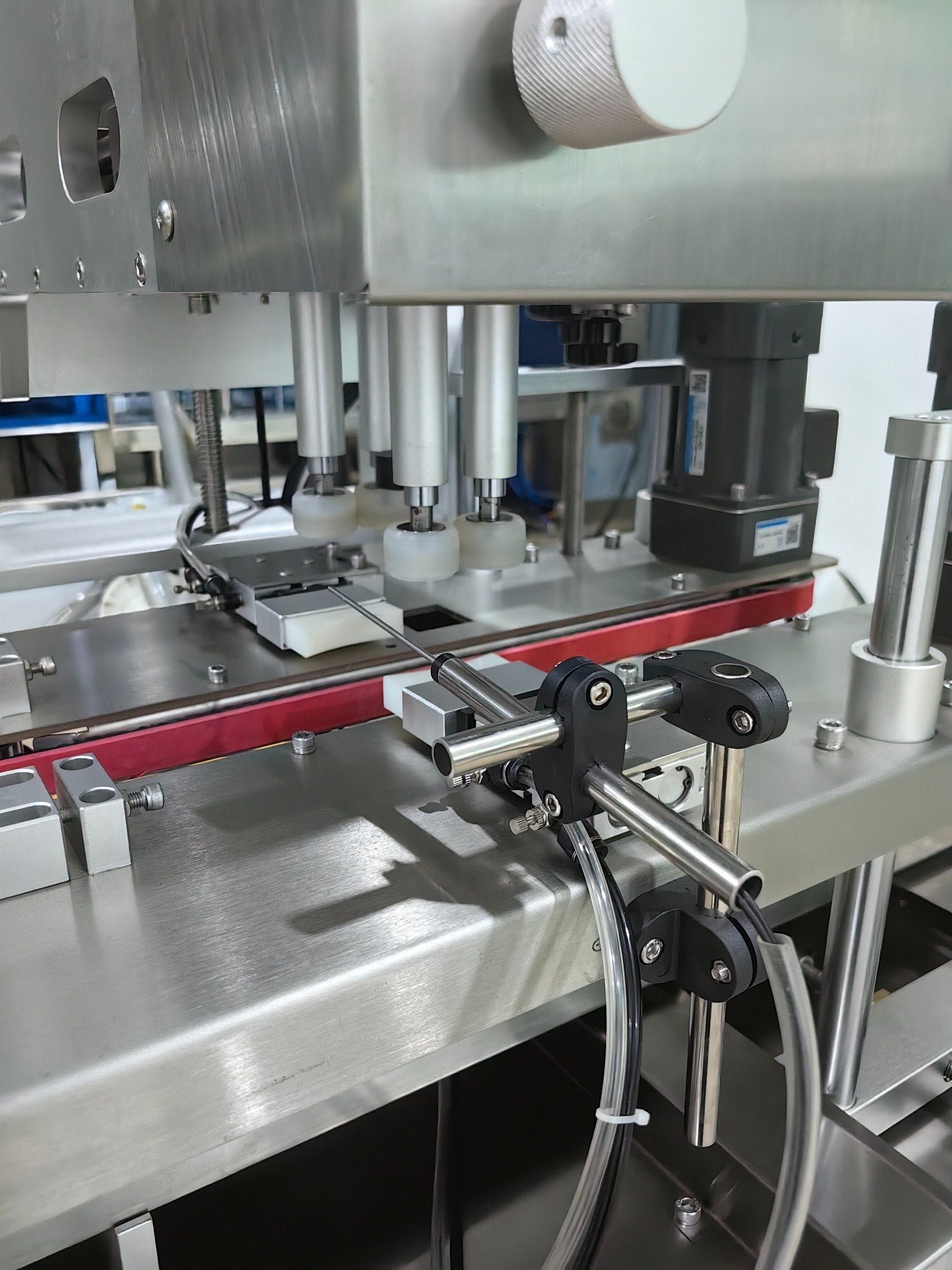
LEKA-CP-B-servo Claw-Type Servo Lock Capping Machine
A claw-type servo option for selected special closure structures that require sample-based configuration and controlled adjustment.
View LEKA-CP-B-servo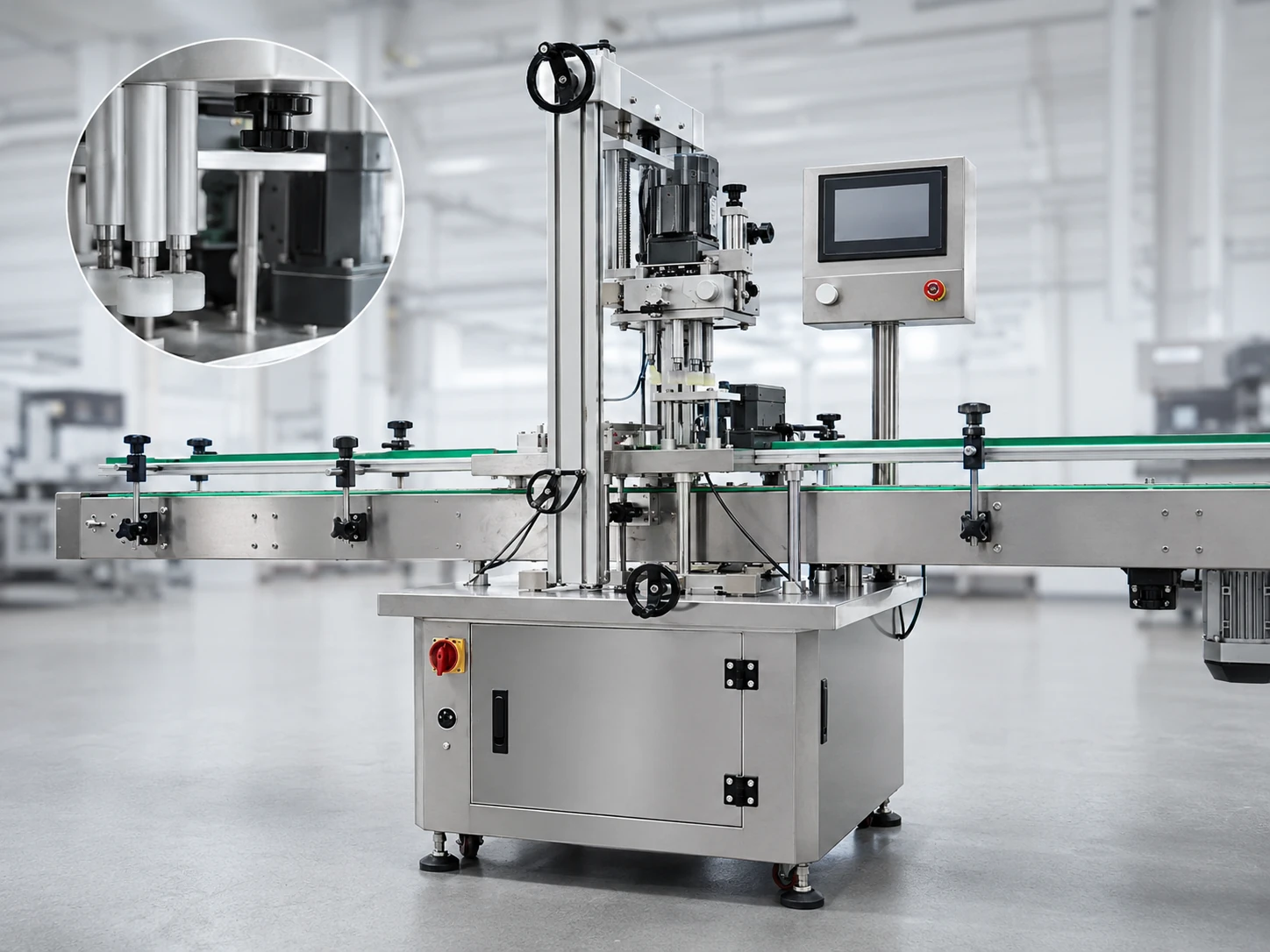
LEKA-CP-C-servo Enclosed Claw-Type Servo Capping Machine
An enclosed servo configuration with guarding for selected projects that need protected operation and claw-type capping.
View LEKA-CP-C-servoChoose the Starting Point for Sample Review
This table narrows the discussion. It does not replace testing with the real bottle and cap.
| Machine Option | Suitable Closure or Container Need | Configuration Focus | Typical Production Use |
|---|---|---|---|
| LEKA-CP-A | Common screw-cap bottles | Four-wheel capping, compact platform and belt gripping | Standalone use or connection with filling and labeling equipment |
| LEKA-CP-B | Straight-mouth or slanted-mouth bottles | Adjustable capping angle | Projects where bottle-mouth angle affects stable tightening |
| LEKA-CP-C | Screw-cap bottles needing more conveyor space | Reference 4-meter conveyor and module connection | Filling, capping and foil-sealing workflows |
| LEKA-CP-A-servo | Screw-cap bottles with changing heights | Servo-controlled lifting with four-wheel capping | Repeat production and changeover between bottle heights |
| LEKA-CP-B-servo | Selected special or claw-type closure structures | Servo adjustment and claw-type locking | Applications confirmed through cap and bottle samples |
| LEKA-CP-C-servo | Selected closures needing enclosed machine protection | Guarded claw-type servo capping | Projects requiring an enclosed capping area |
Confirm the Closure Result Before Shipment
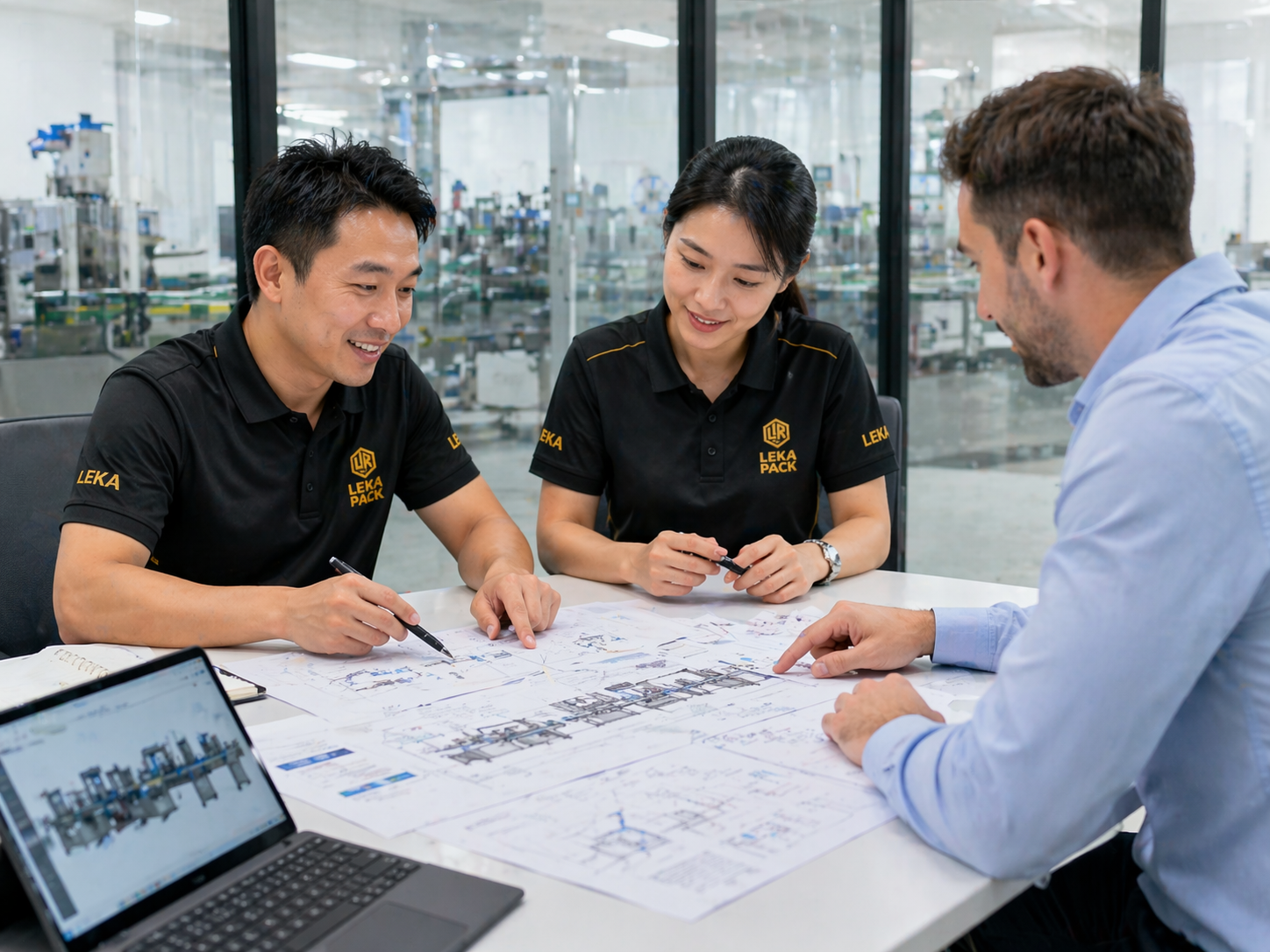
Send bottle and cap samples when possible. The review should confirm cap placement, bottle gripping, tightening result, changeover needs and the proposed connection with other line equipment.
Review the Machine Around Your Samples
Photos and drawings support early selection. Physical samples are more useful when cap fit, bottle deformation, directional heads or tube length may affect operation.
Confirm the Acceptance Method
Agree how the cap result will be checked, which bottle sizes will be tested and which line modules are included in the quoted scope.
Match the Capper to the Rest of the Bottle Line
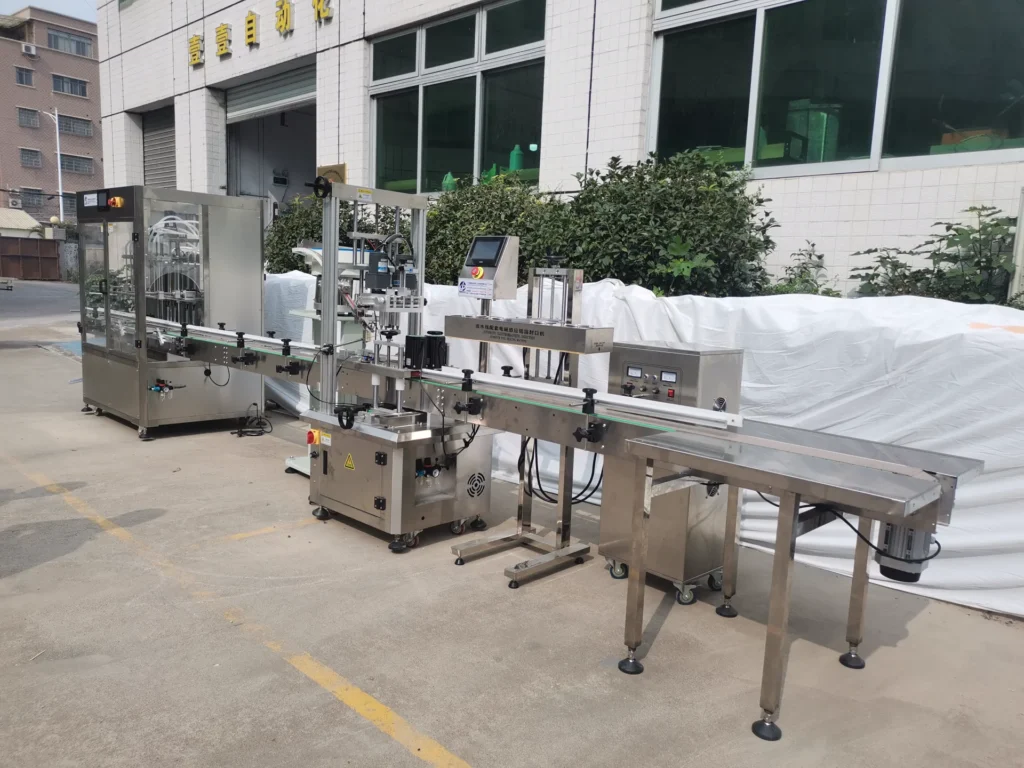
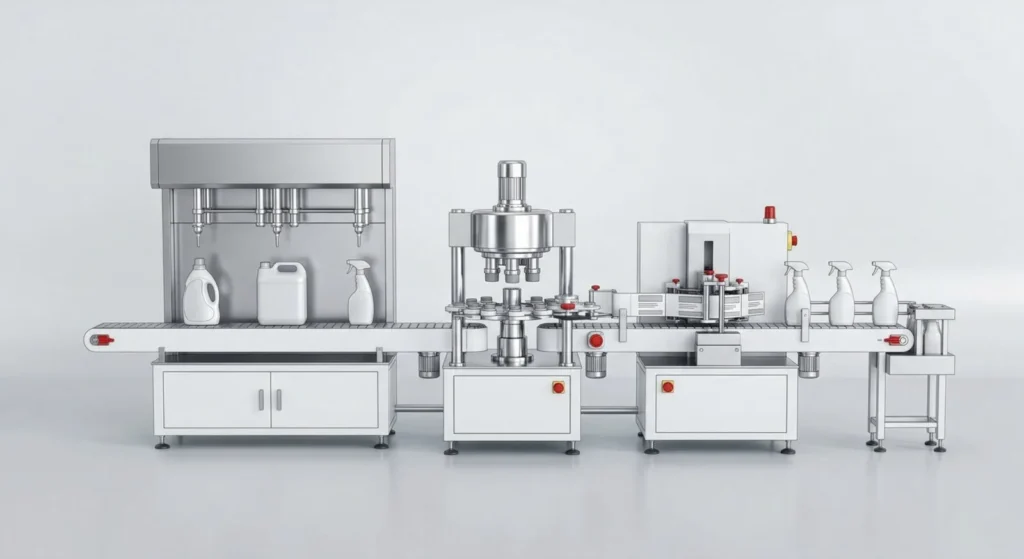
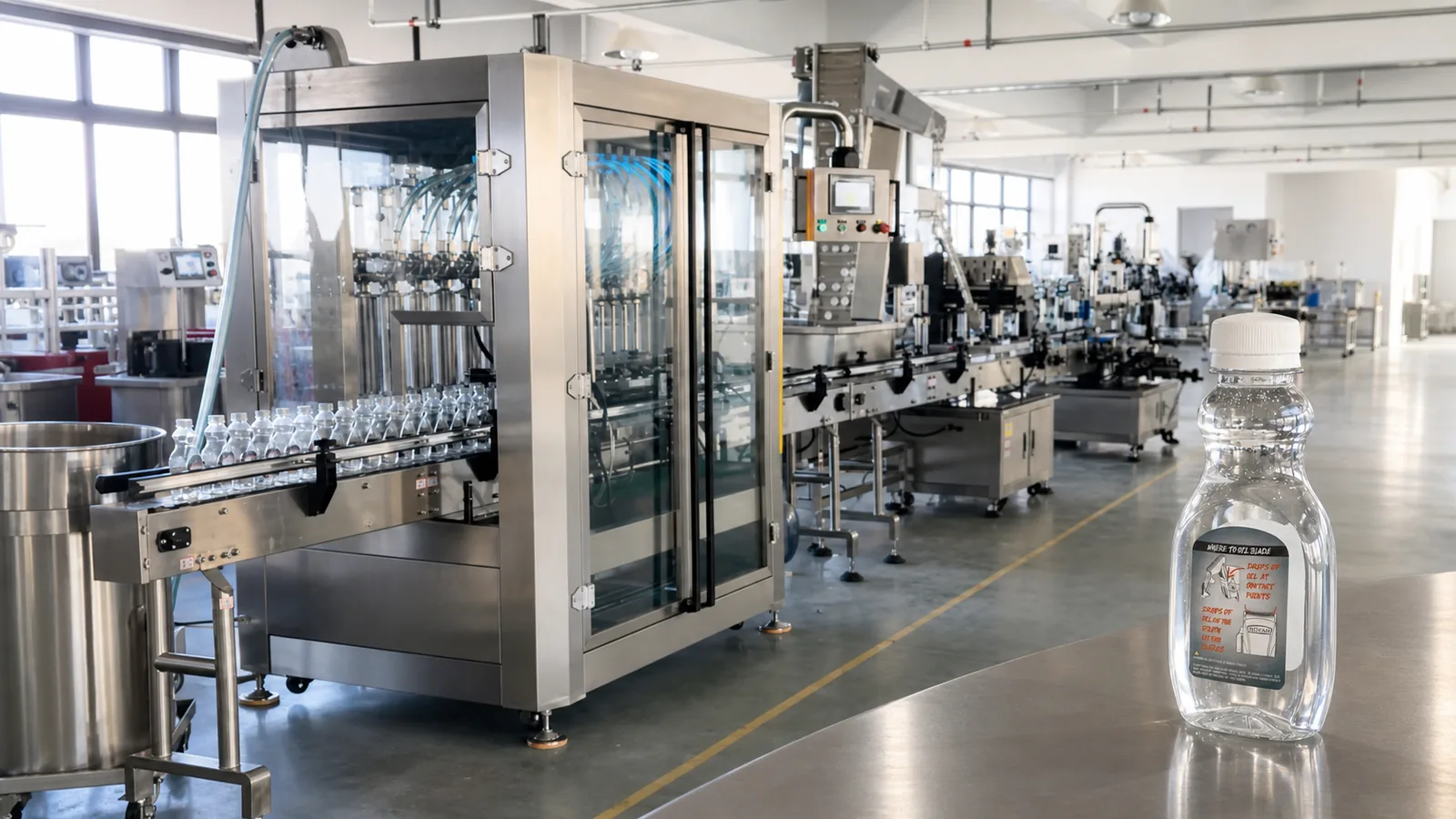
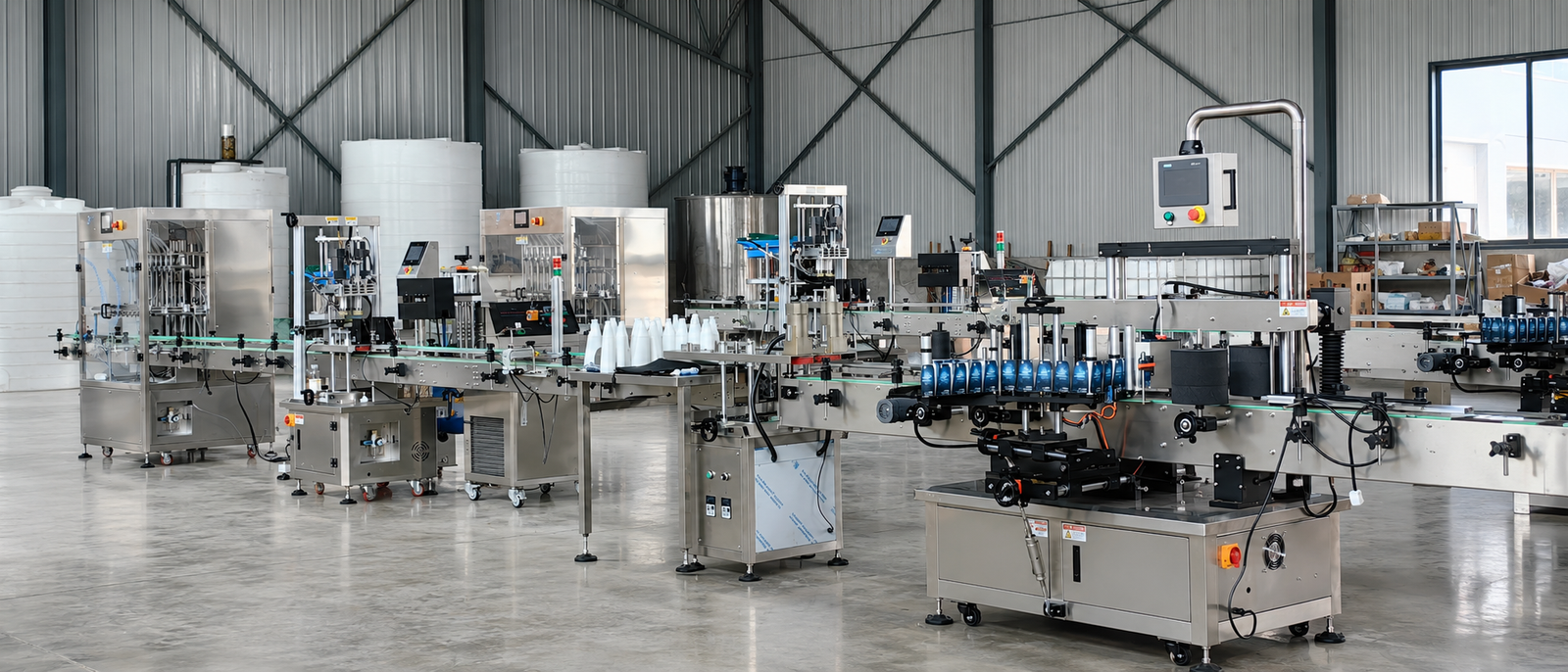
A capping machine can be supplied as standalone equipment or planned with filling, foil sealing, labeling, coding and conveying. Output, bottle transfer, conveyor height and available floor space should be reviewed together.
- Confirm the filler output and bottle discharge pattern.
- Allow enough space for cap placement, tightening and downstream inspection.
- Match conveyor direction, height and control handoff between machines.
- Confirm voltage, air supply and layout before final engineering.
Confirm Which Documents Apply to the Quoted Machine
Documentation should be checked against the final machine configuration, destination and project scope. Ask LEKA to identify the documents included with your quotation.
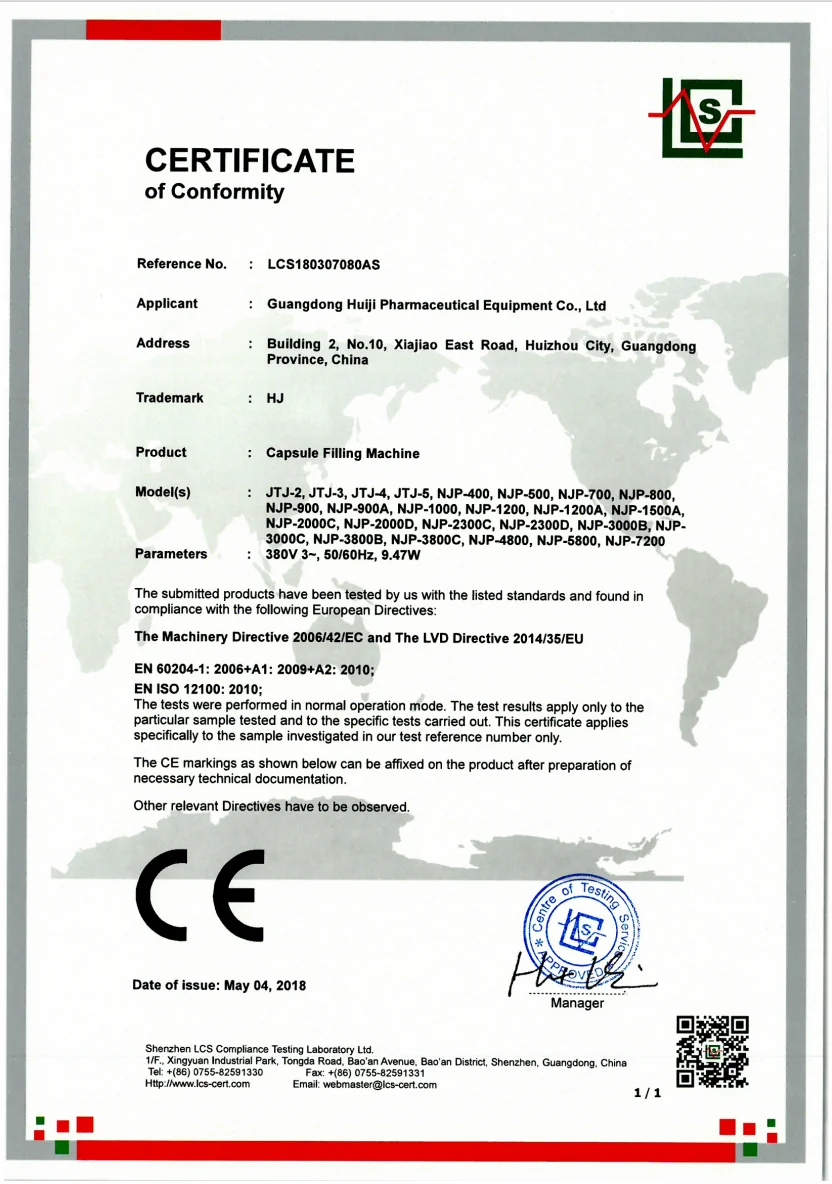
CE Document Reference
Confirm whether the relevant declaration and machine documentation apply to the exact equipment in your quotation.
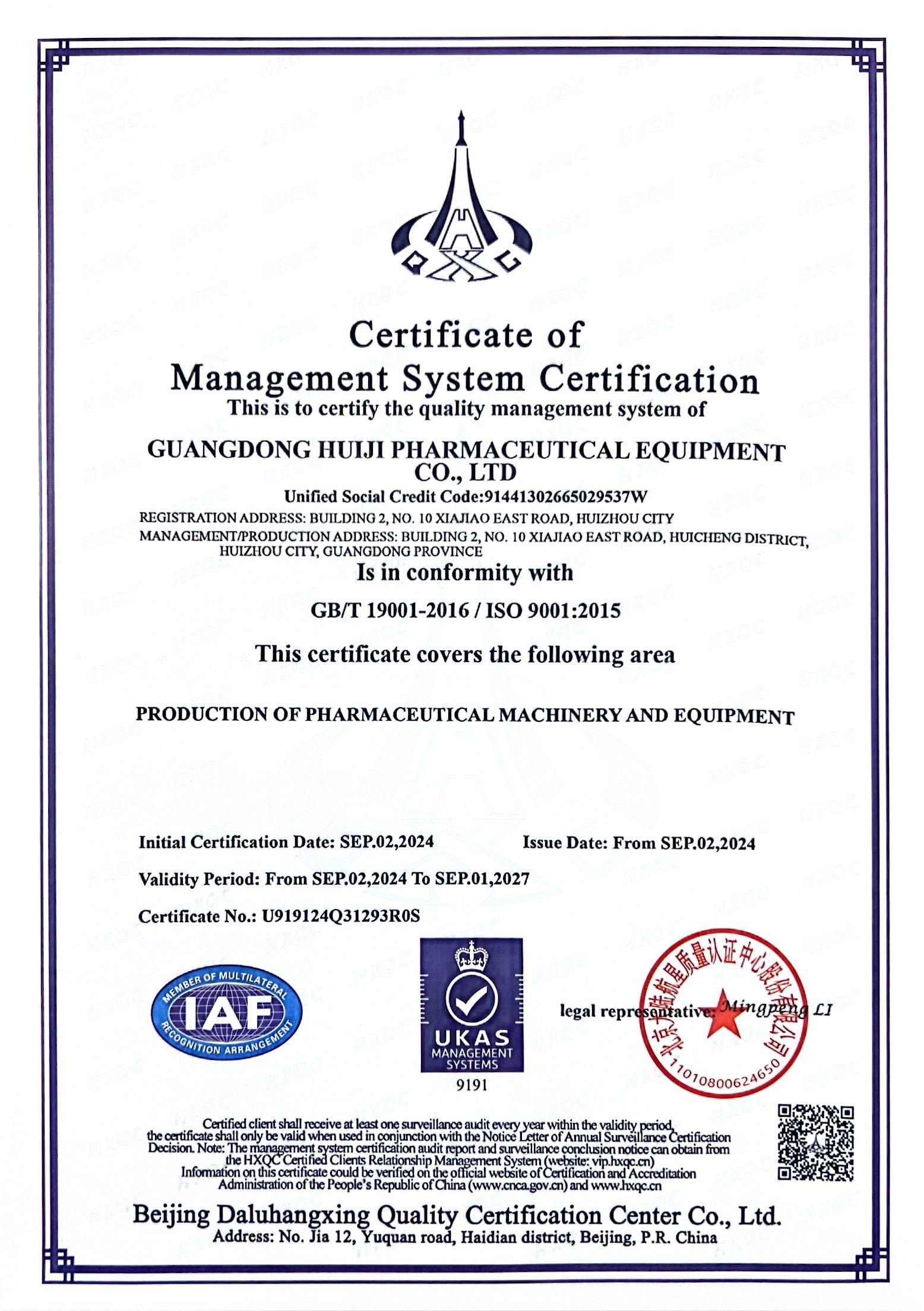
Management System Reference
Request the current document set needed for supplier review, shipping or your internal purchasing process.
Review the LEKA Packaging Machinery Catalogue
Use the catalogue as an equipment overview, then send your actual bottle and cap details for configuration.
Capping Machine FAQ
Which caps can LEKA capping machines handle?
The current range covers common screw-cap applications and project configurations for pump caps, flip-top closures, trigger sprayers and selected special closures. Final suitability depends on the real cap, bottle and placement method.
When should I consider a servo capping machine?
A servo option is useful when controlled lifting, repeat changeover, a claw-type structure or a more specialized closure arrangement is required. Sample review is needed before choosing the final structure.
Can one machine run different bottle sizes?
Selected configurations support adjustment for different bottle heights and formats. Send the minimum and maximum bottle and cap samples so the required adjustment range can be checked.
Can the capper connect with my existing filling line?
Yes, subject to a layout and control review. Provide the upstream machine output, conveyor direction and height, downstream equipment and available floor space.
How should the capping result be accepted?
Agree the bottle and cap samples, test quantity, visual checks and any torque method before testing. The acceptance method should match your real package and operating requirement.
What information is needed for a quotation?
Send the cap type and dimensions, bottle material and dimensions, cap placement method, target output, automation requirement, voltage, factory layout and details of connected equipment.
Send Your Bottle and Cap Details to LEKA
We will use your package, output and factory requirements to identify a suitable standard or servo starting point and define what should be confirmed during sample testing.
Include These Details
- Cap type, dimensions, material and photos
- Bottle material, shape, neck and size range
- Manual or automatic cap placement
- Required tightening or torque check
- Target bottles per hour
- Automation and connected equipment
- Local voltage and air supply
- Factory layout and available line space