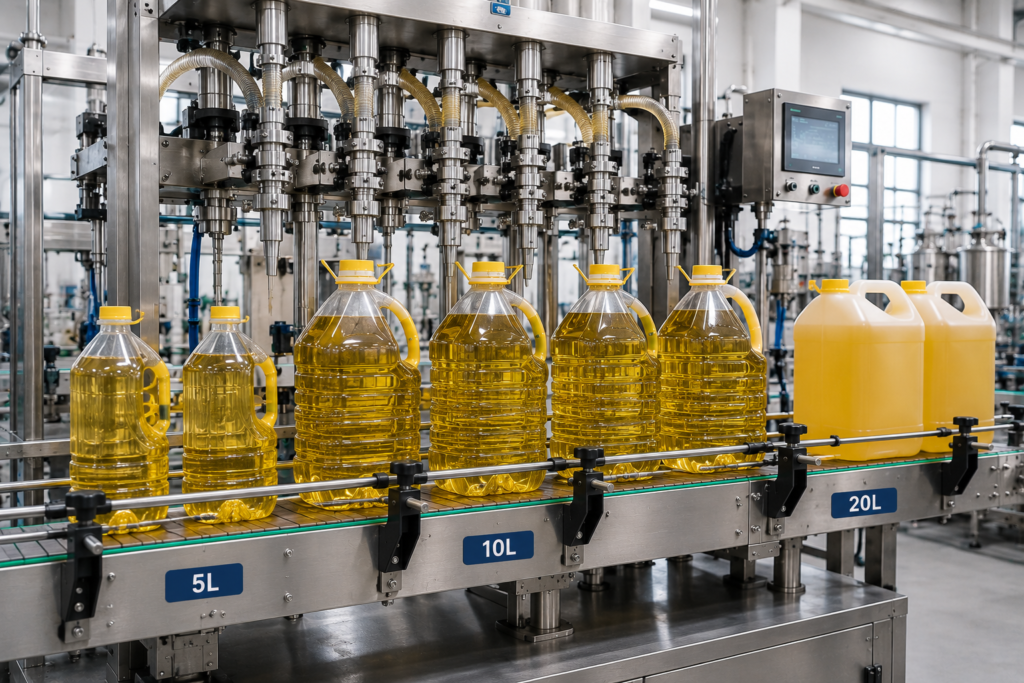
Filling Machine
Edible oil filling machine for 5L, 10L and 20L containers

How to Choose an Edible Oil Filling Machine

How to Choose an Edible Oil Filling Machine for 500ml, 1L, 5L and 20L Bottles

Choosing an edible oil filling machine is not only about comparing prices or asking how many bottles a machine can fill per hour. For most cooking oil and vegetable oil producers, the better starting point is much more practical: What bottle sizes do you use? What filling volume do you need? How fast do you want to produce? And how much automation does your factory really need?

A 500ml retail bottle, a 1L edible oil bottle, a 5L family-size container, and a 20L jerrycan do not place the same demands on a filling machine. Small bottles usually require higher speed, stable repeatability, and efficient multi-head filling. Larger containers require stronger handling, better flow control, reliable anti-drip design, and a packaging process that can keep up after filling.

If you are looking for a cooking oil filling machine, vegetable oil filling machine, edible oil bottle filling machine, or a complete edible oil filling line, this guide will help you understand what to check before asking for a quotation.

If you are still comparing broader oil filling machine options for edible oil projects, you can also review LEKAPACK’s oil filling machine page for a wider overview of oil filling solutions.

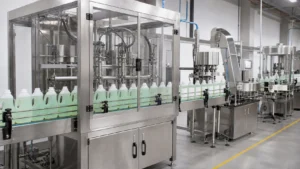
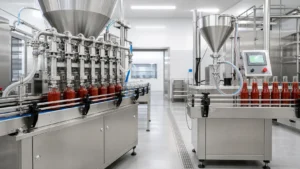
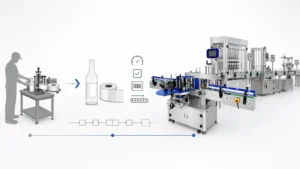
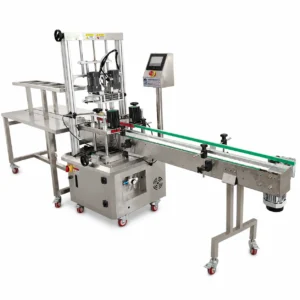
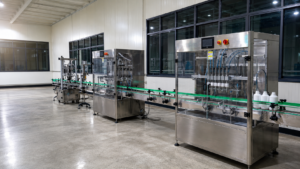
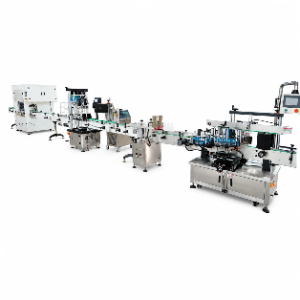
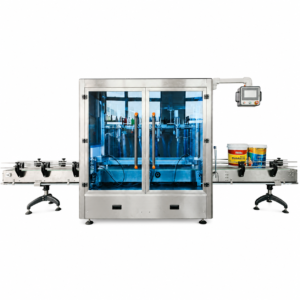
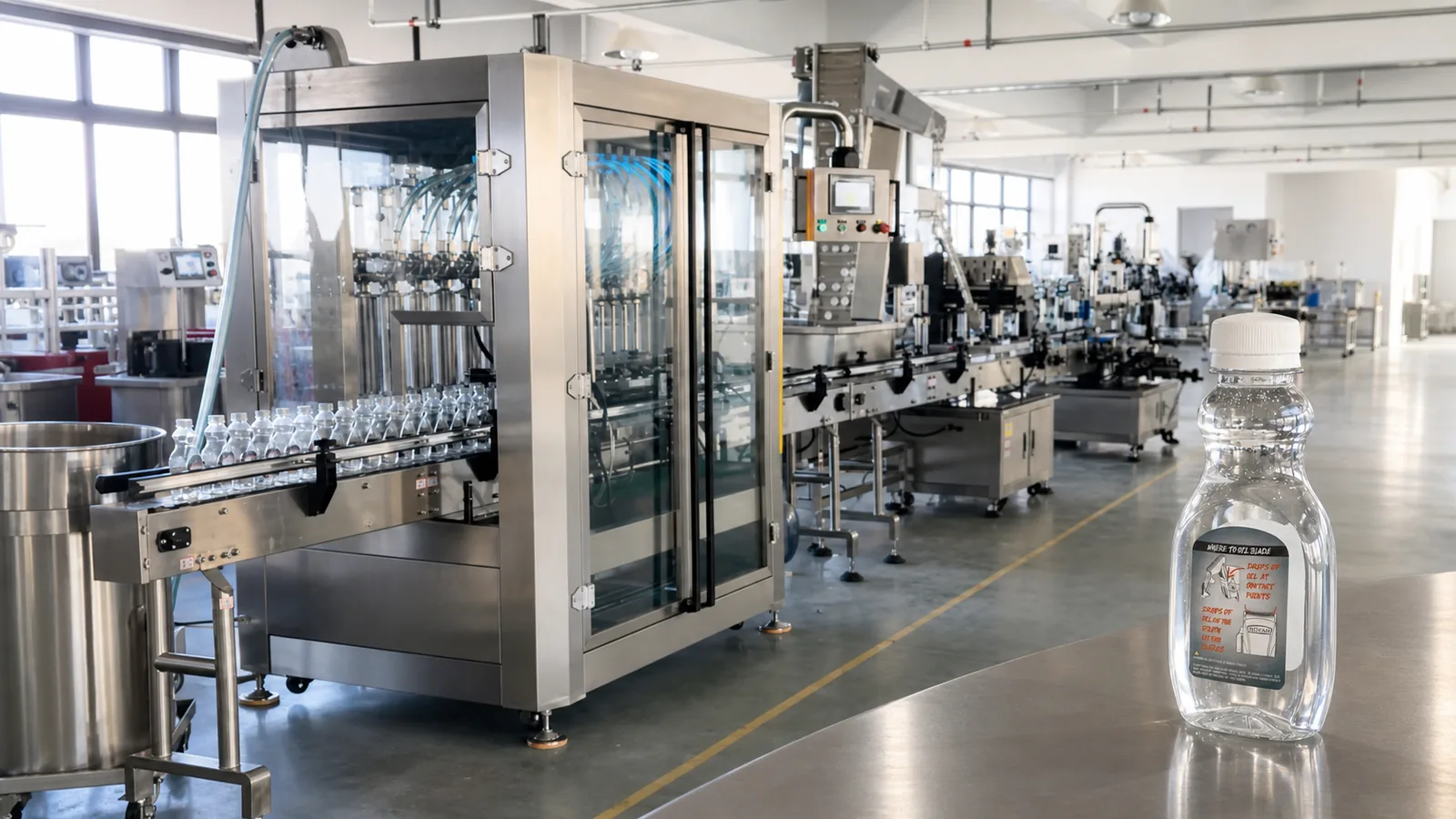
LEKAPACK edible oil filling machine for 500ml 1L 5L and 20L bottles
LEKAPACK edible oil filling machine selection for 500ml, 1L, 5L, 10L and 20L bottle or container projects.

Quick Comparison: Edible Oil Filling Machine Selection by Bottle Size

Different bottle sizes often lead to different machine configurations. The table below gives a practical overview of how 500ml, 1L, 5L, 10L, and 20L edible oil containers are usually evaluated during machine selection. These are not fixed rules, but they can help buyers understand why one edible oil filling machine may not fit every project in the same way.

Bottle or Container Size Common Packaging Use Main Machine Focus Typical Automation Direction
500ml edible oil bottle Retail cooking oil, small household packs Speed, repeatability, clean filling, label appearance Multi-head automatic edible oil filling machine
1L edible oil bottle Retail and household cooking oil Stable filling accuracy, bottle handling speed, capping efficiency Automatic filling + capping setup or edible oil filling line
5L edible oil bottle Family-size bottle, small commercial use Conveyor stability, anti-drip design, capper matching Filling + capping + labeling line
10L edible oil container Commercial kitchen, catering supply, bulk retail Flow rate, container weight, operator handling, support structure Semi-automatic or automatic edible oil filling machine with conveyor support
20L edible oil container Industrial, wholesale, food service supply Large filling volume, weighing control, heavy container handling Weighing filling system or customized edible oil filling line

In practice, the best configuration depends on more than bottle size alone. Oil viscosity, bottle dimensions, neck size, cap type, target output, factory layout, and labor arrangement should also be reviewed before choosing a filling machine.

Start with Bottle Size, Filling Volume and Output Target

Many buyers begin their inquiry with a short message such as, “We need an edible oil filling machine.” That is understandable, but it is not enough for a supplier to recommend the right configuration. A filling machine is selected according to the real production conditions, not only according to the product name.

Before comparing quotations, it is better to prepare the basic project details first. These details help the supplier judge the suitable filling method, number of filling heads, conveyor setup, capping machine, labeling machine, and automation level.

Information to Confirm Examples
Oil type Soybean oil, sunflower oil, palm oil, coconut oil, blended cooking oil
Filling volume 500ml, 1L, 5L, 10L, 20L
Container type PET bottle, HDPE bottle, glass bottle, tin, jerrycan, bucket
Bottle size Bottle height, bottle diameter, neck size, bottle dimensions
Bottle photo or sample Front view, side view, neck detail, cap detail
Cap type Screw cap, press cap, handle cap
Target output Bottles per hour or bottles per day
Automation level Semi-automatic, automatic, full line
Line requirement Filling, capping, labeling, coding, conveyor integration
Country and voltage Installation country, voltage, phase, frequency

For example, two factories may both use 1L edible oil bottles. One factory may only need a few hundred bottles per day, while another may need several thousand bottles per hour. These two projects should not use the same machine configuration. The first factory may be better served by a semi-automatic or compact automatic setup. The second factory may need an automatic edible oil filling machine or a complete edible oil filling line.

So before asking, “How much is the machine?”, it is better to ask a more useful question:

What kind of edible oil filling machine configuration matches my bottle size, filling volume, output target, and packaging process?

LEKAPACK Expert Note

In real purchasing communication, many customers only send a basic inquiry at first. They may not include the target output, bottle photo, automation level, or country voltage. However, these details directly affect the machine configuration.

Bottle appearance is not only a visual matter. Bottle shape, bottle stability, neck position, and handle design can all affect filling speed, conveyor handling, and capping efficiency. Industrial voltage also matters because it affects the electrical configuration. When customers provide the installation country and voltage at the beginning, suppliers can prepare a more practical solution with fewer rounds of communication.

LEKAPACK usually suggests preparing at least the bottle photo, filling volume, target output, automation level, and country voltage before requesting an edible oil filling machine configuration.

500ml and 1L Edible Oil Bottles: Focus on Speed and Repeatability

500ml and 1L bottles are common in retail cooking oil packaging. These bottles are small, but the production quantity is often high. For this reason, the key points are speed, repeatability, and stable continuous operation.

Reference Output Range for Small Edible Oil Bottles

The actual output of a 500ml or 1L edible oil bottle filling machine depends on oil flow rate, filling heads, bottle handling speed, capping speed, and operator workflow. The following table is a general reference only. Final capacity should always be confirmed according to real bottle samples and production conditions.

Bottle Size Common Filling Machine Setup Reference Output Range Best-Fit Production Situation
500ml edible oil bottle 2-head to 4-head filling machine Low to medium bottles per hour Small factory, start-up brand, limited daily production
500ml edible oil bottle 6-head to 8-head automatic edible oil filling machine Medium to higher bottles per hour Retail bottle production with stable daily orders
1L edible oil bottle 4-head filling + capping setup Medium output range Factories upgrading from manual filling and capping
1L edible oil bottle 6-head to 10-head edible oil filling line Higher continuous output range Continuous retail packaging with capping and labeling integration

For small bottles, increasing the number of filling heads can improve output potential, but it does not automatically guarantee higher final capacity. The capping machine, labeling machine, conveyor speed, and bottle feeding method must also match the filling section.

When selecting an edible oil bottle filling machine for 500ml or 1L bottles, there are three important questions to consider.

1. Can the Machine Reach the Required Daily Output?

Small bottles can quickly become a production bottleneck if the filling machine is too slow. For continuous production, a multi-head filling machine is usually more suitable than a single-head machine. The exact number of filling heads should be calculated according to the filling volume, oil flow rate, bottle handling speed, and target output.

2. Is the Filling Accuracy Stable Over Time?

500ml and 1L edible oil bottles are often sold in retail channels. Consumers will notice differences in filling level, label position, and bottle cleanliness. Even if the product itself is good, poor packaging appearance can make the product look less reliable.

This is why repeatability matters. The machine should not only fill accurately once. It should fill consistently during normal production.

3. Is the Nozzle Positioning and Anti-Drip Design Reliable?

Small bottles can move more easily on the conveyor, especially if the bottle body is light or unstable. If the nozzle is not aligned with the bottle neck, it may cause dripping, oil marks on the bottle body, or filling deviation.

Question to Ask Why It Matters
Is the machine suitable for my bottle height and neck size? It affects nozzle positioning and filling stability.
Can one machine support both 500ml and 1L bottles? It affects changeover and production flexibility.
How many filling heads are recommended? It affects real output, not just theoretical capacity.
How does the machine reduce dripping? It affects bottle cleanliness and label adhesion.
Do I need an automatic capping machine? Manual capping may become the next production bottleneck.
Do I need a labeling machine? It affects the final retail packaging appearance.

For small edible oil bottles, the goal is not only to fill 500ml or 1L. The real goal is to fill cleanly, repeatedly, and fast enough for daily production.

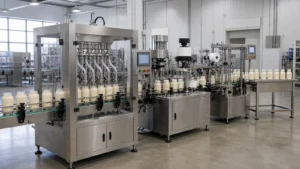
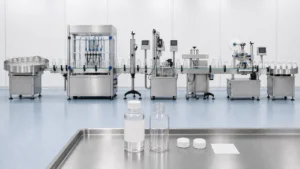
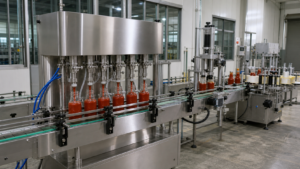
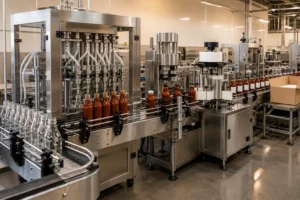
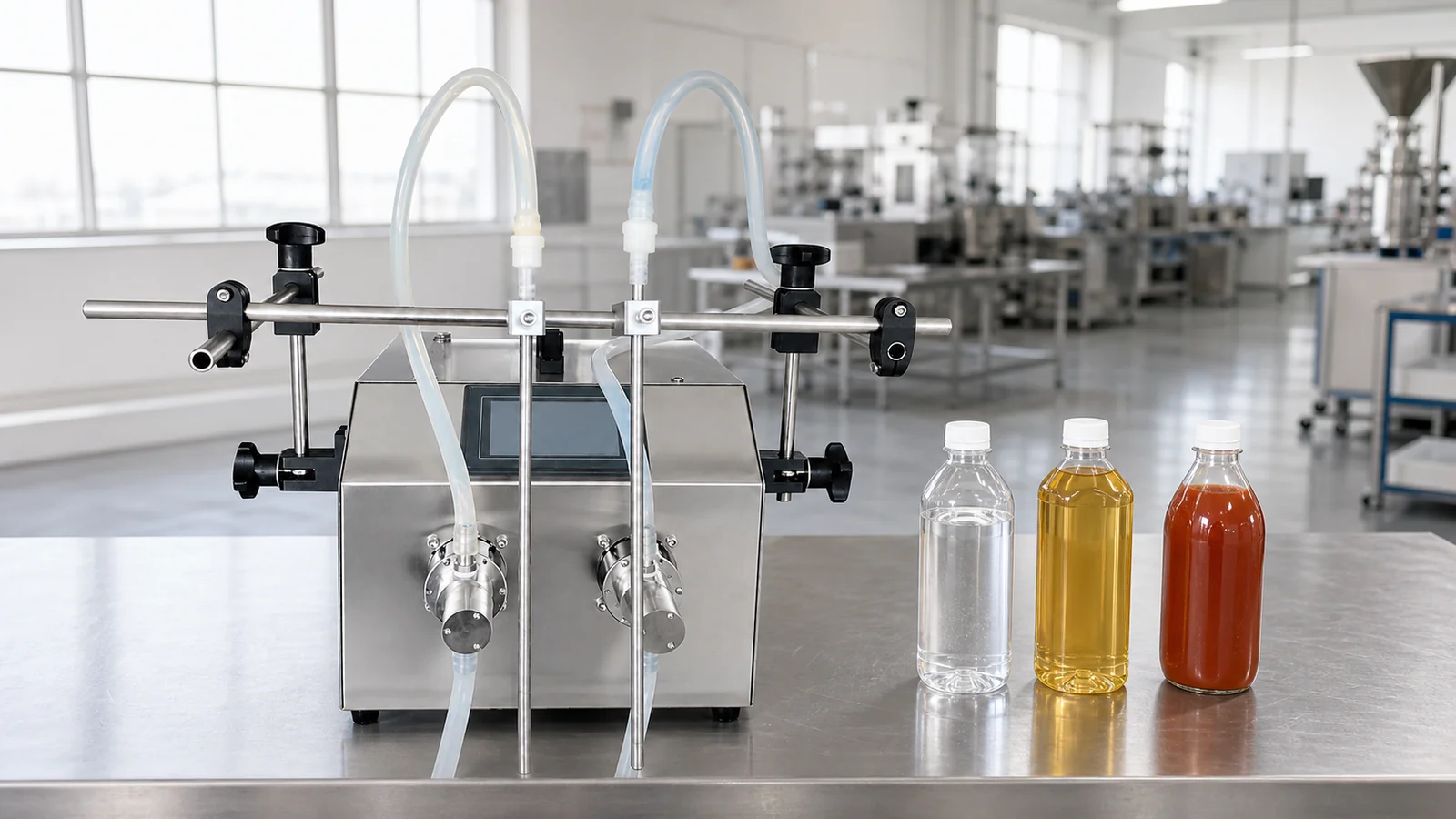
LEKAPACK 500ml and 1L edible oil bottle filling machine
LEKAPACK 500ml and 1L edible oil bottle filling machine for small retail cooking oil bottle production.

5L Edible Oil Bottles: Balance Filling Accuracy, Stability and Handling

A 5L edible oil bottle or small jerrycan is very different from a 500ml or 1L bottle. It holds more product, weighs more after filling, and usually requires more stable bottle handling. The filling time is longer, and the bottle may need stronger support during conveying, filling, and capping.

In a 5L project, buyers should not only ask how many filling heads the machine has. Actual output also depends on the filling speed, conveyor stability, capping speed, operator workflow, and the time needed for handling larger bottles.

Selection Factor Why It Matters
Filling time A larger filling volume means a longer filling cycle.
Conveyor stability 5L bottles are heavier and need stable movement and positioning.
Anti-drip design Oil drops can affect bottle cleanliness and label adhesion.
Capping setup 5L containers may use larger caps or special cap structures.
Labeling method Bottle shape and oil marks can affect labeling quality.
Operator handling Manual loading and unloading can affect output and labor intensity.

For a 5L edible oil filling machine, the supplier should check the container dimensions, neck position, cap type, bottle stability, and target output. If the bottle is soft, has a handle, or has an unusual shape, the conveyor design and capping setup may need extra attention.

In many 5L edible oil projects, the most important point is not just the price of the filling machine. Buyers also need to consider whether the complete process can run smoothly from filling to capping, labeling, coding, and final handling.

LEKAPACK Expert Note

In an edible oil filling project, LEKAPACK does not only look at the filling volume. Bottle shape is also important. Even when two customers both use 1L or 5L containers, the actual machine performance may be different if one bottle is softer, less stable, or has a special neck position.

This is why a bottle sample or bottle photo is valuable. It helps the supplier judge nozzle positioning, conveyor stability, bottle handling, and capping setup instead of recommending a machine only according to the filling volume.

5L, 10L and 20L Edible Oil Containers: Practical Handling Comparison

Larger edible oil containers create different production challenges. The filling machine must be selected not only by filling volume, but also by container weight, handling method, conveyor support, and downstream packaging requirements.

Container Size Common Container Type Main Handling Challenge Machine Configuration Focus Common Packaging Concern
5L edible oil bottle PET bottle, HDPE bottle, small jerrycan Heavier than retail bottles but still suitable for conveyor movement Stable conveyor, anti-drip nozzle, suitable capping setup Clean bottle surface and stable label adhesion
10L edible oil container Jerrycan, tin, plastic container More difficult manual handling and longer filling time Higher flow rate control, stronger support, possible weighing filling Cap tightening, coding position, operator workflow
20L edible oil container Jerrycan, bucket, large tin Heavy container movement and higher labor intensity Weighing filling, roller support, semi-automatic or customized line Safe handling, clean filling area, efficient final transfer

For 10L and 20L edible oil containers, the buyer should explain whether the container will be placed manually, moved by conveyor, or supported by rollers. This information helps the supplier decide whether a standalone filling machine is enough or whether a more complete edible oil filling line should be considered.

10L and 20L Containers: Consider Weight, Flow Rate and Operator Handling

10L and 20L edible oil containers should not be treated as simply “larger bottles.” They may be jerrycans, tins, buckets, or large plastic containers. These formats have a much stronger influence on machine design, workshop layout, and operator workflow.

Larger containers usually bring several practical challenges:

  • The filling volume is larger, so the filling time is longer.
  • The filled container is heavier, so manual handling becomes more difficult.
  • The container mouth, cap type, and body shape may vary a lot.
  • The liquid impact during filling may be stronger.
  • The container may shake if it is not properly supported.
  • Capping, labeling, coding, and final handling should be considered together.

For 10L and 20L projects, buyers should clearly explain the current operating method. Are workers placing containers manually? Is there already a conveyor? Is roller support needed? Will the factory continue with semi-automatic production, or is the goal to build an automatic edible oil filling line?

For small-batch production, semi-automatic filling may be easier to install and operate. For continuous production, it is better to evaluate an automatic edible oil filling machine together with capping, conveyor, and downstream packaging equipment.

Large containers may also require a filling method such as weighing filling, depending on the accuracy requirement, oil type, filling volume, and production rhythm. The right choice should be based on the full project, not only the container size.

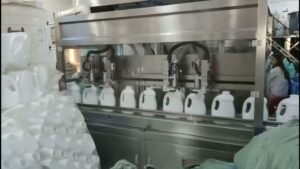
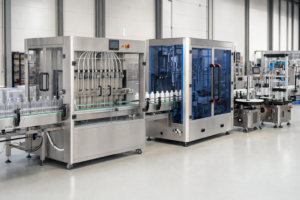
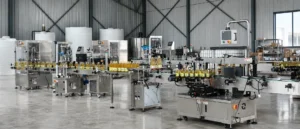
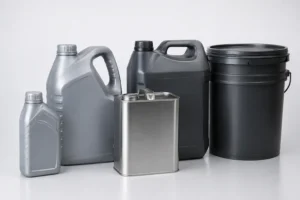
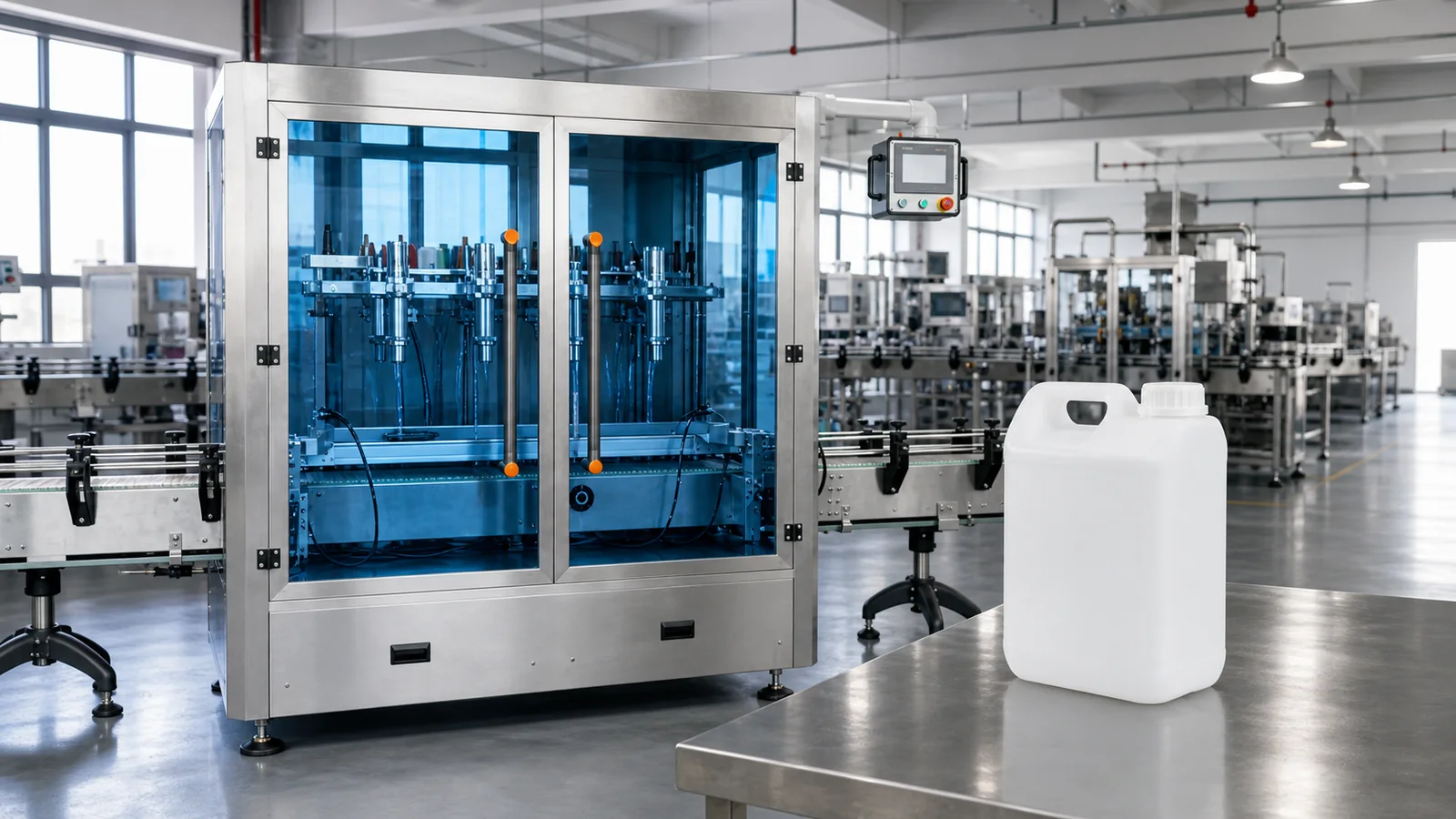
LEKAPACK 5L 10L and 20L edible oil container filling machine
LEKAPACK edible oil filling machine for 5L, 10L and 20L containers, including larger bottle and jerrycan filling projects.

How Edible Oil Viscosity Affects Filling Method Selection

Most edible oils are flowable liquids, but not all oils behave exactly the same. Soybean oil, sunflower oil, palm oil, coconut oil, and blended cooking oil may have different flow characteristics, especially when temperature changes.

The filling method should be selected according to oil viscosity, filling volume, container size, dosing accuracy, and output target. Common methods discussed for edible oil projects include piston filling, gear pump filling, flow meter filling, and weighing filling.

Filling Method Common Application Situation What to Confirm Before Buying
Piston filling Suitable for fixed-volume filling where the filling range is clear. Filling range, cleaning needs, product compatibility, accuracy requirement.
Gear pump filling Suitable for flowable oil where pump control is preferred. Oil viscosity, pump material, dosing accuracy, maintenance needs.
Flow meter filling Suitable for projects that use flow measurement to control filling volume. Flow stability, calibration, temperature influence, filling accuracy.
Weighing filling Often discussed for large containers or weight-based filling projects. Weighing accuracy, container stability, filling speed, machine cycle time.

The purpose is not to say that one filling method is always better than another. A suitable method should match the product and the production process. A useful inquiry would sound like this:

We need to fill 1L and 5L edible oil bottles. The oil is flowable cooking oil. Our target output is around ___ bottles per hour. Which filling method would be suitable?

This kind of information helps the supplier give a more practical recommendation than a simple request such as, “Do you have an edible oil filling machine?”

LEKAPACK Expert Note

LEKAPACK does not suggest comparing an edible oil filling machine only by price. In long-term operation, the PLC, electrical components, wiring layout, assembly quality, sealing structure, and anti-leakage design can all affect machine reliability.

A low-priced machine may appear attractive at the beginning, but if the electrical system is unstable, the wiring is poorly arranged, or the anti-leakage design is weak, the later maintenance cost may become higher. For edible oil filling, stable operation, reasonable assembly, and hygiene control are often more important than the lowest initial price.

Filling Heads and Output Calculation for Edible Oil Production

A common question from buyers is, “How many filling heads do I need?” It is a good question, but filling heads alone do not decide the real production output.

The actual output depends on several connected factors:

Actual output = filling volume + oil flow rate + number of filling heads + bottle handling speed + capping speed + labeling speed + operator workflow

Example Configuration Logic for Filling Heads and Output Planning

The table below shows how filling volume and production target can influence the number of filling heads and line configuration. These examples are only for understanding the selection logic. The final edible oil filling machine configuration should be calculated according to real oil flow rate, bottle shape, cap type, and packaging workflow.

Project Situation Filling Volume Output Priority Possible Filling Head Direction Downstream Equipment to Check
Small retail cooking oil production 500ml or 1L Moderate speed with stable accuracy 2 to 4 filling heads Manual or semi-automatic capping, basic labeling
Growing edible oil brand 1L or 5L Higher daily output and cleaner packaging 4 to 8 filling heads Automatic capping machine, labeling machine, conveyor setup
Continuous retail bottle production 500ml, 1L, 5L Stable bottles per hour and reduced manual handling 6 to 10 or more filling heads, depending on speed target Capping speed, labeling speed, coding machine, conveyor integration
Large container edible oil project 10L or 20L Accurate filling and safer heavy-container handling Fewer heads with higher-volume filling control Weighing system, roller support, capper, operator workflow

This is why two machines with the same number of filling heads may perform differently in real production. A 6-head machine filling 500ml bottles and a 6-head machine filling 5L bottles do not have the same machine cycle time, oil flow requirement, or downstream packaging pressure.

For example, an 8-head filling machine has higher output potential than a 4-head filling machine. But if the capping machine is too slow, or if workers cannot load bottles fast enough, the whole line will still be limited.

Question Why It Matters
What is the target output? It helps determine filling heads and automation level.
What is the filling volume per bottle? It affects the filling time and machine cycle time.
Is automatic capping required? Capping may become the next bottleneck.
Is labeling required? Labeling speed affects line continuity.
Are bottles loaded manually? Manual operation affects real output.
Is future expansion planned? The machine configuration may need upgrade space.

For buyers searching for an automatic edible oil filling machine or an edible oil filling line, the real issue is not only whether the machine is automatic. The real question is whether the whole packaging process can run continuously and smoothly.

LEKAPACK Expert Note

In LEKAPACK’s configuration process, filling heads are never judged alone. Real output also depends on filling volume, oil flow rate, capping speed, labeling speed, operator workflow, and whether the customer already has old equipment that must be connected to the new machine.

If the customer is building a new edible oil filling line, LEKAPACK can calculate the filling, capping, and labeling configuration according to the target output. If new equipment needs to work with existing equipment, the speed of the old machines must also be checked. In some cases, one faster filling machine may be paired with two slower capping machines to improve overall line balance.

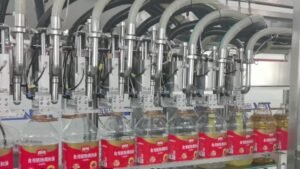
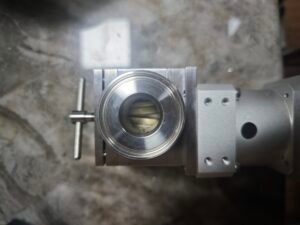
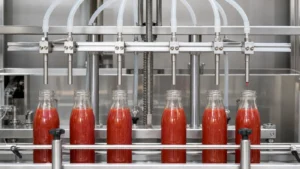
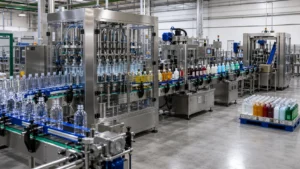
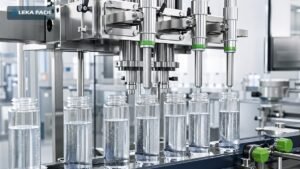
LEKAPACK multi-head edible oil filling nozzles
Multi-head edible oil filling nozzles help improve filling output while maintaining stable nozzle positioning and clean filling performance.

Anti-Drip Design: Why Clean Filling Matters for Edible Oil Bottles

In edible oil filling, anti-drip design is not a small detail. Oil drops on the bottle mouth, bottle body, conveyor, or machine surface can create problems that continue throughout the packaging process.

Problem Possible Impact
Oil marks on the bottle body Poor packaging appearance.
Weak label adhesion Labels may not stick well or may shift.
Oily conveyor surface More cleaning work and unstable bottle movement.
Contaminated filling area Reduced workshop hygiene.
Messy retail packaging Lower shelf appeal and weaker customer confidence.
Long-term oil accumulation Higher cleaning cost and possible influence on machine condition.

When discussing an edible oil bottle filling machine, buyers can ask:

  • Does the nozzle have an anti-drip design?
  • How does the machine control residual oil after filling stops?
  • Is the nozzle suitable for the current neck size?
  • Is the nozzle setup easy to clean?
  • Do 1L, 5L, and 20L containers need different nozzle setups?

It is better to avoid unrealistic claims such as “zero dripping” or “100% no leakage.” A more practical way to understand the benefit is this:

A suitable anti-drip nozzle and shut-off control can help reduce dripping and keep the bottle surface cleaner during edible oil filling.

For retail edible oil packaging, clean bottles matter. Bottle cleanliness affects labeling, coding, carton packing, product display, and the overall impression of the brand.

LEKAPACK Expert Note

LEKAPACK pays close attention to anti-drip design in edible oil filling machines. Once oil drips onto the bottle, the issue is not only cosmetic. Oil can affect label adhesion and make the conveyor more difficult to clean.

If oil accumulates on the machine surface, conveyor area, or floor for a long time, it can increase cleaning cost and affect workshop hygiene. In more serious cases, oil buildup may also influence machine operation and filling stability.

For a long-running cooking oil filling line or vegetable oil filling machine project, reducing dripping helps maintain packaging appearance, production cleanliness, and stable equipment performance.

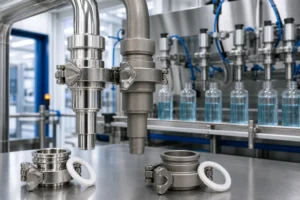
LEKAPACK anti-drip nozzle for edible oil filling machine
Anti-drip nozzle design helps reduce oil residue and keeps edible oil bottles cleaner during the filling process.

When to Add Capping, Labeling and Conveyor Integration

Many small edible oil factories first plan to buy only one filling machine. That may be enough for early production, but in real operation, the bottleneck is not always the filling step.

If the filling speed increases but capping is still done by hand, the whole production rhythm may still be slow. If oil remains on the bottle surface, labeling may become unstable. If workers must manually move 5L, 10L, or 20L containers for a long time, labor pressure will increase.

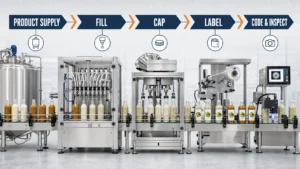
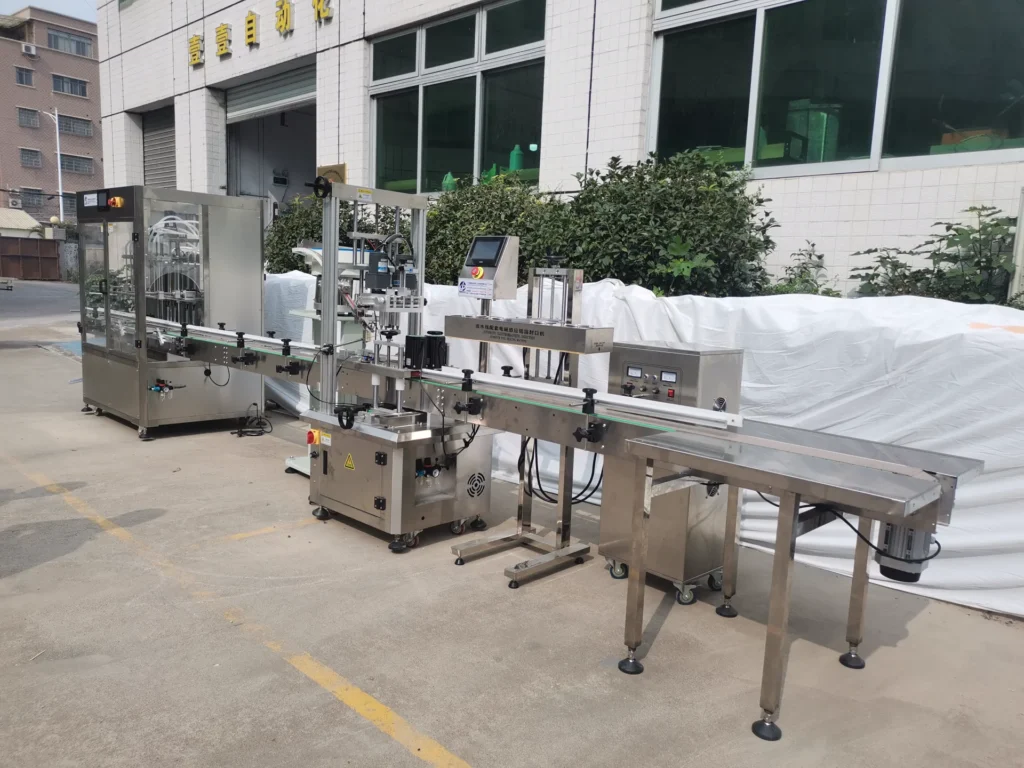
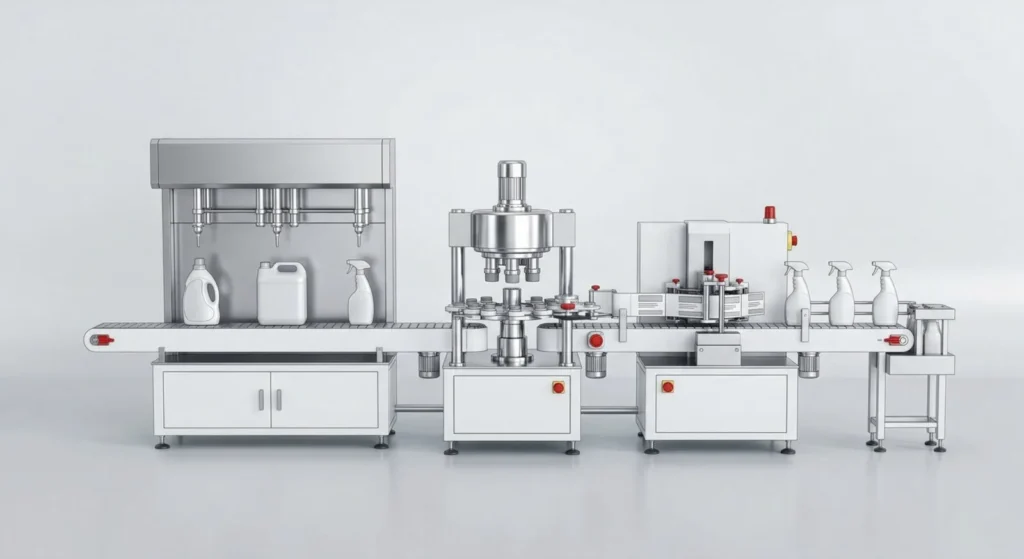
This is why buyers should think beyond the standalone filling machine. A practical edible oil packaging process may include filling, capping, labeling, coding, conveyor integration, and final packing.

Setup Type Suitable Situation Main Limitation
Standalone filling machine Small-batch production, manual capping, limited budget. Requires more manual labor.
Filling + capping setup Higher output and more stable capping requirement. Labeling may still become a bottleneck.
Filling + Capping + Labeling Line Retail packaging, continuous production, stable label quality. Requires more space and better line planning.
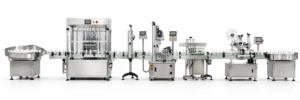
Complete edible oil packaging line Higher automation demand and stable long-term production. Higher investment and clearer configuration requirements.

Packaging Line Upgrade Path for Edible Oil Factories

Many edible oil factories do not need to buy a complete edible oil packaging line on the first day. A more practical approach is to upgrade step by step according to real production pressure, labor cost, and retail packaging requirements.

Production Stage Typical Equipment Setup Main Problem Solved When to Upgrade
Stage 1: Small-batch production Standalone edible oil filling machine Replaces manual filling and improves filling consistency When manual capping or labeling starts slowing down production
Stage 2: Basic automation Filling + capping setup Improves filling and cap tightening efficiency When label quality, coding, or conveyor transfer becomes unstable
Stage 3: Retail packaging line Filling + Capping + Labeling Line Supports cleaner and more consistent retail bottle packaging When daily output increases and manual handling becomes inefficient
Stage 4: Complete edible oil packaging line Filling, capping, labeling, coding, conveyor integration, final packing support Builds a more continuous and stable automatic edible oil bottling line When the factory needs long-term stable output and lower manual dependence

This staged upgrade approach is often more realistic for small and medium edible oil producers. It allows the factory to solve the current bottleneck first, while keeping room for future expansion.

A small factory does not always need a full automatic line at the beginning. The better question is: where is the current production bottleneck?

  • Is filling too slow?
  • Is capping unable to keep up?
  • Is labeling unstable?
  • Is manual handling too heavy?
  • Is daily output inconsistent?
  • Will production expand in the near future?

If production volume is still small, a semi-automatic or standalone filling setup may be enough. If the goal is continuous production, filling, capping, labeling, coding, and conveyor transfer should be evaluated together.

LEKAPACK can help customers evaluate not only a single filling machine, but also a practical edible oil packaging line based on bottle size, cap type, labeling method, target output, and factory layout. For customers moving from manual packaging to automatic production, LEKAPACK can help plan a Filling + Capping + Labeling Line or a complete edible oil packaging line.

This type of solution is suitable for buyers searching for an automatic bottle filling and capping machine for edible oil, edible oil automated bottling line, automatic edible oil bottling line, or cooking oil packaging machine. In many cases, what the buyer really needs is not just one machine, but a smoother packaging process.

LEKAPACK Expert Note

For food-related packaging, LEKAPACK usually recommends reducing direct manual handling in key production steps when budget, space, and production needs allow. Filling, capping, labeling, and conveyor transfer can often be handled more consistently by machines.

However, a small factory does not always need a full automatic line from the beginning. If current production is not very high, it may be more reasonable to start with filling and capping, then add labeling, coding, and conveyor integration later as orders increase.

If you are upgrading from manual packaging to an automatic edible oil filling line, you can contact LEKAPACK for an edible oil packaging line configuration. LEKAPACK can review your bottle type, cap type, target output, and downstream packaging needs before suggesting a suitable automation plan.

Quotation Checklist: What to Prepare Before Contacting a Supplier

To receive a more accurate machine recommendation and quotation, it is helpful to prepare the following information before contacting a supplier.

Requirement What to Provide
Oil type Soybean oil, palm oil, sunflower oil, coconut oil, blended cooking oil
Filling volume 500ml, 1L, 5L, 10L, 20L
Container type Bottle, tin, bucket, jerrycan
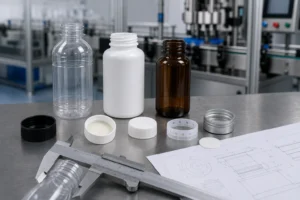
Bottle dimensions Height, diameter, neck size
Bottle photo or sample Bottle shape, neck detail, cap detail
Cap type Screw cap, press cap, handle cap
Target output Bottles per hour or bottles per day
Automation level Semi-automatic, automatic, complete edible oil packaging line
Labeling method Sticker label, wrap label, manual labeling
Existing equipment Conveyor, capper, labeler, coding machine
Factory condition Available space, operator number, factory layout
Country and voltage Installation country, voltage, phase, frequency
Company website Product type, packaging style, business scale reference

How Each Inquiry Detail Affects the Final Quotation

A quotation for an edible oil filling machine is not only a machine price. It is usually based on the container, filling range, automation level, electrical configuration, and packaging line requirement. The table below explains why suppliers ask for detailed project information before giving a serious recommendation.

Information Provided by Buyer What It Helps the Supplier Decide Possible Impact on Quotation
Filling volume and bottle size Filling range, nozzle height, conveyor width, machine frame design Affects machine model and adjustment range
Target output Number of filling heads, automation level, conveyor speed Affects filling machine size and line configuration
Cap type and neck size Capping machine type, capper head design, bottle positioning Affects whether standard or customized capping setup is needed
Labeling requirement Labeling machine type, bottle orientation, label position Affects whether labeling is manual, semi-automatic, or fully automatic
Existing equipment Connection with conveyor, capper, labeler, or coding machine Affects integration design and line balancing
Installation country and voltage Electrical components, voltage, phase, frequency Affects electrical configuration and export preparation
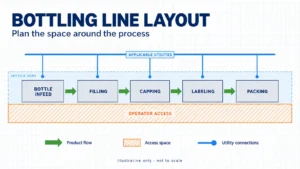
Factory layout and available space Line direction, conveyor length, machine placement, operator access Affects layout design and complete edible oil packaging line planning
If the buyer provides only a product name, the supplier can usually give only a rough reference. If the buyer provides bottle photos, filling volume, target output, cap type, voltage, and factory layout, the supplier can prepare a much more useful edible oil filling machine configuration.

The clearer the information is, the easier it is for the supplier to judge:

  • How many filling heads are suitable.
  • Which filling method should be considered.
  • Whether a capping machine is needed.
  • Whether a labeling machine is needed.
  • Whether conveyor integration is required.
  • Whether the bottle needs special positioning or holding.
  • Whether the project should start from a standalone filling machine or a complete edible oil packaging line.
  • Whether new equipment must connect with existing machines.

Instead of sending only:

Please quote edible oil filling machine.

A better inquiry would be:

We need to fill 1L and 5L edible oil bottles. The bottle is PET, with screw cap. Target output is around ___ bottles per hour. We need filling and capping first, and labeling may be added later. Please suggest a suitable configuration.

This kind of message helps the supplier understand the machine type, filling heads, filling method, capping setup, labeling requirement, and overall line connection more quickly.

LEKAPACK Expert Note

LEKAPACK usually hopes to receive oil type, filling volume, bottle size, bottle photo or sample, cap type, target output, automation level, labeling requirement, country and voltage, factory layout or available space, and company website during the first inquiry.

These details help LEKAPACK judge whether the customer needs a standalone filling machine, a filling and capping setup, a Filling + Capping + Labeling Line, or a complete edible oil packaging line. The company website can also be useful because it helps the supplier understand the customer’s product type, packaging style, and business scale.

LEKAPACK can also provide free purchasing consultation for edible oil filling projects. If you are not sure whether to choose a standalone filling machine, a filling and capping setup, or a complete edible oil packaging line, you can provide your bottle size, filling volume, cap type, target output, and installation country for an initial configuration review.

To reduce configuration mistakes, you can request free purchasing consultation from LEKAPACK and share your basic project details for preliminary evaluation.

Need Help Reviewing Your Edible Oil Filling Machine Configuration?

Choosing an edible oil filling machine is easier when you look at the whole production process instead of only the machine price. Bottle size, filling volume, oil viscosity, target output, cap type, labeling requirement, and automation level all influence the final configuration.

In general, 500ml and 1L bottles require more attention to speed and repeatability. 5L containers require a better balance between filling accuracy, conveyor stability, and anti-drip design. 10L and 20L containers require more careful review of weight, flow rate, operator handling, and downstream packaging.

Before contacting a supplier, it is useful to prepare:

  • Oil type
  • Bottle size
  • Bottle photo or sample
  • Filling volume
  • Target output
  • Cap type
  • Labeling requirement
  • Existing conveyor, capper, labeler, or coding machine
  • Installation country and voltage
  • Factory layout or available space
  • Company website
  • Whether you need a standalone filling machine or a Filling + Capping + Labeling Line
  • Whether you plan to upgrade to a complete edible oil packaging line

LEKAPACK’s suggestion is simple: do not choose the machine first and then force your production process to fit it. A better order is to confirm your bottle + output + packaging process first, then select the most suitable edible oil filling machine configuration.
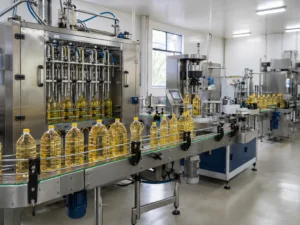
For a small factory, a basic filling and capping setup may already solve the current production problem. For long-term production or stable retail packaging, it is better to plan filling, capping, labeling, coding, and conveyor connection earlier.

If you are planning a cooking oil filling machine, vegetable oil filling machine, edible oil bottle filling machine, or automatic edible oil filling machine project, you can start by preparing the information above.

You can also review LEKAPACK’s broader oil filling machine solution for edible oil projects to understand the overall direction of oil filling equipment.

FAQ

1. What information should I prepare before buying an edible oil filling machine?

You should prepare oil type, filling volume, bottle size, bottle photo or sample, container type, cap type, target output, automation level, labeling requirement, installation country, and voltage.

These details help the supplier recommend a practical edible oil filling machine configuration instead of quoting only according to a general keyword.

2. Can one edible oil filling machine handle 500ml, 1L and 5L bottles?

Some machines can support different filling volumes through adjustment, but the supplier must confirm the filling range, bottle dimensions, nozzle height, conveyor setup, and changeover design.

Before purchasing, it is better to provide bottle samples or detailed bottle dimensions so the supplier can check whether the machine is suitable for multi-size production.

3. Is a 5L edible oil filling machine different from a 1L bottle filling machine?

Yes. A 5L bottle is not different only because of its larger volume. It is heavier, takes longer to fill, and requires better conveyor stability, anti-drip design, capping setup, and labeling method.

For 5L projects, the whole packaging process should be reviewed instead of focusing only on the number of filling heads.

4. How many filling heads do I need for edible oil production?

The number of filling heads depends on filling volume, target output, oil flow rate, machine cycle time, bottle handling speed, capping speed, and labeling speed.

Buyers should not only ask for the price of a certain number of filling heads. It is better to provide the target bottles per hour so the supplier can calculate a suitable configuration.

5. Which filling method is suitable for edible oil?

Piston filling, gear pump filling, flow meter filling, and weighing filling may all be considered for different edible oil projects.

The suitable filling method depends on oil viscosity, filling volume, container size, accuracy requirement, and output target.

6. Do I need a complete edible oil packaging line or only a filling machine?

For small-batch production, a standalone filling machine may be enough. If the target is continuous production with stable filling, capping, labeling, coding, and conveyor transfer, it is better to evaluate a Filling + Capping + Labeling Line or a complete edible oil packaging line.

For small factories, LEKAPACK usually suggests reviewing current output, labor situation, budget, and future expansion plan before deciding whether to start with filling and capping or invest in a fuller automatic line.

7. Why is anti-drip design important for edible oil filling?

Anti-drip design helps reduce oil residue during filling. This is important because oil on the bottle surface can affect label adhesion, packaging appearance, conveyor cleanliness, and workshop hygiene.

Long-term oil accumulation can also increase cleaning cost and may influence the production environment and machine stability.

Follow LEKA