
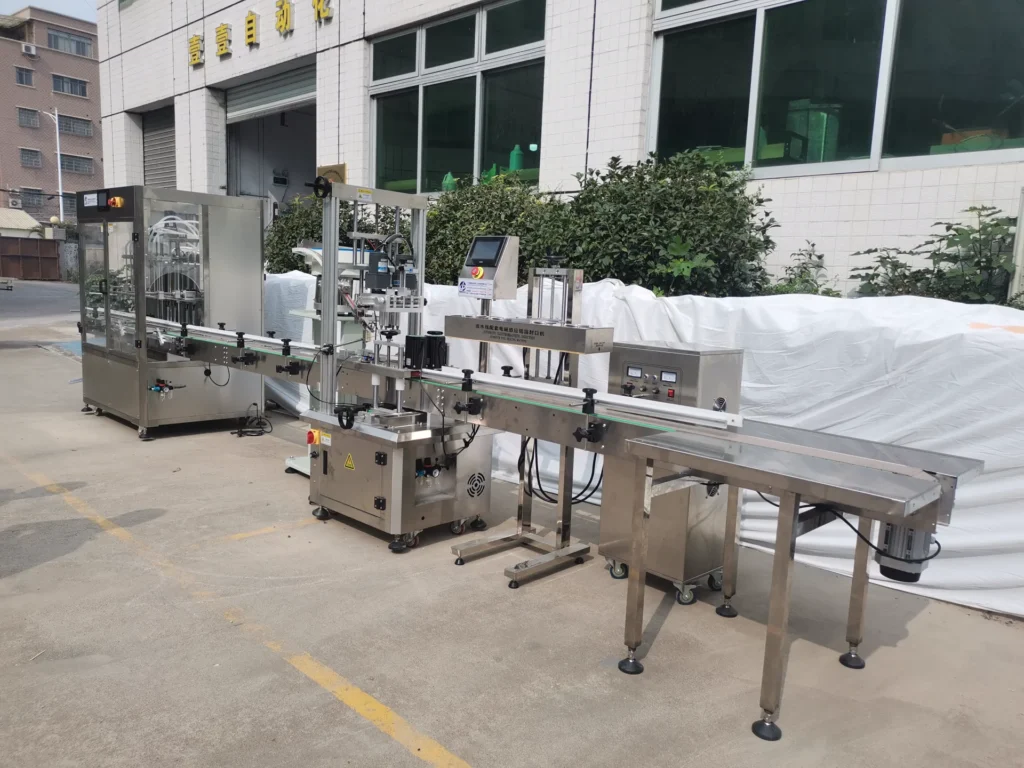
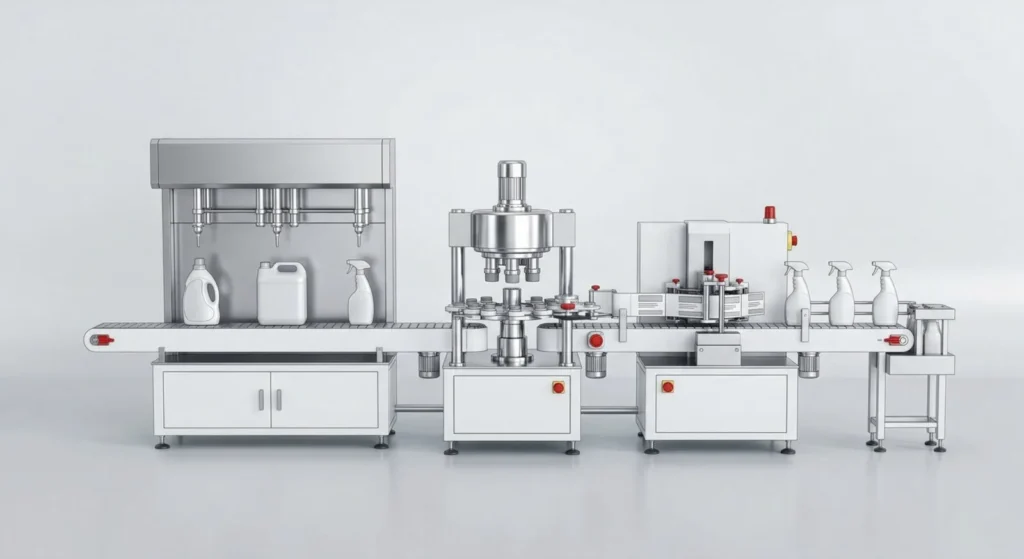
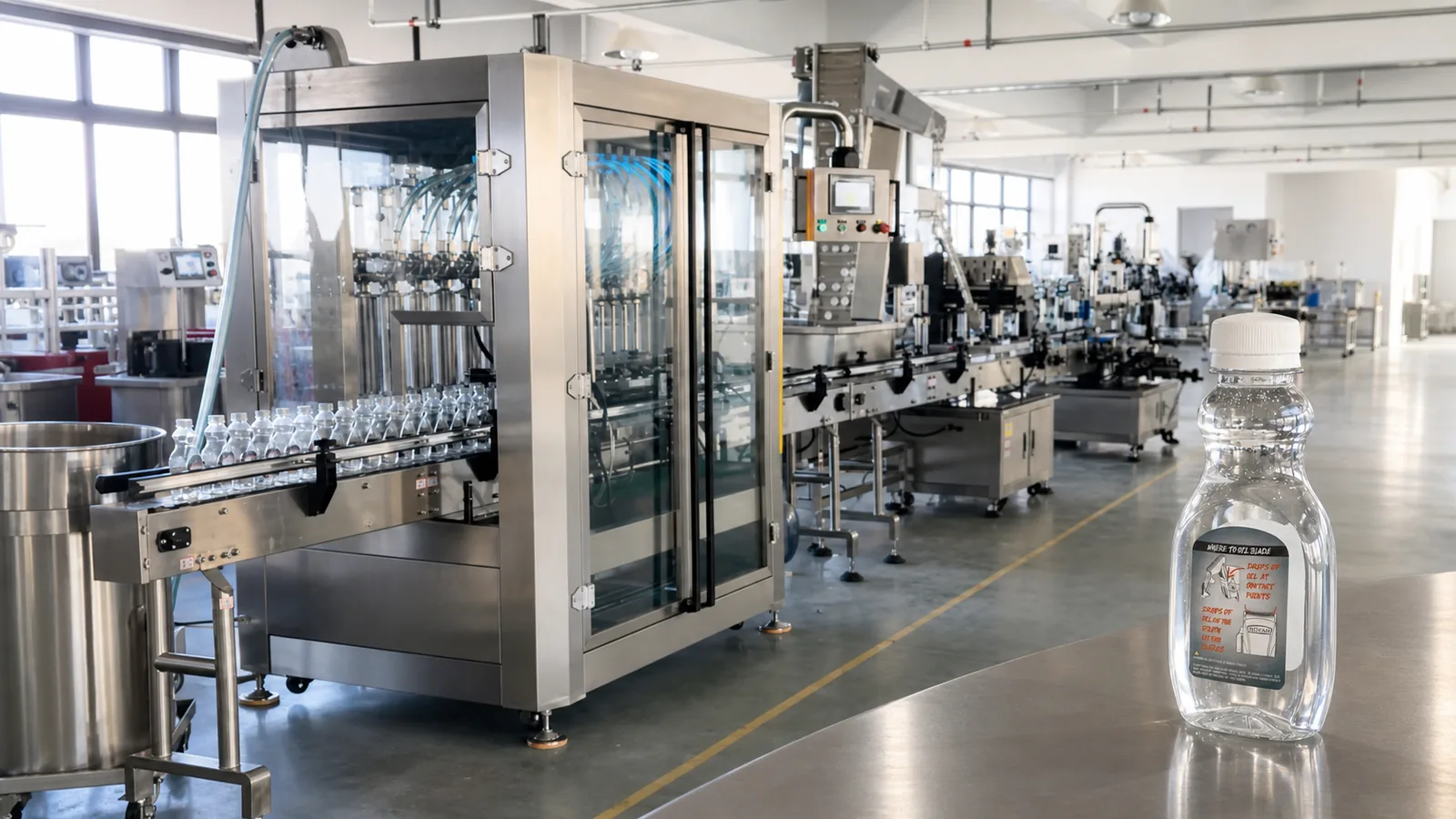
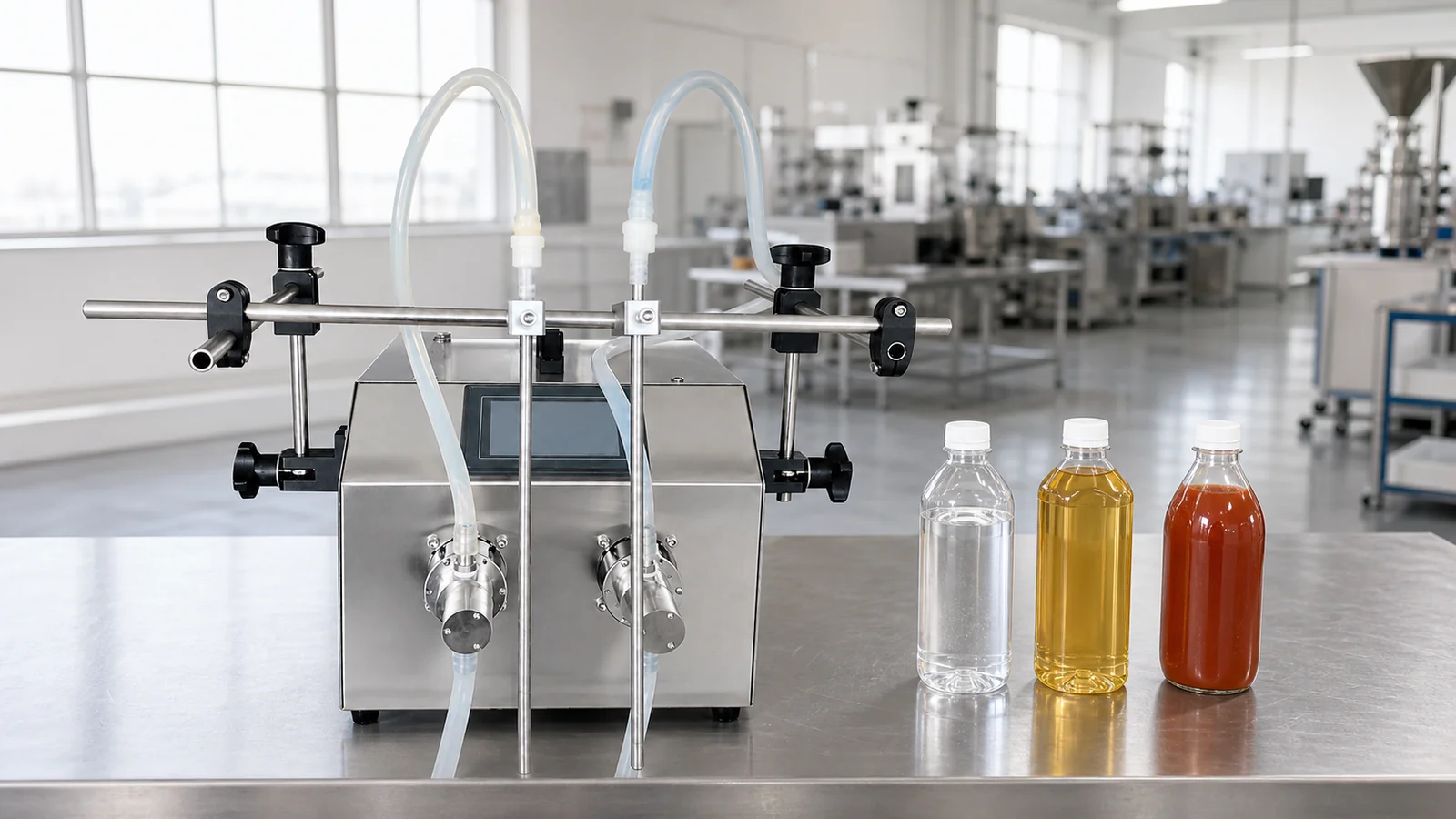
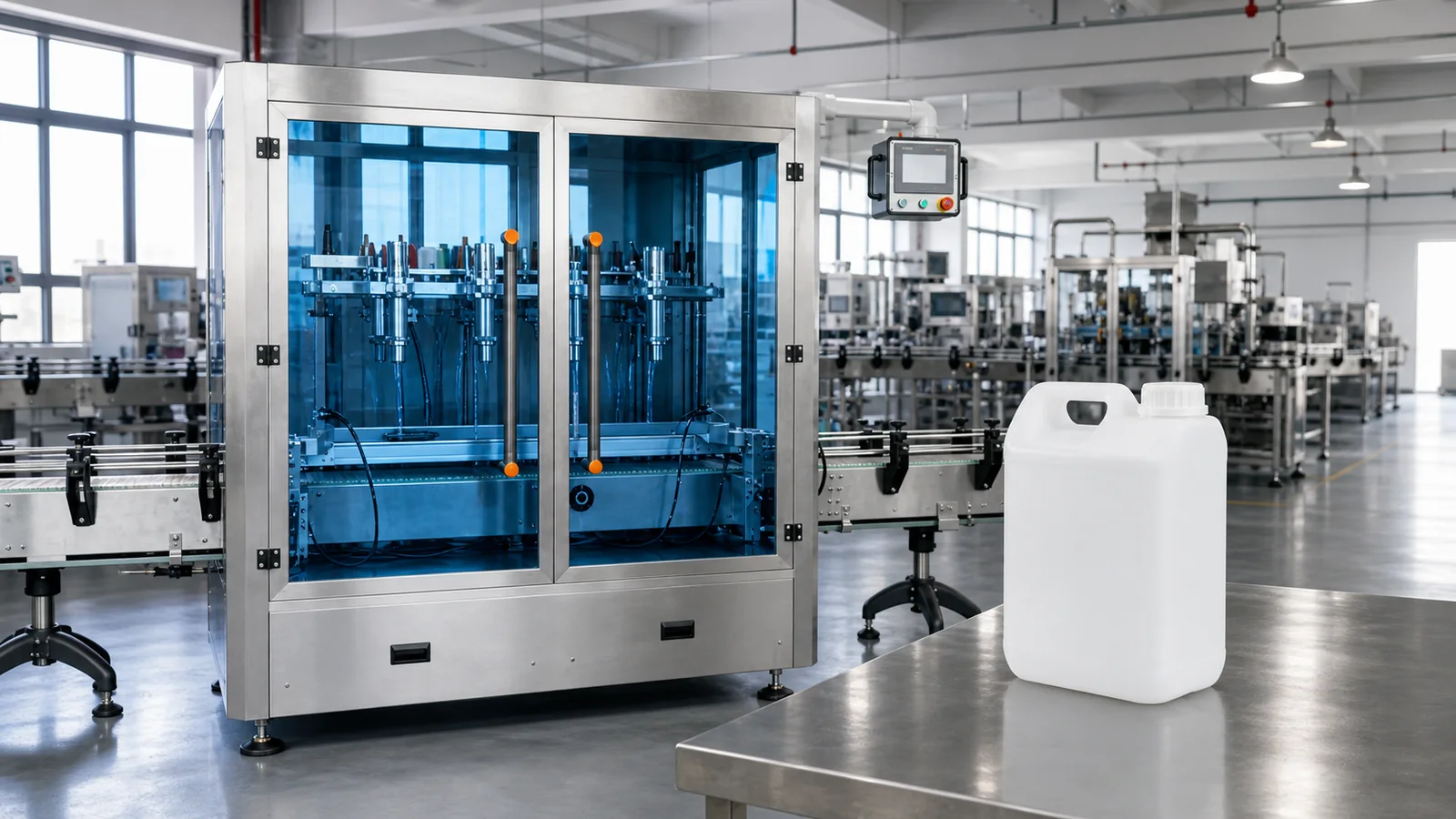
Household Chemicals Filling Line for Cleaning Products
Build a practical household chemicals filling line for cleaning products such as detergent, dishwashing liquid, laundry detergent, car wash liquid, car shampoo, windshield washer fluid, bleach, toilet cleaner, glass cleaner, floor cleaner, disinfectant and multi-purpose cleaner. LEKA Pack Line helps match the filling machine, capping machine, labeling machine and conveyors to your liquid behavior, bottle format and output target.
Send product, bottle, cap and target output for recommendation.
Liquid name, foam level, viscosity and corrosiveness.
Bottle shape, filling volume, cap type and label position.
Expected output target, automation level and factory layout.
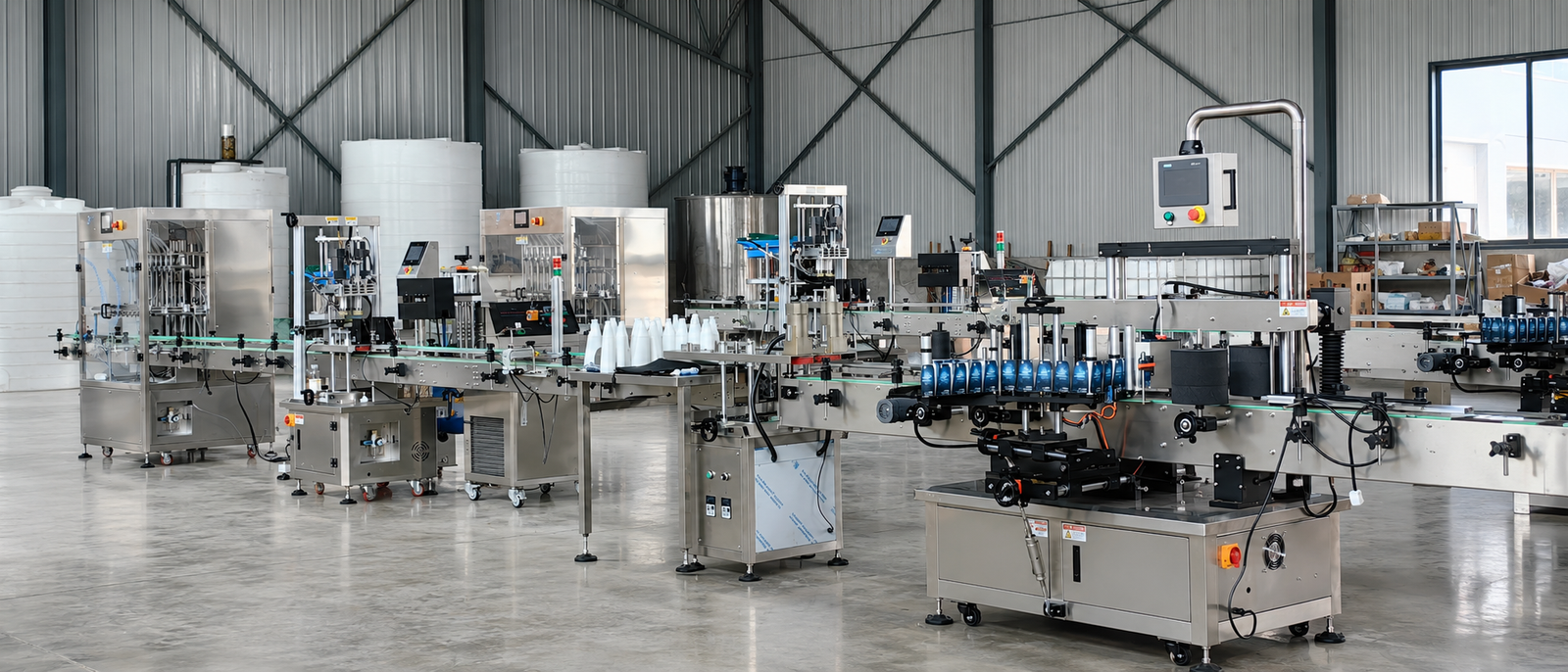
Start with the product behavior. Foamy cleaners, thin cleaners and corrosive bleach products need different filling methods, contact materials and line layouts.
Cleaning Products Filling Machine Video Demonstration
Watch the machine running video to check filling movement, anti-drip performance, bottle positioning, capping stability and conveyor flow.
What buyers can check from the video: filling head movement, foam control, bottle positioning, conveyor rhythm, capping flow and whether the system matches the required automation level.
Chemical Filling Machine Configuration for Detergent, Car Wash Liquid, Bleach and Cleaners
For household and car care cleaning products, a suitable chemical filling machine is not selected by product name alone. The correct setup depends on whether the liquid foams, whether it is thin or viscous, whether it is corrosive, what bottle and cap are used, and whether the project needs only filling or a complete bottling line.
Recommended Filling Configuration by Cleaning Product Type
This table helps buyers compare product behavior, container type, typical filling concerns and the machine direction to discuss with LEKA Pack Line.
| Product / Application | Typical Products | Typical Filling Concern | Recommended Direction | Typical Line Setup |
|---|---|---|---|---|
| Detergent & Laundry Liquid | Laundry detergent, laundry liquid. | Medium viscosity, dripping and foam. | Servo piston or pump filling with anti-drip nozzles after product check. | Filling, capping, labeling, coding and conveyor connection. |
| Dishwashing Liquid & Dish Soap | Dishwashing liquid, dish soap. | Foam, overflow and bottle-mouth cleanliness. | Controlled filling speed and foam-aware nozzle movement. | Filling machine with matched capper and labeler. |
| Car Wash Liquid & Car Shampoo | Car wash liquid, car shampoo. | Foam, medium viscosity and different bottle sizes. | Foam-control filling route with matched capping after sample or product detail review. | Filling, capping, labeling and conveyor connection. |
| Windshield Washer Fluid | Windshield washer fluid, screen wash. | Thin liquid, fast filling requirement and consistent fill volume. | Pump or flow-meter filling route depending on volume, product behavior and speed target. | Automatic filling and capping line for car care liquids. |
| Glass Cleaner | Glass cleaner, spray cleaner. | Trigger bottle, thin liquid and cap handling. | Pump filling with trigger bottle positioning and matched cap handling. | Filling, trigger capping, labeling and coding. |
| Floor Cleaner & Multi-Purpose Cleaner | Floor cleaner, multi-purpose cleaner. | Bottle variety, label position and line speed balance. | Flexible filling capping labeling line based on bottle and cap type. | Bottle feeding, filling, capping, labeling and collection. |
| Kitchen Cleaner & Degreaser | Kitchen cleaner, degreaser. | Grease-removal formula, possible foam or corrosive behavior. | Formula check before selecting pump, piston, flow-meter or anti-corrosion route. | Filling, capping and labeling line by product behavior. |
| Bathroom Cleaner & Toilet Cleaner | Bathroom cleaner, toilet cleaner. | Corrosiveness, angled bottle and special cap handling. | Anti-corrosion contact parts and bottle positioning should be reviewed. | Corrosion-aware filling, capping, conveyors and collection. |
| Bleach | Bleach, chlorine-based cleaner. | Corrosive formula and material compatibility. | Anti-corrosion filling machine route after formula review. | Anti-corrosion filling, capping and conveyor layout. |
| Disinfectant & Sanitizer | Disinfectant, sanitizer. | Clean filling, anti-drip performance and cap matching. | Automatic filling capping labeling line based on product and bottle details. | Filling, capping, labeling, coding and final collection. |
Need a machine direction? Send product, bottle, cap and target output so LEKA can check the filling route before quotation.
Request Line RecommendationMachine Catalogue
Download LEKA Packaging Machinery Catalogue
Compare filling, capping, sealing, labeling, conveying and complete bottling line options for food, beverage, sauce, edible oil, cosmetics, home care and chemical products.
- Filling machine selection by product type and viscosity
- Capping, sealing, coding and labeling equipment options
- Complete line configuration guidance for bottle projects
Common Cleaning Product Bottles and Filling Requirements
These examples help buyers connect their own bottle and liquid type with a practical filling machine or complete household chemicals bottling line.
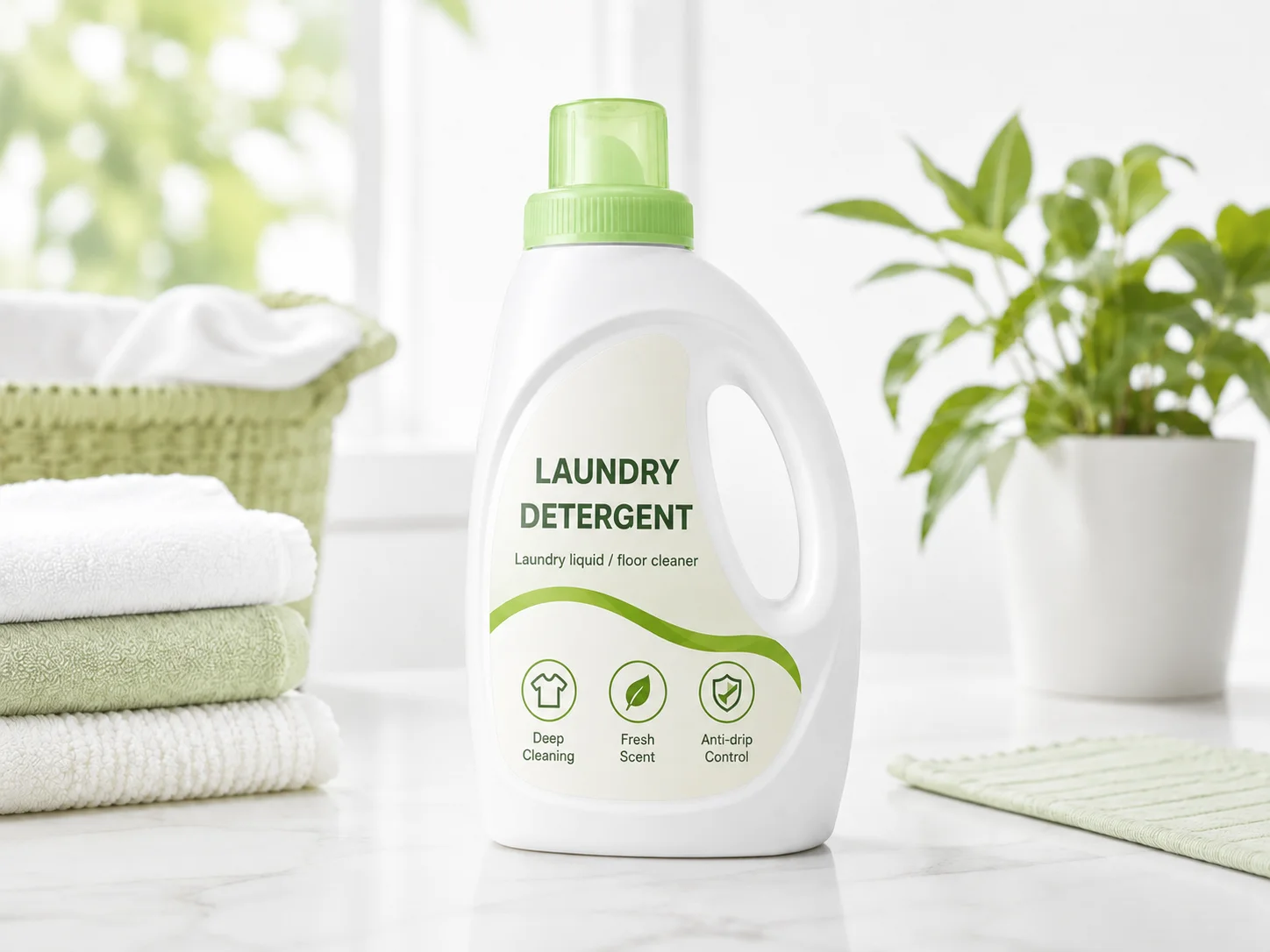
Detergent and Laundry Liquid Filling
Laundry detergent and laundry liquid often have medium viscosity, foam and dripping concerns. Pump selection, servo control and anti-drip nozzles should be checked before quotation. For complete filling, capping and labeling planning, review the detergent filling line application.
Dishwashing Liquid and Dish Soap Filling
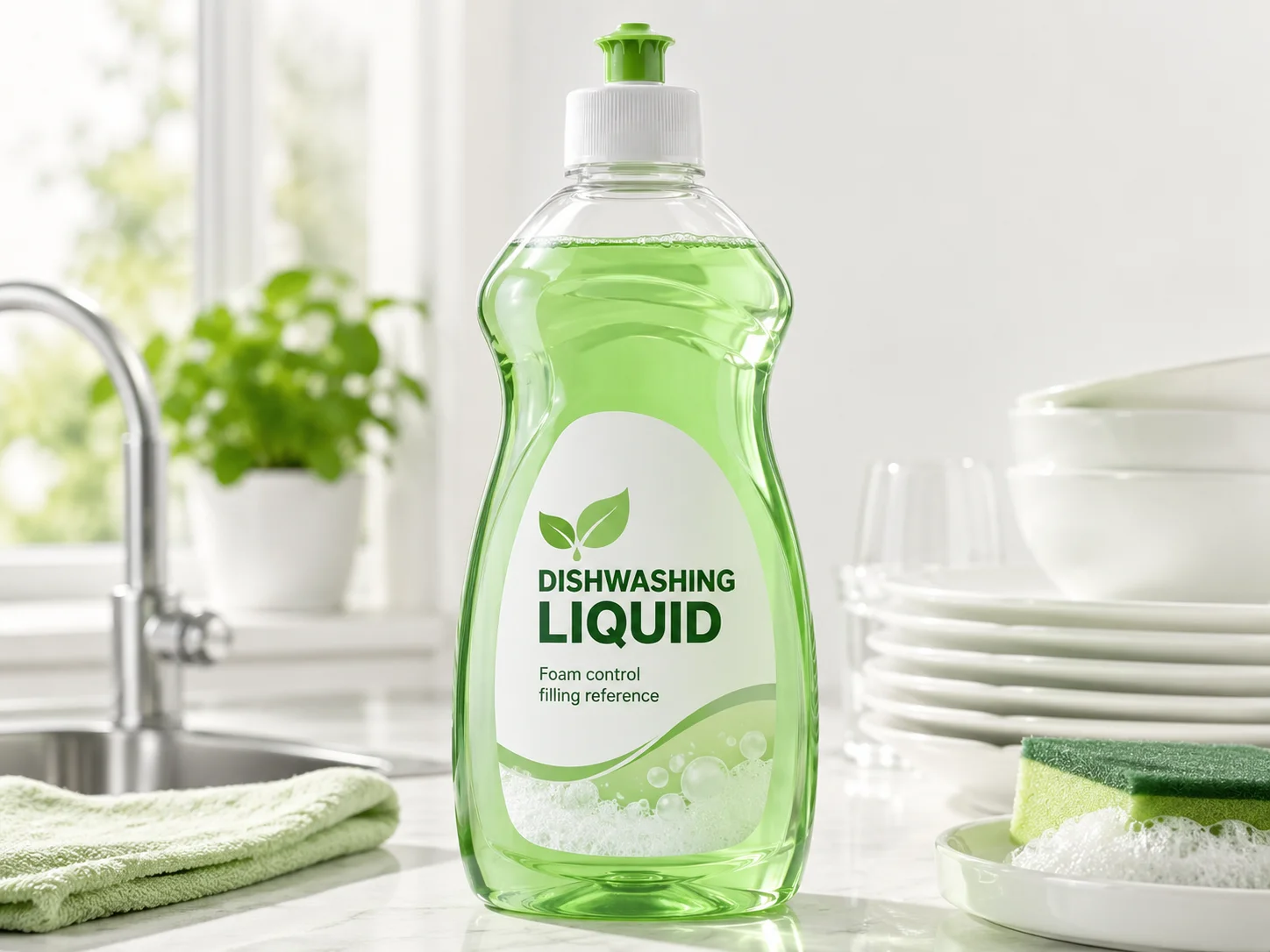
Dishwashing liquid and dish soap may foam during filling. Filling speed, nozzle height, bottle mouth size and anti-drip control affect overflow and bottle cleanliness. Use the dish soap filling and foam-control guide to compare filling methods, foam control, bottle and cap checks before selecting the line.
Car Wash Liquid and Car Shampoo Filling
Car wash liquid and car shampoo can have foam, medium viscosity and different bottle sizes. LEKA can review bottle, cap and output details before selecting the filling route.
Glass Cleaner and Windshield Washer Fluid Filling
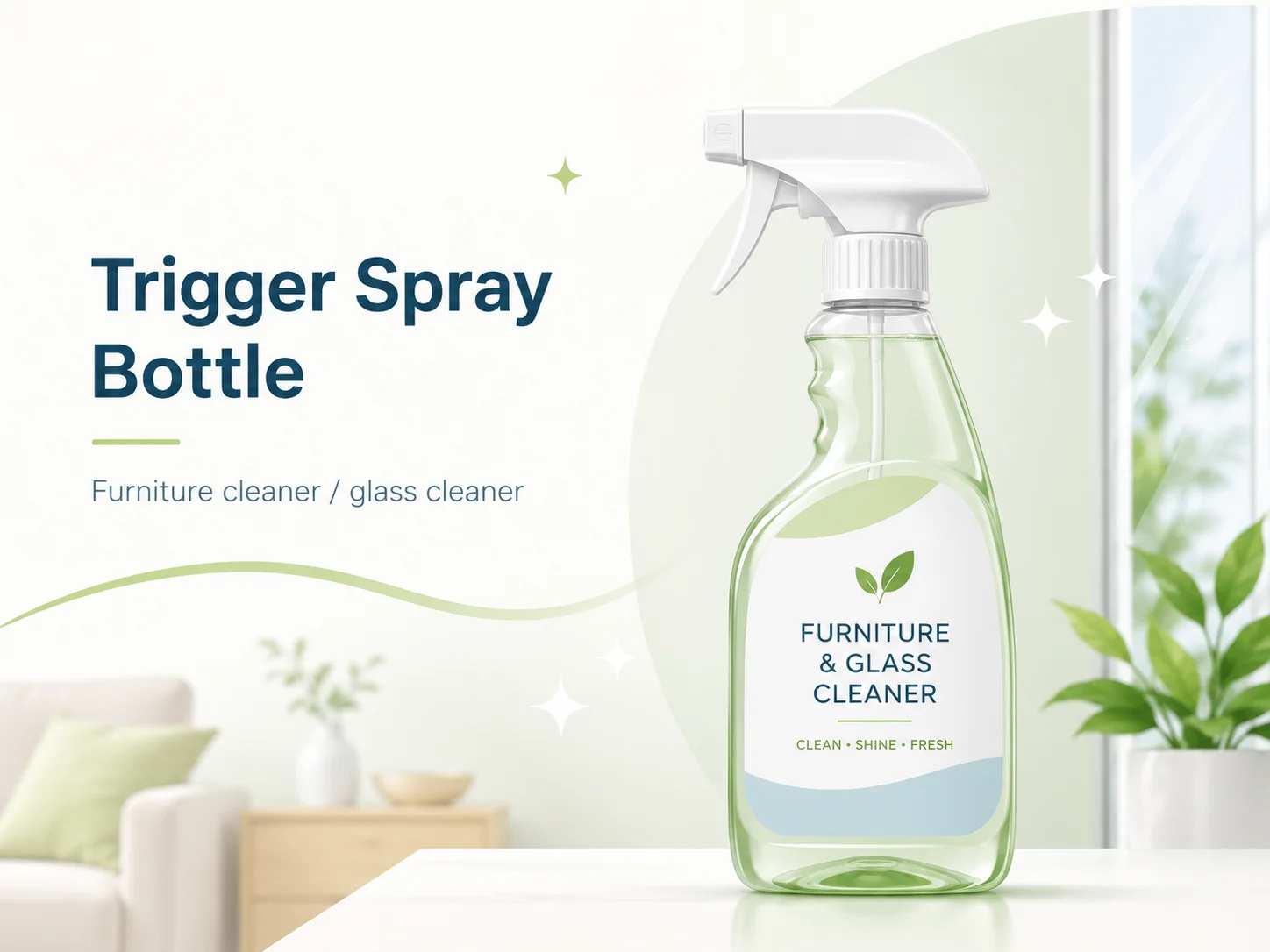
Glass cleaner may use trigger bottles, while windshield washer fluid is often a thin car care liquid. Bottle positioning, cap handling and filling speed target should be reviewed.
Floor Cleaner and Multi-Purpose Cleaner Filling
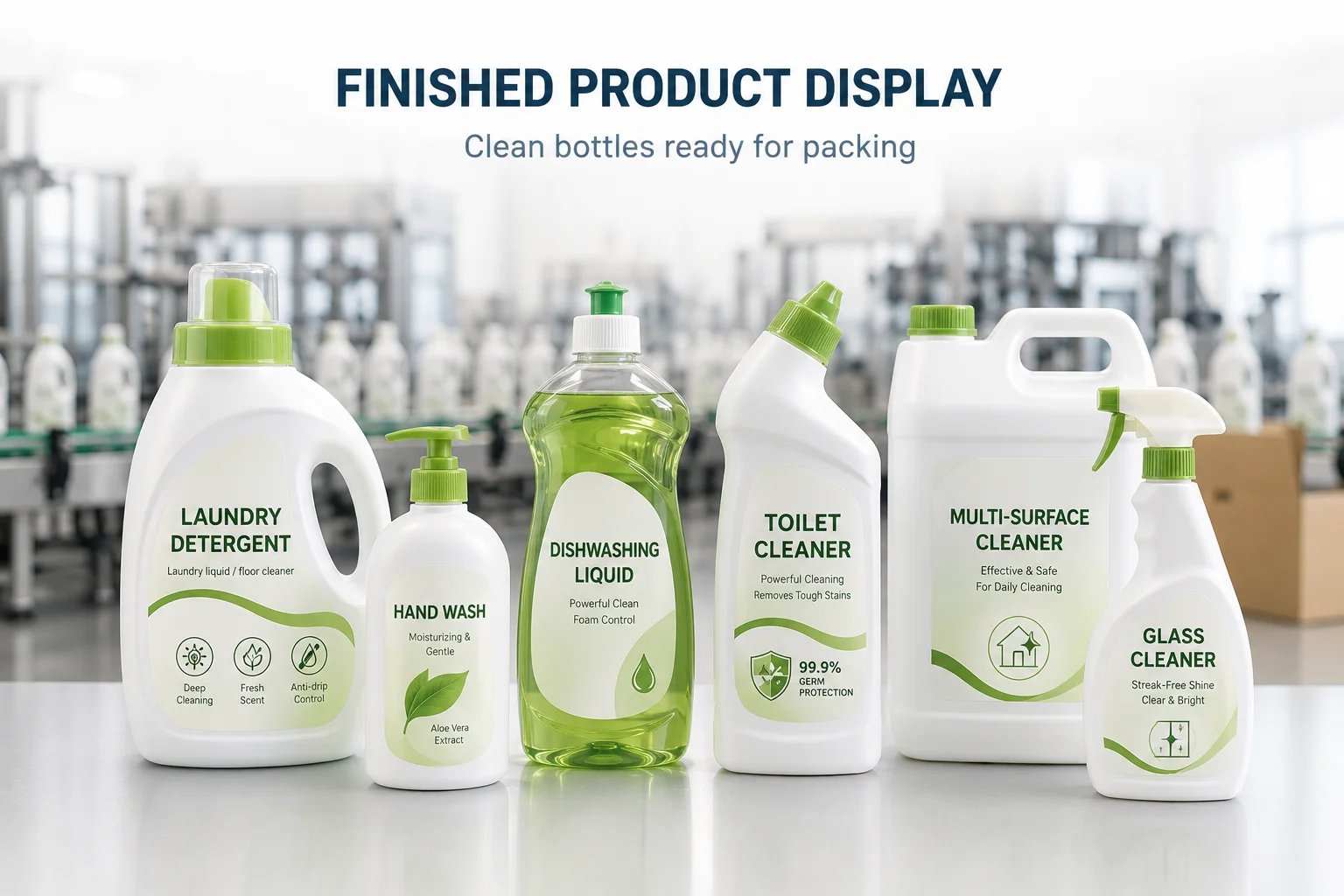
Floor cleaner and multi-purpose cleaner usually need clean filling, smooth bottle flow, stable label position and final collection after capping.
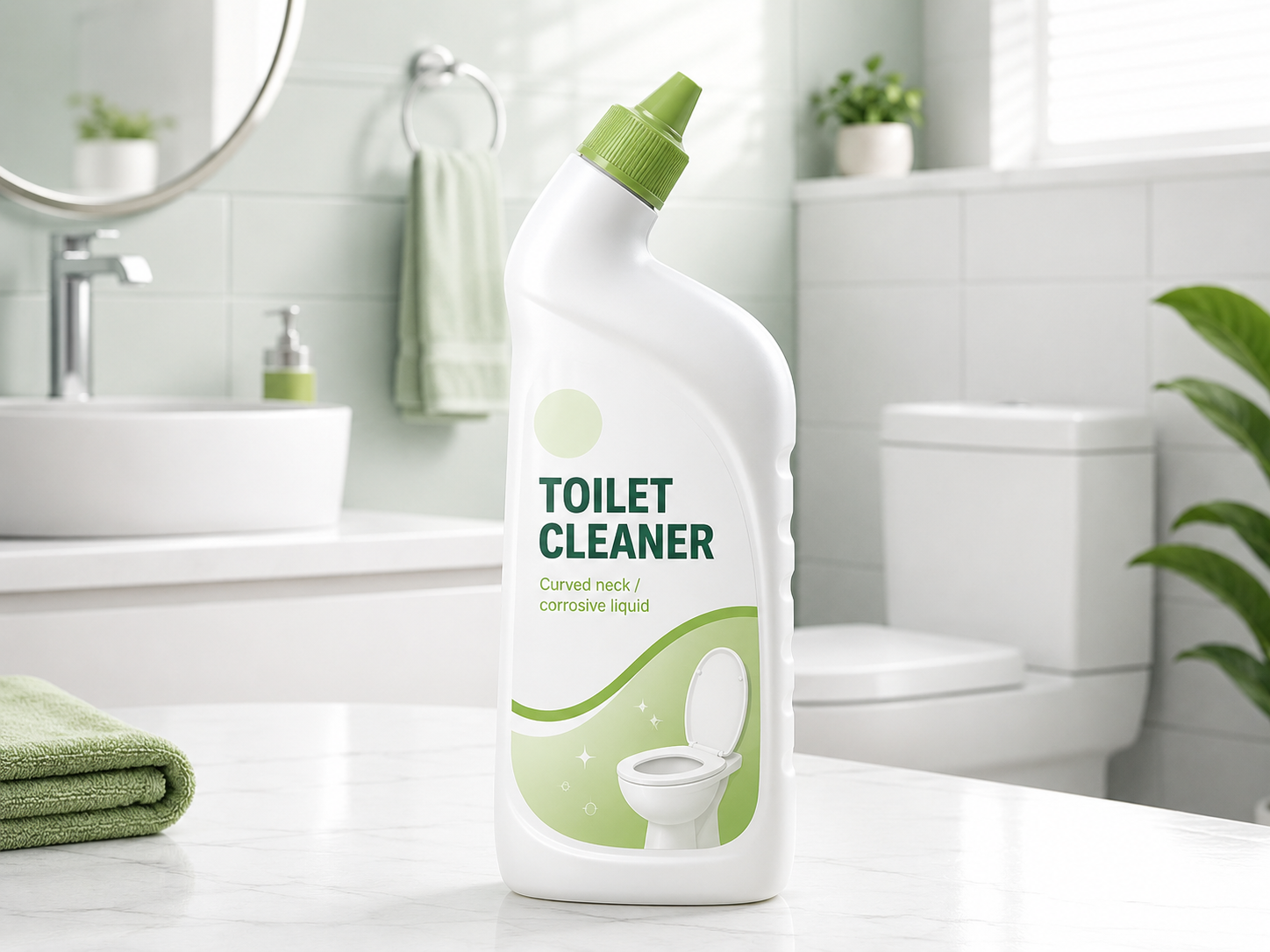
Bleach, Toilet Cleaner and Bathroom Cleaner Filling
Bleach, toilet cleaner and bathroom cleaner may involve corrosive formulas, angled bottles or special caps. Contact material and bottle handling should be checked first.
Common Challenges in Household Cleaning Products Filling
Cleaning liquid production must handle foam, viscosity, corrosion, dripping risk, bottle stability, cap compatibility and production efficiency at the same time.
Foaming Cleaning Liquids
Dishwashing liquid, laundry liquid and some disinfectants may foam during filling. Filling speed, nozzle height and filling movement should be configured carefully.
Corrosive Cleaners
Toilet cleaner, bleach and acidic or alkaline cleaners may damage unsuitable contact parts. Material compatibility should be checked before machine selection.
Dripping After Filling
Cleaning liquid dripping can affect bottle appearance, label quality, conveyor cleanliness and product loss. Anti-drip nozzles and filling timing should be reviewed.
Different Viscosities
Thin glass cleaner and viscous detergent may require different filling methods, pumps or control logic even when the bottle volume is similar.
Different Bottle and Cap Types
Trigger bottles, pump bottles, screw-cap bottles and chemical containers may require different bottle positioning, capping and conveying configurations.
Incomplete Inquiry Details
Without liquid name, viscosity, foam level, bottle size, cap type, voltage and output target, it is difficult to recommend a reliable configuration.
Key Features for Cleaning Products Filling Production
The machine can be configured according to actual liquid behavior, container format, production speed and automation requirement.
Choose a Filling Setup by Product Condition
These common household chemicals filling line routes help buyers quickly understand which direction to discuss before quotation.
For Dishwashing Liquid and Laundry Liquid
Use controlled filling speed, suitable nozzle movement and anti-drip design to reduce foam, overflow and bottle-mouth contamination.
For Corrosive Cleaning Products
Check material compatibility first. Anti-corrosion filling structures are often discussed for bleach, toilet cleaner and strong cleaning formulas.
For Glass Cleaner and Floor Cleaner
Thin cleaners usually need clean filling, stable bottle positioning, capping and labeling flow rather than only a single filling station.
For Growing Cleaning Product Factories
Combine filling, capping, labeling, coding and conveyors when the project needs a stable line instead of isolated manual steps.
Practical recommendation: do not choose only by the word chemical. Send the liquid name, foam level, viscosity, bottle, cap, filling volume and target output so the machine route can be checked before price discussion.
Recommended Filling Machine Types for Cleaning Liquids
The right machine type depends on viscosity, filling volume, foam level, corrosive risk, container format and automation level.
Pump Filling Machine
Suitable for many thin to medium cleaning liquids such as glass cleaner, floor cleaner and selected windshield washer fluid projects, depending on pump type, liquid behavior and material compatibility.
Servo Piston Filling Machine
Useful for medium-viscosity detergent, laundry detergent and selected car shampoo projects when stable volume control and repeatable adjustment are required.
Flow Meter Filling Machine
Suitable for selected thin liquid projects such as windshield washer fluid or surface cleaner, depending on liquid characteristics, filling volume and production speed target.
Anti-Corrosion Filling Machine
Recommended for bleach, toilet cleaner, bathroom cleaner and selected corrosive cleaners after formula compatibility check.
Automatic Chemical Filling Line
Suitable for cleaning product factories needing filling, capping, labeling, coding and conveyor integration in one project.
Custom Chemical Filler
Configured according to product sample, bottle size, cap type, output target, factory layout and local voltage.
Recommended Equipment Routes for Household Chemicals Bottling
Choose a single filling machine or a complete line route according to product behavior, bottle type and production stage.
Important for corrosive products: for bleach or toilet cleaner, anti-corrosion configuration should be checked before selecting a standard multi-head filling machine.
Multi-Head Servo Filling Machine
Suitable for many medium-viscosity detergent and cleaning product projects where stable volume control and anti-drip filling are important. For corrosive bleach or toilet cleaner, anti-corrosion configuration should be checked first.
View machine page → Project SupplyAnti-Corrosion Filling Machine
Recommended route for bleach, toilet cleaner and selected corrosive cleaners after formula review and material compatibility check.
View machine page → Line IntegrationHome Care & Cleaning Products Filling Line Solutions
For cleaning product factories that need filling, capping, labeling, coding and conveyor integration in one project.
View solution page → Available on RequestChemical & Lubricant Line
Available on request for selected industrial chemical or lubricant projects when the product, container and factory layout require a route outside household cleaning products.
View solution page →Selection Guide for Automation, Layout and Materials
Final specifications should be confirmed according to liquid sample, container drawing, filling volume, target output, cap type, factory layout and local voltage.
| Item | Custom Option |
|---|---|
| Suitable products | Cleaning products, bleach, detergent, disinfectant and selected chemical liquids after compatibility check. |
| Container format | Round bottles, square bottles, trigger bottles, pump bottles and larger containers by project. |
| Contact materials | Selected according to product formula and corrosiveness. |
| Automation level | Single filling machine, semi-automatic support or complete line integration can be discussed according to production stage. |
| Line modules | Bottle feeding, filling, capping, labeling, coding, conveyors and collection. |
| Factory layout and voltage | Layout, voltage, working direction and available space can be checked before proposal. |
Detail Photos Buyers Usually Want to See
Detailed photos help purchasing and engineering teams evaluate machine structure beyond price, including filling nozzles, PLC cabinet, conveyor layout and complete line configuration.
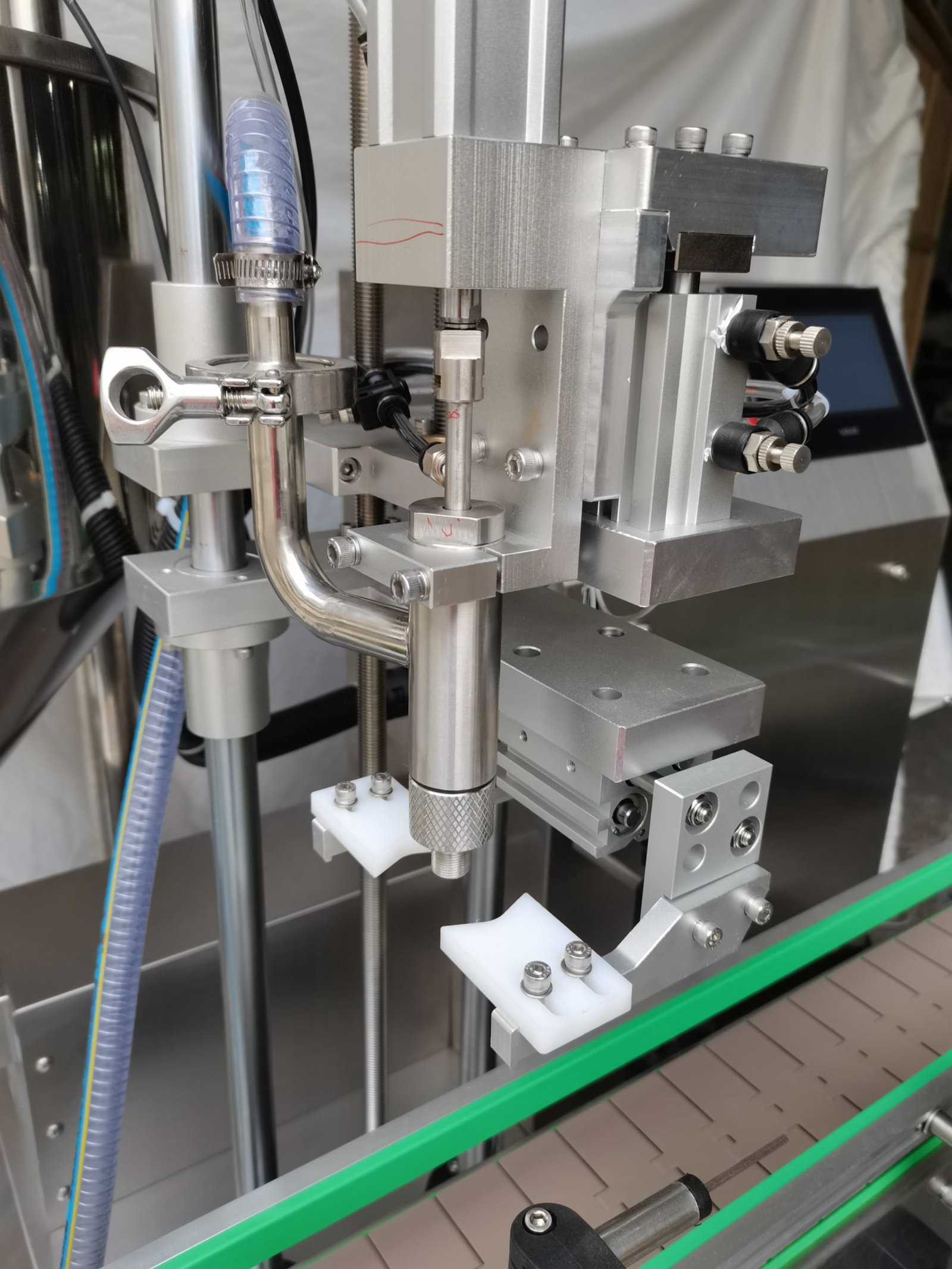
Filling Nozzle Detail
Shows anti-drip design, nozzle height control and filling section structure.
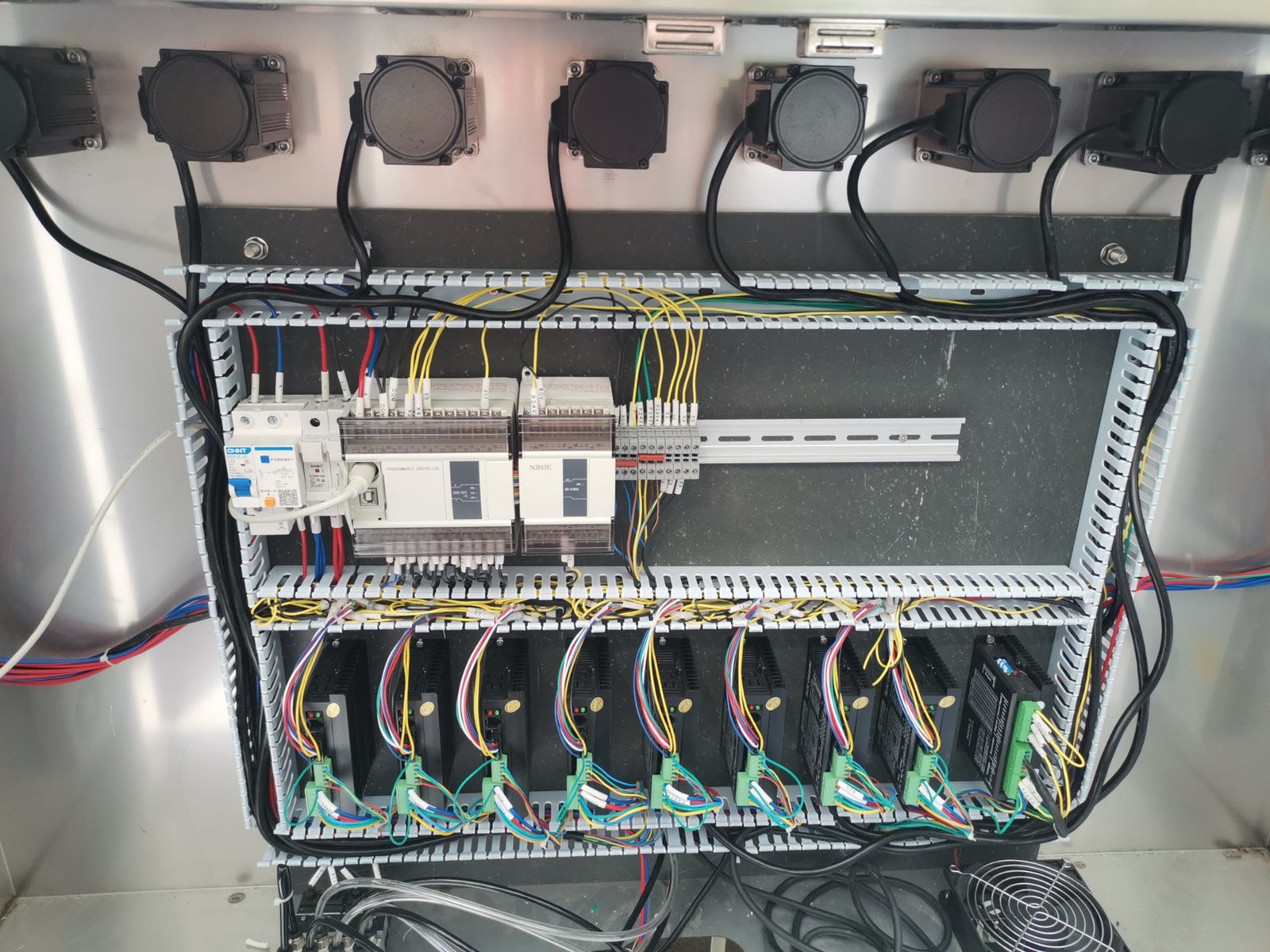
PLC and Wiring Display
Useful for engineers checking HMI operation, wiring layout and maintenance access.
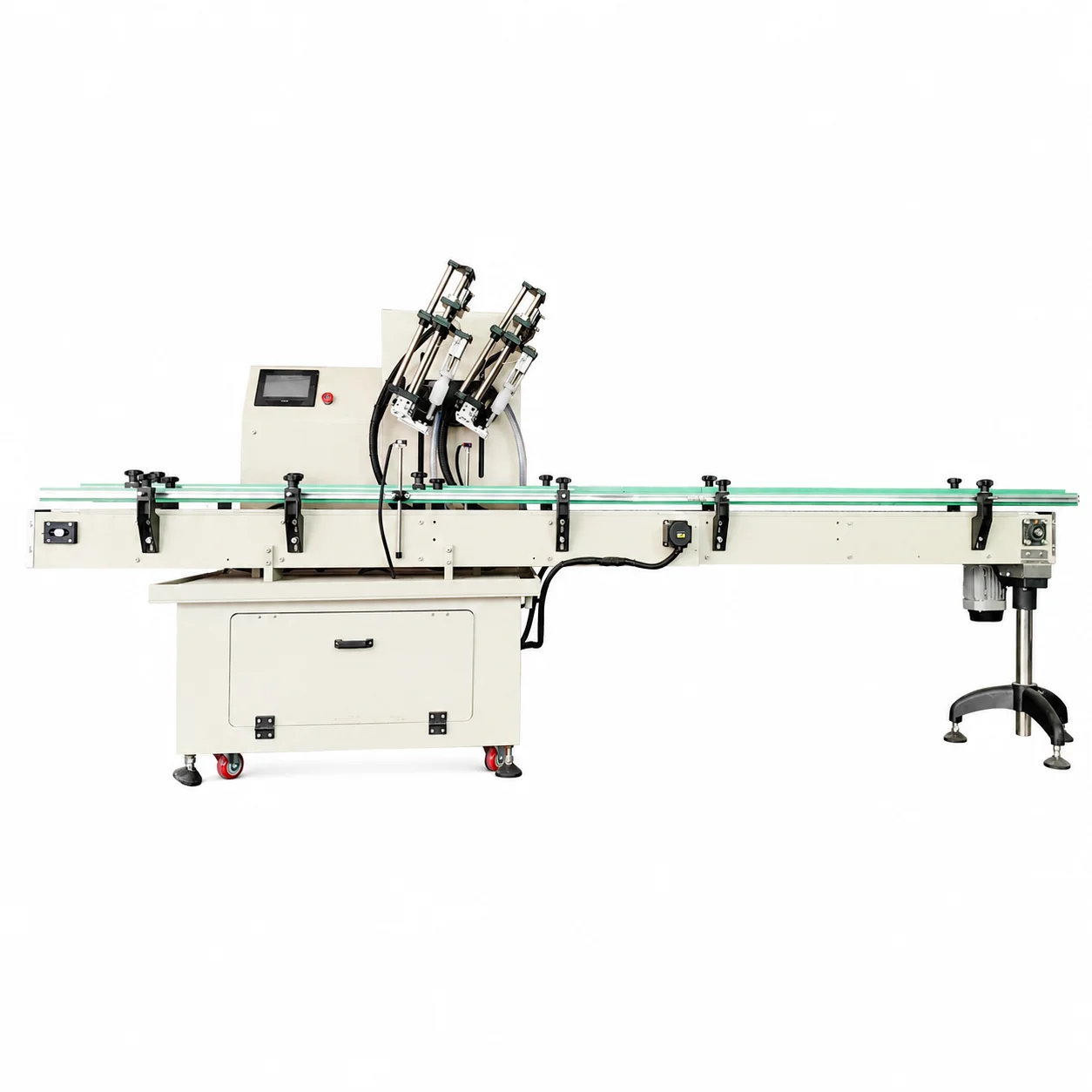
Anti-Corrosion Structure
Useful for bleach, toilet cleaner and corrosive cleaning product projects.
Household Chemicals Filling, Capping and Labeling Line Process
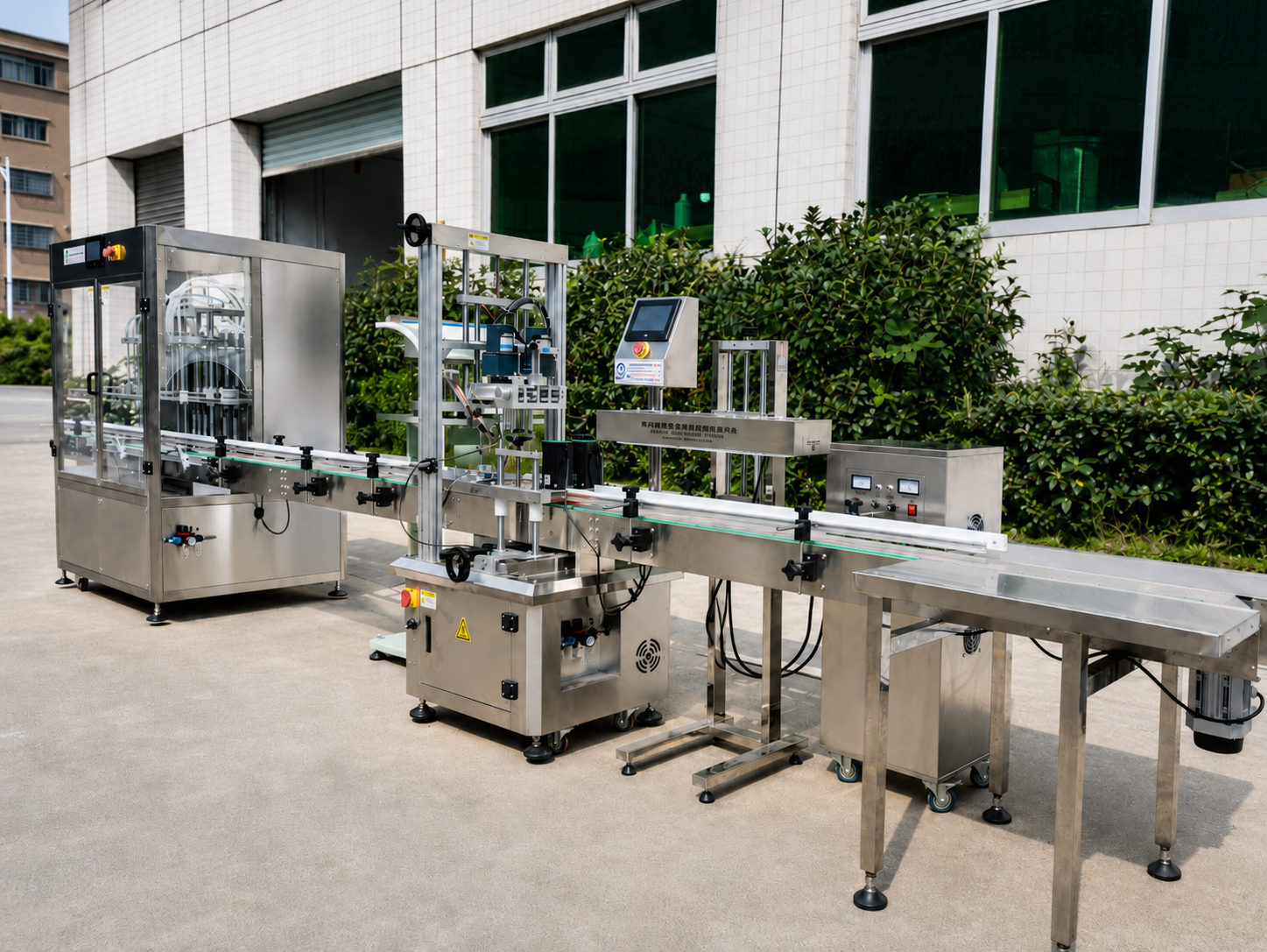
A complete household chemicals filling line can be planned from bottle feeding to filling, capping, labeling, coding, inspection and collection. The final process depends on bottle shape, cap type, target output and available factory space.
Cleaning Products This Filling Line Can Handle
Different household cleaning products need different configurations because their foam level, viscosity, corrosiveness, bottle shape and cap type are not the same.
Household Detergent Products
For laundry detergent, laundry liquid, dishwashing liquid, dish soap and fabric softener where foam, viscosity and anti-drip control affect the filling route.
Automotive Cleaning Products
For car wash liquid, car shampoo, windshield washer fluid and auto cleaning liquid where foam, bottle size range and filling speed target should be reviewed.
Surface and Home Cleaning Products
For floor cleaner, glass cleaner, surface cleaner, multi-purpose cleaner, kitchen cleaner and degreaser where thin liquid flow, trigger bottles, label position and bottle stability matter.
Corrosive or Active Cleaning Products
For bleach, toilet cleaner, bathroom cleaner, acid cleaner, alkaline cleaner and household surface disinfectant where formula review and contact material compatibility are important.
Why Choose LEKA Pack Line for Cleaning Products Filling Solutions
LEKA Pack Line focuses on practical machine selection for real production environments, not only a model name. The goal is to help buyers select a filling system that matches the product, container, line layout and purchasing plan.
Project-Based Configuration
We recommend machine structure based on your cleaning liquid, bottle, cap, output and automation needs.
Suitable for Growing Factories
We help small and medium-sized factories move from manual filling to more stable automatic production.
Complete Line Support
Filling, capping, labeling, sealing, coding and conveying systems can be configured together.
Export-Focused Customization
Voltage, layout and machine configuration can be adjusted according to destination country and factory layout.
Pre-Shipment Testing
Machine testing, sample bottle checks and video confirmation help buyers review the configuration before shipment.
Technical Support
LEKA helps buyers clarify liquid behavior, bottle details, cap type, output target and site requirements before quotation.
What We Need Before Recommending a Machine
Clear project information helps avoid wrong filling methods, mismatched contact materials, unstable bottle handling and unnecessary quotation changes.
Questions Buyers Usually Compare Before Ordering
These comparison points help factory owners, purchasing managers, production managers and traders review the machine configuration more clearly before sending an inquiry.
How to Choose a Cleaning Products Filling Machine
Compare liquid behavior, bottle type, cap style, output target and whether the project needs filling only or a complete line.
Chemical Filling Machine or General Liquid Filler
A general liquid filler may be enough for some thin cleaners, while corrosive or foamy formulas need more careful configuration.
How to Fill Foaming Detergent and Dishwashing Liquid
Review filling speed, nozzle movement, bottom-up filling possibility, bottle-mouth cleanliness and overflow control.
Contact Materials for Toilet Cleaner and Bleach
Corrosive cleaners should be checked for compatible contact parts, valves, pipes, nozzles and conveyor environment.
What Affects Machine Price
Filling heads, filling method, contact materials, automation level, bottle type, cap type and line integration all affect quotation.
Pump, Piston or Flow Meter Filling
The right choice depends on liquid viscosity, filling volume, required filling tolerance, product and material review, and production speed target.
Common Mistakes When Buying a Cleaning Product Filling Line
These issues often appear when the project is quoted only by machine name or bottle volume.
Comparing Price Before Formula Check
Two cleaning products with the same bottle size may need different filling methods if foam, viscosity or corrosiveness is different.
Buying Filling Only
If capping, labeling or conveyors cannot match the filling speed, the whole line may still rely on manual correction.
Ignoring Planned Bottle Sizes
If the factory plans to add new bottle sizes, the filling line should be discussed with changeover and adjustment in mind.
Pre-Shipment Testing and Documentation Support
For a household chemicals filling line, buyers often need more than photos. Testing video, sample bottle checks and supplier documents can support internal purchasing decisions.
Machine Testing
Running video helps check filling movement, conveyor flow, capping stability and final line rhythm.
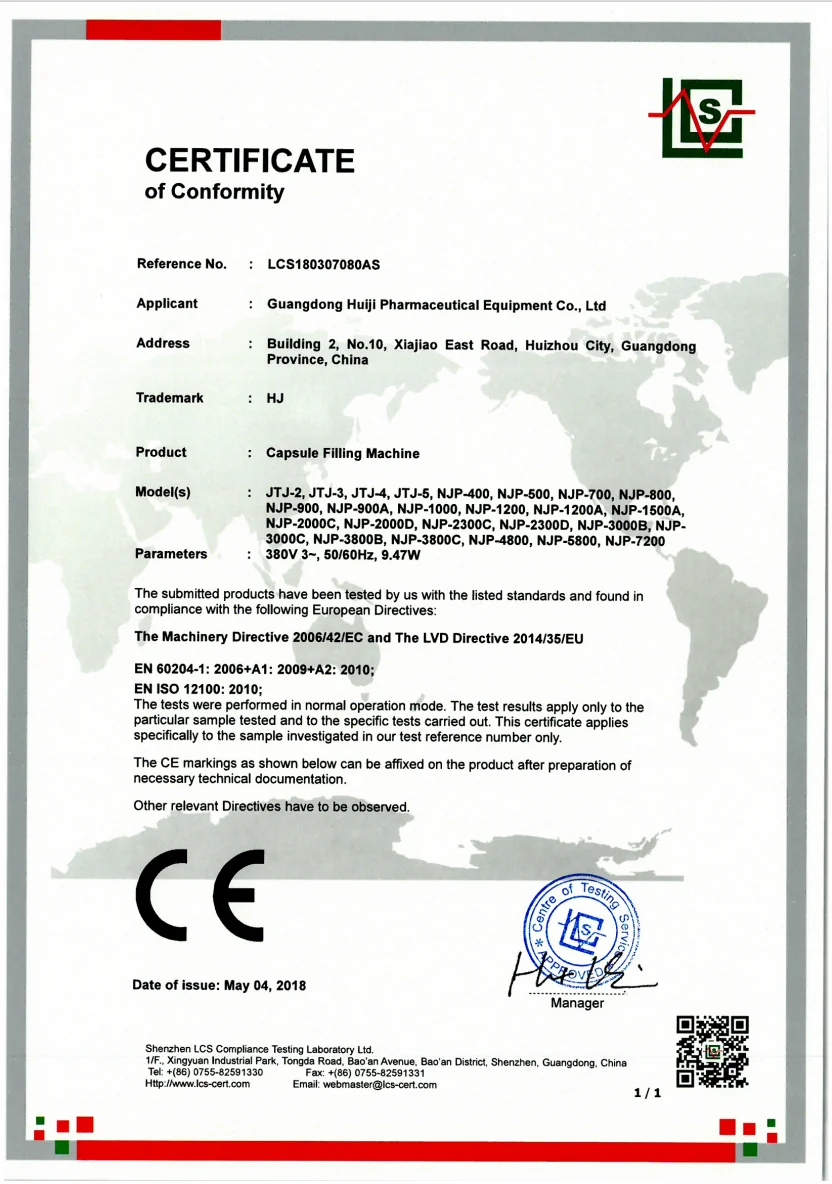
CE Documentation
Documentation can be provided to support equipment review during the purchasing process.
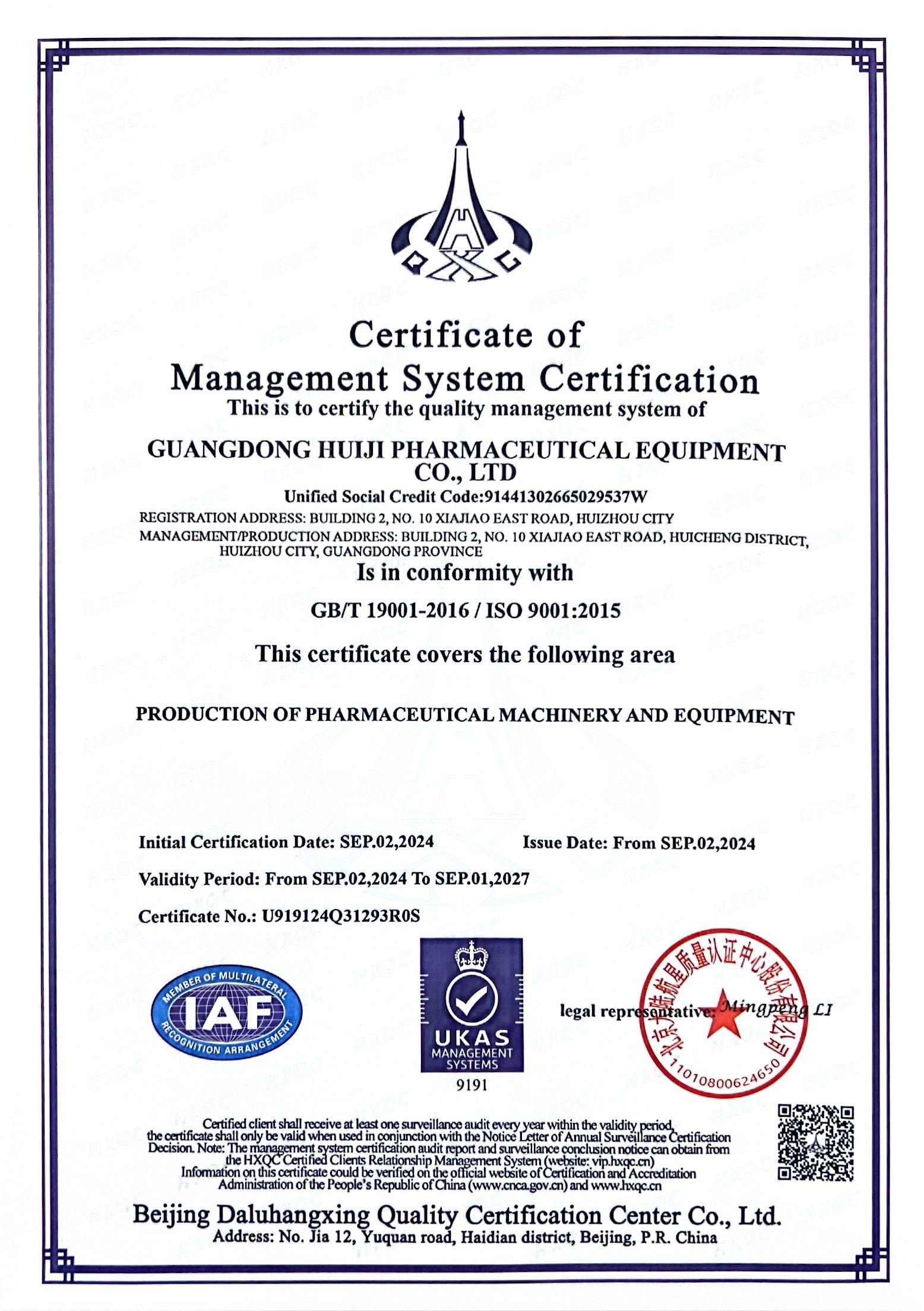
Supplier Review Support
Company and quality documents can help purchasing teams evaluate supplier capability.
Household Chemicals and Cleaning Products Filling FAQ
Common questions from cleaning product factories, purchasing managers, production managers and packaging line integrators.
What is a household chemicals filling line?
It is a filling and packaging line used for household cleaning products such as detergent, dishwashing liquid, car wash liquid, glass cleaner, floor cleaner, bleach, toilet cleaner and disinfectant. A complete line can include filling, capping, labeling, coding, conveyors and final collection.
Can this machine fill car wash liquid or car shampoo?
Yes. Car wash liquid and car shampoo can be filled after checking foam level, viscosity, bottle volume, cap type and target output. LEKA can recommend a foam-aware filling route and matched capping and labeling setup.
What filling machine is suitable for dishwashing liquid or dish soap?
Dishwashing liquid and dish soap may foam during filling. The suitable machine should consider filling speed, nozzle height, anti-drip control and bottle-mouth cleanliness.
Can one filling line handle laundry detergent, floor cleaner and glass cleaner?
It depends on viscosity, foam level, filling volume, bottle shape, cap type and cleaning or changeover process. LEKA can review whether one line can cover multiple cleaning products or whether separate configurations are safer.
Does bleach or toilet cleaner need an anti-corrosion filling machine?
Bleach and toilet cleaner may require corrosion-resistant contact parts, compatible valves, pipes and nozzles. LEKA will check formula, concentration and bottle type before recommending standard or anti-corrosion configuration.
What information should I provide for a cleaning products filling machine quote?
Product name, viscosity, foam level, corrosiveness, bottle size, cap type, filling volume, target output, voltage, automation level and factory layout if available. Bottle photos, cap photos and a short product flow video are helpful.
Can the line include capping and labeling machines?
Yes. LEKA Pack Line can configure filling, capping, labeling, coding, conveyors and collection systems together for a complete cleaning products bottling line.
Are shampoo, body wash or lotion products covered by this page?
Not as the main focus. This page is for household cleaning products. Personal care products such as shampoo, body wash, facial cleanser, lotion, cream and conditioner should be reviewed on a cosmetic filling machine page.
Can LEKA support small cleaning product factories?
Yes. LEKA can discuss semi-automatic support, single filling machines or complete automatic lines according to budget, output target and factory space.
Request a Household Chemicals Filling Line Recommendation
Send your product and packaging details. LEKA Pack Line will help you compare filling method, machine route and complete line configuration.
Get a practical machine recommendation. Use the form below and include product and bottle details when possible.
Household Chemical Resources
Household Chemical Filling Line Guides
Use these guides to plan suitable materials, filling methods, automation levels and line modules for cleaning and household-chemical products.
Bleach projects
For corrosion-resistant equipment choices, see the bleach filling line configuration guide.
Complete line planning
Plan filling, capping, labeling and conveying with the household chemical filling line setup guide.
Small-business projects
For a staged start-up configuration, use the chemical filling machine guide for small business.