Chemical Filling Machine for Small Business: Semi-Auto vs Automatic
Many owners of small chemical and cleaning product factories face the same daily pressure: limited staff, tight delivery deadlines, and production that depends too much on manual work. When orders suddenly increase, semi-manual filling can feel like a bottleneck - operators get tired, filling speed becomes unstable, and the risk of rework or inconsistent bottles grows. In this situation, choosing between automatic and semi-automatic filling is not only a technical choice, but also a decision about labor cost, product stability, and how your factory will grow in the next 1 to 3 years.
If your team spends long hours moving bottles by hand and correcting filling issues, it may be a sign that the current setup is already limiting your business, even if the machine itself was cheap at the beginning.
For very early startup testing, or when the starting budget is very limited, a simple semi-automatic setup may still be enough. It can help you fill small batches, test bottles, check labels, and see how the market responds before making a larger equipment decision.
But if you already have repeat orders, a clear product direction, fixed bottle and cap requirements, or a plan to grow, automatic filling is often the better long-term direction - not only for daily operation, but also for labor cost, future upgrades, and production stability.
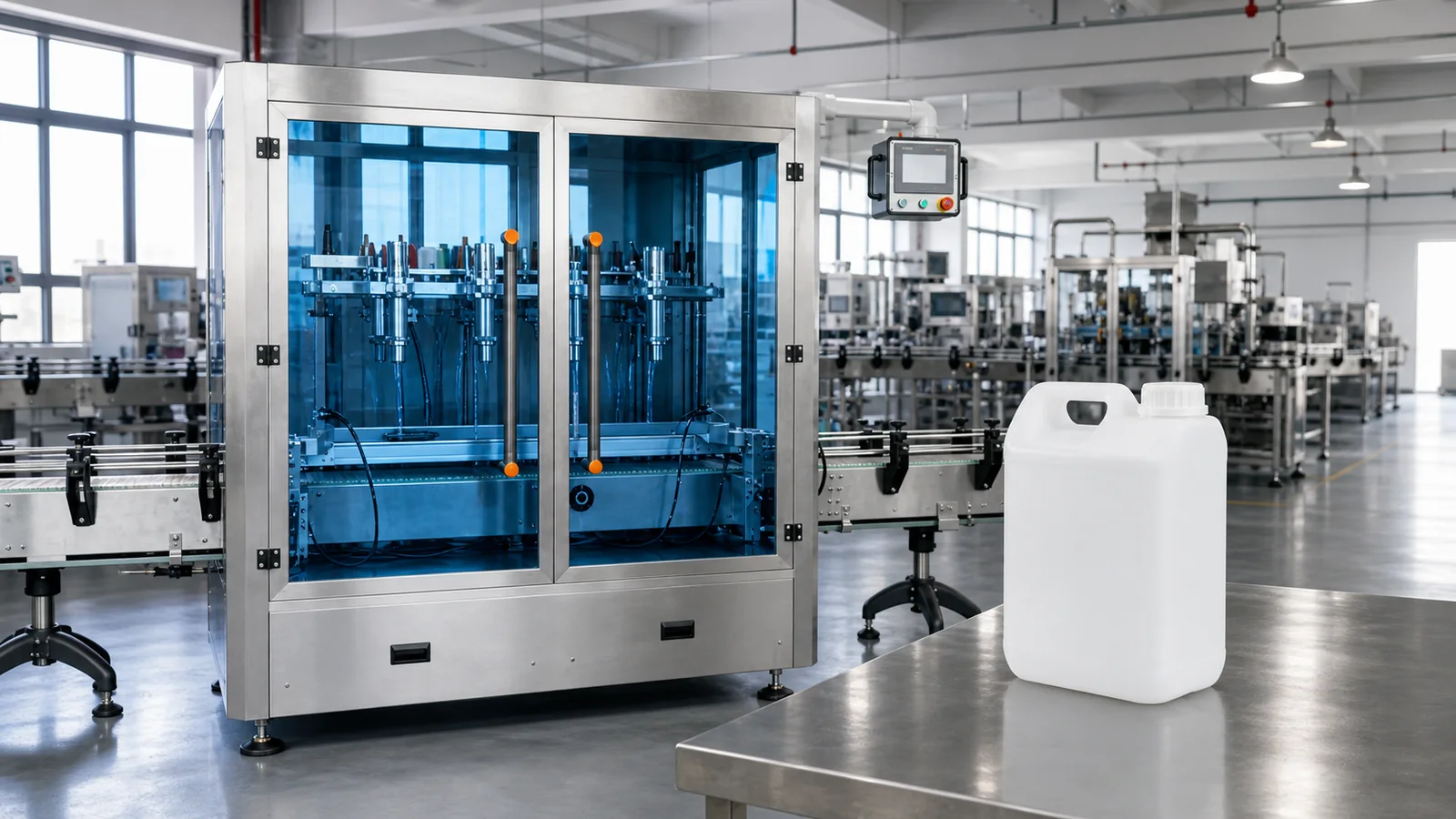
The right chemical filling machine for small business should be selected according to product type, viscosity, foam level, corrosiveness, bottle size, bottle shape, cap style, label position, required output, factory layout, budget, and automation target. For chemical and cleaning liquid applications, you can also review LEKA's Chemical Filling Machine solution.
LEKA Pack Line provides packaging machinery and complete bottling line solutions, including filling, capping, labeling, coding, conveyors, and customized line integration. The goal is not only to choose one machine, but to build a practical production plan for your current stage and future growth.
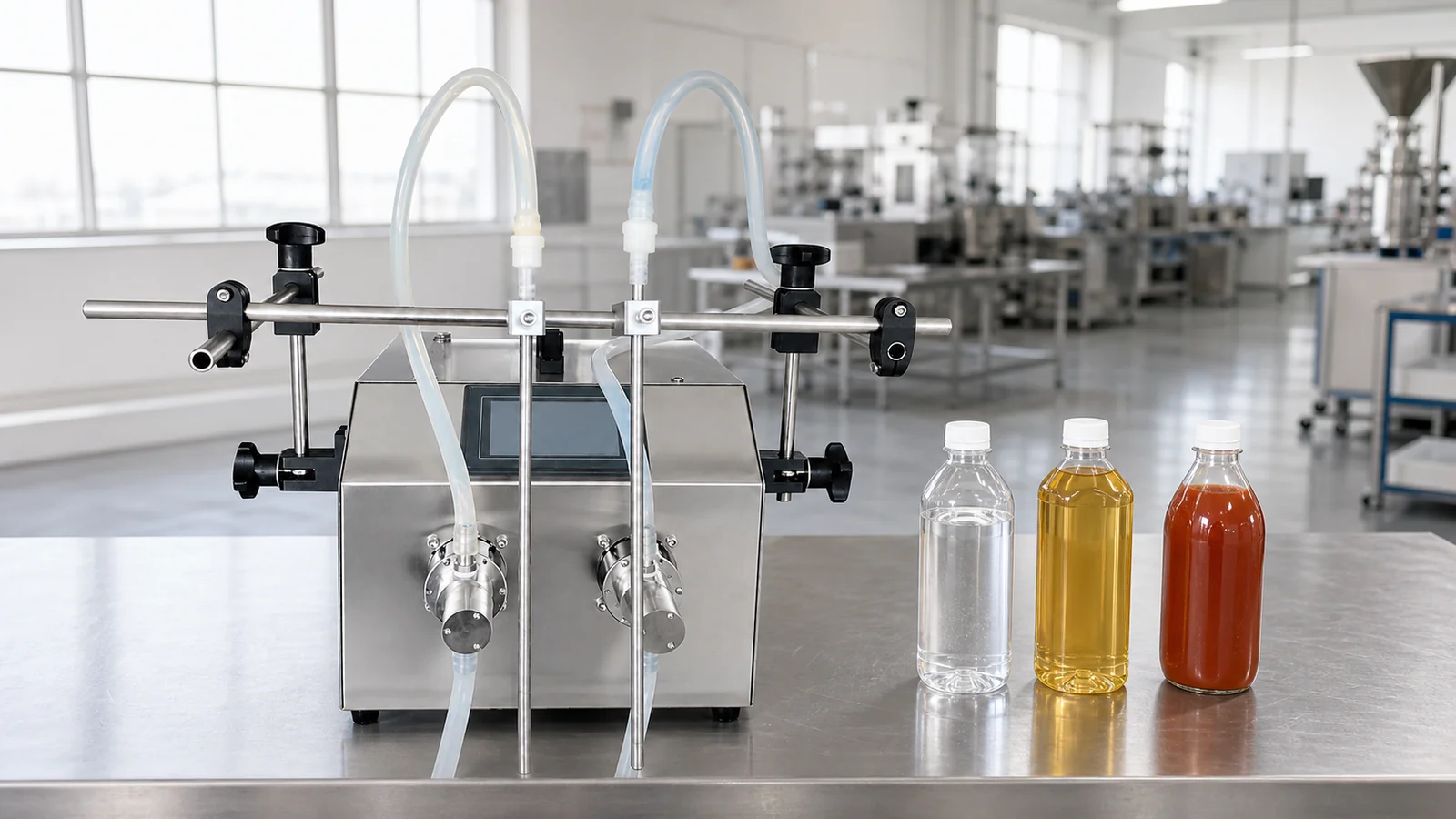
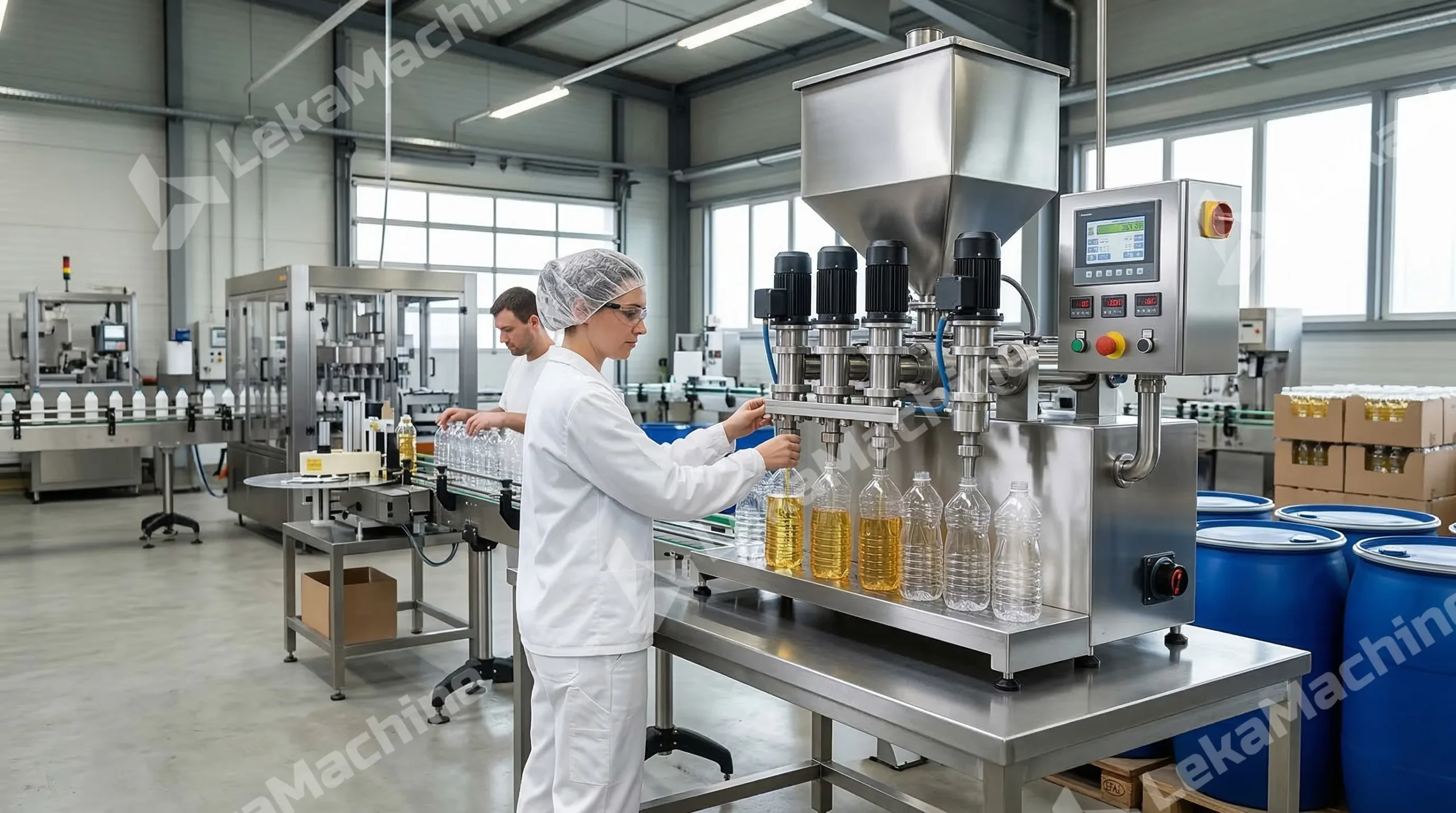
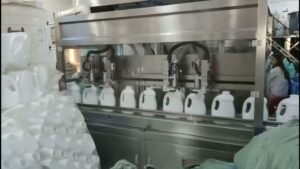
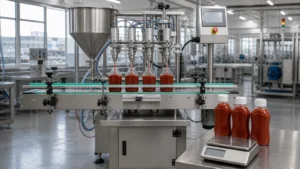
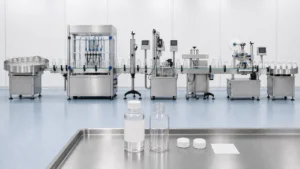
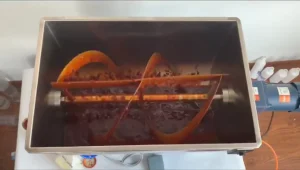
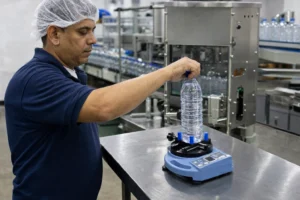
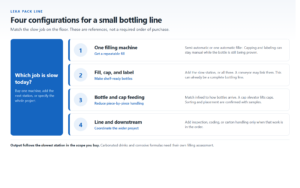
Semi-automatic filling can support startup testing and very small batches before the production format is fixed.
Quick Answer: When Is Semi-Auto Enough, and When Is Automatic Better?
Choose a semi automatic chemical filling machine for startup use only if you are still testing the market, filling very small batches, working with unstable product formats, or operating with a very limited starting budget.
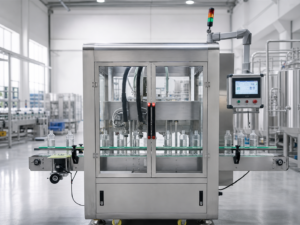
Choose an automatic chemical filling machine for small factory production if you want more stable output, less manual bottle handling, easier daily operation, cleaner production management through reduced manual contact, lower long-term labor pressure, and easier connection with capping, labeling, coding, and conveyors. In many small factories, automatic filling can support a more stable production rhythm than semi-automatic filling; the exact output and labor difference should be based on real projects and recorded performance data.
Business Situation
Recommended Direction
Reason
Very early startup testing detergent, cleaner, disinfectant, or liquid soap
Entry-level semi-automatic setup
Useful for small test batches and market validation before committing to a full line
Small business with changing bottle sizes, formulas, or packaging formats
Semi-automatic or simple customized setup
Allows flexibility before the final production format is fixed
Small factory with repeat orders and a clear product direction
Automatic chemical filling machine
Helps reduce manual handling, stabilize output, and makes daily production easier to manage
Factory planning capping, labeling, coding, conveyors, and later line upgrade
Automatic filling line
Better prepared for connected production, lower labor load, and future line integration
Why Chemical and Cleaning Products Need Careful Filling Machine Selection
A filling machine for small factory use should be selected by product behavior, not only by machine size or price.
Chemical and cleaning products can be thin, viscous, foamy, corrosive, or sensitive to contact materials. These details affect the filling method, nozzle design, contact parts, and full line configuration. Choosing only by lowest price can lead to wrong materials, unstable filling, or difficult maintenance later.
Viscosity
A thin disinfectant and a thick liquid soap may not need the same filling method. Viscosity affects how the product flows, how it is dosed, and what type of filling configuration may be suitable.
Before quotation, viscosity should be confirmed so the supplier can recommend a suitable filling method and nozzle arrangement. For more chemical product applications, see LEKA's Chemical Filling Machine solution.
Foam
Many detergents and cleaning products may create foam during filling. Foam can affect filling stability, bottle appearance, and production control.
Depending on the product, the machine may require controlled filling speed, bottom-up filling, diving nozzles, or another anti-foam configuration. If your product is mainly detergent or cleaning liquid, LEKA's Detergent Filling Line page can help you compare common filling concerns.
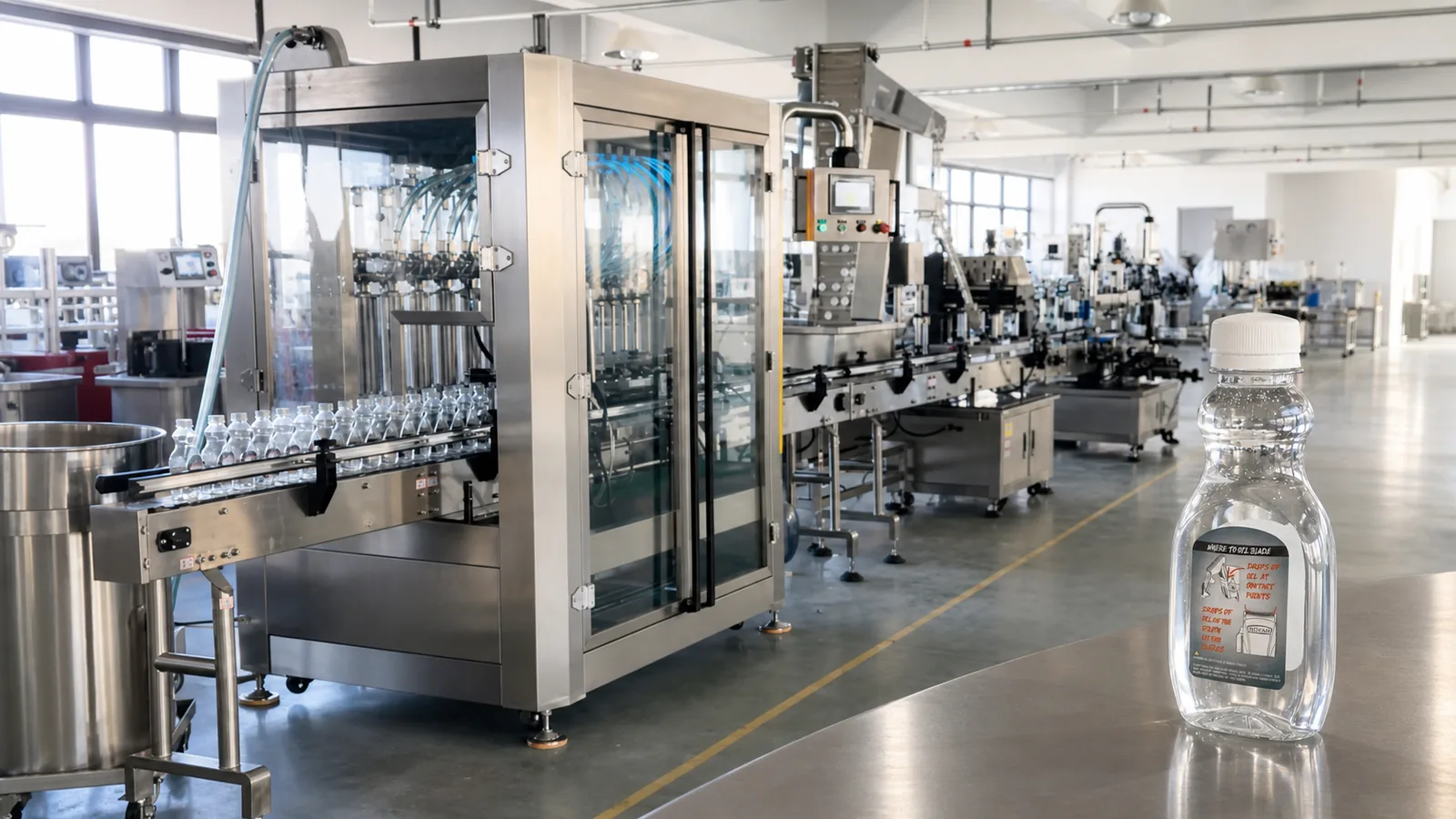
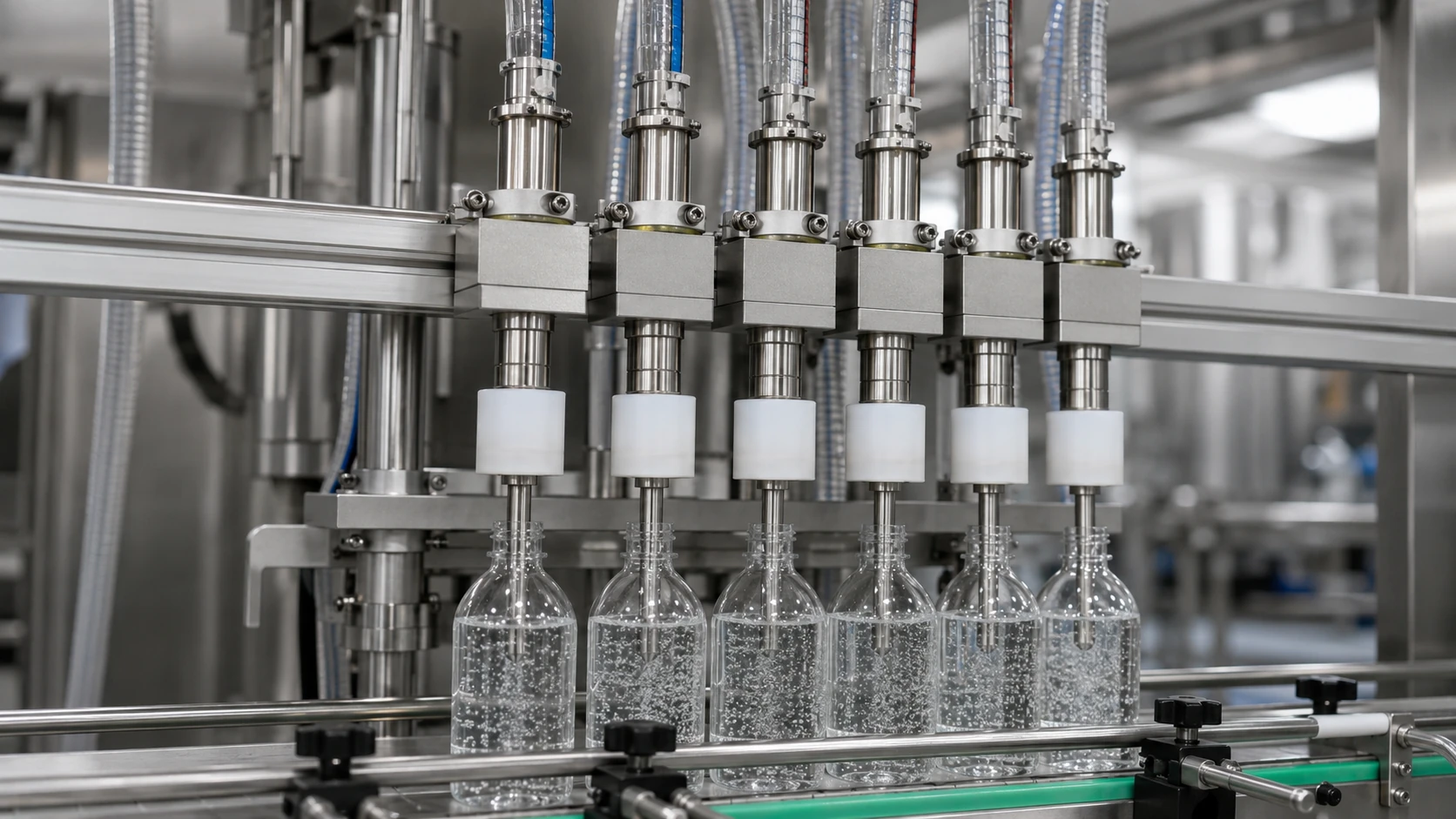
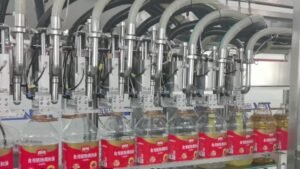
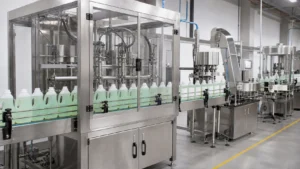
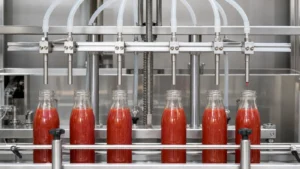
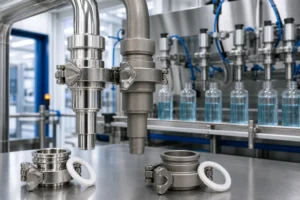
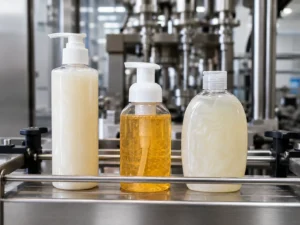
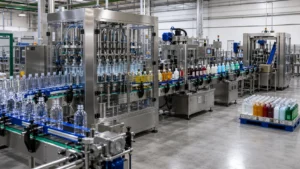
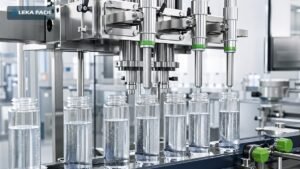
Foaming products may require controlled filling speed, suitable nozzles, or bottom-up filling depending on product behavior.
Corrosiveness
Some chemical liquids may require suitable contact parts, seals, pipes, and machine protection. This should be checked before the machine is confirmed.
The correct material should not be guessed from the product name alone. It should be reviewed based on the product formula, safety information, and engineering requirements.
Bottle Size and Shape
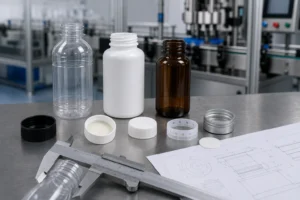
Bottle height, width, opening size, body shape, and stability can affect filling nozzles, bottle positioning, conveyor design, and machine adjustment.
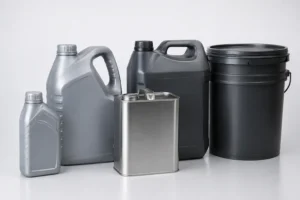
A small disinfectant bottle, a flat cleaner bottle, a round detergent bottle, and a large chemical container may need different handling solutions.
Cap Type
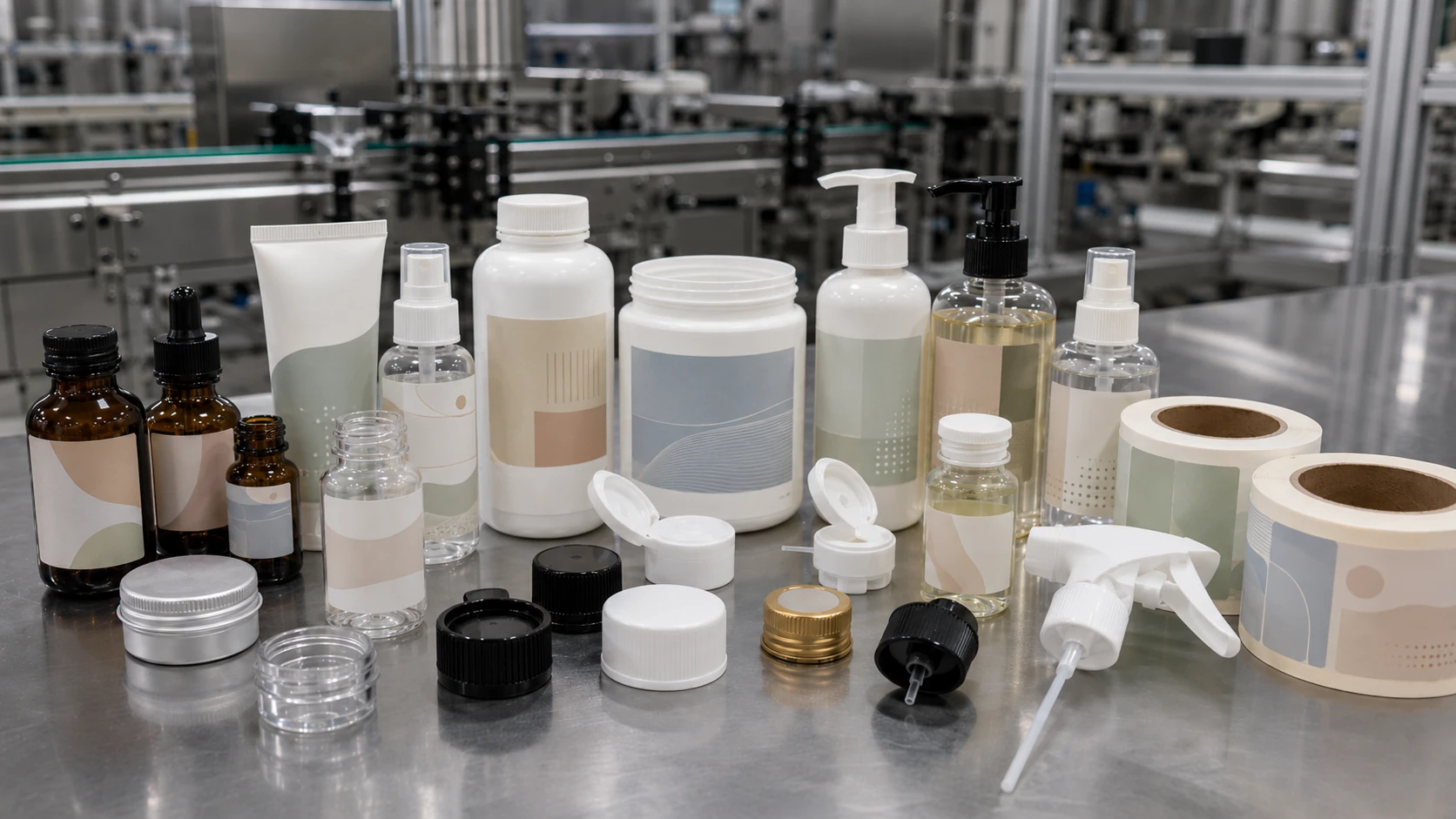
The cap style affects the capping process. Screw caps, pump caps, trigger sprayers, flip-top caps, and special closures may require different capping methods.
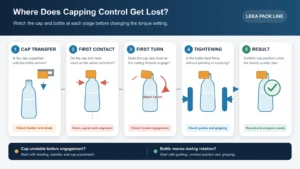
If you plan to build a connected production line, the Capping Machine should be considered together with the filler.
Label Position
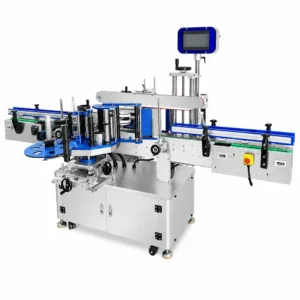
Label position also affects the packaging line. Round bottles, flat bottles, front-and-back labels, wrap-around labels, and special-shaped containers may need different labeling configurations.
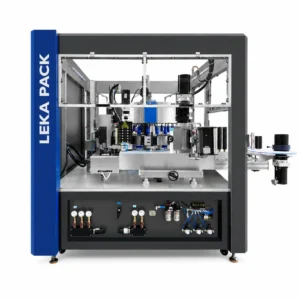
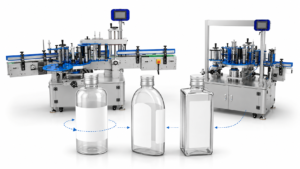
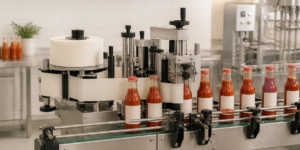
The Labeling Machine should match the bottle shape, label position, and required production process.
When a Semi-Automatic Chemical Filling Machine for Startup Use Makes Sense
A semi automatic chemical filling machine can be useful at the entry stage. It is mainly suitable for startup testing, very small batches, limited budgets, or businesses that have not yet confirmed their final product and packaging format.
It may make sense when:
You are still testing the market.
Your batch size is very small.
Your bottle size or product formula changes often.
Your budget is limited at the beginning.
Your team can manually place bottles and move them to the next step.
You are not yet ready to connect filling with capping, labeling, coding, and conveyors.
For example, a startup cleaning product brand may use a small chemical filling machine to test detergent, disinfectant, liquid soap, or multi-purpose cleaner in limited batches. This helps confirm product behavior and market feedback before investing in a larger system.
However, semi-automatic filling is not usually the preferred long-term direction for a growing factory. It can help a startup begin production, but it can quickly become a bottleneck when orders grow or when capping, labeling, and coding also need to be handled manually.
For many small businesses, buying the cheapest semi-automatic option may save upfront cost, but it can also create more manual work, slower production flow, and upgrade problems later. When the factory needs to move to automatic filling, some entry-level machines cannot be integrated into a line and have to be replaced, which increases total cost.
Why LEKA Often Recommends an Automatic Chemical Filling Machine for Small Factory Production
For small factories with real orders, a clear production plan, or a long-term growth target, LEKA often recommends considering automation early.
This does not mean every customer needs the largest or most expensive line. It means the machine should be planned around daily production, labor use, cleaner production management, and future connection with other packaging equipment. A correctly sized automatic detergent bottling machine or cleaning product bottle filling machine can be compact, but still prepared for production growth.
Less Manual Handling
Automatic filling helps reduce repeated manual bottle handling. Bottles can move through the filling process with conveyors and machine control instead of being placed and removed by hand at every step.
More Consistent Production Process
When the product, bottle, cap, and filling volume are already clear, automatic filling can make the production process easier to repeat and manage. Output is more predictable, which helps plan orders, shifts, and stock.
Easier Daily Operation
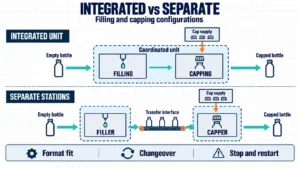
For daily production, an automatic system is usually easier to organize than a process that depends heavily on manual bottle movement between separate steps.
Cleaner Production Management Through Reduced Manual Contact
Automatic filling can help reduce manual contact with bottles and product flow. For detergent, disinfectant, liquid soap, and cleaning product factories, this can support cleaner production management.
This should not be understood as a guaranteed hygiene result. Actual production management still depends on product type, machine design, cleaning process, operator practice, and factory management.
Lower Long-Term Labor Pressure
Automatic filling can reduce long-term labor pressure because fewer manual actions are needed during repeated production. This becomes more important when orders are stable and production runs become more frequent.
Easier Connection With Other Packaging Equipment
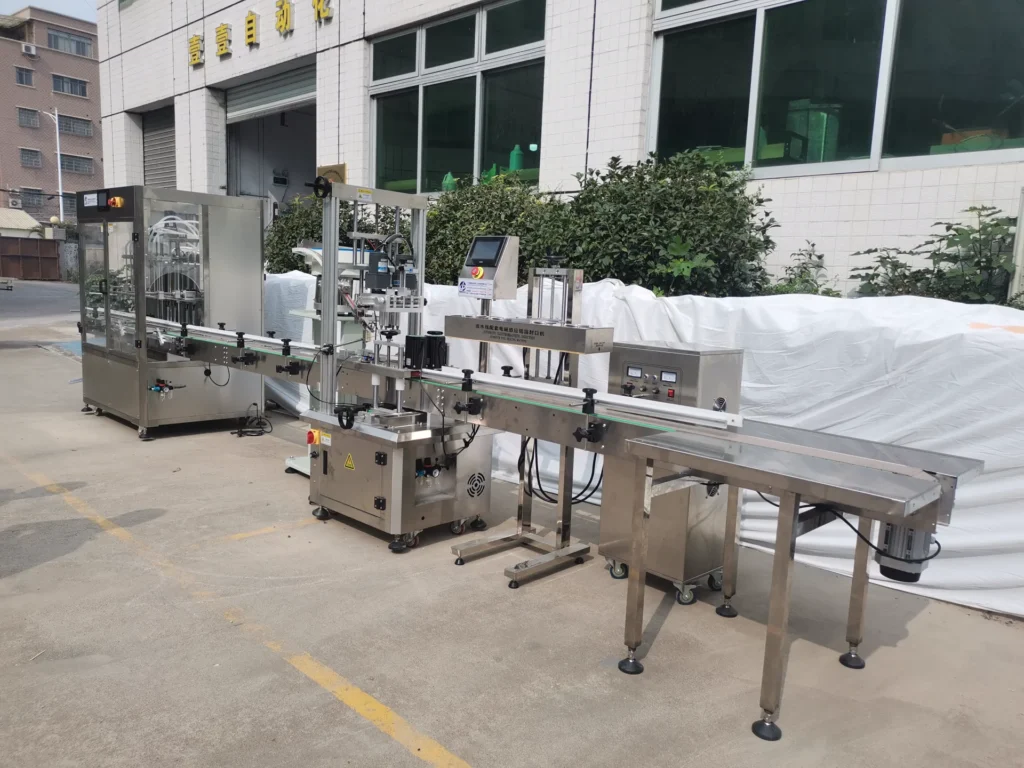
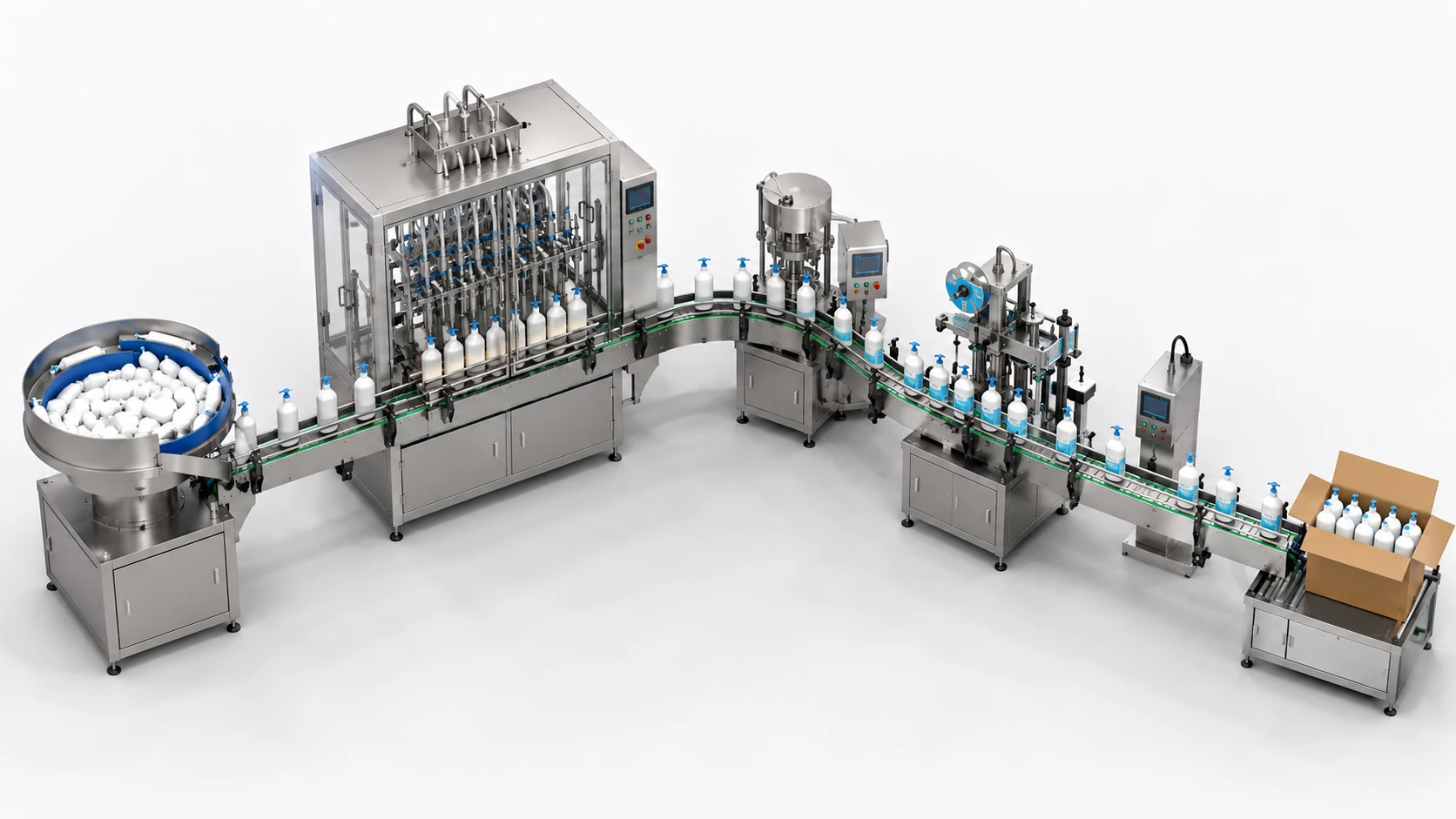
An automatic filling machine is easier to connect with capping, labeling, coding, conveyors, and collection systems. This helps the factory build a more complete production flow instead of adding separate machines one by one without a clear line plan. For broader project planning, see Daily Chemical Filling Line Solutions.
Better Preparation for Future Production Growth
If your business plans to grow, automatic planning can help avoid buying an entry-level setup that becomes too limited too quickly. A well-planned automatic bottle filling system for daily chemical products can be designed with later line upgrade in mind.
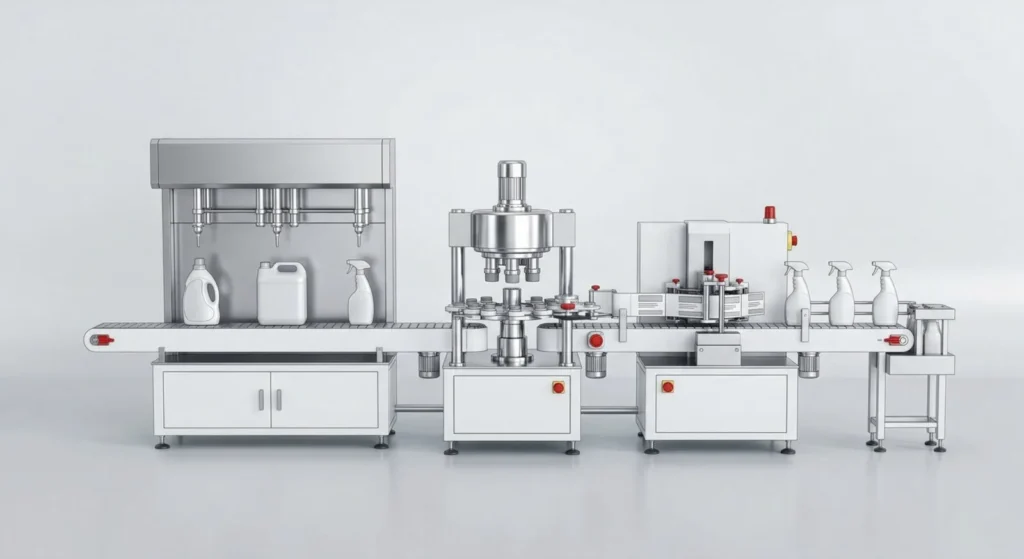
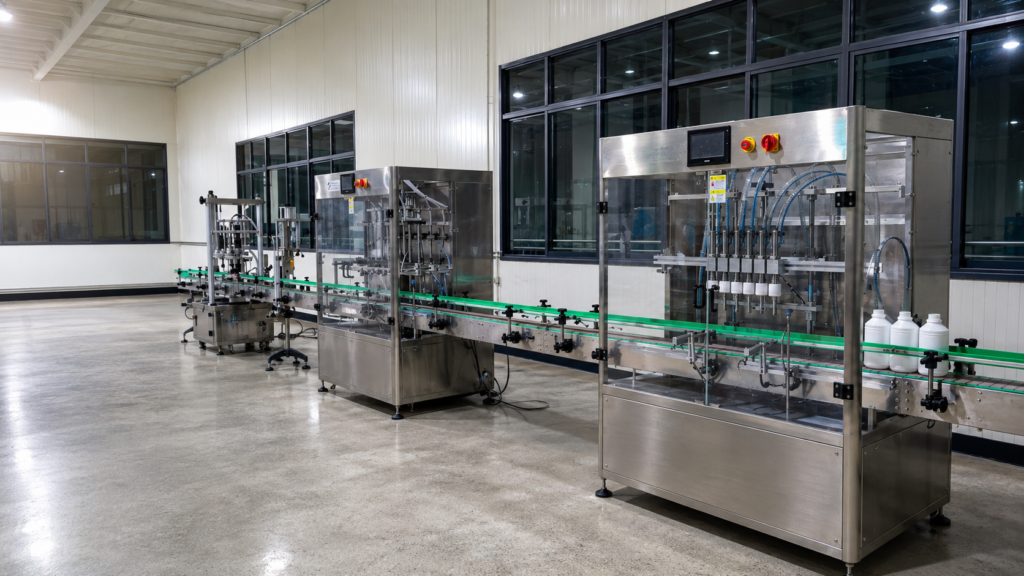
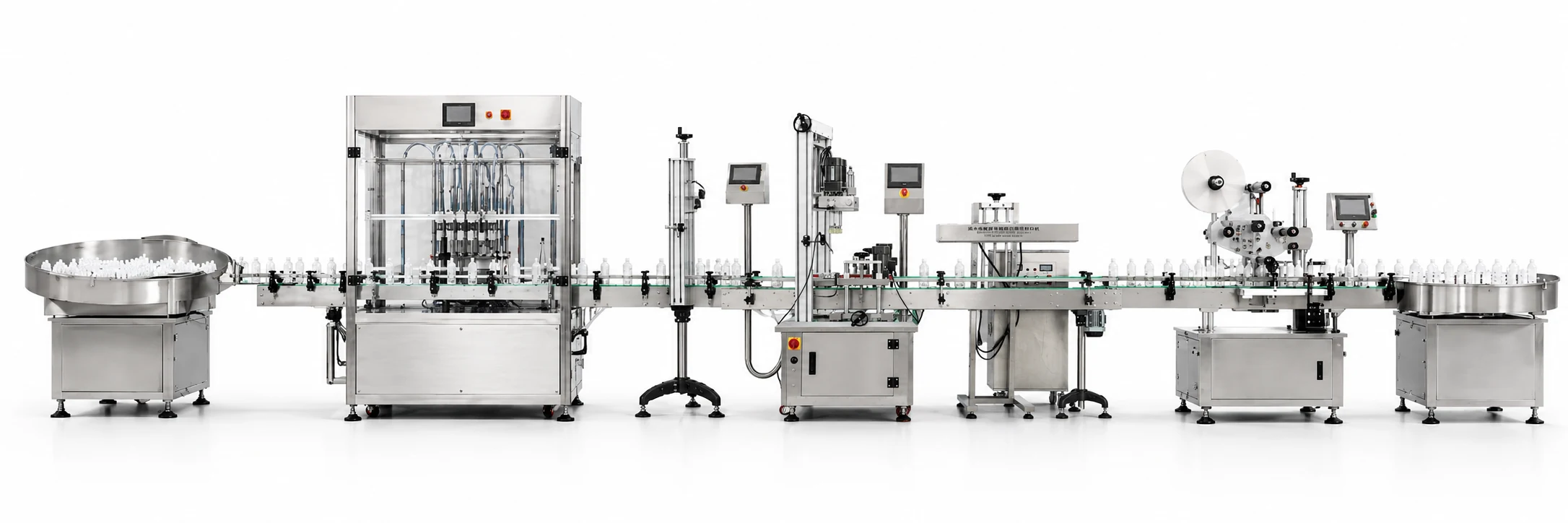
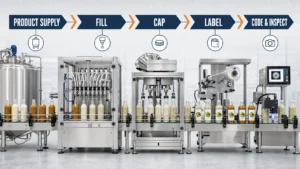
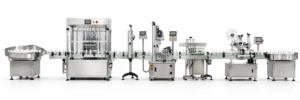
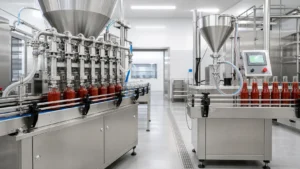
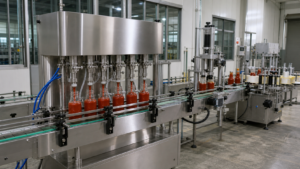
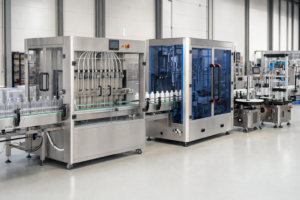
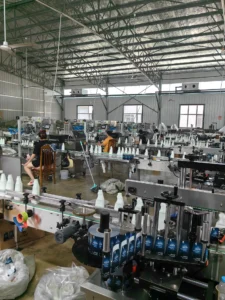
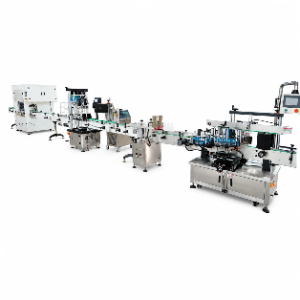
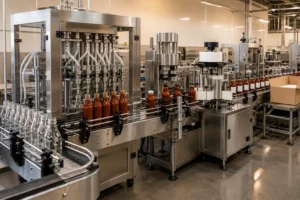
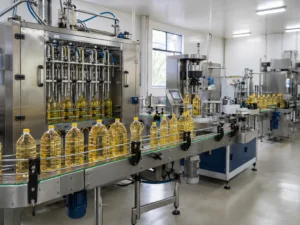
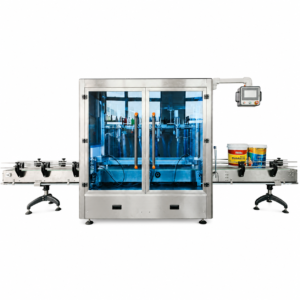
Automatic filling lines are easier to connect with capping, labeling, coding, and conveyors for daily production.
Semi-Auto vs Automatic Chemical Filling Machine
Filling Solution
Recommended For
Operator Involvement
Typical Output Range*
Line Integration
Key Consideration
Entry-level semi-automatic chemical filling machine
Early startup, test batches, unstable product formats, very limited budget
Medium to high
Small batches; actual output should be defined by specific project data
Limited or partial
May become a bottleneck when orders grow or when other steps remain manual
Automatic chemical filling machine
Small factory with real orders, stable product, growth plan, cleaner production management needs, labor-saving target, or later line upgrade
Lower than semi-automatic filling
More stable daily production; exact bottles per hour depend on machine model and project configuration
Good connection with conveyors, capping, labeling, and coding
Needs clear product, bottle, cap, label, layout, and output information before quotation
Automatic chemical filling line
Factory that wants connected filling, capping, labeling, coding, conveying, and production growth
Lower manual handling across the line
Continuous packaging process with higher daily throughput; specific values should be based on real line performance
High
Requires complete project planning before purchase
*Note: Output ranges should be supported by real project data or internal test records rather than generic assumptions.
Do You Need Only a Filling Machine or a Complete Line?
Many buyers first search for a detergent filling machine for small business, a cleaning product bottle filling machine, or a small-scale filling setup for detergents and disinfectants. But in actual production, filling is only one part of the packaging process.
A complete chemical or daily chemical packaging setup may include:
Filling: Dosing laundry detergent, disinfectant, liquid soap, cleaner, or other chemical liquid into bottles.
Capping: Applying screw caps, pump caps, trigger sprayers, flip-top caps, or other closures.
Sealing if needed: Adding a sealing process depending on product and package requirements.
Labeling: Applying front labels, back labels, wrap-around labels, or labels for special-shaped bottles.
Coding: Printing batch number, date, or production information.
Conveyor: Moving bottles between machines and reducing manual transfer.
Recommended Upgrade Path for Small Chemical Businesses
The upgrade path does not need to be manual to semi-auto to automatic in every case. For many small factories, it is better to use semi-automatic filling only as an optional test-stage solution, then move toward automatic filling as soon as the product and packaging plan becomes clear.
For many small factories, semi-automatic filling is only an optional test-stage step before automatic line planning.
Stage
Typical Situation
Recommended Direction
Planning Advice
Startup test stage
Testing formula, bottle, cap, label, and market response
Simple entry-level setup; semi-automatic filling only if needed
Use this stage to confirm product behavior, bottle size, cap type, and label position
Automatic filling machine stage
Repeat orders, stable product direction, and clearer production target
Automatic filling machine matched with product viscosity, foam level, bottle, and output need
Plan conveyor direction, operator access, voltage, and later equipment connection
Automatic filling, capping, and labeling line stage
Factory wants smoother daily production and reduced manual transfer
Connected filling, capping, labeling, coding, and conveyor system
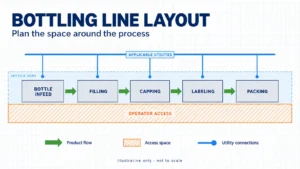
Build the line around factory layout, production flow, and production growth plan
If your current need is only bottle filling, a Bottle Filling Machine may be enough at the beginning. If you want packaged bottles ready for sale, filling, capping, labeling, coding, and conveying should be discussed together.
Common Mistakes When Choosing a Filling Machine
To avoid extra cost and production problems later, small factories should pay attention to some common mistakes when choosing a detergent bottling machine or chemical filling equipment.
Choosing only by lowest price without checking product behavior, material compatibility, and production growth needs.
Ignoring foam level and viscosity, which can lead to unstable filling, slow speed, or wrong nozzle selection.
Buying separate machines one by one without planning how they will be connected into a line later.
Not confirming required output, which can result in under-sized or over-sized equipment.
Not considering factory layout, operator access, and maintenance space.
Internal Project Example: Small Cleaning Product Factory Upgrading to Automatic Filling
One internal LEKA project example comes from a small factory producing oil stain cleaning detergents. Before upgrading, the factory was using a semi-automatic filling setup, and operators had to manually pick up each bottle, place it under the nozzles, and move it to the next step. Daily output was around 3,000 bottles, and production depended heavily on manual handling.
After installing an automatic chemical filling machine, the production pattern changed significantly. With automatic bottle feeding and conveyor transfer, the factory's daily output increased directly from about 3,000 bottles per day to approximately 26,000 bottles per day under the new automatic configuration.
The new system was also configured to handle multiple products. The customer was able to upgrade several oil stain cleaning formulations and still use the same automatic filling machine to fill around ten different products, instead of needing separate manual setups for each one. Changeover between products was done through parameter adjustment and controlled cleaning procedures rather than fully manual reconfiguration.
In daily work, operators no longer needed to carry bottles by hand for each filling cycle. Bottles were fed and transferred automatically, which reduced physical workload and made the production flow more stable. For this factory, the upgrade from semi-automatic to automatic filling was not only an increase in output, but also a shift from manual, bottle-by-bottle work to a more continuous and planned production process.
The figures and results in this example are based on LEKA internal project follow-up and customer production records. They are not public third-party data and should be treated as project-specific results.
What to Confirm Before Requesting a Quote
Before choosing a filling machine for startup business or small factory production, prepare the basic project information. This helps LEKA review whether a fully automatic filling machine or a complete automatic filling line is more suitable.
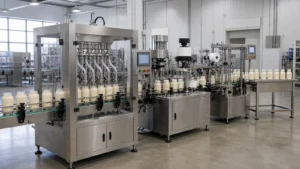
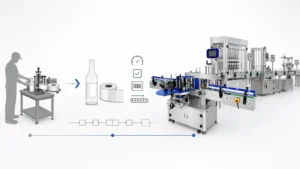
Prepare product, bottle, cap, label, output, layout, and upgrade details before requesting a quotation.
Information to Confirm
Why It Matters
Product name
Helps identify whether the product is detergent, cleaner, disinfectant, liquid soap, or another chemical product
Viscosity
Affects filling method, dosing control, and nozzle selection
Foam level
May require anti-foam filling control or special nozzle configuration
Corrosiveness
May require suitable contact parts, seals, pipes, and machine protection
Bottle size
Affects filling range, nozzle height, conveyor setup, and machine adjustment
Bottle shape
Affects bottle positioning, conveyor stability, and labeling method
Filling volume
Helps determine the suitable dosing range and filling configuration
Cap type
Affects capping machine selection and automation level
Label position
Affects labeling machine type and bottle handling
Required output
Helps decide whether an entry-level setup, automatic filler, or complete line is more suitable
Factory layout
Affects conveyor direction, machine footprint, and operator access
Voltage
Needed for electrical configuration
Production growth plan
Helps avoid choosing equipment that becomes difficult to upgrade later
FAQ
Is a semi-automatic chemical filling machine enough for a small business?
It may be enough for startup testing, very small batches, unstable product formats, or a limited starting budget. But if the business already has repeat orders or a clear growth plan, automatic filling is usually a better long-term direction.
When should a small factory choose an automatic chemical filling machine?
A small factory should consider automatic filling when it has stable products, clearer bottle and cap requirements, regular production needs, labor-saving goals, cleaner production management needs, or plans to connect with capping, labeling, coding, and conveyors.
Can one machine fill detergent, disinfectant, and liquid soap?
It depends on product characteristics. Viscosity, foam level, corrosiveness, filling volume, and bottle opening should be checked before confirming whether one machine can handle several products.
Why does foam matter when filling detergent or cleaning products?
Foam can affect filling stability and bottle appearance. Depending on the product, anti-foam filling methods such as controlled filling speed, bottom-up filling, or diving nozzles may be needed.
Do corrosive liquids need a special filling machine?
They may require suitable contact parts, seals, pipes, and machine configuration. The exact material should be confirmed according to the product formula and supplier engineering review.
Is automatic filling only for large factories?
No. Automatic filling can also be suitable for small factories that already have real orders, stable packaging formats, or a clear production plan. The system does not need to be oversized; it should be matched to the current production stage and future growth plan.
What equipment is needed besides the filling machine?
Depending on the project, the line may include capping, sealing if needed, labeling, coding, conveyors, and collection tables.
What should I send before asking for a quotation?
Send product details, viscosity, foam level, corrosiveness, bottle size, bottle shape, filling volume, cap type, label position, required output, factory layout, voltage, budget range, and production growth plan.
Data and Examples Used in This Article
The output ranges, labor examples, and upgrade situations mentioned in this article are intended to be supported by real project data rather than generic assumptions. Ideally, they should come from:
Documented LEKA Pack Line projects, including commissioning records and production tests.
Customer feedback, such as quality reports, production logs, or payroll data for labor cost comparisons.
Publicly available industry reports, association publications, or standards for daily chemical and packaging equipment.
When exact numbers for bottles per hour, operator count, or rework rate are used, they should be linked to specific projects, years, and data sources. In the oil stain cleaning detergent project example, the increase from approximately 3,000 to about 26,000 bottles per day and the ability to fill ten different products with one automatic machine are based on the customer's own production records and LEKA's project follow-up.
If needed, LEKA Pack Line can provide project-based documentation or case summaries so that each figure in your decision process is traceable.
Plan Your Chemical Filling Machine With LEKA Pack Line
If you are choosing a chemical filling machine for small business production, do not start only from the lowest machine price. Start from your product, bottle, cap, label, production stage, labor situation, cleaner production management needs, and production growth plan.
Send your product details, bottle photos, cap type, label requirement, required output, factory layout, and budget range. LEKA Pack Line can help review whether a fully automatic filling machine or a complete automatic filling line is more suitable for your current production and future growth plan.
If you are still in the startup testing stage, we can also help you judge whether a simple entry-level setup is enough before moving toward automation.
Contact LEKA Pack Line to receive a basic proposal and layout suggestion based on your product, bottle, and target output. This can help you compare semi-automatic and automatic options with project-based data before making a final decision.
Send your product, container, cap, label and target output. LEKA Pack Line will review the details before recommending a practical filling and packaging setup.
Product type, viscosity and filling volume
Bottle or container photo / drawing
Cap type, label method and output target
Need filling only or complete line integration
Tell us about your project
The more details you provide, the easier it is to check filling method, capping compatibility, labeling position and line layout.
Tip: bottle photos, product viscosity and target capacity help us avoid recommending the wrong machine configuration.
Chat with us
Need help choosing a packaging line?Try: “I need to fill 500 ml cooking oil at 2,000 bottles per hour.”