Filling Machine
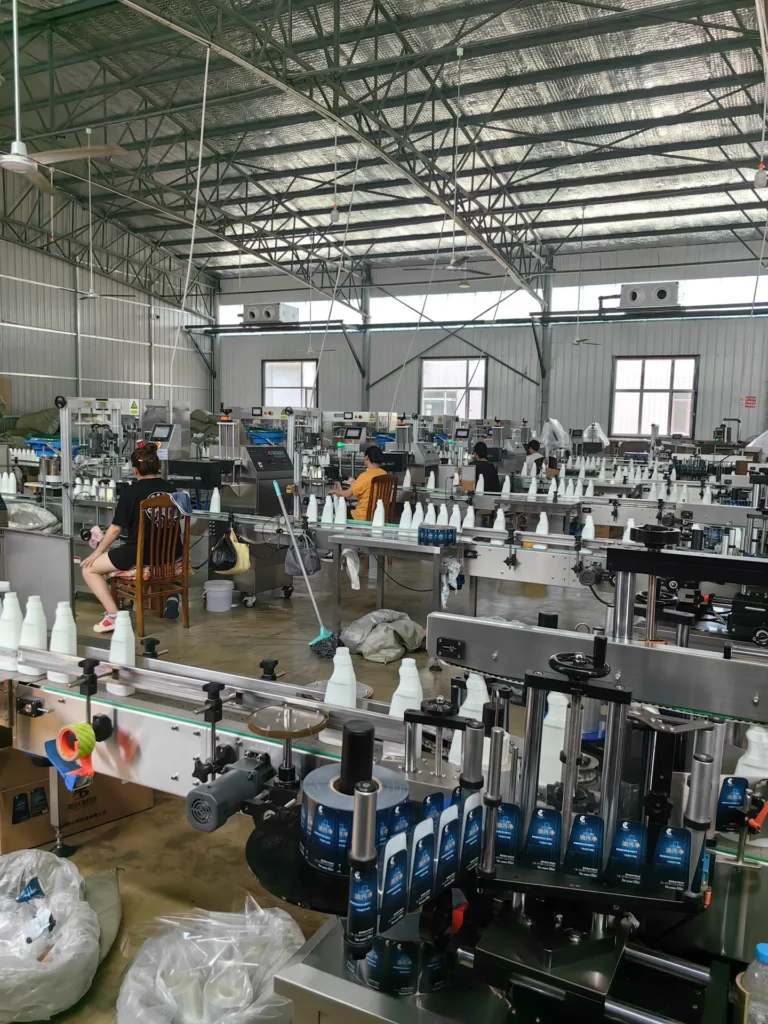
Filling Line for Household Chemicals: Complete Setup Guide
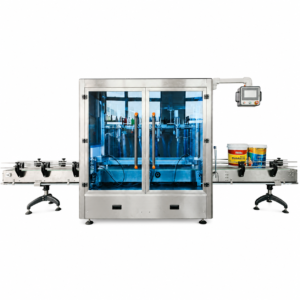
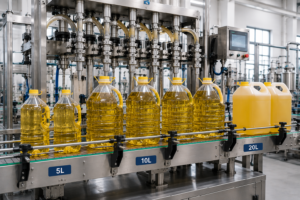
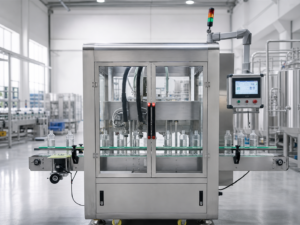
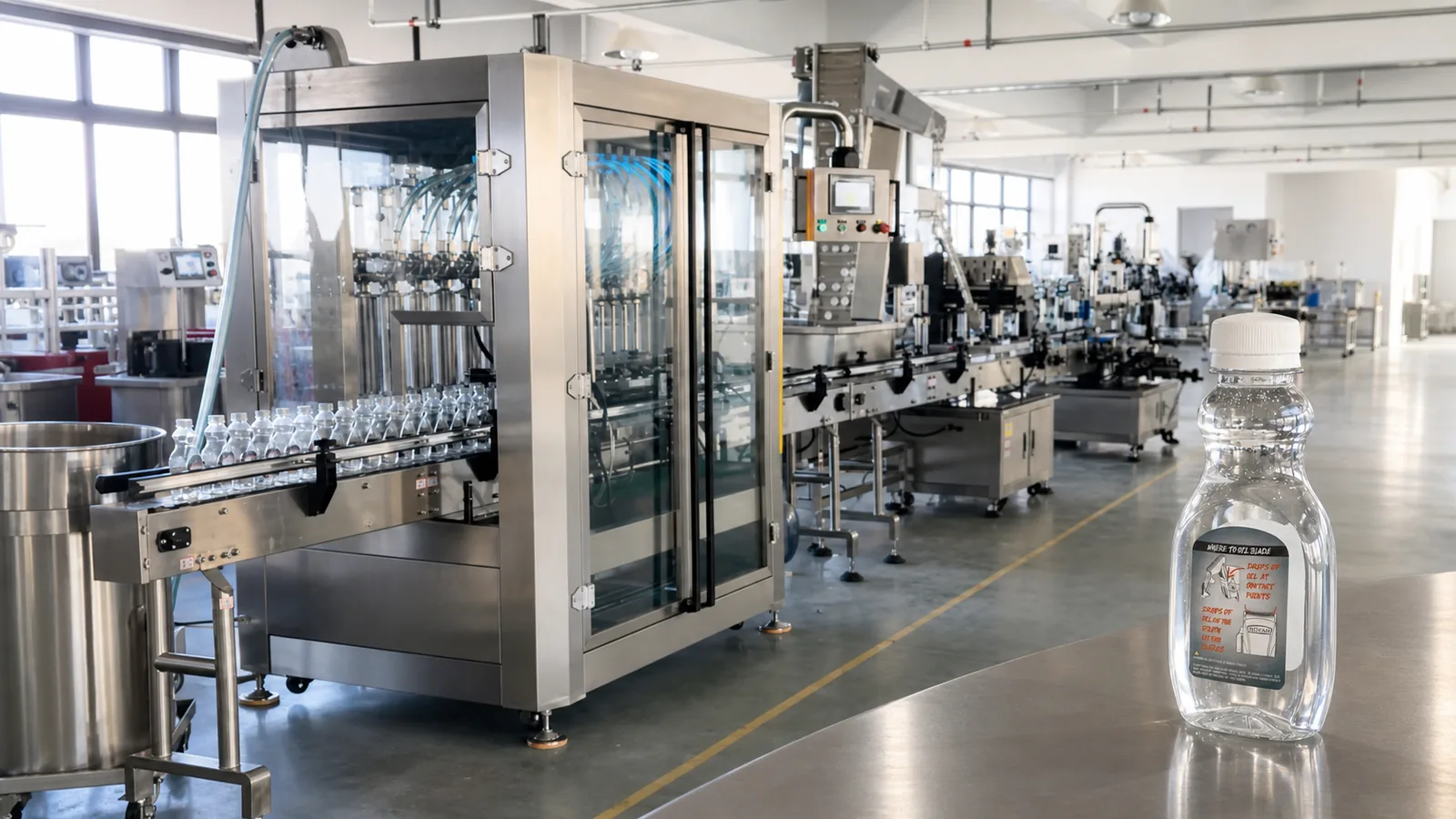
Many household chemical producers start by asking for a “chemical filling machine.” But in real production, the machine model is only one part of the decision. A detergent, liquid soap, disinfectant, gel cleaner, and trigger-spray cleaner may all need different filling, capping, labeling, coding, and conveyor considerations. The difficult part is not only buying a machine. The difficult part is choosing a line that works with the product, bottle, cap, label, output target, and factory layout. This guide explains how to configure a filling line for household chemicals before requesting a quotation. It will help you understand which details affect the machine choice, when a semi-automatic setup may be enough, and when a complete bottling line for household chemicals may be easier to manage. For buyers comparing equipment options, the Chemical Filling Machine page can be used as the main product reference while this guide explains the line configuration logic.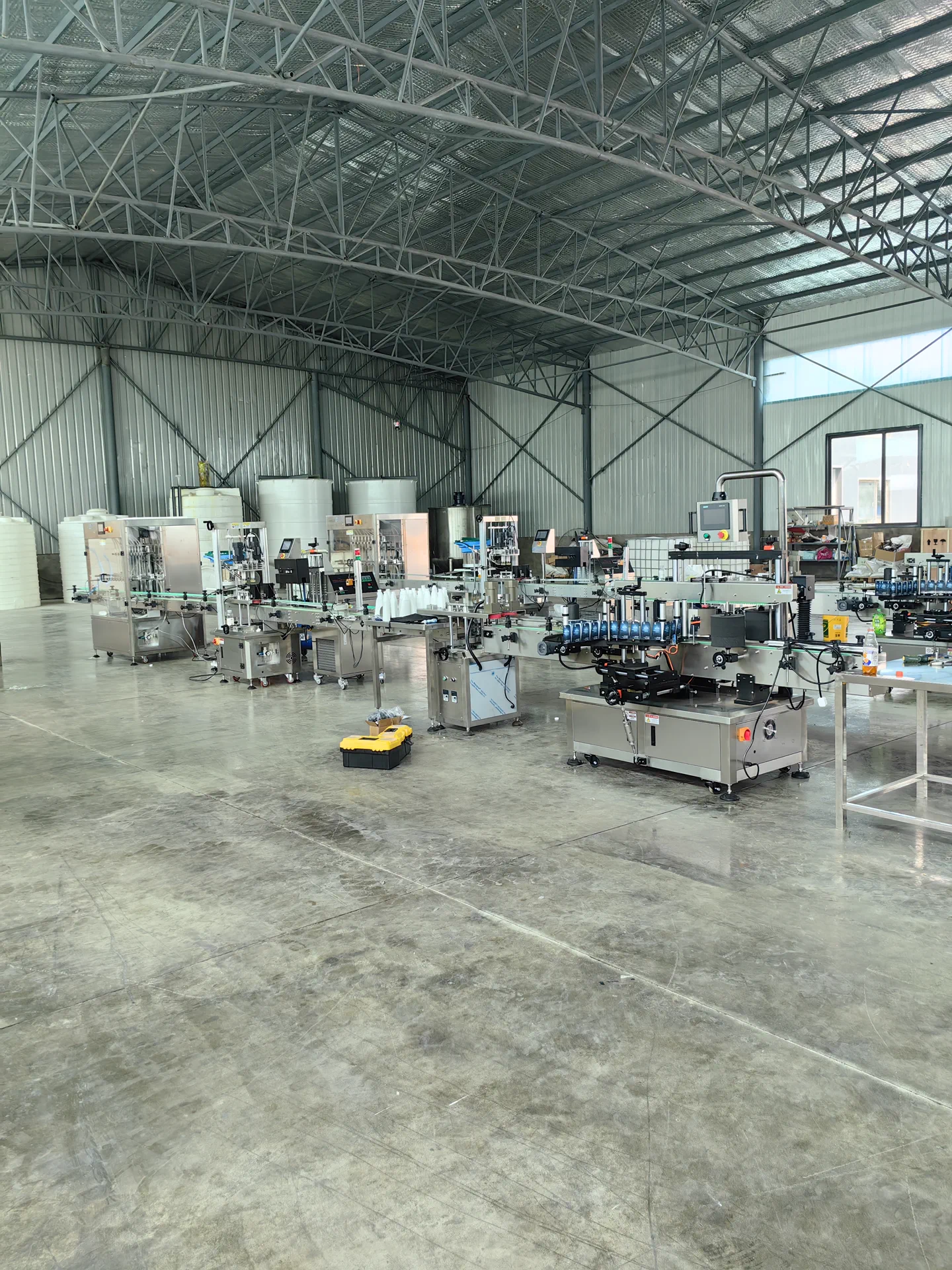
What Products Count as Household Chemicals?
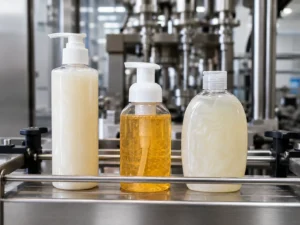
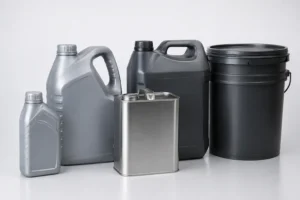
Household chemicals include many liquid and semi-liquid products used for cleaning, washing, disinfecting, and daily care. Common examples include liquid detergent, laundry liquid, liquid soap, hand wash, disinfectant, floor cleaner, toilet cleaner, glass cleaner, gel cleaner, bleach-like cleaning liquid, and other daily chemical liquids. If your project is closer to industrial cleaners or additives, the Chemical Liquid Filling Line page may also be useful. The product name alone is not enough for machine selection. Two products may both be called “cleaner,” but one may be thin and water-like, while another may be thicker, foamy, or more sensitive to machine contact parts. Before choosing the machine, the buyer should review how the product behaves during filling. Does it foam? Does it drip from the nozzle? Is it thin or viscous? Does it need material compatibility review? Is the bottle round, flat, square, or unstable on a conveyor? For example, a liquid detergent filling machine may need foam control and anti-drip filling. A trigger-cap cleaner bottle may need different cap handling from a round screw-cap bottle. A gel cleaner may need a different filling method from a disinfectant liquid, which is usually low viscosity, but the formula should still be confirmed. This is why a household chemical filling machine should be selected around the product and package together.| Product Type | Typical Filling Challenge | Line Consideration |
|---|---|---|
| Liquid detergent | Foam, medium viscosity, bottle cleanliness | Foam-aware filling, anti-drip nozzle review, stable capping |
| Liquid soap or hand wash | Foam and dripping | Controlled filling, pump cap compatibility, clean bottle neck |
| Disinfectant | Usually low viscosity, but formula should be confirmed | Clean filling, cap sealing review, suitable coding position |
| Cleaner liquid | Different bottle shapes and cap styles | Conveyor stability, cap matching, front/back or wrap labeling |
| Gel cleaner | Higher viscosity | Pump or piston filling review, controlled filling if needed |
| Bleach-like liquid | Possible material compatibility concern, depending on formula | Review product information before choosing contact parts |
What Are the Main Challenges in Household Chemical Filling?
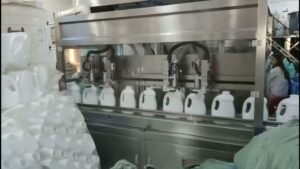
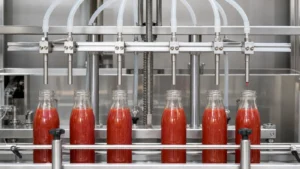
After the product type is clear, the next step is to understand the production risks. A household chemical filling line usually needs to handle viscosity, foam, dripping, material contact, bottle stability, cap matching, label accuracy, and line connection. Viscosity affects how easily the liquid flows. A thin cleaner may fill differently from liquid soap or gel cleaner. For cleaner liquids, coatings, glass water, and similar products, the Water-Based Liquid Filling Line page can provide another application reference. If the filling method is not matched to the product, the result may be unstable filling, product splash, slow filling, or unnecessary cleaning work. Foam is another common issue. Detergent and liquid soap may create foam when the product enters the bottle too quickly or from the wrong height. Too much foam can make bottles look messy and may affect capping or labeling. Dripping also matters. If product remains on the nozzle after filling, it can drip onto the bottle neck, conveyor, or label area. This is important for detergent, soap, cleaner, and other products where bottle appearance matters for retail packaging. Some household chemical liquids may also require material compatibility review. This does not mean every strong cleaner or bleach-like product needs the same equipment. The safer approach is to review the product sample and product information first. Finally, the line must move bottles smoothly. A bottle that stands well on a table may still shake or fall on a conveyor if it is tall, narrow, lightweight, flat, or irregular.How Should Foam Be Controlled?
Foam control is important for liquid detergent, liquid soap, hand wash, and some cleaning liquids. Foam can appear when the product is filled too fast, when the nozzle is too high above the bottle, or when the liquid hits the bottle wall in a way that traps air. There is no universal setting that works for every foamy product. The filling method, nozzle position, filling speed, and bottle shape should be reviewed together. For example, a liquid soap in a flat pump bottle may need a more controlled filling action than a thin floor cleaner in a round bottle. A detergent with higher viscosity may need slower filling or a nozzle setup that reduces splash and air mixing. Sample testing is useful before confirming the final configuration. The buyer should prepare product samples, bottle samples, and the target filling volume so the line can be adjusted around real production conditions. If your product is foamy hand wash or body wash, the Liquid Soap Filling Machine guide gives a more focused view of foam and viscosity handling.When Should Material Contact Be Reviewed?
Some household chemical products are mild, while others may be more sensitive to machine contact parts. Bleach-like products, strong cleaners, and certain chemical liquids should be reviewed carefully before quotation. This does not mean every household chemical line needs an anti-corrosion filling machine. It means the product information should be checked before deciding the material contact parts. If the product may affect metal or sealing parts, the buyer should provide product information or an SDS when available. The supplier can then review whether special contact parts, anti-corrosion design, or other project-based changes are needed. Do not choose this only by product name. A general “cleaning liquid” may be mild, while another cleaner may need more careful review. The practical approach is to confirm the product behavior first. For products that need material compatibility review, compare the Anti-Corrosion Filling Machine page before confirming contact parts.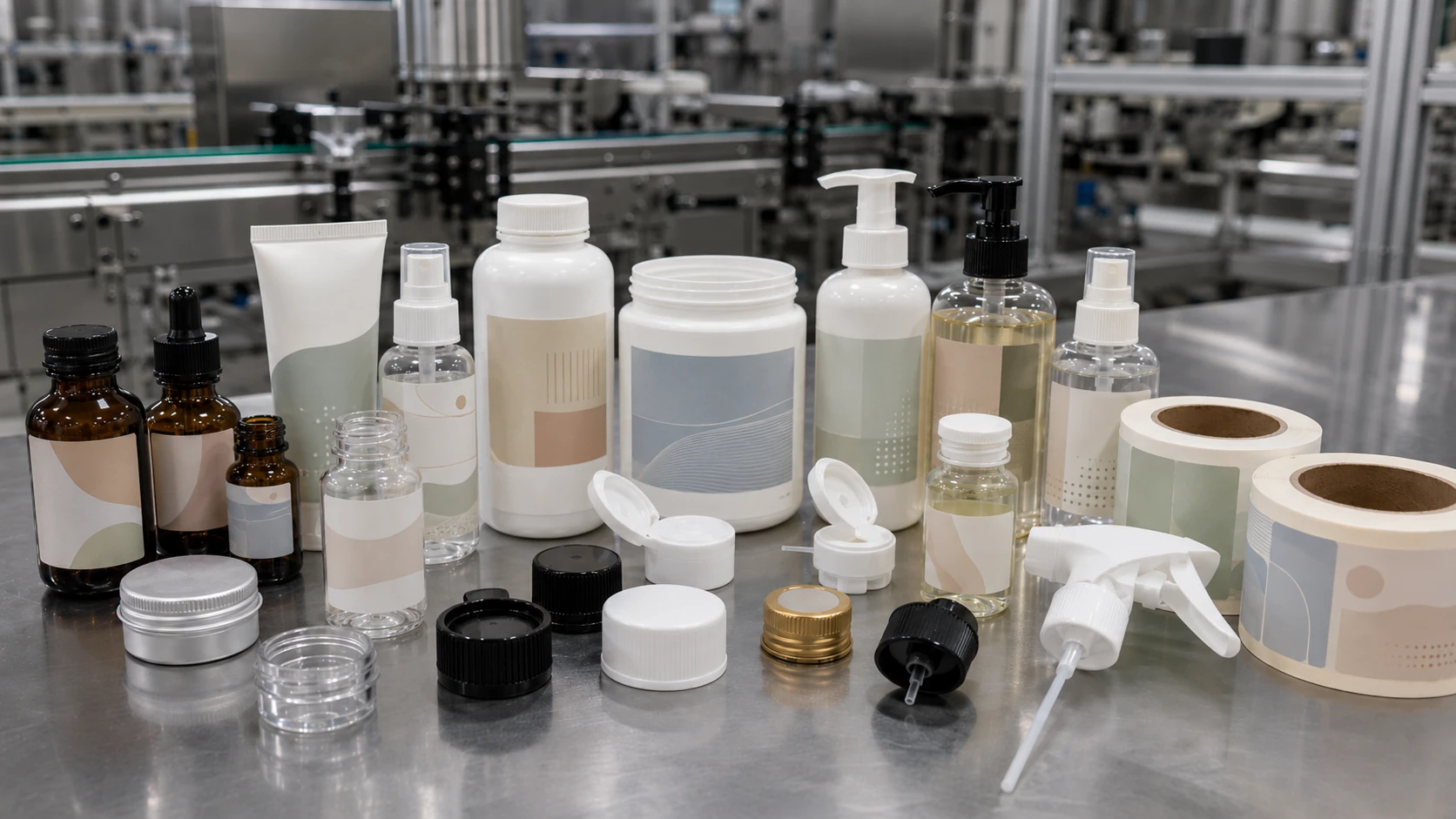
How Should the Filling Machine Be Selected?
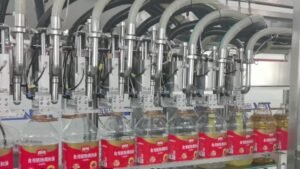
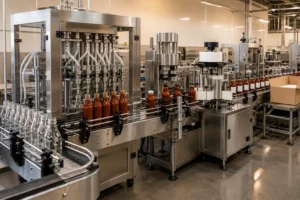
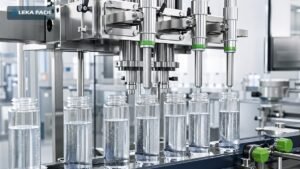
The filling machine should be selected by how the liquid behaves, not only by the industry name. A daily chemical filling line may use different filling methods depending on whether the product is thin, foamy, viscous, sensitive to dripping, or used across multiple bottle sizes. For small factories, the first question is often simple: “Can one machine fill my product?” But the more useful question is: “What filling method can handle my product, bottle, filling volume, output target, and future production plan?”| Product Behavior | Possible Filling Method | Suitable When | Notes |
|---|---|---|---|
| Thin, free-flowing liquid | Gravity, flow meter, or pump filling option | Low-viscosity cleaner, disinfectant, or similar liquid | Foam level, bottle opening, and filling accuracy still need review. |
| Foamy liquid | Controlled filling with suitable nozzle setup | Liquid detergent, liquid soap, hand wash | Nozzle position, filling speed, and bottle shape can affect foam. |
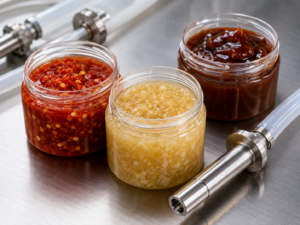
| Thick liquid or gel | Piston or pump filling | Gel cleaner, viscous detergent, thick soap | Product sample testing is recommended before final selection. |
| Liquid with possible material compatibility concern | Special contact-part review or anti-corrosion setup when needed | Selected bleach-like or stronger cleaning products | Product information should be reviewed before quotation. |
| Multiple products or bottle sizes | Adjustable filling setup | Factories with several SKUs | Changeover time and adjustment method should be discussed early. |
How Should Capping and Sealing Be Planned?
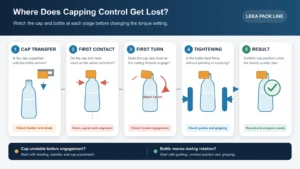
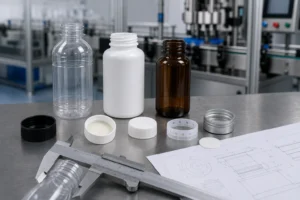
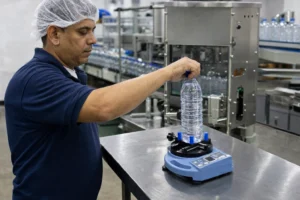
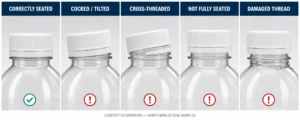
After filling, the next important step is capping. The cap style affects the cap feeding method, bottle positioning, tightening method, and line connection. Common cap types for household chemical bottles include screw caps, pump caps, flip caps, trigger caps, and spray caps. Each one handles differently. A round bottle with a simple screw cap may be easier to cap automatically. A pump cap may need more careful positioning. A trigger cap can be larger and more difficult to feed smoothly. A flip cap may need attention to orientation and tightening consistency. For some bottles, foil sealing may also be part of the line. This depends on the bottle, cap, product, and packaging requirement. It should be discussed as a project detail, not assumed for every household chemical product. Before choosing the capping machine, the buyer should provide real bottle and cap samples. Photos are helpful, but physical samples are better when possible because cap size, thread design, bottle neck strength, and cap feeding behavior can affect the final setup. For cap handling options, review the Capping Machine page after confirming your screw cap, pump cap, flip cap, trigger cap, or spray cap sample.How Should Labeling and Coding Be Set Up?
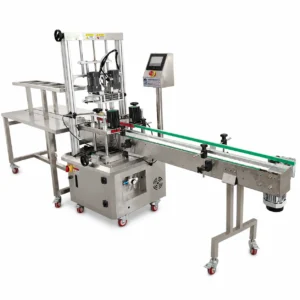
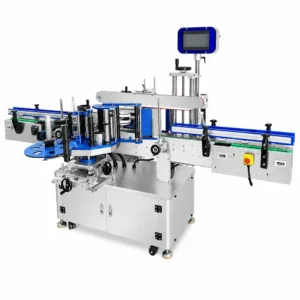
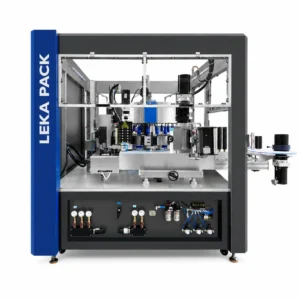
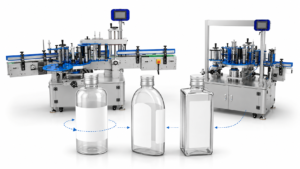
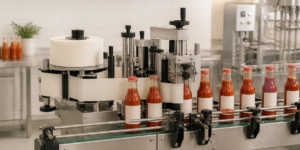
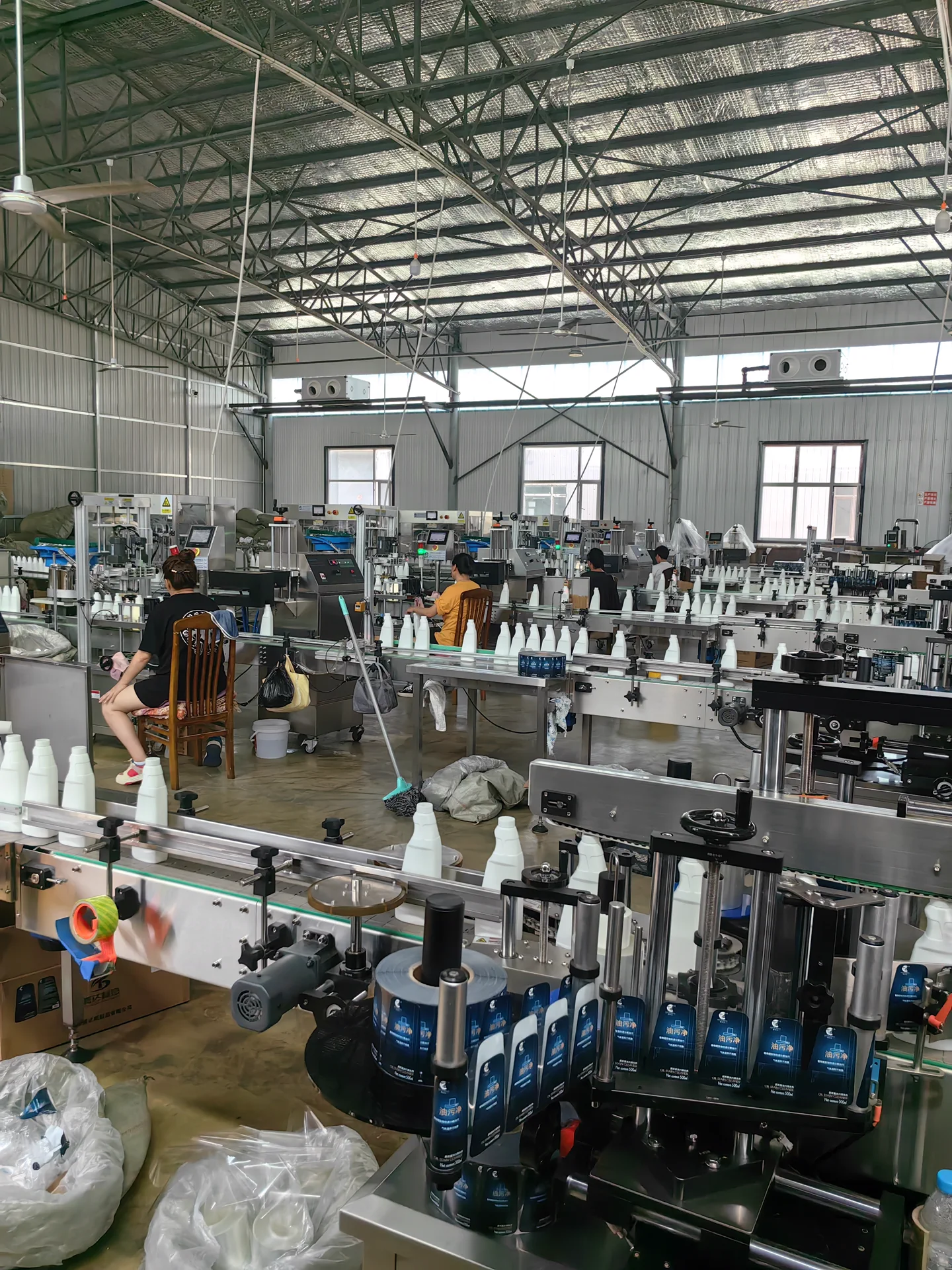
Labeling seems simple until the bottle shape changes. A round bottle, flat bottle, square bottle, and irregular trigger-spray bottle may need different labeling setups. Round bottles often use wrap-around labels. Flat bottles may use front and back labels. Some cleaner bottles have curved shoulders, handles, or uneven surfaces that make label placement more sensitive. Label position should be confirmed before the line is configured. The labeler needs to match the bottle shape, label size, label material, and required position. If the label area is close to the cap, handle, or curved surface, this should be reviewed early. Coding is another part of the complete line. Many factories need batch numbers, production dates, or other marks on the bottle, label, or cap. The coding method depends on the surface, printing position, production environment, and how often the code changes. In practice, labeling and coding should not be treated as the final small detail. They affect conveyor layout, bottle spacing, and the order of machines in the line. For bottle shape and label position planning, see the Labeling Machine page.How Do Conveyors, Bottle Feeding, and Factory Layout Affect the Line?
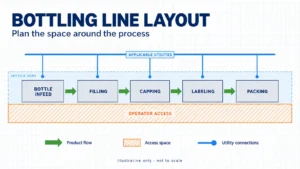
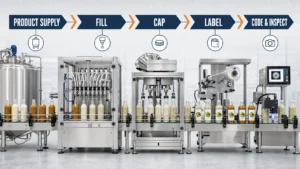
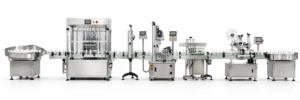
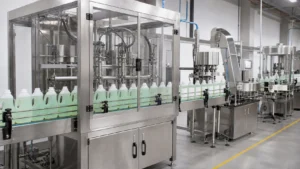
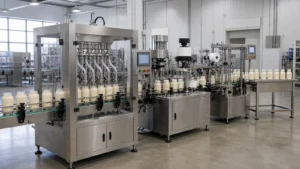
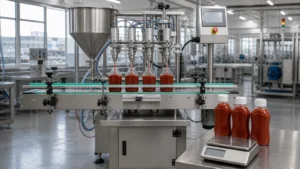
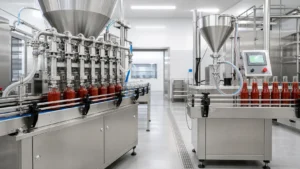
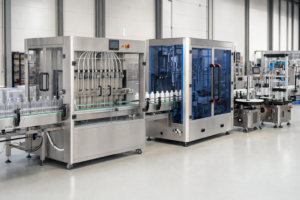
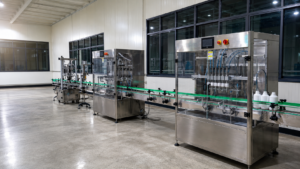
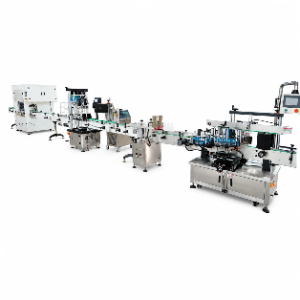
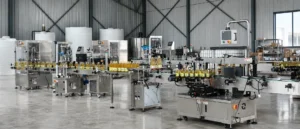
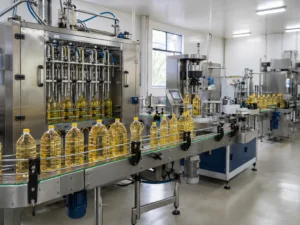
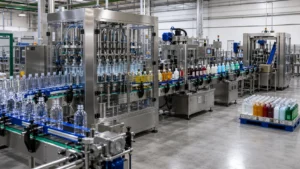
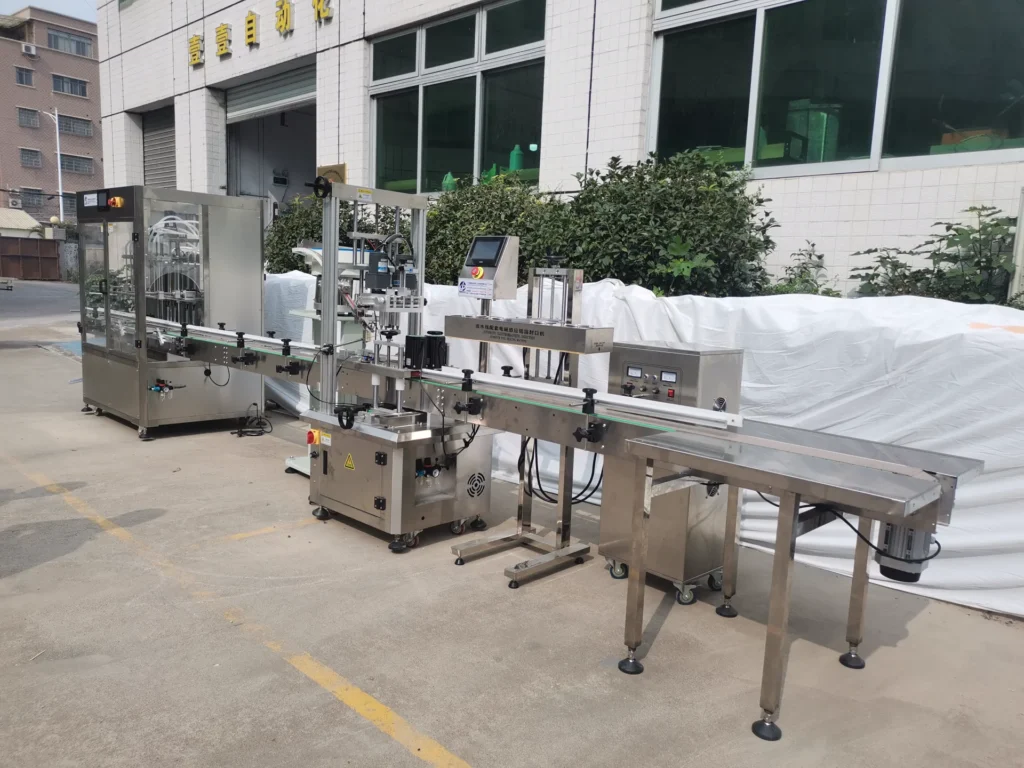
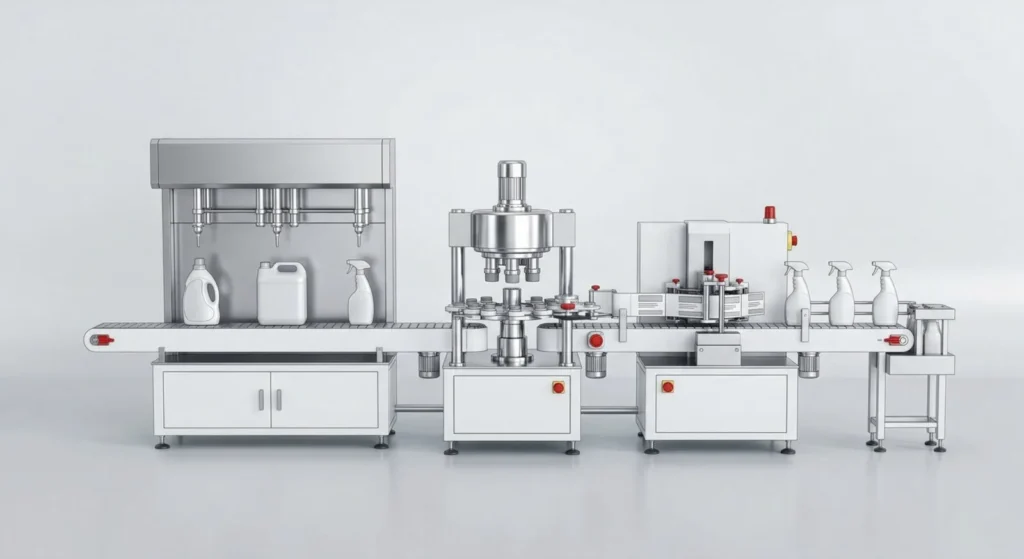
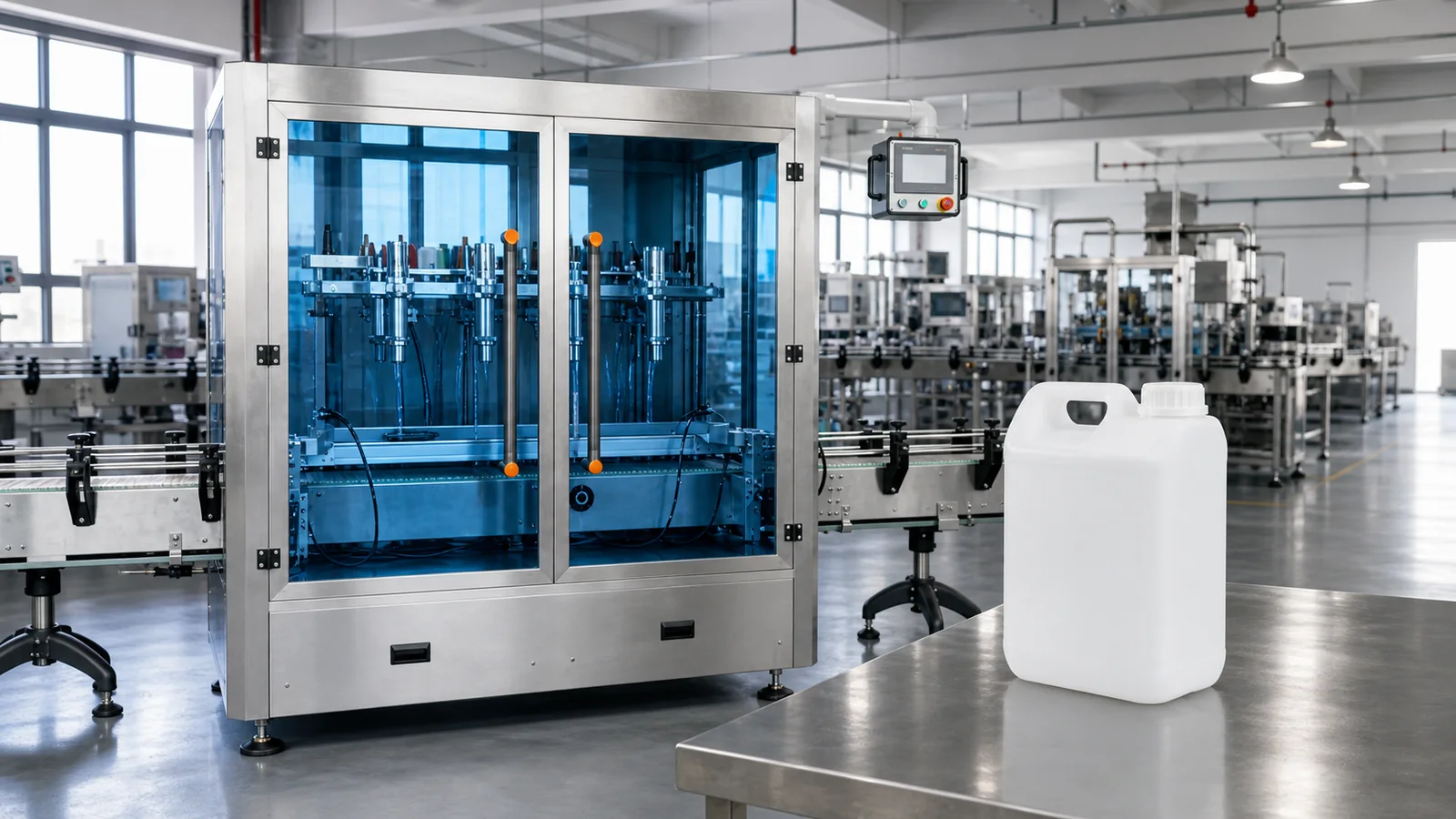
A complete filling line or bottling line for household chemicals is more than a filling machine. The line must move bottles from one step to the next in a stable and controlled way. Conveyors connect filling, capping, sealing, labeling, coding, and other modules. They also affect bottle spacing and operator access. If the bottle is tall, light, flat, or unstable, the conveyor setup becomes more important. For automatic production, bottle feeding may also be needed. A bottle unscrambler or feeding table can help send empty bottles into the line. For smaller production, operators may place bottles manually. The factory layout also affects the final design. Some factories have enough space for a straight-line layout. Others may need a U-shape or L-shape layout because of door position, wall space, operator movement, or future packing area. Before confirming the line, buyers should prepare a simple factory layout drawing. It does not need to be perfect. A hand sketch with machine area, available space, power position, entrance, exit, and operator side is often enough for early planning. For complete line planning, the Bottle Packaging Line Solutions page shows how filling, capping, labeling, coding, and conveyors can be connected.Should You Choose a Semi-Automatic or Automatic Line?
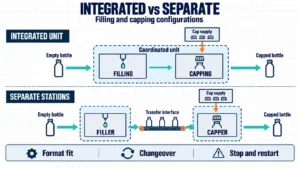
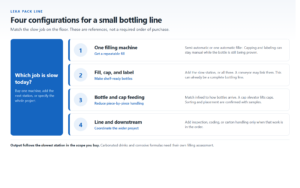
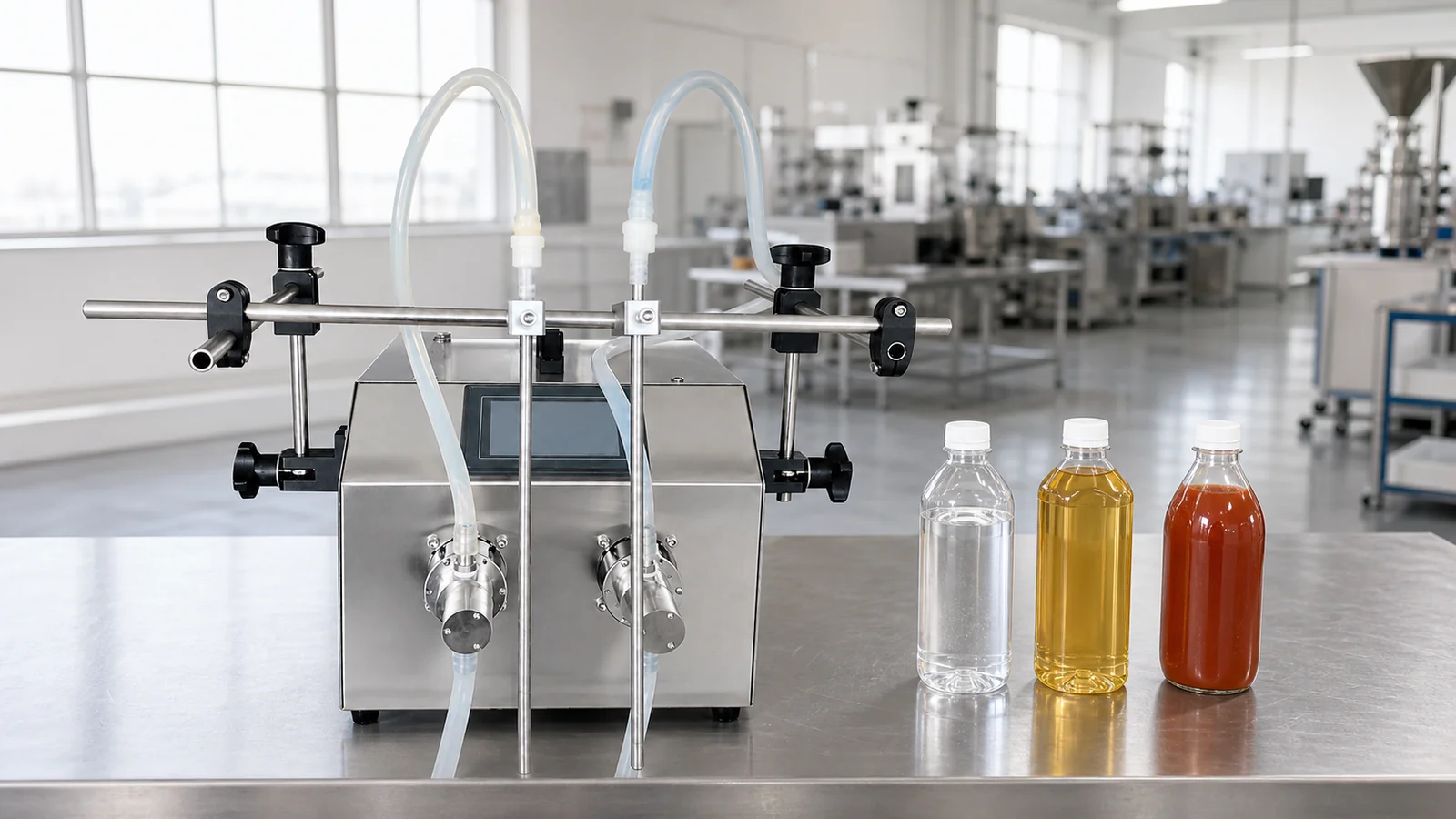
A small factory may not need a full automatic line at the beginning. If production volume is still low, bottle sizes change often, or the budget needs to be controlled, a semi-automatic setup may be enough. A semi-automatic line may include a semi-auto filling machine, manual bottle loading, manual cap placement, and simple labeling or coding support. This can work for startup brands, small batch production, trial production, or distributors testing a new product. An automatic line is usually easier to manage when the factory has stable daily output, repeated bottle formats, more labor pressure, or a need to connect filling, capping, labeling, coding, and conveyors into one process. The tradeoff is clear. Semi-automatic equipment is simpler and easier to start with, but it depends more on operators. Automatic equipment can reduce manual handling and improve line flow, but it needs more planning around bottles, caps, labels, layout, and changeover. There is no universal answer. The better choice depends on current production needs and the next stage of growth. For smaller output or startup production, compare the Semi-Automatic Filling Machine options before moving to a fully automatic line.What Modules Are Included in a Complete Line?
When buyers ask for a household chemical filling line, they may need only a filler, or they may need a full cleaning product bottling line. The difference depends on how many steps should be automated.| Line Module | Function | When Needed |
|---|---|---|
| Bottle feeding or unscrambler | Feeds empty bottles into the line | Automatic or higher-output production |
| Filling machine | Fills product into bottles by the selected filling method | Always needed in the line |
| Capping machine | Places or tightens caps after filling | When bottles need automatic cap handling or tightening |
| Foil sealing machine | Adds inner sealing when required by package design | Selected bottle and cap projects |
| Labeling machine | Applies front, back, wrap, or flat labels | Retail bottles or branded packaging |
| Coding machine | Prints batch number, date, or production code | When product marking is required |
| Conveyor | Connects each machine and controls bottle movement | Semi-automatic or automatic line connection |
| Packing support | Supports downstream collection or packing | When the factory wants more complete end-of-line flow |
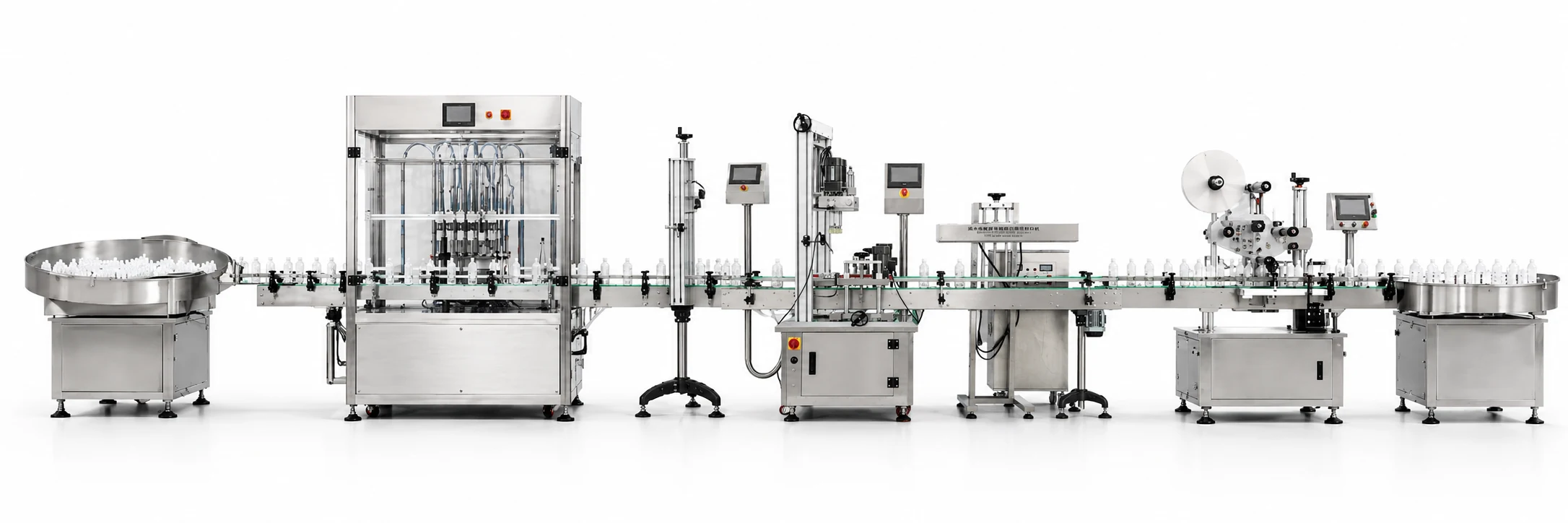
What Should Buyers Prepare Before Requesting a Quote?
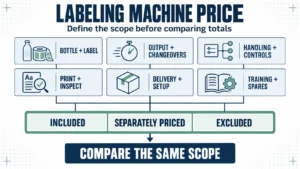
The more details a buyer provides, the easier it is to recommend a practical line. A quotation based only on the words “detergent filling line” or “household chemical filling machine” is usually not enough.For detergent projects, the liquid detergent machine price guide explains how filler scope, line modules and EXW items should be separated before quotations are compared.
Before requesting a quote, prepare the following information:- Product name and product sample details
- Viscosity or a simple description of product flow
- Foam level during filling or mixing
- Corrosiveness or SDS if available
- Bottle volume
- Bottle shape, such as round, flat, square, or irregular
- Bottle material, such as HDPE or PET
- Cap type, such as screw cap, pump cap, flip cap, trigger cap, or spray cap
- Label type and label position
- Required output target
- Factory layout or available machine space
- Voltage and local electrical requirements
- Budget range if available
- Photos or videos of the product, bottle, cap, label, and current packing process
FAQ
1. What machine is used for a filling line for household chemicals?
A household chemical line may use a filling machine, capping machine, labeling machine, coding machine, conveyors, and sometimes bottle feeding or sealing equipment. The exact setup depends on the product, bottle, cap, label, output target, and automation level.2. How do I choose a household chemical filling machine?
Start with the product behavior. Check viscosity, foam, dripping, and material compatibility needs. Then review bottle size, bottle shape, cap type, filling volume, output requirement, and factory layout.3. Is a detergent filling line different from a water filling line?
Yes, it can be different. Detergent may create foam and may have higher viscosity than water. The line may need different nozzle control, filling speed adjustment, and anti-drip consideration.4. How can foam be controlled during liquid detergent filling?
Foam can often be reduced by reviewing the filling method, nozzle position, filling speed, and bottle shape. Product sample testing is useful because different detergents foam differently.5. Do bleach-like products need anti-corrosion filling equipment?
Some bleach-like or stronger cleaning liquids may need material compatibility review. Buyers should provide product information or SDS when available so the contact parts can be checked before quotation.6. Can one line handle different bottle sizes?
In many projects, one line can be designed with adjustable parts for different bottle sizes. If the main question is bottle filling equipment selection, the Bottle Filling Machine page is a useful supporting reference. However, the bottle range, changeover frequency, cap types, and label positions should be reviewed before confirming the line.7. What caps can be used for household chemical bottles?
Common options include screw caps, pump caps, flip caps, trigger caps, and spray caps. Each cap type may require different feeding, positioning, and tightening methods.8. Do I need filling only or a complete bottling line?
If operators can handle capping, labeling, and coding manually, filling only may be enough at the beginning. If output is stable and manual handling becomes a problem, a complete filling, capping, labeling, coding, and conveyor line may be easier to manage.9. When is semi-automatic filling enough?
Semi-automatic filling may be enough for small batches, startup production, trial products, or factories with many product changes. It is also useful when the factory wants to control investment before moving to automatic production.10. What information should I send before requesting a quote?
Send the product type, viscosity, foam level, bottle volume, bottle shape, bottle material, cap style, label position, required output, factory layout, voltage, and budget range if available. Photos and videos are also helpful.Conclusion
A filling line for household chemicals should not be selected only by machine model. The right configuration depends on product behavior, bottle design, cap type, label position, output requirement, factory layout, and automation target. In practice, a liquid detergent line, disinfectant line, liquid soap line, gel cleaner line, and trigger-spray cleaner line may all need different machine choices. The product may affect the filling method. The bottle may affect conveyor stability. The cap may affect capping setup. The label may affect machine layout. The output target may decide whether semi-automatic or automatic equipment is more practical. The safer approach is to review the product sample and packaging details first. This helps reduce the risk of choosing equipment that fills the product but does not work smoothly as a complete line.Request a Household Chemical Filling Line Configuration
If you are planning a household chemical filling, capping, labeling, coding, and conveyor line, send your product type, viscosity, bottle size, bottle shape, cap style, label position, output target, factory layout, voltage, and budget range if available. If you are not sure which machine type is suitable, you can also send photos or videos of your product, bottle, cap, label, and current packing process. These details help LEKA Pack Line review the application and configure a practical line based on real production needs. Related equipment reference: Chemical Filling Machine. Related line reference: Bottle Packaging Line Solutions.Related Household Chemical Guides
Household Chemical Project Guides
Choose the guide that best matches your product behavior, corrosion requirements and planned automation stage.
Bleach lines
For corrosion-resistant design details, use the bleach filling line configuration guide.
Start-up projects
For compact first-stage projects, see the chemical filling machine guide for small business.
Dishwashing liquid lines
For foam control, nozzle cut-off, bottle and cap checks, use the dishwashing liquid line guide.
Laundry detergent lines
For 1–5 L bottles, foam control, cap handling, and complete-line planning, review the laundry detergent filling line guide.