How to Reduce Sauce Bottling Line Changeover Time for Multi-SKU Production
If your plant bottles more than one sauce, your real enemy is not filling speed. It is changeover. Every time you switch from a thin chili sauce to a thick BBQ glaze, or from a round bottle to a square jar, the line stops, gets cleaned, re-set, and test-run before good product flows again. For a multi-SKU producer, those stops can quietly cost more output than any single machine’s rated speed.
This guide is for factory owners, purchasing managers, and production engineers who run, or plan to run, a sauce bottling line with several recipes and pack formats. It focuses on one specific, often-ignored problem: how to reduce sauce line changeover time. We break down where the minutes disappear, give you a repeatable framework, and show how the right line is built around your real products, not just a headline speed number.
What Is Sauce Bottling Line Changeover?
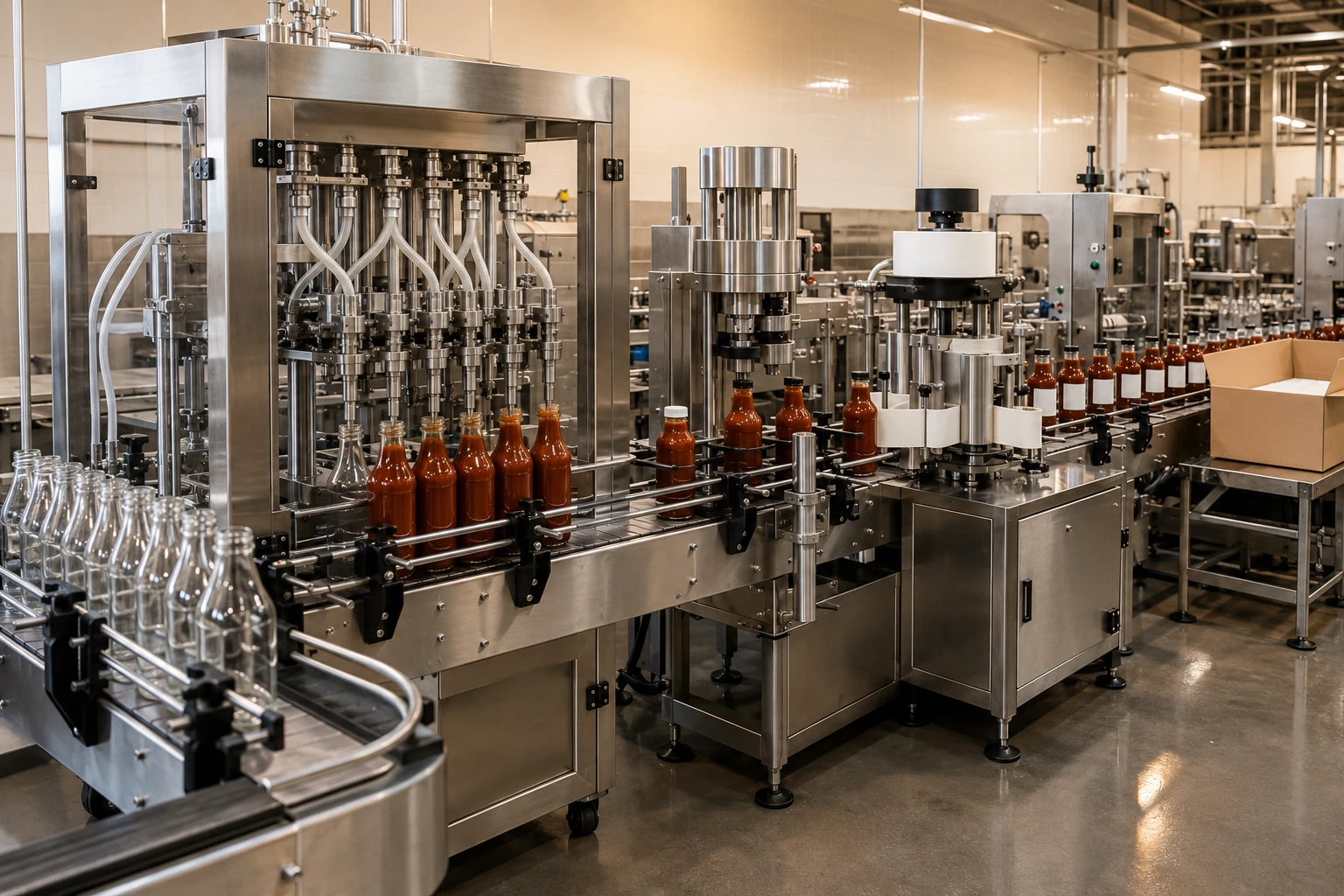
Changeover is the full set of steps to switch a line from one product-and-pack combination to another. On a sauce line, one changeover can touch the filler, capper, labeler, conveyor, and every product-contact part. The total time depends on how different the two runs are.
Changeover between different sauce products
Switching sauces is the heaviest changeover because it usually means cleaning the entire product path. A move from a clear dressing to a thick, oily BBQ sauce changes viscosity, color, allergen profile, and cleaning difficulty at once, and may require re-tuning fill volume and nozzle behavior.
Changeover between bottle sizes and shapes
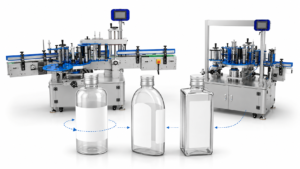
Even with the same sauce, changing bottle size or shape forces mechanical adjustments: fill volume, guide rails, feed timing, capper height, and label placement. A round and a square bottle of the same volume behave differently on the conveyor and at the labeler.
Changeover between cap types and label formats
A closure change (flip-top, screw cap, sprayer, pump) means resetting cap feeding, torque, and sometimes the head. A label change can require new sensor settings and a fresh trial run. These are smaller than a product change but add up across many SKUs.
Why Sauce Changeover Is Slower Than Water or Oil Bottling
Water and thin edible oils are forgiving. Sauce is not. The properties that make sauce a sauce are exactly the ones that make changeover slow.
Thick viscosity slows filling setup
High-viscosity products flow slowly and unevenly, so dialing in an accurate, repeatable fill takes more trial bottles than a free-flowing liquid and must be re-validated whenever the recipe or temperature shifts.
Particles can block nozzles and valves
Chili seeds, garlic, and herb flakes can bridge or clog standard nozzles and valves, so particulate sauces need wider paths and particle-tolerant valves, and cleaning must fully clear them or the next run is contaminated.
Sticky sauce increases cleaning time
Sticky, sugary, or oily sauces cling to hoppers, hoses, valves, and nozzles, and removing that residue is the single biggest time sink in many sauce changeovers — especially when the next product is a different color or allergen.
Hot-fill sauce needs temperature control
Hot-fill products add a temperature variable: a heated hopper and temperature-stable path must reach and hold the right range before filling, the line must be designed so hot product does not degrade seals or accuracy, and switching between hot-fill and ambient-fill products is another layer of setup.
The 5-Point Sauce Changeover Map
To plan changeover instead of reacting to it, treat every switch as five separate changes — the 5-Point Sauce Changeover Map. Before any switch, walk the five points and confirm what actually changes. Anything that does not change is time you do not spend.
Product change
Sauce type, viscosity, particle content, allergen profile, and fill temperature. This determines how much cleaning is required and whether filling setup must be re-tuned.
Container change
Bottle size, shape, mouth diameter, and jar format. This drives fill volume, guide rails, feed timing, and conveyor handling.
Closure change
Cap type, cap torque, and capper head height. This drives cap feeding and capping-station setup.
Label change
Label position, sensor setup, and round-versus-square labeling. This drives labeler adjustment and a placement trial.
Cleaning change
Hopper, hose, valve, nozzle, and all product-contact parts. Usually the longest single block, and the one most worth designing for in advance.
Plan tip: number every SKU against these five points. SKUs that share a bottle, cap, and label family but differ only in sauce change over far faster than ones that differ on all five — so schedule production to group the easy switches together.
Where Sauce Line Changeover Time Is Really Lost
Most teams assume changeover time spreads evenly; in practice it concentrates in a few areas. The table below maps common situations to the machine area to check and the action a buyer can take.
| Production Situation | Changeover Risk | Machine Area to Check | Recommended Setup | Buyer Action |
|---|---|---|---|---|
| Switching very different sauces (thin to thick, clear to dark) | Long cleaning, color carryover | Hopper, hoses, valves, nozzles | Quick-release parts, CIP-friendly path | Send sauce samples and cleaning needs |
| Frequent bottle size changes | Volume errors, jams, slow re-set | Fill volume, guide rails, feed timing | Savable settings, tool-light rails | Provide full bottle list with dimensions |
| Particulate sauces (seeds, garlic, herbs) | Nozzle/valve blockage, fill error | Valve type, nozzle bore, path width | Piston/large-path filling for particle size | State largest particle size and percentage |
| Many cap types across SKUs | Capper re-set, torque variation | Cap feeding, head, torque | Standard cap families, quick height change | List every cap type and mouth size |
| Round and square bottles on one line | Label misplacement, trial waste | Labeler, sensors, orientation | Labeling set for your bottle-shape mix | Share artwork, position, bottle shapes |
| Hot-fill and ambient-fill mixed | Temperature delay, seal stress | Heated hopper, temp control, seals | Temp-stable path for your hot-fill range | Specify hot-filled products and target temp |
Product path cleaning
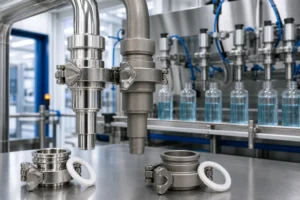
For most multi-SKU sauce plants, cleaning the product path is the largest single block of changeover time, so easy access and fast part removal cut it sharply versus a line where every clean means disassembling hard-to-reach components.
Nozzle and filling volume adjustment
Re-setting fill volume and confirming accuracy on a new product or bottle takes time and test bottles; machines that store and recall settings let the operator return to a known good configuration instead of starting from zero.
Bottle guide rail and conveyor setup
New bottle shapes need guide rails and conveyor handling re-set so bottles stay upright and correctly spaced; tool-light, repeatable adjustment prevents jams that stop the whole line.
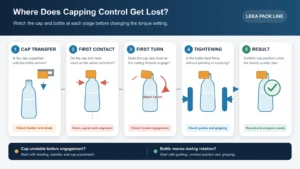
Capper height and torque adjustment
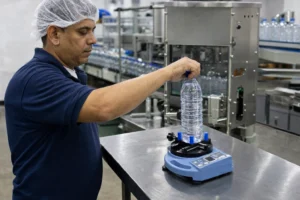
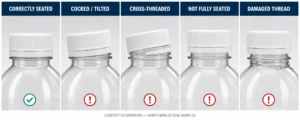
Different cap and bottle heights require capper re-set and torque re-confirmation — loose caps leak, over-tight caps crack — and standardizing cap families reduces how often this must change.
Label position and sensor adjustment
Labelers need sensor and position re-set when bottle shape or artwork changes, followed by a placement trial; square-to-round transitions are most demanding.
Trial bottles and quality checks
Every changeover ends with trial bottles checked for fill weight, cap torque, label placement, and coding before full production resumes — good upfront setup means fewer trial bottles and less scrap.
Sauce Type Changeover: Hot Sauce, Chili Sauce, Ketchup, BBQ Sauce, and Dressing
Different sauces create different changeover demands. The right line plan accounts for the full range you actually produce.
Hot sauce changeover considerations
Hot sauces are often thinner but acidic and strongly colored, so cleaning to avoid color and flavor carryover matters; some are hot-filled, adding a temperature step, and anti-drip control keeps the bottle neck and label area clean.
Chili sauce with particles
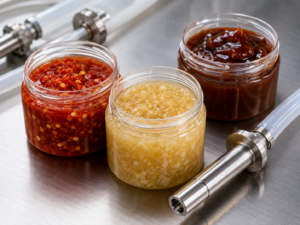
Chili sauces with seeds and pulp need particle-tolerant valves, wider product paths, and thorough cleaning so particles do not carry over, with fill setup accounting for uneven flow.
Ketchup and tomato sauce
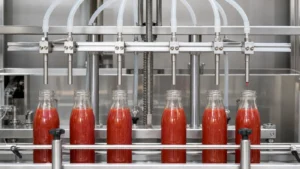
Ketchup is thick, smooth, and prone to dripping and stringing at the nozzle. Anti-drip nozzles and a filling method suited to medium-to-high viscosity reduce mess and waste, keeping changeover cleaning shorter.
BBQ sauce and thick sticky sauces
BBQ and other sugary, sticky sauces are the toughest to clean. They cling to the entire product path and often vary in viscosity by recipe. A line built for easy disassembly and full cleaning access is essential to keep these changeovers manageable. See our BBQ sauce bottling equipment guide for product-specific detail.
Dressing and mayonnaise products
Emulsified dressings and mayonnaise are sensitive to shear and air, and can be thick and oily. Gentle filling, careful pumping, and easy cleaning all factor into how quickly you can switch into and out of these products.
Filling Machine Setup for Faster Sauce Changeover
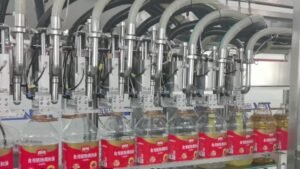
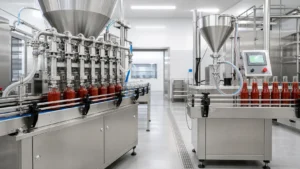
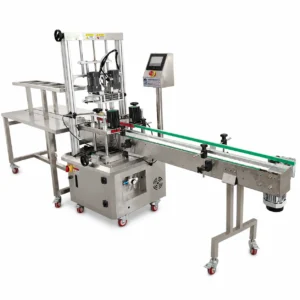
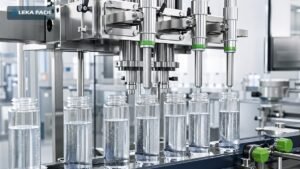
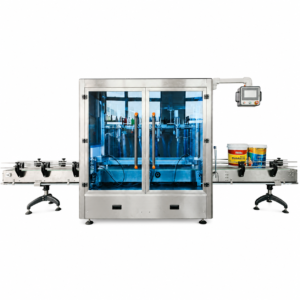
The filler is the heart of changeover. The right filling principle removes both fill-accuracy trouble and a large share of cleaning time, and the best choice depends on product viscosity, particles, bottle type, cap type, and required output. Explore configurations on our LEKA sauce filling machine solutions page.
Piston filling for thick sauces
Piston filling handles thick and particulate sauces well by moving a defined volume through a wide path — a common choice for chili sauce, BBQ sauce, and other heavy products, with repeatable volume settings.
Pump filling for medium-viscosity sauces
Pump filling suits medium-viscosity, smoother sauces and can offer flexible volume control. Suitability depends on the product and whether it contains particles.
Servo filling for repeatable recipes
Servo-driven filling gives precise, recallable settings — valuable when you run the same recipes repeatedly and want to return to a known good fill fast after each changeover.
Anti-drip nozzles for cleaner production
Anti-drip nozzles reduce stringing and dripping with sticky sauces, keeping bottle necks and labels clean and cutting the cleanup portion of changeover.
Hopper and mixing tank options
A hopper, mixing tank, or heated hopper keeps product consistent and at temperature. For changeover speed, the priority is access and ease of cleaning, so the vessel empties and cleans quickly between products.
Capping, Labeling, and Conveyor Adjustments That Affect the Whole Line
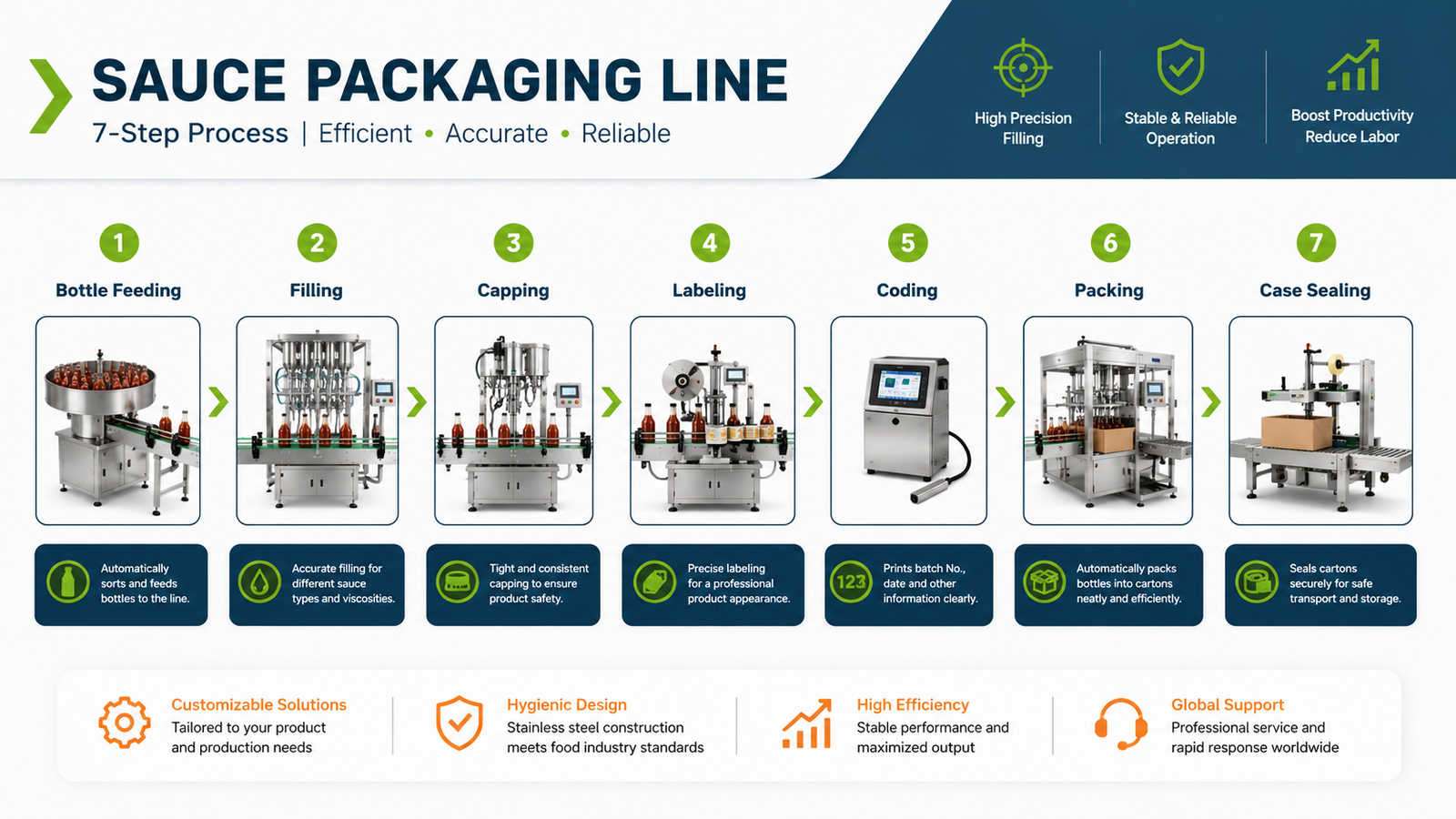
Changeover is a whole-line event. A fast filler does not help if the capper or labeler is the bottleneck during a switch.
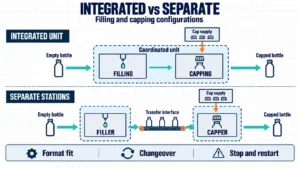
Why capping can slow down sauce production
Capping involves cap feeding, head adjustment, and torque setting, and many cap styles across SKUs multiply these. Standardizing cap families is one of the most effective ways to cut changeover time.
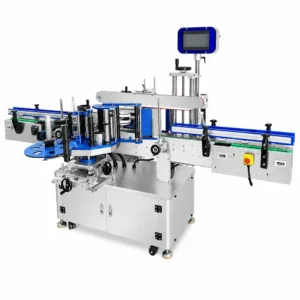
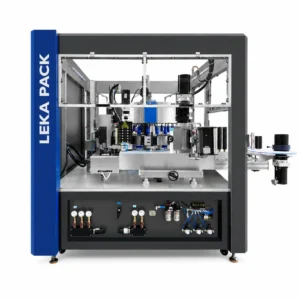
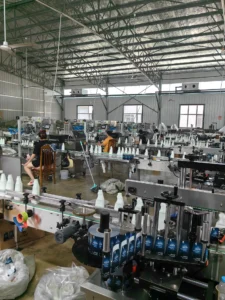
Labeling position changes between bottle formats
Label placement and sensor settings change with bottle shape and artwork. Round and square formats behave differently, and each change needs a placement trial before full production.
Conveyor layout and bottle stability
Conveyor speed, guide rails, and bottle stability must suit each bottle shape. Unstable bottles cause jams and downtime, so handling must be re-set for new formats.
Why the slowest machine controls the real output
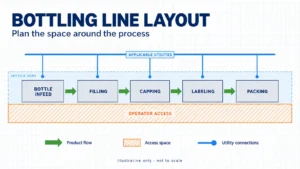
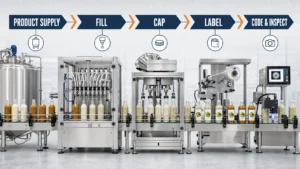
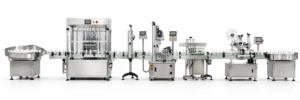
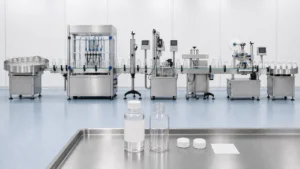
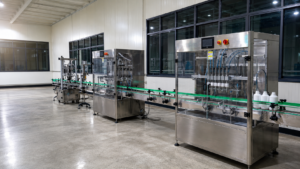
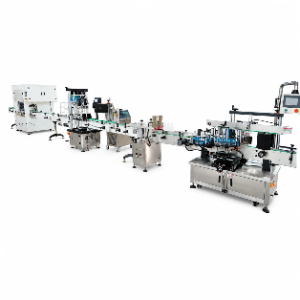
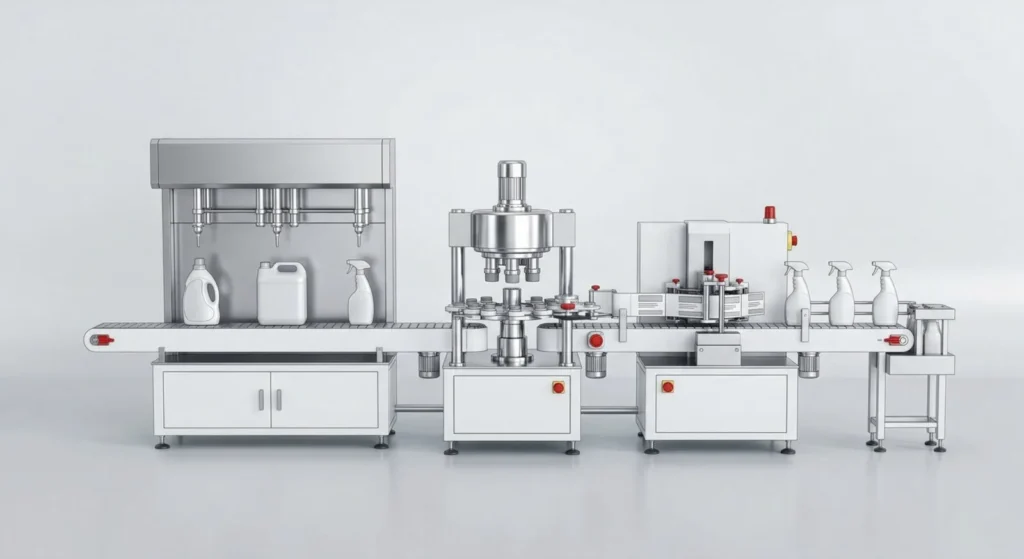
A line runs at the speed of its slowest active station, and changes over at the speed of its slowest re-set. Balancing the line and reducing adjustment time at every station — not just the filler — protects real daily output. For full-line planning, see our complete sauce packaging line planning guide.
Semi-Automatic vs Automatic Sauce Lines for Multi-SKU Production
There is no universal right answer. The decision depends on your SKU count, output target, and labor cost.
When semi-automatic machines are better
Semi-automatic equipment suits lower volumes, frequent recipe changes, wide SKU variety, and operations where labor is available and flexibility matters more than peak speed. Changeover can be simpler because there are fewer automated stations to re-set.
When automatic sauce bottling lines are better
Automatic lines suit higher, steadier volumes where consistent output and lower per-bottle labor justify the investment. With savable settings and standardized change parts, a well-designed automatic line can still change over quickly across SKUs.
How to choose by SKU number, output, and labor cost
Use a simple decision model: high output plus stable recipes leans automatic; lower output plus high SKU variety leans semi-automatic; the middle ground is where line design and change-part standardization decide it. Our sauce filling machine selection guide covers this trade-off in more detail.
Not sure where you fall? Send us your sauce sample details, bottle photos, cap type, and target output. We will review them and tell you which direction fits — no purchase required at this stage.
Practical Ways to Reduce Sauce Line Changeover Time
Most changeover savings come from preparation and standardization, not the fastest machine. These apply to semi-automatic and fully automatic lines alike.
Use repeatable machine settings
Choose equipment that stores and recalls fill volume, torque, and label settings per SKU, so operators return to a proven configuration instead of re-dialing from scratch.
Prepare change parts before production
Stage the next run’s change parts, caps, and labels before the line stops. Offline preparation turns a long stop into a quick swap.
Standardize bottle and cap families
Where products allow, group SKUs into shared bottle and cap families. Fewer unique formats means fewer adjustments at the filler, capper, and labeler.
Test sauce samples before final machine design
Run sample testing on your actual sauces before the line is finalized. Matching the filling method to real viscosity and particles avoids costly re-engineering and shortens every future changeover.
Plan cleaning access before buying the line
Specify easy cleaning and CIP access at the design stage. Since cleaning is the biggest changeover cost for sticky sauces, designing for it upfront pays back on every switch.
Buyer Checklist Before Ordering a Sauce Bottling Line
The faster you give complete information, the more accurate your line recommendation and the fewer surprises during changeover. Prepare the following before requesting a quote.
Product and viscosity information
- Each sauce type you will run and its approximate viscosity (thin, medium, thick, sticky)
- Whether the product is emulsified, oily, sugary, or acidic
Sauce particles and filling temperature
- Largest particle size and rough percentage (seeds, garlic, herbs, chunks)
- Whether any product is hot-filled, and the target fill temperature
Bottle, jar, and cap details
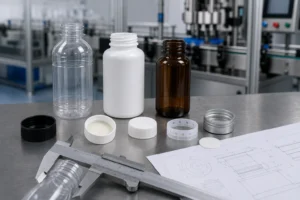
- All bottle and jar sizes, shapes, and mouth diameters
- Every cap type and closure style in use
Labeling and coding requirements
- Label artwork, position, and bottle shapes (round, square, other)
- Coding or marking needs (date, batch, lot)
Target output and factory layout
- Target output range and number of SKUs
- Available floor space and rough line layout or footprint limits
Voltage, air supply, and budget range
- Local voltage and frequency, and compressed air availability
- Approximate budget range and automation level you have in mind
FAQ About Sauce Line Changeover
Can one sauce filling machine handle hot sauce, BBQ sauce, ketchup, and dressing?
It can be possible, but it depends on product viscosity, particles, bottle type, cap type, and required output. A wide-range line usually emphasizes a particle-tolerant filling method and easy cleaning. The right answer comes from reviewing your actual products and pack formats.
What causes the longest changeover time in a sauce bottling line?
For most sticky, multi-color sauce operations, cleaning the product path is the longest single step — which is why easy disassembly and cleaning access are central to changeover speed.
Is a small sauce filling machine suitable for multi-SKU production?
A small or semi-automatic sauce filling machine can suit multi-SKU production at lower volumes with frequent changes, where flexibility matters more than peak speed. Suitability depends on output target and labor.
How can I reduce cleaning time between sauce products?
Specify quick-release contact parts and CIP-friendly design at the start, group similar-color and similar-allergen products in your schedule, and standardize where you can. Designing the line for cleaning beats trying to clean a hard-to-access line faster.
Should I choose piston filling or pump filling for sauce changeover?
Piston filling commonly suits thick and particulate sauces; pump filling can suit smoother, medium-viscosity products. The best choice depends on your products and whether they contain particles, so sample testing is recommended.
What information should I send before requesting a sauce line quote?
Send product types and viscosity, particle size, fill temperature, bottle and cap details, label and coding needs, target output, factory layout, voltage, and budget range. The buyer checklist above lists everything in order.
Conclusion: Build the Sauce Line Around Real Products, Not Only Machine Speed
For multi-SKU sauce producers, the line that wins is not the one with the highest sticker speed; it is the one that changes over fastest across your real product mix. Use the 5-Point Sauce Changeover Map to see what changes at each switch, design for cleaning and repeatable settings from the start, and standardize bottle and cap families wherever products allow. The time you save on every changeover turns directly into more bottles out the door.
LEKA Pack Line configures complete sauce bottling lines around your specific products, bottles, caps, labels, output, and factory layout. For a tailored sauce bottling line recommendation, send your sauce types and viscosity, particle and temperature requirements, bottle and cap specifications, labeling and coding needs, target output, floor layout, voltage, and budget range. The more complete your information, the more precise the line recommendation and the faster your future changeovers. Review our sauce filling line application overview, then request a sauce line changeover review from LEKA Pack Line.