Sauce Bottle Filler Guide for Small Producers: Manual, Semi-Automatic, or Automatic Setup?
If you are still filling sauce bottles by hand — using a funnel, a squeeze pump, or a ladle — you already know the problems. Messy bottle necks, uneven fill volumes, dripping nozzles, and a crew that spends half its shift wiping down bottles. The question most small producers ask is not “should I buy a machine?” but “which machine actually fits my situation, and when is the right time to buy it?”
This guide is written specifically for small and growing sauce producers — hot sauce brands, condiment makers, craft sauce businesses — who are evaluating their first sauce bottle filler or planning an upgrade from their current setup. We will not tell you to buy the most expensive machine on the market. Instead, we will help you match your sauce, your bottle, your output target, and your budget to the right filling setup at the right stage of your business.
What Is a Sauce Bottle Filler?
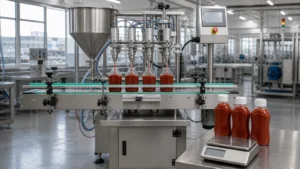
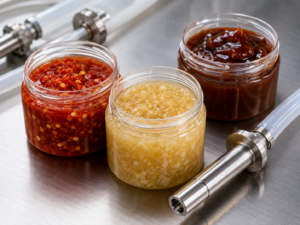
A sauce bottle filler is a machine specifically designed to dispense measured volumes of sauce into bottles, jars, or other containers with consistent accuracy. Unlike general-purpose liquid fillers, sauce-specific fillers are engineered to handle the real challenges of sauce production: high viscosity, suspended particles (chili flakes, seeds, pulp), temperature variation, and containers with narrow mouths.
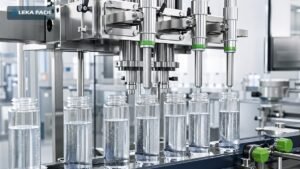
The most common filling principle used for sauces is the piston filler. A cylinder draws a fixed volume of sauce with each stroke, then pushes it through a nozzle into the container. This volumetric mechanism works well for thick, chunky, and semi-solid sauces that cannot flow freely through gravity alone. For thinner, more liquid-like sauces, gravity or overflow fillers may also be appropriate — but for most hot sauce, BBQ sauce, chili sauce, and condiment producers, a piston-based design is the practical default.
Sauce bottle filler vs. complete sauce filling line
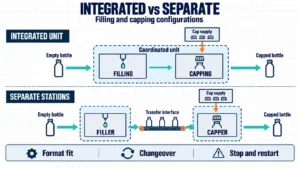
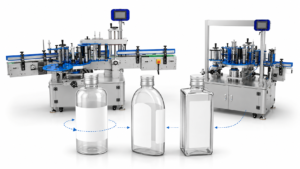
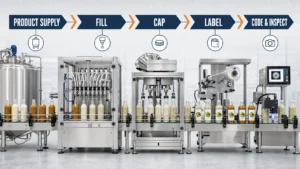
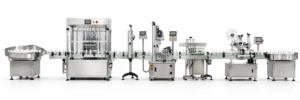
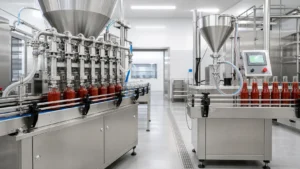
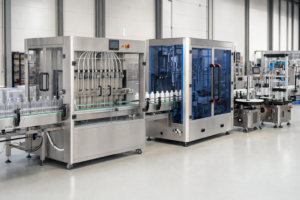
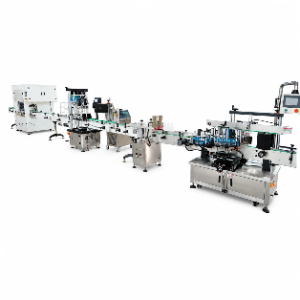
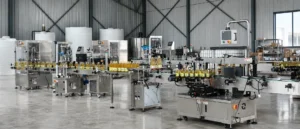
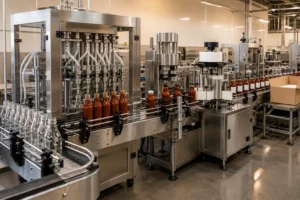
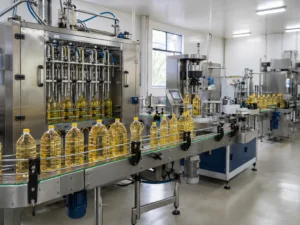
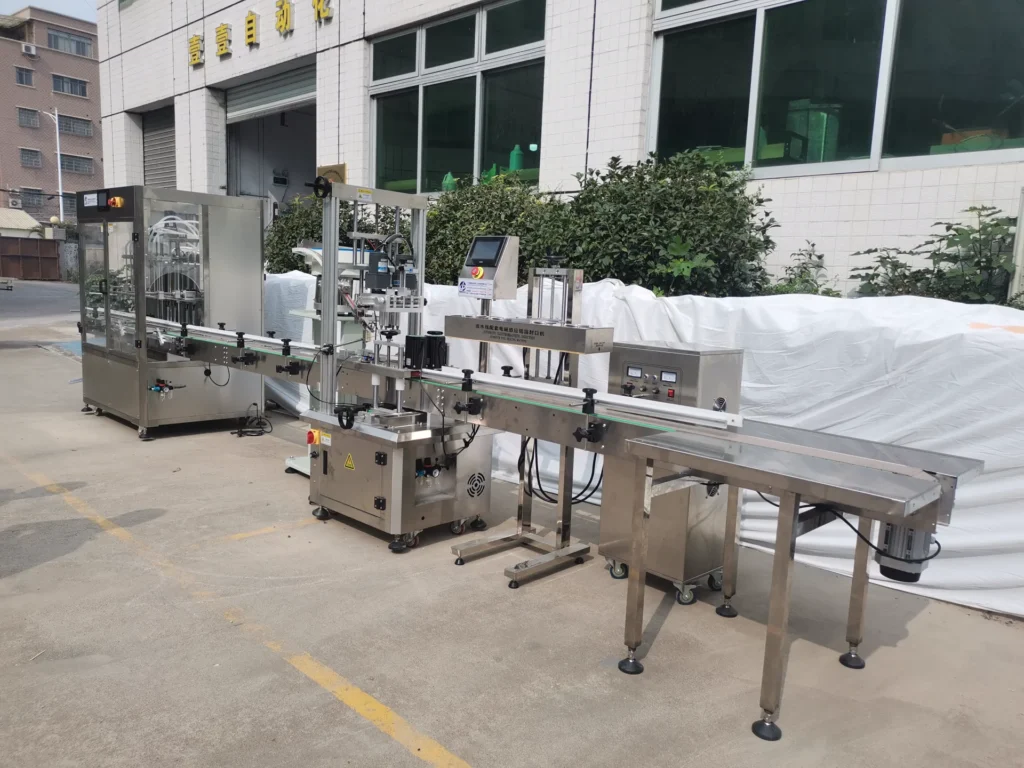
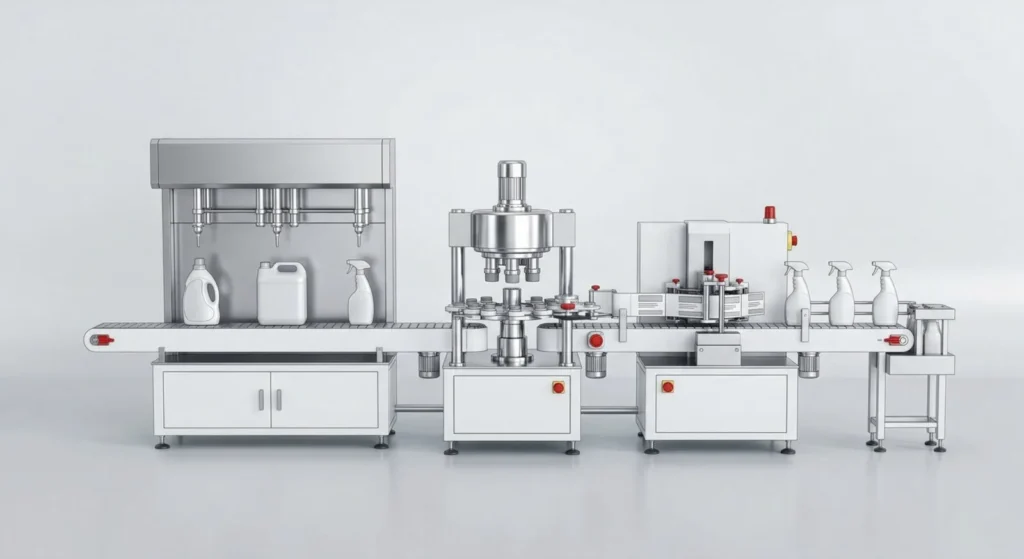
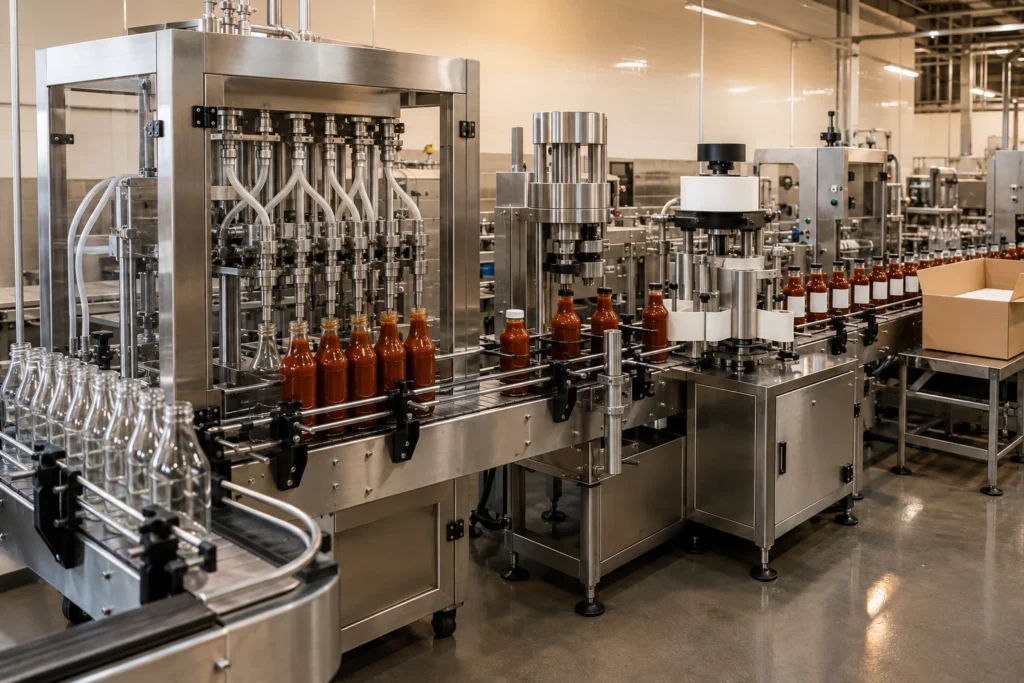
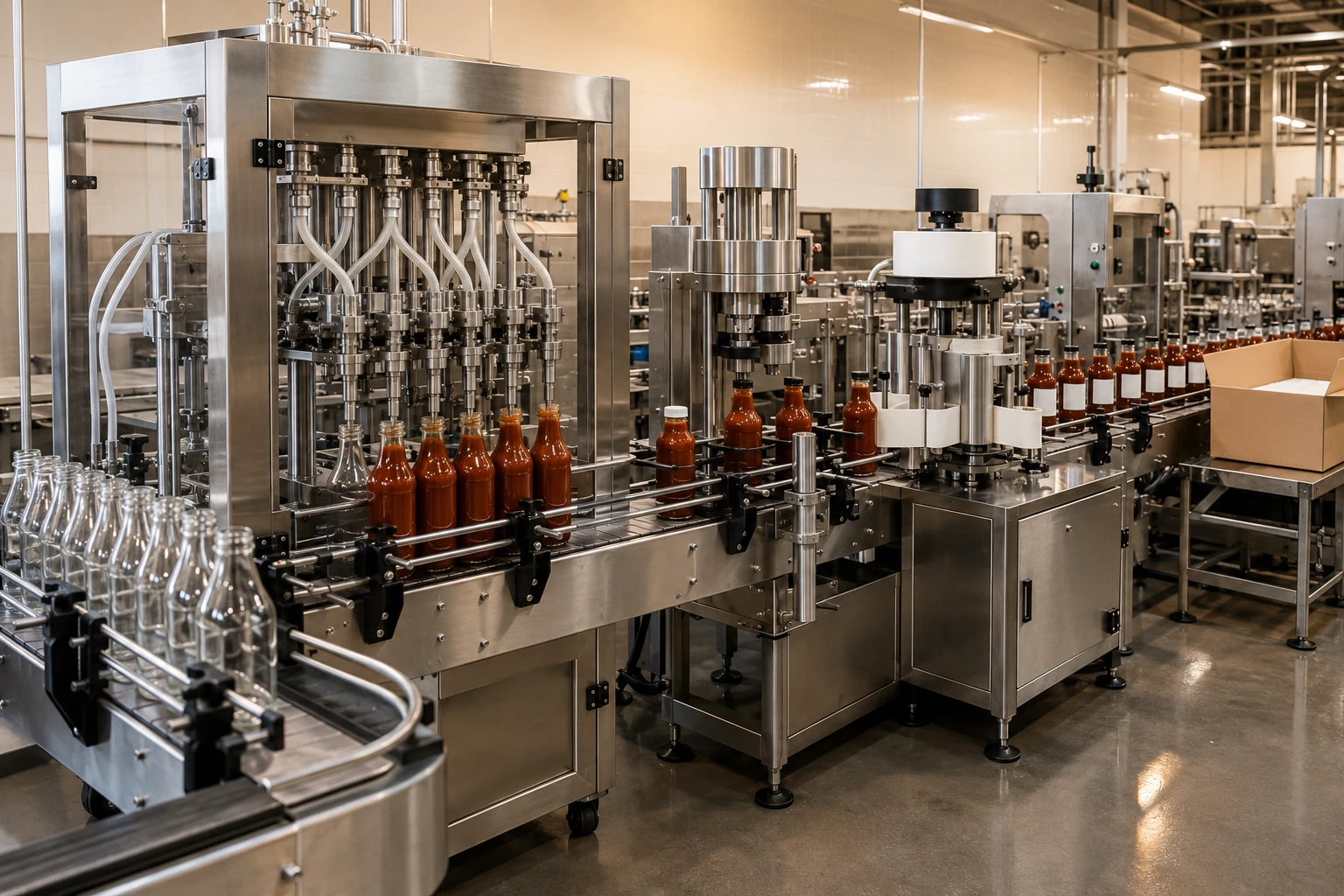
A sauce bottle filler is a single station in your production process — it fills the product into the container. A complete sauce filling line links multiple machines: filling, capping, labeling, coding, and conveyor transport. For small producers, starting with a standalone filler is completely normal. The goal is to choose a filler that can integrate into a broader line later, rather than one that forces a complete replacement when you scale. You can explore sauce filling equipment for bottles and jars to see how single-station fillers connect with complete line configurations.
Products it can handle
A well-configured sauce filler machine can handle a wide range of products, depending on its design features:
- Hot sauce (thin to medium viscosity, may contain chili flakes or seeds)
- BBQ sauce (medium to thick, often contains pulp or coarse particles)
- Ketchup and tomato-based sauces (medium viscosity, relatively smooth)
- Chili paste and sambal (high viscosity, coarse particles)
- Teriyaki, oyster sauce, and Asian condiments (varying viscosity)
- Salad dressings with particle inclusions (oil-water emulsions, herbs)
- Fruit-based sauces and chutneys (chunky, high sugar content)
Each product places different demands on the machine. The right configuration depends on sauce viscosity, particle size, filling temperature, and container type. More on this in the Sauce Behavior Check section below.
The Small Producer Filling Ladder
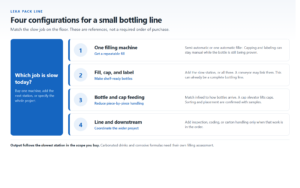
Most small sauce businesses do not jump from a hand funnel to a fully automatic line in one step. Growth happens in stages. Understanding where you are on the Small Producer Filling Ladder helps you buy the right equipment now — and plan the right equipment for later — without overinvesting at the wrong time.
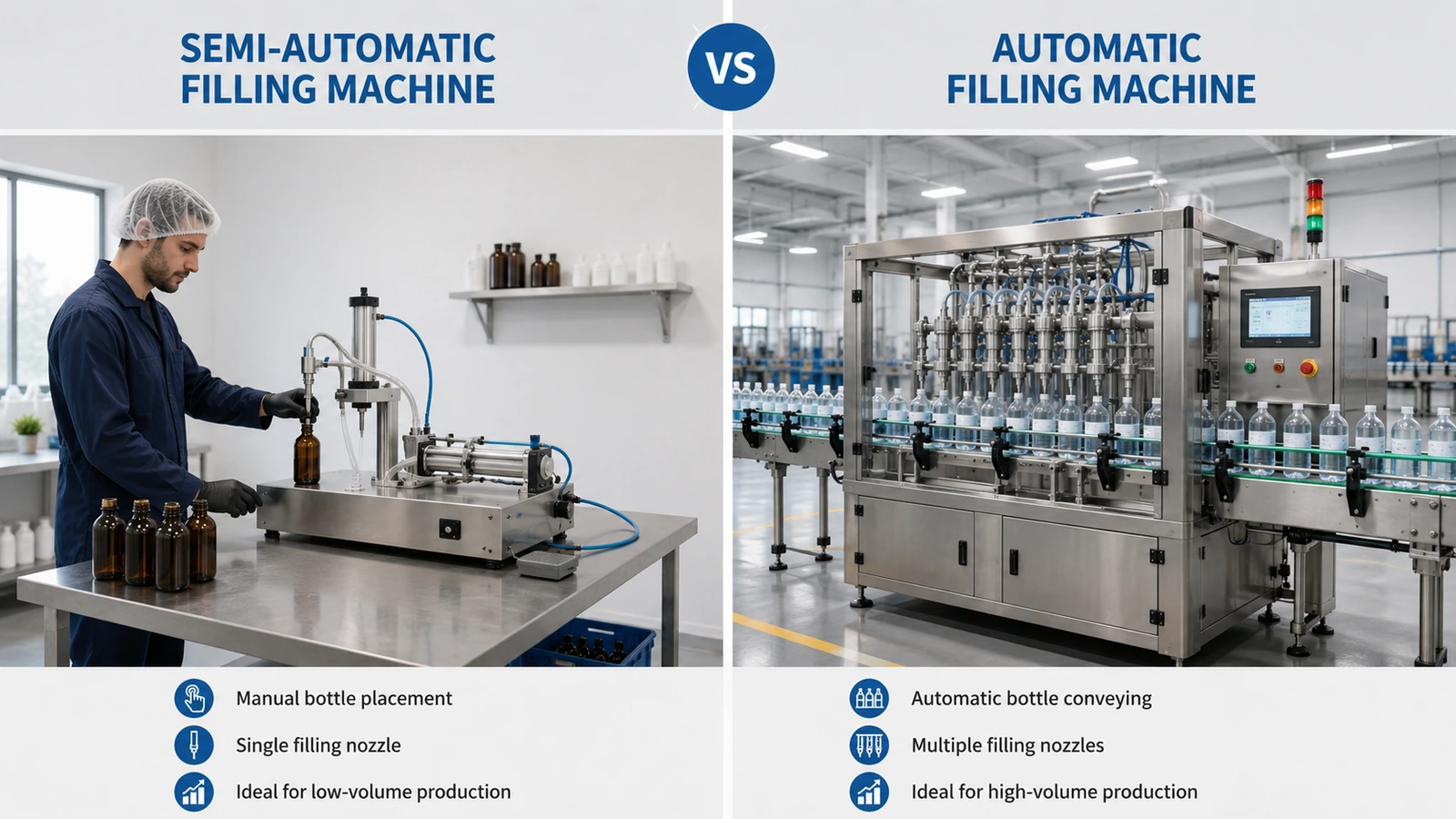
| Production Stage | Recommended Setup | Best For | Upgrade Limit |
|---|---|---|---|
| Stage 1 — Handcraft | Manual funnel, ladle, or squeeze pump | Test batches, farmers market quantities, recipe development | Volume consistency and speed become unmanageable beyond small batches |
| Stage 2 — Tabletop Manual Filler | Hand-operated piston or foot-pedal filler | Small batch producers needing basic volume control without full automation | Operator fatigue, limited speed; suitable until consistent retail orders begin |
| Stage 3 — Semi-Automatic Piston Filler | Semi automatic sauce filling machine, pneumatic or electric, 1–2 heads | Growing brands, small factories, multiple bottle sizes, structured production shifts | Speed ceiling reached when manual capping and labeling become the next bottleneck |
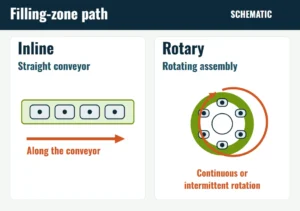
| Stage 4 — Automatic Sauce Filling Machine | Multi-head automatic sauce filling machine, inline or rotary | Regular retail supply, contract filling, higher daily volume targets | Standalone filler no longer sufficient; conveyor, capping, labeling integration needed |
| Stage 5 — Complete Sauce Bottling Line | Filling + capping + labeling + coding + conveyor, configured as a system | Multi-SKU factories, OEM/contract producers, high-volume brand manufacturers | Expand by adding heads, stations, or parallel lines |
Most small producers buying their first machine will land at Stage 2 or Stage 3. The key question is not which stage sounds most impressive — it is which stage matches your current order volume, your available labor, and your realistic production schedule in the next 12–18 months.
Why Manual Filling Becomes a Bottleneck
Manual sauce filling works well at very small volumes. But as order quantities increase, three compounding problems appear simultaneously, and they are hard to fix without changing the filling method.
Slow speed and inconsistent volume
When filling by hand, every bottle depends on the operator’s judgment and physical consistency. Fill volume varies between bottles, between operators, and across a long shift as fatigue sets in. This means some bottles are underfilled (net content complaints), some overfilled (product waste), and the entire batch takes longer to complete. For branded products sold by stated net weight or volume, inconsistent filling creates real compliance exposure.
Messy bottle necks and drip problems
Sauce drips on the bottle neck and exterior during manual filling, particularly with thick or chunky sauces that do not pour cleanly. Contaminated bottle necks interfere with cap seating, cause label adhesion failures, and create an unprofessional appearance on shelf. Cleaning each bottle by hand adds significant labor time. A sauce bottle filler with an anti-drip nozzle design addresses this at the point of fill — the nozzle cuts off cleanly at the end of each stroke rather than continuing to drip.
Clogging caused by particles and thick sauce
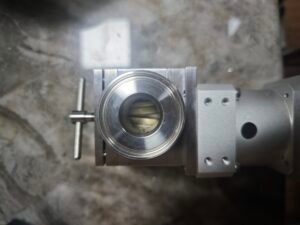
Hand funnels and manual pumps often clog when sauce contains chili flakes, seeds and pulp, herb pieces, or coarse vegetable matter. Even if flow continues, particle-rich sauces tend to separate during filling — leaving some bottles with higher particle concentration than others. A correctly specified piston filler with an appropriately sized rotary valve and nozzle can handle particle-containing sauces without blocking, provided the particle size and nozzle diameter are matched at the configuration stage.
Manual, Semi-Automatic, or Automatic — Which Setup Fits?
The choice between manual, semi-automatic, and automatic filling is not purely about budget. It is about matching your current production reality with the right level of automation — and knowing the point at which each setup stops being sufficient.
When manual filling is still enough
Manual filling remains practical when you are producing very small quantities for local markets, testing new sauce recipes before committing to a packaging format, or operating at a scale where the cost of even a small machine cannot be recovered within a reasonable timeframe. If your entire week’s production can be filled in a few hours by one person without quality complaints, manual may still be the right answer for now.
When a semi-automatic sauce filling machine fits
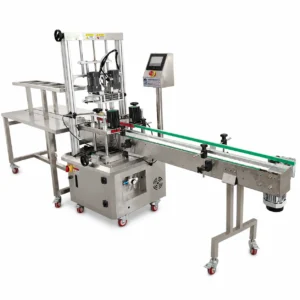
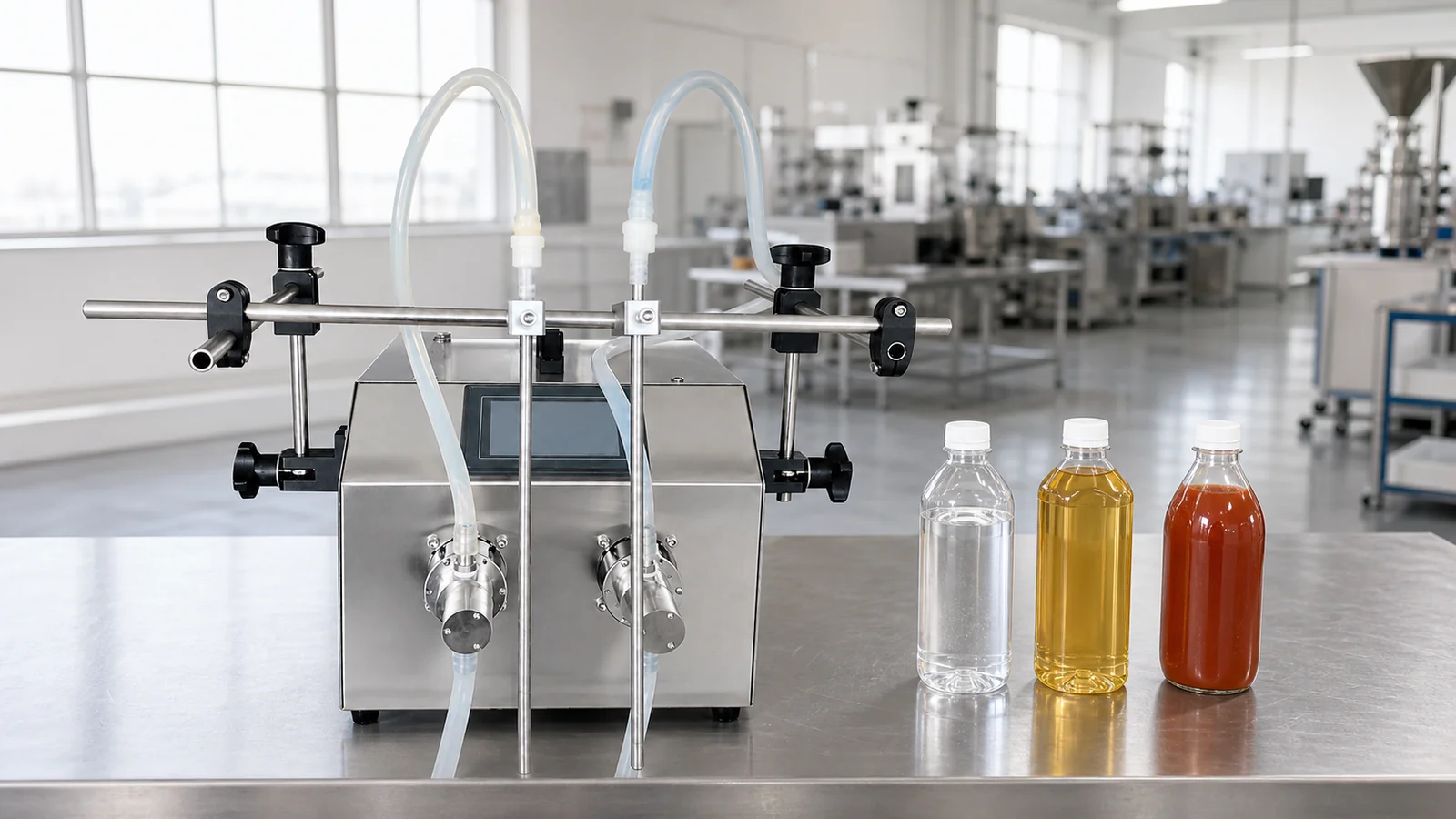
The semi automatic sauce filling machine is the most common first investment for growing sauce producers. It combines a powered filling mechanism with operator-controlled bottle placement and triggering. Each fill cycle delivers a consistent, preset volume. The operator positions the bottle, triggers the fill (by foot pedal or hand lever), and moves to the next bottle. Filling speed improves significantly over manual methods, and volume consistency becomes reliable across a full production run.
A semi-automatic setup is well-suited when you have structured production days, consistent bottle and cap formats, and a production target that can be realistically met with one or two operators. It also allows flexibility across different bottle sizes by adjusting the fill volume setting — important for producers running multiple SKUs. You can review compact filling machine setup options to see how semi-automatic configurations are typically structured.
When automatic filling makes sense
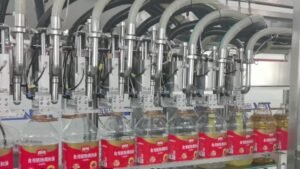
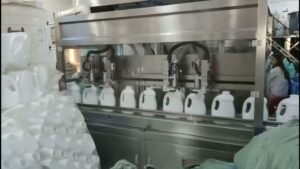
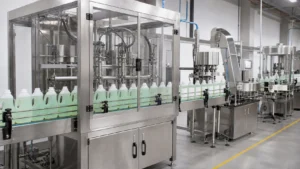
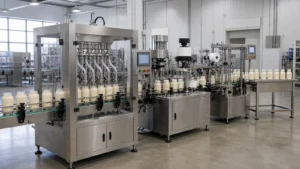
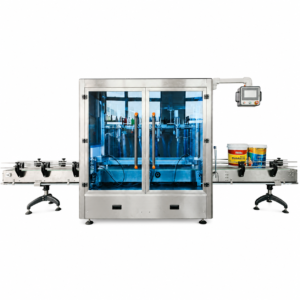
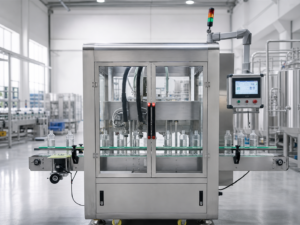
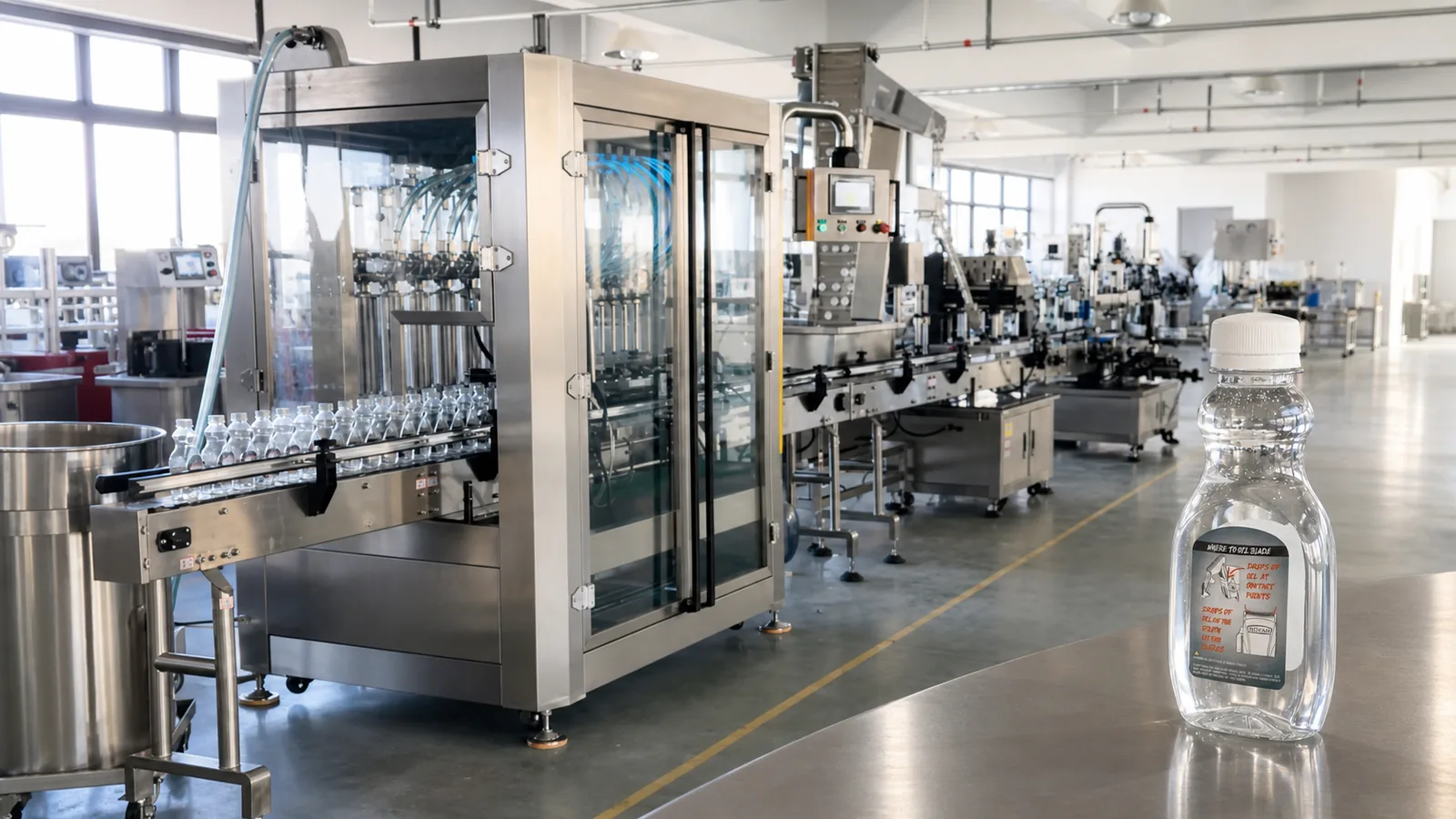
An automatic sauce filling machine takes over both the filling and the bottle transport functions — bottles are conveyed into position, filled, and conveyed out without manual bottle handling at the fill station. This becomes relevant when your production volume grows beyond what two operators can sustain on a semi-automatic machine, when you are filling the same bottle format at high frequency, or when labor cost reduction is a documented business need. Automatic filling is also a better fit when sauce consistency is highly controlled, since automatic systems generally require more stable product inputs than semi-automatic setups.
When to plan capping and labeling together
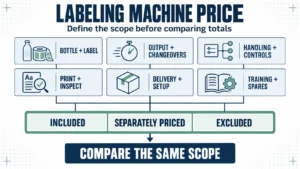
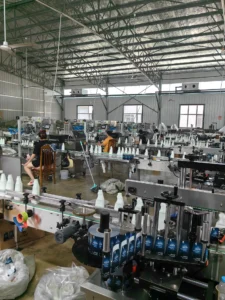
Filling speed only matters if your downstream process can keep up. Many small producers discover that after upgrading to a faster filler, capping and labeling become the new bottleneck. If you are moving to a semi-automatic filler and your capping method is still fully manual, plan for a capping machine at the same time or within the same budget cycle. Similarly, if you are applying pressure-sensitive labels by hand, a basic labeling machine will prevent the filler from sitting idle while the rest of the line catches up. For a broader view of how these stations fit together, the complete sauce packaging line planning guide covers the full picture.
Tell us your sauce type, bottle format, cap style, and weekly output target — we will suggest the right starting configuration. Send your details here.
The Sauce Behavior Check
Before specifying any sauce filling equipment, run your product through this five-point Sauce Behavior Check. The results directly determine which machine features are non-negotiable for your application.
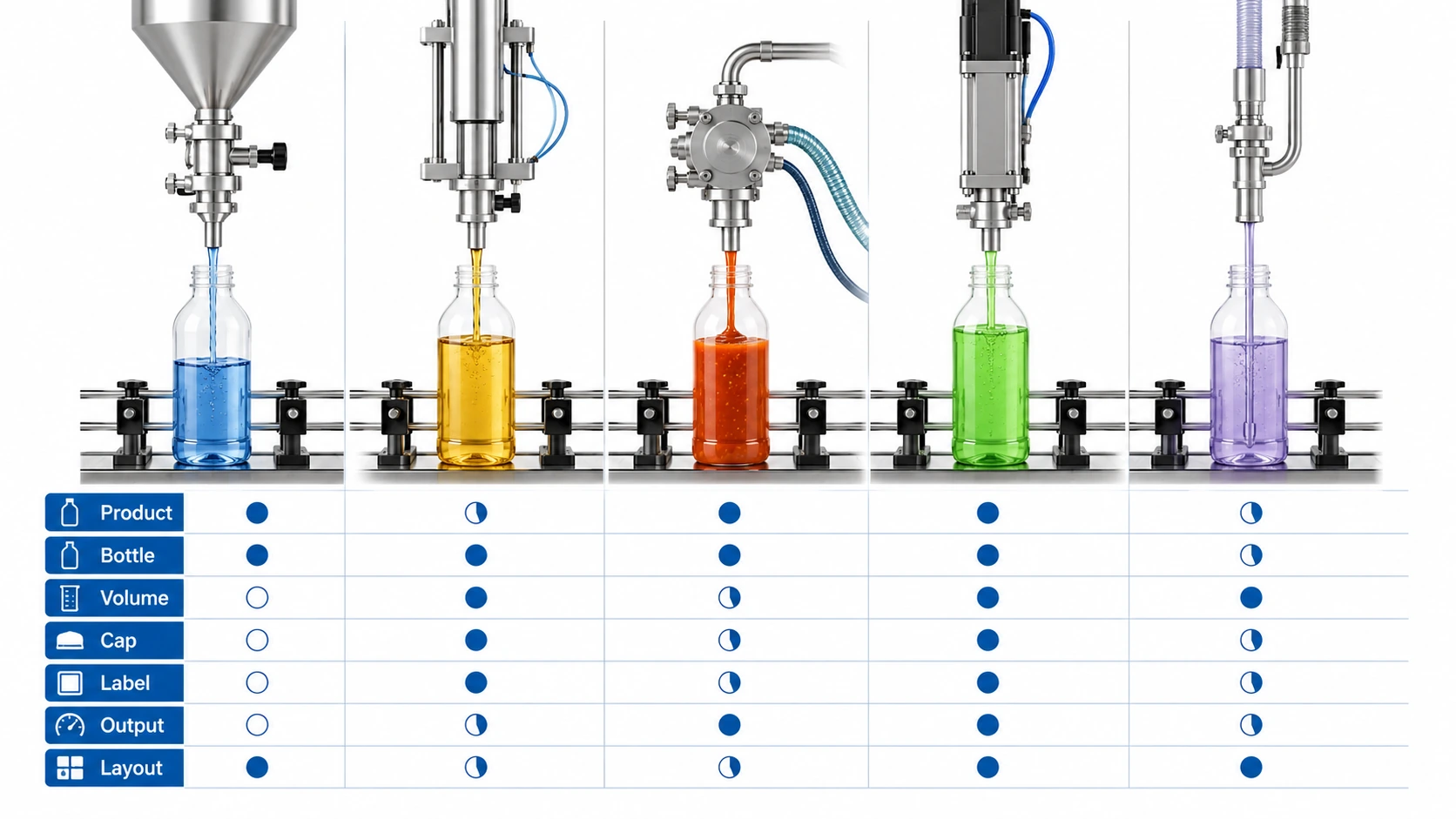
| Sauce Condition | Filling Risk | Recommended Machine Feature |
|---|---|---|
| High viscosity (thick paste, peanut butter consistency) | Poor flow into piston cylinder; slow cycle time; incomplete fill | Large-bore piston and rotary valve; mixing hopper or heating hopper to maintain flow |
| Particles present (chili flakes, seeds, pulp, herb pieces) | Nozzle blockage; uneven particle distribution per bottle; valve damage | Wide-passage rotary valve; nozzle diameter matched to max particle size; confirm particle size before quotation |
| Hot-fill required (sauce filled at elevated temperature for preservation) | Viscosity changes at temperature vs. room temperature; PET bottles may deform under heat | Heating hopper; insulated fill path; confirm bottle material compatibility — glass bottles generally preferred for hot-fill applications |
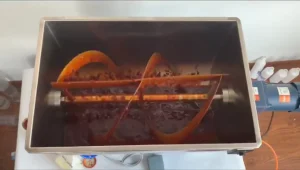
| Oil-containing or separating sauce (vinaigrettes, oil-based chili sauce) | Inconsistent fill if sauce separates in hopper; variable oil/solid ratio per bottle | Hopper with mixing hopper agitation; fill rate adjusted to maintain homogeneity during production |
| Small filling volume (under 60 ml, e.g., mini hot sauce bottles) | Volume precision critical; small cylinder stroke harder to control manually | Fine-adjustment piston mechanism; confirm minimum fill volume with supplier before order |
| Cleaning requirements are strict (allergen control, frequent product changes) | Residue buildup in nozzle, valve, or hopper between product runs | Tool-free or quick-disassembly design; all product-contact surfaces in food-grade stainless steel; confirm cleaning and sanitation procedure with supplier |
If your sauce triggers two or more rows in this table, you are not dealing with a standard liquid filling application. Each condition needs to be disclosed to your equipment supplier during the inquiry process — ideally with a sample. The sauce filling machine selection guide provides additional detail on matching sauce type and viscosity to the correct filling principle.
Bottle, Cap, and Label Checks Before Buying
The filler is only one part of your line. The bottle, cap, and label format have direct implications for which filling machine features you need — and for how the rest of your line must be configured.
Bottle mouth size and container type
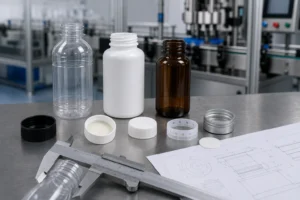
Narrow-mouth bottles (common with hot sauce) require a filling nozzle that can enter the bottle opening cleanly without spilling product on the exterior. This is particularly important for thick sauces that do not cut cleanly from the nozzle. Glass bottles are the dominant format for hot sauce and premium condiments — they tolerate hot-fill temperatures and present well on shelf. PET squeeze bottles are popular for consumer convenience but have thermal limitations and may deform under high-temperature filling. Wide-mouth jars are easier to fill but may require a different nozzle format. Confirm the exact bottle mouth size and container material with your supplier before machine specification.
Cap type and capping method
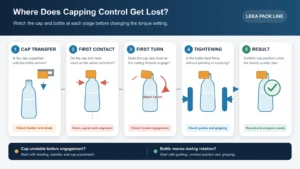
The cap format determines which capping machine is appropriate. Screw caps (continuous thread) are the most common for sauce bottles and can be applied by inline spindle cappers or handheld torque tools at lower volumes. Snap caps, induction-sealed caps, and pressure-applied caps each require different capping mechanisms. Mismatched capping equipment is a common and costly mistake — buying the right capper at the same time as the filler avoids this. The cap type also affects the bottle neck design, so confirm this chain before ordering any equipment.
Labeling and coding after filling
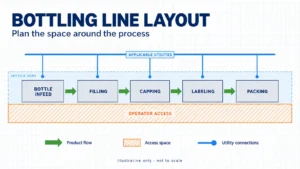
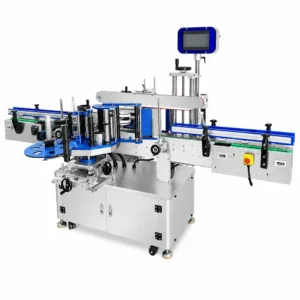
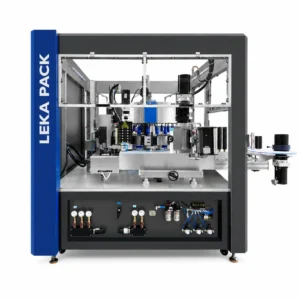
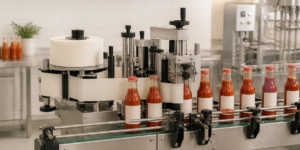
Labeling should be planned in sequence with filling and capping — not as an afterthought. Sauce bottles are typically labeled after filling and capping, once the bottle is clean and stable. If your bottle neck was contaminated during filling (a common issue with thick sauces and no anti-drip nozzle), label adhesion will be inconsistent. A labeling machine configured for your specific bottle diameter and label size, combined with a coding solution for lot numbers and best-before dates, completes the line. These stations do not need to be purchased simultaneously with the filler, but they should be planned for in your factory layout from the start.
Output Planning Without Overbuying Equipment
One of the most common mistakes small sauce producers make is specifying equipment based on their aspirational production volume rather than their current and near-term realistic volume. Overspecifying leads to underutilized equipment, difficult ROI justification, and cash tied up in machines that run at 20% of rated capacity.
How many bottles per hour do you actually need?
Start by calculating your current weekly or monthly production requirement in bottles. Divide by the number of production hours you actually operate per week. This gives you a realistic bottles per hour target. Then add a reasonable growth buffer — 30–50% above current need is a practical starting point for a small producer planning 12–18 months ahead. If that number is achievable with a semi-automatic machine operated by one person, you do not need an automatic line today. The goal is to buy the machine that fits your next stage — not the one that fits the stage after that.
Why filling speed is not the only bottleneck
A faster filler does not automatically mean faster finished goods output. If capping is done by hand, a high-speed filler simply means a faster queue in front of the capping station. Real throughput is determined by the slowest station in your line — not the fastest. Before upgrading filling speed, map your entire line from fill to packed case. Identify where finished bottles actually pile up and wait. In many small sauce operations, the true bottleneck is capping, label application, or manual packing — not the filling machine itself. Addressing the real constraint delivers more output improvement per dollar spent than upgrading a filler that is not actually the limiting factor.
Common Sauce Filling Problems and Practical Solutions
These are the most frequently reported issues in sauce bottling operations, along with the machine-level features that address them. Use this table as a diagnostic tool when evaluating equipment or troubleshooting an existing setup.
| Problem | Likely Cause | Machine Feature to Check |
|---|---|---|
| Sauce drips after filling | Nozzle does not cut off cleanly at end of stroke; sauce continues to flow by gravity | Anti-drip nozzle design; spring-return or vacuum suck-back feature on piston return |
| Nozzle or valve clogs | Particle size exceeds passage diameter in rotary valve or nozzle | Confirm max particle size vs. valve and nozzle diameter; specify wide-passage valve for chunky products |
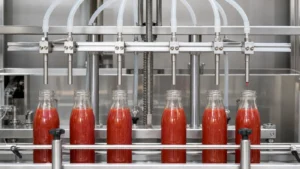
| Air bubbles in filled bottle | Fill nozzle positioned above liquid level; sauce foams during fill | Bottom-up filling nozzle (nozzle enters bottle and retracts as bottle fills); slower fill rate for foaming products |
| Dirty or contaminated bottle neck | Drip after fill; nozzle too large for bottle mouth; sauce backflow on retraction | Anti-drip nozzle; nozzle diameter matched to bottle mouth; check retraction speed setting |
| Sauce separation in hopper | Oil-water emulsion or dense-particle sauce settles during production run | Mixing hopper with agitator; heating hopper for temperature-sensitive sauces; confirm hopper type with supplier |
| Inconsistent fill volume | Air in piston cylinder; worn seals; sauce viscosity variation due to temperature change | Regular seal inspection; consistent sauce temperature in hopper; calibrate fill volume setting before each production run |
| Difficult and time-consuming cleaning | Complex internal geometry; sauce residue hardens in nozzle or valve after use | Tool-free disassembly design; stainless steel contact parts; CIP (clean-in-place) compatibility for higher-volume setups |
When a Small Sauce Filling Machine Is Enough
Not every sauce producer needs an automatic line — and buying more machine than your current business requires is not a sign of ambition, it is a cash management problem. A small sauce filling machine at the semi-automatic level is the right answer when:
- You are a startup sauce brand building your initial retail presence or testing a new market
- You sell primarily at farmers markets, local specialty retailers, or through direct-to-consumer channels with manageable weekly order volumes
- Your production involves multiple small-batch hot sauce or condiment recipes that require frequent hopper cleaning and changeover between products
- Your bottle formats change regularly, and flexibility is more valuable than speed
- You have limited floor space and need a compact footprint
- Your budget is constrained and ROI on a larger machine cannot be demonstrated at current volumes
In all of these situations, a semi-automatic piston filler delivers a meaningful improvement over manual methods — consistent volume, faster cycle time, reduced waste — without locking you into a machine configuration that requires a full production line to operate efficiently.
When to Upgrade to a Complete Sauce Bottling Line
The decision to move from a standalone filler to a complete sauce bottling line is driven by operational reality, not aspiration. The right time to plan a full line integration is when:
- You have secured regular retail orders or foodservice supply contracts that require reliable, scheduled volume commitments
- You are producing multiple bottle sizes under the same brand and need integrated changeover capability across filling, capping, and labeling
- Your bottles-per-hour target has grown beyond what a semi-automatic filler with manual downstream processing can realistically deliver
- Labor cost has become a significant line item, and reducing manual handling at capping, labeling, and packing stages has a quantifiable return
- You are supplying OEM or private label products to third parties who require documented production consistency
- Your factory layout allows for a properly configured conveyor-linked line without compromising workflow
At this stage, the bottled sauce production line setup page and the complete sauce filling machine solutions overview are the right starting points for a line-level conversation with a supplier.
What to Prepare Before Requesting a Quote
A useful equipment quotation depends on accurate inputs. Suppliers who quote without this information are guessing — and so are you when you accept a quote without confirming it. Use this checklist to prepare for your first inquiry. The more accurately you can answer these questions, the more specific and reliable the equipment recommendation will be.
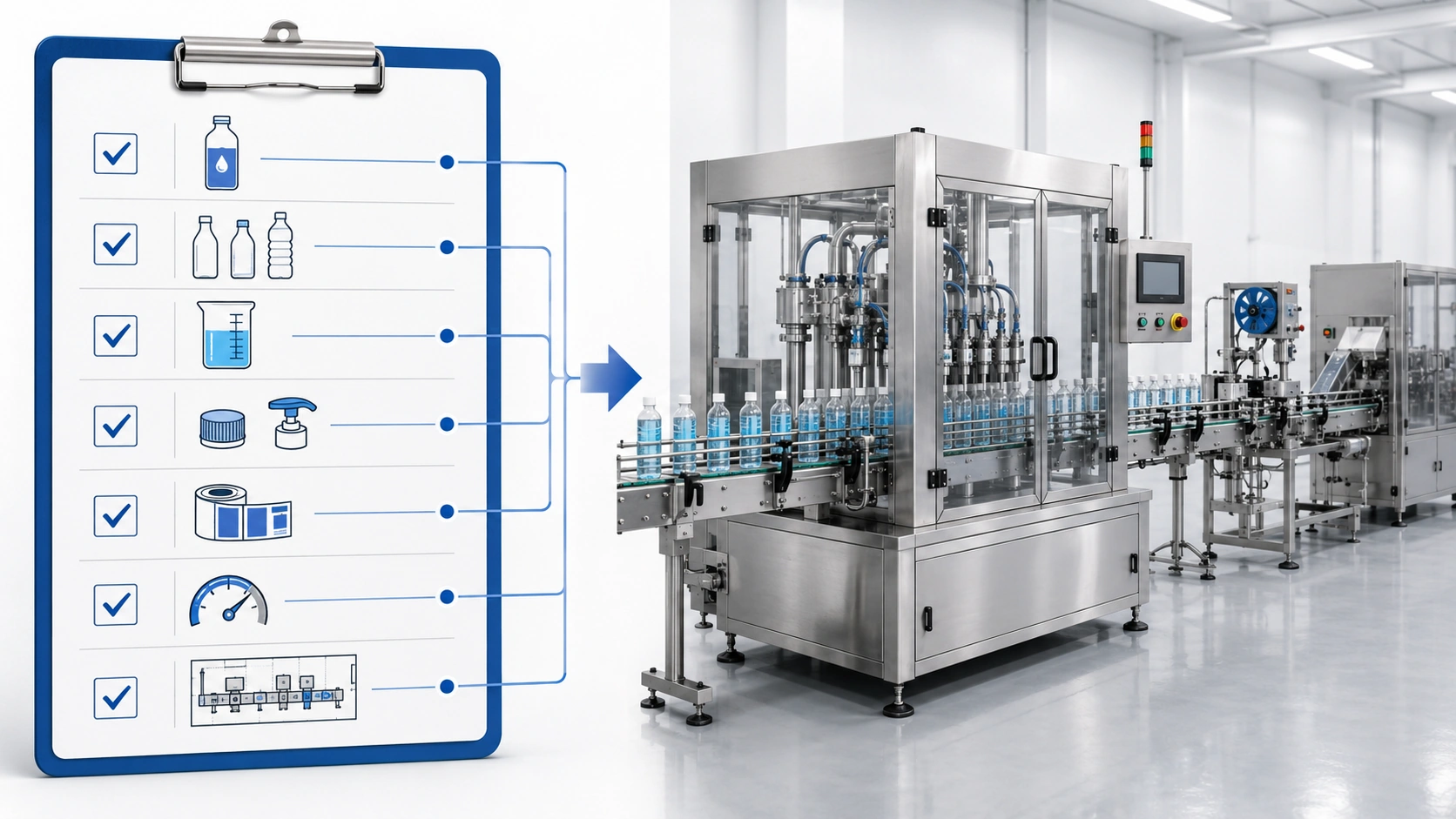
Pre-Inquiry Checklist
- ☐ Sauce type — hot sauce, BBQ sauce, ketchup, chili paste, dressing, other
- ☐ Sauce viscosity — thin/pourable, medium, thick/paste-like (a photo or sample is ideal)
- ☐ Particles — does your sauce contain chili flakes, seeds, pulp, herbs, or other solid inclusions? If yes, approximate maximum particle size
- ☐ Filling temperature — are you filling hot (above 60°C / 140°F) or at room temperature?
- ☐ Bottle photos and dimensions — bottle height, diameter, mouth opening diameter, and material (glass / PET / HDPE)
- ☐ Filling volume range — minimum and maximum fill volume in ml or oz across your product range
- ☐ Bottle mouth size — inner diameter of the bottle opening in mm
- ☐ Cap type — screw cap, snap cap, induction seal, flip-top, or other; include thread finish if known
- ☐ Target bottles per hour — based on your actual production schedule, not theoretical maximum
- ☐ Current filling method — fully manual, tabletop manual filler, semi-automatic, or existing automatic
- ☐ Expected upgrade stage — filler only, filler + capper, or full line including labeling and coding
- ☐ Facility voltage and power supply — single-phase or three-phase; 110V, 220V, 380V, or other local standard
- ☐ Factory floor space available — approximate dimensions for the filling area
- ☐ Budget range — approximate budget helps narrow recommendations to realistic options; no commitment required at inquiry stage
Send your sauce type, bottle photo, cap style, and target output — we will review your details and recommend a suitable filling setup based on your actual product and production conditions. No generic catalogue quotes.
Recommended LEKA Setup Paths
The following are example configuration starting points based on common producer profiles. Exact specifications — including number of filling heads, nozzle type, hopper configuration, and downstream equipment — should be confirmed based on your specific sauce, bottle, and output data.
Small batch sauce producer
Typically suited to a semi-automatic piston filler with a single filling head, foot-pedal operation, and a basic stainless steel hopper. This setup handles most sauces from thin hot sauce to medium-thickness BBQ sauce, and can be adjusted for multiple bottle sizes within a session. Capping is typically manual or with a handheld torque tool at this stage. The priority is volume consistency and speed improvement over manual methods, with a machine footprint that fits a small production kitchen or workshop.
Growing bottled sauce brand
A producer moving from farmers markets into retail channels typically needs a more structured setup — semi-automatic filler with a mixing or heating hopper option for temperature-sensitive products, combined with a basic inline capper. At this stage, labeling can be semi-automatic to avoid it becoming the daily bottleneck. The equipment should be selected with a clear upgrade path in mind: the filler station should be compatible with future integration into a conveyor-linked line without full replacement.
Factory producing multiple sauce SKUs
Multi-SKU production introduces changeover time as a critical factor. Equipment with quick-release nozzles, easy-clean hoppers, and accessible fill volume adjustment reduces downtime between product runs. For producers running three or more sauce types in a single shift, tool-free disassembly and clearly labeled adjustment points are more valuable than marginal speed gains. For a structured approach to this challenge, the sauce filling line application page covers sauce filling line configurations for multi-product factories.
Complete sauce bottling line project
For producers planning a full line — filling, capping, labeling, coding, and conveyors — the configuration process starts with the product and ends with a factory layout plan. LEKA configures complete lines based on sauce type, bottle format, output target, factory dimensions, local voltage, and automation level. This is not a catalogue selection process; it is an engineering discussion. The starting point is a detailed inquiry with the full checklist above completed.
Frequently Asked Questions
What is the best filler for thick sauce?
For thick sauces — including dense BBQ sauce, chili paste, sambal, and similar high-viscosity products — a piston filler is the standard recommendation. The piston mechanism forces product through the valve and nozzle without relying on gravity or product flow, making it effective for products that will not pour freely. For extremely thick pastes, a heating or mixing hopper may also be required to maintain consistent flow into the piston cylinder during production.
Can one sauce bottle filler handle both hot sauce and ketchup?
In principle, yes — a piston filler can be adjusted for different sauce viscosities within a compatible range. In practice, switching between very different products requires hopper cleaning, nozzle inspection, and fill volume recalibration. For small producers running multiple products on the same machine, confirm the full product range with your supplier at the inquiry stage so the machine is specified to cover all products, not just the primary one.
Is a semi-automatic filler enough for a small sauce business?
For most small sauce producers, yes. A semi automatic sauce filling machine significantly improves volume consistency, reduces per-bottle filling time, and handles a wider range of sauce types than manual methods. It becomes insufficient when your production schedule requires more throughput than one or two operators can sustain on a foot-pedal trigger system, or when your downstream capping and labeling operations demand matching speed. Use the Filling Ladder table above to identify where your current production actually sits.
What causes sauce filler nozzles to clog?
The most common cause is a mismatch between particle size in the sauce and the diameter of the rotary valve or filling nozzle. Chili flakes, seeds, fruit pieces, and fibrous pulp can block a nozzle that was sized for a smoother product. The solution is to specify the correct valve and nozzle diameter at the time of machine order, based on the actual maximum particle size in your sauce. Running sauce samples before final machine specification is the most reliable way to confirm this.
Can sauce with seeds or particles be filled by machine?
Yes — but the machine must be specifically configured for it. A standard piston filler with a small rotary valve will block on chunky products. A filler specified for particle-containing sauces uses an enlarged valve passage and appropriately sized nozzle to allow particles to pass through cleanly. Provide your supplier with actual sauce samples or a detailed description of particle type, maximum size, and approximate particle density during the inquiry process.
Do I need capping and labeling equipment at the same time as the filler?
You do not need to purchase all equipment simultaneously, but you should plan for all three stations in your initial layout and budget discussion. Buying a faster filler without planning for capping and labeling often shifts the bottleneck rather than removing it. For small producers at Stage 2 or Stage 3 of the Filling Ladder, adding a semi-automatic capper alongside the filler is a common and practical first pairing. Labeling can follow in the next budget cycle, but the floor space should be reserved.
When should I upgrade from manual filling to an automatic sauce filling line?
The trigger is usually a combination of volume, labor cost, and order reliability — not a single number. When your production consistently requires more hours per week than manual methods can reasonably deliver, when fill inconsistency is generating rework or customer complaints, or when a retail or foodservice buyer requires production documentation that manual processes cannot support, it is time to move. Most producers find that Stage 3 (semi-automatic) is the right initial investment, and the move to a full automatic line typically follows when the semi-automatic station has become a demonstrable constraint over several consistent months of production.
Choosing the Right Setup for Your Sauce Business
The most important thing to understand is this: the right sauce bottle filler is not the cheapest one available, nor the most technically impressive one in a catalogue. It is the one that fits your sauce behavior, your bottle format, your realistic output target, your current labor setup, and your upgrade path over the next 12–24 months.
Small producers who buy under-specified equipment — because it was the lowest cost option — typically replace it within 18 months as the machine cannot handle their actual product or volume. Producers who overbuy — because the largest machine seemed the safest choice — often find themselves with equipment that runs at a fraction of capacity, generating poor returns and operational complexity without corresponding output. The goal is to match the machine to your current and near-term production reality, with a clear plan for what comes next.
If you are ready to move past manual filling and want to discuss which configuration makes sense for your specific sauce, bottle, and output target, send your sauce and bottle details and we will recommend a suitable starting setup. No commitment required at the inquiry stage — just bring the checklist above, and we can begin from there.