Bottle Filling Machine for Sale: A 15-Point RFQ and FAT Checklist
Two fillers may have the same rated speed, yet perform very differently in real production. One machine might handle water smoothly but generate foam during detergent filling. Another may complete the filling step correctly, but still rely on operators for bottle loading, capping, or transfer.
When comparing a bottle filling machine for sale, it is important to ensure every supplier is working from the same set of conditions—product type, packaging details, required output, and testing standards.
This guide is written for purchasing, production, and engineering teams who need a practical way to evaluate different proposals. It explains how to choose the right type of machine, what information to include in your RFQ, and what kind of validation to request before shipment. If you prefer to first review equipment options, you can refer to LEKA’s bottle filling machine configurations.
Which Bottle Filling Machine Fits Your Project?
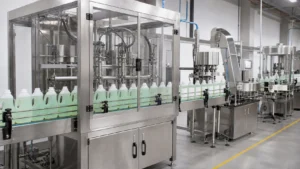
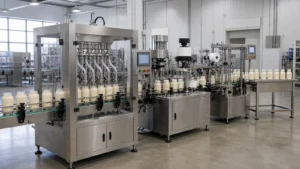
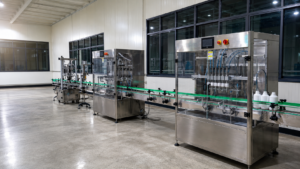
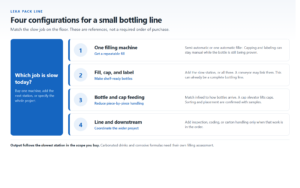
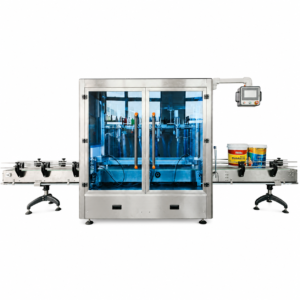
A good starting point is to define how much manual work you want the machine to replace. At LEKA, projects are typically grouped into four practical categories:
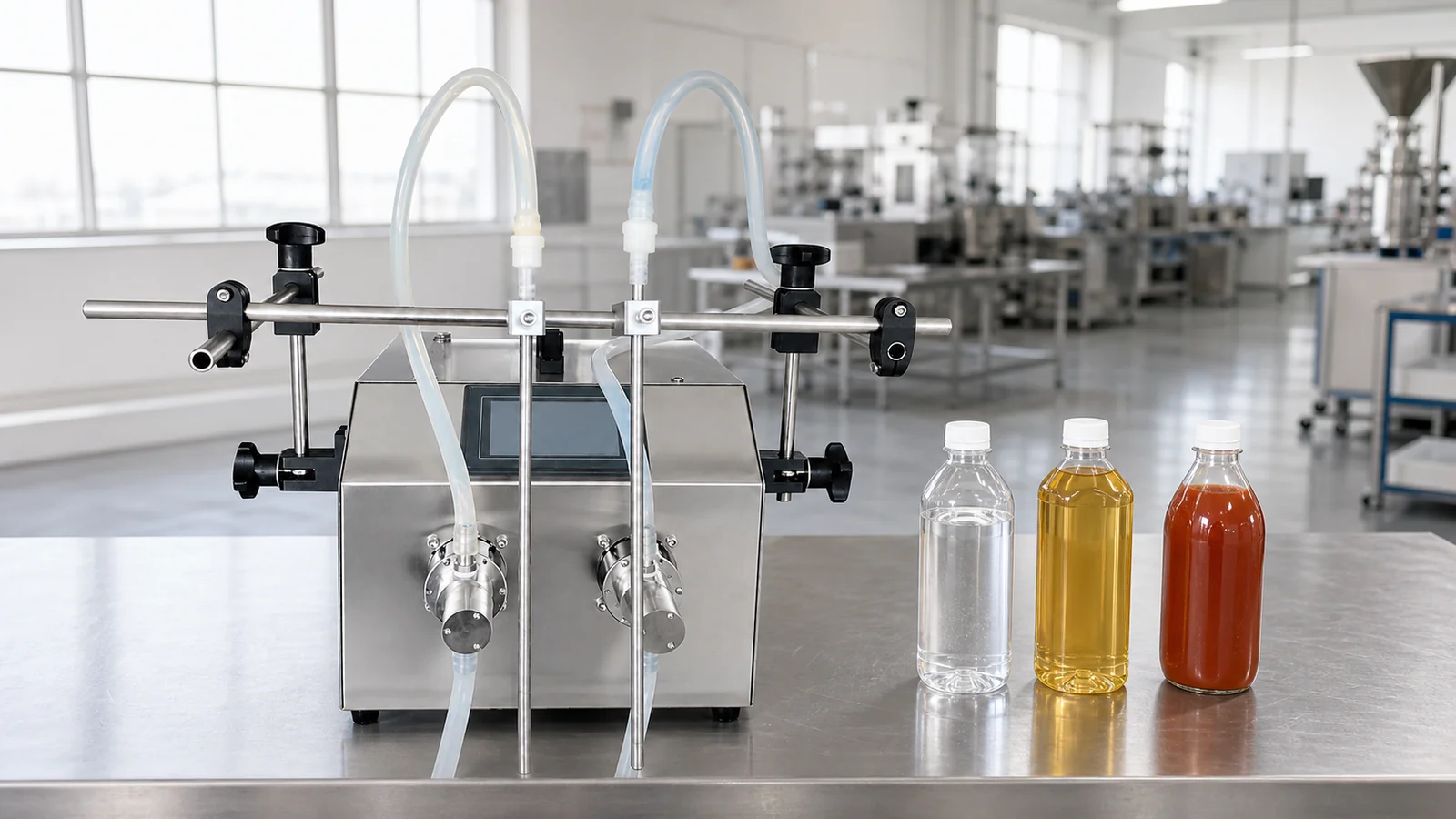
- Semi-automatic bottle filling machine: suitable for testing, small batches, or frequent product changes. Operators usually handle bottle placement and removal. See semi-automatic filling options.
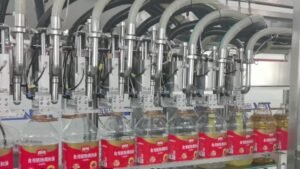
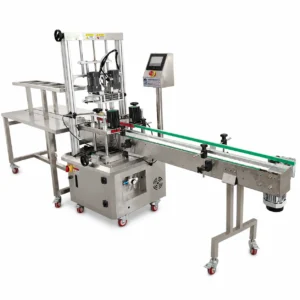
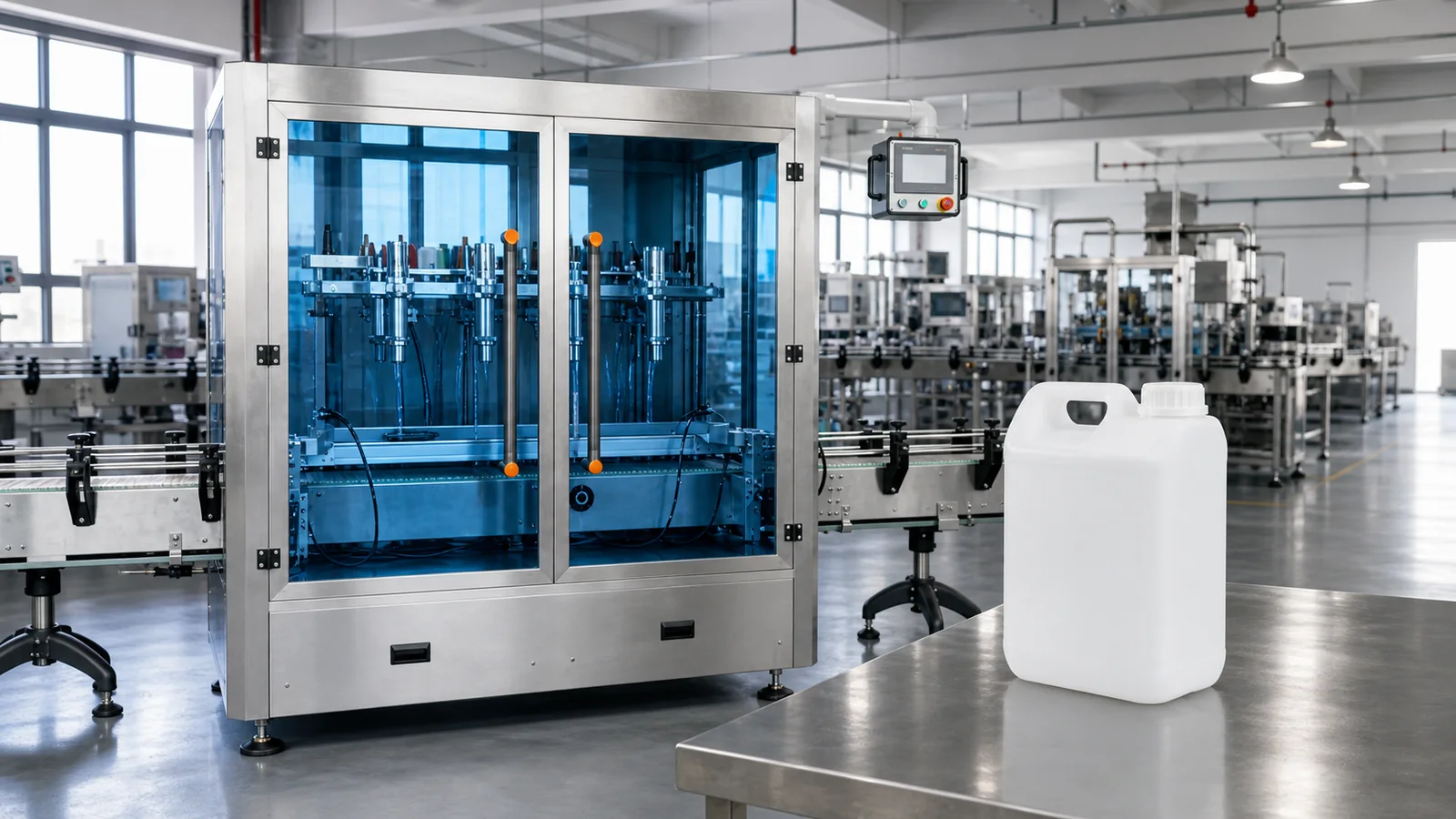
- Automatic bottle filling machine: designed for stable, repetitive production where bottles move and fill continuously with minimal manual intervention.
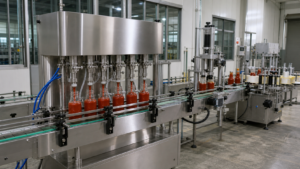
- Multi-head servo filler: a flexible inline solution with multiple filling heads, recipe control, and the ability to integrate with capping or labeling systems. Learn more about the multi-head servo filler.
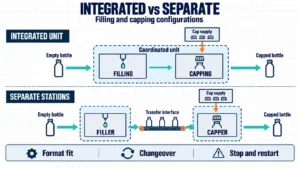
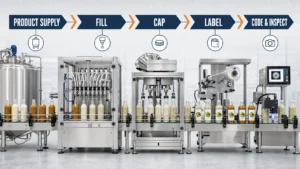
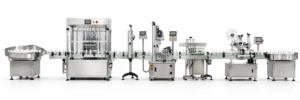
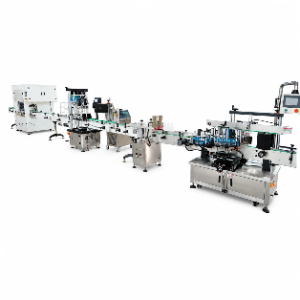
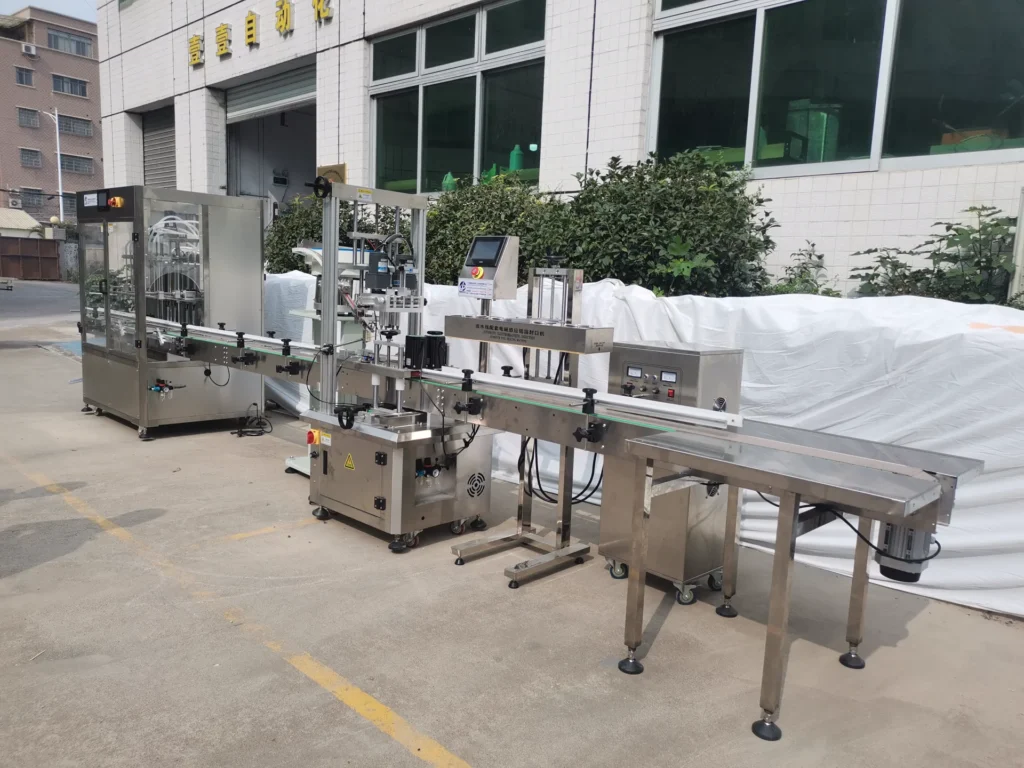
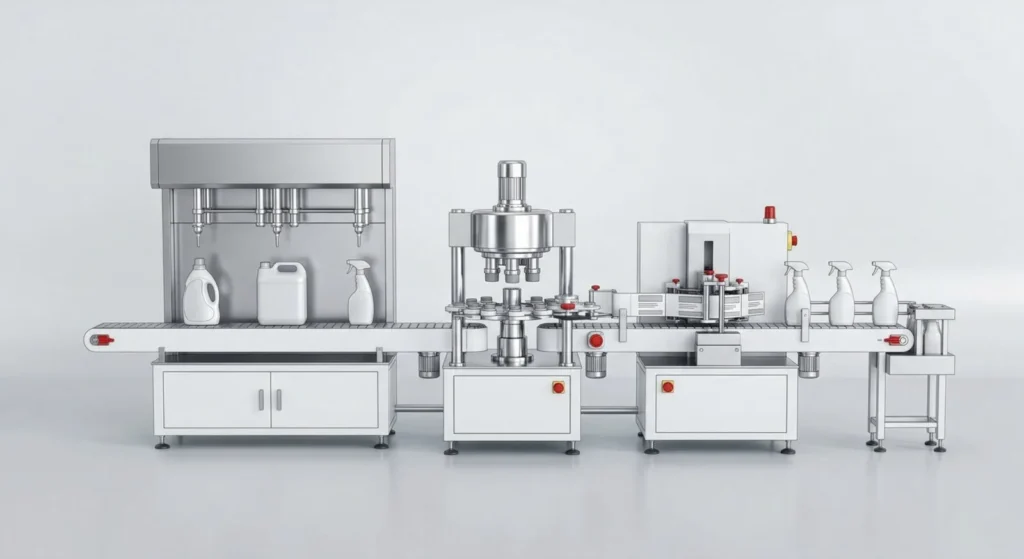
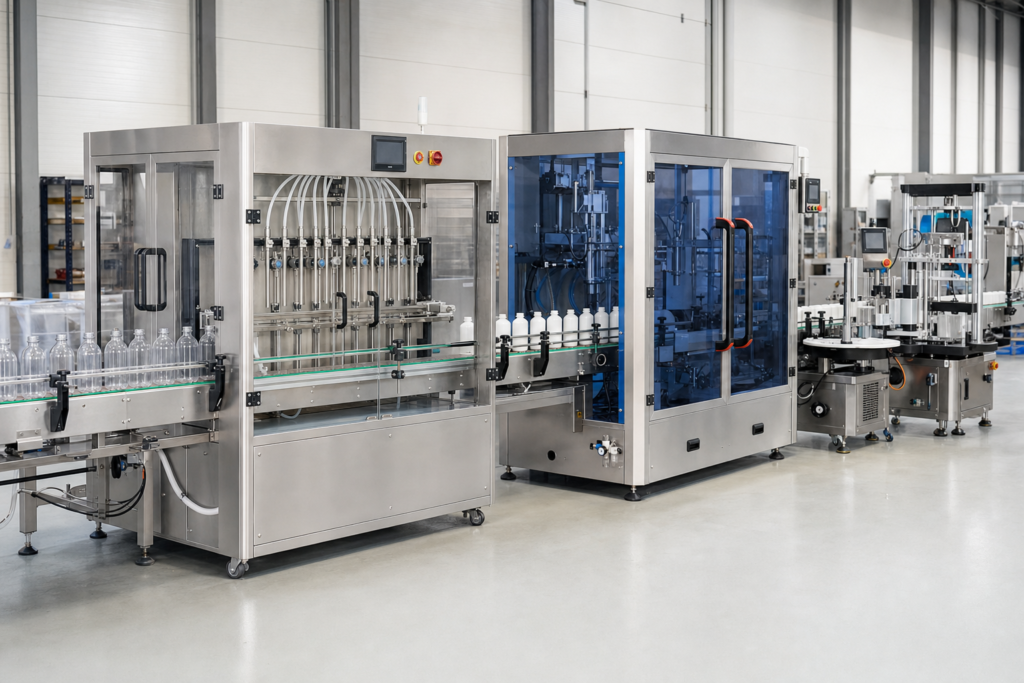
- Complete filling line: integrates infeed, filling, capping, labeling, coding, inspection, and packing into one coordinated system. Explore complete filling line solutions.
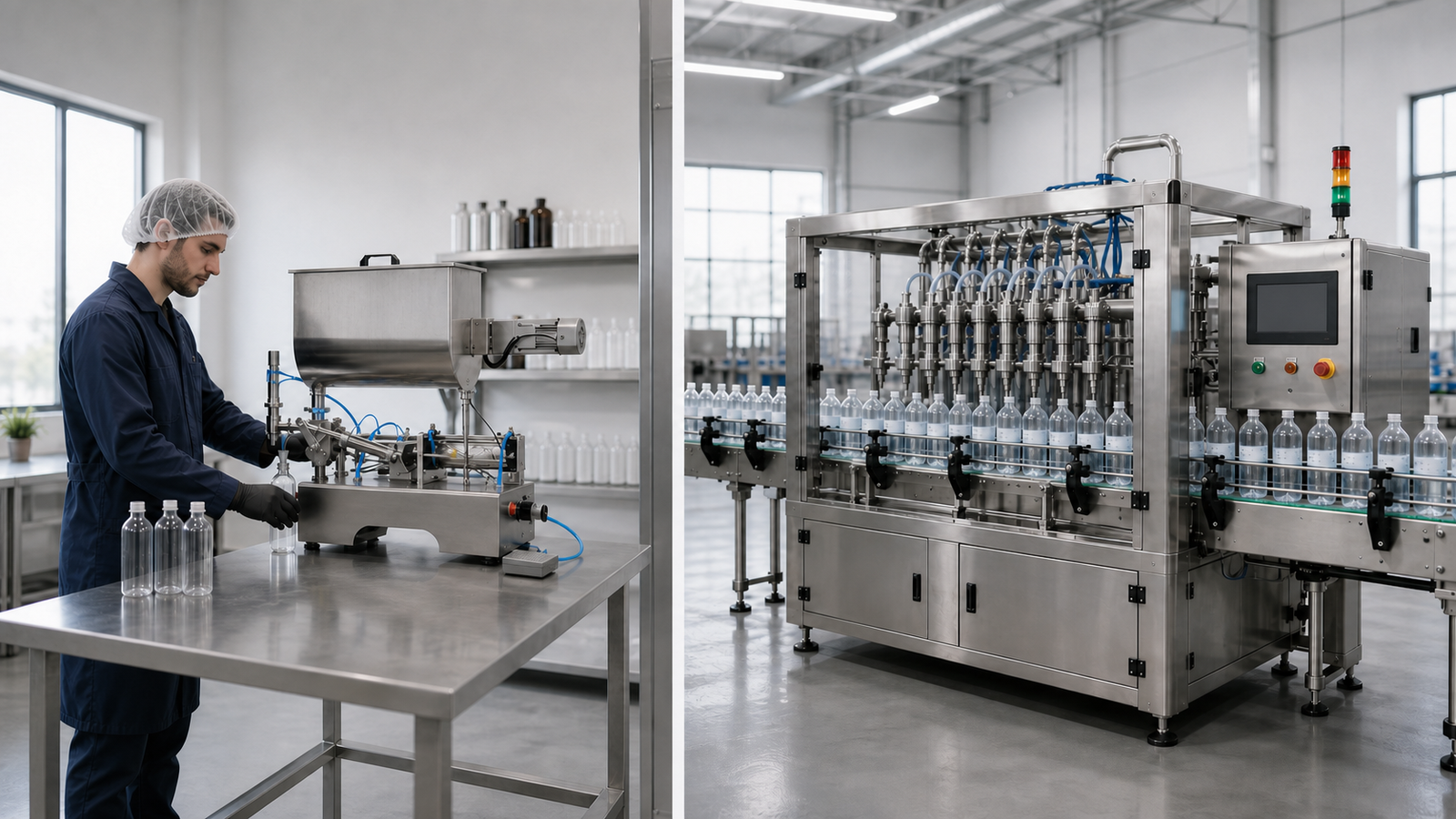
More automation does not always mean better results. If your production involves frequent product or bottle changes, fast cleaning and quick changeover may be more valuable than a higher nominal speed.
If you want an initial recommendation, you can send LEKA your product details, bottle type, cap, and target output for a preliminary review before preparing a full RFQ.
1. Define the Project Scope Before Comparing Prices
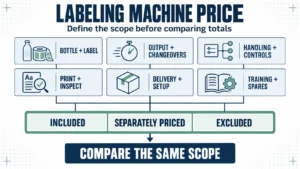
The term “filling machine” can refer to anything from a standalone unit to a fully integrated packaging line. If suppliers are quoting different scopes, their prices cannot be compared directly.
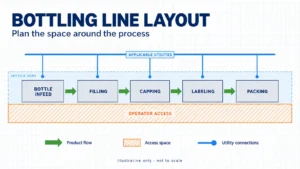
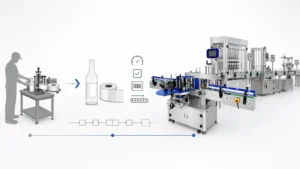
Before requesting quotations, map out your process—from empty bottle infeed to finished product output. Mark which steps are already in place, which are manual, and which are expected in the new project. This simple exercise often reveals hidden labor and potential bottlenecks.
You can also refer to LEKA’s bottle packaging line solutions to see how filling integrates with upstream and downstream equipment.
2. Describe the Product as It Actually Runs
A product name alone is not enough to determine the right filling method. For example, a free-flowing cleaner and a thick sauce may use the same bottle, but require completely different filling systems.
Focus on how the product behaves during production:
- Viscosity at the actual filling temperature.
- Tendency to foam or trap air.
- Dripping, stringing, or splashing behavior.
- Presence of particles, fibers, or settling.
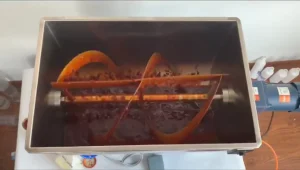
For products with solids, include maximum particle size, approximate percentage, and fiber length. The smallest passage through pumps, valves, and nozzles is often the limiting factor.
The supply system also matters. Describe the feed tank, liquid level range, inlet pressure, transfer pump, recirculation, and what happens near the end of a batch. A system tested under ideal conditions may behave differently on your actual production floor.
Different applications often have different priorities:
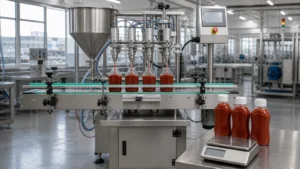
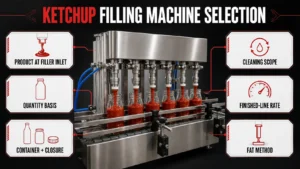
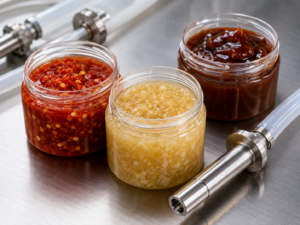
- Sauce filling: viscosity, particles, clean cut-off, and cleanability.
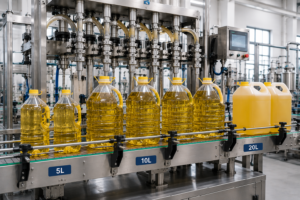
- Edible oil: accurate dosing and clean shut-off across temperature changes.
- Chemical liquids: material compatibility and safety requirements.
- Cosmetics: hygiene, appearance, and packaging presentation.
3. Evaluate Bottle, Cap, and Label Together
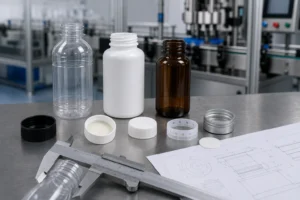
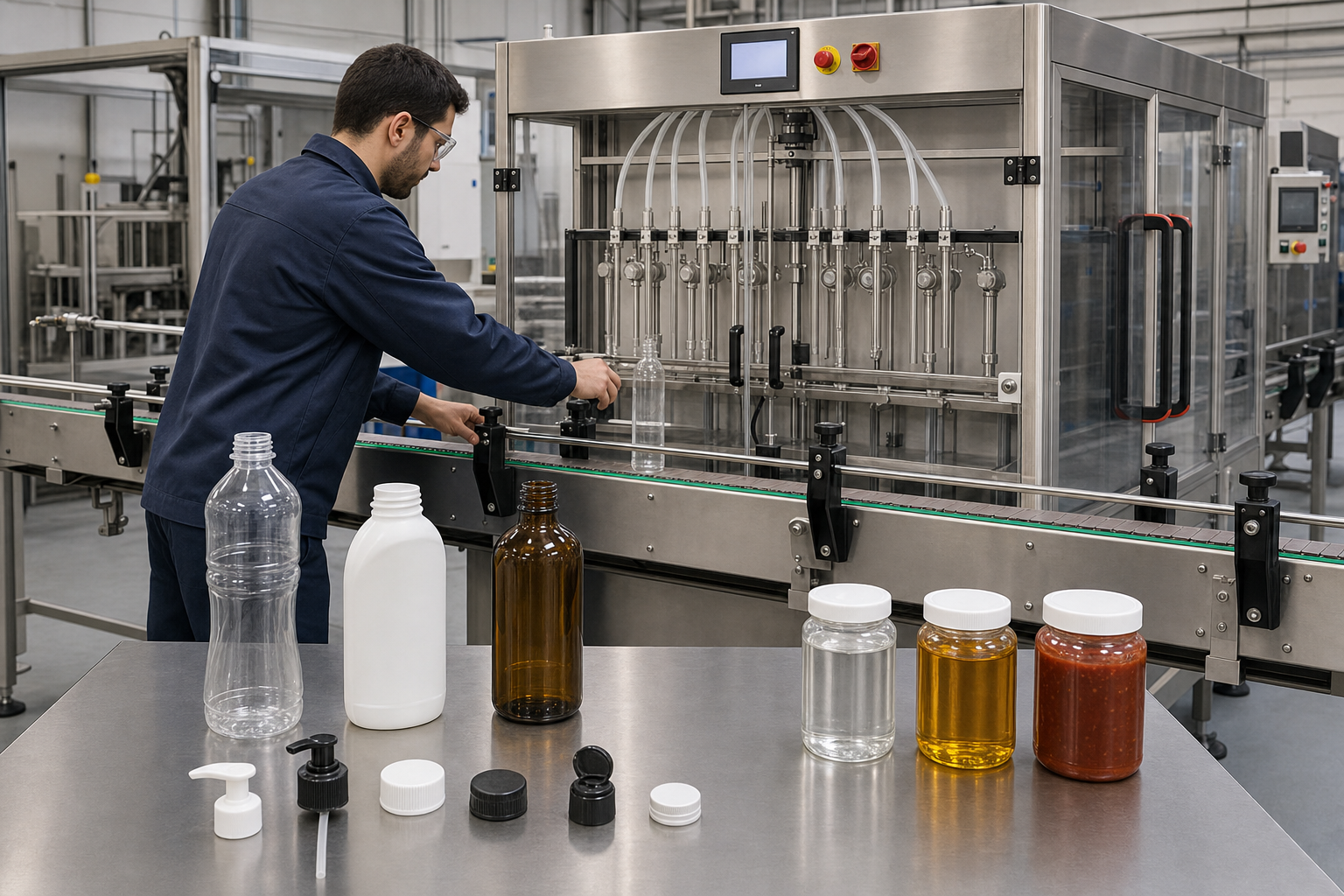
A bottle’s volume alone does not determine how it will run on a machine. Provide drawings, photos, and samples for each format, including:
- Material, dimensions, and shape.
- Neck size and position.
- Bottle weight and rigidity.
- Conveyor stability.
Lightweight plastic bottles behave very differently from glass containers. Pump heads and trigger sprayers introduce additional challenges such as long dip tubes and uneven weight distribution.
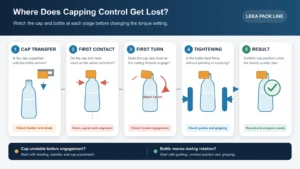
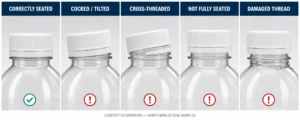
Caps also require clear definition: tightening method, torque range, sealing requirements, and inspection criteria such as leak testing and tamper evidence.
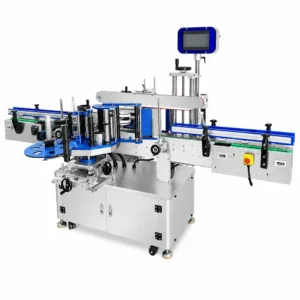
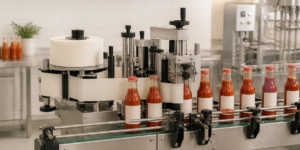
Labels and coding should be included in the same format matrix. Specify size, position, orientation, and reserved coding areas. You can use LEKA’s compatibility checklist to prepare for testing.
4. Focus on Real Output, Not Peak Speed
The maximum speed shown in a video rarely reflects actual production performance. Real output is affected by filling time, foam control, bottle handling, cap supply, labeling, operator response, and downtime.
Instead of headline speed, request sustained output under defined conditions:
- Exact product, bottle, cap, and fill volume.
- Test duration and counting method.
- Included equipment in the test.
- Rules for planned stops and replenishment.
- Acceptable quality criteria during operation.
Then compare this with your production plan—batch sizes, shift structure, changeover frequency, and peak demand. The capacity guide explains how to translate nominal speed into realistic output.
5. Compare Quotations in Detail
A lower initial price can be misleading if key elements are excluded—such as conveyors, format parts, installation, or system integration.
Create a comparison sheet and check:
- Filling method and technical details.
- Verified performance data.
- Supported package range.
- Included line scope.
- Utility requirements.
- Lifetime operating costs.
- Delivery and service support.
The price guide can help identify cost drivers, but it should not replace a project-specific quotation.
6. Check Factory Conditions Early
Match machine requirements with your factory conditions:
- Power supply: voltage, phase, and frequency.
- Compressed air: pressure, flow, and quality.
- Water, drainage, and ventilation.
The layout should include not only machine dimensions, but also access paths, maintenance space, operator positions, and installation routes.
For hazardous products, provide SDS, flash point, and area classification. Avoid vague claims like “explosion-proof” without clear standards and documentation.
7. Clarify Cleaning Requirements
Manual cleaning, flushing, and CIP are different concepts:
- Manual cleaning requires disassembly and access.
- Flushing moves liquid through the system but may not clean all surfaces.
- CIP requires defined procedures, flow conditions, and validation.
If multiple products are used, define cleaning validation and cross-contamination controls clearly.
8. Define FAT as a Formal Test
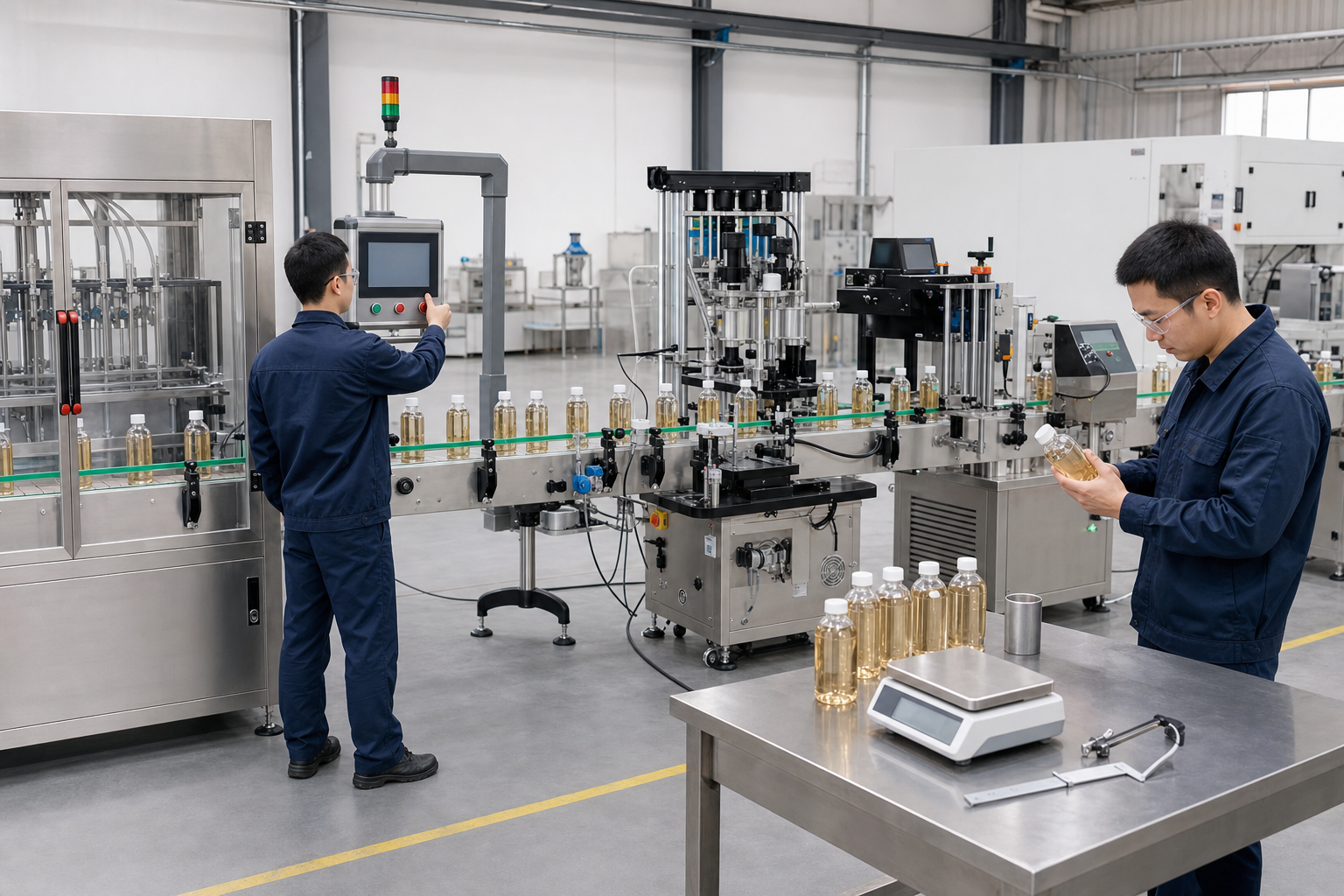
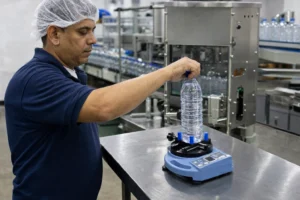
A proper factory acceptance test (FAT) should be a documented procedure—not just a demonstration.
It must define:
- Test conditions and samples.
- Measurement methods.
- Acceptance criteria.
- Recorded results.
All failures should be documented with corrective actions and deadlines. FAT verifies performance under supplier conditions, but does not replace on-site commissioning or final validation.
9. Review Support and Documentation
Before placing an order, confirm:
- Warranty scope and exclusions.
- Technical support channels.
- Spare parts and lead times.
- Documentation, including manuals, drawings, and software backups.
Clear definitions at this stage prevent disputes later.
10. Use This 15-Point RFQ Checklist
Providing clear information at the beginning improves quotation accuracy and reduces project risk. Include these points in the same RFQ sent to every supplier:
- Product type: identify the liquid and its production use.
- Product behavior: record viscosity, foam, air, dripping, particles, fibers, or settling.
- Supply conditions: describe the feed tank, liquid level, pressure, pump, and recirculation.
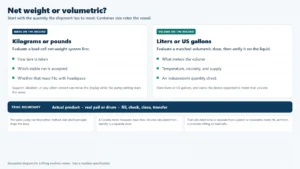
- Fill volumes: list the required volume for every priority package.
- Bottle formats: provide material, dimensions, shape, weight, neck, and stability information.
- Closures: define the cap, pump, trigger, torque, sealing, and inspection requirements.
- Labels and codes: give the size, position, orientation, and reserved coding area.
- Sustained output: state the required acceptable bottles per minute, hour, or shift.
- Production plan: include batch sizes, shifts, peak demand, and changeover frequency.
- Line scope: mark which infeed, filling, capping, labeling, inspection, and packing steps are included.
- Factory utilities: provide power, compressed air, water, drainage, and ventilation conditions.
- Factory layout: show machine space, access paths, operator positions, and installation routes.
- Cleaning: define manual cleaning, flushing, or CIP requirements and cross-contamination controls.
- Testing: define FAT samples, methods, acceptance criteria, results, and corrective actions.
- Support: confirm documentation, warranty, spare parts, delivery, and technical service.
Get a Project-Specific Recommendation
You can send LEKA the following key information:
- Product description.
- Bottle and cap details.
- Required sustained output.
- Factory power supply.
- Basic line layout.
With these inputs, the team can recommend a suitable filling method, automation level, and project scope before preparing a formal bottle filling machine quotation.