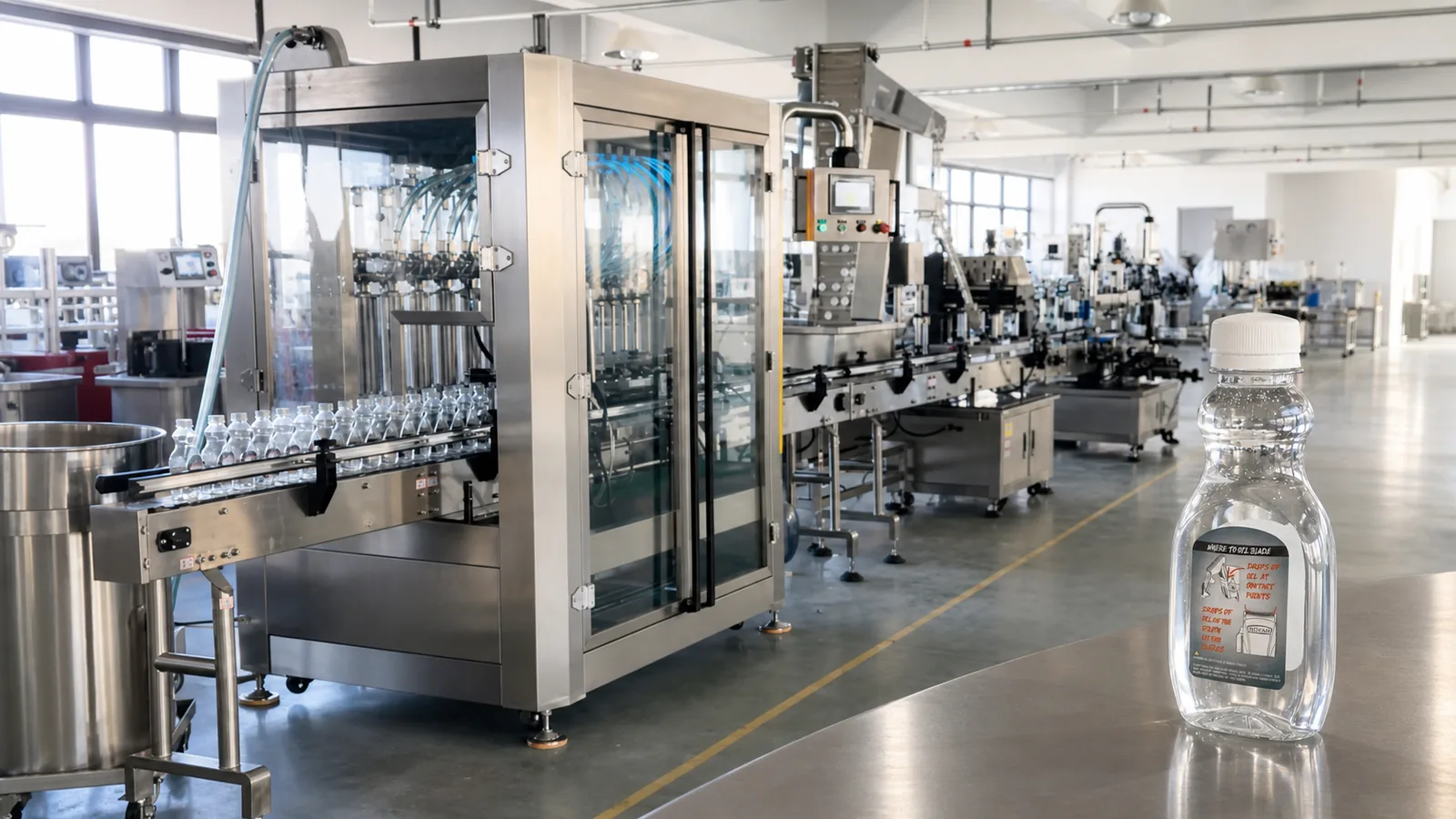
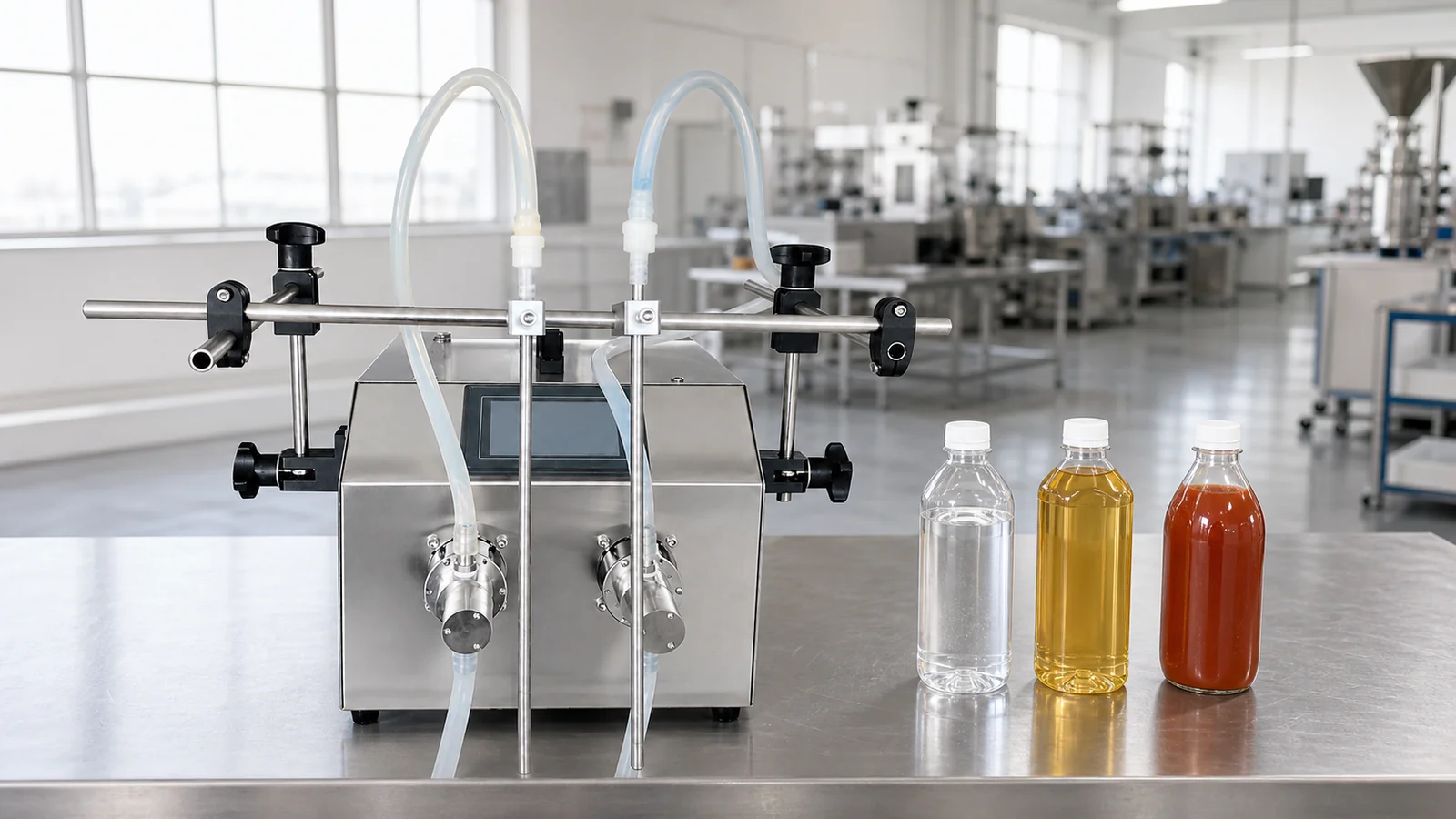
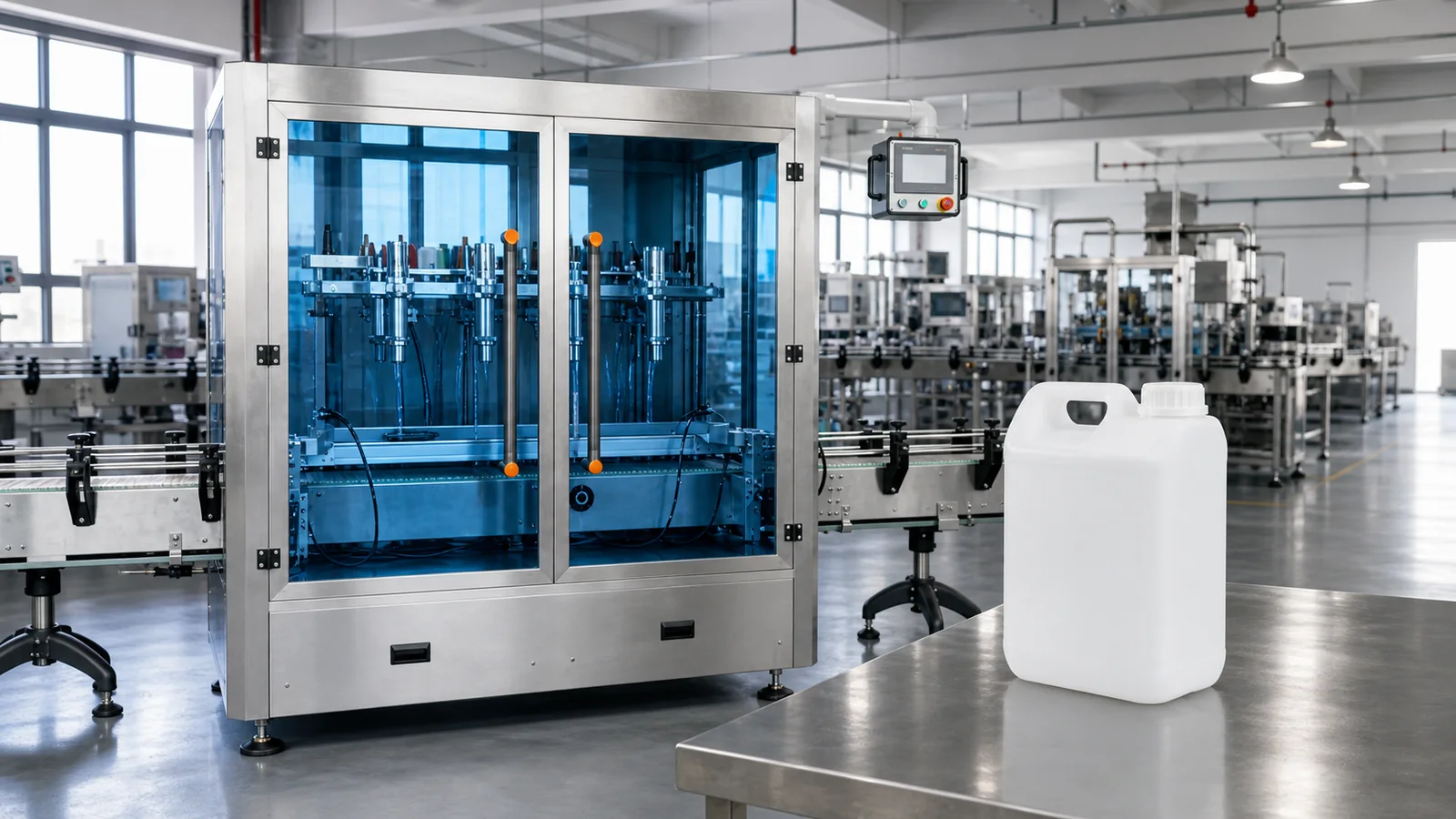
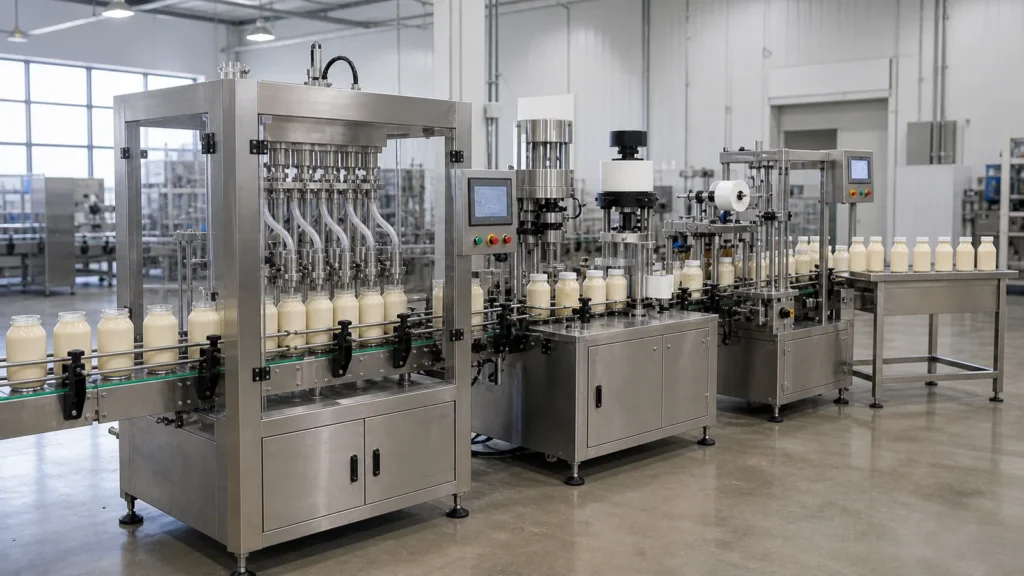
Mayonnaise Filling Machine Guide for Bottling Lines
Choosing a mayonnaise filling machine is not simply a matter of selecting a filling range and a speed. The correct configuration depends on how the mayonnaise behaves at the filler, how it reaches the nozzles, which jars or bottles are used, how clean the closure area must remain, and how the line will be cleaned and tested.
This guide is for food factory owners, purchasing managers, production managers, engineers, co-packers, distributors, and packaging-line integrators. It explains what to confirm before requesting a quotation and how to turn a machine proposal into a testable mayonnaise packaging project.
Scope note: This article covers filling and packaging equipment. The producer's qualified team remains responsible for the recipe, process, food safety, shelf life, allergen program, sanitation validation, labeling, and market compliance.
Key Takeaways
- Define the mayonnaise at the filler—not only by its product name. Record its temperature range, consistency, holding time, air content, and any inclusions.
- Treat product feeding and metering as one system; each head needs a consistent supply.
- Use real product and production containers to test cutoff quality, air pockets, fill repeatability, rim cleanliness, and recovery after a pause.
- Match nozzles, container handling, and closures as one system.
- Do not assume that “CIP” has the same scope in every quotation. Define the cleaning boundary, circulation path, disassembly points, utilities, recipe controls, and acceptance evidence.
- State output as an accepted product-and-package condition, not as an isolated machine number.
- Build the FAT around the hardest planned SKU and document pass/fail criteria before manufacturing begins.
Quick answer: A mayonnaise filling machine is a packaging machine configured to meter and deposit mayonnaise into jars, bottles, tubs, or other containers. The right system must be selected from the actual product condition, fill volume, package geometry, closure method, cleaning plan, and required output, then verified with representative samples before shipment.
Why Is Mayonnaise More Difficult to Fill Than Thin Liquids?
Research describes mayonnaise as a dense oil-in-water emulsion. Commercial formulations can show non-Newtonian, shear-thinning behavior with yield stress, so the product may resist movement when undisturbed and behave differently while pumped or dispensed. Formulation, structure, temperature, and prior handling also matter. (PubMed: rheology and dispensing of real and vegan mayonnaise; PMC: rheological properties of mayonnaise emulsions)
A generic viscosity number therefore cannot describe the complete task. Egg-based, reduced-fat, vegan, and flavored mayonnaises can require separate trials even at the same nominal fill volume.
Confirm the planned filling condition
The useful question is not “Can the machine fill mayonnaise?” It is “Can the proposed system fill this mayonnaise under the production conditions we will actually use?” Confirm:
- product temperature when it enters the filler;
- expected temperature variation during the shift;
- time between processing and filling;
- whether the product is supplied from a buffer tank, mobile vessel, or upstream process;
- whether recirculation is permitted by the producer's process authority;
- whether the product contains herbs, vegetable pieces, or other inclusions;
- whether the process may introduce entrained air;
- the lowest and highest fill volumes in the project.
Separate processing responsibility from filling responsibility
A filler meters finished product into a package; it does not validate the recipe, process, or shelf-life program. When the producer defines the approved product condition, the equipment supplier can focus on feed, metering, nozzle behavior, package handling, cleaning access, and line integration.
What Product and Package Data Should Be Confirmed First?
A useful quotation begins with a short project specification. Without it, two proposals may look comparable while covering different products, container sizes, utilities, cleaning scopes, or downstream machines.
| Project Input | Information to Provide | Why It Affects the Line |
|---|---|---|
| Product | Product type, formulation family, temperature range, flow behavior, inclusions, air tendency | Guides feed, metering, nozzle, and cleaning evaluation |
| Fill range | Minimum, typical, and maximum declared quantity | Affects dosing size, adjustment method, and trial plan |
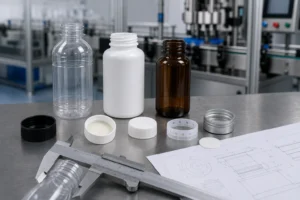
| Containers | Jar, bottle, tub, material, dimensions, neck opening, stability, samples | Affects nozzle access, guides, star wheels or belts, and transfer |
| Closures | Cap or lid type, diameter, torque or sealing requirement, samples | Determines feeding, placement, capping, and inspection method |
| Output | Required accepted containers per minute or hour for each main format | Sets the line balance and automation level |
| Cleaning | Product sequence, allergen plan, manual/COP/CIP boundary, approved chemicals, utilities | Affects product-contact design, disassembly, and controls |
| Factory | Available floor space, line direction, operator positions, power, air, and other utilities | Determines layout and installation interface |
| Market | Destination country and producer-approved requirements | Prevents the machine supplier from assuming one universal compliance standard |
Identify the hardest SKU
The hardest SKU is the combination most likely to expose a weakness: perhaps the firmest product, smallest neck, largest fill, least stable container, most sensitive closure, or most demanding changeover. Define it with production and quality teams. For a multi-sauce machine, test the approved extremes rather than only the easiest liquid.
Which Filling Method Fits the Mayonnaise?
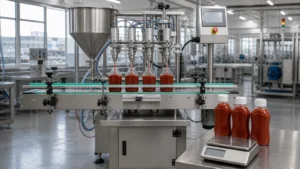
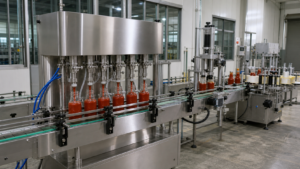
No filling principle is automatically correct for every mayonnaise. A servo-controlled piston filler is often a practical starting point for a thick, homogeneous product. A pump-based system may suit a different product path, inclusion, cleaning method, or flexibility requirement. Decide through a product trial and line-level review; see our piston versus pump filler comparison.
| Filling Direction to Evaluate | When It May Be a Starting Point | What Must Be Proved |
|---|---|---|
| Servo piston metering | Thick, reasonably homogeneous products over a defined fill range | Product intake, repeatability, seal compatibility, cutoff, cleaning, and changeover |
| Positive-displacement pump metering | Projects needing a pump-based product path or broader recipe flexibility | Product handling, metering control, inclusion passage where applicable, cutoff, and cleaning |
| Custom application design | Unusual inclusions, temperature conditions, container access, or process interface | A documented trial covering the complete approved operating window |
This is a screening tool, not a machine prescription. Every product-contact component must suit the actual product and approved cleaning method.
Evaluate the product feed system with the filler
Metering receives most of the attention, but the filler cannot deliver a stable dose if its product supply is inconsistent. The project review should cover:
- the height and location of the upstream vessel;
- transfer distance, hose or pipe route, and connection size;
- whether a hopper, buffer vessel, or direct feed is proposed;
- how the supply level or pressure will be controlled;
- how air will be kept out of the product path;
- whether the product can be circulated without changing its approved condition;
- how the feed path will drain, open, or connect to cleaning circuits.
Ask the supplier to show the complete route from the product source to the nozzle tip so missing interfaces are identified before installation.
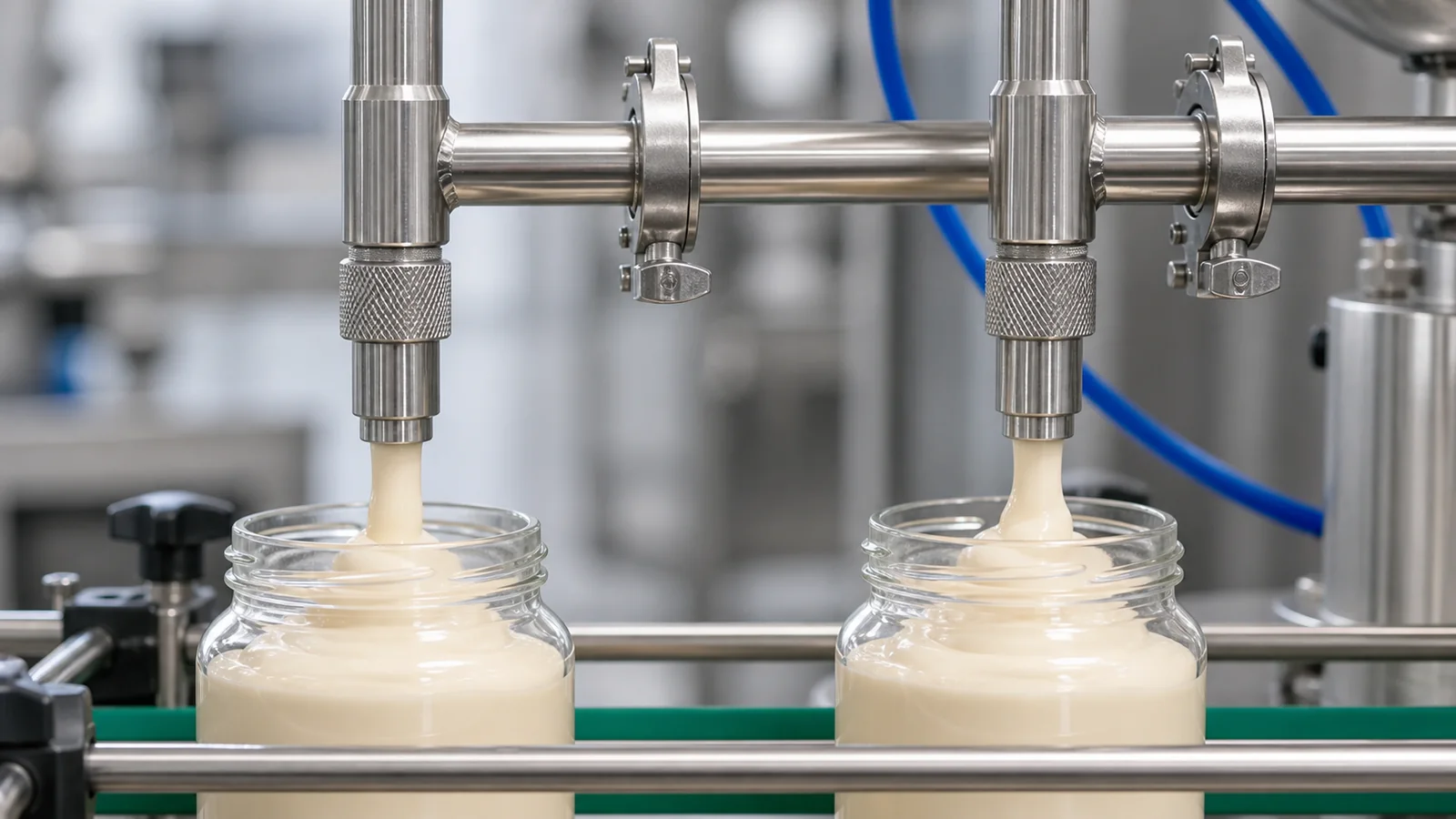
How Can the Line Reduce Air Pockets, Stringing, and Dirty Container Necks?
Visible defects can include air gaps, a tail as the nozzle closes, or product on the rim or neck. Air may originate upstream, enter through a connection, appear when the feed vessel runs low, or remain after cleaning. Stringing may relate to the product, nozzle, shutoff, fill speed, nozzle movement, or release timing.
A structured diagnosis is faster than changing multiple settings at once:
- Confirm that the mayonnaise reaching the filler matches the approved trial condition.
- Check the product supply level, connections, and prime state.
- Compare deposits from every filling head under the same condition.
- Observe the nozzle at the end of the dose and after a planned pause.
- Check whether the container is centered and stable below the nozzle.
- Record which single adjustment was made and repeat the sample.
If one head differs, inspect its product path, metering components, valve, seals, nozzle, and setup. If all heads change together, investigate shared conditions such as product temperature, supply, pressure, recipe, or timing. Apply the same logic to sauce filling nozzle dripping.
Protect the closure and sealing area
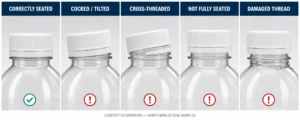
Fill quality is not defined only by weight. Inspect the closure area after filling and after capping or sealing. Test the proposed shutoff, nozzle size and height, fill speed, and movement with real containers during normal running, a planned stop, and restart.
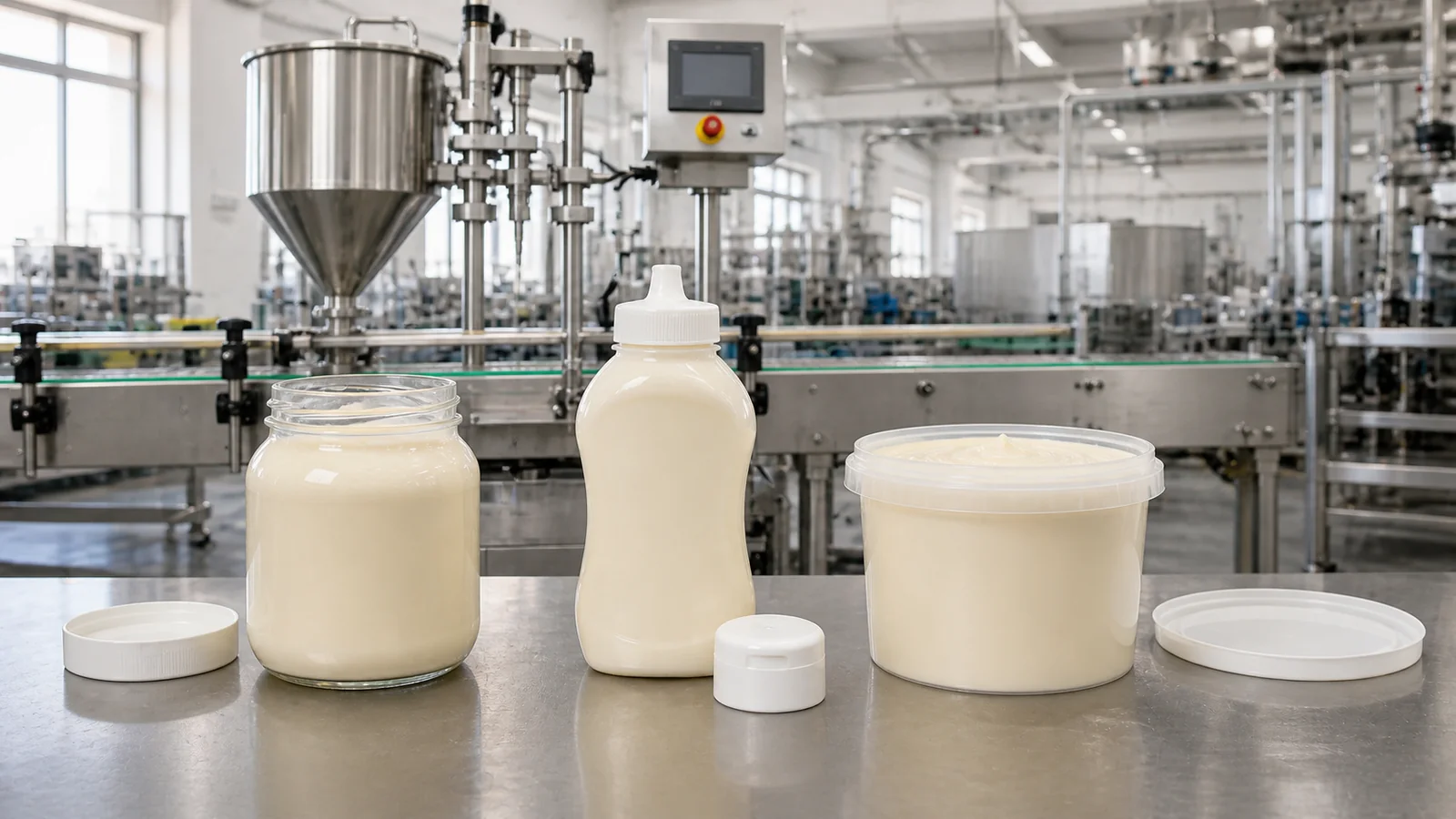
How Should Jars, Bottles, Tubs, and Closures Be Matched?
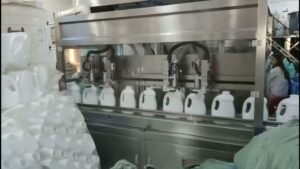
A mayonnaise jar filling machine may handle wide-mouth glass or plastic jars, while a bottling line may use narrow-opening squeeze bottles. Tubs introduce different guiding and lid-handling needs. The package changes more than conveyor width.
| Package Feature | Filling-Line Question |
|---|---|
| Neck opening | Can the selected nozzle enter or align without touching the package? |
| Container height and shape | Can guides and filling-height settings change without unstable transfer? |
| Base and sidewall stability | Will the container remain upright during indexing, filling, and capping? |
| Rim or sealing surface | How clean must it remain for the approved closure or seal? |
| Cap or lid | How will it be sorted, presented, placed, tightened, or pressed? |
| Label panel | Is the surface suitable for the planned label and application position? |
| Empty-container tolerance | Can normal dimensional variation be handled without frequent stoppages? |
Use production-representative package samples
Drawings support early design, but handling tests need actual containers and closures from the intended production source. For multiple formats, request a change-parts list and demonstration. Record tool-free adjustments, replacement parts, stored settings, and the checks required before restart.
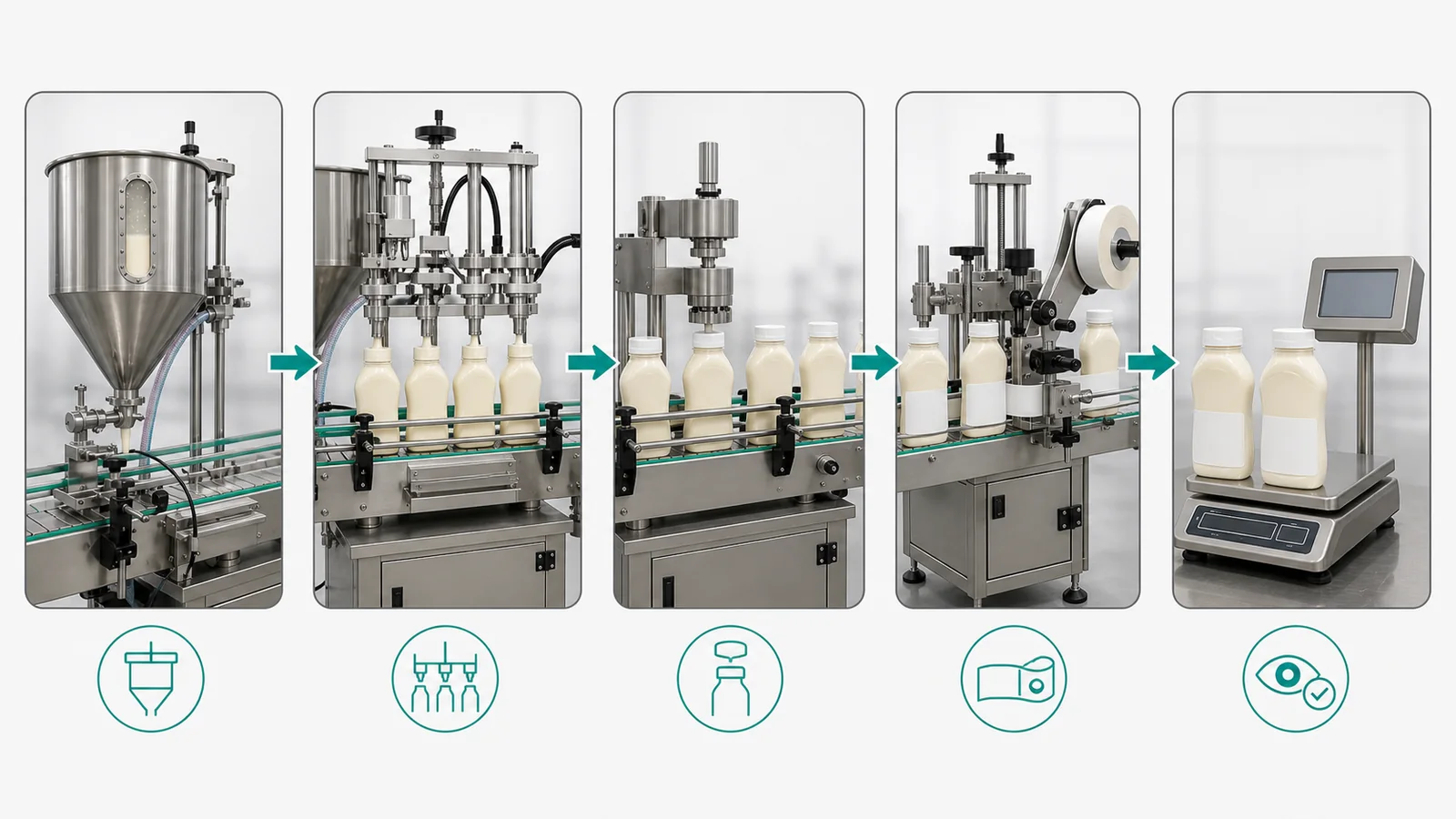
What Equipment Belongs in a Complete Mayonnaise Bottling Line?
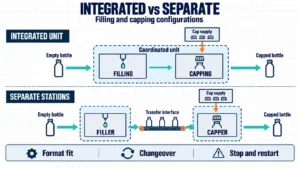
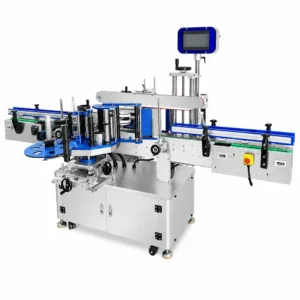
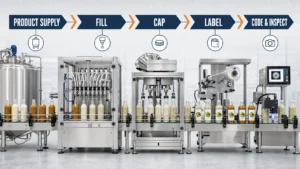
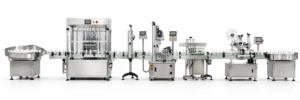
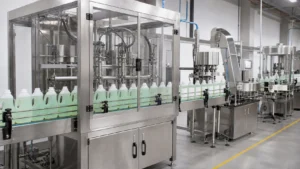
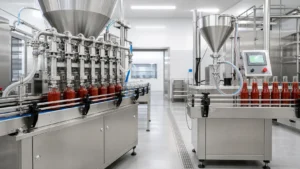
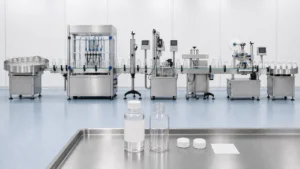
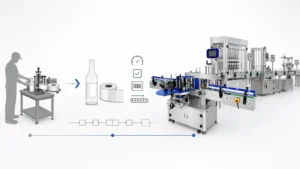
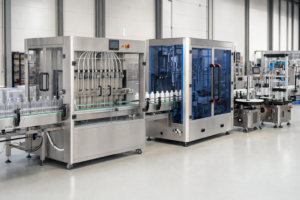
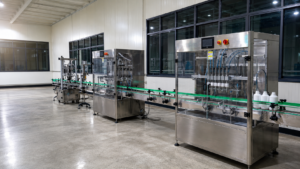
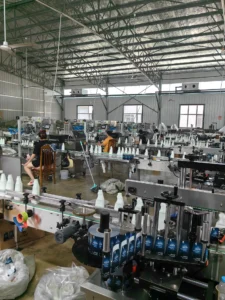
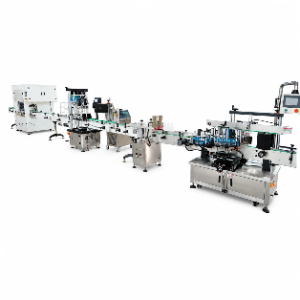
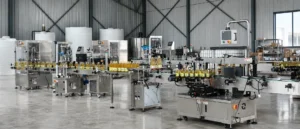
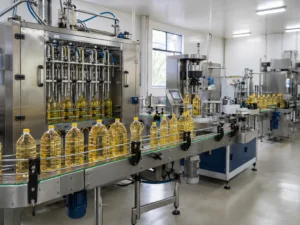
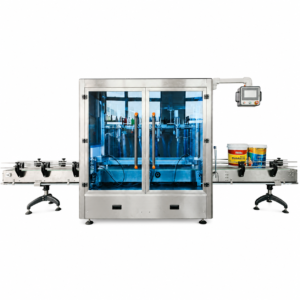
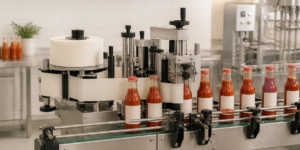
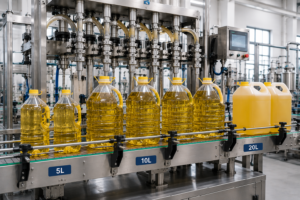
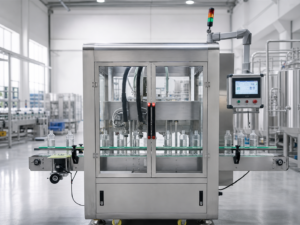
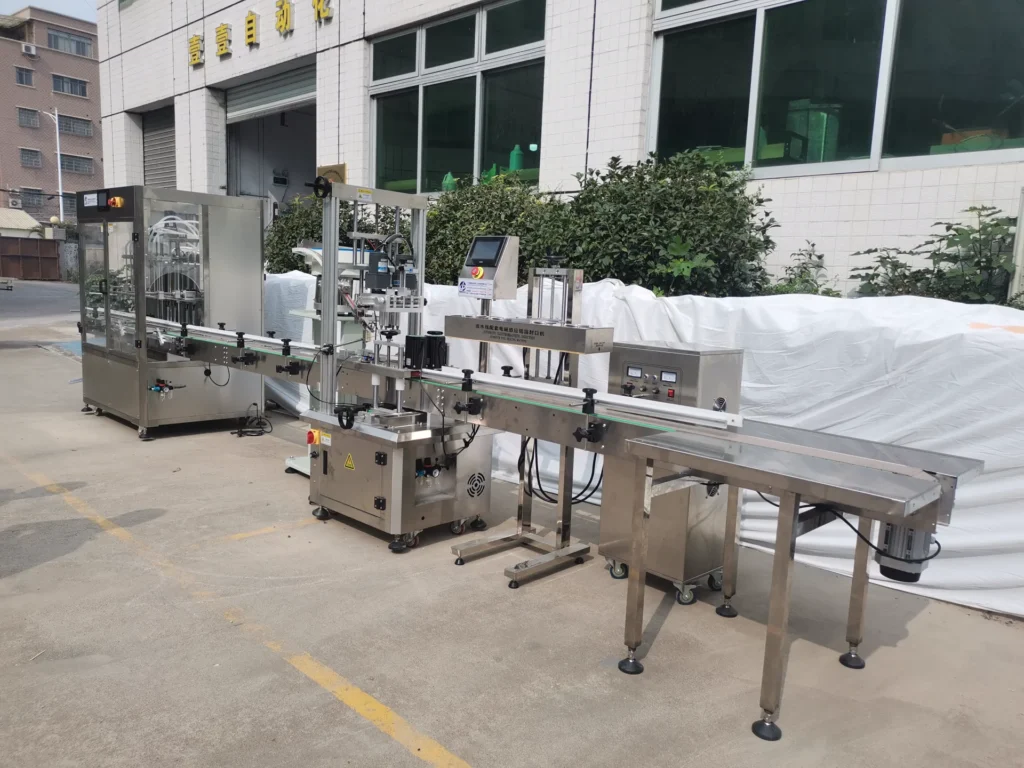
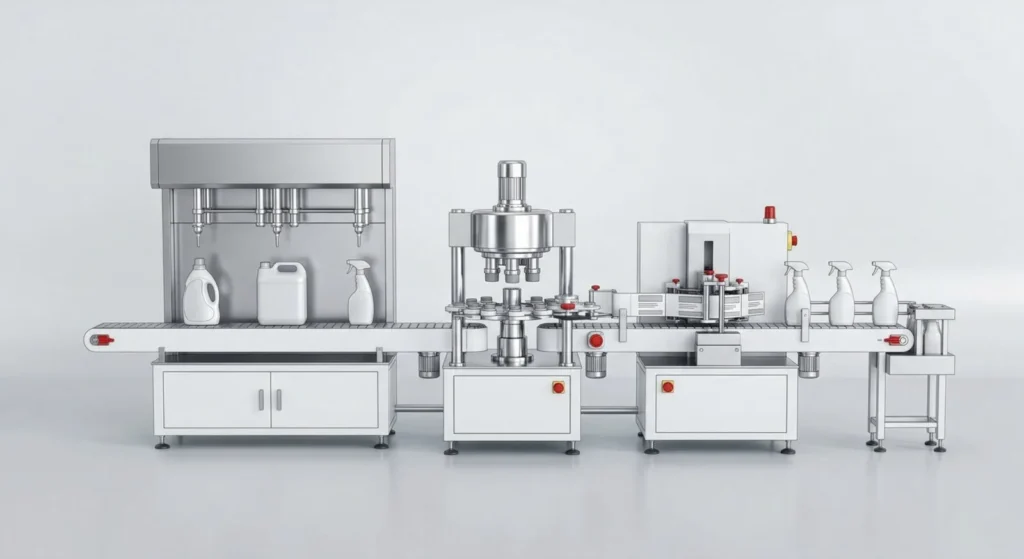
The filler is only one station. A complete line may include container infeed, cleaning or air-rinsing where approved, filling, closure feeding, capping or lid application, sealing, labeling, coding, inspection, conveying, accumulation, and secondary packing. The exact scope depends on the container, closure, food-safety plan, output, labour model, and factory layout.
A useful line review follows the package from empty-container infeed and preparation through filling, closure application, any required sealing, labeling, coding, inspection, accumulation, and secondary packing.
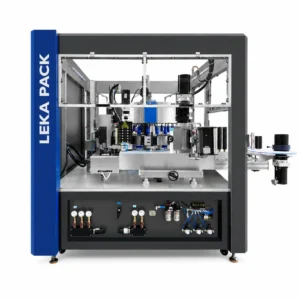
LEKA's sauce filling equipment overview can be used as the starting point for a single machine or an integrated filling, capping, labeling, coding, and conveying proposal.
Match automation to accepted output and labour
Match automation to accepted finished packages and available labour. Include replenishment, routine checks, cleaning, format changes, and normal operator interventions. A fast filler connected to an undersized capper or insufficient accumulation will not deliver a balanced line.
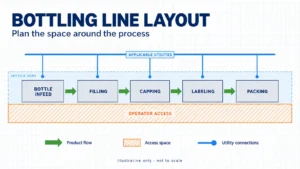
Review layout, access, and utilities early
Mark product and container entry, finished-pack exit, operator positions, doors, columns, drains, wash areas, and maintenance clearances on the layout. Confirm line direction and utilities. Allow safe access for format adjustment, inspection, maintenance, and handling of removed product-contact parts.
How Should Cleaning and Product Changeover Be Specified?
“Easy to clean” is not an acceptance criterion. The buyer and supplier need to define which surfaces contact product, which parts are cleaned in place, which are removed for cleaning out of place, how residues are displaced or drained, and how the producer will verify the result.
For U.S. facilities subject to 21 CFR Part 117, equipment used to manufacture, process, pack, or hold food must be adequately cleanable and maintained to protect against allergen cross-contact and contamination; installation must also facilitate cleaning and maintenance. The rule further addresses food-contact materials, seams, and holding or conveying systems. (eCFR §117.40) Requirements in other markets may differ, so the producer must confirm the rules that apply to its facility and product.
Discuss hygienic design before the purchase order. EHEDG notes that poor hygienic design makes equipment difficult to clean and relates design decisions to intended use. (EHEDG GL 8 overview)
Define the CIP boundary before requesting a price
CIP should never be assumed from a three-letter label. Ask the supplier to document:
| Cleaning Item | Definition Required Before Order |
|---|---|
| Product-contact boundary | Every vessel, pump, hose, pipe, manifold, valve, metering chamber, seal, and nozzle included |
| Cleaning method | Manual, COP, CIP, or a documented combination |
| Utilities | Available water, temperature, flow, pressure, return path, drainage, and approved chemicals |
| Circuit control | Valve sequence, recipe permissions, interlocks, alarms, and operator steps |
| Disassembly | Parts removed, tools required, handling method, and reassembly checks |
| Drainability | Where product, rinse water, or cleaning solution may remain |
| Verification | Producer-approved inspection, testing, records, and release responsibility |
Automatic valves and a rinse connection do not prove a validated cleaning process. The supplier can demonstrate equipment functions; the producer remains responsible for sanitation validation.
Include allergen and sequence planning
Traditional mayonnaise commonly contains egg, which the FDA lists as a major food allergen under U.S. allergen-labeling requirements. (FDA: major food allergens) If egg-containing and egg-free products share a line, the producer's allergen risk assessment should define production sequence, segregation, cleaning, verification, records, and label control.
Accessible contact parts, documented seals and materials, controlled recipes, drain points, and changeover procedures can support—but not replace—the producer's allergen program.
Demonstrate cleaning and reassembly during FAT
The FAT should demonstrate the agreed end-of-run sequence, disassembly, access, in-scope cleaning functions, reassembly, priming, and restart. Record time and operator actions without treating one demonstration as a universal cleaning-time promise.
For multi-product projects, the sauce bottling line changeover guide provides additional questions for parts, settings, cleaning, and production planning.
How Should You Verify Mayonnaise Filling Machine Output, Accuracy, and FAT?
Output and fill accuracy must be attached to a defined product, container, fill quantity, closure, operator method, and acceptance procedure. A headline speed without those conditions is not a reliable basis for comparing mayonnaise packaging machines.
Define whether output means filler cycles, filled containers, or closed and accepted packages. State the format and whether normal product and closure replenishment are included.
The producer's quality team should specify the measurement method, instruments, sampling, tare handling, acceptance limits, and applicable rules. In the United States, NIST lists the 2026 Handbook 133 as its current procedural guide for checking package net contents. (NIST Handbooks) It does not replace the buyer's process-control plan or legal review.
A machine setting controls the dose, while package compliance is evaluated from measured finished packages under the applicable procedure. Our sauce filling accuracy guide covers the main variables.
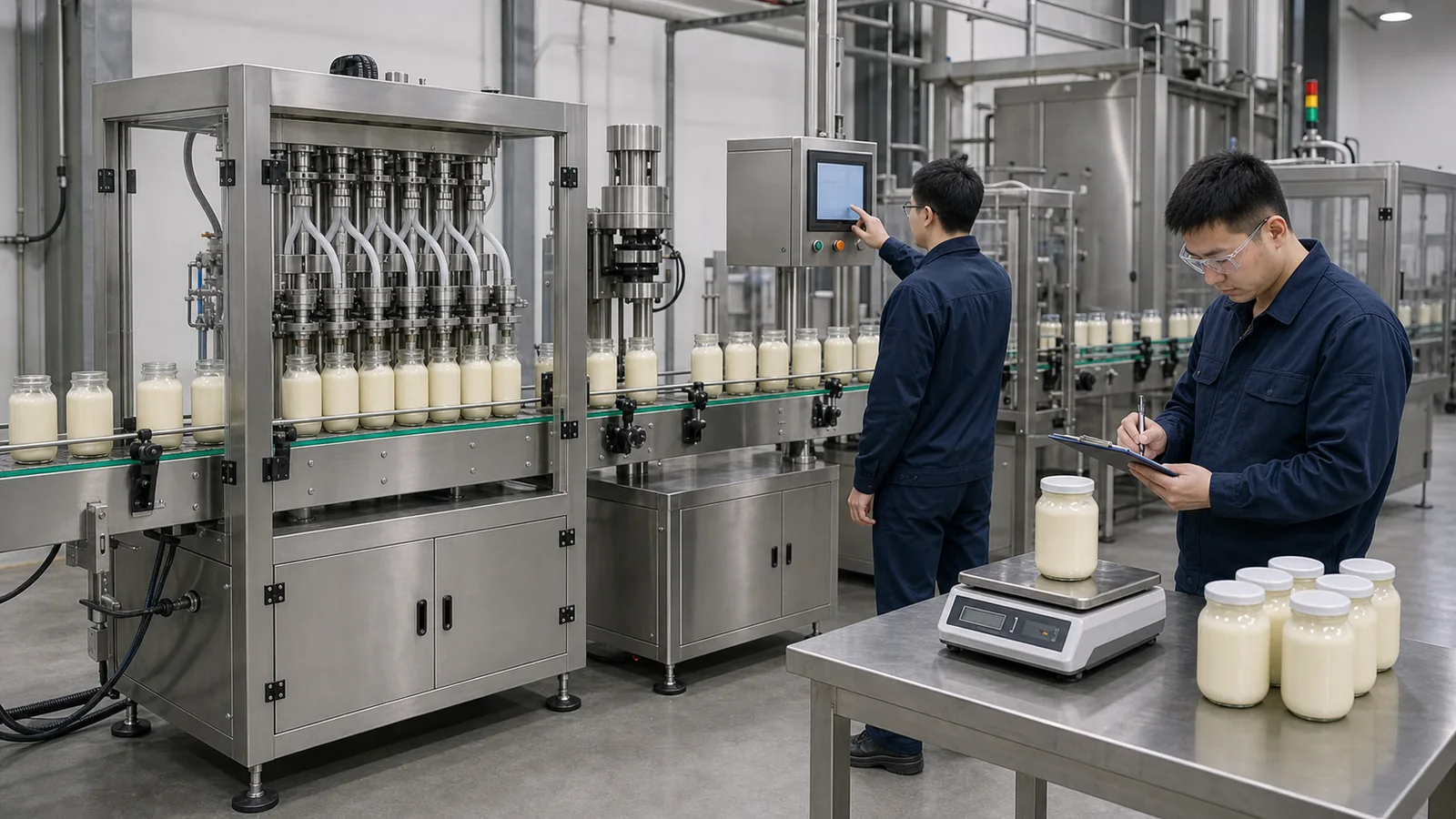
Build the FAT around the hardest product and package
A useful FAT protocol should identify:
- the approved test product or an agreed representative product, with its limitations documented;
- the exact container, cap or lid, label, and fill quantity;
- product condition at the start and throughout the test;
- the operating recipe and change parts used;
- warm-up, priming, and stabilization steps;
- the buyer-approved sampling and measurement method;
- checks across all active filling heads;
- observations after a planned stop and restart;
- rim or neck cleanliness and closure quality;
- alarm, no-container/no-fill, guarding, and agreed interlock checks;
- changeover and cleaning demonstrations within the purchase scope;
- deviations, corrective actions, and the evidence required for acceptance.
The buyer's quality team should set sample size and acceptance limits before the test. Record time, filling head, container, tare method, measured quantity, visual result, closure result, and disposition. Video may supplement but not replace measurements.
Convert the quotation into testable conditions
Before order confirmation, align the quotation, technical agreement, layout, and FAT protocol. List every package and change part, attach output to a product-package condition, and mark each cleaning function's boundary and utilities. Both parties then know what evidence demonstrates the agreed scope.
Frequently Asked Questions
What type of filling machine is suitable for mayonnaise?
A servo piston filler is often a practical starting point for thick, homogeneous mayonnaise, while a pump-based system may suit other product paths or flexibility needs. The final choice should follow a trial using the real product condition, fill range, container opening, required output, cleaning method, and approved acceptance criteria.
Can one machine fill mayonnaise, ketchup, and salad dressing?
One machine may handle several sauces when its metering range, product-contact components, feed system, nozzles, controls, and cleaning method suit every approved SKU. Test the thickest, thinnest, most inclusion-sensitive, and hardest-to-clean products. Document change parts, saved settings, changeover steps, and performance conditions for each product-package combination.
How can a mayonnaise filler keep jar rims and bottle necks clean?
Start by controlling the product supply, removing unintended air, centering stable containers, and matching the nozzle to the opening. Then test shutoff design, nozzle height, fill speed, and timing. Inspect every filling head and the closed package after continuous running, a planned pause, and restart—not only the first sample.
Is CIP automatically included with a mayonnaise filling machine?
No. CIP scope varies by project and must be written into the proposal. Define the product-contact boundary, supply and return circuits, valves, utilities, cleaning recipes, disassembly points, drainability, and verification responsibility. A connection or automatic rinse sequence alone does not demonstrate that the producer's sanitation process is validated.
What information is needed for a mayonnaise filling machine quotation?
Send the product condition and temperature range, container and closure samples or drawings, minimum and maximum fill quantities, required accepted output, and cleaning method. Also provide the other products sharing the line, factory layout, line direction, utilities, local voltage and frequency, destination country, and the packaging operations required before and after filling.
Plan the Mayonnaise Filling Line Around Real Production Conditions
The best mayonnaise filling machine is not the model with the longest feature list. It is the configuration that can receive the approved product consistently, meter it into the real container, protect the closure area, connect to a balanced line, support the defined cleaning program, and pass an agreed FAT.
For a project review, send LEKA:
- the product type, filling temperature range, and any inclusions;
- container and closure photos, drawings, and available samples;
- minimum, typical, and maximum fill quantities;
- required accepted output for the main format;
- cleaning and allergen-changeover requirements;
- required filling, capping, sealing, labeling, coding, inspection, and packing steps;
- factory layout, line direction, utilities, voltage, frequency, and destination country.
LEKA can use these details to review the filler, product feed, container handling, closure system, downstream machines, controls, and layout as one packaging-line proposal. Final performance conditions and acceptance evidence should then be recorded in the technical agreement and FAT protocol.
Sources
- Nikolova, N. N., et al. “Rheology and dispensing of real and vegan mayo: the chickpea or egg problem.” Soft Matter 19 (2023): 9413–9427. PubMed record and abstract.
- Katsaros, G. I., et al. “Effect of storage on the rheological and viscoelastic properties of mayonnaise emulsions of different oil droplet size.” PubMed Central full text.
- Electronic Code of Federal Regulations. 21 CFR §117.40—Equipment and utensils.
- U.S. Food and Drug Administration. What is a major food allergen?.
- European Hygienic Engineering & Design Group. GL 8 Hygienic Design Principles overview.
- National Institute of Standards and Technology. NIST Handbooks—current editions.