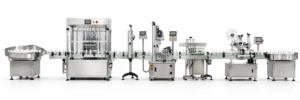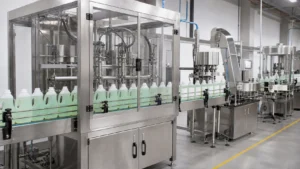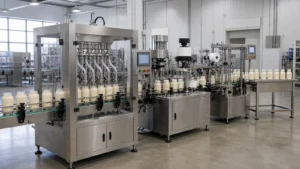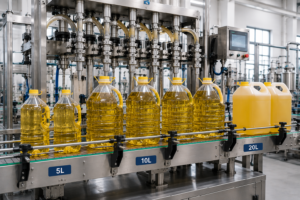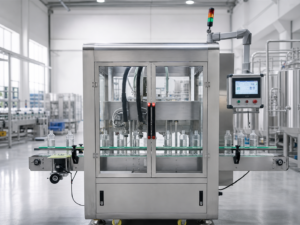
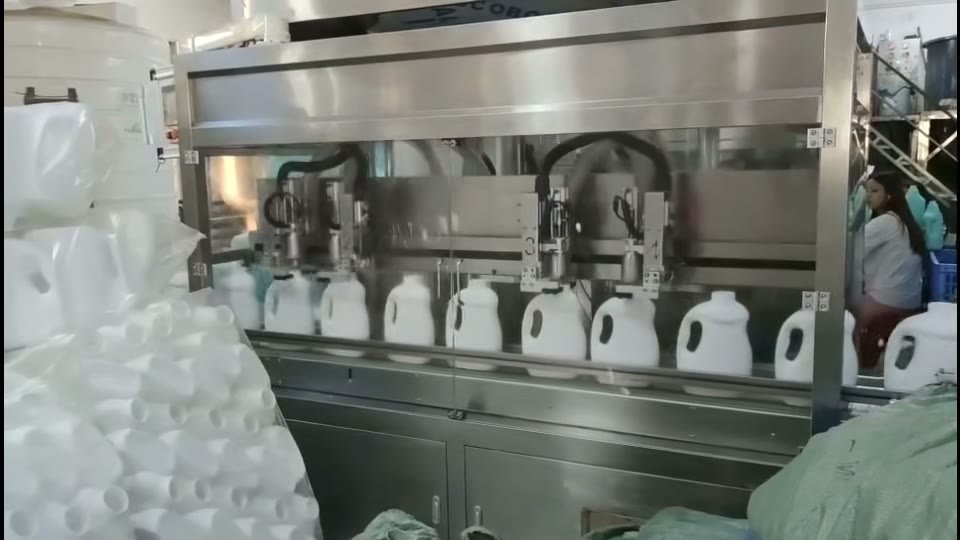
Laundry Detergent Filling Machine for 1-5 L Bottles
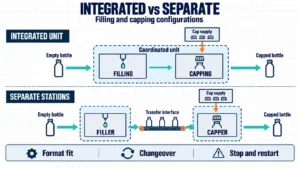
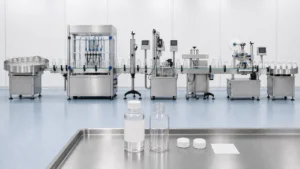
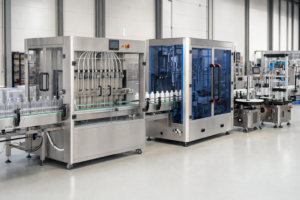
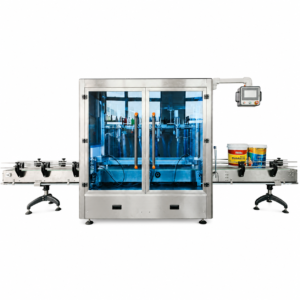
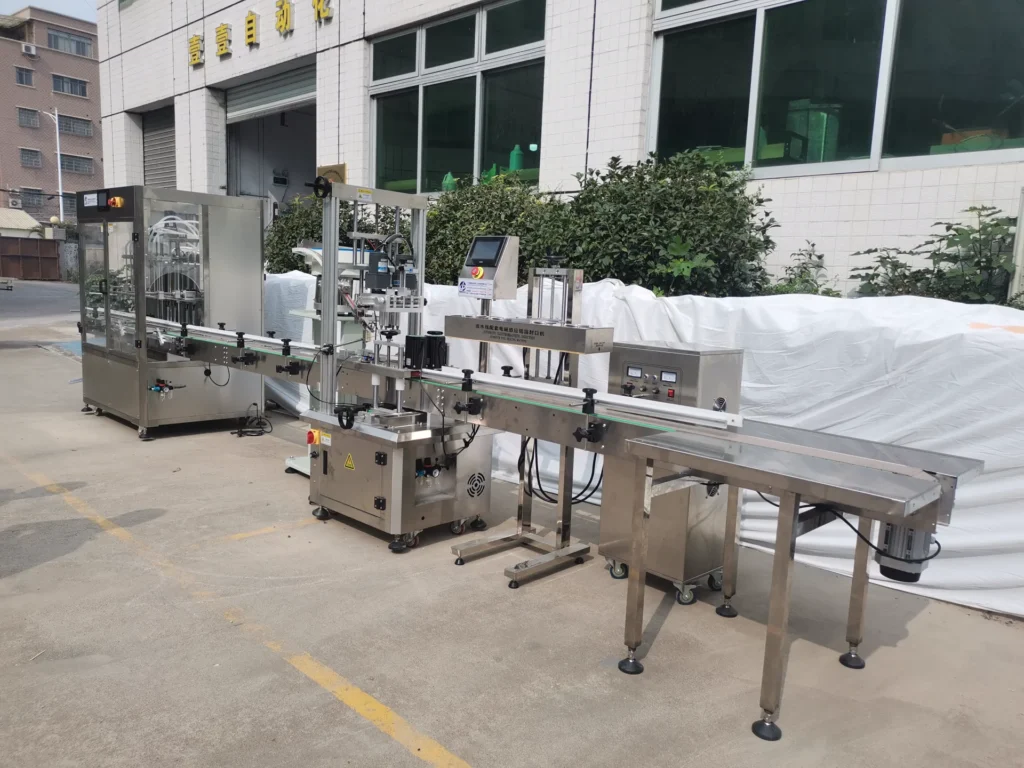
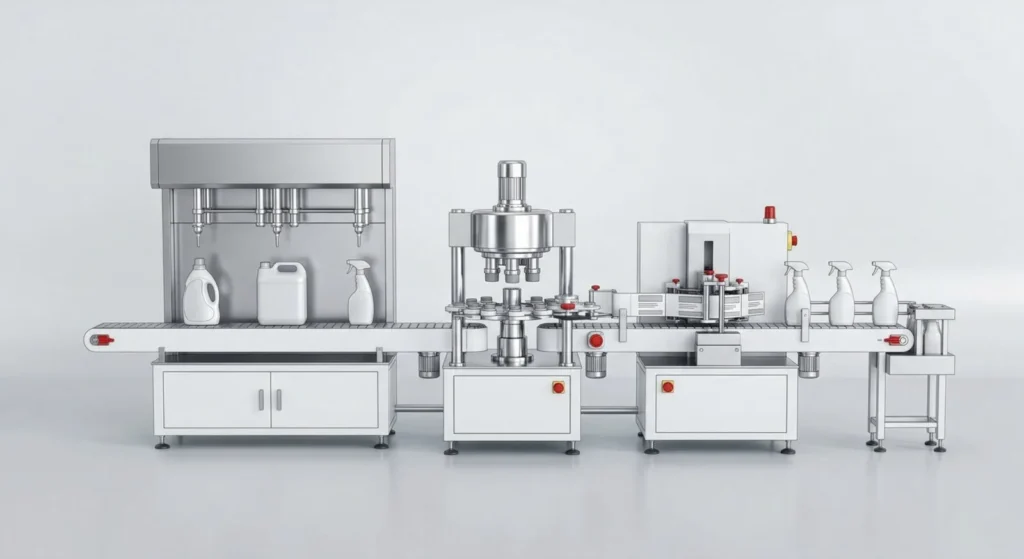
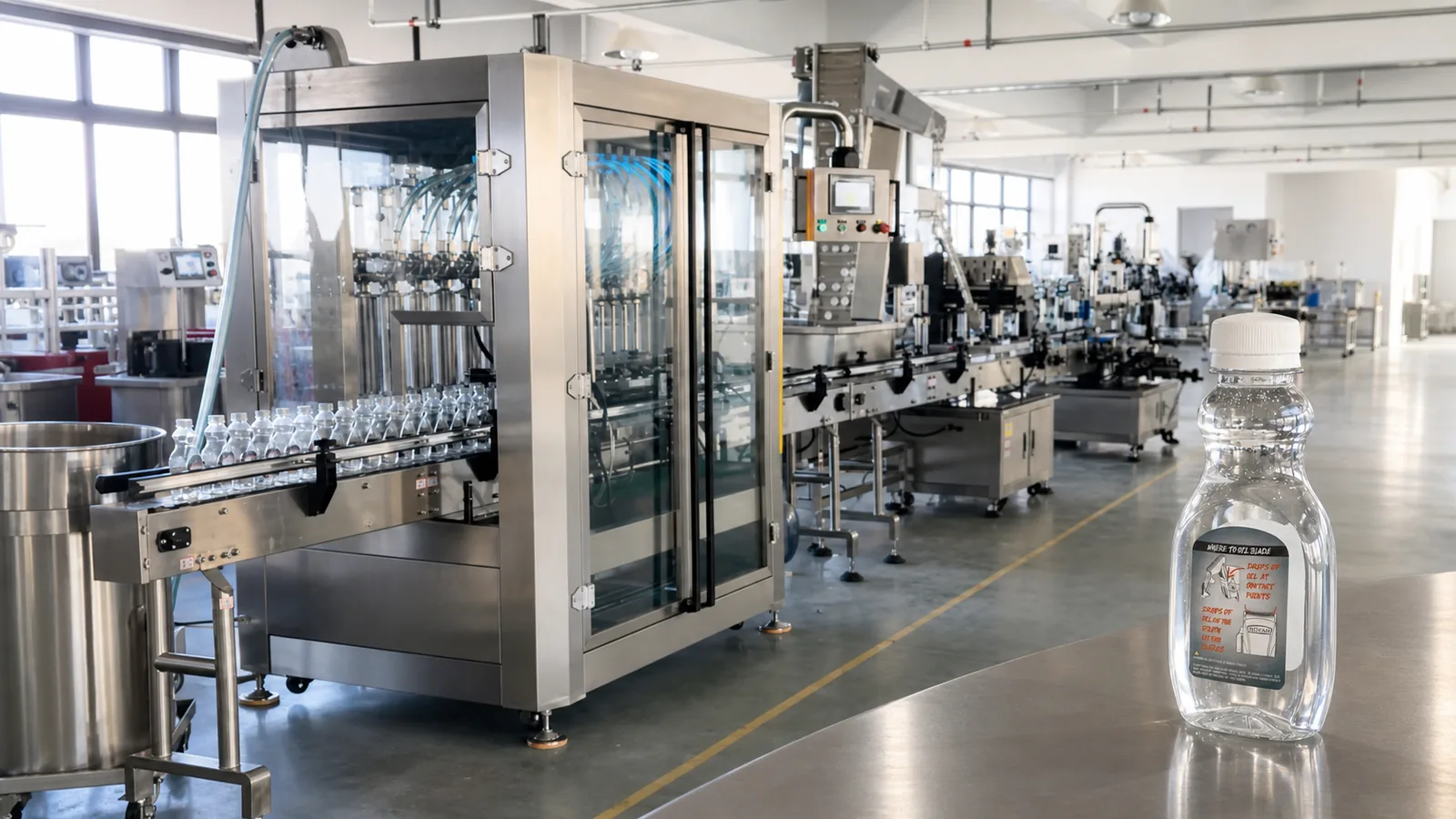
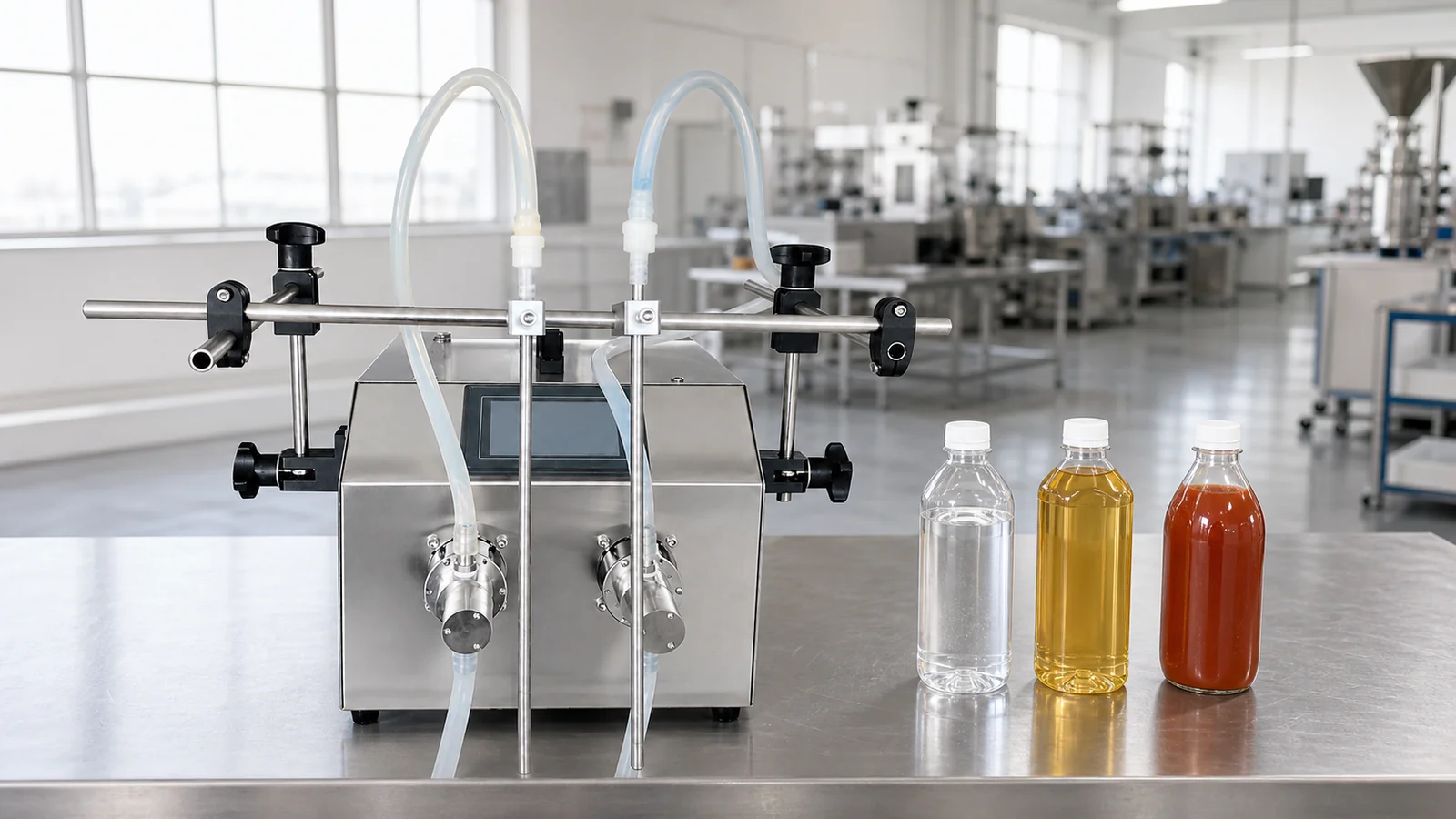
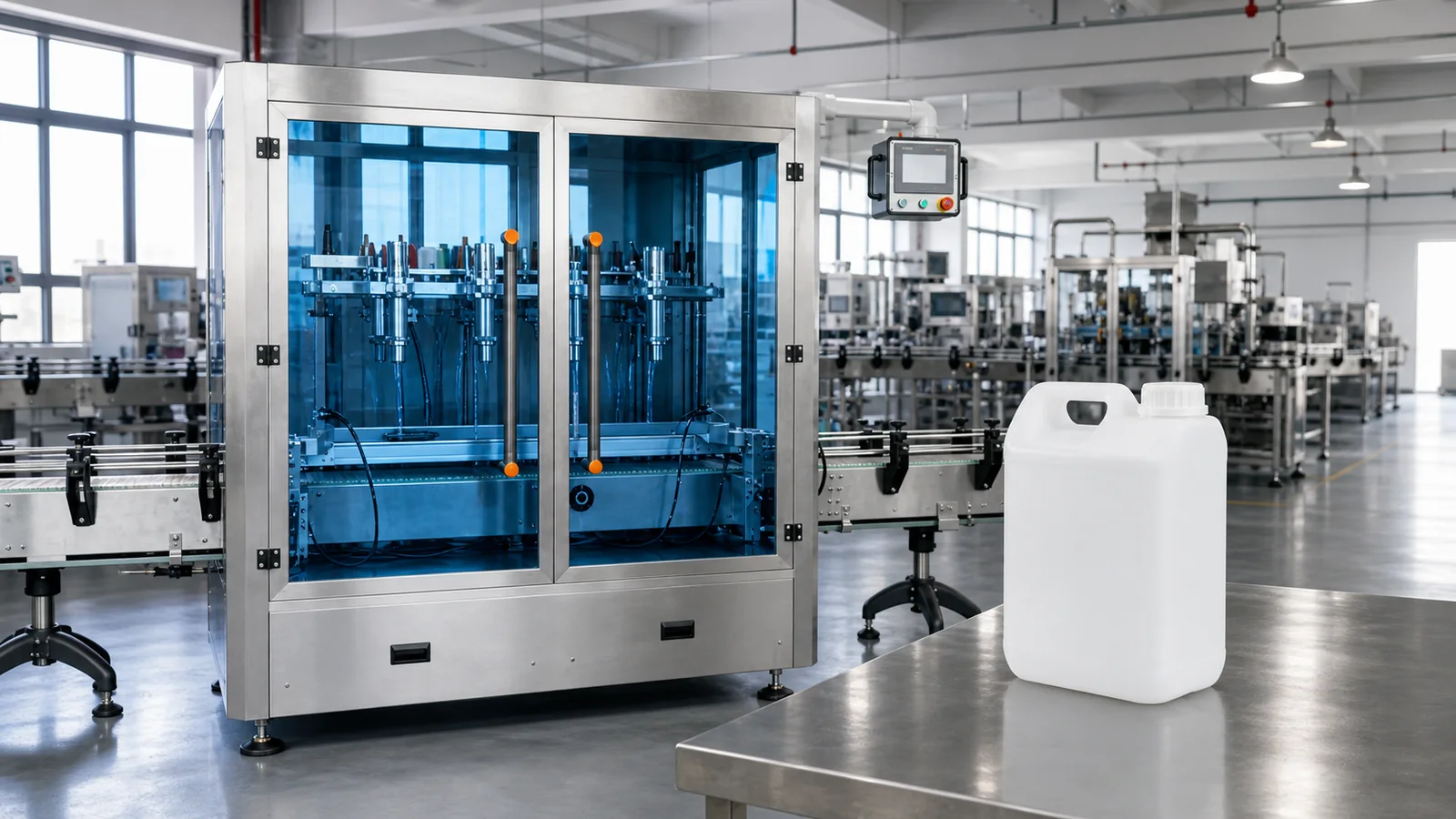
Select the filler, bottle handling, pour-spout or plug station, capper, sealer and labeler as one connected system. LEKA reviews the real detergent and package set before confirming a machine configuration.
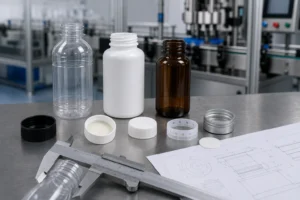
Start with the Detergent, Bottle and Closure Set
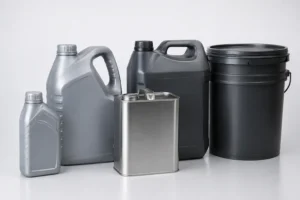
A nominal volume range does not prove that every package will run on one setup. A centered-neck 1 L bottle may need different guides, nozzle positions and closure handling from a filled 5 L handle bottle with an offset neck, pour spout and dosing cap.
Product behaviour
- Flow and foam behaviour at production temperature
- Drip or stringing at nozzle cut-off
- Product-contact material and cleaning requirements
Bottle control
- Actual volume, dimensions and bottle rigidity
- Handle clearance and neck position
- Stability before and after filling
Closure sequence
- Oriented pour spout or non-oriented inner plug
- Outer cap feeding, placing and tightening
- Foil liner and container compatibility when sealing is required
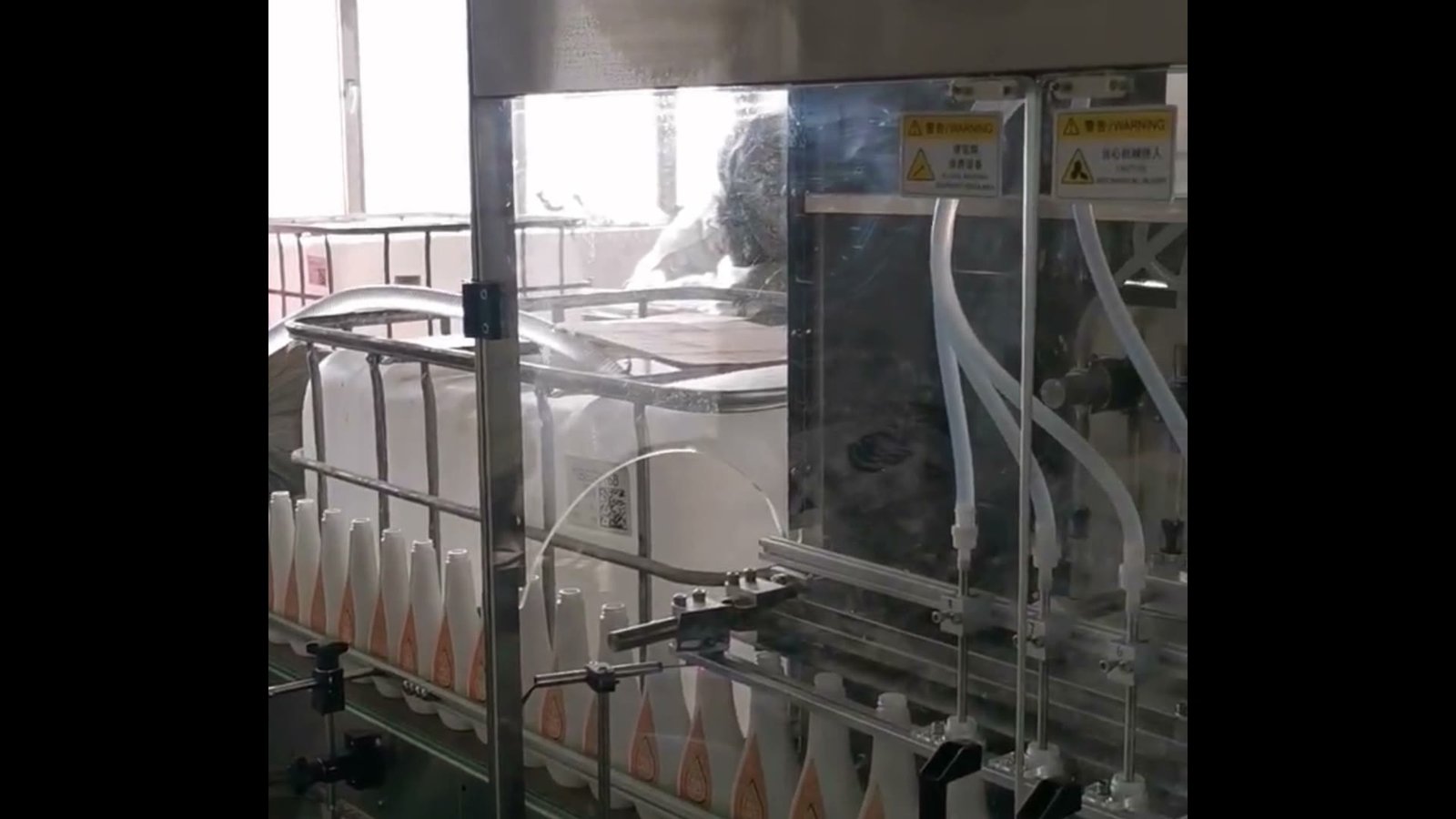
Control Foam, Drips and Fill Variation
The filling result depends on product feed, nozzle position, the programmed fill profile and the way the detergent stops flowing. “No foam” or “zero drip” is not a useful acceptance target unless the product, bottle, observation point and test duration are defined.
Stabilize product feed
Confirm tank level, supply pressure, recirculation and detergent temperature. A changing supply condition can change fill time and cut-off even when the recipe is unchanged.
Match nozzle movement
A bottom-up or diving movement can help some foaming products, but the motion must fit the bottle neck and required cycle. It should be proven with the real package.
Define a visible result
Agree how fill quantity is measured, the acceptable foam level at handoff and how clean the neck must remain for insert placement, capping or sealing.
| Observed Result | Adjustment to Evaluate | Record During the Trial |
|---|---|---|
| Foam rises toward the bottle neck | Fill profile, nozzle depth, fill speed by stage and product feed | Foam level and settling time at the next station |
| Product strings or drips after cut-off | Nozzle design, cut-off timing and product recovery | Neck cleanliness and product loss over a defined run |
| Fill result changes during the run | Feed stability, recipe, product temperature and measurement method | Individual results, average result and the test interval |
| Large bottle slows the line | Filling heads, fill profile, conveyor spacing and downstream cycle | Stable connected output and the actual limiting station |
For cleaning products outside this page’s liquid laundry detergent scope, compare cleaning-product filling equipment. Material selection and safety review should use the actual formula information or safety data sheet where relevant.
Compare the Filling Route with Real Detergent
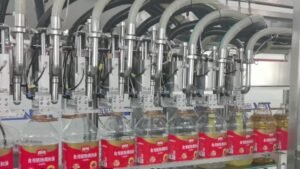
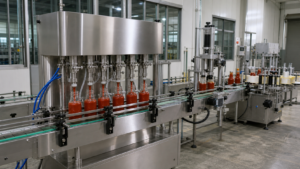
Servo piston and servo-controlled pump filling are practical routes to evaluate for many liquid laundry detergent projects. The selection should be based on the sample, filling range, cut-off behaviour, cleaning access and required connected-line output—not the product name alone.
| Project Condition | Configuration to Review | What the Trial Should Confirm |
|---|---|---|
| Stable, flowable detergent across a defined size range | Servo-controlled pump filling | Feed stability, repeatable volume, clean cut-off and cleaning method |
| Thicker detergent requiring controlled product displacement | Servo piston filling | Fill profile, nozzle cut-off, product recovery and changeover across the required volumes |
| Foam rises during filling | Adjustable fill profile with suitable nozzle movement | Foam level at handoff, fill time and whether product remains clear of the bottle neck |
| Several 1–5 L formats on one line | Recipe control plus documented mechanical adjustments | Guide, nozzle, stop, closure and label changes for the smallest, largest and most difficult package |
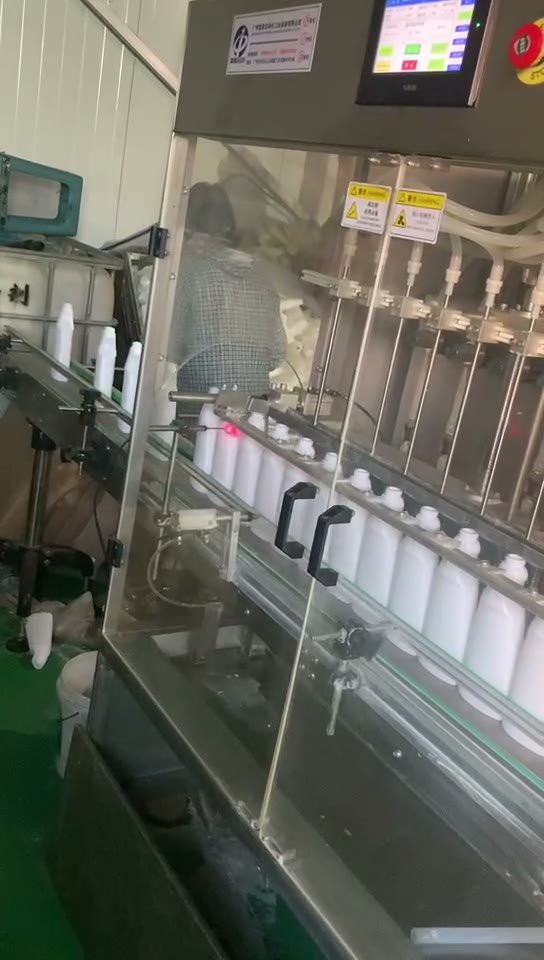
Plan Bottle Handling from 1 L to 5 L
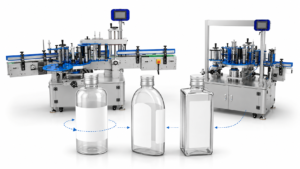
A handle bottle can be asymmetric, flexible and heavier on one side after filling. Its neck may sit away from the conveyor centreline. The line therefore needs controlled presentation at filling, insert placement, capping and labeling.
Guide rails should support the bottle without catching the handle opening, crushing a flexible panel or covering the label area. Transfers, accumulation and stopping behaviour should be checked with filled bottles, not only empty samples.
Changeover points to document
- Guide-rail and bottle-stop positions
- Nozzle height, spacing and recipe
- Spout, plug and cap feeder tooling
- Label sensor and applicator settings
- First acceptable bottle after restart
Build the Closure and Sealing Sequence
A pour spout, inner plug, outer cap and foil liner are separate components. Each requires its own handling decision, and an oriented spout may require additional alignment before pressing and capping.
Feed
Confirm how each component is supplied and whether it can be oriented automatically.
Place
Define neck presentation, insertion depth and how a missing component is detected.
Tighten
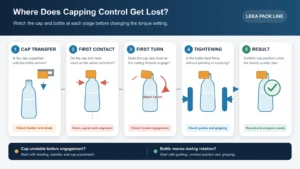
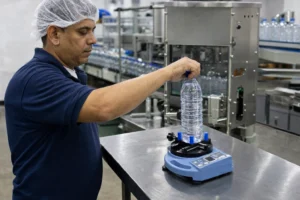
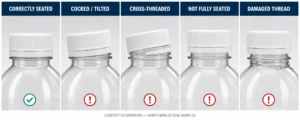
Check cap seating, thread engagement and the agreed closure result on the actual bottle.
Seal
When foil sealing is required, test the liner against the container material and detergent.
An oriented pour spout needs more than insertion force. The feeding system must present it in a known direction, the bottle must arrive at a repeatable orientation and the press should seat the component without damaging the neck. A non-oriented inner plug may use a simpler sequence, but its dimensions, flexibility and seating depth still need a sample test.
After capping, check visible damage, thread engagement, seating and the agreed closure result. If induction sealing is included, confirm the liner seal layer against the container material and check whether the detergent requires additional barrier properties. This prevents a visually acceptable cap from hiding an unsuitable liner-to-bottle combination.
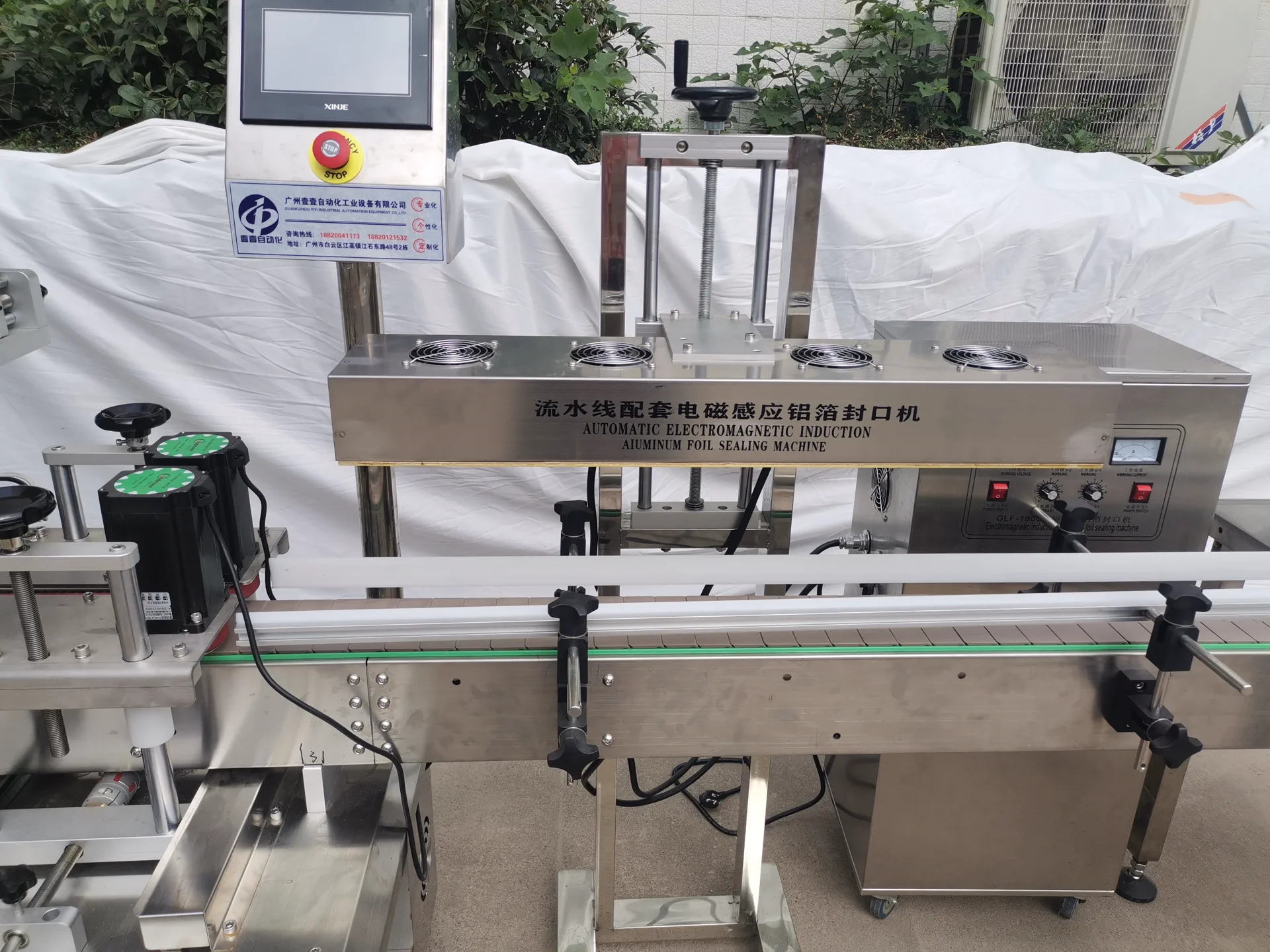
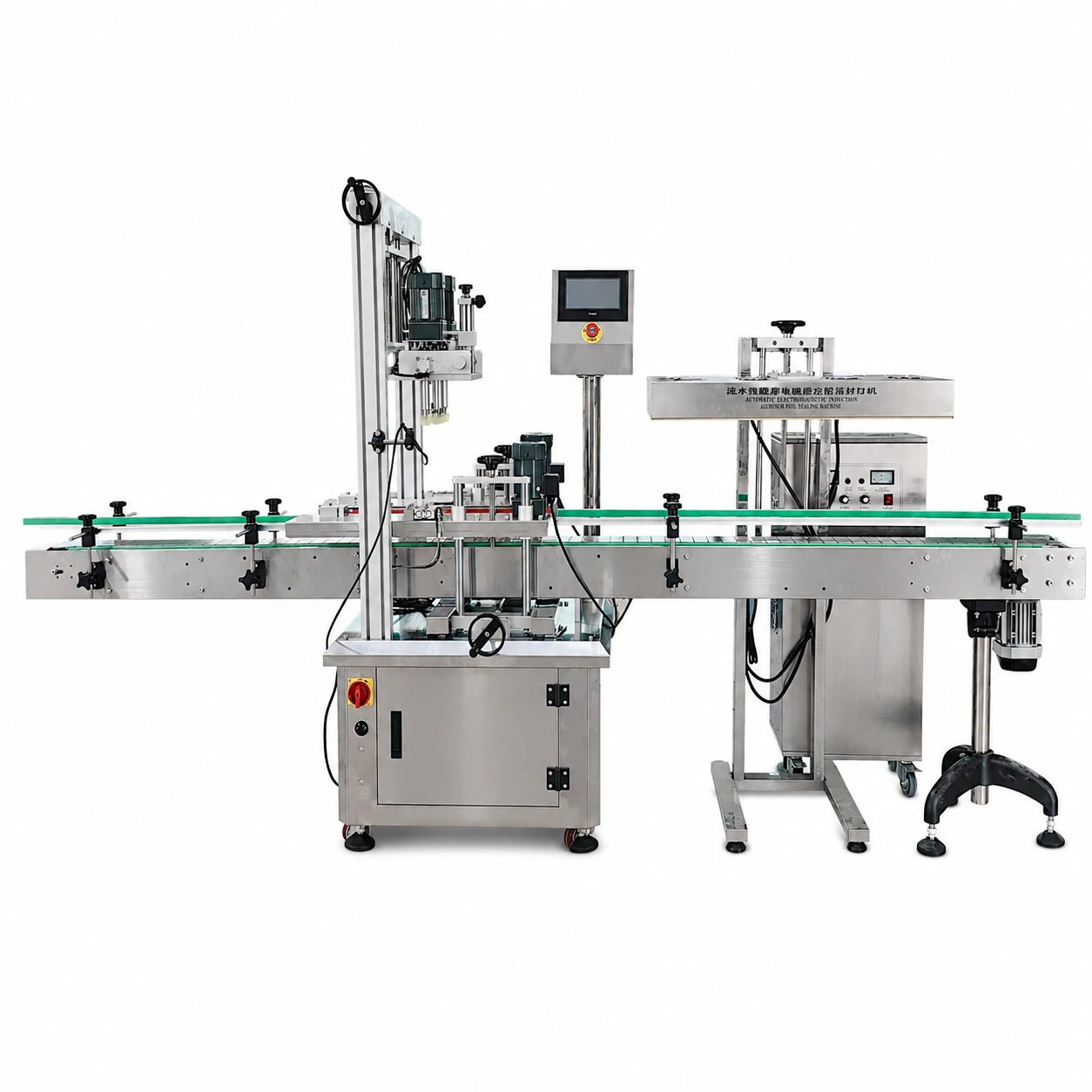
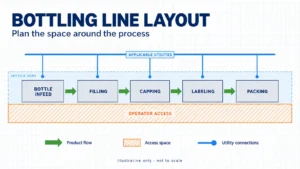
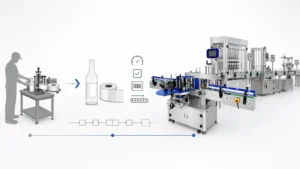
Configure the Complete Bottling Line
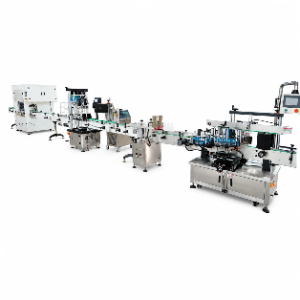
Choose each station from the finished pack you need to hand off. Not every project needs every module, and the stable output of the connected line is more useful than an isolated filler cycle.
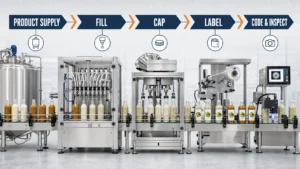
| Line Stage | Typical Equipment | Customer Input |
|---|---|---|
| Bottle infeed and handling | Loading table, conveyor, guides and spacing control | Bottle dimensions, handle, neck position, rigidity and line direction |
| Filling | Servo pump or servo piston configuration with suitable nozzles | Detergent sample, fill range, foam, cut-off and cleaning expectations |
| Insert placement | Pour-spout or inner-plug feeding, orientation and pressing as required | Loose components, orientation marks and seating requirement |
| Capping and sealing | Cap feeding and tightening; induction sealing when required | Cap, liner, bottle neck and closure acceptance method |
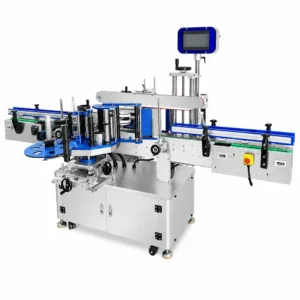
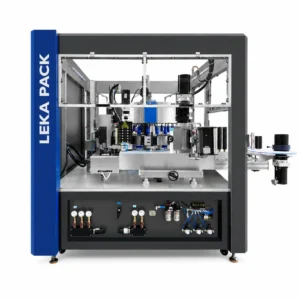
| Labeling and coding | Label applicator and date or batch coding | Label roll, application position, code content and inspection requirement |
| End-of-line handoff | Collection, case packing, carton sealing or other modules on request | Case format, labor plan, floor space and downstream handoff |
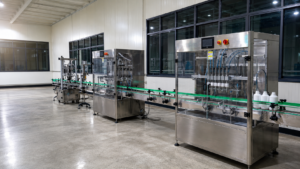
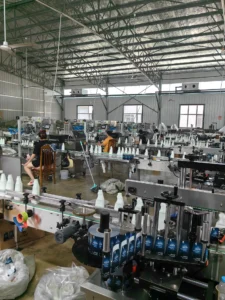
Connect the modules on a floor plan before the project is released. Mark line direction, operator positions, guarding, cleaning access, product feed, electrical and compressed-air points, reject access and the handoff to packing. The largest filled bottle should be checked through transfers and accumulation because its weight and handle can change how it starts, stops or turns.
If operators already case-pack efficiently, automation may stop at bottle collection. If cap handling, carton packing or pallet movement is the real labor bottleneck, those modules can be reviewed as part of the project. The line scope should solve the customer’s production constraint rather than add equipment that is not needed.
For a broader equipment overview, compare LEKA liquid filling machines and bottle filling configurations. For detergent-specific line layouts, see the detergent filling line and home care packaging line solutions.
Validate Output on the Connected Line
A useful output statement identifies the detergent, bottle, closure sequence, number of filling heads, connected modules, observation period, planned stops and treatment of rejects.
Run the difficult SKUs
Test the smallest bottle, the largest filled bottle and the priority package most likely to challenge positioning or closure handling.
Measure the whole sequence
Record stops, rejects, acceptable bottles, changeover work and the slowest connected station instead of quoting only filler speed.
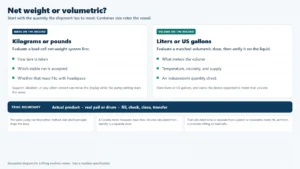
Fill verification should also fit the factory’s quality and legal-metrology plan. For US packaged goods, the current NIST Handbook 133 provides procedures for checking net contents. The European Commission also publishes prepacked-product guidance. These references do not replace project specifications; they help the customer define how production checks will be recorded.
Prepare a Useful RFQ and FAT
Send with the RFQ
- Detergent type, flow or viscosity information, foam behaviour and production temperature
- Every fill volume and the production priority of each SKU
- Bottle drawings and samples, including handle, neck and label-panel details
- Pour spout, inner plug, cap and foil liner samples
- Label roll, code position and inspection requirement
- Target stable output for each priority SKU
- Local voltage and frequency, compressed air, product feed and factory layout
Confirm during FAT
- Agreed product and package samples are used
- Fill result and net-content method are recorded
- Foam, drip and bottle-neck cleanliness are checked
- Spout, plug, cap and seal results are inspected
- Label and code positions are accepted
- Connected output, stops and rejects are documented
- Changeover work and first acceptable bottle are recorded
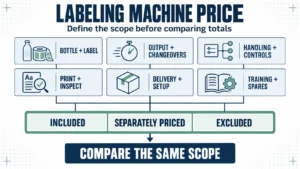
Use the liquid detergent filling machine cost guide to compare scope before reviewing quotations. If your product is hand dishwashing liquid, use the separate dishwashing liquid filling guide.
Frequently Asked Questions
Can one machine handle both 1 L and 5 L laundry detergent bottles?
It can be configured for both sizes when the fill range, bottle guides, neck positions, nozzles, closures, labels and connected-line output have been confirmed. Recipes and mechanical adjustments may both be required. Test the smallest, largest and most difficult priority bottle before approval.
Which filling method is suitable for liquid laundry detergent?
Servo piston and servo-controlled pump filling are both practical routes to evaluate. The choice depends on the detergent sample, fill range, foam and cut-off behaviour, cleaning access and required output. LEKA confirms the route after reviewing these inputs.
Can the line handle bottles with handles and offset necks?
Yes, when the container can be guided and positioned repeatably at every station. The review should cover handle clearance, nozzle alignment, filled-bottle stability, insert or cap placement, labeling and conveyor transfers.
Can LEKA insert a pour spout or inner plug before capping?
Automated feeding, orientation, placement and pressing can be reviewed before outer capping. The setup depends on the component shape, whether it must be oriented, how it is supplied and what confirms correct seating.
Can foil sealing be added after capping?
Yes, when the cap and bottle use a suitable liner. The container material, neck finish, liner and detergent should be checked together, and the finished seal should be tested with the actual package.
How should laundry detergent line output be stated?
State the detergent, bottle size, closure sequence, connected modules, observation period, planned stops and treatment of rejects. This makes the output comparable and shows which station limits the complete line.
What information is needed for a quotation?
Send the detergent type, bottle sizes and drawings, closure components, label method, target output, automation requirement, voltage, utilities and factory layout. Samples help LEKA review filling, handling, capping, sealing and labeling as one project.
Send your detergent type, 1–5 L bottle set, pour spout or inner plug, cap, label, target output, automation requirement, voltage and factory layout. LEKA will review the filling and packaging sequence around the products you plan to run.