BBQ Sauce Bottling Equipment Guide for Small and Medium Producers
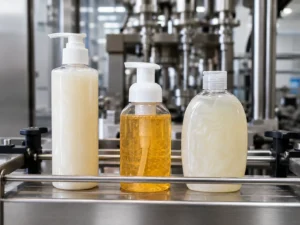
Choosing the right BBQ sauce bottling equipment is mostly about matching the machine to your sauce, your bottle, and your real output. BBQ sauce is thick, sticky, and often sugar-rich, so equipment built for water or thin juice usually struggles with it. This guide helps small and medium producers decide what they actually need before they spend money.
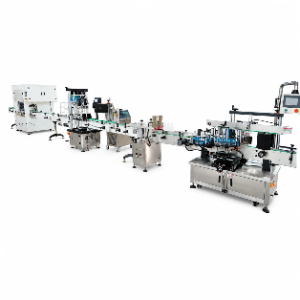
If you only run small batches, a single semi-automatic sauce bottle filler with manual capping and labeling is often enough. As orders grow, you can add a capper, a labeler, conveyors, and coding to build a complete barbecue sauce packaging line. The goal is to buy what fits your current stage while leaving room to grow.
What Equipment Do You Need to Bottle BBQ Sauce?
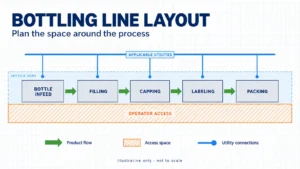
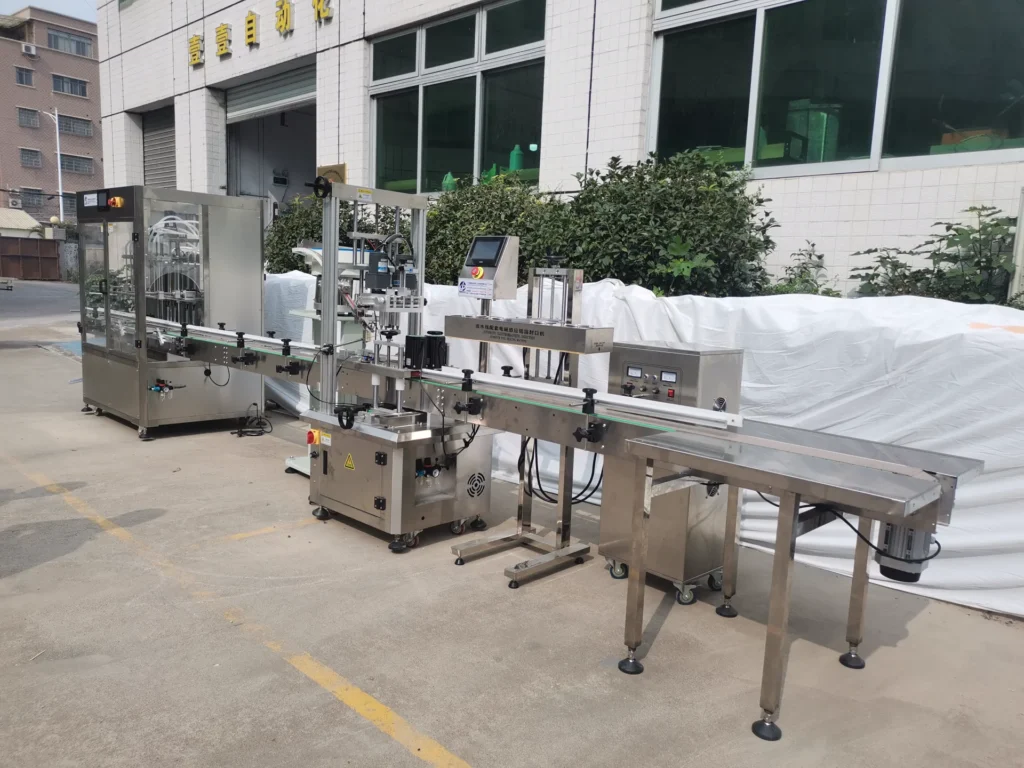
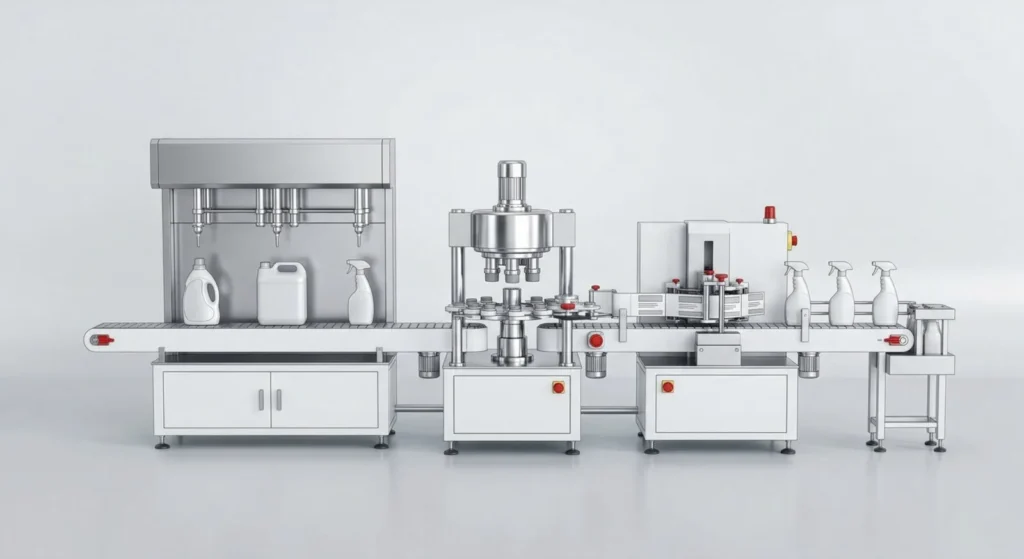
BBQ sauce bottling equipment can be a single machine or a full line. At the simplest level, you need a way to fill the bottle, close the cap, and apply a label. At the most complete level, you have automatic bottle feeding, filling, capping, labeling, coding, conveyors, and packing all linked together.
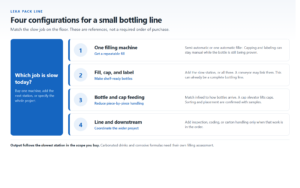
The right choice depends on your output, your labor plan, and your floor space. The table below matches each production stage to suitable equipment.
| Production Stage | Suitable Equipment | Typical Use | Main Advantage |
|---|---|---|---|
| Startup or test batch | Manual or tabletop semi-automatic filler | Recipe testing, samples, very small runs | Low cost, easy to start |
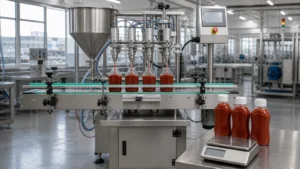
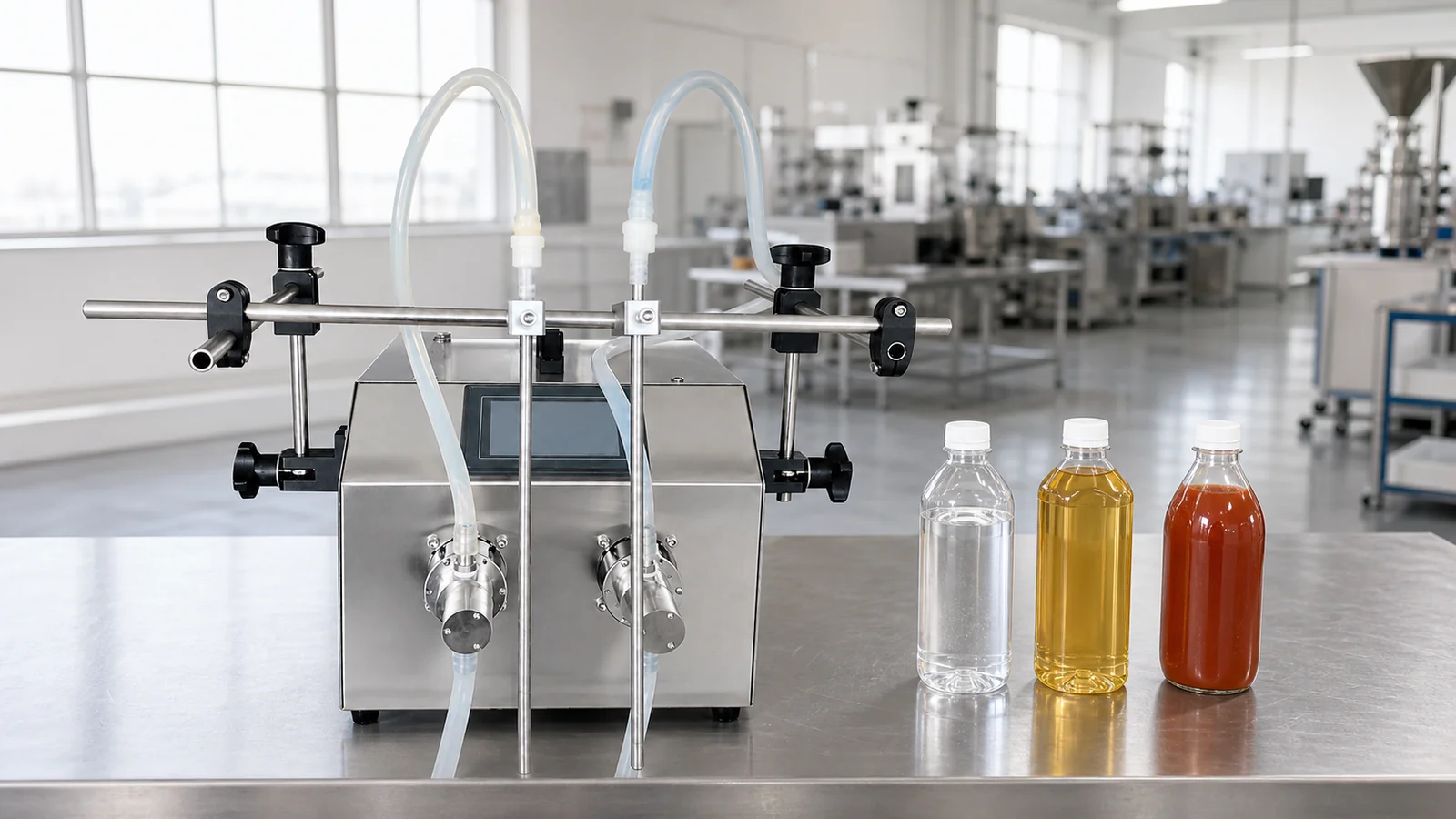
| Small sauce producer | Semi-automatic BBQ sauce bottle filler with hand capping and manual labeling | Regular small batches and local sales | Affordable, flexible, low space need |
| Growing brand | Semi-automatic filler with anti-drip nozzles, plus a semi-automatic capper and labeler | Rising orders and more bottle sizes | Faster output without a large cost jump |
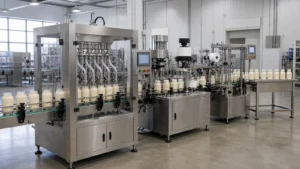
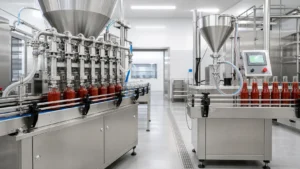
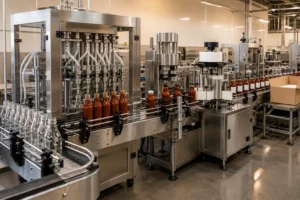
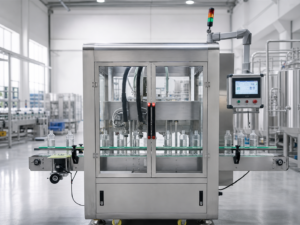
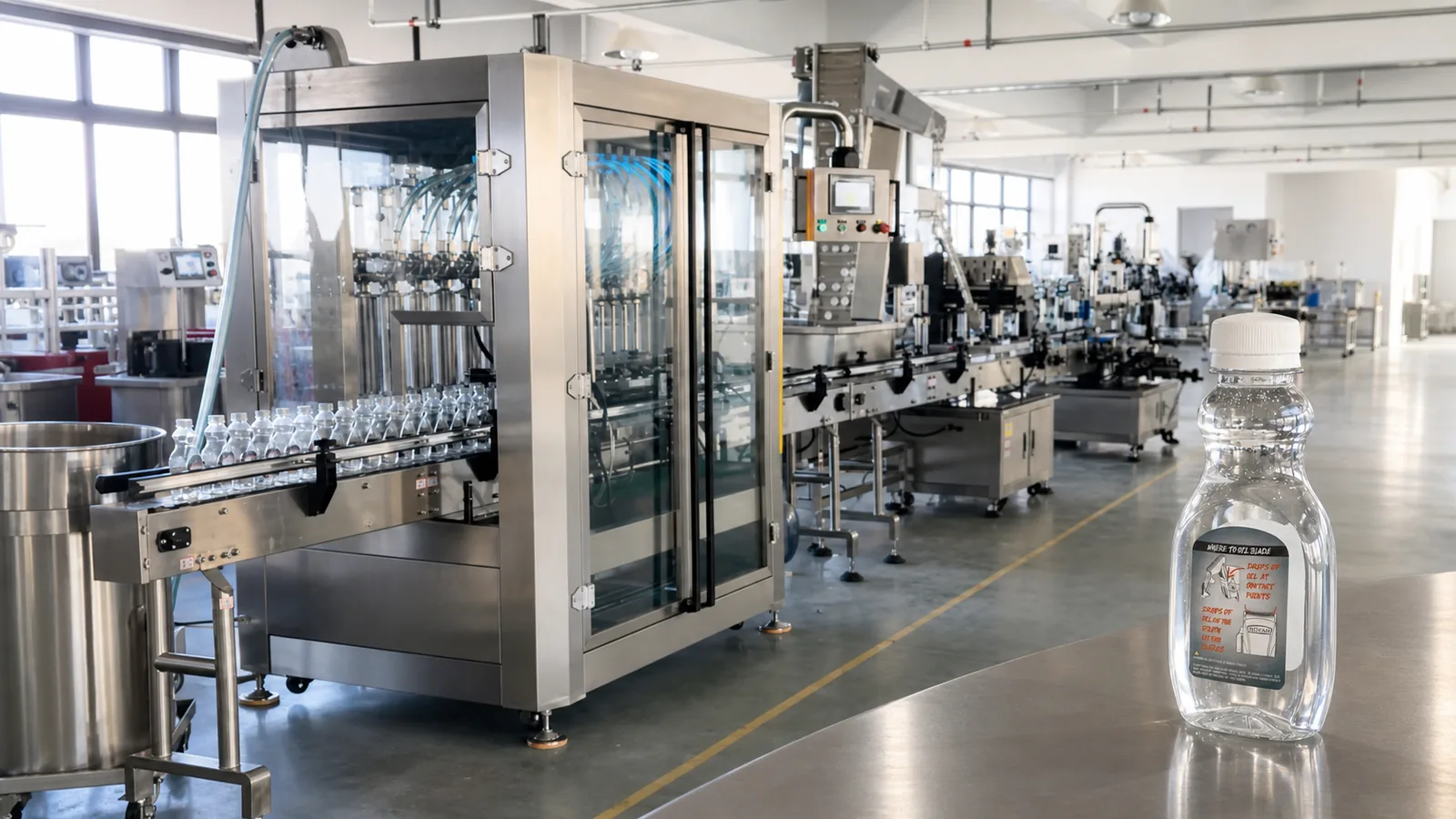
| Medium factory | Automatic BBQ sauce filling machine, automatic capper, automatic labeler, conveyors, coding | Steady, higher-volume production | Consistent output and less manual labor |
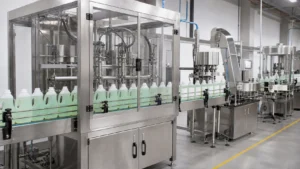
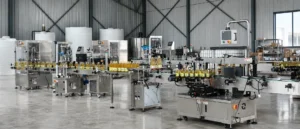
| Full production line | Complete barbecue sauce packaging line: bottle feeding, filling, capping, labeling, coding, conveyors, packing, case sealing | Large or scaling production and export | End-to-end automation and stable quality |
Many buyers start with a semi-automatic sauce bottle filler and expand later. A line can be planned so the early machines still fit when you add automation. You can see the range of machines on the sauce filling machine and bottling equipment page.
Why BBQ Sauce Needs the Right Filling Machine
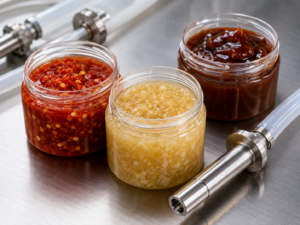
BBQ sauce is not a simple liquid. It is viscous, sticky, and often sugar-rich, and many recipes carry spices, seeds, herbs, or small particles. Some sauces also thicken or separate when they sit or cool. All of this affects how the sauce flows into the bottle.
A filler designed for thin liquids tends to drip, string, and leave messy bottle mouths when it handles thick sauce. It can also clog when particles reach a narrow valve. That slows the line, wastes product, and creates cleaning problems.
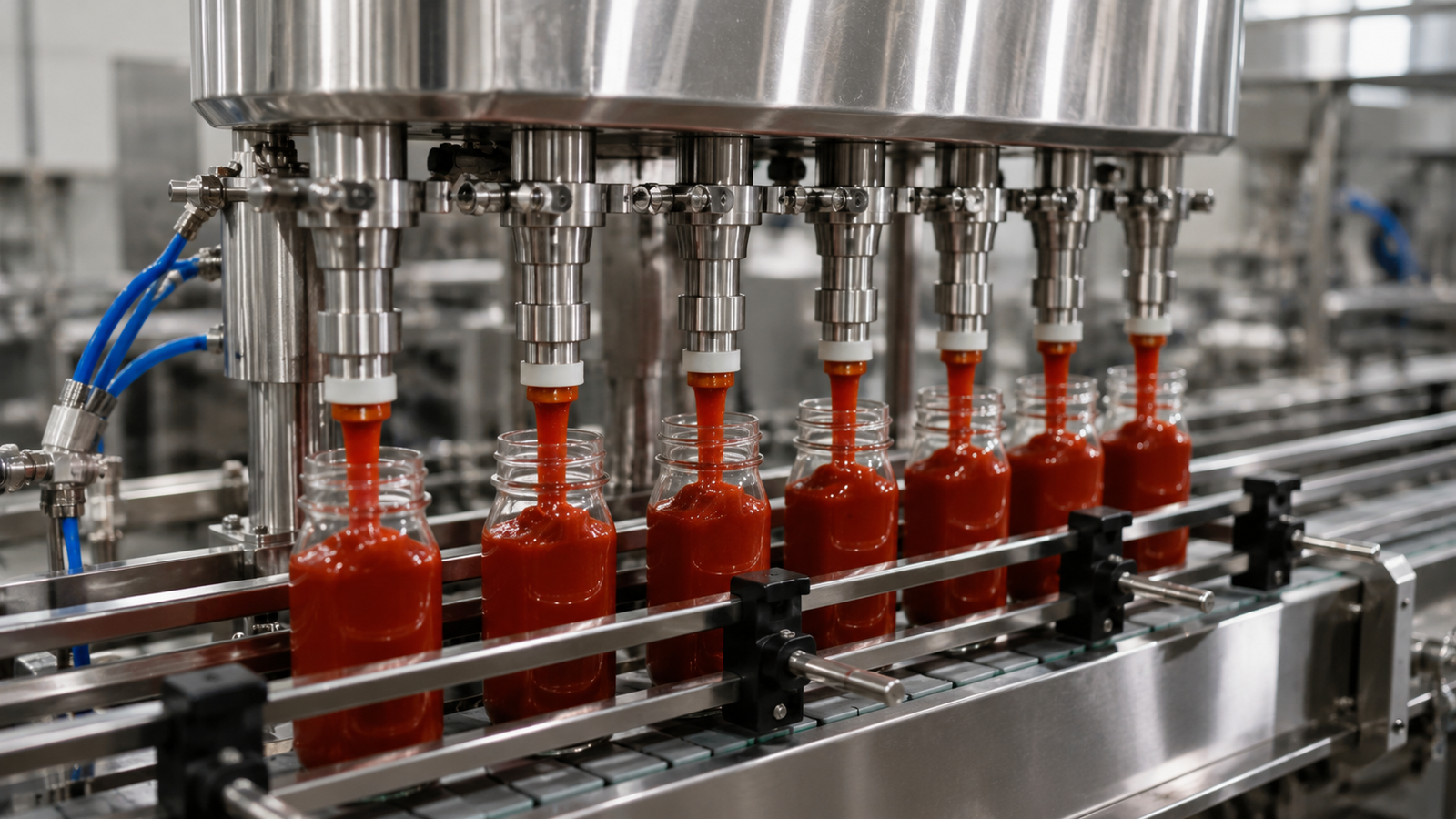
This is why a filling machine for thick sticky sauce is built differently. It uses a stronger filling action, a wider product path, and clean cut-off nozzles. When the sauce is heavy or sugar-rich, a heating or mixing hopper can keep the flow stable. Matching these features to your real recipe is the most important step before buying any sauce bottling machine.
Piston Filler, Pump Filler, or Complete Bottling Line?
For BBQ sauce, the filling method matters more than almost anything else. The three options buyers compare most often are a piston filler, a pump filler, and a complete bottling line.
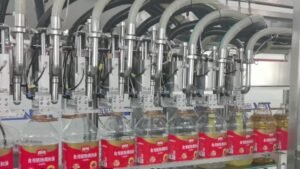
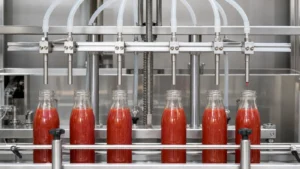
A piston filler for BBQ sauce is a common choice for thick and viscous products. The piston draws a set volume and pushes it firmly into the bottle, which suits heavy sauce and helps move small particles through a wider path. It also holds volume accuracy well across bottles.
A pump filler can work for some sauces, especially smoother or thinner recipes. The right pump type depends on viscosity and whether the sauce contains particles, since some pumps handle solids better than others.
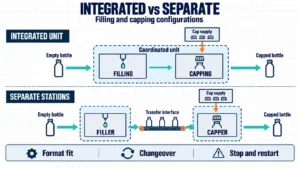
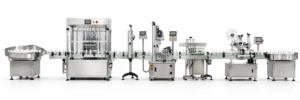
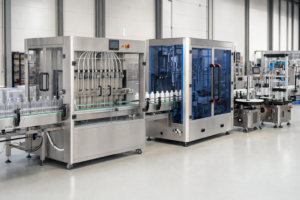
A complete bottling line is the answer when you need filling, capping, and labeling to run together at a steady speed. Instead of choosing one machine, you connect several stages with conveyors. For deeper background on stage-by-stage choices, the sauce packaging machine guide is a useful reference.
Semi-Automatic vs Automatic BBQ Sauce Bottling Equipment
Most small and medium producers face one core decision: a semi-automatic BBQ sauce filling line or fully automatic equipment.
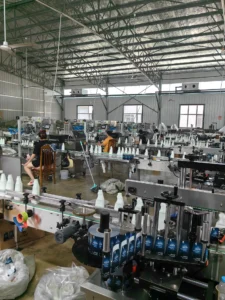
A semi-automatic line keeps an operator in the loop. A worker places and removes bottles while the machine fills and, in many setups, caps and labels with manual or assisted steps. This keeps cost low, fits small spaces, and is easy to change between products. It is a strong fit for small batches, frequent recipe changes, and brands that are still growing.
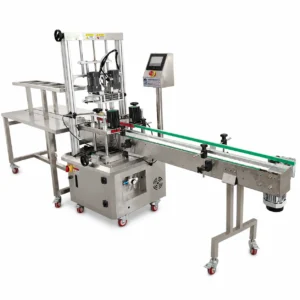
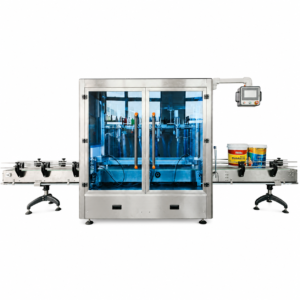
An automatic BBQ sauce filling machine handles bottle feeding, filling, capping, and labeling with little manual work. It gives higher and steadier output and reduces labor per bottle, but it needs more space, more investment, and more setup. It makes sense when your orders are large and consistent enough to keep the line busy.
There is no single right answer. The better choice is the one that matches your current output, your labor plan, and how often you switch products.
Key Machine Features for Thick and Sticky BBQ Sauce
When you compare BBQ sauce bottling equipment, look closely at the features that deal with thickness, stickiness, and particles. The table below explains why each feature matters and what to check.
| Machine Feature | Why It Matters for BBQ Sauce | What Buyers Should Check |
|---|---|---|
| Piston filling | Pushes thick, viscous sauce firmly and handles small particles better than gentle methods | Volume range, particle clearance, and food-grade contact parts |
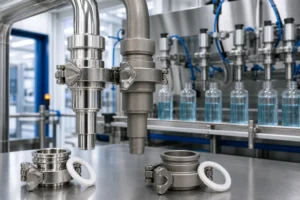
| Anti-drip nozzles | An anti-drip sauce filling nozzle cuts off cleanly, reducing drips, stringing, and messy bottle mouths | Cut-off or anti-string design, nozzle size, and easy cleaning |
| Heating hopper | Keeps sugar-rich or heavy sauce flowing if it thickens when it cools | Whether your recipe needs it and how temperature is controlled |
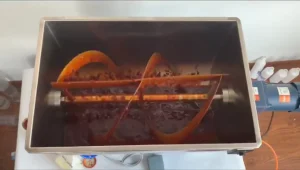
| Mixing hopper | Keeps spices and particles evenly spread and limits separation in the tank | Stirrer type and speed, and the particle size it can handle |
| Wider filling path | Lets seeds, herbs, and small particles pass without clogging the valve | Valve and nozzle bore size compared with your largest particles |
| Bottle positioning | Holds bottles steady so sauce goes in cleanly with less spill | Change parts for your bottle and jar shapes and sizes |
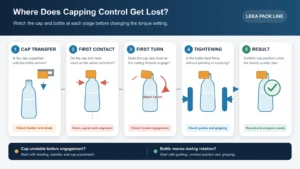
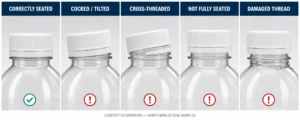
| Capping machine | Seals caps tightly so thick sauce does not leak in transit | Support for your cap type and consistent closing pressure |
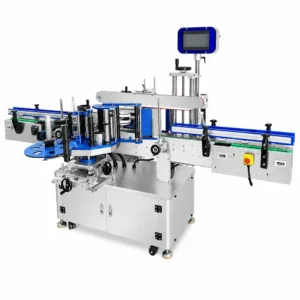
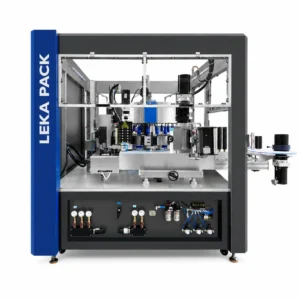
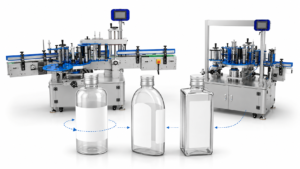
| Labeling machine | Applies clean front, back, or wrap labels for a retail-ready look | Label style, bottle shape, and speed that matches the filler |
| Conveyor layout | Links machines smoothly and fits your floor space | Layout shape, length, and how stages connect together |
Bottle, Cap, Label, and Output Checks Before Buying
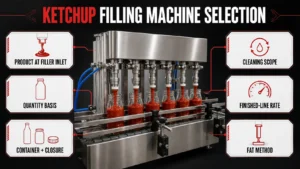
Before you compare any sauce bottling machine for sale, confirm the basics of your own product. These details shape which machine fits and how it is configured.
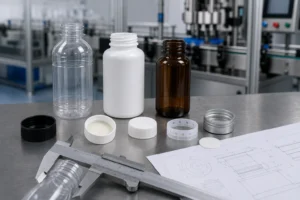
- Bottle or jar: material such as glass, PET, or HDPE, plus shape, neck size, and stability on a conveyor.
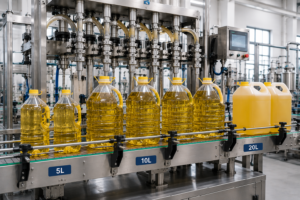
- Fill volume: the sizes you sell. Common sauce filling often runs across a wide range, around 50 ml to 5 L, depending on the product and bottle.
- Cap type: screw cap, press cap, flip top, or trigger, since this drives the capping method.
- Label method: front and back labels, wrap labels, or sleeves.
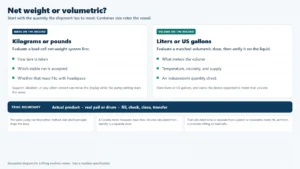
- Target output: the bottles per hour or per shift you actually need now and soon.
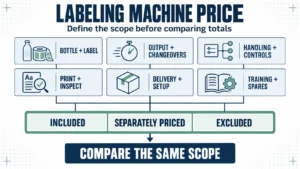
Output is not a single fixed number. It depends on sauce viscosity, fill volume, bottle handling, the number of filling heads, capping speed, labeling speed, and your factory layout. To work through this in detail, see how to calculate bottle filling machine output, and review the bottle filling machine price guide to understand how scope affects cost.
Typical BBQ Sauce Filling, Capping, and Labeling Line Setup
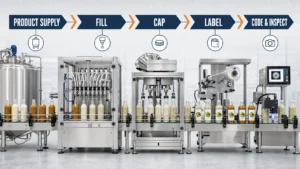
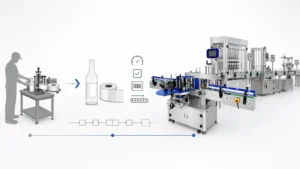
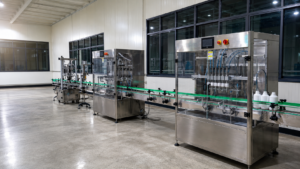
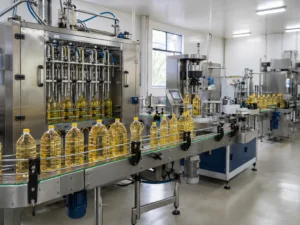
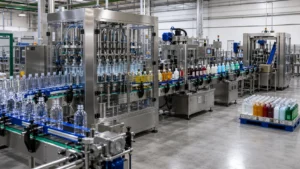
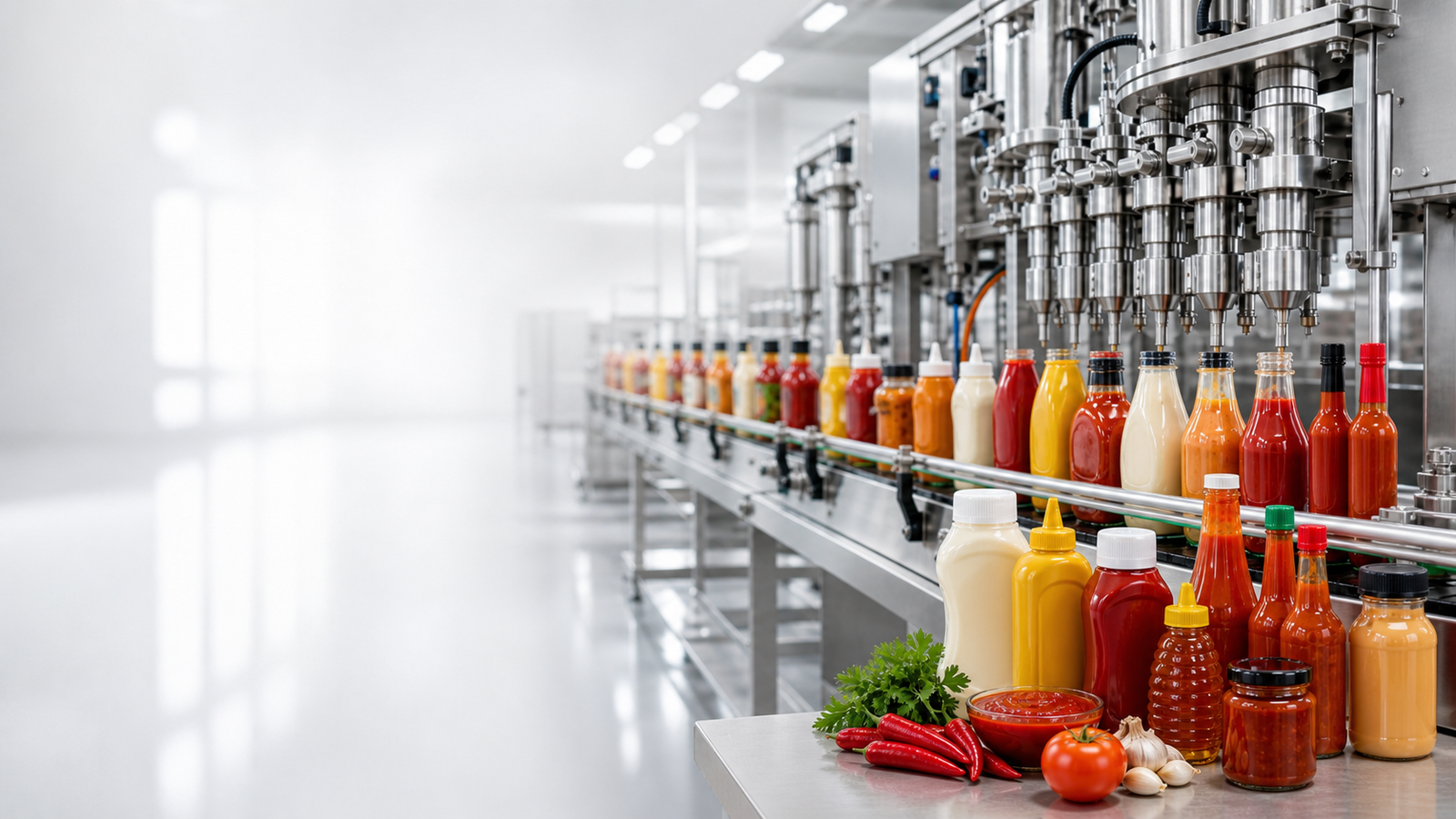
A typical BBQ sauce filling capping labeling line follows a clear path, whether it is semi-automatic or automatic. The stages are similar; the difference is how much each step is automated.
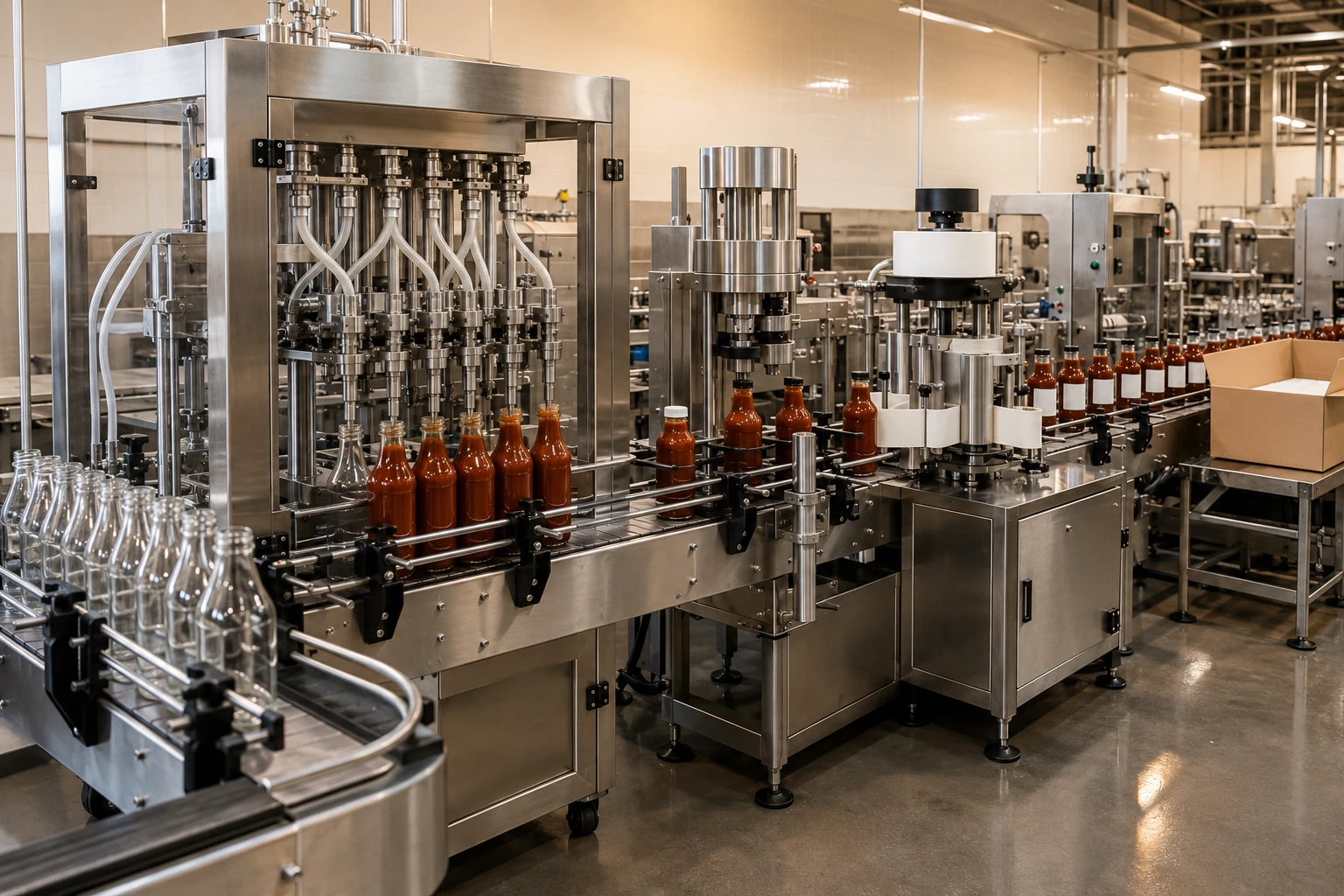
- Bottle feeding: bottles enter by hand, by loading turntable, or by automatic unscrambler.
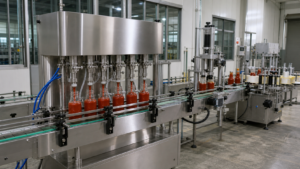
- Filling: a piston filler doses the sauce, often with anti-drip nozzles and a heating or mixing hopper when needed.
- Capping: caps are placed and tightened by hand tooling or by an automatic capper.
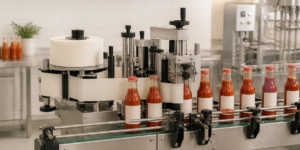
- Labeling: a labeler applies front, back, or wrap labels.
- Coding: batch codes and dates are printed for traceability.
- Conveying and packing: conveyors link the stages, and finished bottles move to packing and case sealing.
A small producer might use a 2-head piston filler with manual capping and labeling and a simple accumulating turntable. A medium factory might run the same stages as a connected automatic line. The same flow can be built as a compact semi-automatic setup or scaled up with an automatic bottle filling machine as demand grows.
What to Prepare Before Requesting a Quote
A clear quote starts with clear product details. The more we understand your sauce and bottle, the more practical the configuration. Before you reach out, prepare the following.
- Product name and what kind of BBQ sauce it is.
- Sauce thickness or viscosity, and whether it thickens or separates.
- Particle condition, such as spices, seeds, or herbs, and their size.
- Fill volume or volumes you plan to sell.
- A bottle photo, plus material, shape, and size.
- Cap type and label type.
- Target output now and in the near future.
- Voltage and destination country.
- Whether you need a single filler or a full line, and your factory space and budget.
If you are unsure where to begin, it helps to first choose the right sauce filling machine based on your sauce type, then build the rest of the line around it.
FAQ About BBQ Sauce Bottling Equipment
What is the best filling machine for BBQ sauce?
There is no single best machine. A piston filler is a common choice because it handles thick, sticky sauce and small particles well. The right model depends on your viscosity, fill volume, bottle, and output.
Can one machine fill BBQ sauce, hot sauce, ketchup, and dressing?
Often yes, if the machine is configured for the range. Products vary in thickness and particles, so the filler, nozzles, and hopper should match the most demanding recipe you plan to run.
Is a semi-automatic BBQ sauce bottle filler enough for a small producer?
For many small producers, yes. A semi-automatic BBQ sauce bottle filler is affordable, flexible, and fits small spaces. It works well for small batches and frequent product changes.
When should I choose an automatic BBQ sauce bottling line?
Choose automatic equipment when your orders are large and steady enough to keep the line busy. It gives higher output and lower labor per bottle, but needs more space, investment, and setup.
Can BBQ sauce with spices or particles be filled by machine?
Yes. A machine with a wider filling path, suitable nozzles, and a mixing hopper can handle spices, seeds, and small particles. Share the largest particle size so the path can be matched correctly.
Does BBQ sauce bottling equipment include capping and labeling?
It can. Filling is one stage. Capping, labeling, coding, conveying, and packing can be added as separate machines or built into a complete line, depending on your needs and budget.
What information should I send before requesting a quote?
Send the product name, sauce thickness, particle condition, fill volume, a bottle photo, cap type, label type, target output, voltage, country, and whether you need a single filler or a full line.
How do I estimate the output of a BBQ sauce filling line?
Output depends on viscosity, fill volume, bottle handling, the number of filling heads, capping speed, labeling speed, and layout. Share these details and your target so the line can be sized realistically.
Conclusion: Choose Equipment Based on Your Real Sauce and Bottle
The best BBQ sauce bottling equipment is the equipment that matches your sauce, your bottle, and your real output, not the largest or most automated machine available. Small producers can start with a semi-automatic sauce bottle filler, while medium factories may move to an automatic barbecue sauce packaging line. Either way, the features that handle thickness, stickiness, and particles are what protect your product and your line speed.
LEKA Pack Line helps food, beverage, and sauce producers plan practical lines around the product itself, with machine selection, customization, a bottle and jar focus, and full line integration. To get a configuration built for your sauce, request a BBQ sauce bottling equipment quote and send your product name, sauce thickness, particle condition, fill volume, a bottle photo, cap type, label type, target output, voltage, country, and whether you need a single filler or a complete line. With those details, we can recommend the right setup and help you move forward with confidence.