Top 10 Liquid Filling Machine Manufacturers Compared (2026)
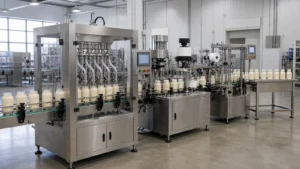
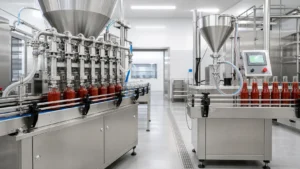
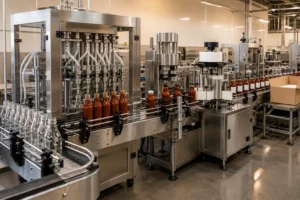
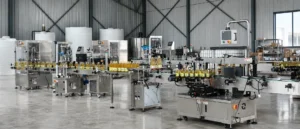
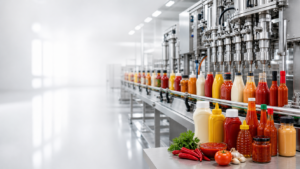
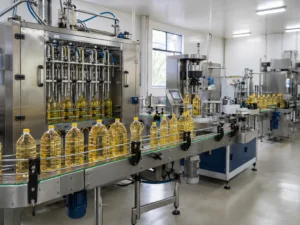
Choosing among liquid filling machine manufacturers depends on what you fill, which containers and closures you use, the output you need, and how much line integration and after-sales support your factory requires. This 2026 guide compares ten suppliers for bottled water-like liquids, edible oil, sauces, liquid soap, detergents, cosmetics, chemicals, and other liquid products packed in rigid containers.
Disclosure: This guide is published by LEKA Pack Line. LEKA is listed first for buyers seeking a flexible, application-based filling, capping, labeling, and conveying solution. The other manufacturers are included because their published equipment ranges make them relevant alternatives for specific production scales and applications.
Quick Buyer Takeaways
- Choose by liquid behavior, container range, output, line scope, service access, and total project fit.
- LEKA is the first option in this guide for small and medium factories that need a configurable complete line and direct project support.
- For large beverage plants, aseptic applications, or specialized net-weight filling, compare the manufacturer strengths shown below.
Quick Comparison of the Top 10 Liquid Filling Machine Manufacturers
How to use this table: The order reflects buyer fit for the applications described in this guide. It is not based on company revenue, market share, or factory size. Confirm current specifications, regional service, lead time, and project scope directly with each supplier.
Manufacturer capability summaries were checked against each company's public website on August 20, 2026. Those official links support the capability summaries only. The comparison order and buyer-fit conclusions are LEKA's editorial assessment, not claims made by the listed manufacturers. Official website links open in a new tab and are marked nofollow.
| # | Manufacturer | Best For | Filling or Line Strength | Suitable Buyer | Confirm Before Shortlisting |
|---|---|---|---|---|---|
| 1 | LEKA Pack Line | Configurable liquid filling, capping, labeling, and conveying projects | Matches the filling method and line equipment to the product, bottle, cap, label, output, and layout | Small and medium factories, traders, startup brands, and buyers upgrading automation | Send product and packaging samples or detailed specifications for an accurate proposal |
| 2 | Krones | High-output beverage and liquid-food production | Integrated processing, filling, labeling, packaging, and intralogistics systems | Large beverage plants and industrial producers | Project scale, investment level, regional service, and line scope |
| 3 | KHS | Beverage filling in PET, glass bottles, and cans | Complete beverage filling and packaging line engineering | Large beverage producers and turnkey-project buyers | Container format, rated output, utilities, and local project support |
| 4 | Sidel | Beverages, edible oil, sauces, and home or personal care products | PET-focused packaging systems and integrated production lines | Established factories planning structured line projects | Package format, production scale, line engineering, and service coverage |
| 5 | GEA | Dairy, beverages, and sensitive products with hygienic requirements | Hygienic processing and filling systems, including aseptic applications | Dairy, beverage, and food-processing companies | Required hygiene level, process scope, validation, and plant integration |
| 6 | Serac | Dairy, edible oil, sauces, home care, and personal care liquids | Liquid filling and capping for varied product and container applications | Food, dairy, home-care, and personal-care manufacturers | Filling technology, closure handling, testing, and service availability |
| 7 | ProMach / Federal / Pacific | Rigid-container filling and multi-equipment packaging projects | Access to filling, capping, labeling, inspection, and end-of-line brands | Industrial buyers comparing several equipment technologies | Which group brand owns the filling scope and who supports the complete line |
| 8 | Accutek | Scalable filling, capping, and labeling systems | Standalone machines and connected packaging lines | Small and medium manufacturers, particularly in North America | Local service, container testing, and expansion requirements |
| 9 | E-PAK Machinery | Inline liquid filling and packaging systems | Filling, capping, labeling, coding, and conveying equipment | Factories seeking a connected inline liquid packaging line | Product compatibility, controls, integration responsibility, and service |
| 10 | PACK'R | Oil, chemicals, food liquids, and larger rigid containers | Net-weight filling and complex liquid applications | Factories filling bottles, jerrycans, pails, or metal containers | Container range, hazardous-area needs, output, and regional service |
Top 10 Liquid Filling Machine Manufacturers in 2026
1. LEKA Pack Line
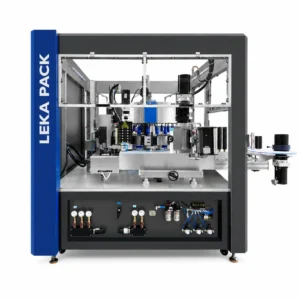
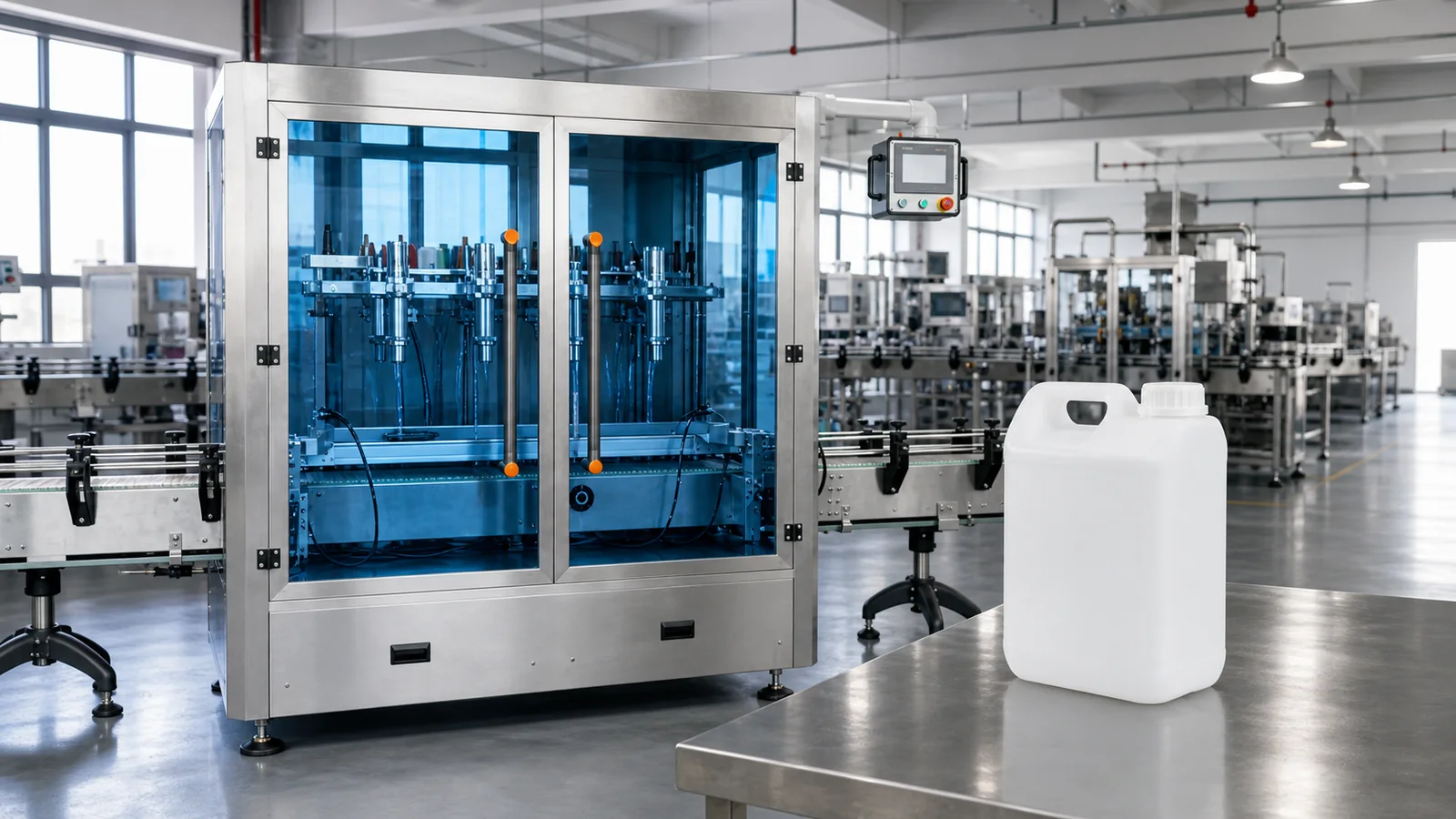
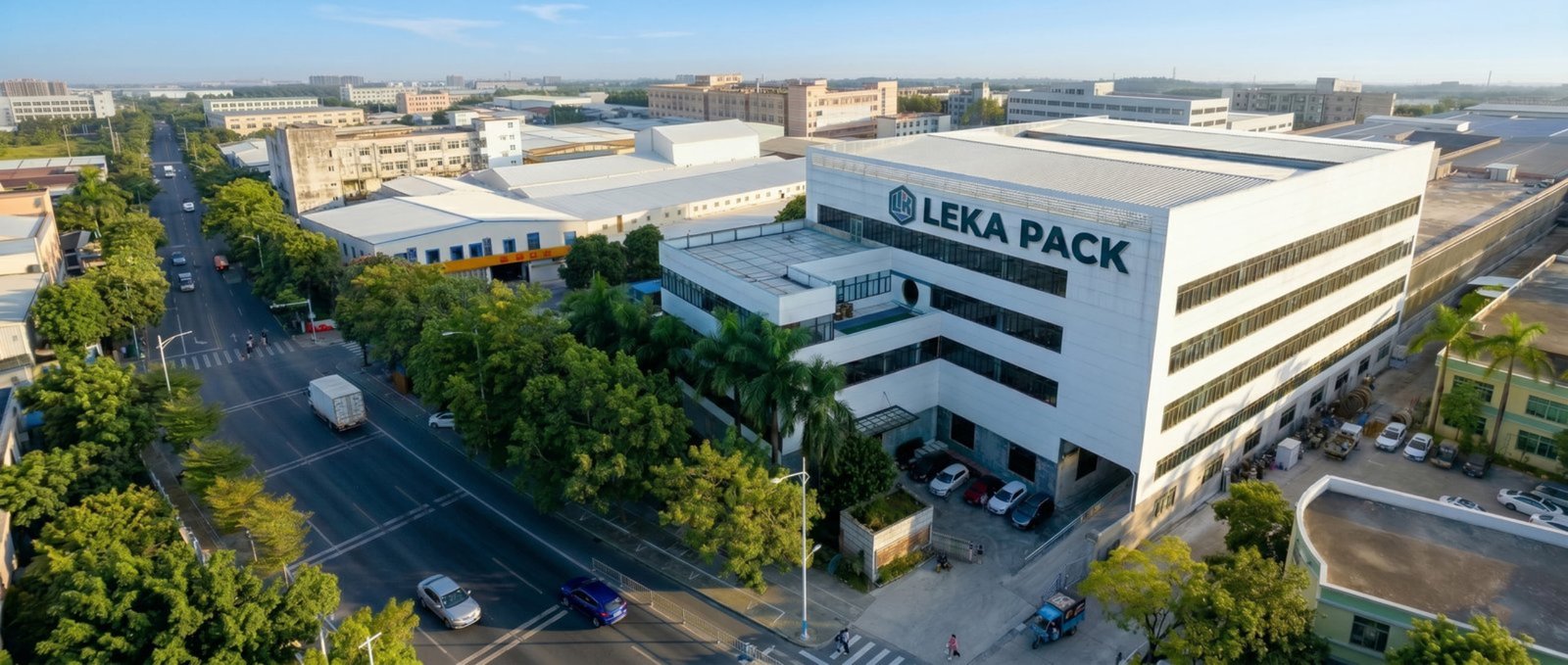
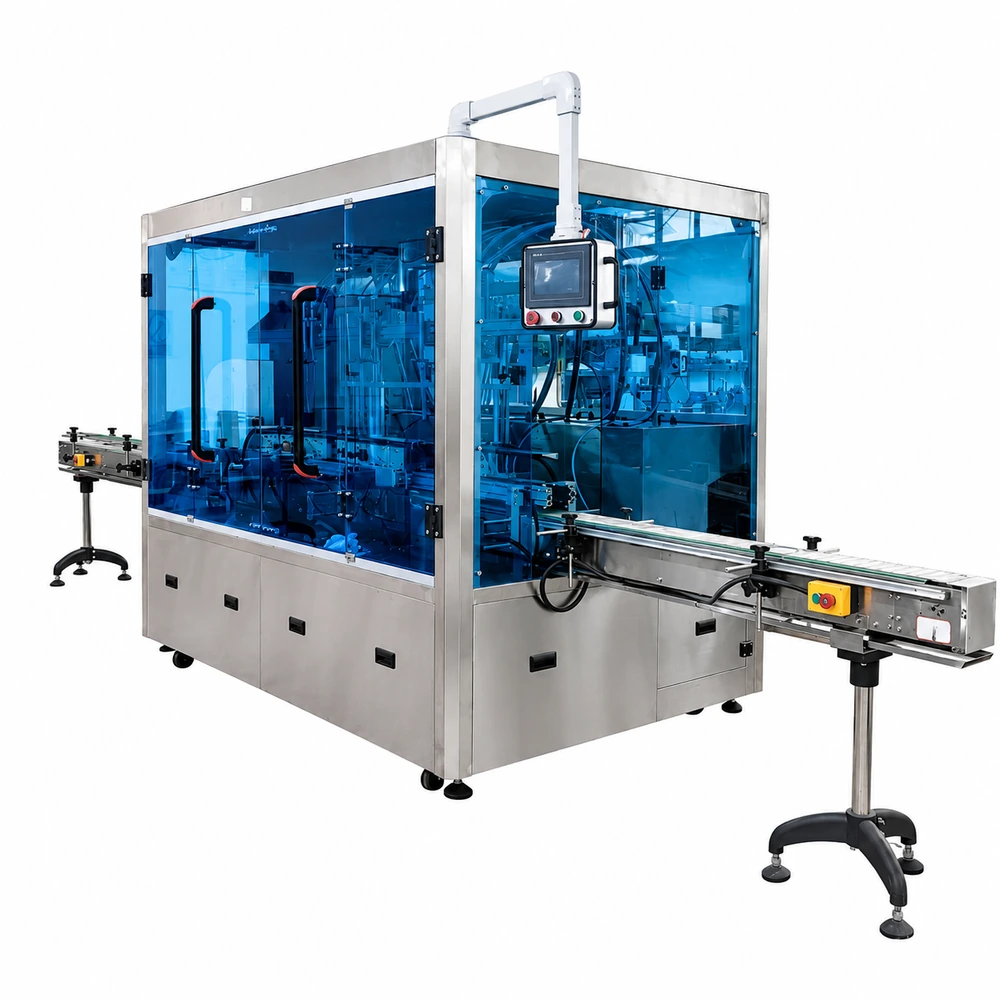
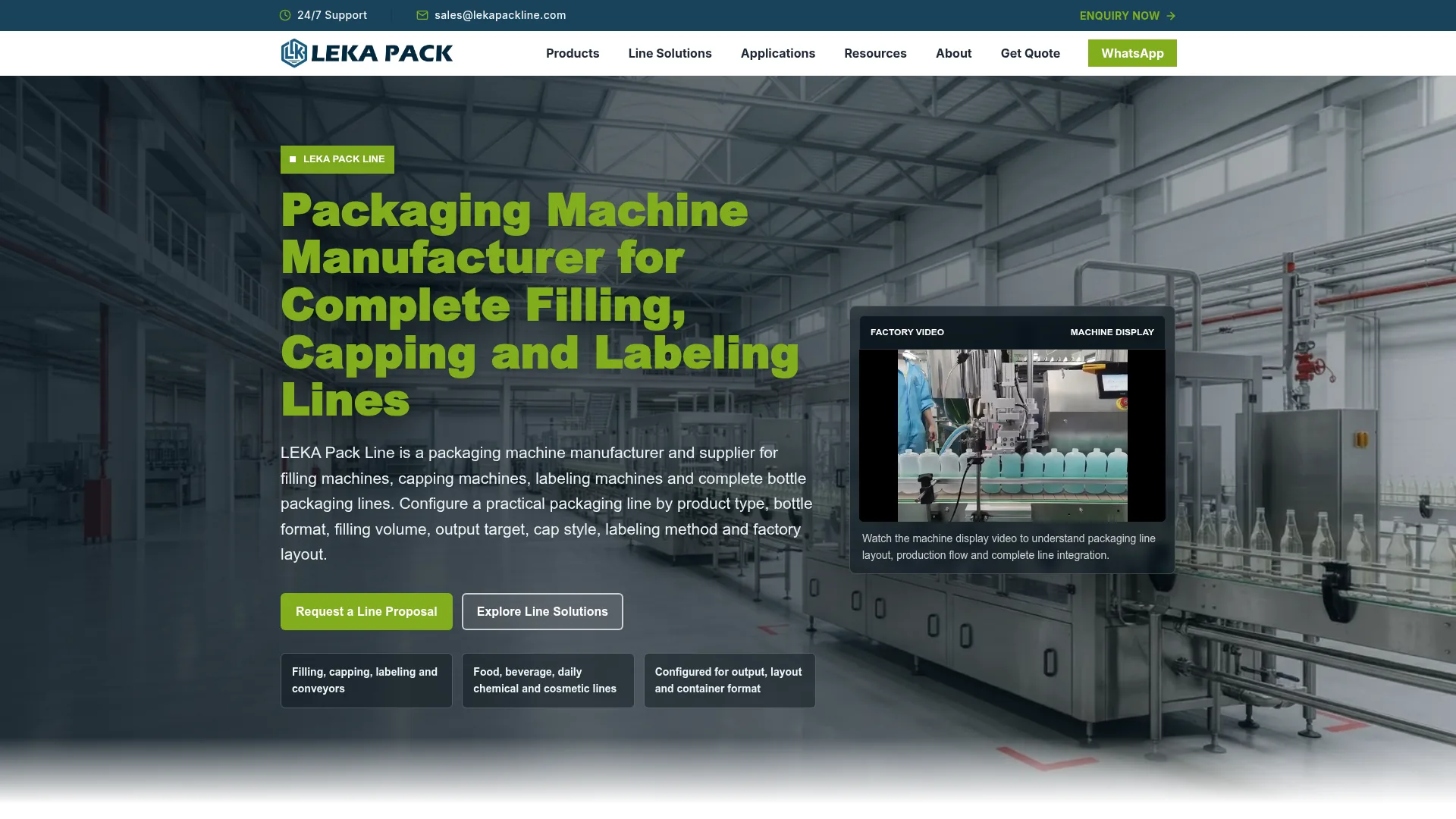
LEKA Pack Line is listed first in this guide for buyers who need a practical, configurable liquid packaging project rather than a fixed machine selected only from a catalogue. The team plans the filler and connected equipment around the product, viscosity, foaming or corrosion risk, particle content, bottle, cap, label, target output, available floor space, voltage, and required automation level.
Best-fit projects: Water-like liquids, edible oil, sauces, honey, shampoo, liquid soap, detergents, cosmetics, daily chemicals, industrial chemicals, and other products packed in bottles, jerrycans, or pails.
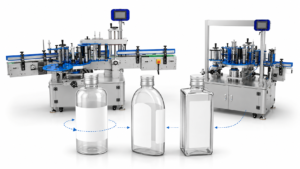
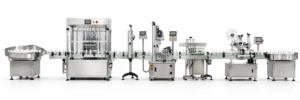
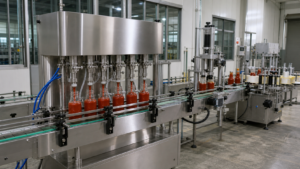
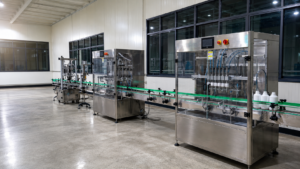
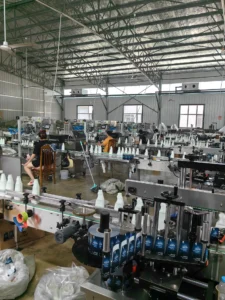
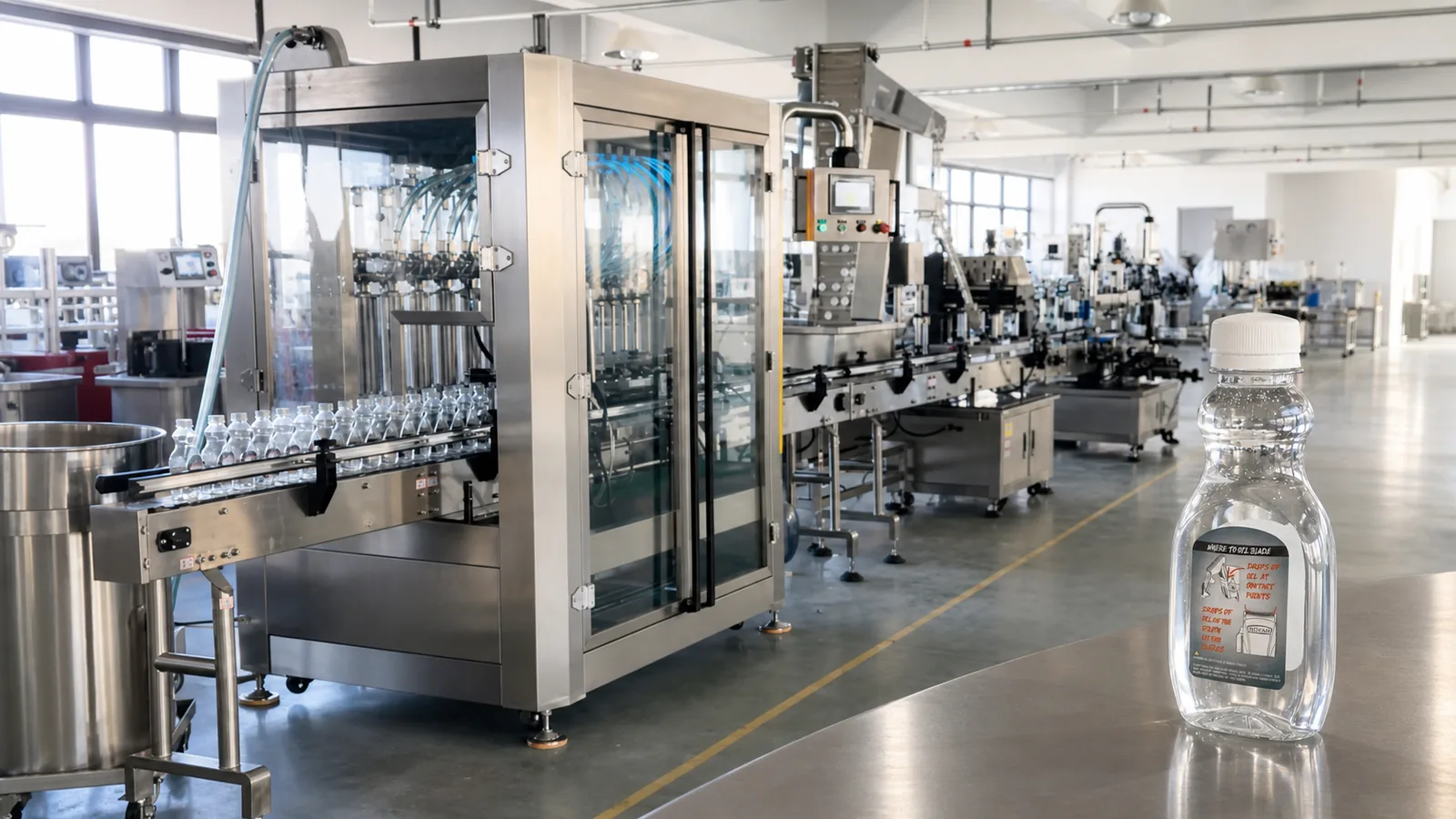
Main strength: A single project can combine filling, capping, labeling, coding, conveying, bottle collection, and optional inspection equipment. Buyers can start with one machine or request a complete line configuration.
Suitable buyers: Small and medium factories, purchasing managers, traders, startup brands, and manufacturers moving from manual or semi-automatic production to a connected automatic line.
What to confirm: Send product and packaging details before quotation. A product test, bottle and cap samples, or clear drawings help the engineering team select the filling method and change parts more accurately.
Ask LEKA to review your liquid filling project
2. Krones
Krones is more commonly associated with large-scale beverage, liquid food, and high-speed bottling line projects. For factories with high output requirements, standardized workflows, and strong automation targets, Krones is one of the major international suppliers to compare.
Best-fit project: High-speed beverage, liquid food, and large-scale bottling lines.
Liquid bottle filling relevance: Suitable for industrial projects requiring complete filling and packaging line systems.
Main strength: High-speed lines, complete systems, and extensive large-project experience.
Suitable buyer type: Large beverage plants, liquid food factories, and mature industrial manufacturers.
Limitation or caveat: It may not be the easiest entry point for smaller projects with limited budgets or highly flexible customization needs.
3. KHS
KHS is frequently considered by large factories in the beverage and liquid packaging sector. It is suitable for PET bottles, glass bottles, cans, and other container-related filling and packaging projects.
Best-fit project: Beverage, food, and some non-food liquid bottling or canning lines.
Liquid bottle filling relevance: Suitable for large projects requiring filling, packaging, and line integration capability.
Main strength: Beverage line expertise and industrial packaging system experience.
Suitable buyer type: Large beverage plants, mature manufacturers, and turnkey project buyers.
Limitation or caveat: Smaller factories and startup brands should first evaluate budget, project size, and service fit.
4. Sidel
Sidel is commonly compared in beverage, edible oil, sauce, and home or personal care packaging projects. It is especially relevant for buyers who need PET bottle expertise, line design, filling, labeling, and conveyor integration.
Best-fit project: Beverage, edible oil, sauce, seasoning, and daily chemical liquid bottling lines.
Liquid bottle filling relevance: Suitable for integrated line projects covering filling, conveying, and labeling.
Main strength: Complete production lines and mature container packaging systems.
Suitable buyer type: Beverage companies, food manufacturers, and personal care or daily chemical factories.
Limitation or caveat: For smaller output or budget-sensitive projects, buyers may also want to compare more flexible suppliers.
5. GEA
GEA is better suited to projects with strong hygienic, aseptic, or sensitive liquid handling requirements, especially in dairy, beverage, and food processing applications.
Best-fit project: Aseptic dairy, beverages, sensitive food liquids, and hygienic production lines.
Liquid bottle filling relevance: Suitable for liquid packaging projects with high requirements for hygiene, process stability, and production control.
Main strength: Hygienic and aseptic filling system expertise.
Suitable buyer type: Dairy plants, beverage producers, food processors, and manufacturers with strict hygiene standards.
Limitation or caveat: It may not be the most direct choice for ordinary detergents, cleaning liquids, or flexible SME bottling projects.
6. Serac
Serac is suitable for factories that need liquid filling and capping equipment, often in dairy, edible oil, sauce, home care, and personal care applications.
Best-fit project: Dairy, edible oil, sauce, home care, personal care, and some chemical liquid bottling projects.
Liquid bottle filling relevance: Suitable for projects that care about both liquid filling performance and stable capping integration.
Main strength: Experience in liquid filling and capping applications.
Suitable buyer type: Food, dairy, daily chemical, personal care, and cleaning product manufacturers.
Limitation or caveat: Serac is better evaluated as a specialized supplier rather than compared directly with low-cost entry-level equipment vendors.
7. ProMach / Federal / Pacific
ProMach is a packaging equipment group, and brands such as Federal and Pacific are relevant to liquid filling equipment. Evaluating them as a group can be useful for industrial buyers needing multiple packaging equipment categories and system support.
Best-fit project: Rigid container liquid filling, food, beverage, chemical, or daily chemical packaging projects.
Liquid bottle filling relevance: Suitable for projects needing filling, capping, labeling, or line equipment combinations.
Main strength: Multi-brand equipment ecosystem and broad packaging equipment coverage.
Suitable buyer type: U.S. and international industrial buyers needing multi-machine combinations.
Limitation or caveat: The relationship between ProMach and its brands should be explained clearly to avoid confusion.
8. Accutek
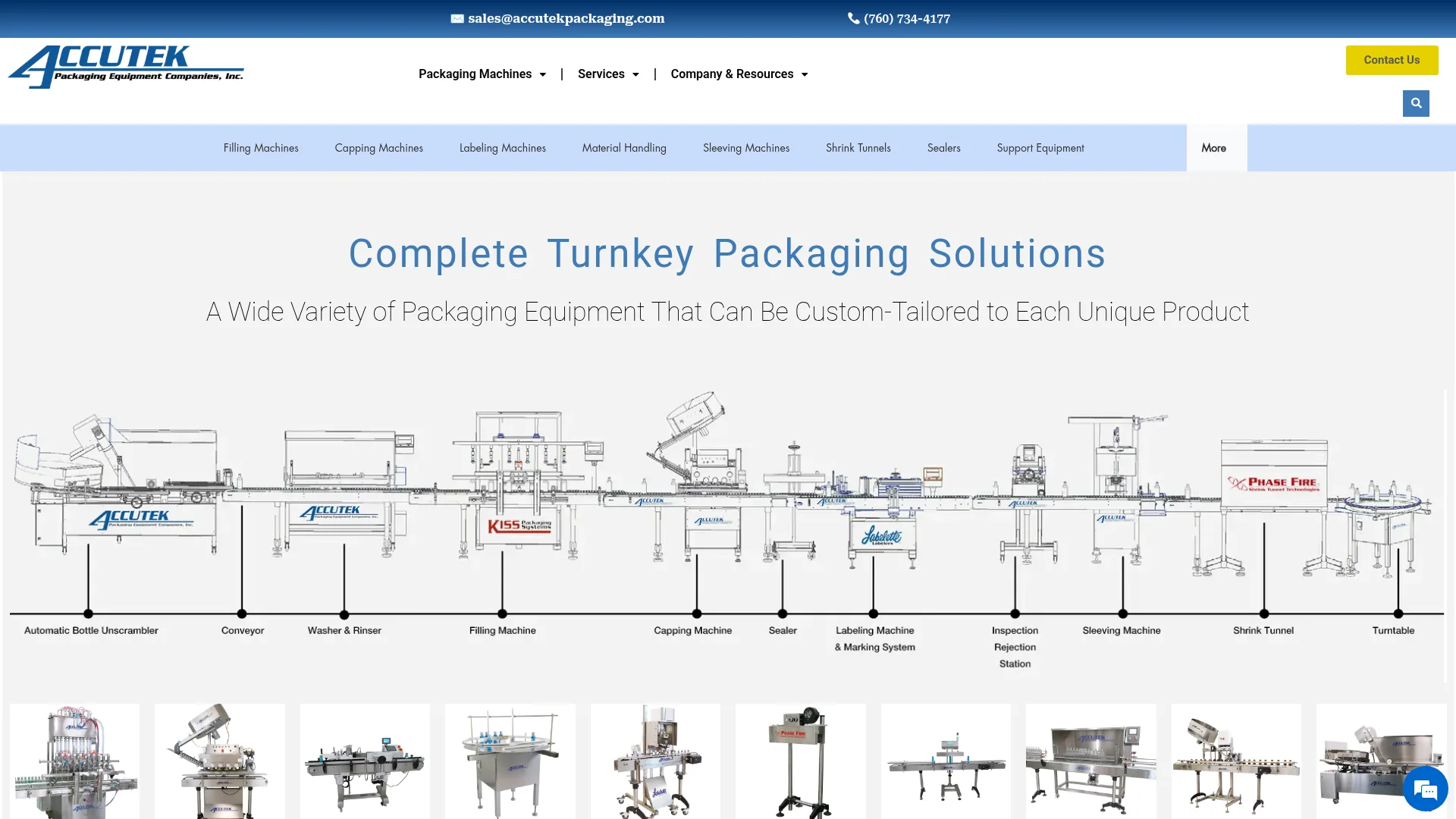
Accutek is suitable for liquid product manufacturers that want to scale from standalone equipment to automatic packaging lines. Its equipment range commonly covers filling, capping, labeling, conveyors, and complete line configurations.
Best-fit project: Small to medium liquid product factories, growing manufacturers, and automation upgrade projects.
Liquid bottle filling relevance: Suitable for buyers looking for an automatic liquid bottle filling machine supplier or a complete liquid packaging line supplier.
Main strength: Practical equipment coverage that supports phased line expansion.
Suitable buyer type: SMEs, U.S.-market buyers, and factories needing scalable automation solutions.
Limitation or caveat: Non-U.S. buyers should further confirm local service, delivery, and after-sales support.
9. E-PAK Machinery
E-PAK Machinery is suitable for buyers needing inline liquid packaging systems, especially factories that want to connect filling, capping, labeling, coding, and conveying into one line.
Best-fit project: Food, beverage, daily chemical, cleaning liquid, oil, and other bottled liquid applications.
Liquid bottle filling relevance: Suitable for buyers comparing filling capping labeling line suppliers.
Main strength: Clear inline liquid packaging line configuration for common bottling projects.
Suitable buyer type: Liquid product manufacturers, growth-stage factories, and buyers needing a complete inline packaging line.
Limitation or caveat: There are many similar suppliers, so further comparison by liquid type, bottle, and budget is necessary.
10. PACK'R
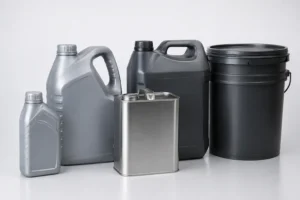
PACK'R is suitable for oil, chemical, food liquid, and larger container filling projects. For 5L-30L bottles, jerrycans, pails, or similar larger rigid containers, it is a specialized supplier worth considering.
Best-fit project: Edible oil, lubricant oil, chemical liquids, food liquids, and large-container filling.
Liquid bottle filling relevance: Suitable for buyers needing large bottle, large container, or complex liquid filling solutions.
Main strength: Large container and complex liquid filling applications.
Suitable buyer type: Factories and industrial liquid manufacturers using bottles, jerrycans, or pails.
Limitation or caveat: If the main focus is high-speed beverage bottling, Krones, KHS, or Sidel may be more suitable comparison options.
Compare Bottle Filling Machine Prices
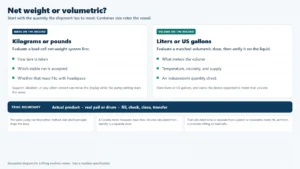
Once you have shortlisted a few manufacturers, the next step is usually to compare budget and quotation scope. Machine prices can vary significantly depending on the filling method, automation level, filling heads, bottle format, and whether you need a standalone filler or a complete line.
See our bottle filling machine price guide to understand price references and what should be included when comparing quotations.
Match the Manufacturer to Your Liquid Product
Water-like Liquids
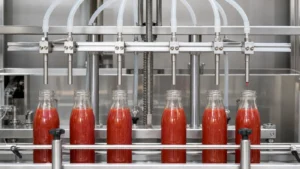
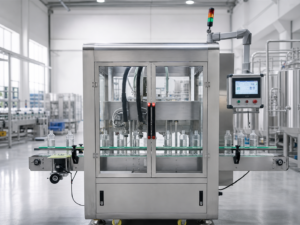
Water-like liquids usually place more emphasis on filling speed, level consistency, bottle conveying, and continuous capping. Beverage, water-based, or low-viscosity cleaning liquid projects often benefit from comparing both high-speed line suppliers and flexible automatic filling line suppliers.Edible Oil
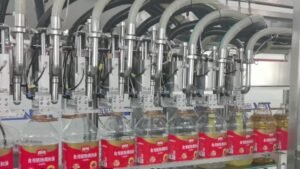
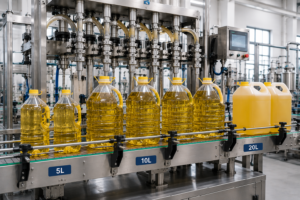
Edible oil projects should pay attention to drip control, filling accuracy, bottle neck cleanliness, and final label appearance. Buyers should confirm whether the supplier has edible oil bottling experience and can provide a complete filling, capping, labeling, and coding configuration.Sauce, Honey, and Thick Liquids
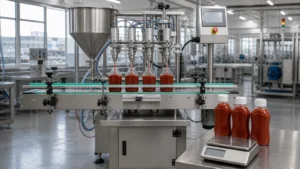
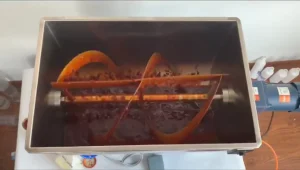
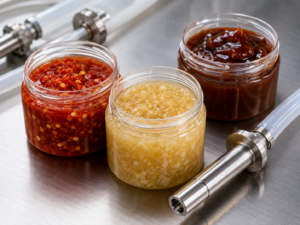
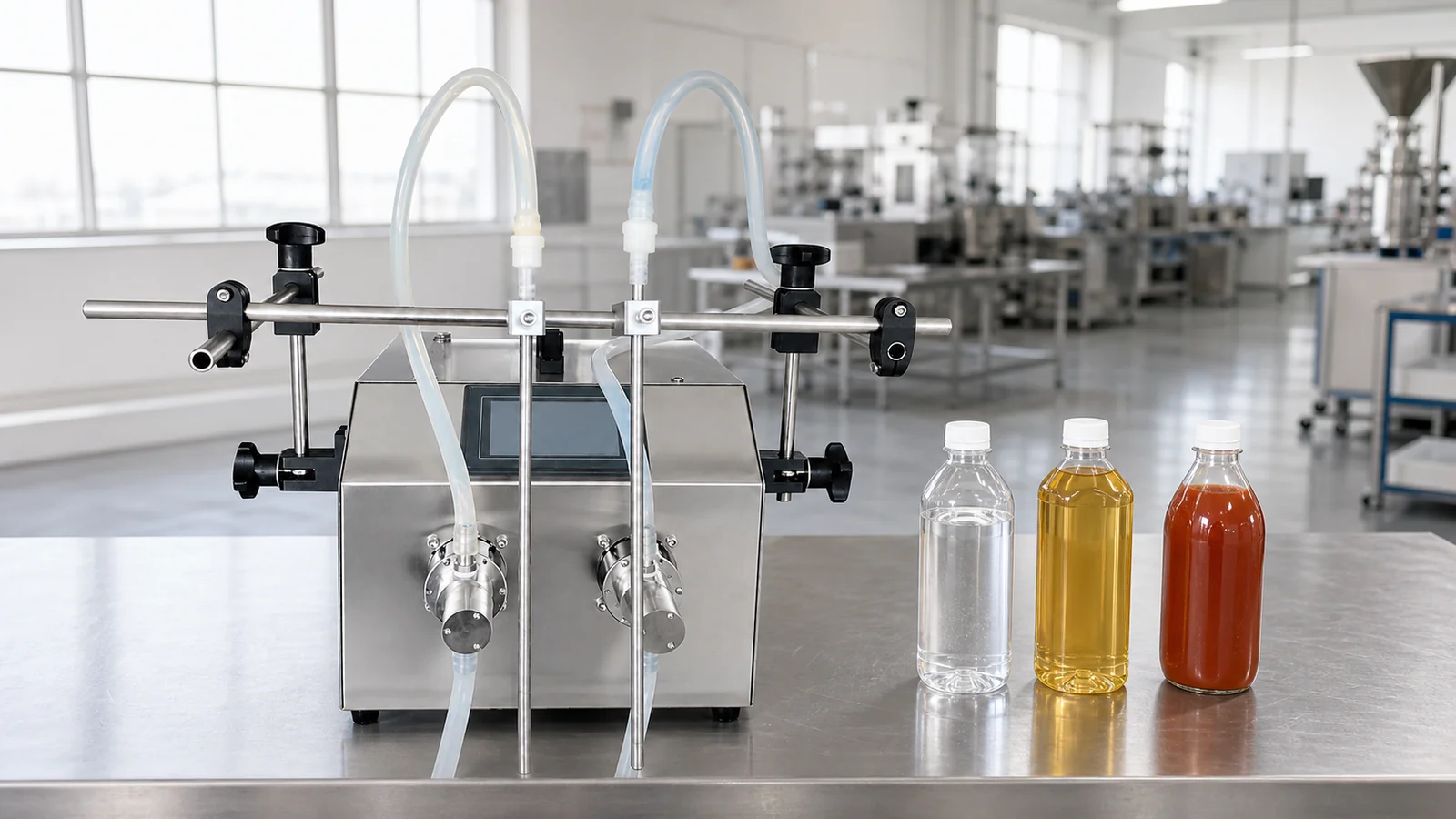
Sauce, honey, and thick liquids require confirmation of viscosity, particle content, heating needs, stringing behavior, and residue issues. In these projects, buyers should provide sample characteristics, bottle neck size, and target filling volume instead of asking only for a machine model.Liquid Soap and Shampoo Filling Machine Manufacturers
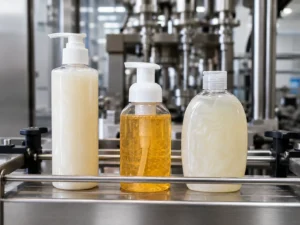
Shampoo, liquid soap, and hand wash projects often involve foaming, viscosity variation, and bottle stability issues. Buyers should confirm whether diving filling, anti-foam control, a suitable pump system, and stable bottle handling are necessary.Detergent and Cleaning Liquids
Detergents and cleaning liquids may involve foaming, corrosiveness, or odor-related requirements. Buyers should clearly explain whether the product is corrosive, foam-prone, or requires corrosion-resistant contact materials and auxiliary equipment.Cosmetic and Chemical Liquids
Cosmetic liquids and industrial chemical liquids vary widely. Some are thin, some are thick, and some require special contact materials or filling environments. Product compatibility, bottle type, cap type, and service support should be checked first.5L-30L Bottles, Jerrycans, and Pails
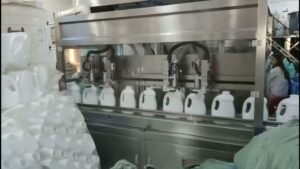
Projects involving 5L-30L bottles, jerrycans, and pails need special attention to container weight, conveying stability, filling head structure, capping torque, and overall factory layout. Larger container projects often require complete line planning instead of buying only a standalone filler.How to Choose a Liquid Filling Machine Manufacturer
Match the Supplier to Your Liquid Type
Different liquids require different filling structures. Low-viscosity liquids, oils, thick products, foamy liquids, corrosive chemicals, and particle-containing products all place different demands on filling method, contact materials, and control system design.Confirm Bottle, Cap, and Label Requirements
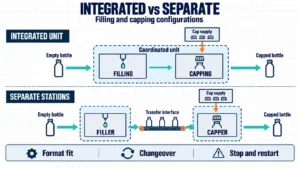
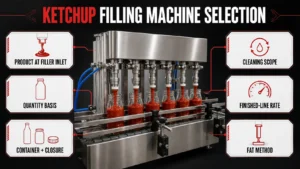
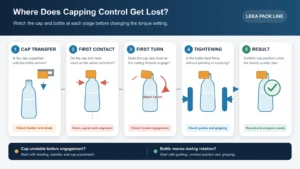
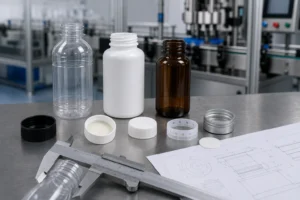
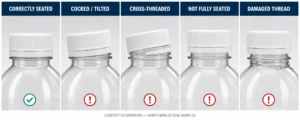
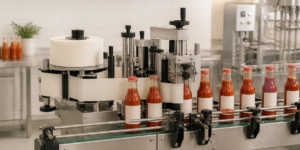
Bottle size, neck diameter, bottle shape, bottom stability, cap type, and label position all influence the full line configuration. When comparing bottle filling and capping machine manufacturers, buyers should ask whether the filler, cap feeder, capping head, torque control, and downstream labeling equipment can work together. Before requesting a quote, buyers should prepare bottle photos, drawings, cap samples, and label details.Automatic and High-Speed Liquid Filling Line Requirements
Target output will affect the number of filling heads, conveyor speed, capping method, and automation level. Instead of comparing only bottle filling machine price, buyers should also compare whether the equipment can consistently meet daily production needs.Check Complete Line Integration
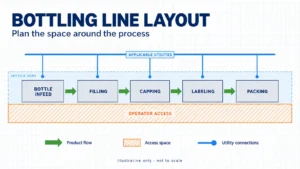
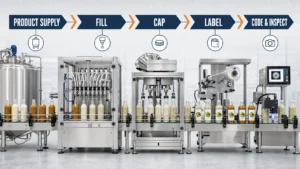
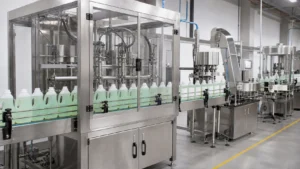
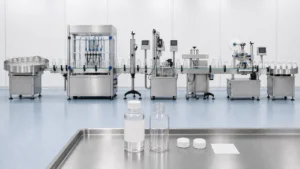
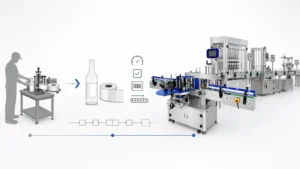
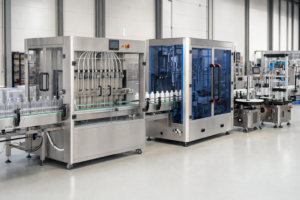
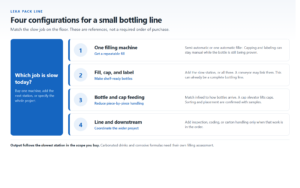
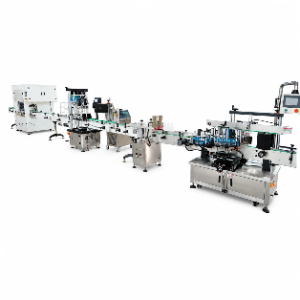
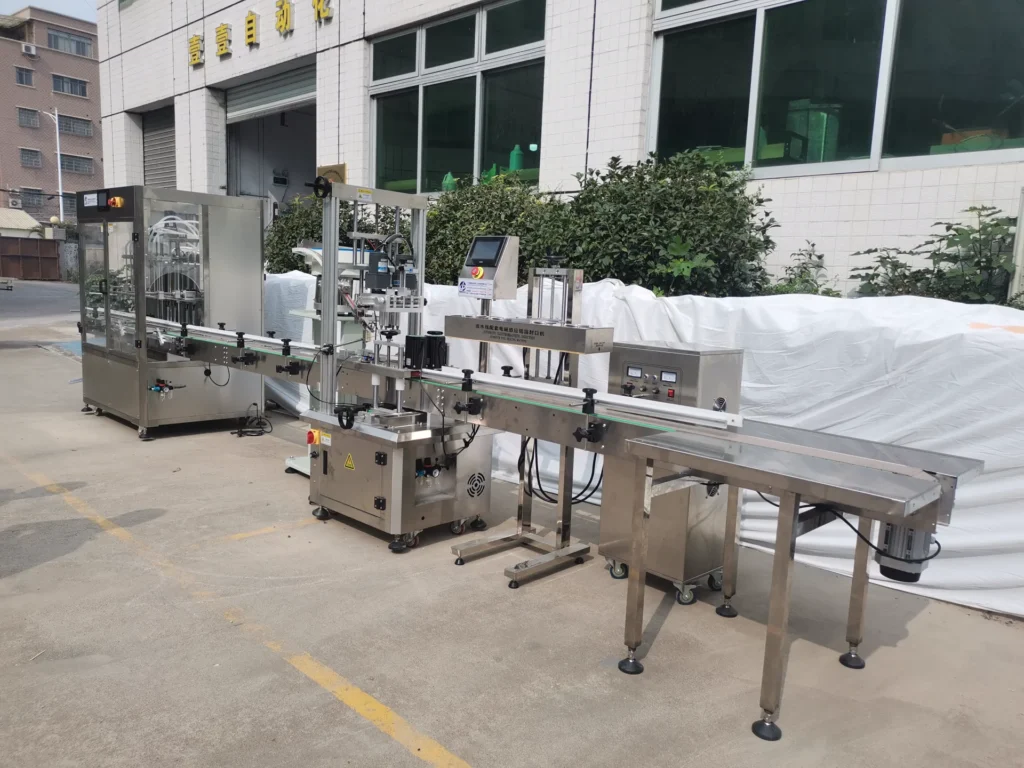
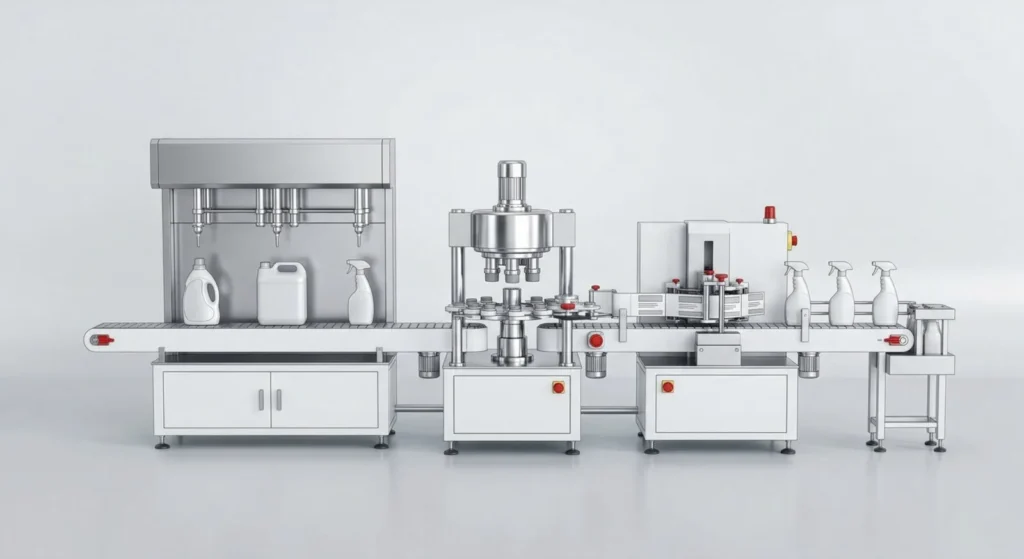
A practical complete liquid bottle packaging line usually includes more than a filling machine. It often involves capping, labeling, coding, conveying, bottle collection, and sometimes inspection equipment. Buyers should confirm that all equipment can connect smoothly as one system.What a Complete Liquid Bottling Line May Include
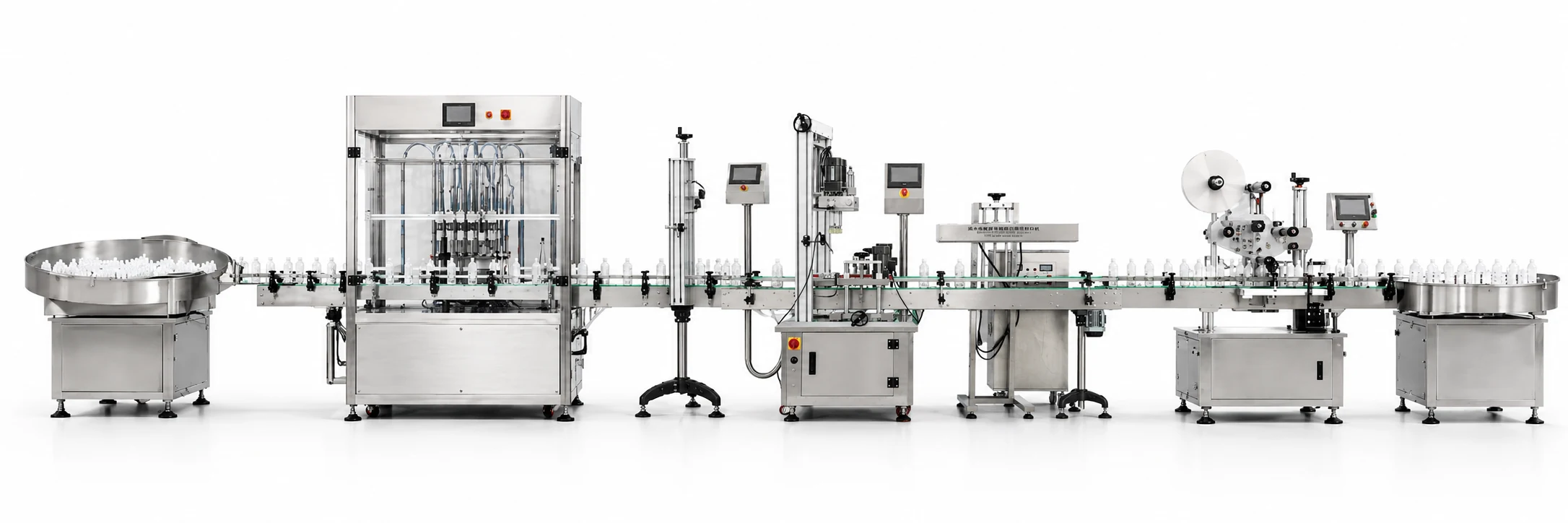
- Bottle unscrambler or manual bottle feeding table
- Liquid filling machine
- Capping machine
- Cap elevator or cap feeder
- Induction sealing machine, if required
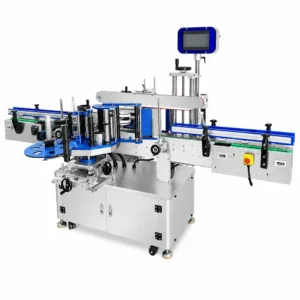
- Labeling machine
- Coding or marking machine
- Conveyor system
- Collection table
- Optional checkweigher or inspection system
Common Mistakes When Comparing Manufacturers
- Choosing a supplier only by the lowest price while ignoring stability, commissioning, and after-sales support.
- Asking only for a machine model without providing product, bottle, cap, and output details.
- Ignoring viscosity, foaming, corrosiveness, or particle issues, which leads to a wrong machine structure.
- Ignoring bottle stability, cap style, and label position, which may cause later capping or labeling problems.
- Buying only one machine without confirming whether it can connect smoothly with downstream equipment.
- Failing to ask for real machine videos, testing videos, or factory testing support.
Quotation Checklist Before Contacting a Supplier
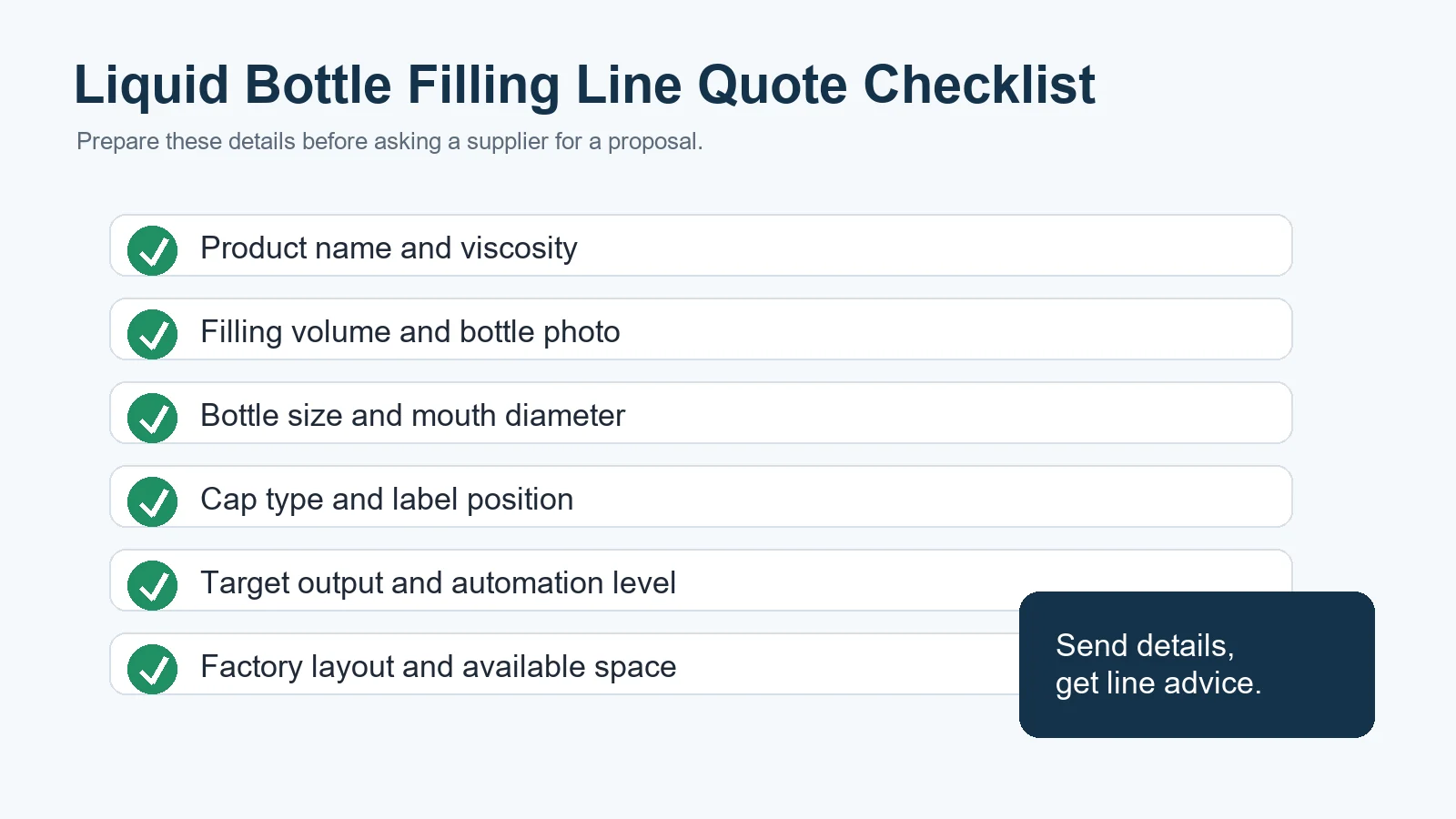
Before contacting a liquid bottle filling machine supplier, it is helpful to prepare the following information:- Product name
- Viscosity or product sample information
- Filling volume
- Bottle photo or drawing
- Bottle size and neck diameter
- Cap type
- Label type and label position
- Target output
- Factory layout or available space
- Whether you need filling only or a complete filling + capping + labeling line
- Whether the product is foamy, sticky, corrosive, hot-fill, or particle-containing