Liquid Detergent Filling Machine Price: Cost Guide
A useful liquid detergent filling machine price cannot come from the product name alone. A basic filler, an automatic filling and capping system, and a connected bottling line solve different production problems. Their quotations should not be compared as if they were the same machine.
LEKA currently publishes a general single bottle-filling-machine reference of USD 3,500 to USD 6,500 EXW. That figure is an early planning reference for a single machine, not a fixed price for every detergent project. Foam behavior, viscosity, bottle size, filling heads, cap handling, labeling, testing and delivery scope can all change the final quotation.
Quick answer: Budget the project in three layers: the filler, the bottle-and-cap handling around it, and any downstream labeling or packing equipment. The fastest way to get an accurate quote is to send the actual detergent, bottle, cap, filling range and target output together.
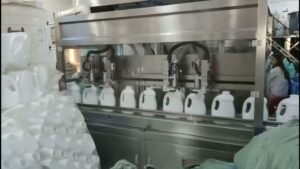
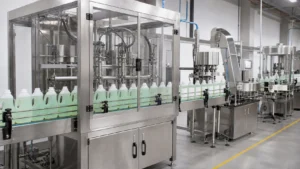
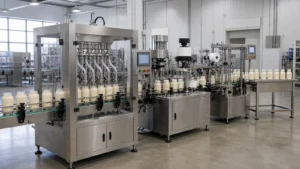
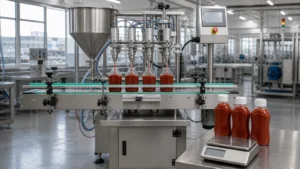
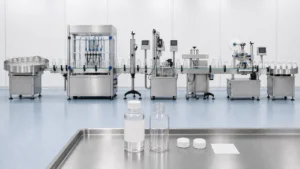
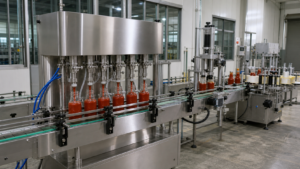
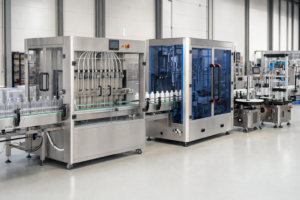
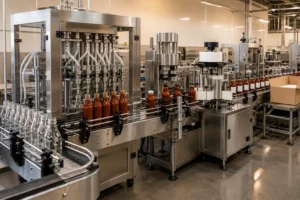
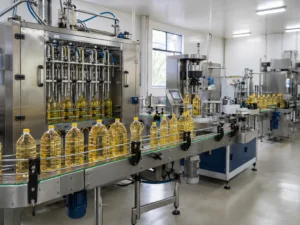
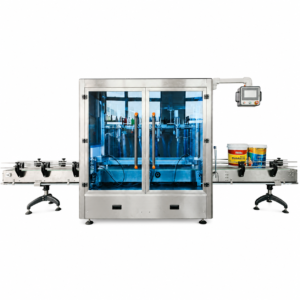
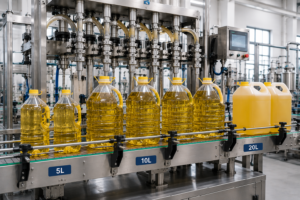
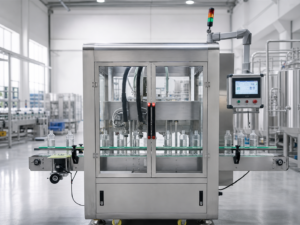
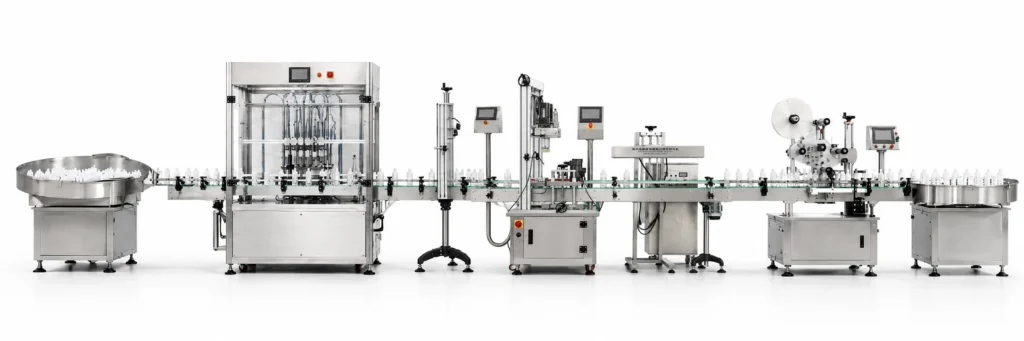
A liquid detergent filling machine is equipment that meters a cleaning product into bottles or jugs at a defined volume. Depending on the project, it may work as a stand-alone filler or connect with conveyors, cap handling, capping, labeling and coding equipment. The product and package determine the suitable filling arrangement.
At a Glance
- A machine-only reference is not a complete detergent bottling-line price.
- Detergent behavior affects the filling method, nozzle movement and product-contact components.
- A 500 mL retail bottle and a 5 L handled container can need different filling and conveying arrangements.
- EXW does not automatically include freight, import charges, installation or local factory preparation.
- Two quotations are comparable only when the technical scope and trade terms match.
Contents
- Current price reference
- Detergent-specific cost drivers
- Single filler or complete line
- What a quotation should include
- Costs outside EXW
- How to compare quotations
- RFQ checklist
- Controlling initial investment
Current Liquid Detergent Filling Machine Price Reference
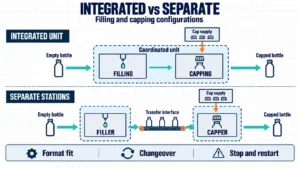
The first budgeting decision is scope. A single filler can be enough when operators still load bottles, place caps and move finished containers by hand. A connected system adds machines, controls and conveyors. A complete line also has to keep each station working at a compatible pace.
The table below uses LEKA’s current general bottle filling machine price guide for the single-machine references. It does not assign an unsupported fixed price to detergent-specific options.
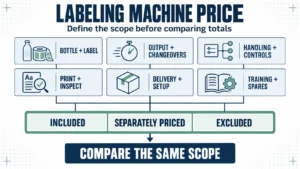
Quote boundary test: Remove capping, labeling, coding, conveyors and packing from the offer. What remains is the filling-machine scope. Add each item back separately so its price, function and responsibility can be compared across suppliers.
| Filling Solution | Current Price Reference | What the Buyer Is Pricing | Suitable Production Use |
|---|---|---|---|
| Basic single filling machine | USD 3,500–5,000 EXW | Filling machine and confirmed standard accessories | Factories handling bottles and caps separately |
| Higher-configuration single machine | USD 5,000–6,500 EXW | Single filler with additional confirmed controls, filling parts or options | Products that need a more specific filling setup |
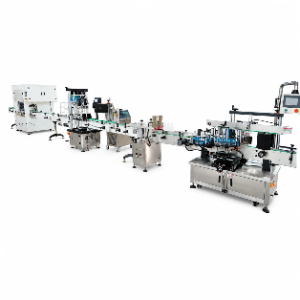
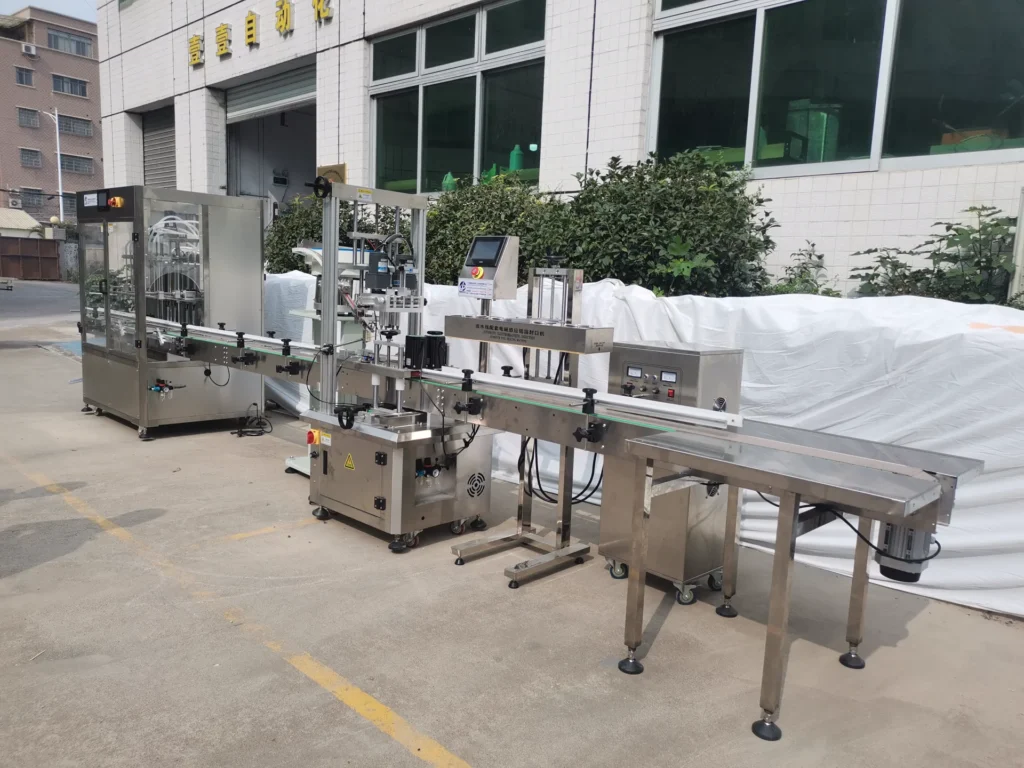
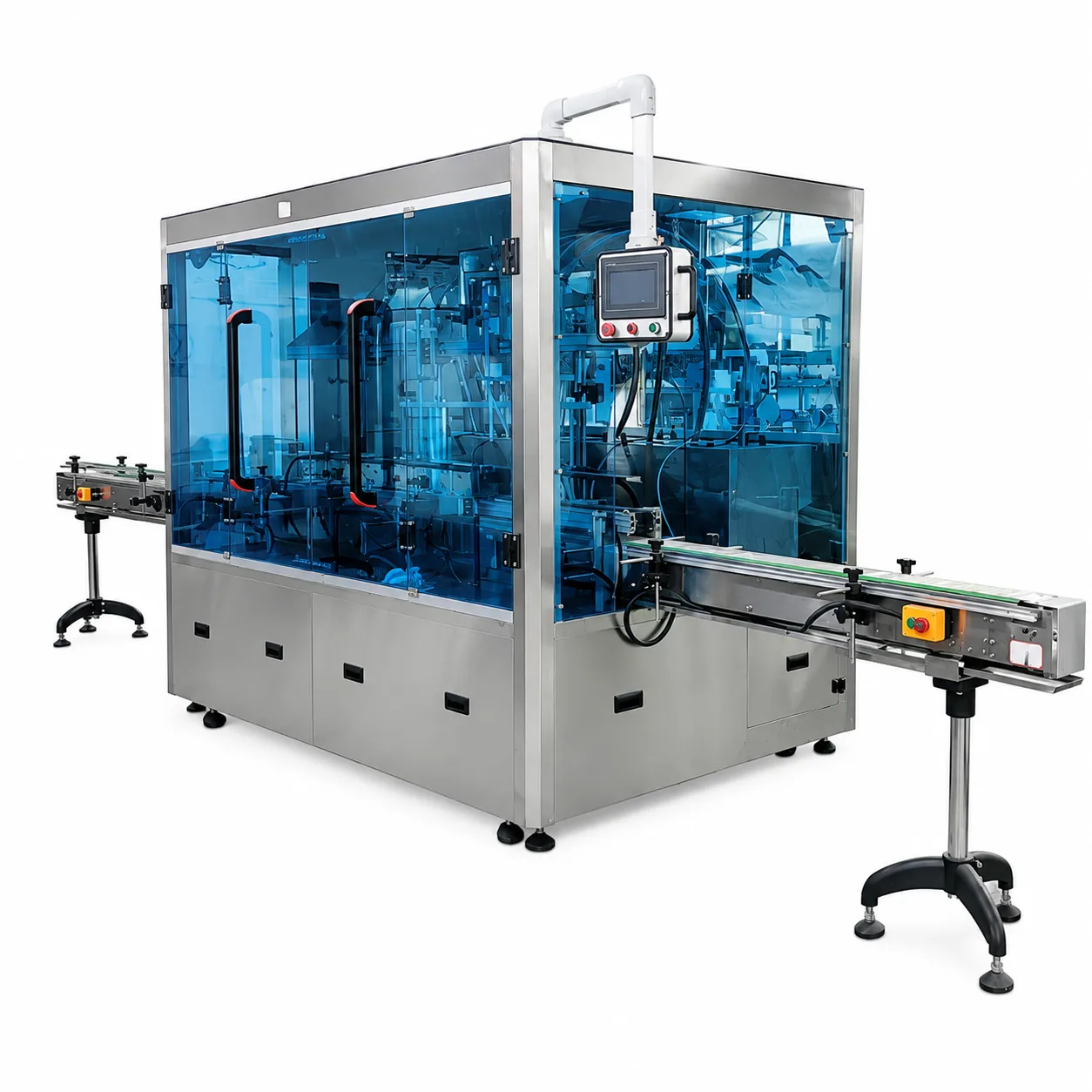
| Filling and capping system | Quoted by project | Filler, conveyor connection, cap handling and capping equipment as specified | Factories reducing manual transfer and cap closing |
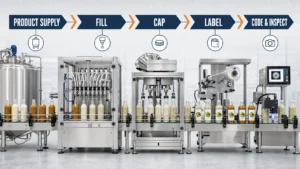
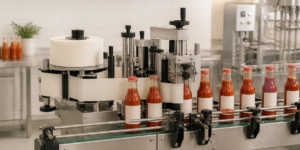
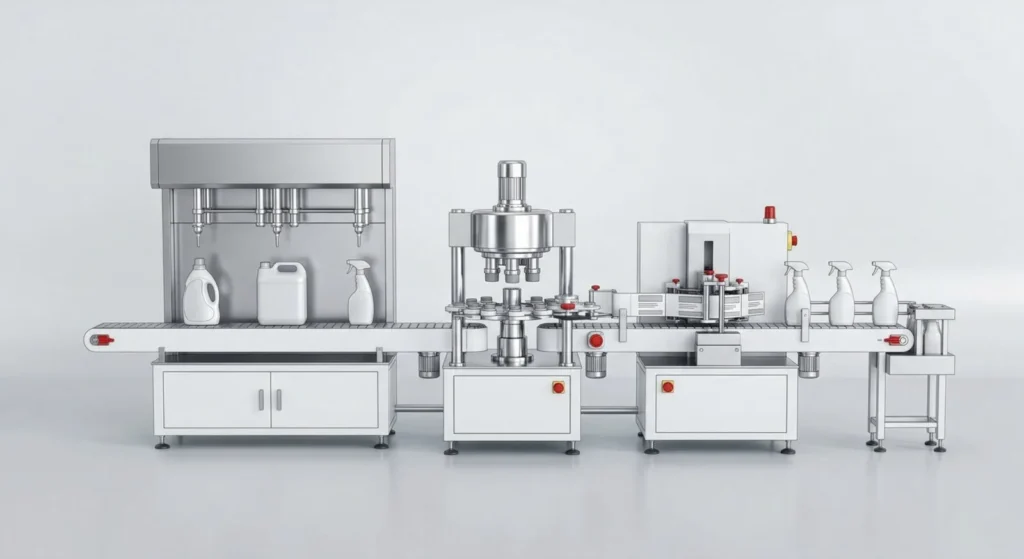
| Complete detergent bottling line | Quoted by project | Filling, capping, labeling, coding, conveying and selected packing modules | Connected production with a defined line boundary |
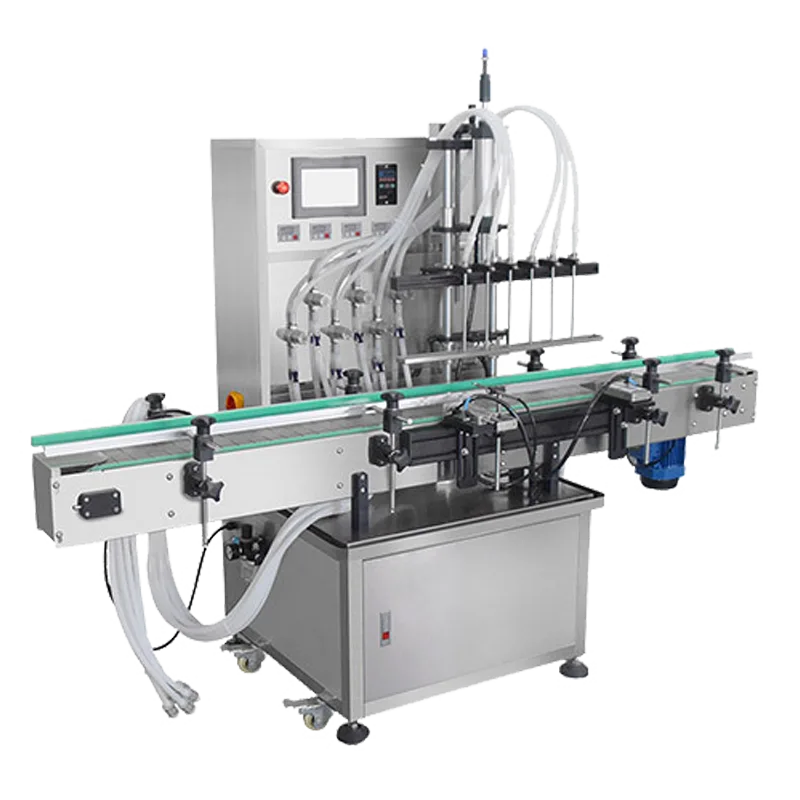
Those EXW figures are planning references, not landed costs. They also do not mean that every liquid detergent can run on the same base machine. A useful quotation starts after the supplier knows what the product does inside the filling path and how the container behaves on the line.
Detergent-Specific Cost Drivers
The largest price differences usually come from the work the machine must perform, not from the word “detergent” on a quotation. Five project details deserve attention.
Foam, Viscosity and Dripping
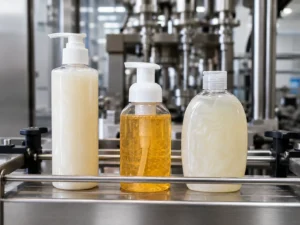
Some liquid detergents trap air easily when the product falls into a bottle. Others are thick enough to string or drip after the fill ends. The supplier may need to review staged filling speeds, nozzle travel, anti-drip control and the way product reaches the filling heads.
This is why a product sample or a clear product-flow video is more useful than a label photo alone. The detergent filling line configuration should be based on the actual liquid, not a catalogue category.
Filling Range and Bottle Opening
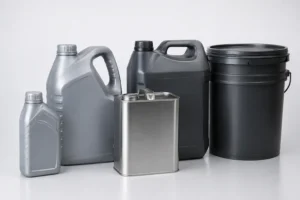
A machine intended for 250 mL and 500 mL bottles is not automatically the right choice for 1 L and 5 L containers. Larger doses take longer to transfer. Narrow bottle openings can restrict nozzle size, while a wide opening may allow a different filling arrangement.
The bottle itself also matters. Flat bottles, handled jugs and tall containers may need different guides, spacing or positioning. If the bottle rocks on the conveyor, adding filling heads will not fix the handling problem.
Filling Heads and Real Line Output
More filling heads can increase the filler’s potential output, but the rest of the line must keep up. Slow cap feeding, unstable bottles or a labeler that cannot match the flow can become the new bottleneck.
Ask suppliers to state the conditions behind any output claim: product, fill volume, bottle, number of heads and downstream scope. A headline bottles-per-hour figure without those conditions is not a reliable basis for comparing cost.
Product-Contact Components
The formula determines what the liquid touches inside the machine. A supplier should review the product information before confirming pumps, seals, tubing or other contact parts. Where chemical compatibility is a concern, provide the formula information available for engineering review and the relevant safety data sheet.
The European Chemicals Agency explains that an SDS can contain information on mixture properties, hazards and handling. It is a useful project input, but it does not replace sample testing or prove that one contact material suits every detergent.
Cleaning and SKU Changeover
A factory filling one detergent into one bottle has a simpler changeover problem than a contract packer running several viscosities, bottle sizes and cap styles. Extra SKUs can affect cleaning access, recipe controls, guide-rail adjustment, change parts and the time needed to restart production.
List the products and packages that must run on the machine now. Separate future possibilities from confirmed launch SKUs. That distinction prevents a quotation from becoming expensive simply because it was asked to cover every imaginable product.
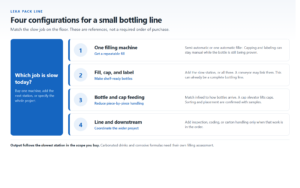
Choose the Equipment Boundary Before Comparing Prices
The right automation level depends on where the production bottleneck sits. Price the smallest scope that solves the current problem without blocking a realistic next step.
| Configuration | Bottle Handling | Cap Handling | Typical Reason to Choose It | Main Quotation Inputs |
|---|---|---|---|---|
| Semi-automatic filler | Operator loads and removes bottles | Usually manual | Small batches or frequent product trials | Product, dose range, bottle and available operators |
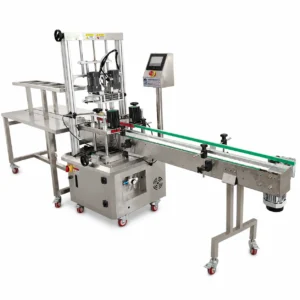
| Automatic stand-alone filler | Conveyor-fed filling | Manual or separate | Filling is the main bottleneck | Product, bottle stability, target output and line height |
| Filling and capping system | Connected conveyor flow | Automatic or assisted | Manual cap closing limits output or consistency | Bottle, cap sample, feeding method and torque requirement |
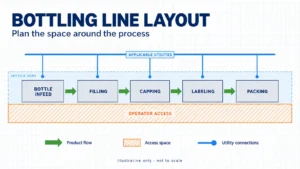
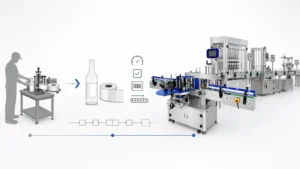
| Complete bottling line | Connected from bottle feeding to collection | Integrated | The factory needs coordinated filling, closing, labeling and coding | Full process, layout, utilities, output and destination |
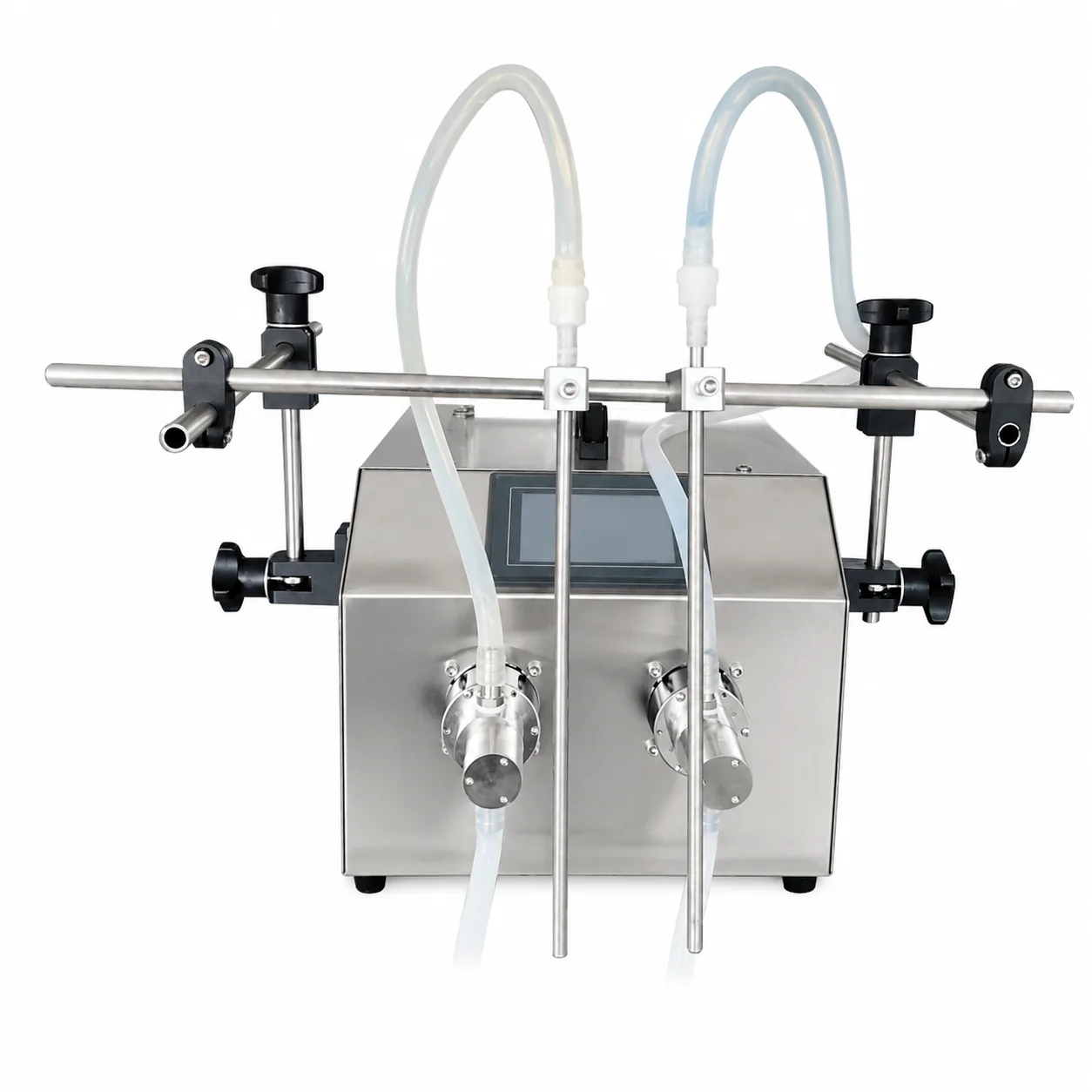
A semi-automatic detergent filling machine price may look attractive, but low purchase cost is not the only decision. Count the operators required to place bottles, start cycles, fit caps and move containers. Then check whether those steps remain practical at the expected batch size.
The opposite mistake is buying a complete line before the product range and orders are stable. If production is still developing, a well-specified filler with a reviewed expansion path may be a better first project. The broader automation planning guide for small and medium factories covers that decision in more detail.
What a Serious Detergent Filling Machine Quote Should Include
The total at the bottom of a quotation means little until the equipment scope is itemized. Ask for enough detail to see what is included, what is optional and what still requires confirmation.
Filling Equipment
- Filling method and number of filling heads
- Confirmed filling-volume range
- Product-contact components and seal specification
- Nozzle type, movement and anti-drip provisions
- Product feed arrangement and any required holding tank
- Control system, recipes and adjustment method
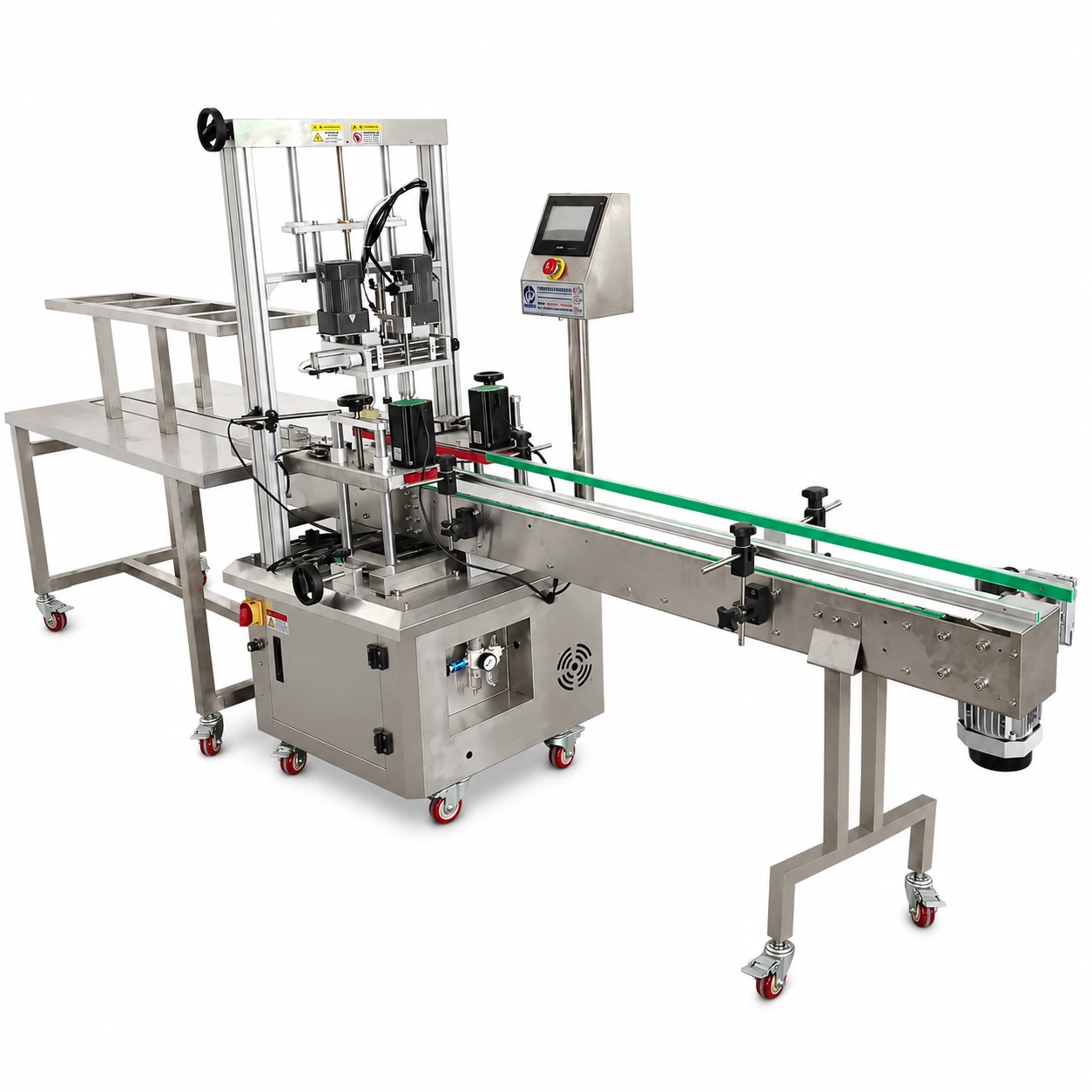
Bottle and Cap Handling
- Conveyor length and working height
- Bottle guides, positioning parts and change parts
- Cap loading, sorting or feeding method
- Capping machine type and confirmed cap range
- Treatment of handled, flat or unstable containers
Downstream Modules
- Labeling method and label position
- Date or batch coding equipment
- Foil sealing, inspection or rejection where requested
- Finished-bottle collection
- Optional carton sealing or other packing support
Delivery and Support
- Voltage, frequency and electrical specification
- Spare parts, tools, manuals and training scope
- Product-and-container testing requirements
- Factory acceptance test boundary
- Export packing and trade term
- Installation and commissioning boundary
For projects serving the United States or Europe, destination requirements should be reviewed before the electrical and safety configuration is frozen. OSHA has published an interpretation concerning industrial packaging equipment, while the European Commission maintains the current EU machinery framework. The applicable requirements depend on the actual machine and installation, so a supplier logo or generic certificate image is not enough.
Costs That May Sit Outside the EXW Machine Price
EXW is a delivery rule, not a promise of delivered-to-factory cost. The International Chamber of Commerce describes Incoterms as rules that clarify tasks, costs and risks between buyers and sellers. Under the EXW rule in Incoterms 2020, delivery occurs when the seller places the goods at the buyer’s disposal at the named place. Loading, export clearance and onward transport require careful confirmation.
Before approving a detergent filling machine quotation, ask who pays for and arranges each of the following:
- Export packing
- Loading and inland transport
- International freight and insurance
- Export and import clearance
- Duties, taxes and local handling charges
- Delivery from the port or terminal to the factory
- Installation, commissioning and technician travel
- Local electrical supply, compressed air and piping
- Product, bottles, caps and labels required for testing
Do not compare an EXW quote with a freight-inclusive quote by looking only at the final number. Put both offers under the same Incoterm and destination assumptions first.
Compare Two Quotations Line by Line
Two detergent filling machine prices are comparable only when they describe the same job. Use the table below before deciding that one supplier is cheaper.
| Comparison Item | Quote A | Quote B | What Must Match |
|---|---|---|---|
| Product | Same formula or representative sample, temperature and foam behavior | ||
| Filling range | Same minimum and maximum dose | ||
| Bottles | Same bottle drawings, openings and stability conditions | ||
| Output | Same fill volume, sustained-run definition and downstream scope | ||
| Filling heads | Same number and control arrangement | ||
| Contact parts | Same confirmed material and seal specification | ||
| Caps | Same cap samples, feeding method and capping requirement | ||
| Changeover | Same SKU list, cleaning expectation and change parts | ||
| Testing | Same sample trial and factory acceptance boundary | ||
| Support | Same training, spare-parts and commissioning scope | ||
| Trade term | Same Incoterm, named place and destination assumptions |
Marketplace listings can help a buyer see how wide the market is, but they rarely define every item in this table. A project quotation should. If a low-priced offer leaves the filling method, contact parts, cap handling or testing blank, the buyer is not yet comparing equivalent equipment.
Build an RFQ That Produces a Useful Price
A concise request for quotation can save several rounds of email and reduce the risk of receiving a generic machine recommendation. Send these details together:
- Product: detergent name, viscosity if known, foam behavior and filling temperature.
- Compatibility information: formula details available for review and SDS where relevant.
- Fill range: every confirmed volume, not only the largest bottle.
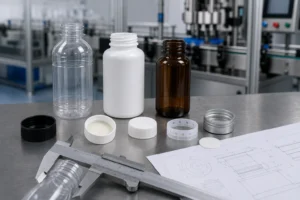
- Bottle: photos or drawings, dimensions, neck opening and samples if available.
- Cap: photos, dimensions, liner or seal details and preferred feeding method.
- Label and code: label position, label dimensions and batch-coding requirement.
- Output: current production, target bottles per hour and working hours.
- SKU plan: products, bottles and caps that need regular changeover.
- Factory: available floor space, line direction, utilities, voltage and frequency.
- Project boundary: filler only, filling and capping, or a complete bottling line.
- Destination: country, delivery location and preferred trade term.
A short product-flow video can also help when viscosity or foam behavior is difficult to describe. For a broader view of the equipment sequence, use the household cleaning product line guide. Buyers comparing specific equipment routes can review filling machines for cleaning products.
Control Initial Investment Without Buying the Wrong Machine
Start with the bottleneck, not the longest equipment list. If filling is slow but manual capping still works at the current batch size, a suitable filler may solve the immediate problem. If filled bottles are waiting for caps, pricing an automatic filler alone will move the queue rather than remove it.
A staged plan can be practical:
- Confirm the detergent, filling range and bottle handling.
- Select a filler that fits the current production requirement.
- Review whether its layout and controls can connect to later equipment.
- Add cap handling, labeling or conveying when those steps become measurable bottlenecks.
Do not assume every inexpensive filler can become part of a fully automatic line. Expansion needs to be discussed before purchase, especially where machine height, conveyor direction, control signals and available floor space are fixed.
Frequently Asked Questions
How much does an automatic detergent filling machine cost?
There is no reliable price from automation level alone. The quote also depends on product behavior, filling range, bottle format, filling heads, cap handling and downstream modules. LEKA’s current general single-machine reference is USD 3,500–6,500 EXW; detergent-specific automatic systems and complete lines are quoted after project review.
Is capping and labeling included in the filling machine price?
Only when those machines and their connecting conveyors are listed in the quotation. A “filling machine price” normally refers to the filling step and confirmed accessories. Check whether cap feeding, capping, labeling, coding, conveyors, change parts and installation appear as included items or optional modules.
Can one machine fill laundry detergent and dishwashing liquid?
Possibly, but the decision depends on viscosity, foam behavior, dose range, cleaning requirements and package formats. The supplier should review both products and both sets of bottles and caps. A shared machine is practical only when the confirmed filling path and changeover process work for every required SKU. For product-specific planning, use the laundry detergent filling machine guide for 1–5 L bottles and the dishwashing liquid line selection guide for foam, bottle and cap checks.
Does a 1–5 L detergent bottle need a different configuration?
It can. Larger fill volumes affect cycle time, and handled or irregular containers may need different guides and positioning. Bottle opening, conveyor stability, nozzle arrangement and cap handling should be checked with the actual 1 L and 5 L containers before the machine is specified.
What does EXW mean in a detergent filling machine quote?
EXW means the seller places the equipment at the buyer’s disposal at the named location under the agreed contract. Freight, insurance, export or import clearance, duties, local delivery and installation are not automatically included. Confirm each cost and responsibility in writing before comparing offers.
Price a Defined Project, Not a Machine Name
The lowest displayed liquid detergent filling machine price is not necessarily the lowest cost for the required production job. Define the detergent, bottle, cap, target output and equipment boundary first. Then compare quotations that use the same technical conditions and trade term.
Send your product details, bottle and cap files, fill range, target output and destination. LEKA Pack Line can separate the proposal into the filling machine, optional modules and complete-line scope so you can see what you are paying for.
Sources
- LEKA Pack Line: Bottle Filling Machine Price
- International Chamber of Commerce: Incoterms Rules
- International Chamber of Commerce: EXW, Incoterms 2020
- European Chemicals Agency: Safety Data Sheets
- U.S. Occupational Safety and Health Administration: Industrial Packaging Equipment Interpretation
- European Commission: Machinery