LEKA Pack -- Technical Resources

Industry Insights
& Knowledge Hub

Expert guidance on filling line selection, packaging machinery, process optimization, and production line planning -- written for engineers, procurement managers, and factory decision-makers.

Featured Article
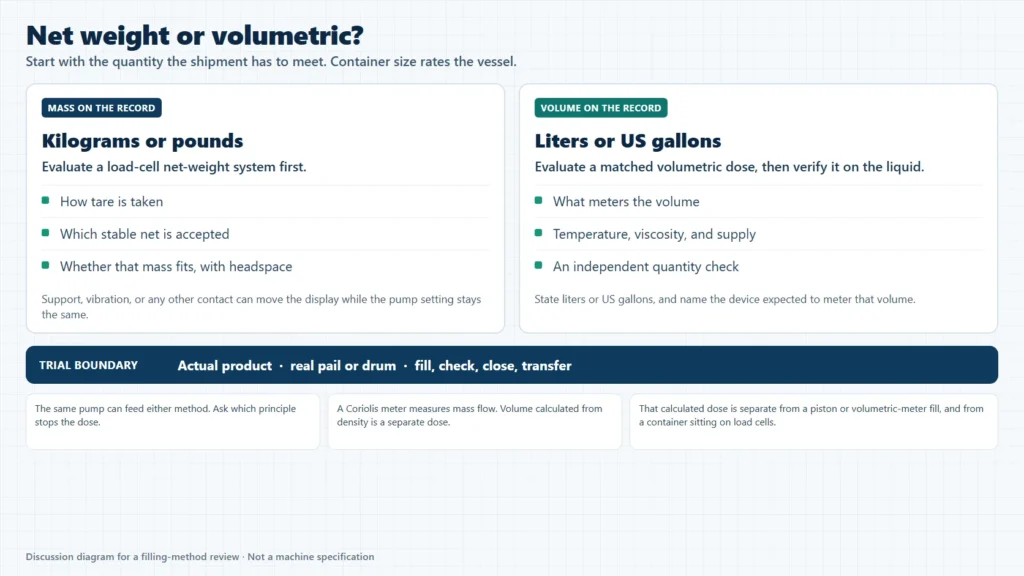
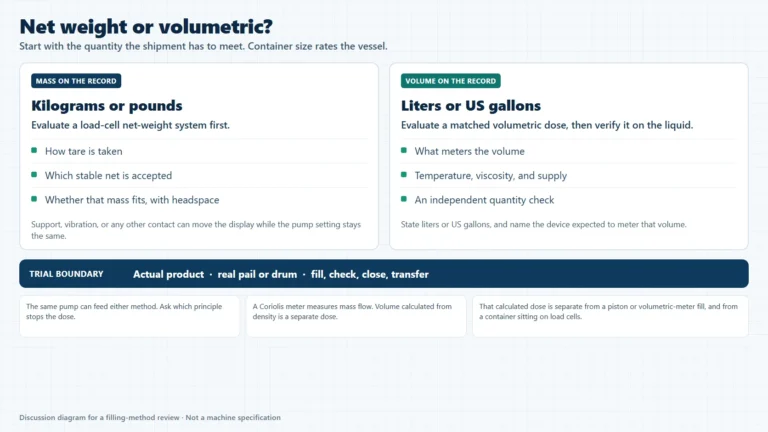
Decision diagram for choosing net-weight or volumetric filling of industrial pails and drums
Filling Machine
Sep 22, 2026 Slany Cheung

Net Weight vs Volumetric Filling for Pails and Drums: Which Method Fits Your Product?

For industrial liquids packed in pails and drums, start with the quantity the shipment has to meet. If the contract, the label, or the internal record is in kilograms or pounds, evaluate a load-cell net-weight system first. If the target is liters or US gallons, and a matched dosing system can be verified on your...

Read Full Article →

Latest Articles

Sep 22, 2026 Slany Cheung

Net Weight vs Volumetric Filling for Pails and Drums: Which Method Fits Your Product?

For industrial liquids packed in pails and drums, start with the quantity the shipment has to meet. If the contract, the label, or the internal record is in kilograms or pounds, evaluate a load-cell net-weight system first. If the target is liters or US gallons, and a matched dosing system can be verified on your liquid, volumetric filling can be the right path. Test either method with the actual product, the real container, and the sequence that fills, checks, closes, and transfers the container. The scope is industrial liquids in open pails and bung-top drums: density, tare, cutoff, foam, drip control, lid or bung closing, and pallet transfer. Container size rates the vessel. The method follows the target quantity and the way that quantity will be accepted. Start with the unit on the contract, label, or record. Prove the choice
Sep 19, 2026 Slany Cheung

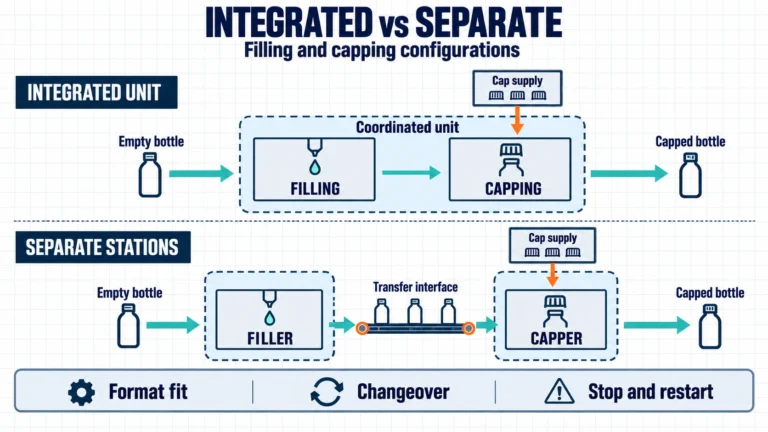
Monoblock Filling Machine vs Separate Filler and Capper

A monoblock filling machine can be a good fit when your bottle and closure families work within one proven filling-and-capping platform. Separate machines deserve a closer look when you need to keep an existing filler, change the capping process, or replace stations independently. Neither choice guarantees easier changeovers or better output. Compare both proposals using the same product, bottles, caps, production schedule, and acceptance test. The useful question is not “Which machine type is better?” It is “Which configuration can handle our actual packs, including changeovers and restarts?” What Does “Monoblock Filling Machine” Mean? For this comparison, an integrated filling-and-capping machine brings both operations together in one coordinated unit. Separate machines use a distinct filler and capper, with a transfer connection between them. Confirm the actual frame, bottle path, controls, and included operations in each proposal. Do not infer the

Sep 14, 2026 Slany Cheung

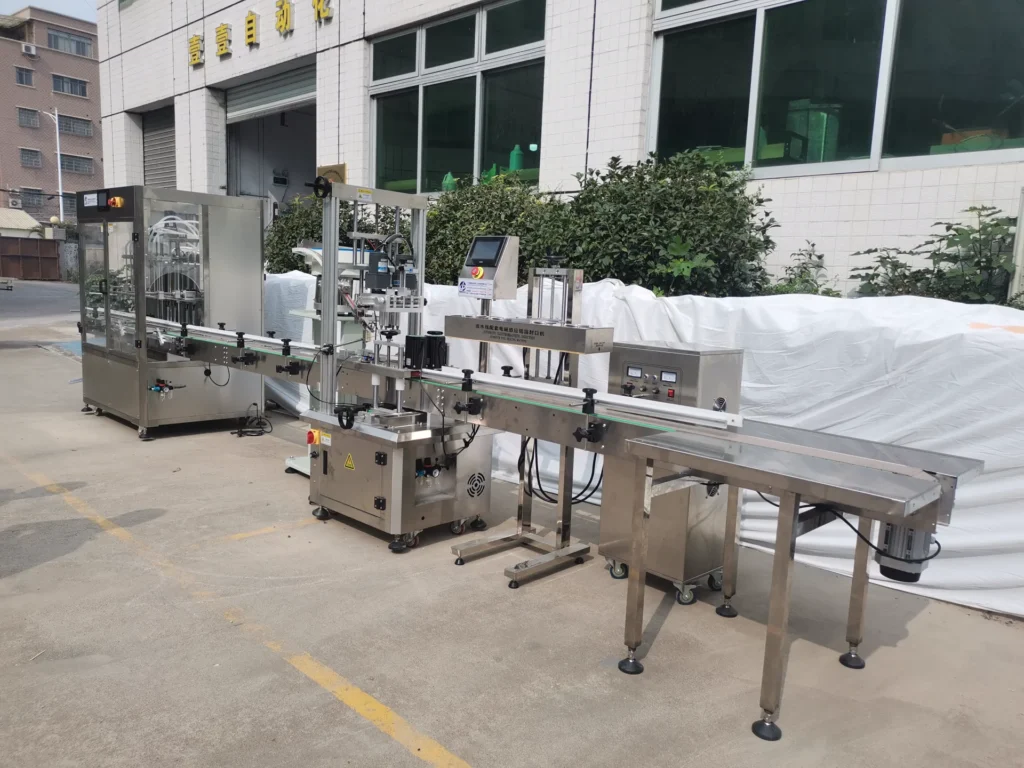
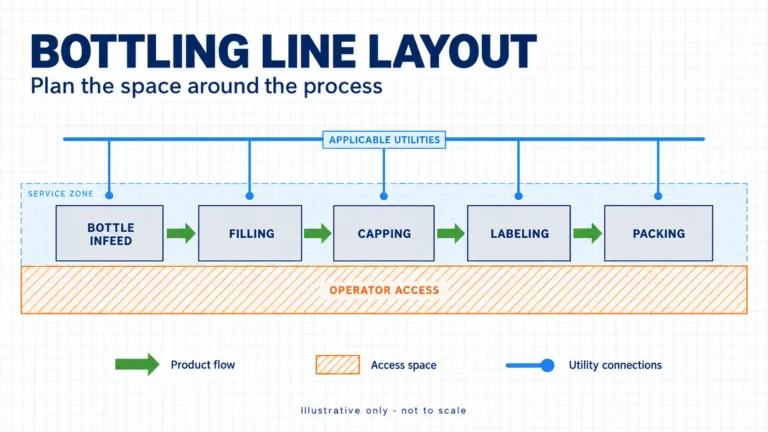
Bottling Line Layout: How to Plan Space, Access and Utilities Before You Buy

Plan your bottling line layout before buying equipment so you can review how the machines, materials, people and utility connections will share the available space. A machine footprint shows where the equipment stands. It does not show where an operator replaces labels, a technician removes a component or a forklift collects finished pallets. A useful preliminary layout brings these requirements together. The goal is to give your supplier enough verified information to discuss equipment placement and identify unresolved interfaces before you commit to a configuration. A Six-Stage Process for a Bottling Line Layout Use this Six-Stage Layout-Ready RFQ Process to prepare your request for quotation, or RFQ: Define the production basis: what the line must package and deliver. Survey the usable site envelope, including equipment delivery access. Map every flow, from empty bottles to waste removal. Define machine interfaces and

Sep 12, 2026 Slany Cheung

Labeling Machine Troubleshooting: Wrinkles, Bubbles, Skewing and Missing Labels

Labeling machine troubleshooting starts with finding where the first error occurs: before the label leaves the liner, when it first touches the bottle, during wrapping, or after the bottle leaves the machine. A wrinkle, a bubble and a missing label can require very different checks. This guide covers pressure-sensitive bottle labeling, including wraparound and front-and-back applications. It helps you decide what to inspect, what evidence to keep, and when to discuss a different machine configuration. It does not replace the operating manual for your equipment. Glue application and shrink-tunnel faults need a different procedure; see our hot melt and pressure-sensitive labeling comparison if you are unsure which process you use. Quick checks by labeling defect Start with an actual rejected bottle, not just the alarm description. Use this table to choose your first inspection, then follow the relevant section below.

Sep 10, 2026 Slany Cheung

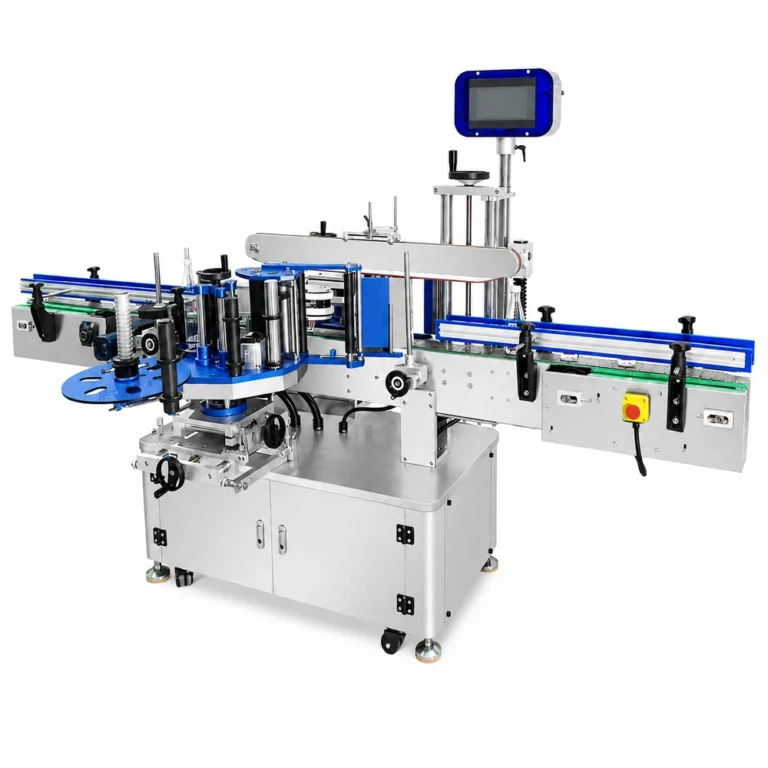
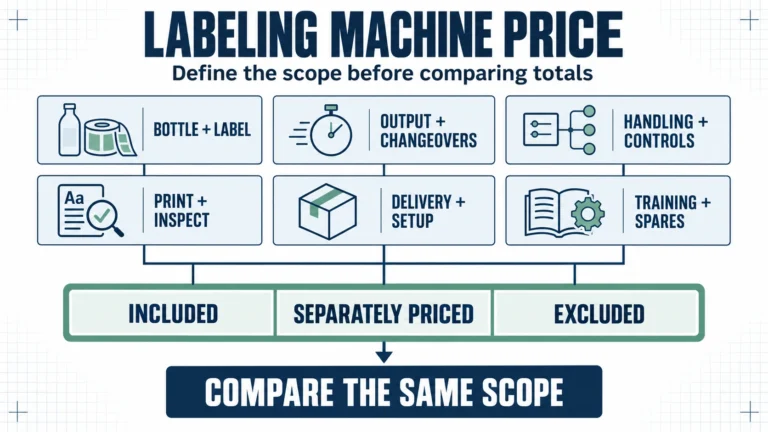
Labeling Machine Price: Manual, Semi-Automatic, Inline and Rotary Cost Factors

A useful labeling machine price must cover your bottle, label, required output and installation scope. A label applicator is the part that dispenses and applies a label to the container. A hand-loaded applicator and a conveyor-fed system do different jobs. Before comparing their prices, establish how bottles enter the machine, how labels are applied and what work remains for your operators. Primera's US catalog provides two concrete examples. When checked on September 8, 2026, the AP360 single-label applicator was listed at US$1,395. The AP550 flat-surface applicator was listed at US$2,395. These are prices for two specific products, not LEKA quotations or a general market range. Confirm current pricing, accessories, shipping and tax with the seller. [1] For an automatic bottle labeler, request an itemized quotation. Bottle handling, extra label heads, printing, inspection and connection to your existing line can change

Sep 08, 2026 Slany Cheung

Hot Melt vs Pressure-Sensitive Labeling Machine: Which Is Better for Your Bottles?

Start with hot melt when your project uses a wrap-around label and long runs of a stable bottle format. Start with pressure-sensitive labeling when you need separate front and back labels, flexible decoration or frequent product changes. Then compare both options using your actual bottles, label samples and production schedule. For a factory buying a labeling machine, the decision affects more than appearance. It determines which label stock you order, which parts need changing and how the labeler fits after filling and capping. This hot melt vs pressure-sensitive labeling machine guide helps you turn those requirements into a clear equipment request. The deciding question: Which system can deliver your required number of correctly labeled bottles across a normal shift, including setup, label changes and cleaning? Use the comparison below to shortlist a method. Confirm the final configuration with a bottle-and-label

Sep 04, 2026 Slany Cheung

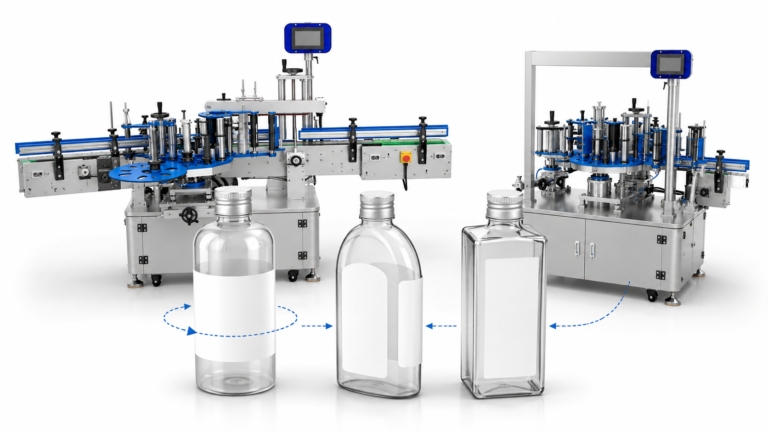
Bottle Labelling Machine Types: Choose by Bottle, Label and Line

Choosing between bottle labelling machine types starts with matching the container, label and production line—not by selecting one isolated machine category. A round cylindrical bottle with one self-adhesive label commonly uses wrap-around labelling. An oval or flat-sided bottle may need separate front-and-back labels, while a bottle that must present its label in a fixed position needs orientation control. Linear and rotary describe how containers move through the machine, not the label style itself. For Australian factory owners, production managers and line integrators, the practical choice depends on bottle shape and stability, label position and material, required output, product changeovers, available floor space, and integration with filling and capping equipment. Key Takeaways Machine Configuration Suitable Container Label Application Typical Production Use Key Selection Checks Round-bottle wrap-around Cylindrical bottles, jars and cans Full or partial wrap Standalone or inline lines Diameter, stability,

Sep 01, 2026 Slany Cheung

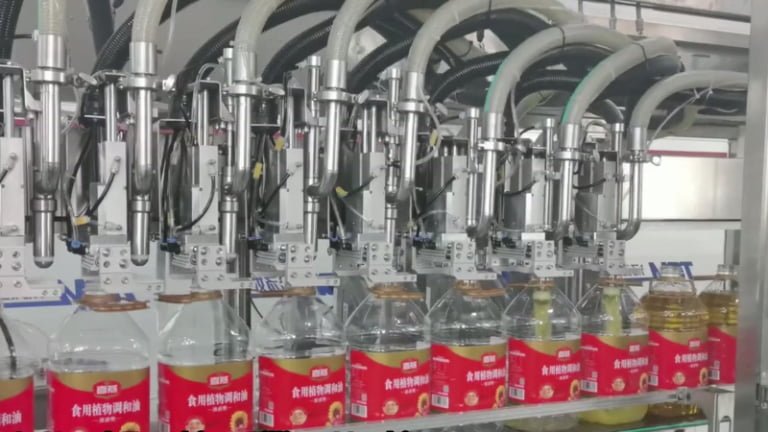
Flow Meter vs Net Weight Filling for Edible Oil: Which Is Better for 1–25L Bottles?

Quick verdict: For most automatic 1–25L edible oil filling machine projects, start by evaluating flow-meter filling when continuous output and multi-head automation are priorities. For 25–50L, compare both systems against the actual oil, container, accuracy target, and line speed. For 50L+ containers, drums, or lower-output bulk filling, net-weight filling becomes increasingly attractive because it controls the dispensed quantity directly by weight. Many edible oil producers assume that a larger container automatically requires a weighing filling machine. That shortcut can exclude a practical option too early. Modern flow-meter systems are used for edible oil filling, while net-weight systems are also available across overlapping container ranges. The correct question is not simply, “How many litres does the container hold?” It is: Which metering method can meet the required quantity control and repeatability at the target containers per hour, while fitting the bottle,

Sep 01, 2026 Slany Cheung

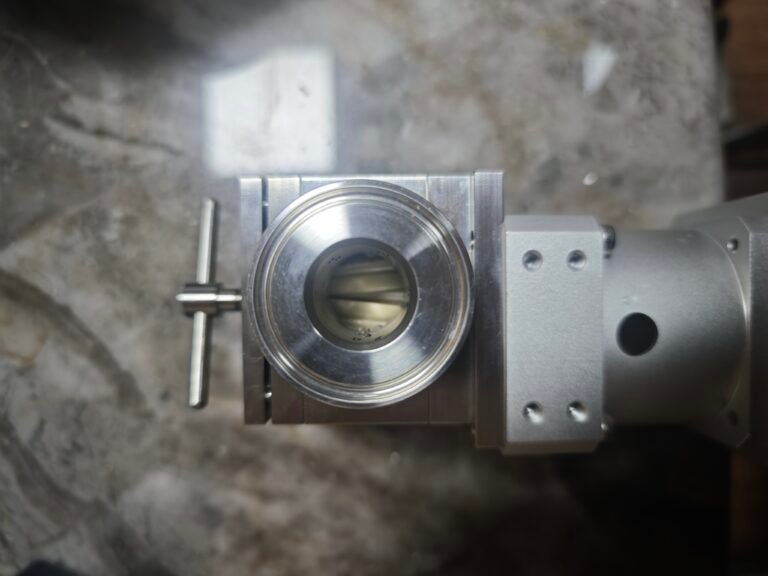
Servo Gear Pump Filling Accuracy: How It Works

Servo gear pump filling accuracy comes from combining positive-displacement pumping with controlled servo motion. The gears move product through the pump as they rotate, while the servo system commands the rotation used for each dose. This makes the method a strong candidate for compatible, particle-free liquids that need digitally adjustable filling. Author: Slany Cheung, LEKA Pack Line Who this guide is for: factory owners, purchasing managers, production managers, engineers and packaging-line integrators evaluating a servo gear pump for a new filling machine or line upgrade. Quick answer: A servo gear pump can deliver a consistent dose because pump displacement is tied to controlled gear rotation. For the GP-075S1 configuration shown here, the factory specification is up to ±0.3% under matched and calibrated operating conditions. The final result still depends on the product, fill volume, temperature, speed, supply stability, nozzle behavior

Aug 28, 2026 Slany Cheung

Salad Dressing Filling Machine Guide for Vinaigrettes, Creamy Dressings, and Particulates

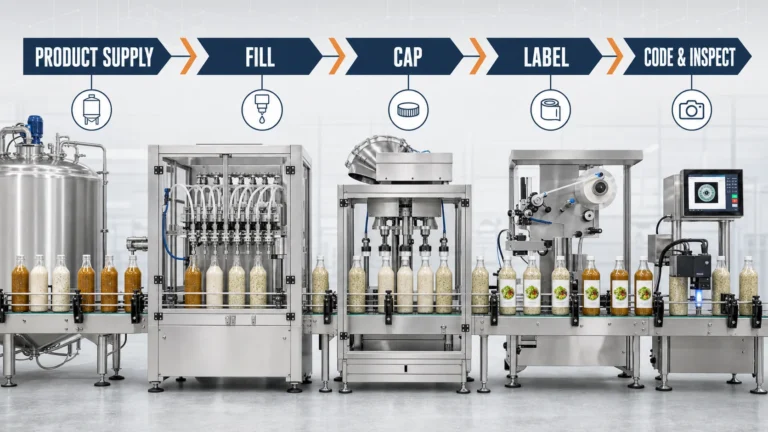
Salad Dressing Filling Machine Guide for Vinaigrettes, Creamy Dressings, and Particulates A salad dressing filling machine should be selected from the dressing that reaches the filler—not from the product name alone. A pourable vinaigrette, a thick ranch-style dressing, and a recipe carrying herbs or vegetable pieces can place very different demands on the product supply, metering method, valves, nozzles, and cleaning procedure. This guide is written for food factory owners, purchasing managers, production managers, engineers, co-packers, distributors, and packaging-line integrators. It explains how to classify the product, compare practical filling directions, define the rest of the bottling line, and turn a quotation into a testable project. Scope note: This article covers filling and packaging equipment. The producer's qualified team remains responsible for the recipe, process controls, heat treatment, shelf life, allergen programme, package validation, and compliance requirements in the destination

Showing 1-10 of 49 articles

Loading Articles...
Get in Touch

Need Help Selecting
the Right Equipment?

Our engineers are available to discuss your production requirements, recommend the right filling line configuration, and provide a detailed technical proposal -- at no cost.